WorkSetup Guide

WorkSetup Guide

Office & Business Reviews & Buying Guides

Compare office & business by use case, features, trade-offs, price, returns, and seller terms before you buy.

Buying guides

Buying guide image
Commercial Printers & Copiers

Printer Scanner

A printer scanner is a multifunction device that combines printing, scanning, and usually copying—often with fax—in one chassis. The core trade-off is simple: cheap consumer inkjets deliver low upfront cost but high per-page ink expense and fragile plastic feeds, while commercial laser and copier-class machines cost more initially yet use high-yield toner, metal paper paths, and duty-rated engines that survive real office volume. The decision rule: if you print more than a ream of paper per month or need reliable document feeding, buy a laser-class multifunction; if you print only occasional color photos, a consumer inkjet is acceptable.
Buying guide image
Label Makers & Supplies

Waterproof Label Maker

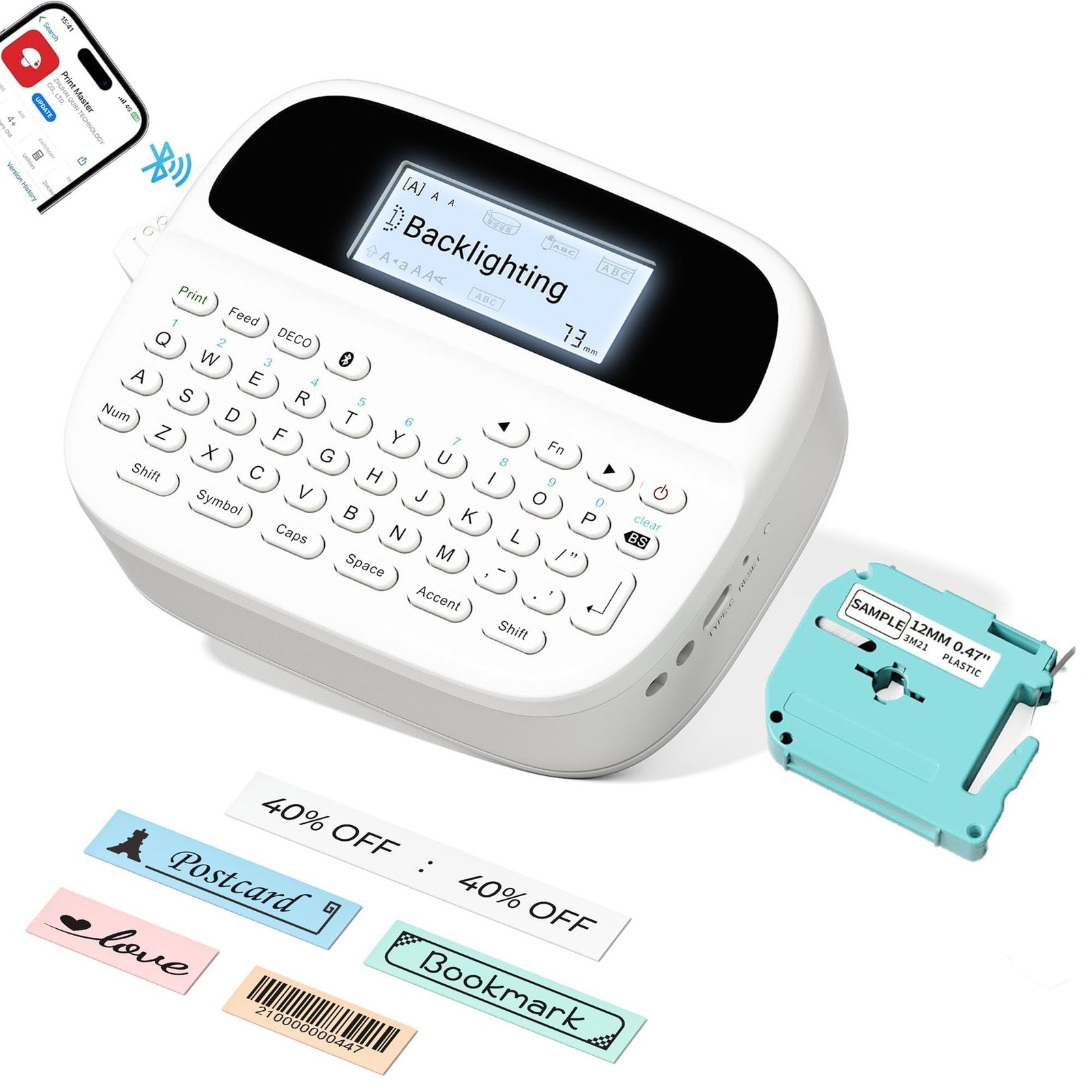
A waterproof label maker is a labeling device whose output—tape or embossed plastic—resists water, humidity, and abrasion, so labels survive kitchens, garages, gardens, and outdoor gear. The core trade-off is print technology: thermal transfer with laminated tape vs. embossing vs. direct thermal, each with different durability, cost, and connectivity. The decision rule: for permanent outdoor or wash-down use, choose laminated thermal-transfer tape; for quick indoor organization, direct-thermal Bluetooth units are adequate; skip embossers if you need barcodes or fine text.

Buying guide image
Stationery, School & Office Consumables

123 Greeting Birthday Card

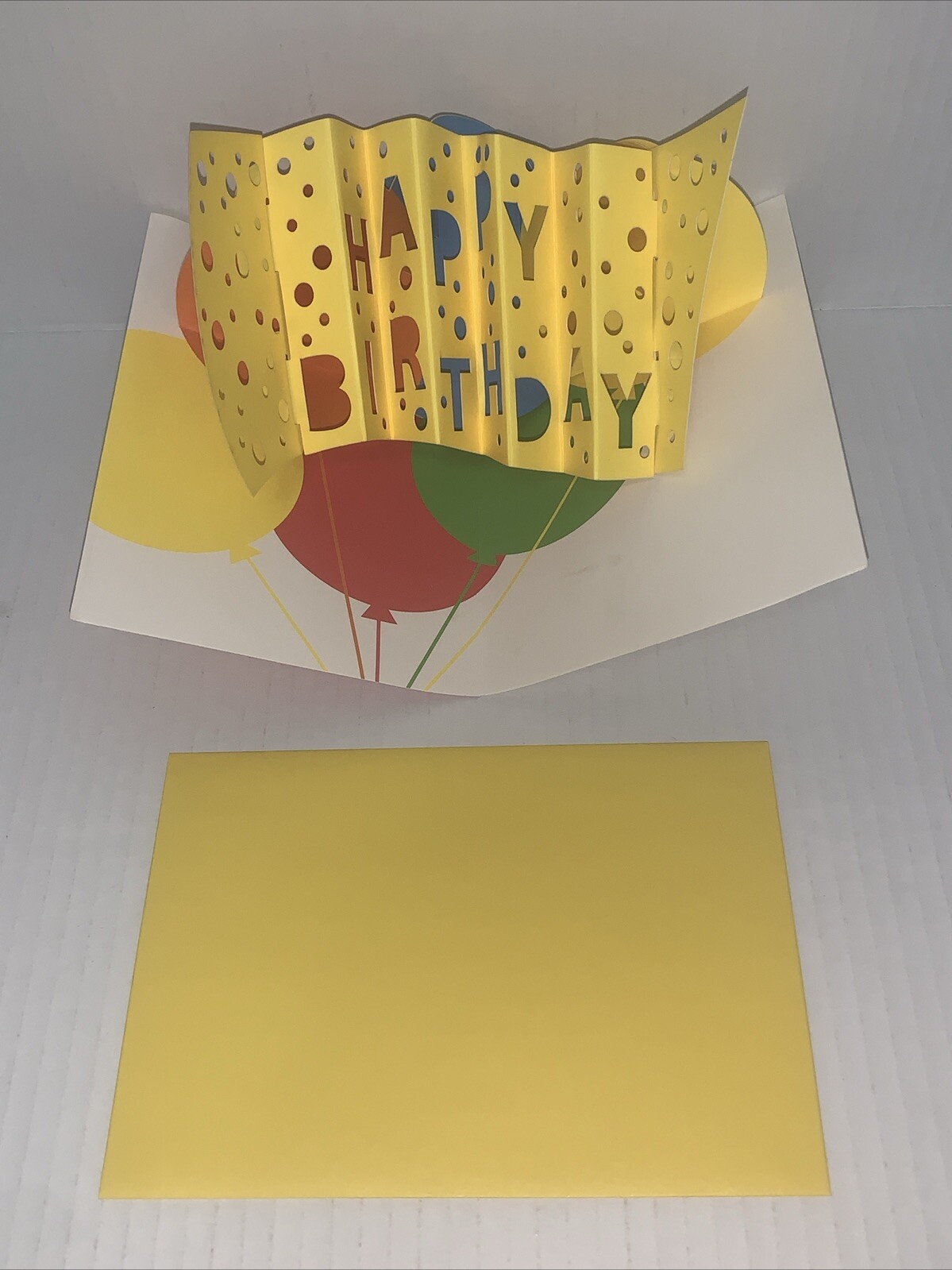
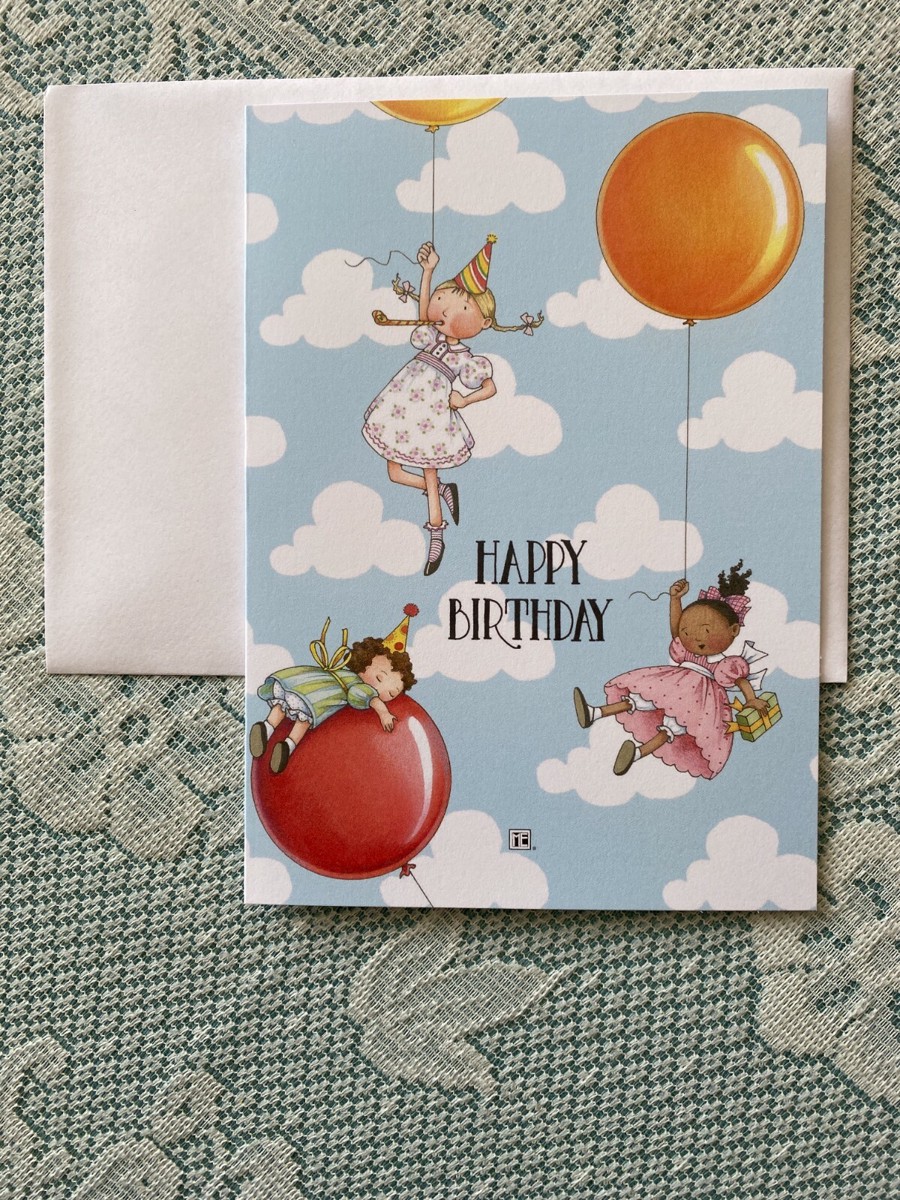
123 Greetings birthday cards are digital e-cards delivered via email or web link, not physical stationery — a format that trades print quality and keepsake value for instant delivery and low cost. The main decision is whether you need a printable or physical card for hand-signing versus a screen-only animated card. Choose digital only when speed and remote delivery matter more than paper stock and handwriting.

Buying guide image
Packing & Shipping

White Corrugated Box

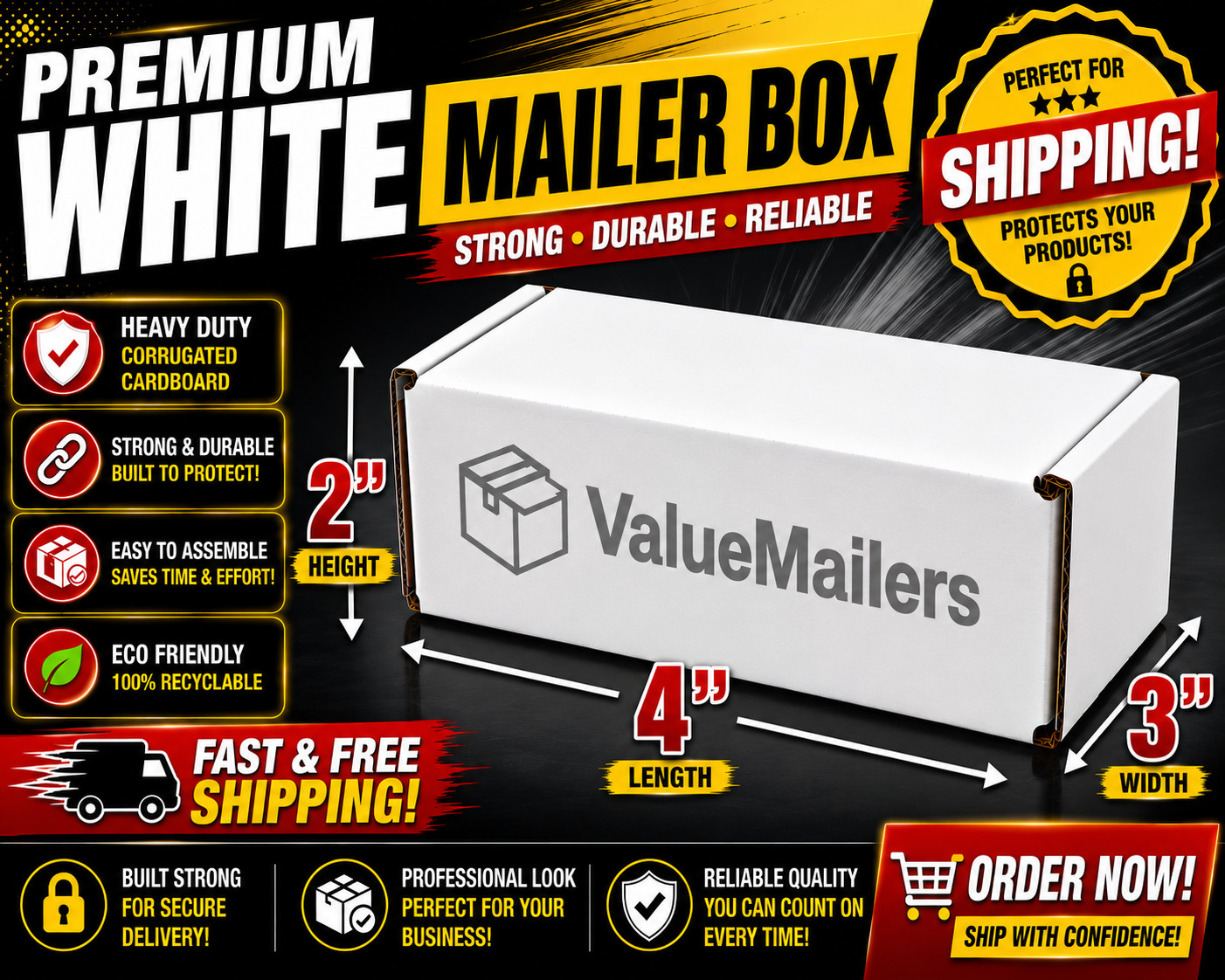
White corrugated boxes are shipping and mailer cartons made from bleached white linerboard over a fluted medium, used for retail-ready packaging, e-commerce, and protective shipping. The core trade-off is flute profile and wall strength versus box weight and cost: B-flute gives a crisp printable surface and good compression, while 32 ECT defines the stacking load. Buy a box with a stated ECT rating and a matching inner dimension for your product; skip generic 'white box' listings with no flute or ECT specification.

Buying guide image
Commercial Printers & Copiers

Copier

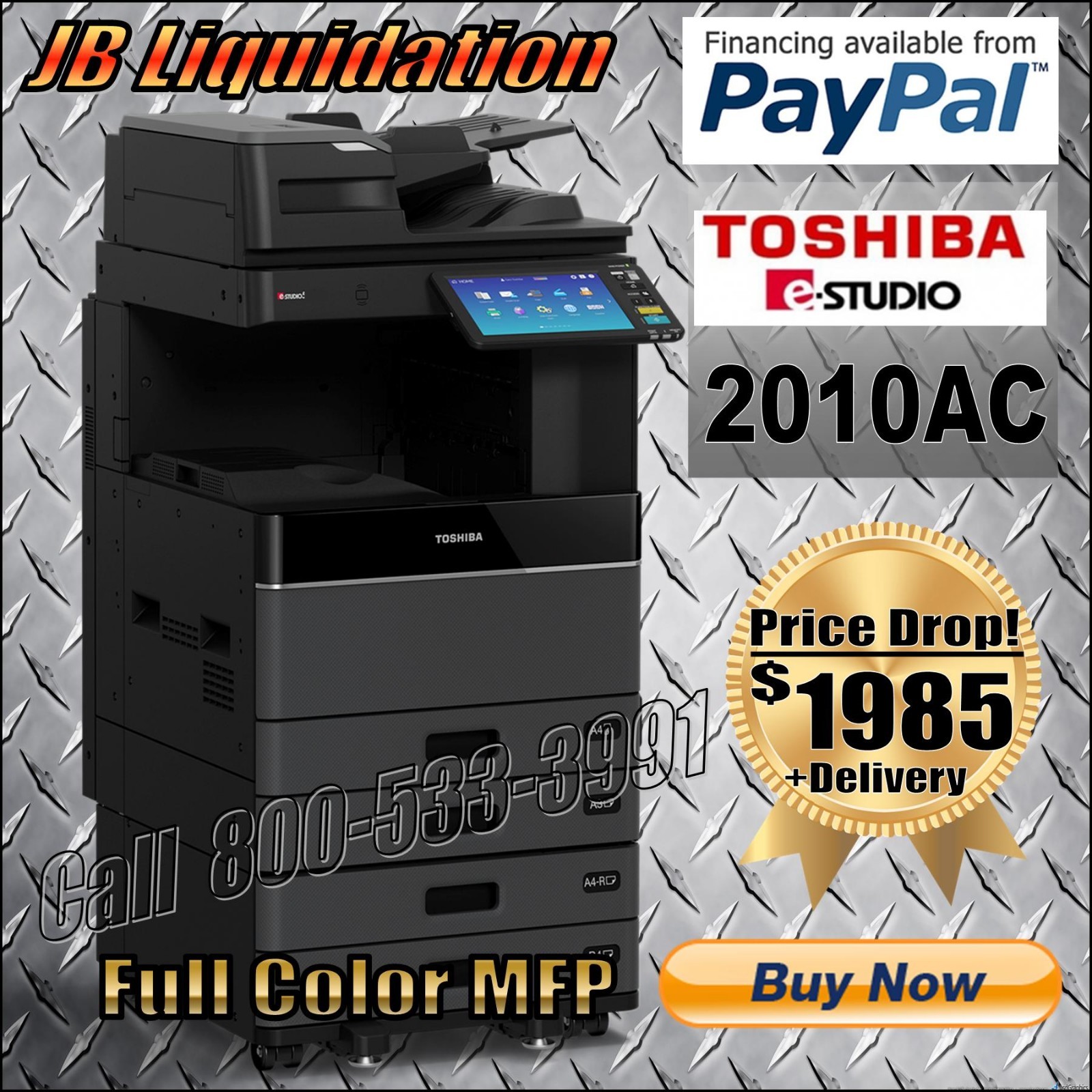
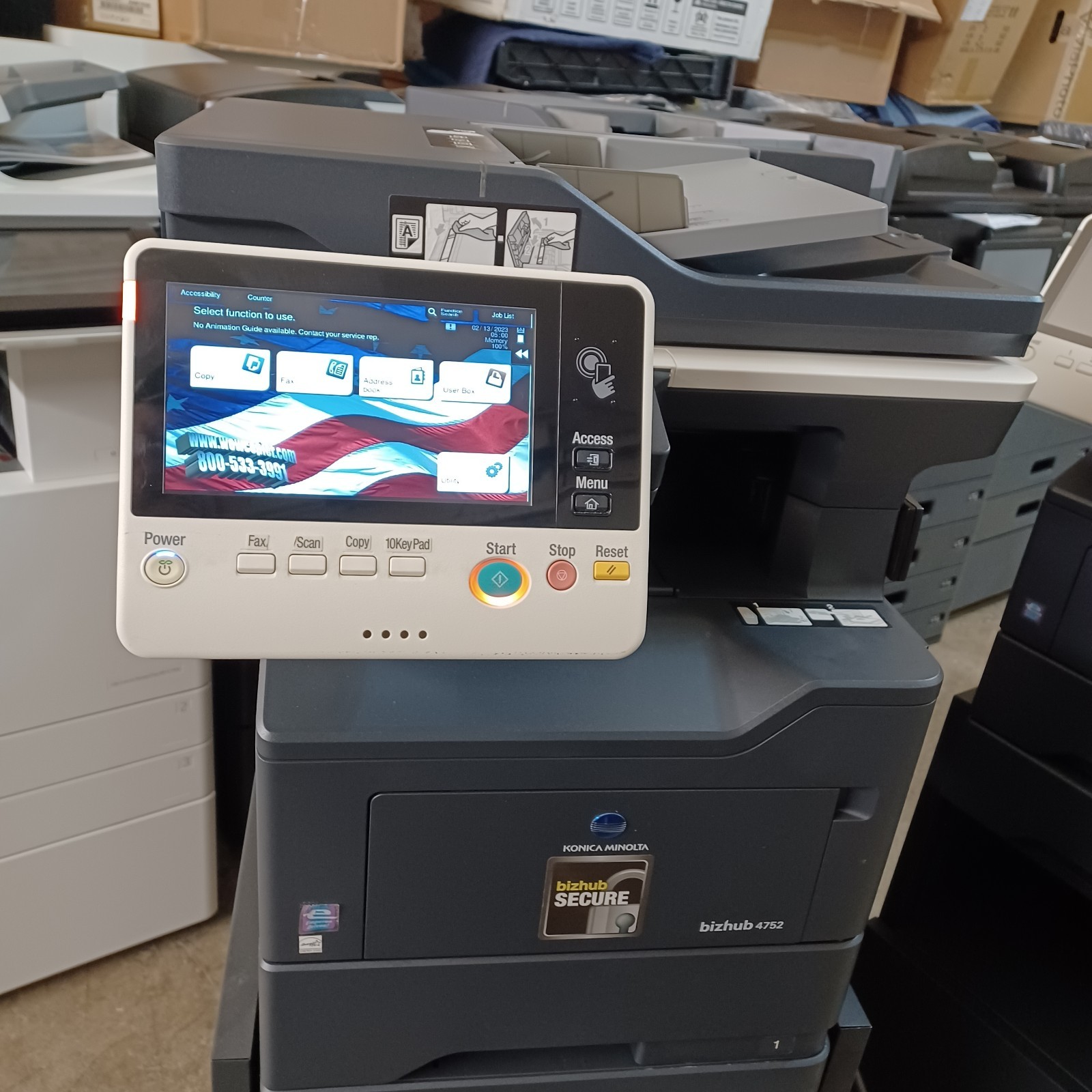
A copier is a freestanding multifunction printer (MFP) built for walk-up copying plus print/scan/fax, and the core trade-off is duty cycle and serviceability versus upfront hardware cost. Real copiers are rated in pages per minute and monthly volume, and they use field-serviceable consumables; the decision rule is to buy a model whose rated monthly volume is at least double your actual peak month and whose consumables are still sold new.

Buying guide image
Packing & Shipping

Moving Box

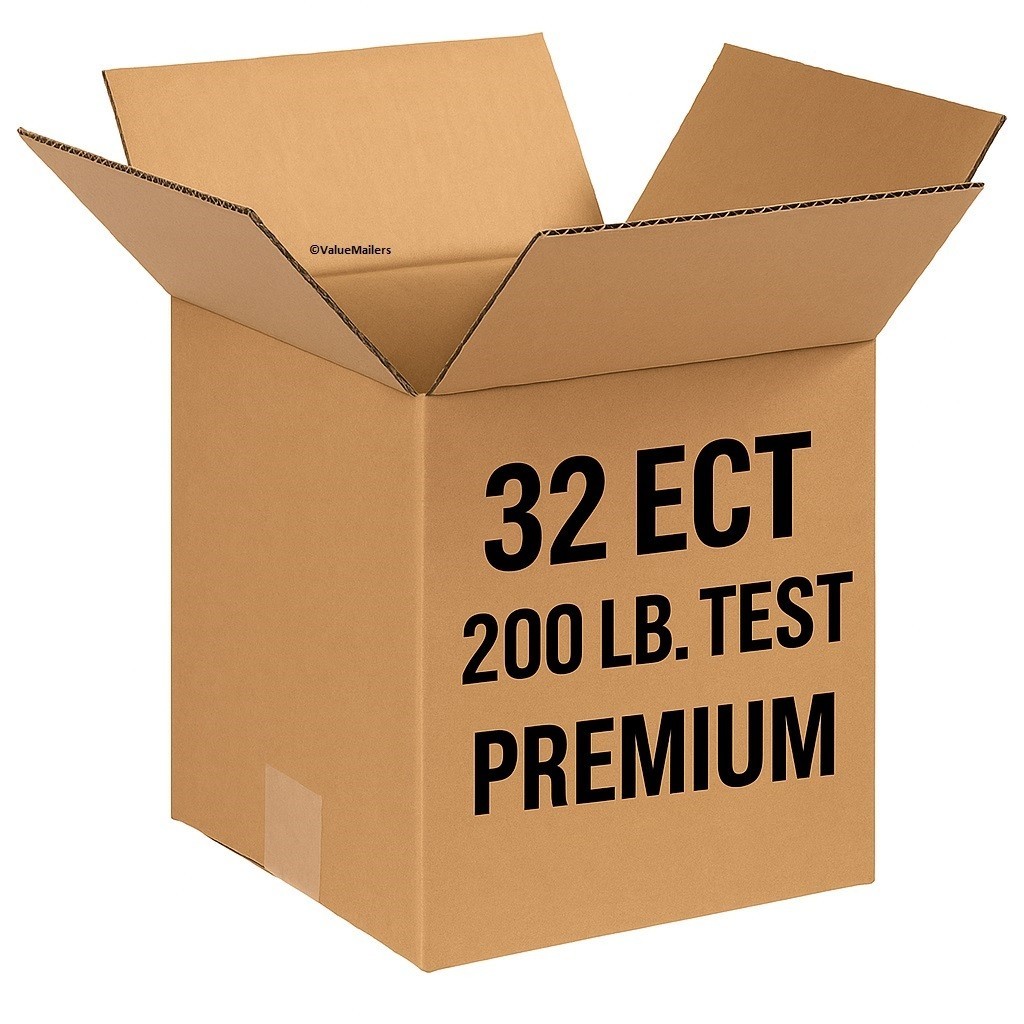
Moving boxes are corrugated cardboard containers engineered for one-time or short-term relocation, where the core trade-off is burst strength and wall thickness against cost per box. Durable options use 32 ECT or 200 lb test double-wall construction and full-flap bottoms, while compromises thin to 200 lb test single-wall with short flaps. The rule: match box tier to load weight and stack height, and never exceed the manufacturer's gross weight rating by more than 20%.

Buying guide image
Packing & Shipping

Heavy Duty Moving Box

Heavy-duty moving boxes are corrugated containers engineered to carry dense loads—books, tools, appliances, and dishware—without buckling, typically defined by a double-wall board construction and a minimum 65 lb test (32 ECT) rating. The core trade-off is board grade versus cost: single-wall 32 ECT boxes handle light household goods, while double-wall 48–60 ECT boxes are mandatory for heavy fragiles and repeated stacking. The decision rule is simple—if the packed weight exceeds 65 lb or the box will be stacked more than two high, buy double-wall; otherwise a quality single-wall 32 ECT box with proper void fill is sufficient.

Buying guide image
Commercial Printers & Copiers

Compact Printer Scanner

A compact printer scanner combines print, scan, and copy functions in a footprint sized for home offices, dorm rooms, or small desks—typically an all-in-one (AIO) inkjet or flatbed-equipped laser. The core trade-off is physical footprint and upfront simplicity versus per-page cost and duty cycle: inkjets deliver photo-quality color and low entry cost but expensive ink and wet-ink smearing; lasers deliver fast, crisp text and cheap toner but higher upfront cost and limited color/photo fidelity. The durable decision rule: buy a laser AIO if you print mostly monochrome text in volume, and buy an inkjet AIO with individual ink tanks or a refillable tank system if you need color and photos—skip any compact AIO with a single tri-color cartridge and no flatbed if scanning books or bound documents matters.

Buying guide image
Packing & Shipping

Moving Box With Handles

Moving boxes with handles are corrugated cardboard containers with die-cut or reinforced handholds, engineered to balance load capacity with carry ergonomics. The primary trade-off is board strength versus weight: single-wall 32 ECT boxes handle most household moves, while double-wall 48 ECT is required for heavy or fragile loads and repeated reuse. The clear decision rule is to match board grade and handle reinforcement to the heaviest item the box will carry—thin single-wall with unreinforced handles is a compromise that fails under dense loads.

Buying guide image
Commercial Printers & Copiers

Portable Scanner Printer

A portable scanner printer is a compact, travel-oriented device that combines sheet-fed scanning with thermal or inkjet printing, typically built for mobile professionals, field agents, and remote offices. The core trade-off is between true print quality (inkjet with replaceable cartridges) and ultimate portability (thermal printing with specialty paper), with scan resolution and feed mechanism durability separating serious tools from toys. The clear decision rule: choose thermal only if you accept specialty paper costs and monochrome output; choose inkjet if you need standard-letter color prints; and always demand at least 600 dpi optical scan resolution and a documented daily duty cycle.

Buying guide image
Commercial Printers & Copiers

Portable Printer Scanner

A portable printer scanner is a compact, travel-oriented device that combines printing and scanning in one chassis, typically relying on thermal, inkjet, or thermal-transfer technology. The core trade-off is between true portability (battery power, sub-5 lb weight, wireless-only operation) and output durability (archival pigment ink, flatbed or ADF scanning quality, AC-powered reliability). The clear decision rule: choose thermal for receipts and forms on the go, inkjet for color documents and photos, and skip anything without a defined consumable supply or OS driver support if you need multi-year use.

Buying guide image
Bindery & Print Finishing

Book Binding Machine

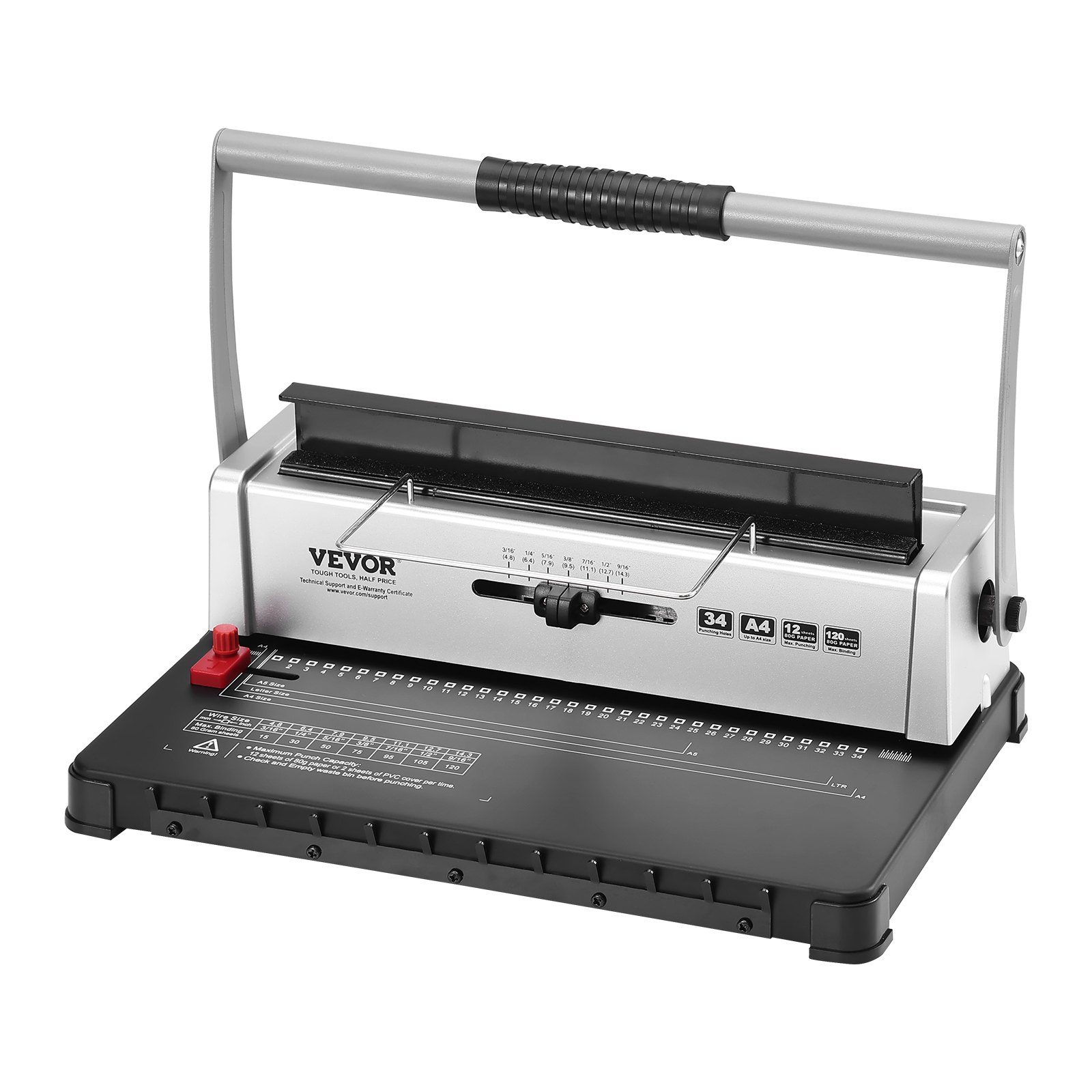
Book binding machines span four distinct binding architectures — comb, coil/spiral, wire saddle/flat stapling, and perfect (glue) binding — and the primary trade-off is manual lever force versus electric actuation, plus plastic consumables versus rigid wire or thermal glue. The clear decision rule: match the binding architecture to the document's required lay-flat behavior and page count, then buy the highest-duty punch mechanism (all-metal, ≥20-sheet manual or electric) you can afford rather than the cheapest plastic-bodied unit.

Buying guide image
Fountain Pens

Platinum Fountain Pen

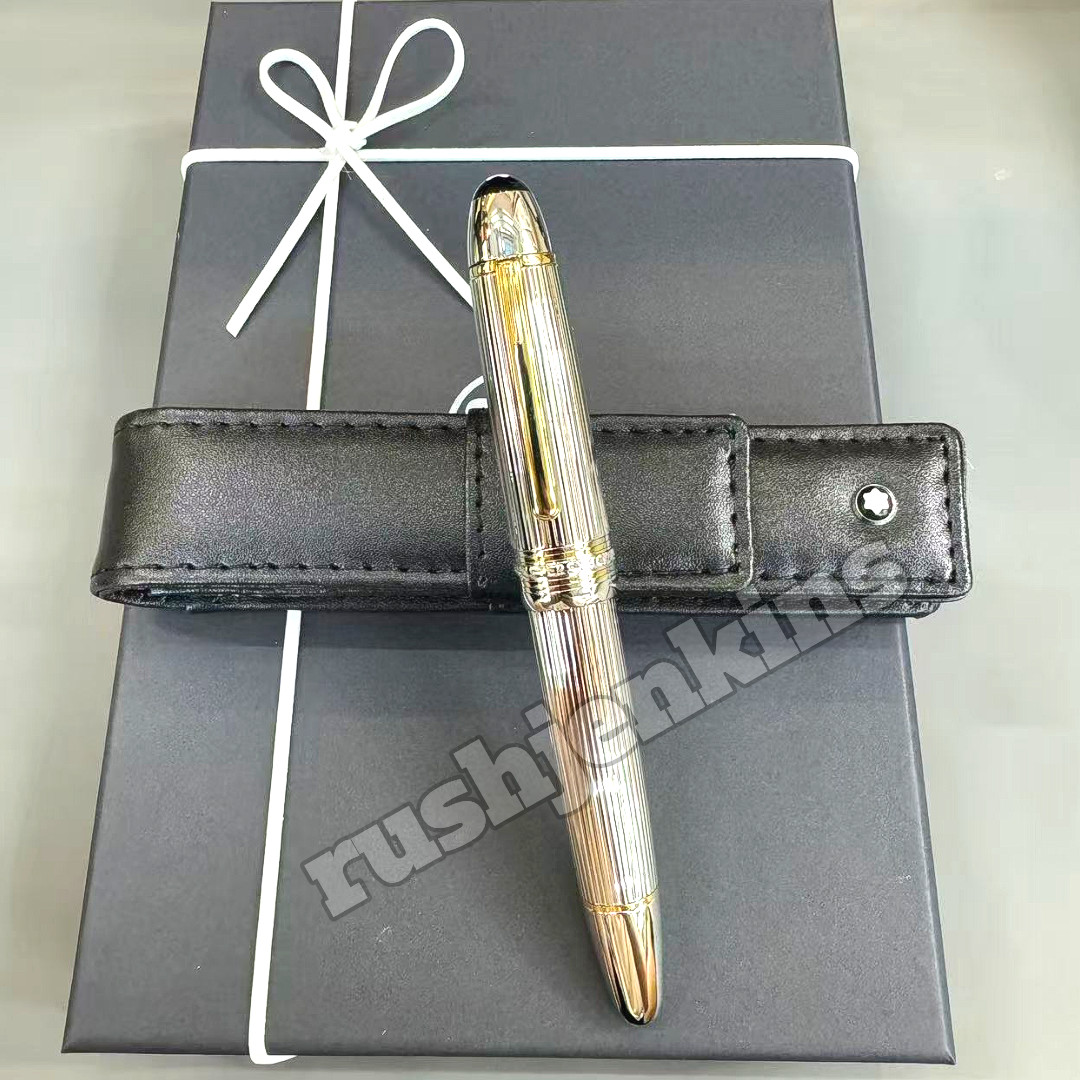
A Platinum fountain pen refers to any pen made by the Japanese brand Platinum Pen Co., known for its slip-and-seal cap mechanism that prevents ink from drying out for up to two years. The key trade-off is nib material (14K gold vs. steel) and filling system (cartridge/converter vs. piston), which separate entry-level Preppy/Plaisir pens from the flagship #3776 Century line. The decision rule: buy a steel-nib Platinum for daily throw-in-a-bag use, and step up to a 14K gold nib only if you want line variation, spring, and a lifetime of writing pleasure.

Buying guide image
Packing & Shipping

Shipping Moving Box

Shipping moving boxes are corrugated cardboard containers built to protect goods in transit and storage, with strength and cost driven by wall construction (single vs double wall), flute type, and board grade (ECT or Mullen). The primary trade-off is corrugated strength versus price and weight: single-wall 32 ECT suits household moves and light shipping, while double-wall 48 ECT is required for heavy, fragile, or long-distance freight. The clear decision rule: match box ECT rating and wall type to contents weight and handling cycles, and always choose kraft corrugated over recycled-content board for structural loads.

Buying guide image
Fountain Pens

Platinum 3776 Fountain Pen

The Platinum #3776 Century is a Japanese-made fountain pen line defined by its slip-and-seal cap, 14k gold nib, and resin body—a combination that prevents ink dry-out for months. The key trade-off is nib width and body finish: finer Japanese nibs suit daily note-taking, while broad or soft nibs demand wetter inks and slower writing. Choose by nib grade and cap mechanism, not by colorway, and skip any listing that cannot confirm the 14k gold nib and slip-seal inner cap.

Buying guide image
Label Makers & Supplies

Industrial Label Maker

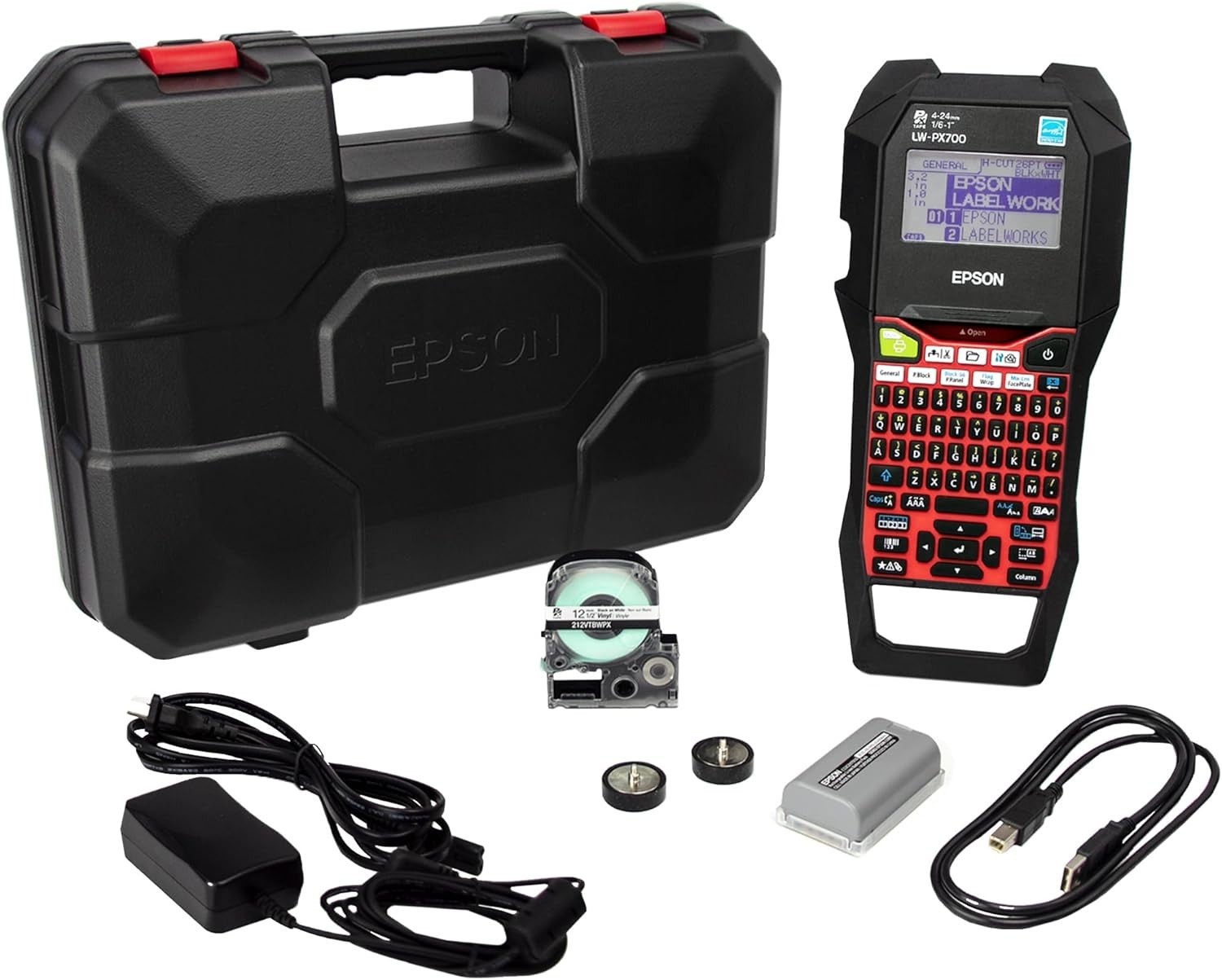
Industrial label makers are rugged, high-volume printers built for facility, warehouse, and field labeling—not desktop crafting. The core trade-off is thermal print method: direct thermal (cheap, but fades with heat/light) versus thermal transfer (ribbon-based, archival-grade durability). Choose thermal transfer with a peeler/rewind and all-metal chassis for permanent asset tags; choose direct thermal only for short-life shipping labels.

Buying guide image
Label Makers & Supplies

Home Label Maker

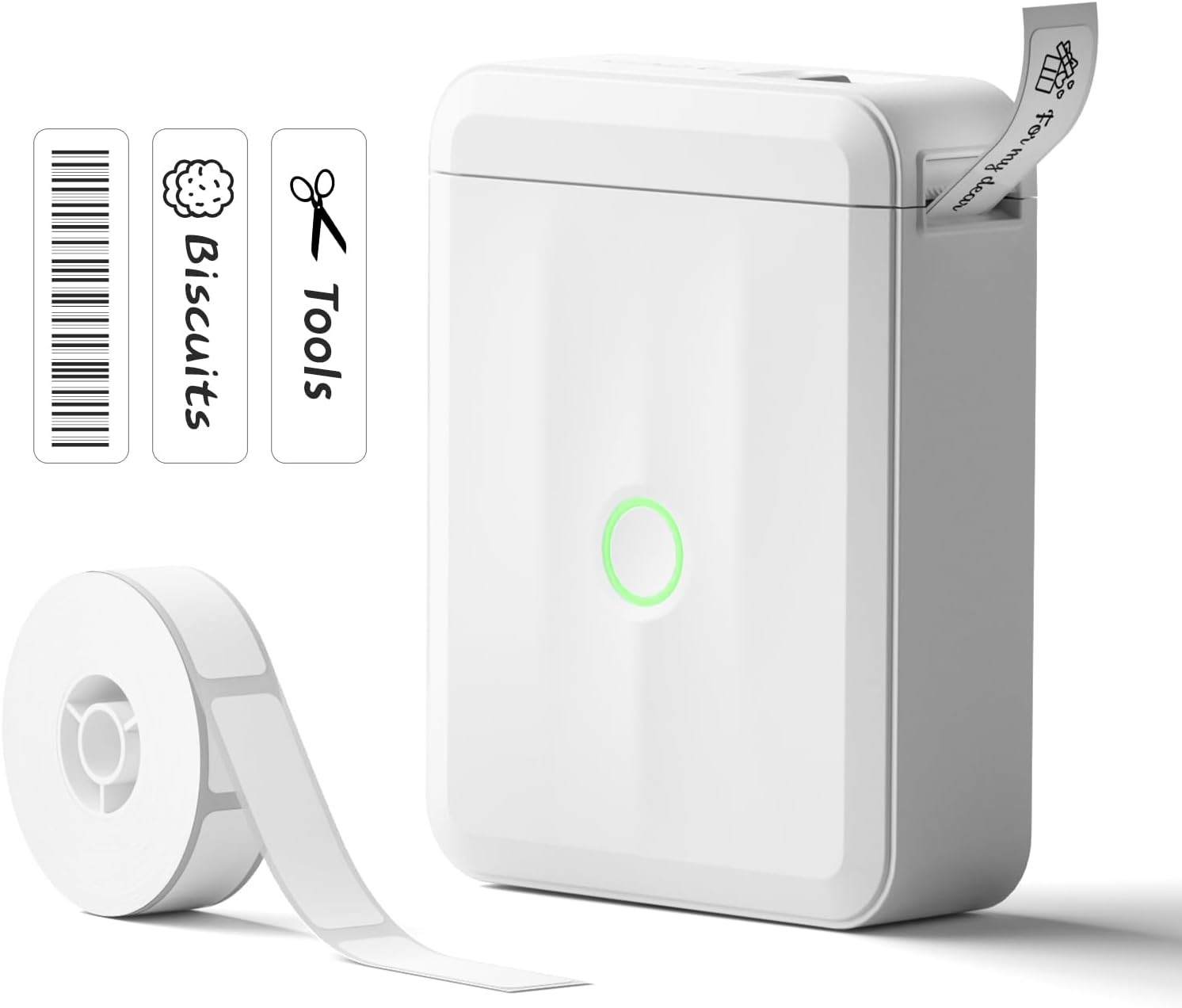
A home label maker is a compact printer for adhesive tapes and die-cut labels used to organize bins, cables, pantry jars, and files. The core trade-off is thermal printing (cheap, app-driven, but fade-prone and tape-locked) versus impact or transfer printing (durable, keyboard-standalone, but pricier and bulkier). The decision rule: choose thermal Bluetooth for occasional light-duty labeling and impact/transfer for long-life, heat-exposed, or no-phone workflows.

Buying guide image
Fountain Pens

Vintage Pen

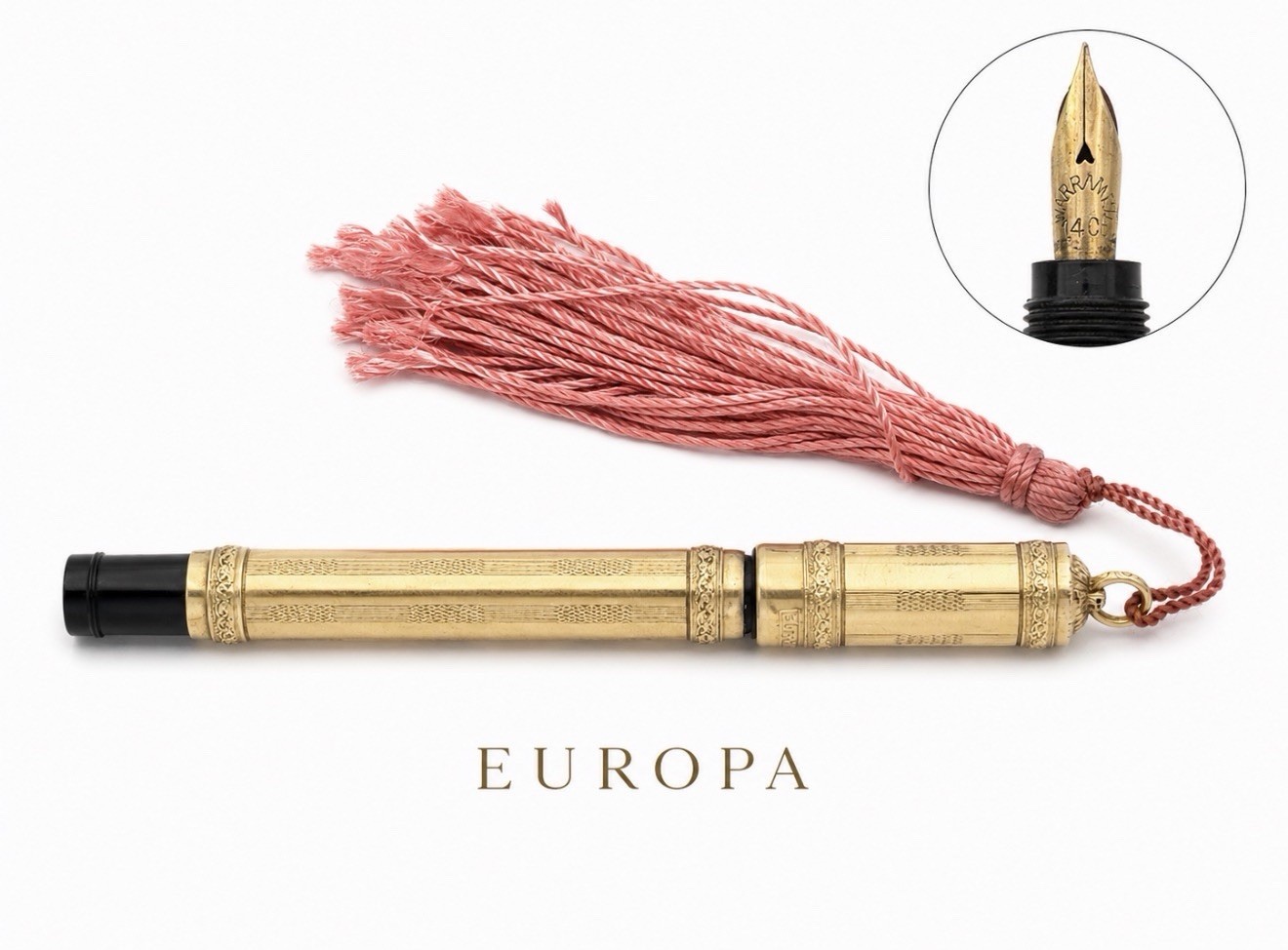
Vintage fountain pens span 1920s safety and lever-fill models to 1970s cartridge pens, with the core trade-off between collectible original condition and everyday reliability. The decisive rule: buy restored or explicitly working pens with intact nibs and filling systems, and avoid untested lots unless you can repair or resac them yourself.

Buying guide image
Stationery, School & Office Consumables

Blank Card

Blank cards are unprinted greeting or note cards sold with or without envelopes, letting you add your own message or run them through a home printer. The core trade-off is paper weight and surface versus format and quantity: lightweight matte stock is fine for handwriting but jams inkjet printers and buckles, while 80–110 lb cardstock with a smooth or coated finish feeds reliably and resists bleed-through. Choose by envelope format (A7/A2), stock weight (lb/GSM), and printer compatibility; skip thin folded-paper 'cards' that curl and show show-through.

Buying guide image
Office Organization

Pen Holder

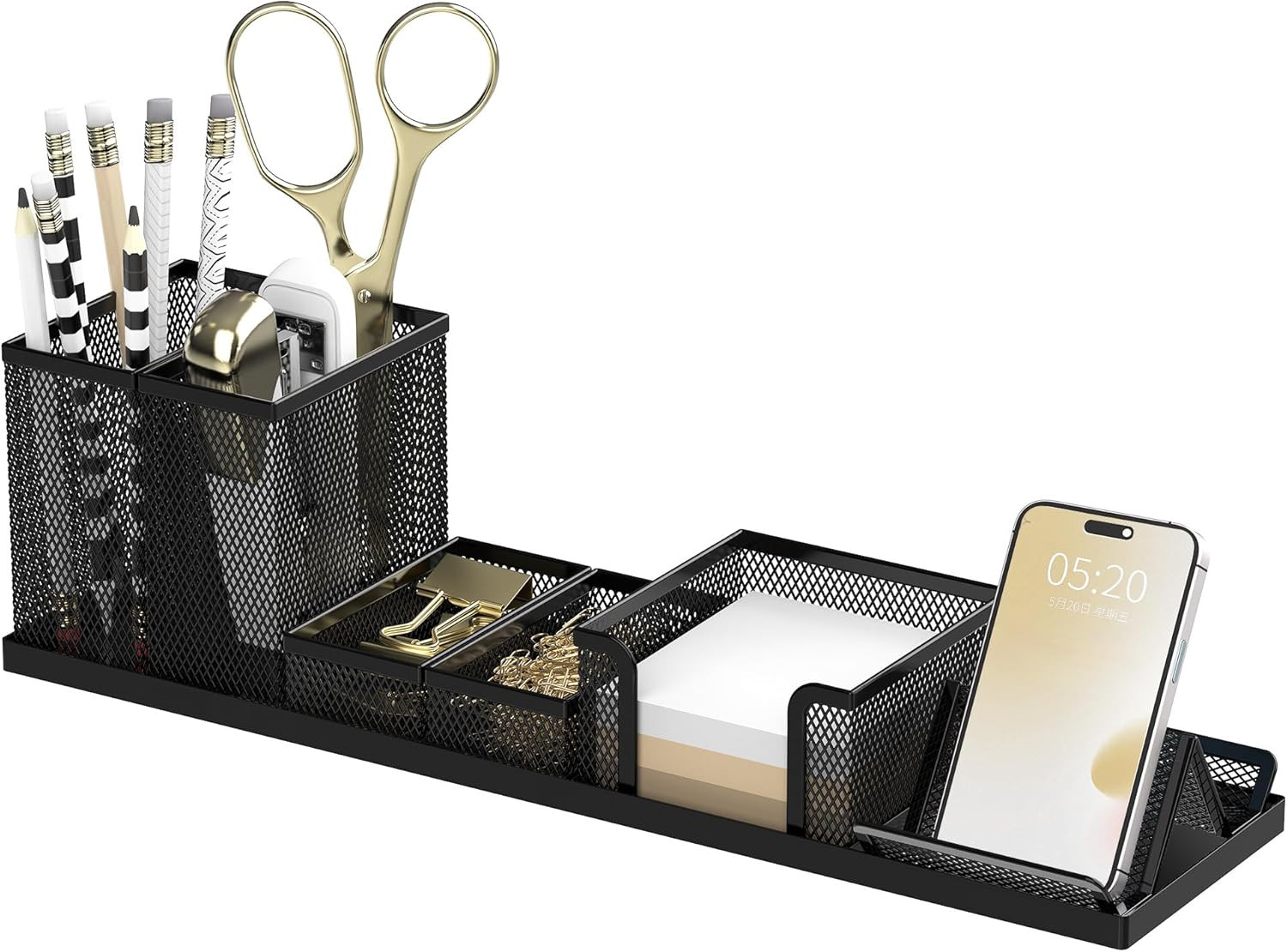
A pen holder is a desktop containment system for writing instruments and small stationery, where capacity and stability matter more than decoration. The core trade-off is between lightweight novelty shells (3D-printed PLA, thin polystyrene) that tip or crack, and rigid metal mesh, solid wood, or weighted-base designs that stay put during daily use. Choose a holder rated for your actual instrument count and pen length, and skip decorative miniatures if you store full-size pens or more than a handful.

You may also like

Finding more guides for you…