WorkSetup Guide

WorkSetup Guide

Office & Business Reviews & Buying Guides

Compare office & business by use case, features, trade-offs, price, returns, and seller terms before you buy.

Buying guides

Buying guide image
Label Makers & Supplies

Bluetooth Label Printer

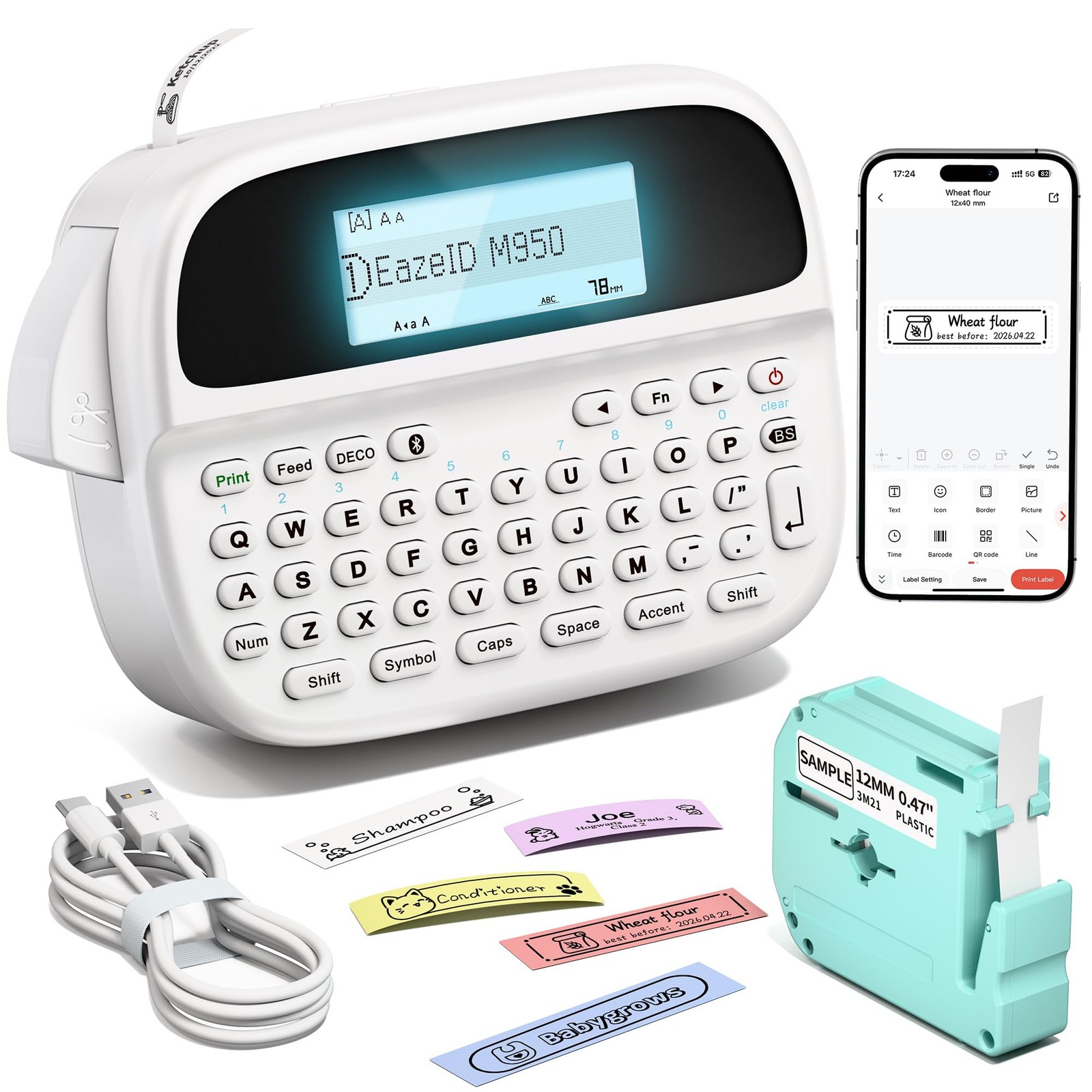
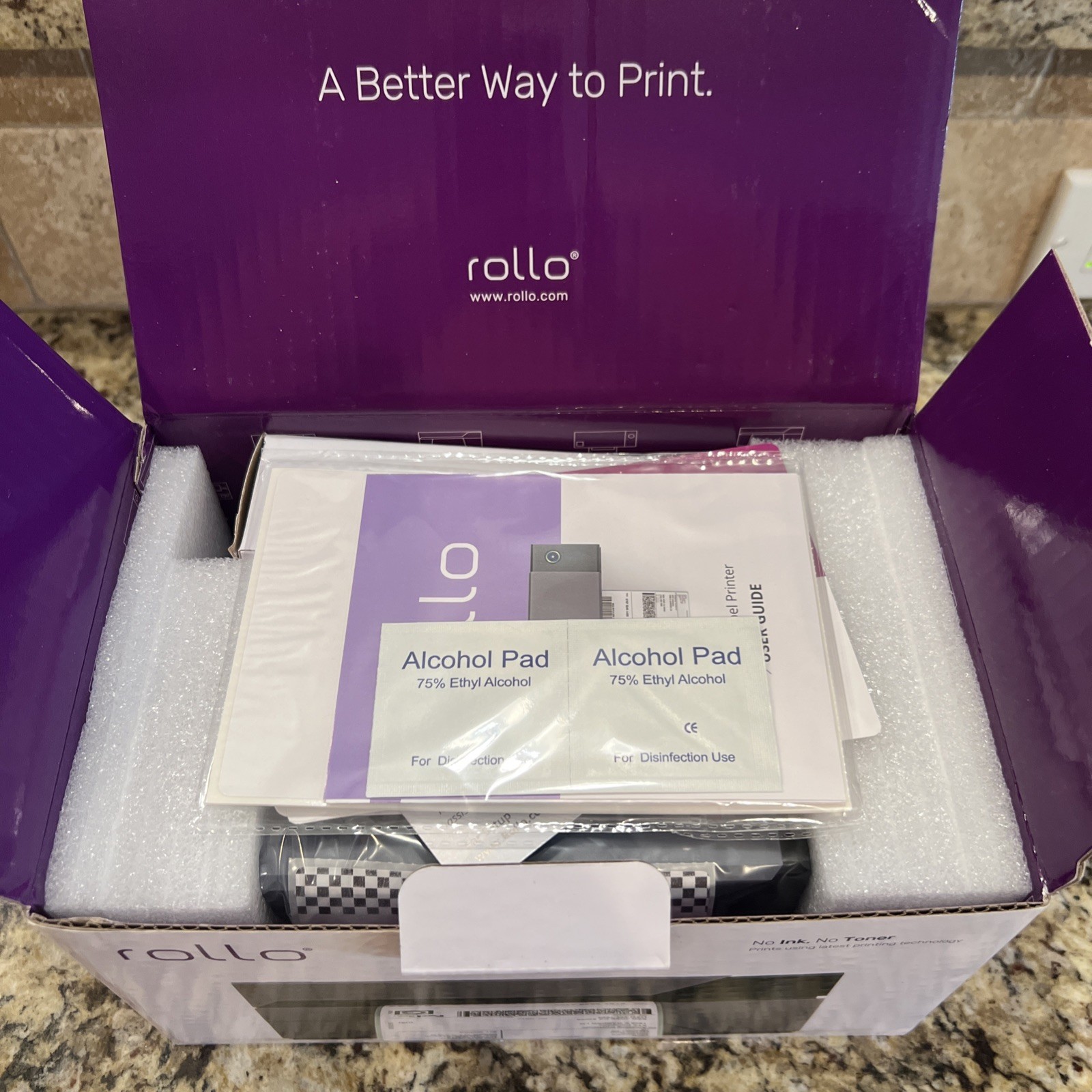
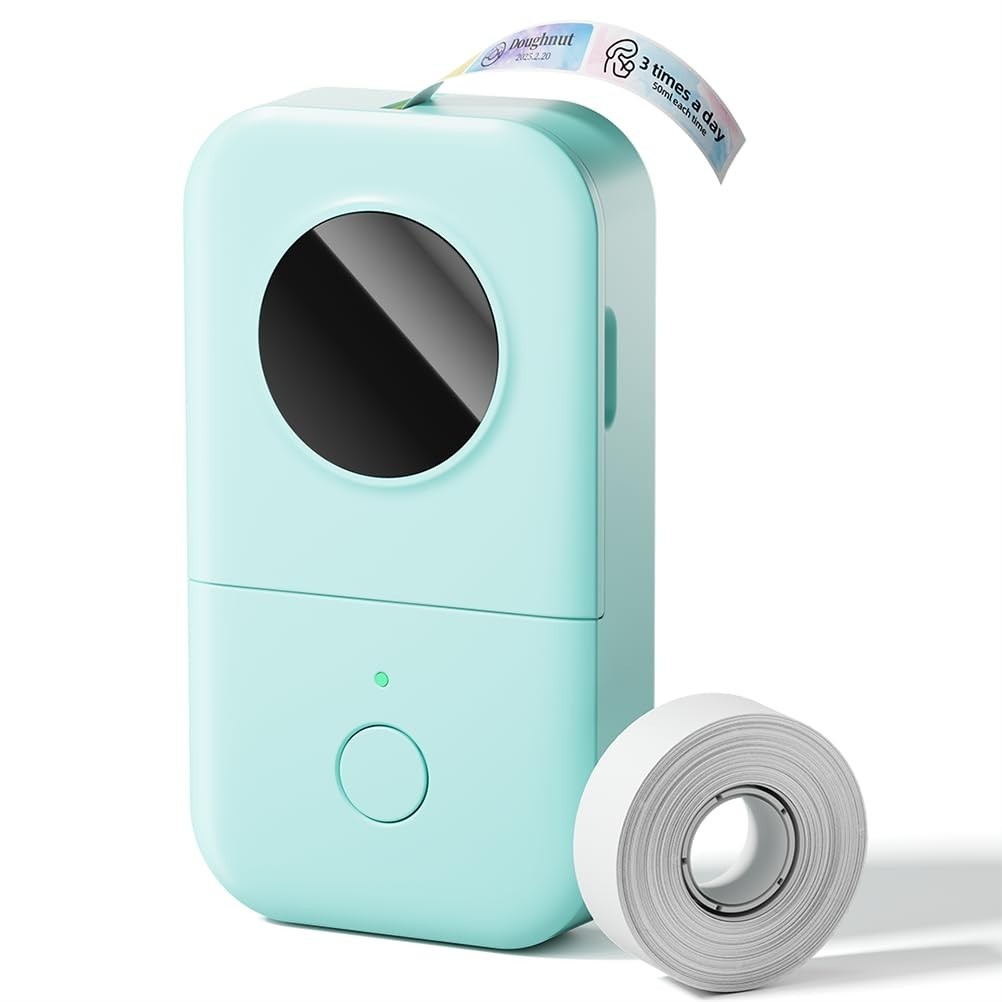
Bluetooth label printers are compact thermal printers that pair wirelessly with a phone or tablet app to produce adhesive labels without ink. The core trade-off is between direct thermal (inkless, low-cost, but heat/UV-sensitive) and thermal transfer (durable, requires ribbon) print engines, plus build quality in the feed mechanism. Choose a direct thermal model for indoor organization and short-life labels; step up to thermal transfer only if labels must survive heat, sunlight, or chemicals.
Buying guide image
Fountain Pens

Fountain Pen Set

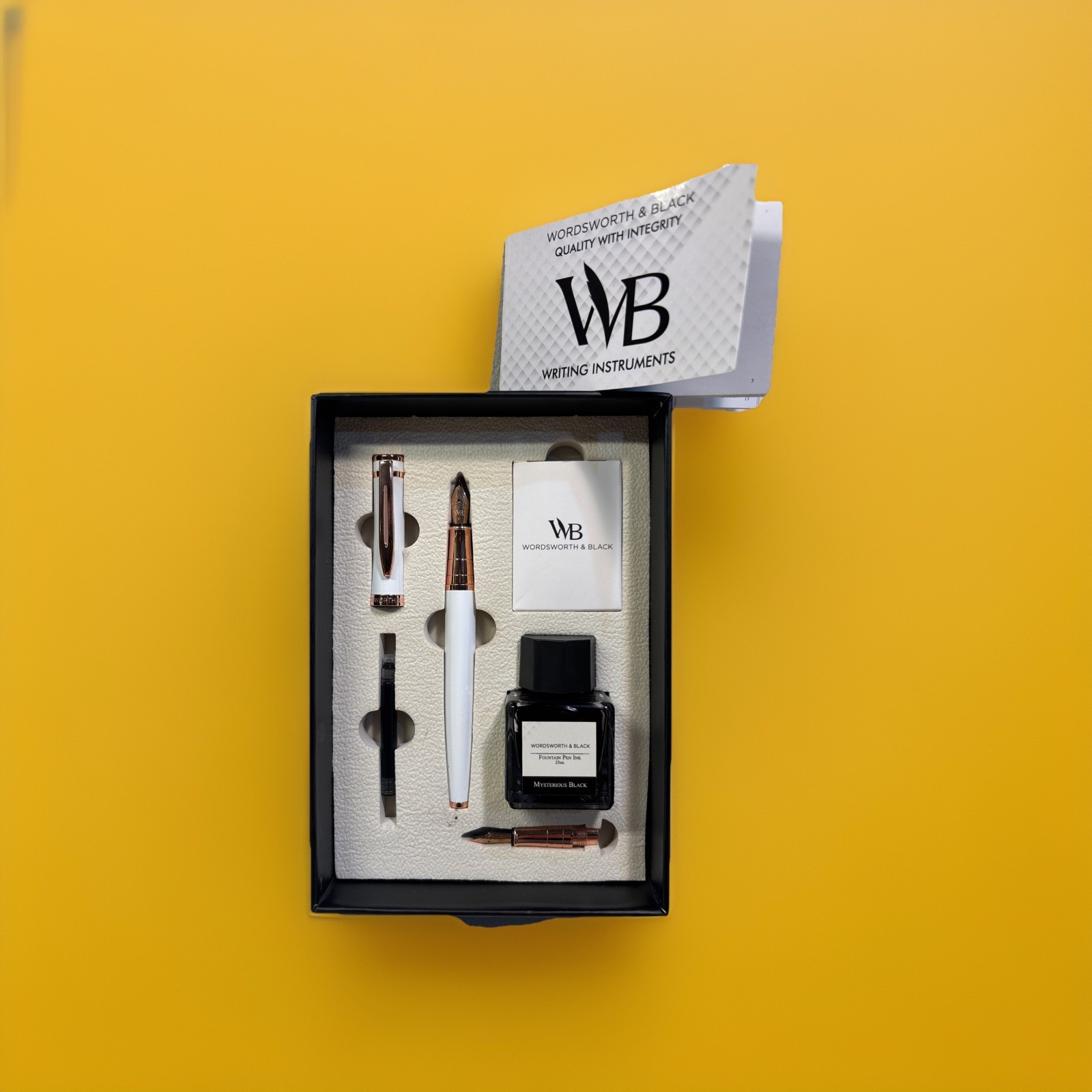
Fountain pen sets bundle a writing instrument with ink, converters, or companion pens, but the real decision hinges on nib material and filling mechanism quality. Steel nibs dominate starter sets, while gold nibs and piston fillers define collector-grade kits; the durable options specify nib grade, converter inclusion, and body material. Choose a set with a replaceable standard nib unit and a converter for long-term use, and skip sealed-cartridge-only kits with unmarked nib widths.

Buying guide image
Packing & Shipping

6x4x4 Shipping Box

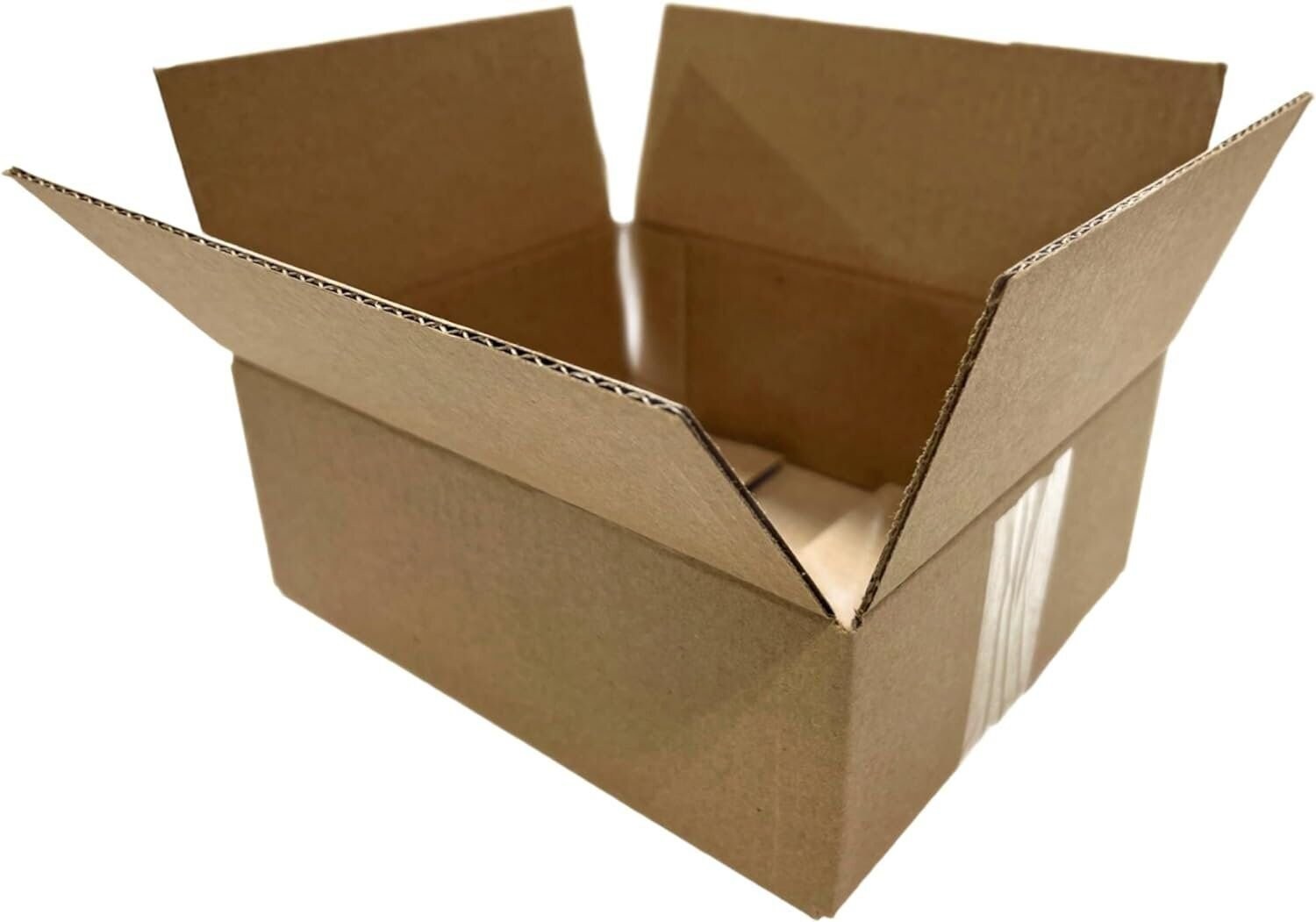
A 6x4x4 shipping box is a small corrugated carton defined by its 6-inch length, 4-inch width, and 4-inch depth, used for mailing compact, lightweight items. The primary trade-off is flute grade and wall construction: 32 ECT B-flute is the standard for crush resistance, while thinner 200# test or single-face boards sacrifice stacking strength for lower cost. The decision rule is simple: for parcels under 5 lbs, 32 ECT B-flute is the durable baseline; anything below 32 ECT or with a thin C-flute wall is a compromise for storage-only or hand-delivery use.

Buying guide image
Fountain Pens

Fine Fountain Pen

Fine fountain pens use nibs ground to roughly 0.4–0.6 mm, delivering precise lines for small handwriting, annotation, and detailed work while demanding smoother paper and a lighter hand than medium or broad nibs. The core trade-off is nib material and geometry against ink flow consistency: steel nibs are stiff and durable, gold nibs flex and dampen feedback, and feed design determines whether a fine point skips or keeps up. Choose a steel fine nib for everyday note-taking and a gold or gold-alloy fine nib only if you want line variation and are prepared to pair it with wet-flowing ink and sized-up paper.

Buying guide image
Fountain Pen Paper & Notebooks

Notebook

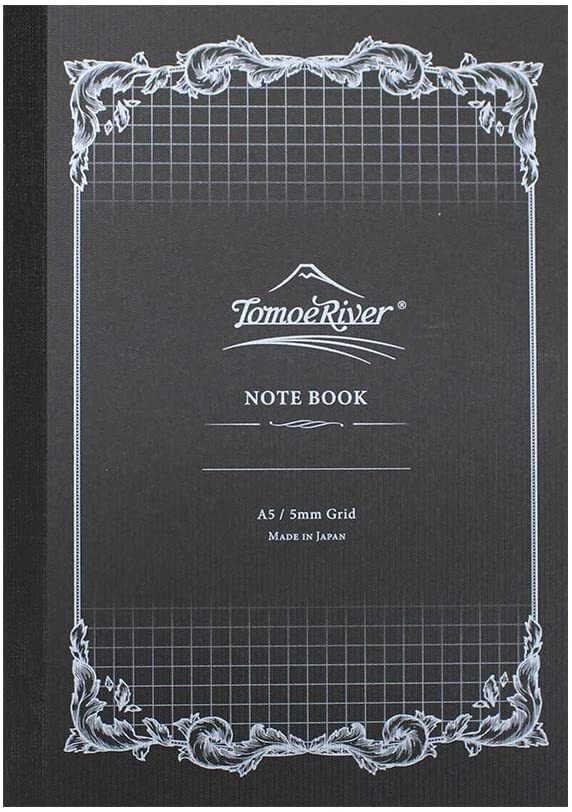
Notebooks for fountain pens are defined by paper weight, coating, and sizing, not cover branding. The core trade-off is ink resistance versus show-through: heavier, coated sheets (80–100 GSM+) handle wet nibs without feathering or bleed, while thin 52–68 GSM papers ghost badly. Buy by paper grade and binding first; covers and planners are secondary.

Buying guide image
Commercial Printers & Copiers

Commercial Printer

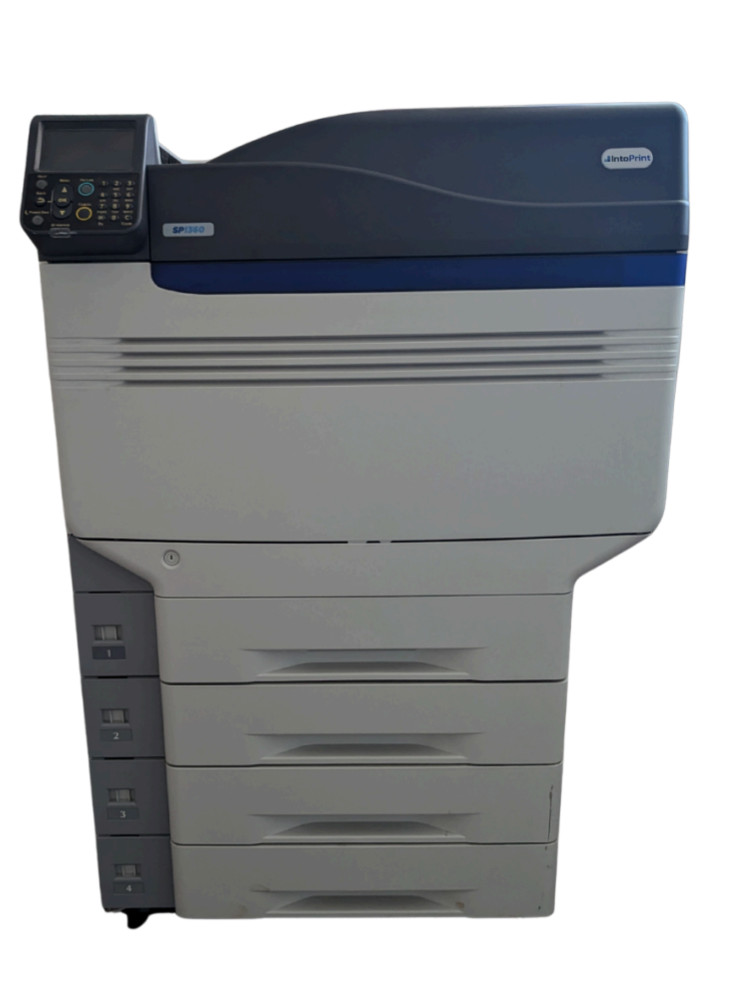
Commercial printers and copiers are A3/ledger-capable multifunction machines built for sustained duty cycles, not home-office throughput. The core trade-off is duty cycle and toner/consumable cost versus purchase price: A4-only SOHO MFPs cannot survive 5,000+ pages/month, while production-class presses demand 220V power and service contracts. Buy by verified monthly volume (5–20% of rated duty), scan/print speed tier, and finishing needs—skip any listing without a stated duty cycle or page counter.

Buying guide image
Fountain Pens

Cartridge Pen Fountain Pen

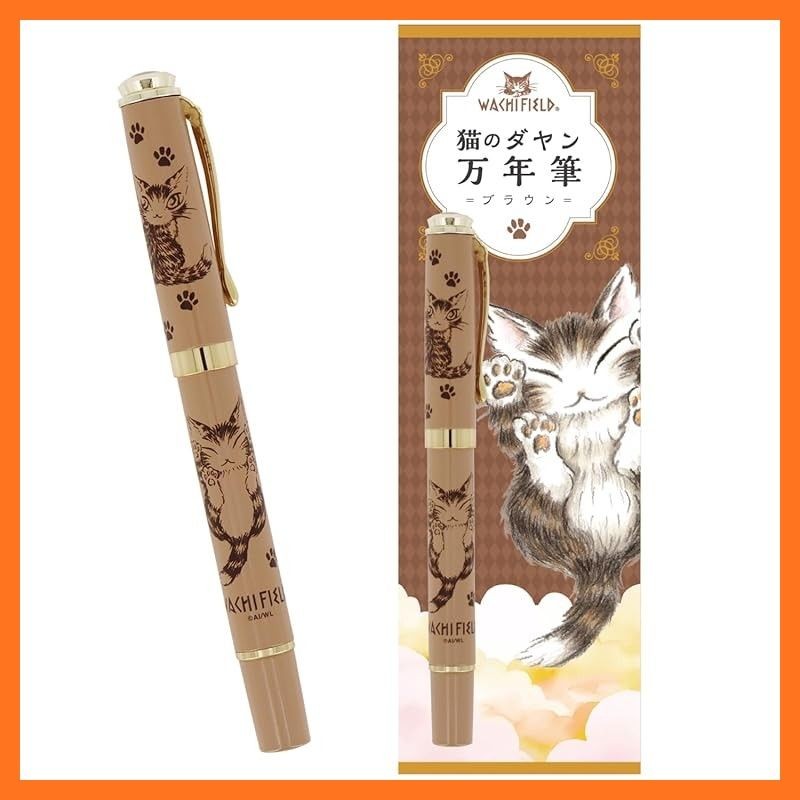
Cartridge fountain pens use sealed ink cartridges for clean, portable refills, trading ink capacity and long-term cost for convenience and mess-free swaps. The primary trade-off is cartridge standard compatibility and body sealing versus nib quality; durable pens specify international short or proprietary carts with tight O-rings.

Buying guide image
Label Makers & Supplies

Label Tape

Label tape is the consumable cassette or roll that feeds a dedicated label printer, and its performance hinges on matching the tape chemistry (thermal, laminated, or embossed) to the printer's engine and the label's environment. The primary trade-off is between low-cost direct thermal paper that fades with heat and UV, and laminated or embossed tapes that resist abrasion, moisture, and sunlight for years.

Buying guide image
Office Organization

Under Desk Organizer

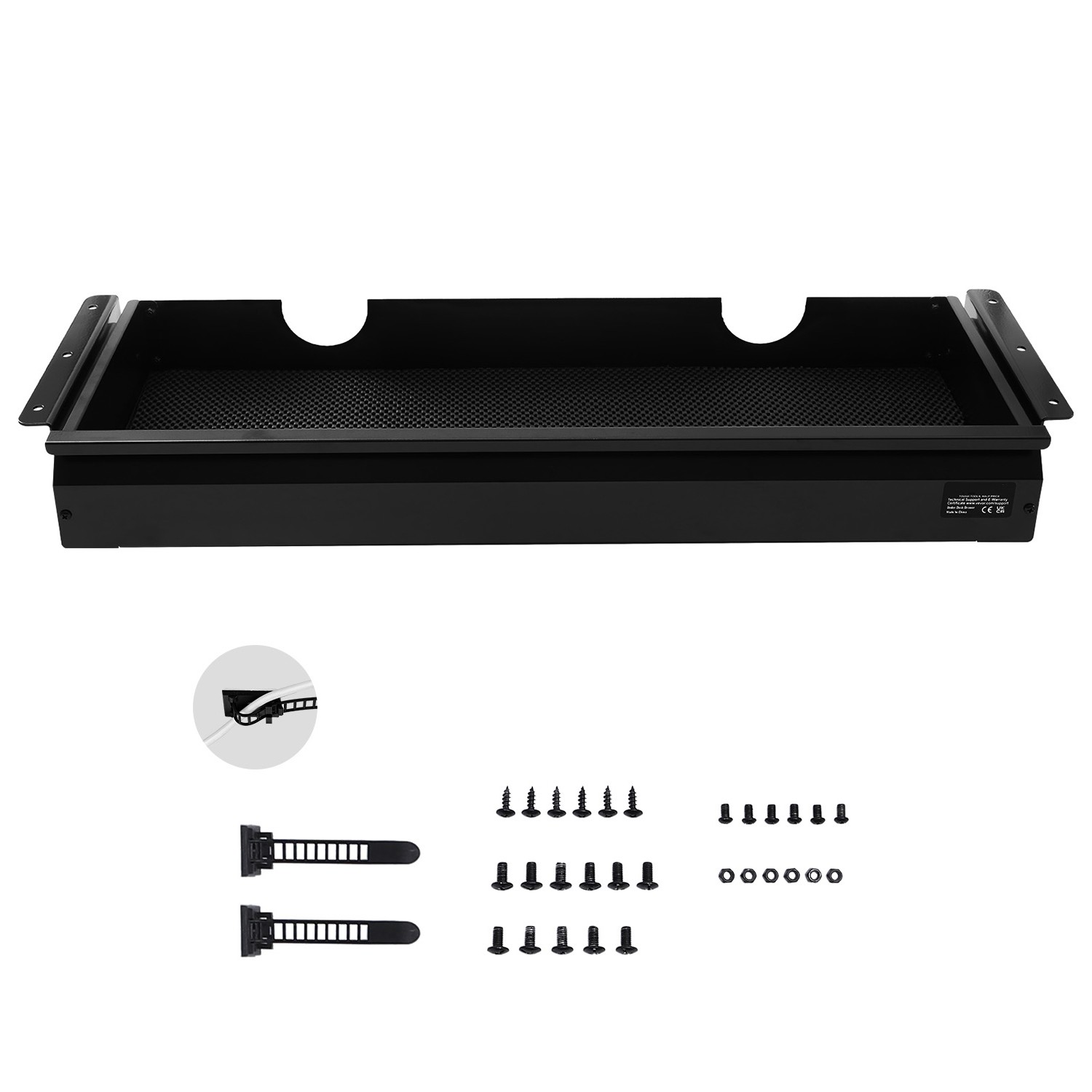
An under-desk organizer reclaims wasted vertical space via either a clamp-on steel tray or an adhesive slide-out drawer, and the core trade-off is load capacity versus tool-free reversible mounting. Choose steel clamp-on trays rated for 10+ lb when you need cable management or heavy gear; choose adhesive drawers rated under 5 lb only for light stationery where you cannot drill.

Buying guide image
Bindery & Print Finishing

Laminator

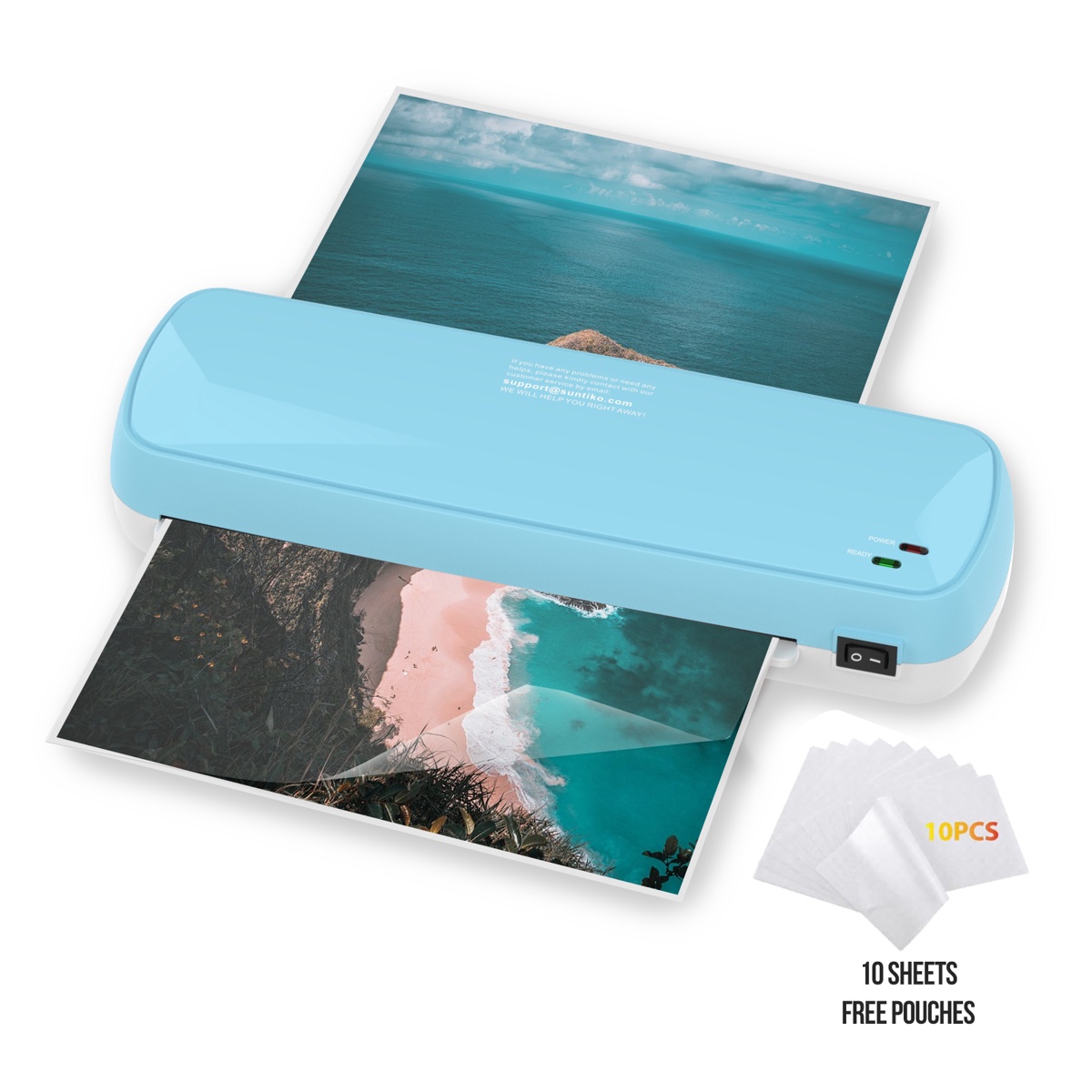
A laminator uses heat and pressure or cold pressure rollers to bond a plastic film to paper, cardstock, or vinyl for durable, wipeable, tear-resistant documents. The core trade-off is thermal (hot) pouch lamination for speed and rigidity versus cold-roll lamination for heat-sensitive media and large-format mounting. The decision rule: buy a hot pouch laminator with adjustable temperature and 3-5 mil pouch capacity for classroom and office paper; choose a manual cold-roll machine by throat width for vinyl, photos, and rigid mounting.

Buying guide image
Printers & Scanners

Canon All In One Printer

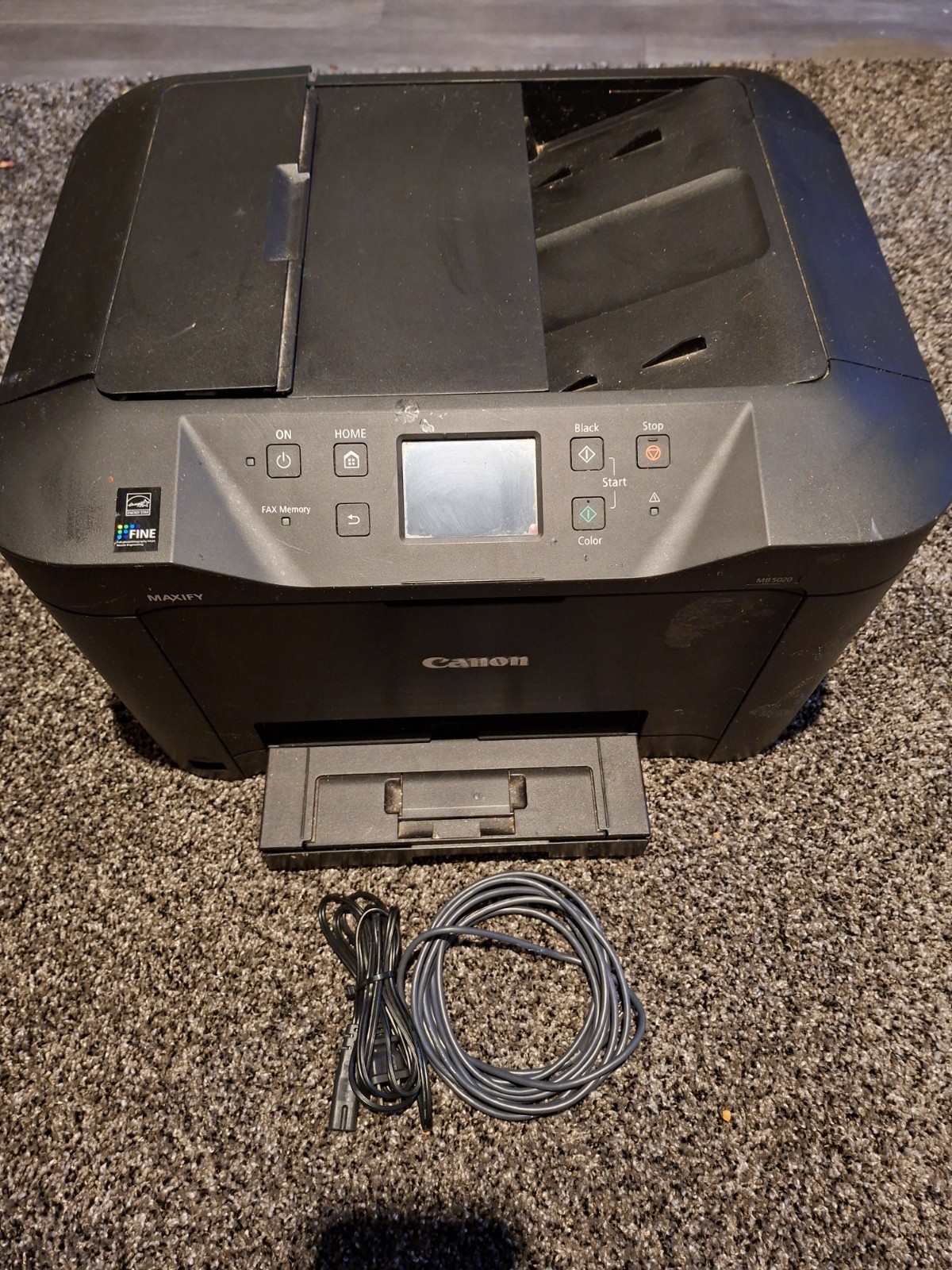
Canon all-in-one printers fall into two distinct architectures: PIXMA inkjet (TS/TR/MX series) for color/photo versatility, and imageCLASS laser (MF series) for high-volume monochrome text. The core trade-off is inkjet's lower upfront cost and color capability versus laser's speed, toner yield, and no-clog reliability. The decision rule: choose inkjet for color, photos, and low monthly volume; choose imageCLASS laser for fast duplex text, high duty cycles, and low per-page cost without ink drying risks.

Buying guide image
Fountain Pens

Luxury Fountain Pen

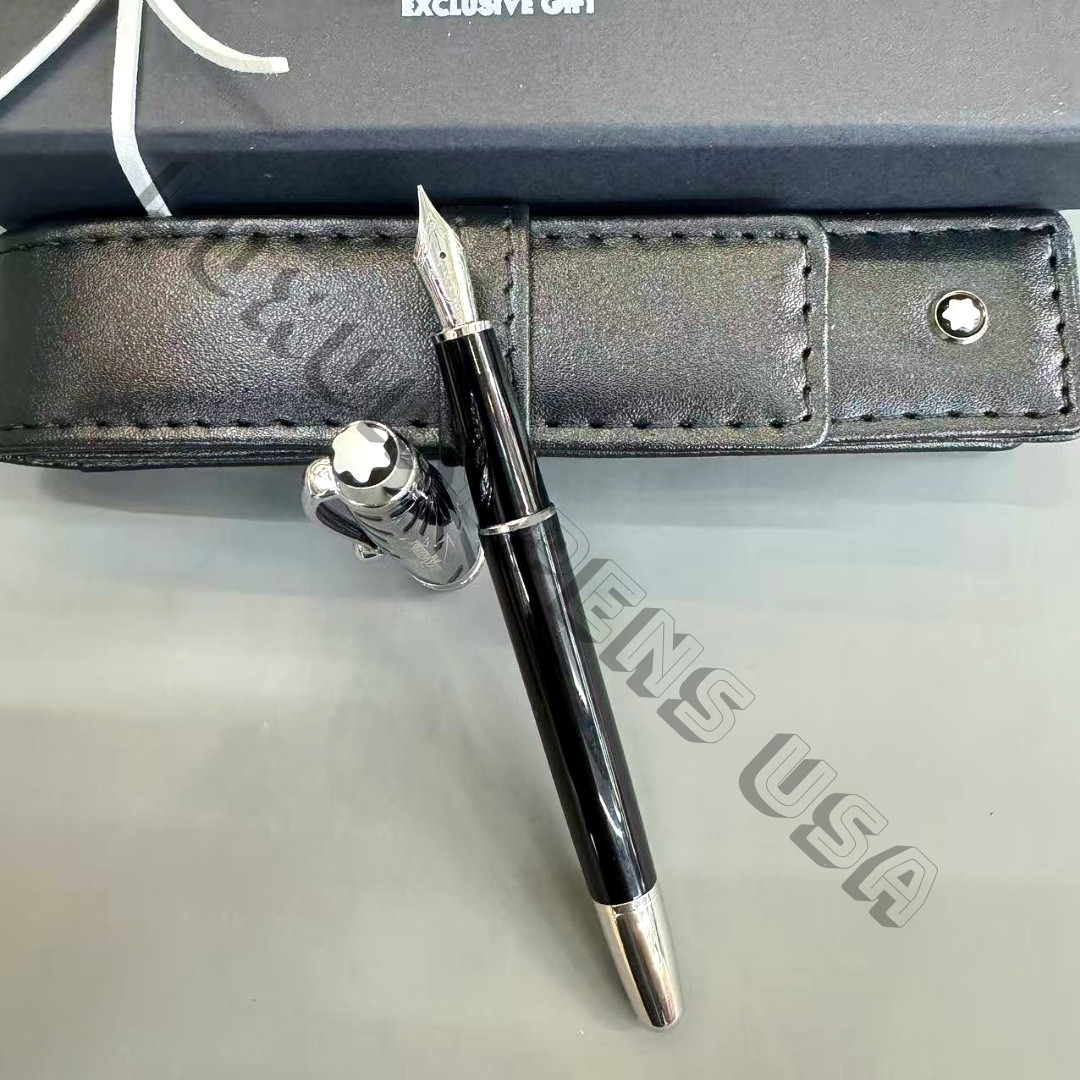
Luxury fountain pens are defined by precious-metal trim, hand-finished nibs, and piston or converter filling systems that separate heirloom-grade writing instruments from decorative lookalikes. The core trade-off is between solid 14K/18K gold nibs with ebonite feeds and gold-plated steel nibs in brass or resin bodies—the former deliver flex and decades of service, the latter prioritize appearance. The decision rule: buy a pen whose nib material and filling mechanism are explicitly stated, and skip any listing that markets '24K gold accents' without naming the nib alloy.

Buying guide image
Label Makers & Supplies

Commercial Label Printer

Commercial label printers are built for continuous-duty output of shipping, barcode, and product labels, with the core trade-off being direct thermal (no ink, heat-sensitive media only) versus thermal transfer (ribbon-based, durable smudge-proof labels). The clear decision rule: buy a 4x6 203 DPI direct thermal workhorse for high-volume shipping, and step up to 300 DPI thermal transfer or color inkjet only when label longevity, chemical resistance, or full-color branding is mandatory.

Buying guide image
Office Organization

Paper Shredder

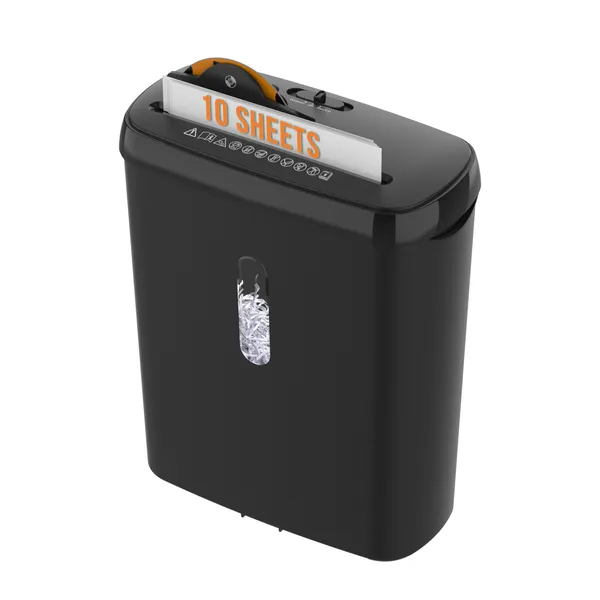
A paper shredder's core decision is cut security (strip vs cross-cut vs micro-cut) versus duty cycle and sheet capacity — cheap strip-cut units are fast but leave readable strips, while cross-cut P-3/P-4 models balance security and jam resistance. Buy a strip-cut only for non-sensitive bulk, a P-4 cross-cut for home/small-office documents, and a P-5 micro-cut auto-feed for confidential or compliance-driven shredding.

Buying guide image
Fountain Pens

Vintage Fountain Pen

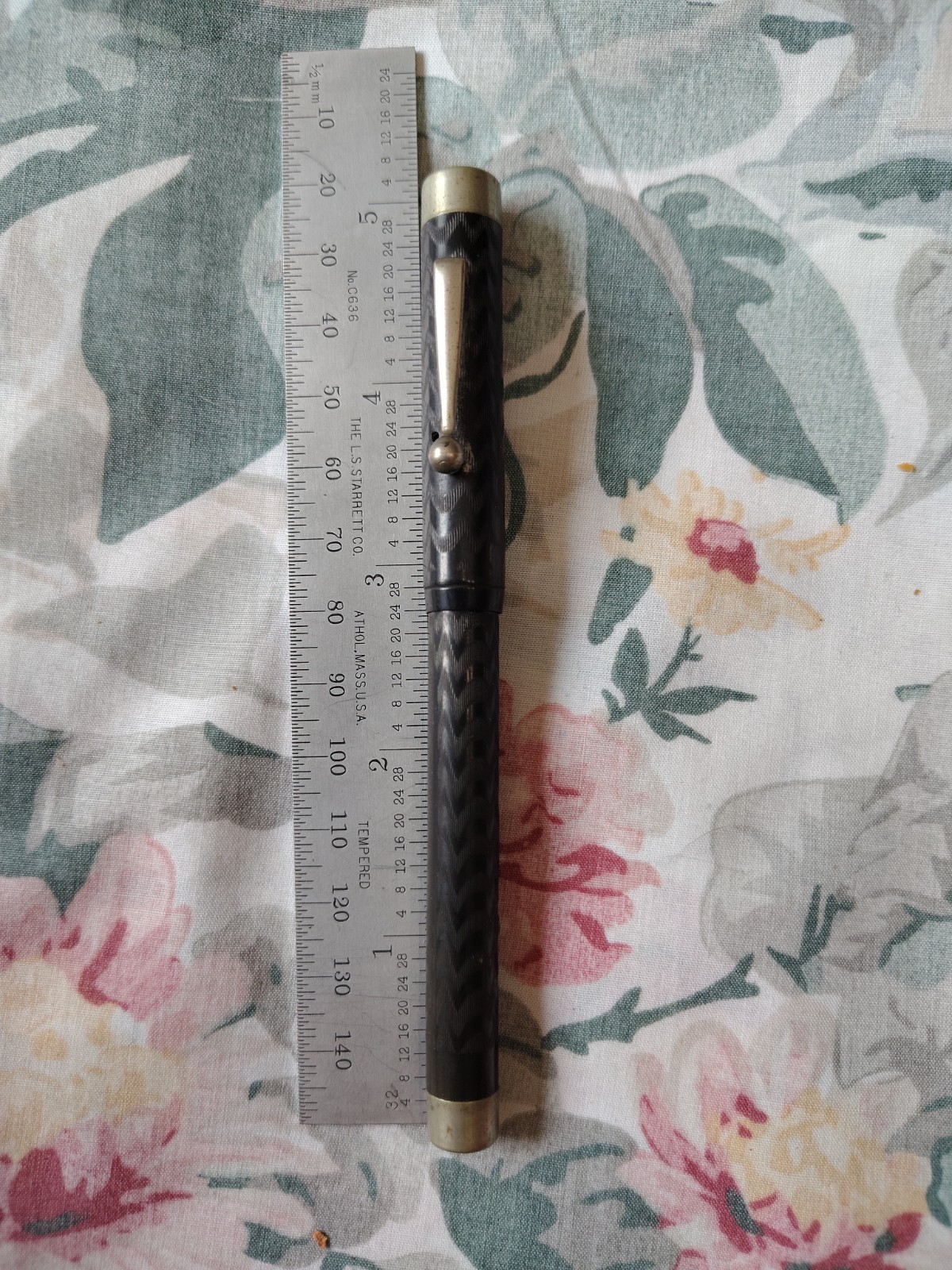
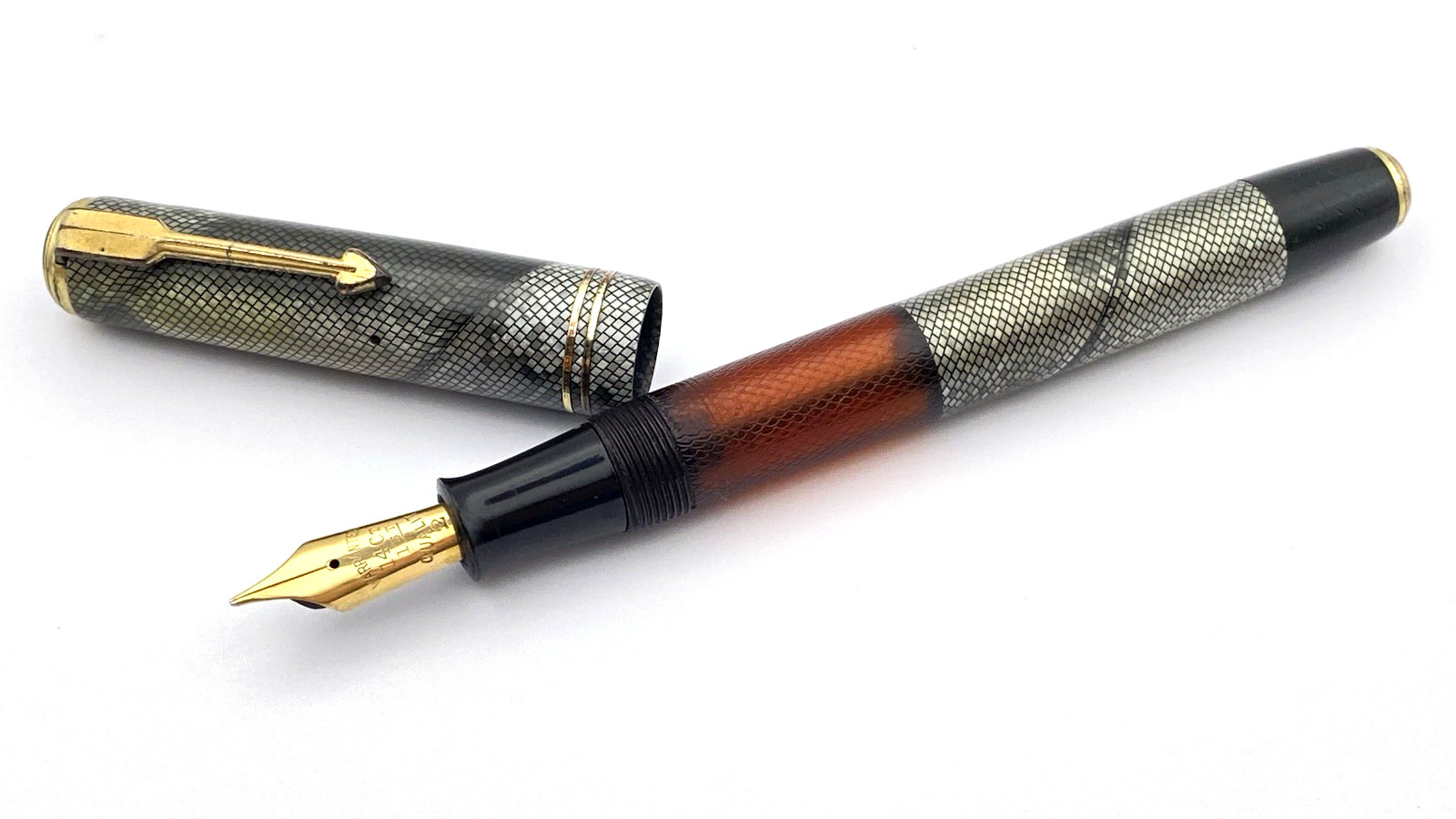
Vintage fountain pens are collectible writing instruments produced roughly before the 1980s, valued for their historical materials, filling mechanisms, and nib craftsmanship. The primary trade-off is between restored original condition—which demands knowledge of sacs, seals, and nib wear—and modern 'vintage-style' pens that only mimic aesthetics with contemporary internals. The clear decision rule: buy a true vintage pen only if the seller states the filling system has been serviced or discloses its condition; otherwise, pick a modern vintage-inspired model for reliable daily use.

Buying guide image
Packing & Shipping

Shipping Bag

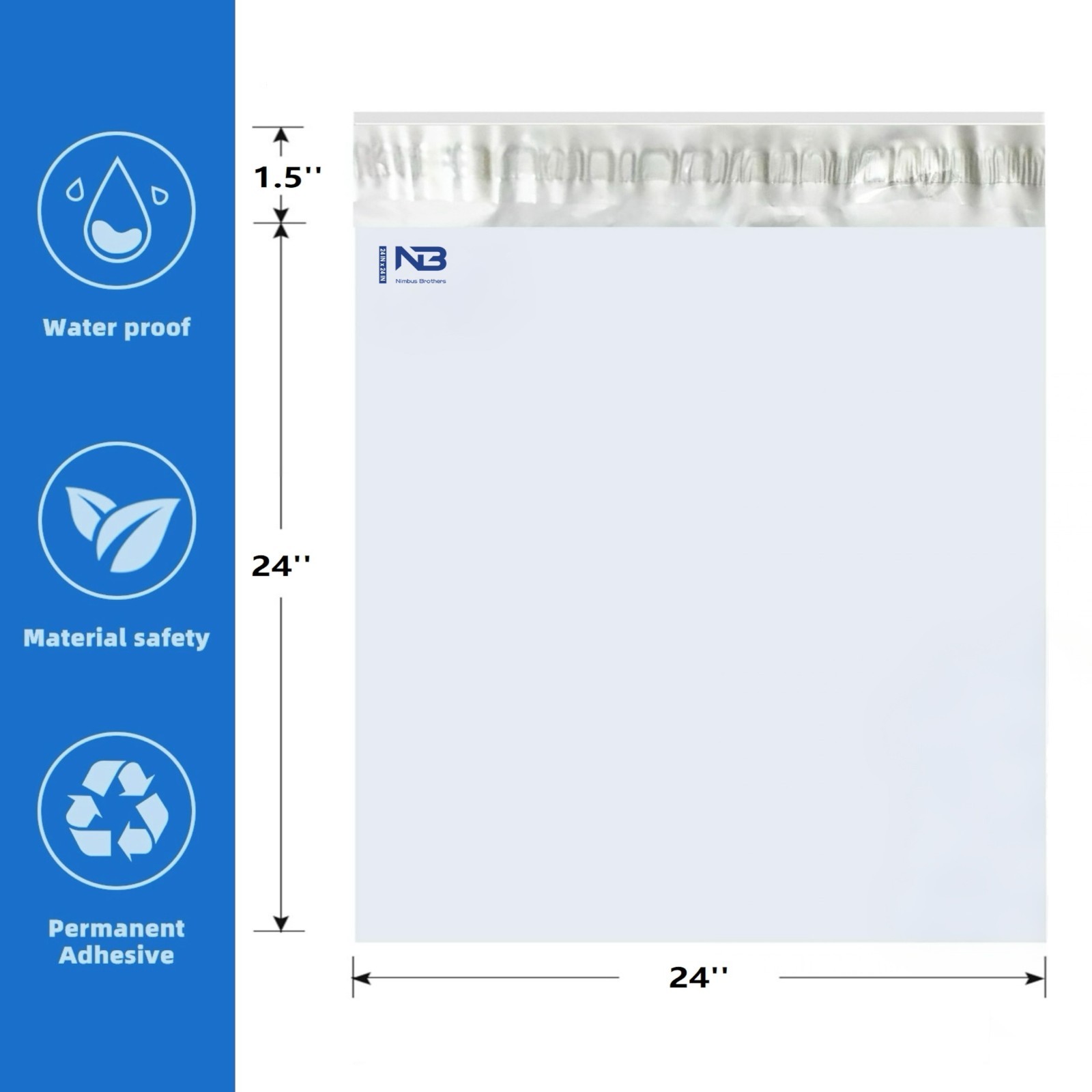
Shipping bags are flexible mailers—poly mailers, bubble-lined, and paper-padded—used to protect and ship non-fragile goods. The core trade-off is between polyethylene film thickness (mil) and closure reliability for waterproof, lightweight parcels versus rigid boxes for crush protection. Choose poly mailers at 2.5 mil or higher for apparel and soft goods under 5 lb; choose padded or boxed formats for anything fragile, sharp, or over 10 lb.

Buying guide image
Printers & Scanners

Printer Scanner Copier

A printer-scanner-copier (all-in-one) combines printing, scanning, and copying in one chassis; the core trade-off is inkjet vs laser and cartridge vs ink-tank, which dictates cost-per-page and photo capability. Choose laser for high-volume text and ink-tank inkjet for low-cost color, and avoid low-yield cartridge inkjets if you print more than a few pages weekly.

Buying guide image
Office Organization

Heavy Duty Paper Shredder

Heavy-duty paper shredders are defined by duty cycle and cut security, not sheet count alone. The core trade-off is continuous run time versus bin capacity and security level: P-4 cross-cut suits home offices, while P-5 micro-cut with auto-feed handles commercial volume. Buy by duty cycle and security standard, not marketing sheet claims.

Buying guide image
Digital & Platform Scales

Digital Postal Scale

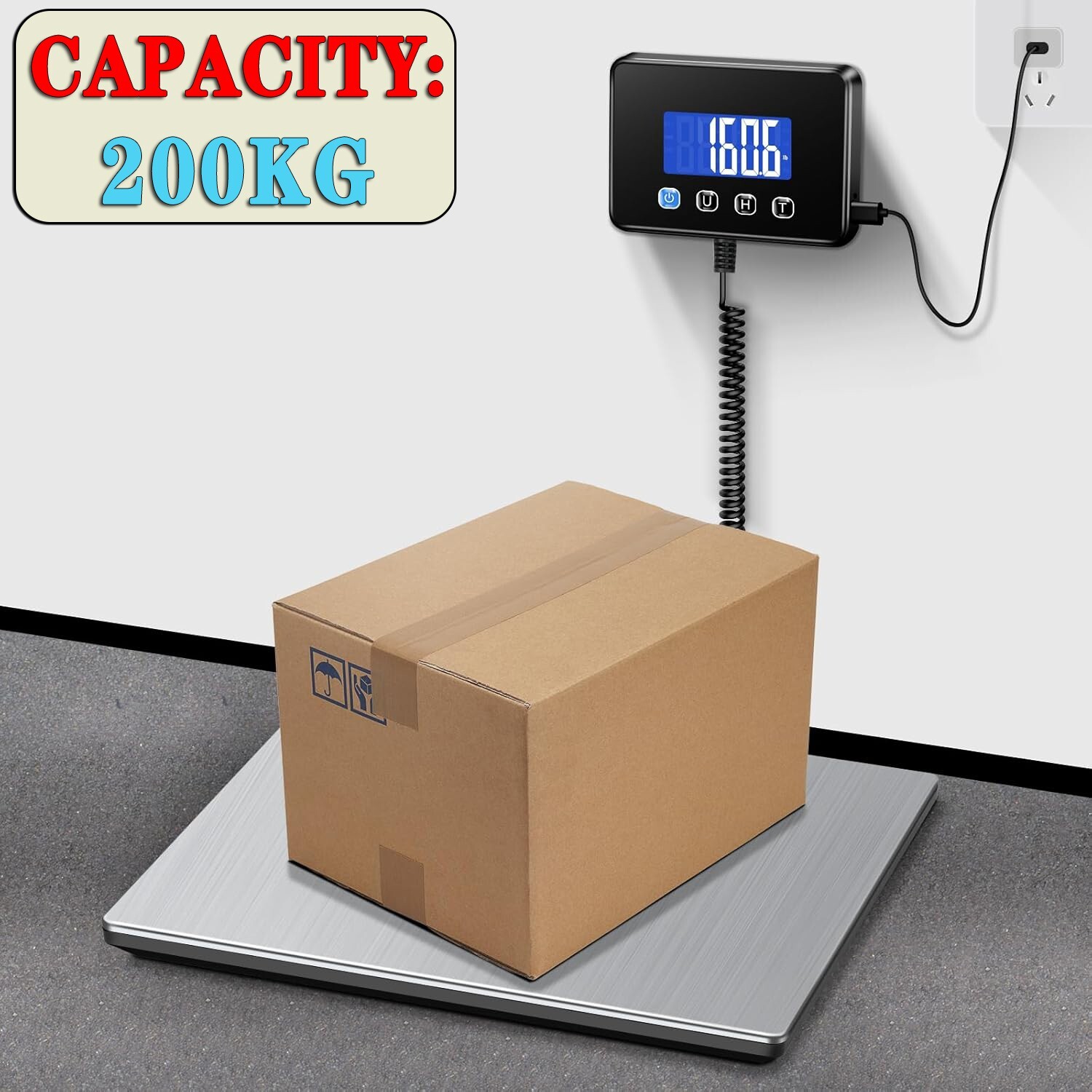
A digital postal scale is a platform scale built for weighing parcels, letters, and luggage with readability down to 0.1–0.2 oz, and the main trade-off is between high-resolution accuracy at low weights and heavy-load capacity on a stable platform. Buyers choosing between a letter-flat scale and a parcel platform scale must match capacity and resolution to the heaviest and lightest shipments they handle. The decision rule: pick a scale whose resolution stays within 0.1–0.2 oz at your typical parcel weight and whose platform footprint fully supports the largest box you ship.

Buying guide image
Ergonomic Office Gear

Office Chair Mat Thick Carpet

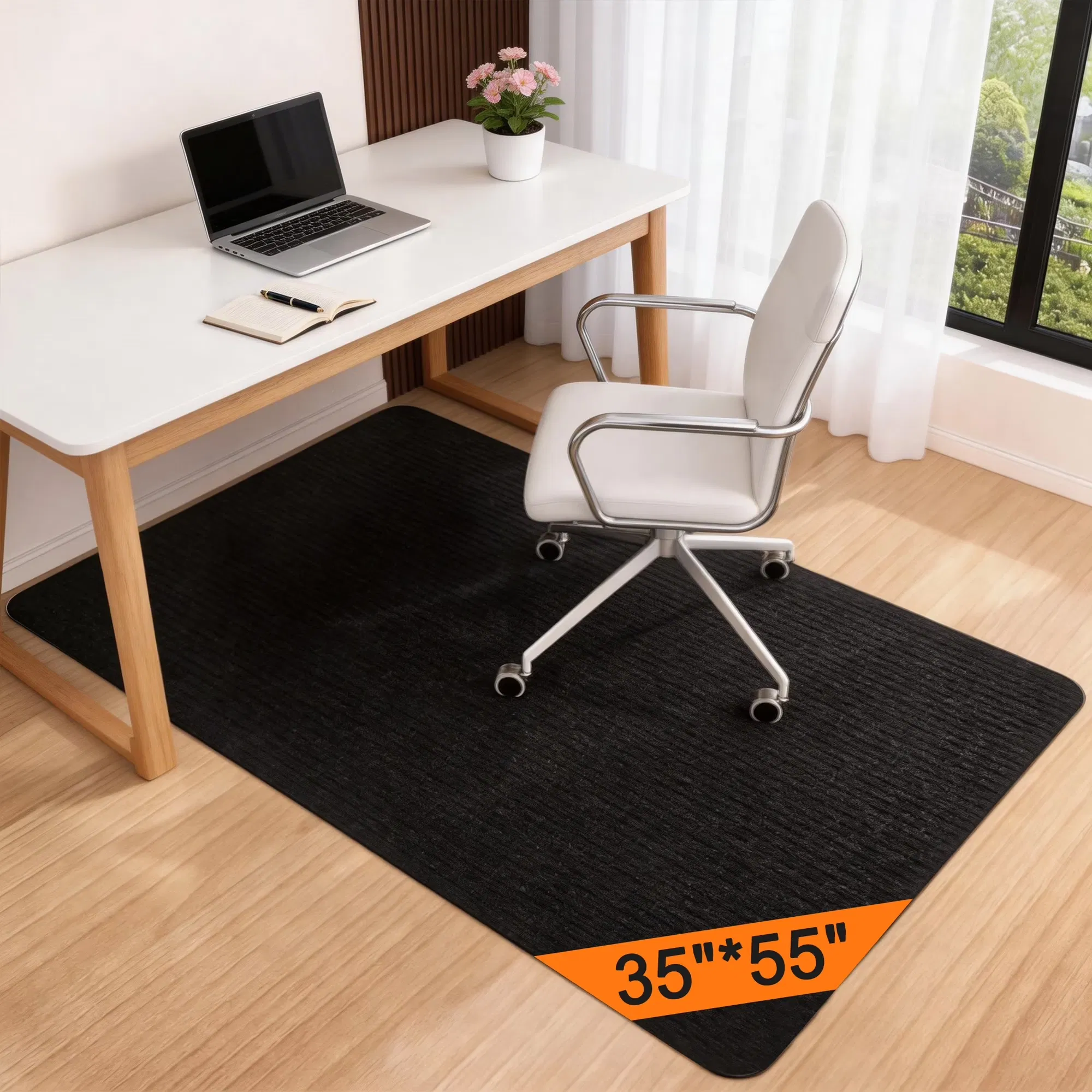
A chair mat for thick carpet is a rigid load-spreading base that keeps caster wheels from sinking and prevents fiber crush in high-pile or plush carpet. The core trade-off is between thick, heavy-gauge polycarbonate or PVC with aggressive carpet-gripping spikes versus thin, flexible vinyl that dimples, curls, and channels all your weight into four caster points. The decision rule: buy a mat with a carpet-specific spike backing and at least 0.08 in (2 mm) thickness; skip any flat-backed or hard-floor mat, which will slide and fail on pile.

You may also like

Finding more guides for you…