WorkSetup Guide

WorkSetup Guide

Office & Business Reviews & Buying Guides

Compare office & business by use case, features, trade-offs, price, returns, and seller terms before you buy.

Buying guides

Buying guide image
Printers & Scanners

Wireless Laser Printer

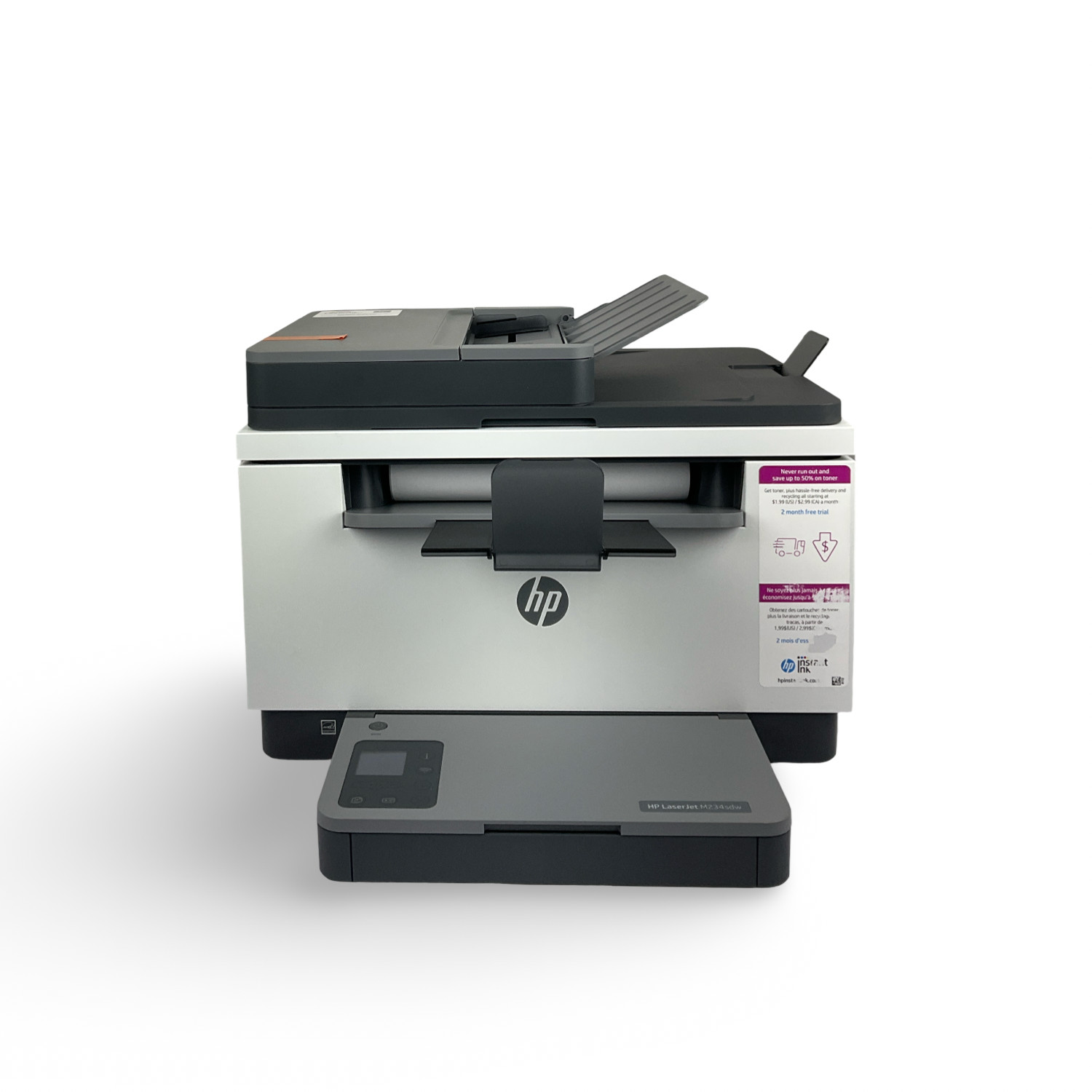
A wireless laser printer uses a toner-based electrophotographic engine with Wi-Fi or Ethernet connectivity, trading color photo vibrancy for fast, smudge-proof text and low cost-per-page on high-volume documents. The core trade-off is monochrome print-only speed versus all-in-one scan/copy convenience and color capability, with toner yield and duplex automation separating durable workgroup units from compromised entry models. Buy monochrome print-only if you mostly output text and already own a scanner; step to an all-in-one or color engine only when scan/copy or color is a genuine daily need.
Buying guide image
Label Makers & Supplies

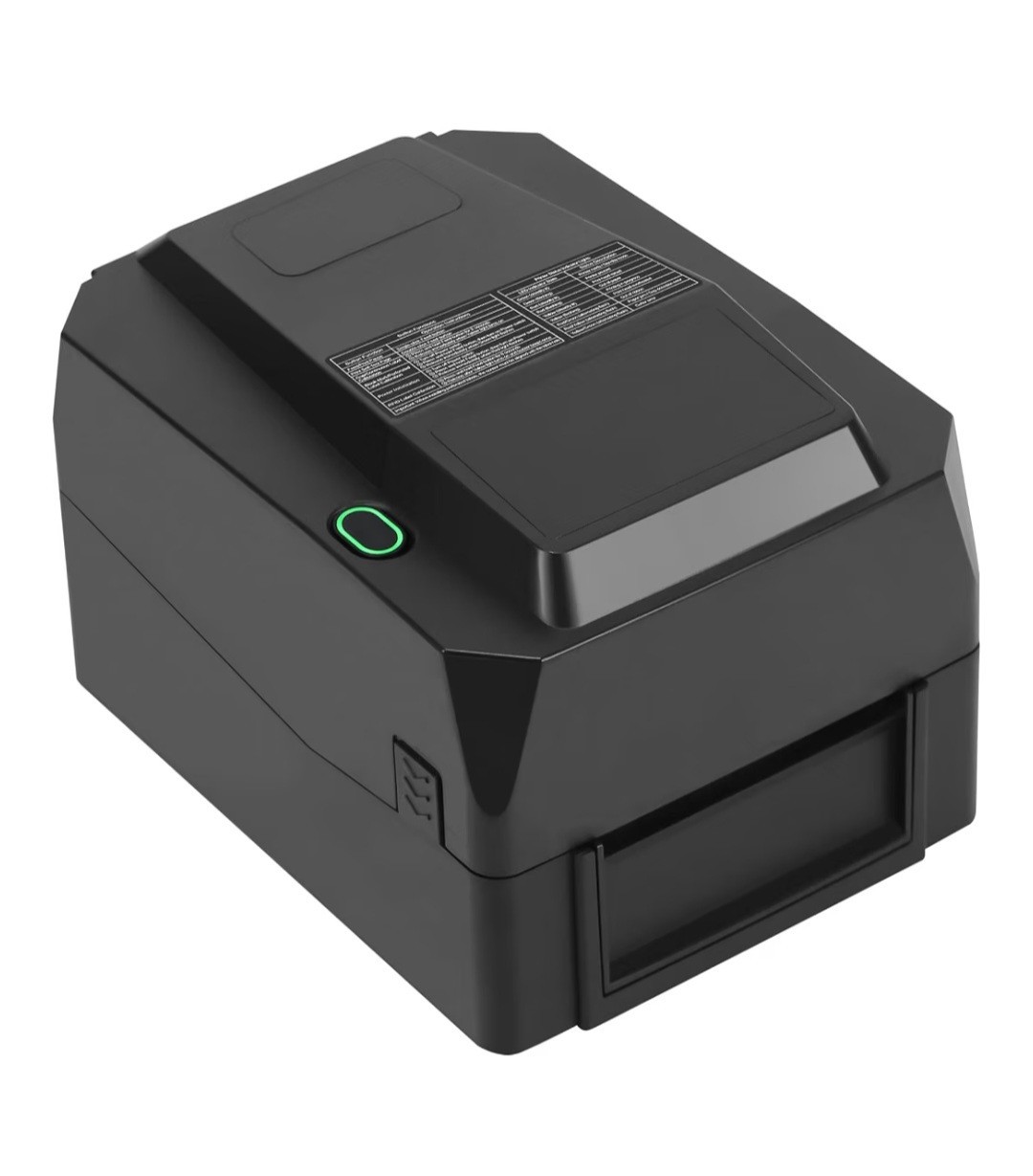
4x6 Label Printer

A 4x6 label printer is a dedicated thermal device for printing shipping labels, barcodes, and warehouse tags at the standard 4-inch by 6-inch size. The primary trade-off is between direct thermal (cheaper, no ink, but labels fade with heat/light) and thermal transfer (needs ribbon, but produces durable, long-life labels). Choose direct thermal for high-volume shipping where labels are used within months; choose thermal transfer for compliance labels, outdoor tags, or any label that must last years.

Buying guide image
Office Organization

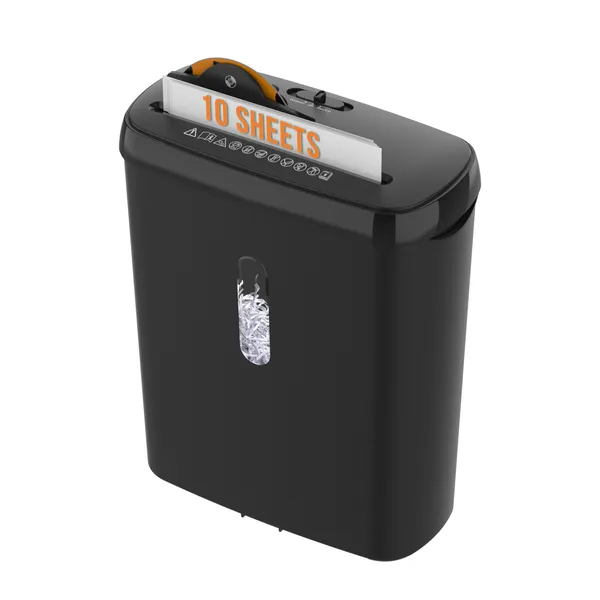
Compact Paper Shredder

A compact paper shredder is a small-footprint, low-volume machine for home offices or personal desks, typically cutting 4–8 sheets per pass into strips or cross-cut particles. The key trade-off is between bin capacity/run time and desk space, with security level (P-1 strip vs P-3/P-4 micro-cut) determining whether debris is merely inconvenient or genuinely confidential. The decision rule: buy a cross-cut (P-3 or higher) model with a bin you can empty weekly and a duty cycle rated for your daily sheet count; skip any strip-cut or 'mini' unit with a sub-2-gallon bin if you shred more than a few pages a day.

Buying guide image
Fountain Pens

Piston Fountain Pen

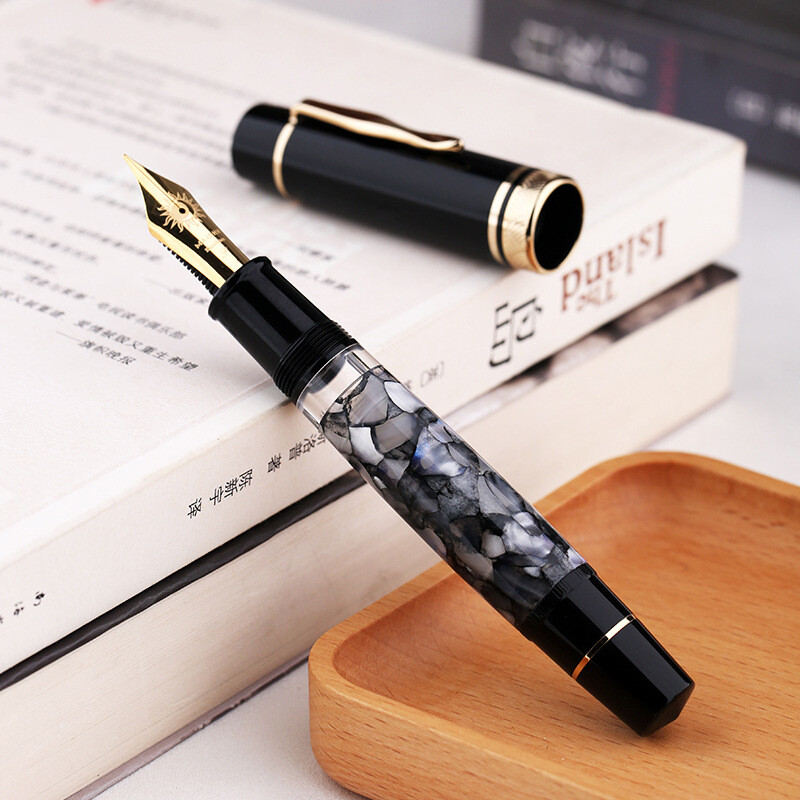
A piston fountain pen uses an integrated vacuum/piston mechanism to draw ink directly from a bottle, eliminating cartridges and converters. The core trade-off is filling-system precision and barrel integrity versus ink capacity and maintenance access—brass or machined-resin pistons with stainless steel rods hold up, while thin molded plastic pistons crack. Buy a piston pen only if you commit to bottled ink and periodic lubrication; otherwise a cartridge-converter pen is the smarter choice.

Buying guide image
Office Organization

Office Paper Shredder Heavy Duty

Heavy-duty paper shredders are defined by duty cycle, cut security, and sheet capacity—not marketing labels. The primary trade-off is between continuous-run motors with thermal protection and burst-rated motors that overheat under sustained load. Choose a model rated for at least 30 minutes continuous operation with P-4 or higher security if you shred daily; skip any unit that lists only sheet count without a duty cycle.

Buying guide image
Packing & Shipping

Small Cardboard Box

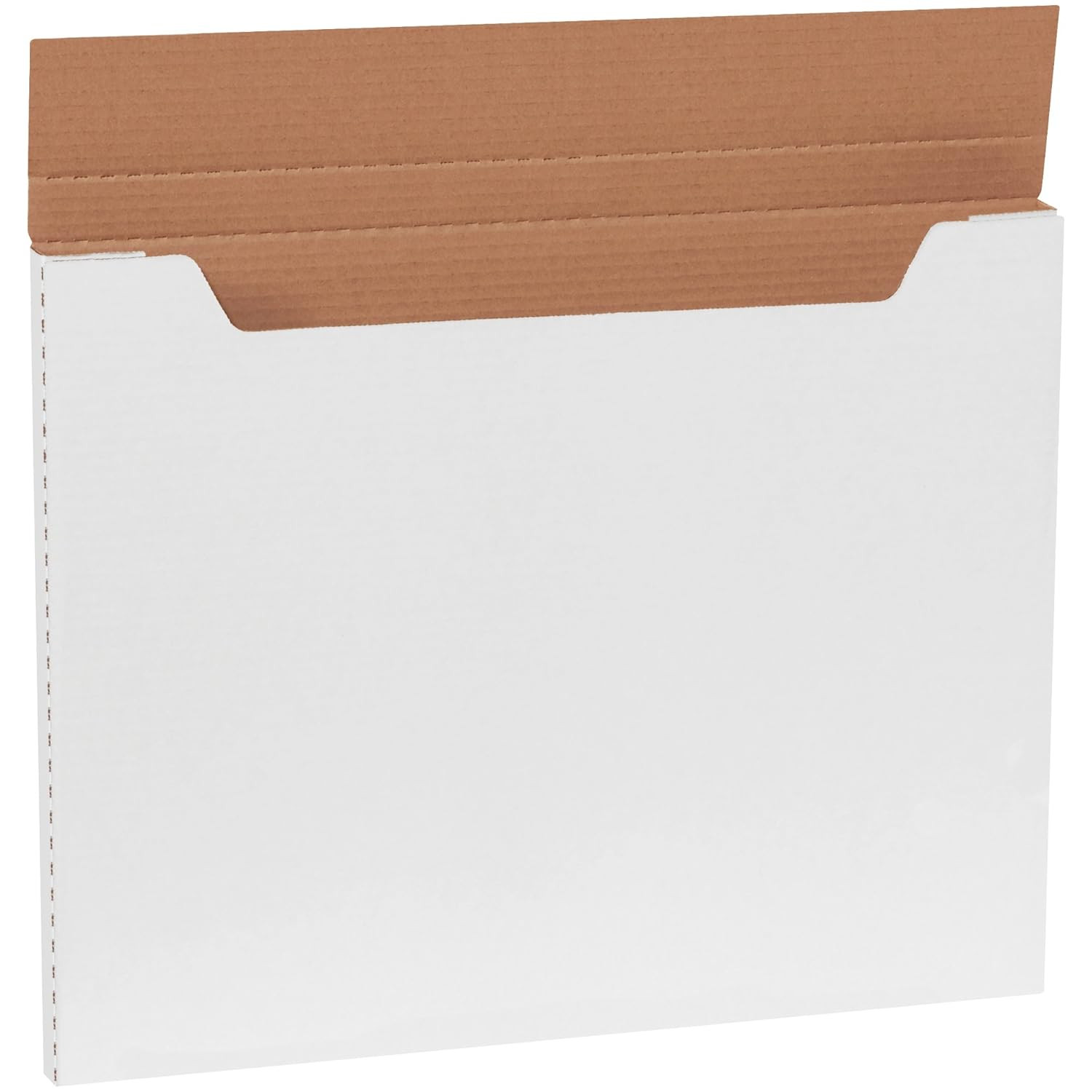
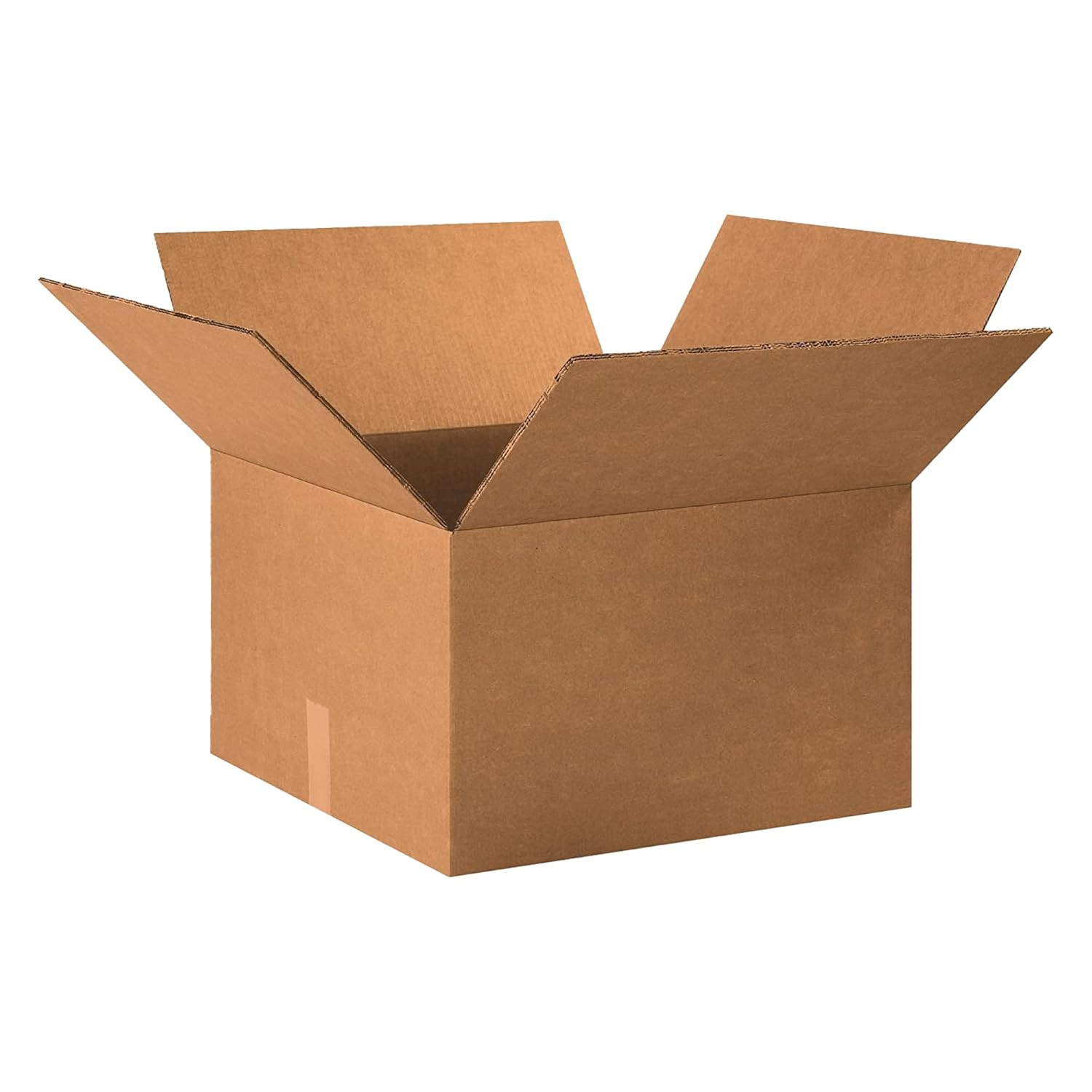
Small cardboard boxes for shipping are corrugated containers typically under 16 inches on the longest side, used for e-commerce fulfillment, mailing, and small-item storage. The key trade-off is corrugated flute grade and wall construction versus price: single-wall 32 ECT boxes handle most parcel shipments, while heavier double-wall or 48 ECT boards are needed for fragile or heavy contents. Choose by measuring your item plus 2 inches of cushioning per dimension and matching the box's ECT rating to the shipped weight; skip thin 200# test boards for anything beyond light household goods.

Buying guide image
Ergonomic Office Gear

Office Chair Mat Carpet

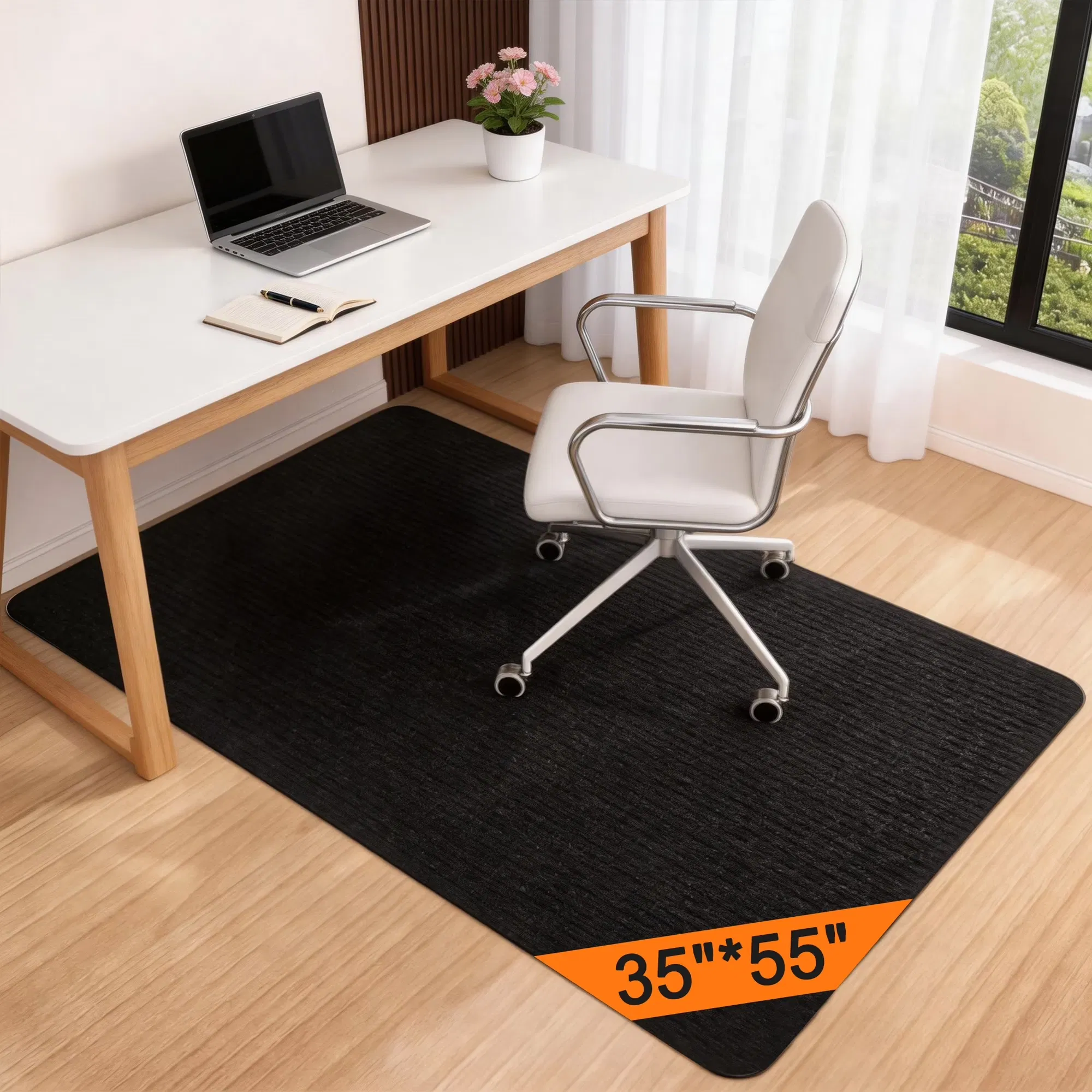
An office chair mat for carpet is a rigid or semi-rigid floor protector that bridges the gap between caster wheels and soft flooring, preventing fiber crush and enabling smooth rolling. The core trade-off is surface hardness versus flexibility: thin PVC curls and dents under point-loaded casters, while thick polycarbonate or studded vinyl stays flat but costs more and can crack if oversized. The decision rule is simple: buy a mat explicitly rated for your carpet pile height with a studded or cleated underside, and skip any flat-backed mat marketed for hard floors only.

Buying guide image
Digital & Platform Scales

Postal Scale

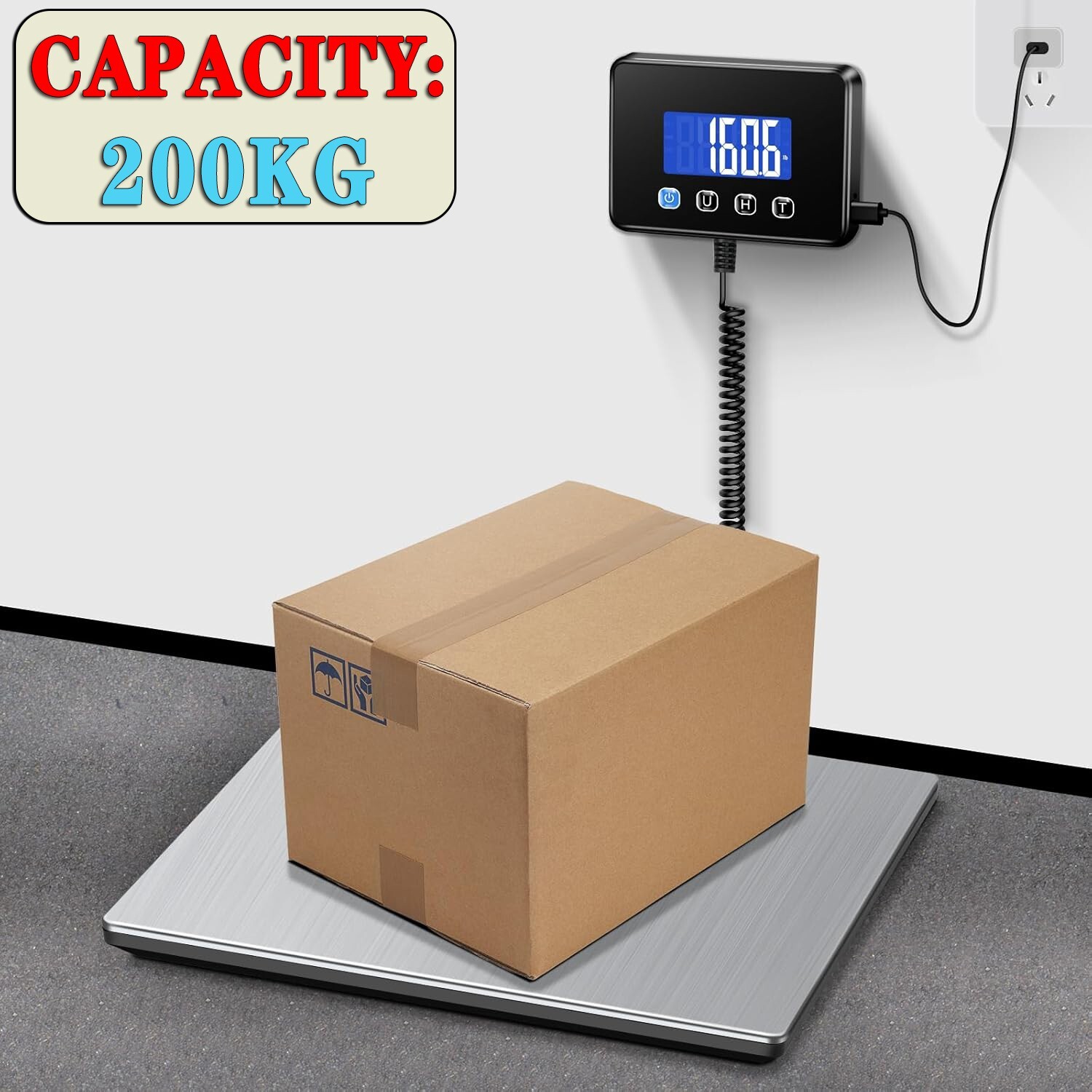
Postal scales are compact digital platform scales for weighing parcels, letters, and shipping cartons against carrier postage tiers. The core trade-off is capacity versus resolution: higher-capacity platforms lose fine readability unless they use dual-range sensors or a separate letter slot. Choose a scale rated at least 20% above your heaviest shipment with resolution fine enough for your lightest carrier price break.

Buying guide image
Printers & Scanners

Epson Printer

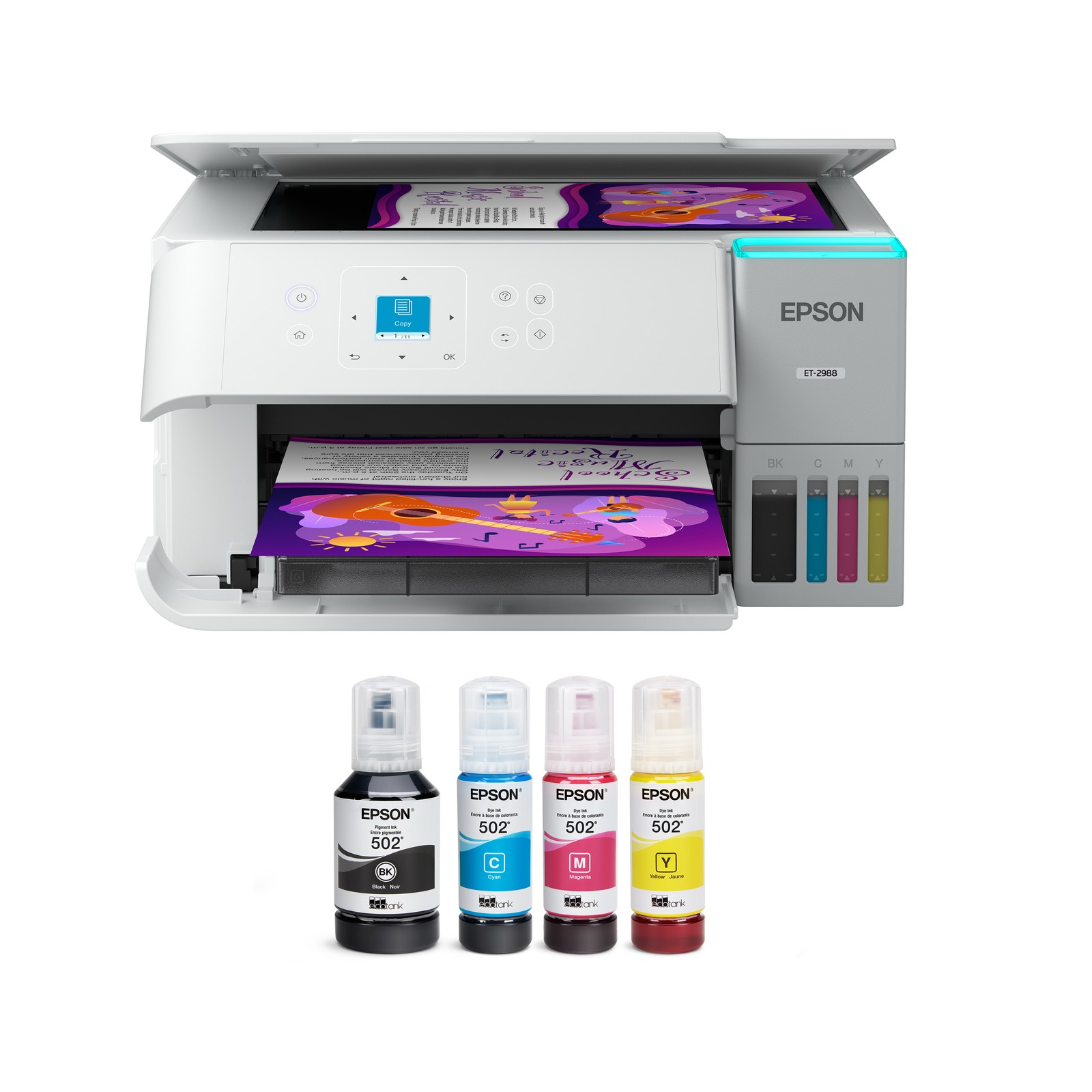
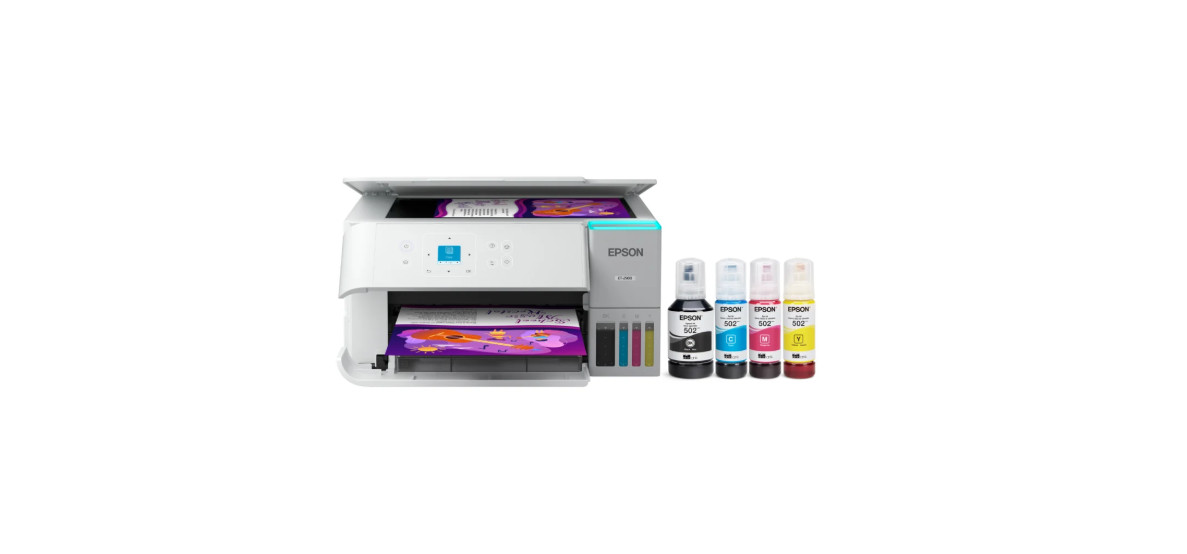
Epson printers range from cartridge-based Expression Home all-in-ones to refillable EcoTank Supertank models and specialized sublimation units. The core trade-off is upfront cost versus per-page ink economics: cartridge models suit low-volume occasional printing, while EcoTank tanks slash running costs for high-volume users. Choose EcoTank for any sustained printing; choose Expression or WorkForce only for light duty or when you need a specific feature like ADF scanning.

Buying guide image
Bindery & Print Finishing

Spiral Binding Machine

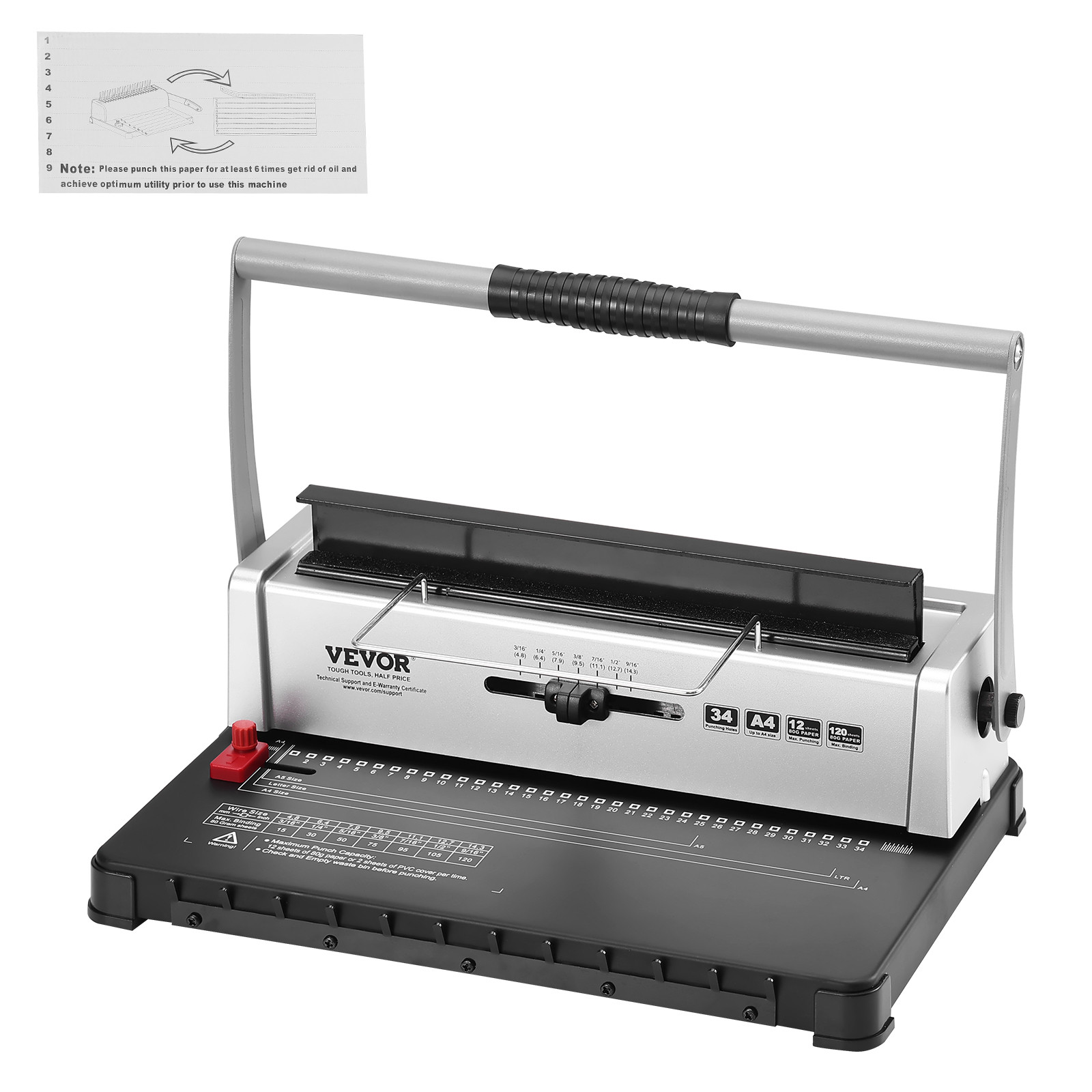
A spiral binding machine punches a row of closely spaced holes and then inserts a continuous plastic coil or wire spiral to create lay-flat books, reports, and manuals. The primary trade-off is manual versus electric punching and the pitch standard (4:1 coil vs 2:1 wire), which determines speed, hole pattern, and which spines you can use. Choose a manual 4:1 coil machine for low-volume home use, and an electric punch or 2:1 wire model only when you need daily throughput or a different binding look.

Buying guide image
Office Organization

Shredder

A paper shredder is a security or waste-reduction appliance defined by its cut type (strip, cross-cut, micro-cut), sheet capacity, and duty cycle. The core trade-off is security level versus speed and jam resistance: higher security means smaller particles and slower throughput per pass. The decision rule is simple: match the DIN 66399 security level to the sensitivity of your documents, then size sheet capacity and bin volume to your weekly shredding volume—never buy a strip-cut unit for confidential material or a consumer-duty unit for shared office use.

Buying guide image
Screen, Specialty & Sign Printing

Screen Printing

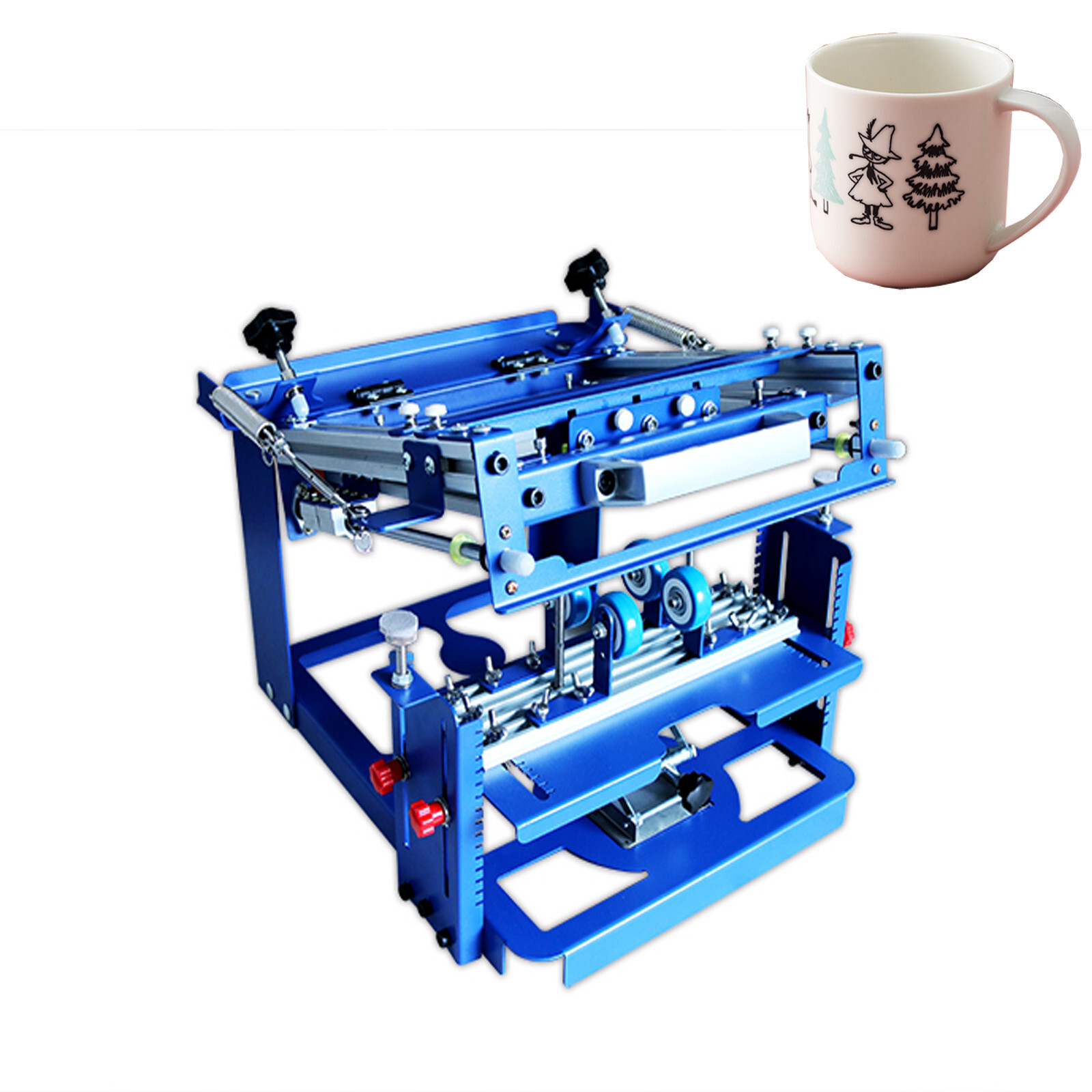
Screen printing presses range from single-color manual units to multi-station carousels, and the core trade-off is registration precision versus throughput: micro-registration holds tight tolerances for multicolor work, while fixed-registration presses suit simple one-color runs. Buy a press with at least one station per color you intend to print and confirm screen frame compatibility before committing; anything without adjustable registration or standard frame clamps is a compromise.

Buying guide image
POS & Retail Supplies

Point System

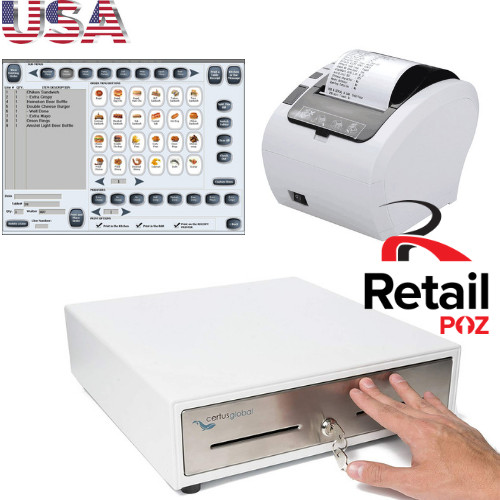
A retail point-of-sale (POS) system is the hardware-and-software stack that rings sales, takes payment, and tracks inventory, and buyers face a core trade-off between all-in-one entry kits and modular, upgradeable registers. Durable picks use fanless industrial PCs or tablet-class processors with SSD storage, a dedicated cash drawer interface, and a mainstream receipt printer standard; compromises are ARM tablets paired with locked cloud subscriptions or kits bundling flimsy 58mm printers.

Buying guide image
Label Makers & Supplies

Direct Thermal Label Printer

Direct thermal label printers create images by heating specially coated paper, eliminating ink, toner, and ribbons for low-cost, high-volume 4x6 shipping and barcode labels. The core trade-off is print width, resolution, and daily duty cycle versus thermal paper longevity — direct thermal media fades with heat, sunlight, and abrasion, so long-term archive labels need thermal transfer instead. Buy a direct thermal unit only for short-life labels under roughly 12 months; choose a 300 dpi model for small text, dense barcodes, or 2-inch-wide labels, and a 203 dpi 4x6 unit for pure shipping throughput.

Buying guide image
Office Organization

Pencil Organizer

A pencil organizer is a desktop storage unit that keeps writing instruments upright and accessible, ranging from a single mesh cup to multi-tier compartment caddies. The core trade-off is between open wire/mesh construction (cheap, ventilated, prone to bending) and solid steel or wood construction (rigid, stable, heavier). Choose solid-walled steel or hardwood if the organizer will hold heavy tools or survive daily bumps; choose mesh only for lightweight, high-visibility sorting.

Buying guide image
Label Makers & Supplies

Label Maker Tape

Label maker tape is the consumable that determines whether your labels survive heat, moisture, sunlight, and handling—not the printer itself. The core trade-off is between thermal transfer tape (durable, requires ribbon) and direct thermal tape (cheap, fades with heat/light), with embossing tape as the ultra-permanent mechanical option. Buy thermal transfer TZe/TZe-compatible tape for anything that must last; use direct thermal only for short-term indoor organization.

Buying guide image
Label Makers & Supplies

Shipping Label Printer

A shipping label printer is a dedicated 4x6-inch thermal device that prints carrier-compliant labels without ink, toner, or proprietary label stock. The core trade-off is direct thermal versus thermal transfer: direct thermal is simpler and cheaper upfront but fades with heat and UV, while thermal transfer needs ribbons yet produces archival, smudge-proof labels. Buy direct thermal for short-life shipping labels; choose thermal transfer only for labels that must survive months outdoors or in hot warehouses.

Buying guide image
Printers & Scanners

Epson Ecotank Printer

Epson EcoTank printers replace disposable cartridges with refillable ink reservoirs, shifting the cost decision from per-page ink to upfront hardware and print volume. The core trade-off is print-head architecture and duty cycle: entry models use a single print head with limited monthly volume, while higher tiers add duplexing, ADF, and pigment inks for longevity. Choose a tank model only if your monthly volume justifies the higher upfront cost; otherwise a cartridge printer remains cheaper per year.

Buying guide image
Printers & Scanners

Monochrome Printer

Monochrome printers are laser-based machines optimized for high-volume black-and-white text, trading color capability for lower cost-per-page and faster duplex output. The primary decision is laser engine class (entry vs. business), which dictates duty cycle, toner yield, and paper handling, while all-in-one vs. printer-only determines whether you add scan/copy/fax hardware. Choose a business-class engine with a rated monthly duty cycle above your peak volume if you print daily; entry models are fine for light intermittent use but have lower-yield toners and plastic feed paths.

Buying guide image
Packing & Shipping

Bulk Shipping Box

Bulk shipping boxes are corrugated containers bought in multi-packs or bundles for e-commerce, warehouse, and moving use. The key trade-off is flute grade: single-wall (32 ECT) handles light parcels cheaply, while double-wall (48 ECT) resists crushing, stacking, and rough carrier handling. Buy double-wall for fragile or heavy loads and single-wall only for lightweight, low-stack shipments.

You may also like

Finding more guides for you…