
Photos from current listings. Actual item, color, and included accessories may vary.
Book Binding Machine Buying Guide
Book binding machines span four distinct binding architectures — comb, coil/spiral, wire saddle/flat stapling, and perfect (glue) binding — and the primary trade-off is manual lever force versus electric actuation, plus plastic consumables versus rigid wire or thermal glue. The clear decision rule: match the binding architecture to the document's required lay-flat behavior and page count, then buy the highest-duty punch mechanism (all-metal, ≥20-sheet manual or electric) you can afford rather than the cheapest plastic-bodied unit.
Median $72.99
Key takeaways
- Comb binding punches rectangular slots on 21-hole (Letter/A4) or 19-hole (A5) pitch and uses snap-open plastic spines; coil/spiral punches round holes on 34-hole (Letter), 46-hole (A4), or 32-hole (A5) pitch and threads continuous plastic coil for true 360° lay-flat.
- Wire saddle/flat stapling (e.g., '106'-style auto-rapid staplers) drives wire staples through the spine for booklets; flat mode binds 10-50 sheets, saddle mode stitches folded signatures up to roughly 25 sheets per fold.
- Perfect binding uses thermal glue (EVA or PUR) with a wrap-around cover and produces square-spine paperback books; entry electric perfect binders require a separate roughing/cutting step and typically bind 10-300 sheets depending on model.
At a glance
- Category
- Bindery & Print Finishing
- Last updated
- Nov 28, 2026
Current offers
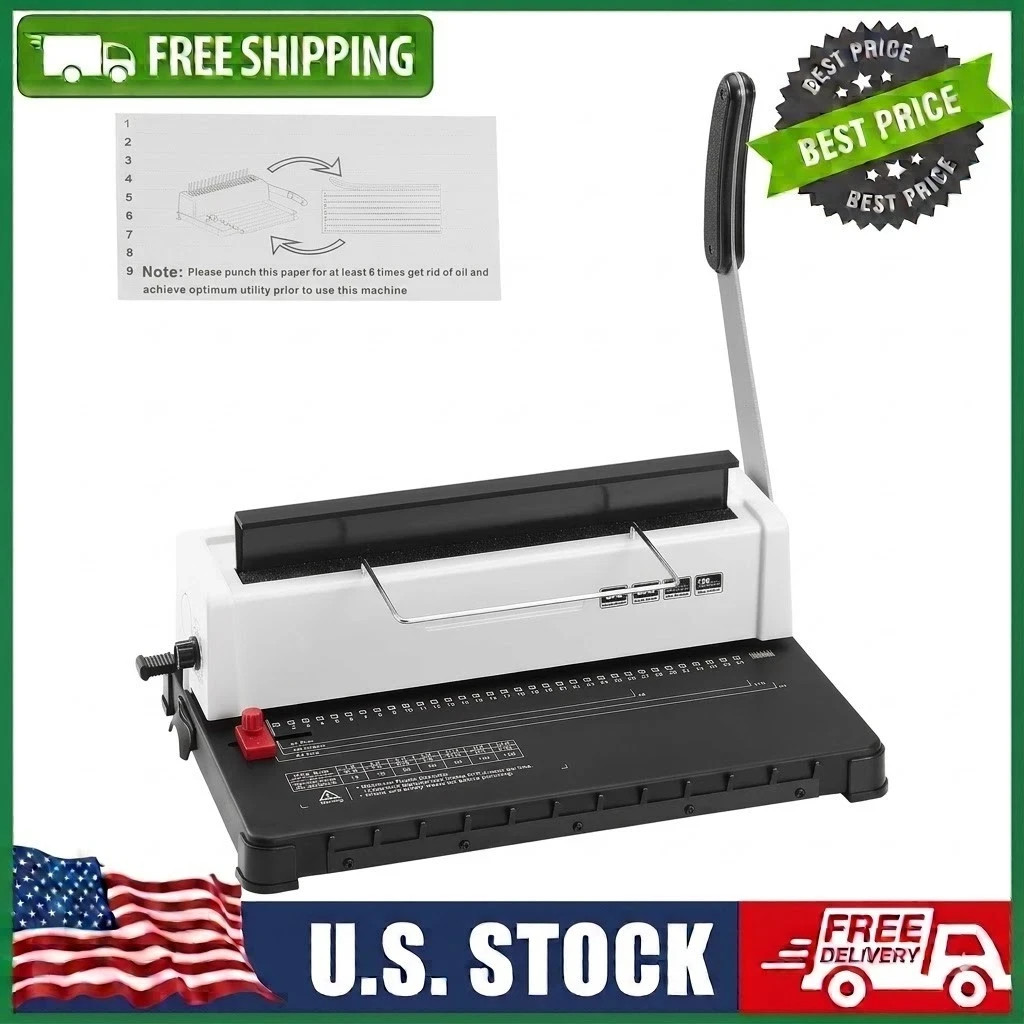 KFFKFF Manual Coil Spiral Binding Machine, Book Binding Spines, Manual Book Make$44.88View on eBay
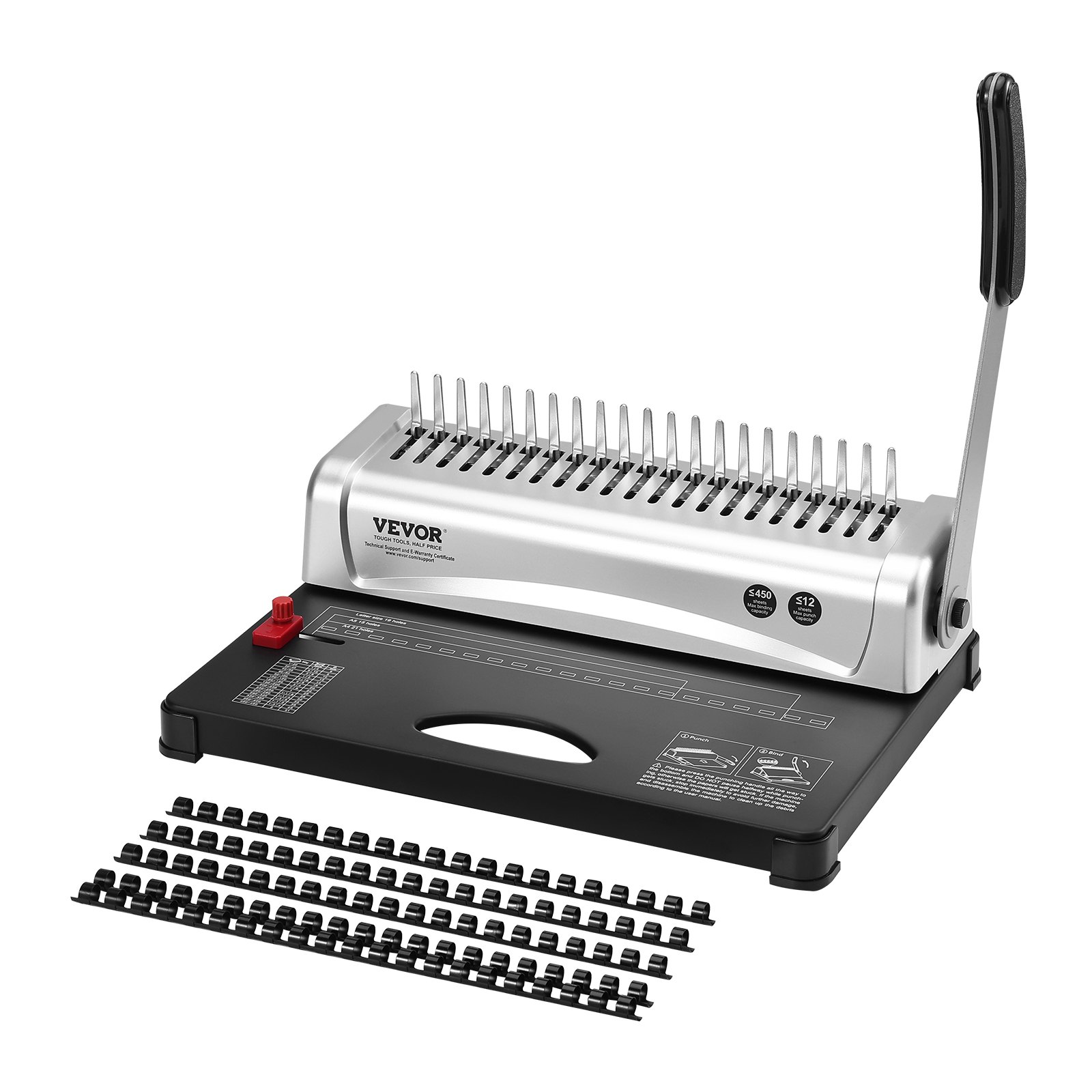 Binding Machine, Comb 21-Holes 450 Sheets, Book Binder With 100 PCS 3/8'' Spines, For Letter Size, A4, A5$45.99View on Mallflare
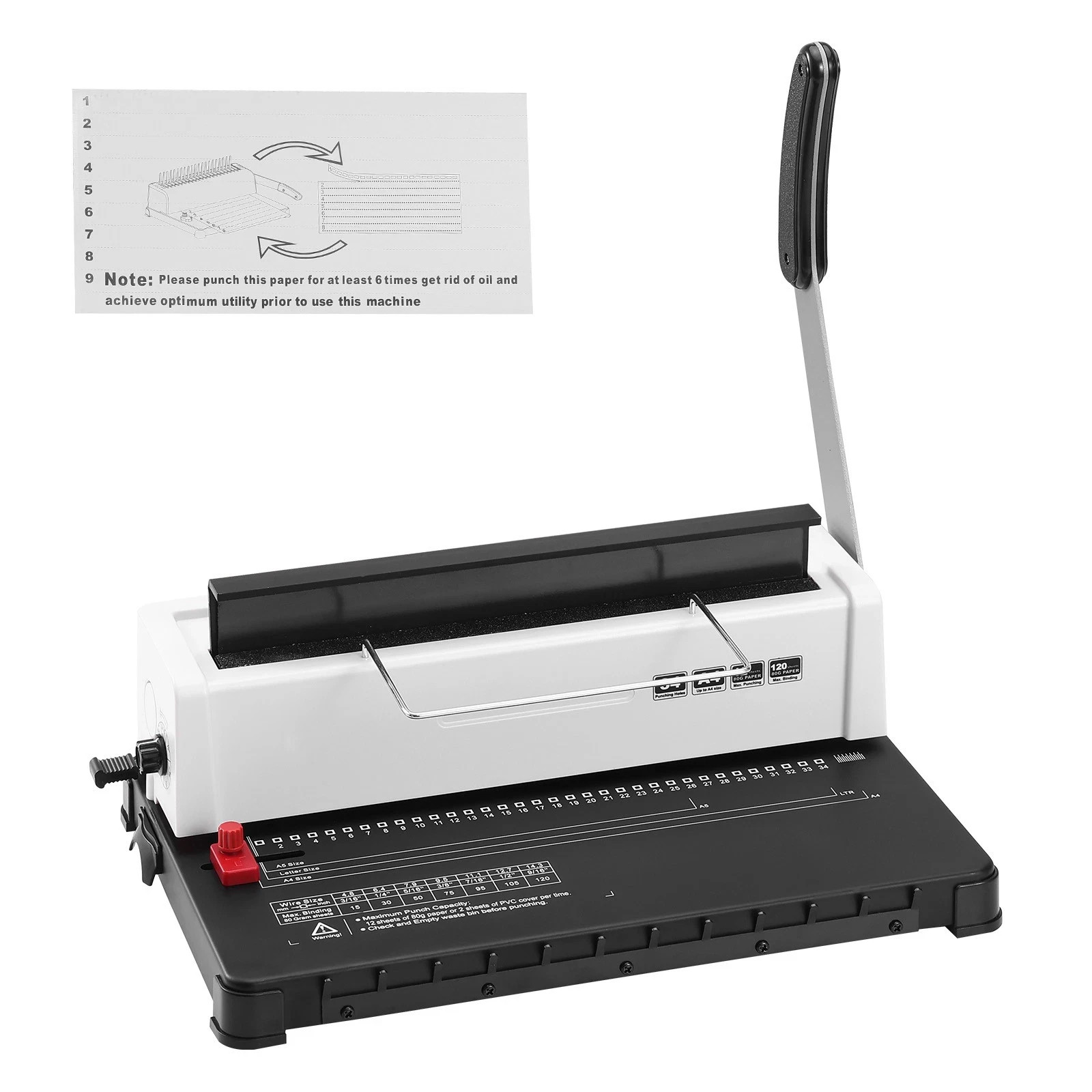 KFFKFF Manual Coil Spiral Binding Machine, Book Binding Spines, Manual Book Make$45.88View on eBay
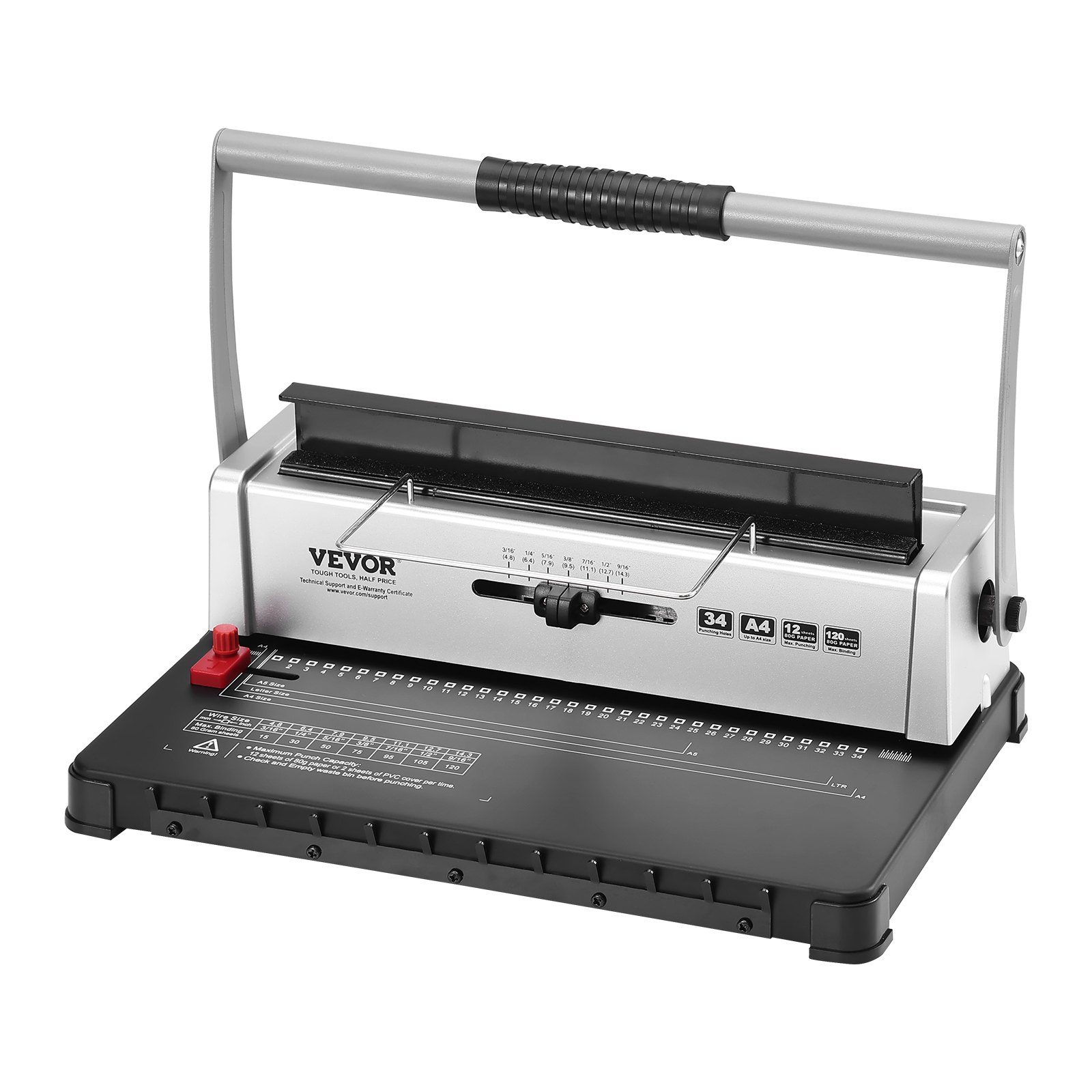 Coil Spiral Binding Machine, Manual Book Maker 34-Holes 120 Sheets, Punch Binder With Adjustable 3/16' - 9/16' Spines And Side Margin, For Letter Size, A4, A5$72.99View on Mallflare
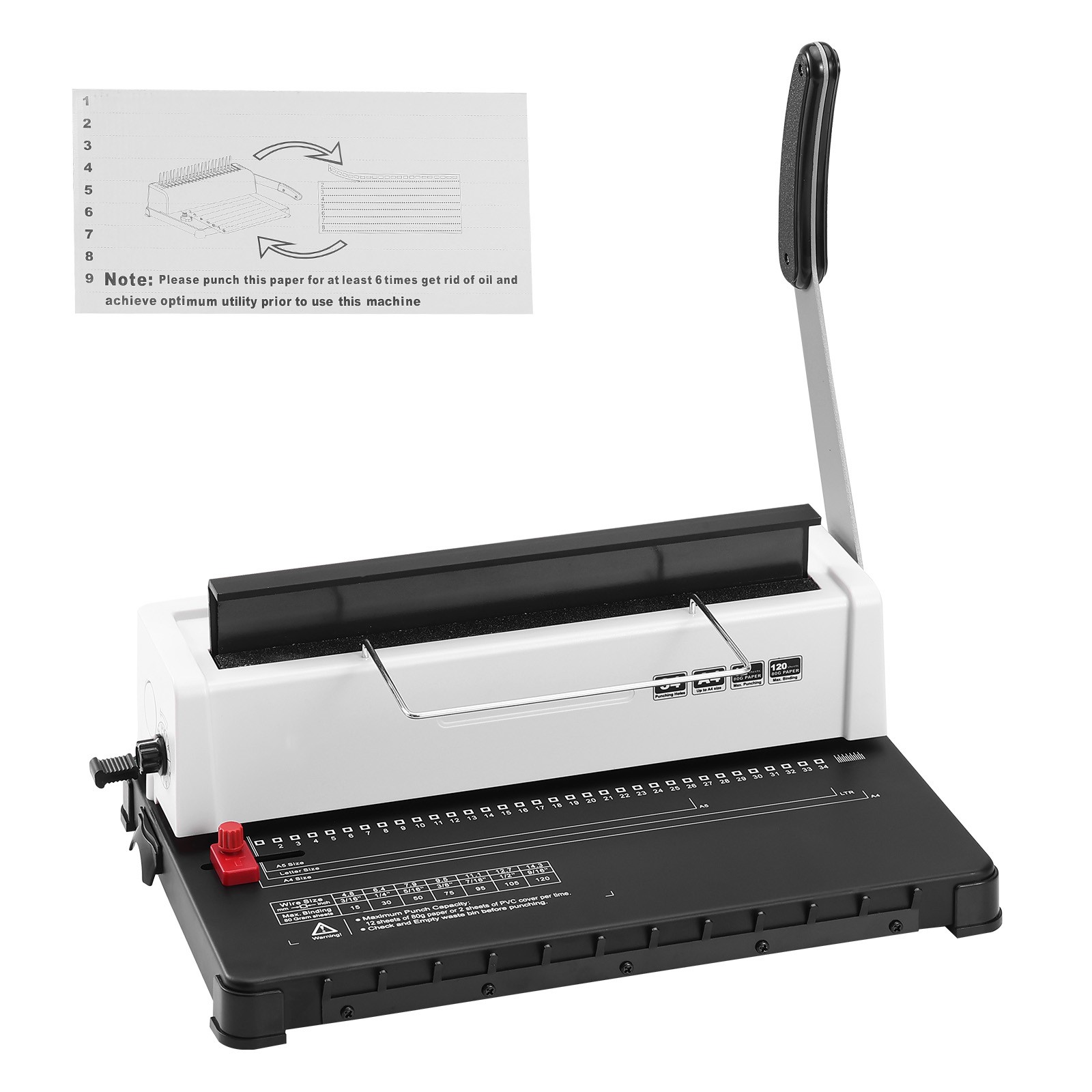 Uimoso Coil Spiral Binding Machine Manual Book Maker$50.29View on eBay
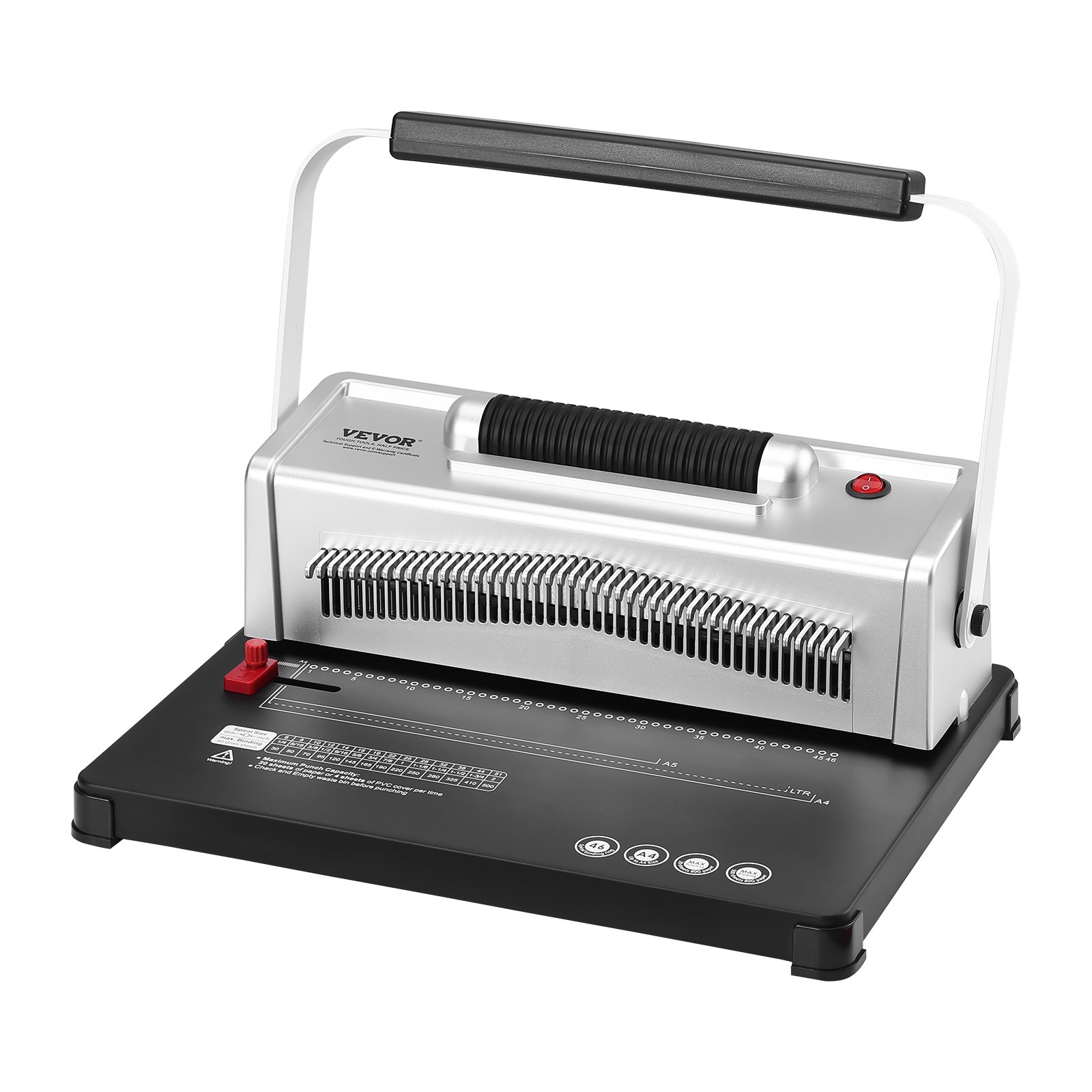 Coil Spiral Binding Machine, Manual Book Maker With Electric 46-Holes 500 Sheets Punch Binder, 100pcs 5/16'' Spines, For Letter Size, A4, A5$148.99View on Mallflare
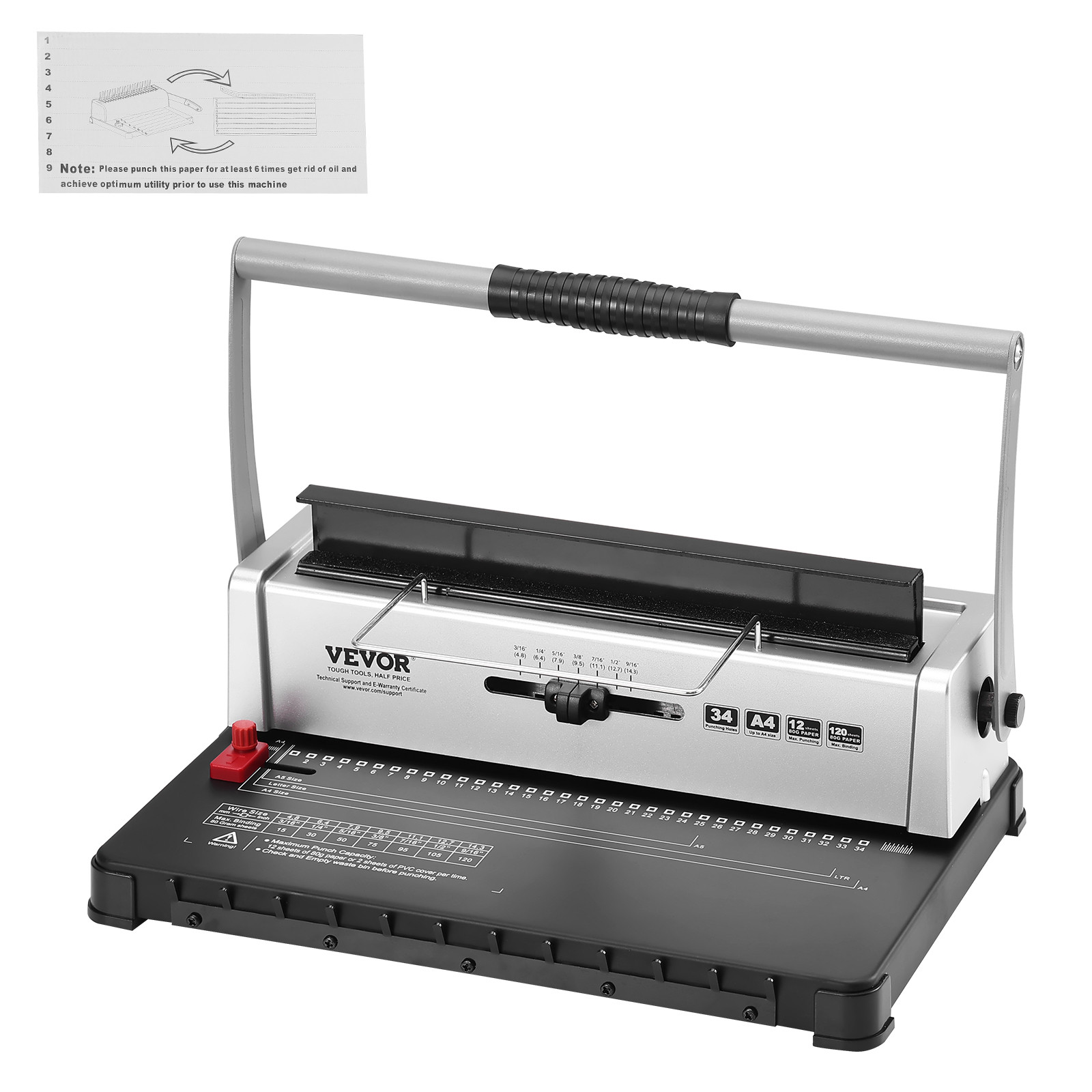 VEVOR Coil Spiral Binding Machine Manual Book Maker 34 Holes Letter Size A4 A5$58.90View on eBay
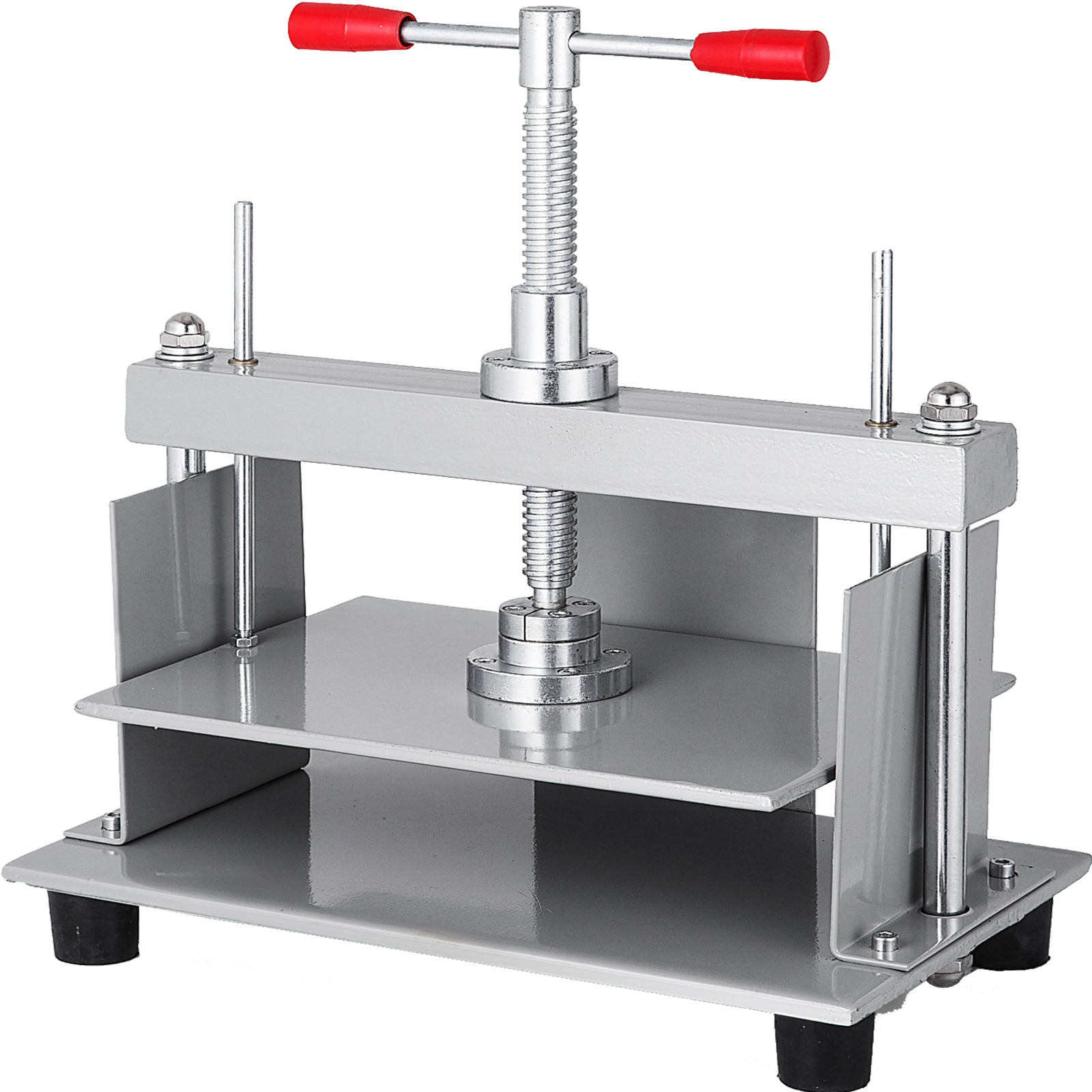 VEVOR Coil Spiral Binding Machine Manual Book Maker 34/21/46 Holes Letter$77.90View on eBay
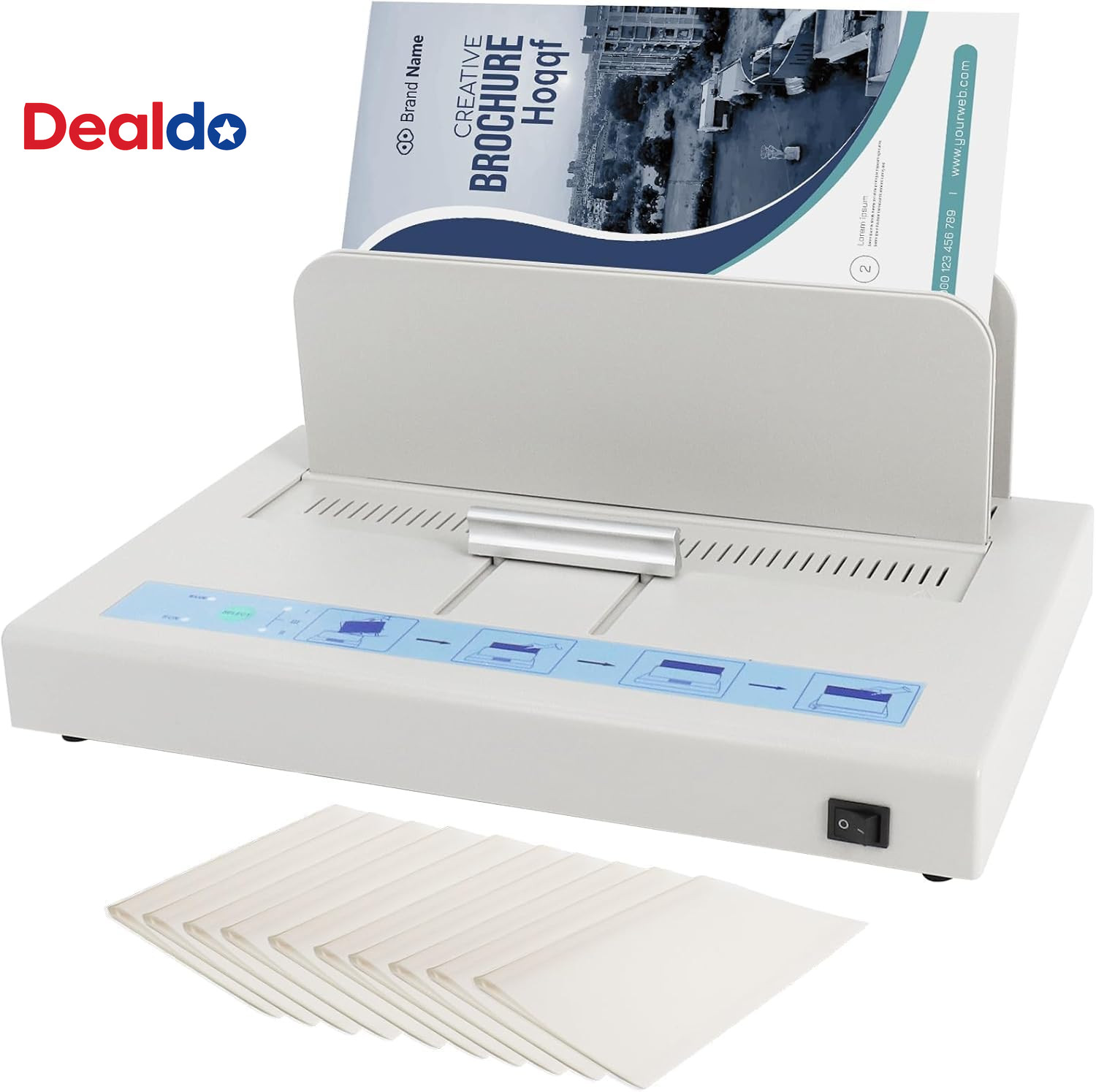 Thermal Binding Machine 500 Sheets Capacity Book Binding Material 110V Binding M$103.13View on eBay
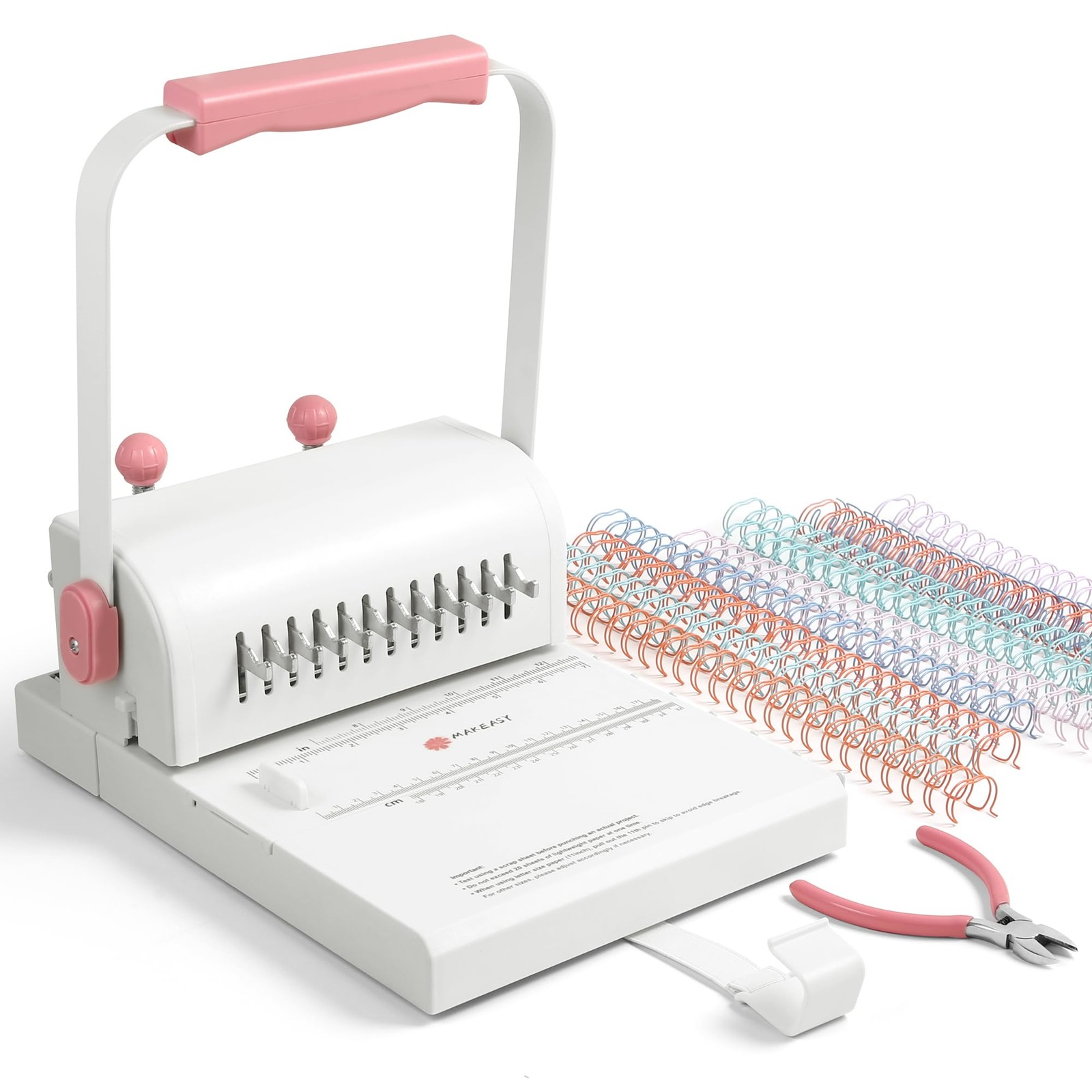 Binding Machine Hole Pitch 2:1 - Portable Book Binding Kit with 10PCS 5/8'' B...$118.12View on eBay
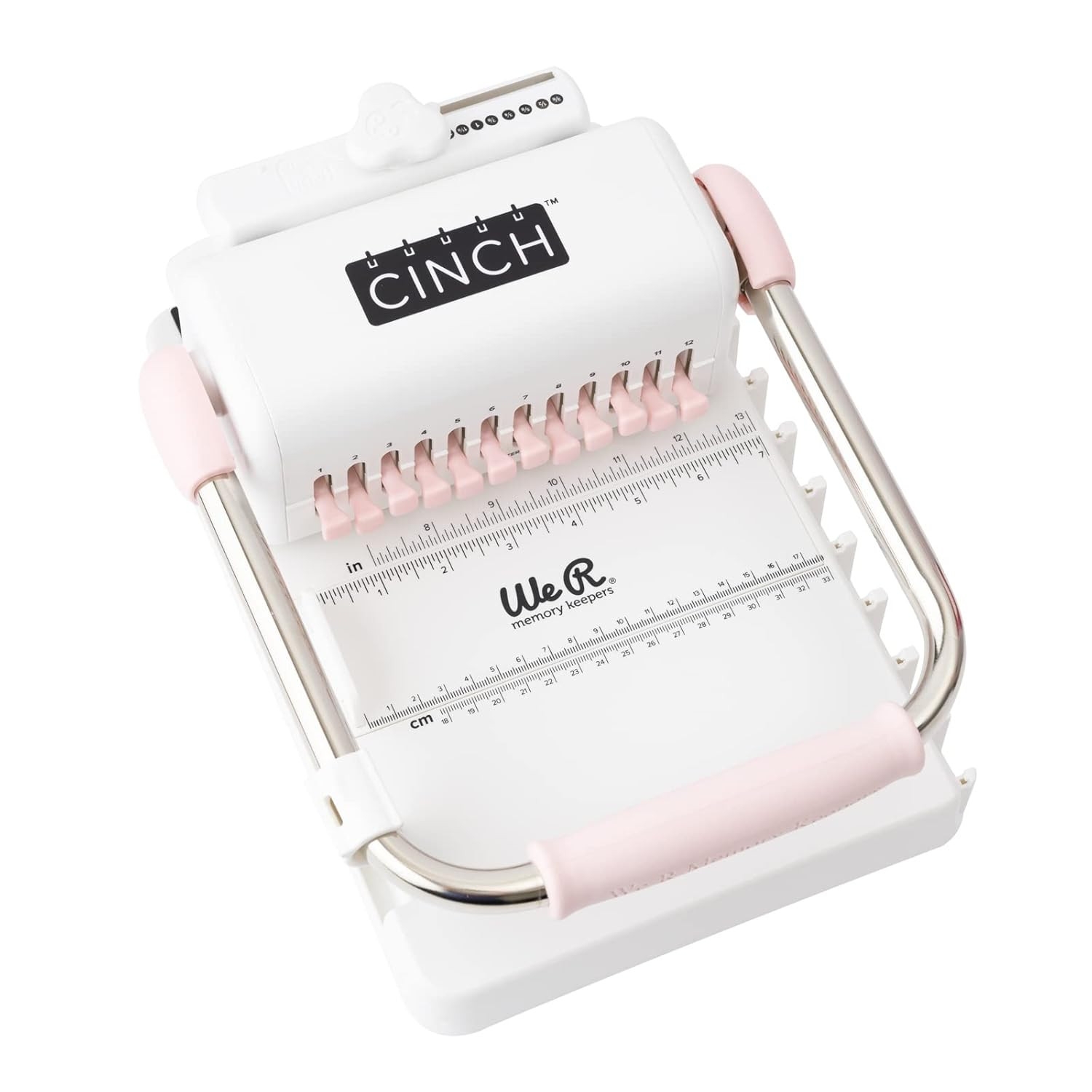 Book Binding Machine Square Hole Punch Spiral Coil Notebook Maker Pink White$154.40View on eBay
Highlights
- Comb binding punches rectangular slots on 21-hole (Letter/A4) or 19-hole (A5) pitch and uses snap-open plastic spines; coil/spiral punches round holes on 34-hole (Letter), 46-hole (A4), or 32-hole (A5) pitch and threads continuous plastic coil for true 360° lay-flat.
- Wire saddle/flat stapling (e.g., '106'-style auto-rapid staplers) drives wire staples through the spine for booklets; flat mode binds 10-50 sheets, saddle mode stitches folded signatures up to roughly 25 sheets per fold.
- Perfect binding uses thermal glue (EVA or PUR) with a wrap-around cover and produces square-spine paperback books; entry electric perfect binders require a separate roughing/cutting step and typically bind 10-300 sheets depending on model.
- Electric punch motors are rated by sheet capacity per cycle (typically 10-25 sheets for 80 gsm paper) and cycle rate; manual units trade speed for zero power and often top out at 12-20 sheets per pull.
Best use cases
- Choose comb binding for reports, cookbooks, and training manuals that need a flat-writing surface and frequent page swaps — the 21-hole pitch lets you reopen and re-edit the spine repeatedly.
- Choose coil/spiral binding for workbooks, notebooks, and calendars that must fold 360° and lay completely flat — pick the hole pitch (34/46/32-hole) that matches your paper size before ordering, since pitches are not interchangeable.
- Choose wire saddle/auto-rapid stapling for newsletters, booklets, and zines under 50 sheets — skip it if you need lay-flat reference manuals or more than about 25 sheets per folded spine.
- Choose perfect binding only if you need square-spine paperback books with printed covers and can accept a slower two-step glue-and-cover process; skip it for low-volume or frequently edited documents.
Buying tips
- Match hole pitch to paper size exactly: Letter/8.5×11 uses 21-hole comb or 34-hole coil, A4 uses 21-hole comb or 46-hole coil, and A5 uses 19-hole comb or 32-hole coil; buying the wrong pitch makes spines unusable.
- Size the punch by sheet capacity per cycle, not by 'max bind' claims: a 20-sheet punch handles a 100-sheet bind only in multiple passes, and 80 gsm paper is the standard rating basis.
- Prefer all-metal punch dies and steel combs/coil cutters over plastic; electric punch motors should be rated for continuous duty if you bind more than about 50 books per session.
- For perfect binding, PUR glue outlasts EVA on coated or glossy covers and in cold climates; EVA is fine for uncoated interior stock and warm indoor use.
Specs
| Binding Type | Comb / Coil / Wire / Perfect |
|---|---|
| Punch Capacity | 10-25 sheets per cycle (80 gsm) |
| Hole Pitch | 21-hole Letter / 46-hole A4 |
| Drive Type | Manual lever vs electric motor |
Related searches
What to check before buying
- Measure your largest finished document (sheet count plus cover thickness) and confirm the machine's bind capacity exceeds it by 20% for margin.
- Confirm paper size and hole pitch — Letter, A4, and A5 each require a different comb or coil pitch and often a different punch die.
- Verify voltage and plug standard: most electric units are 110V US or 220-240V EU; a 110V motor on a 230V supply will fail immediately.
- Check consumable compatibility — spine widths (3/8", 1/2", etc.), coil diameters, staple wire gauge, and glue cartridge type must match the machine series.
FAQ
Data sources: eBay / Amazon listings and product attribute feeds. Updated Nov 28, 2026.
Some links on this page are affiliate links. If you buy after clicking one, we may earn a commission at no extra cost to you. This does not change which products appear here or their order. Affiliate disclosure.