
Photos from current listings. Actual item, color, and included accessories may vary.
Blank Card Buying Guide
Blank cards are unprinted greeting or note cards sold with or without envelopes, letting you add your own message or run them through a home printer. The core trade-off is paper weight and surface versus format and quantity: lightweight matte stock is fine for handwriting but jams inkjet printers and buckles, while 80–110 lb cardstock with a smooth or coated finish feeds reliably and resists bleed-through. Choose by envelope format (A7/A2), stock weight (lb/GSM), and printer compatibility; skip thin folded-paper 'cards' that curl and show show-through.
Median $11.25
Key takeaways
- Standard note-card formats are A7 (5x7 in) and A2 (4.25x5.5 in); A7 fits standard 5x7 envelopes and is the most common blank-card size for printing and mailing.
- Cardstock weight drives durability: 80 lb (216 GSM) cover stock is the minimum for print-and-mail cards; 100–110 lb (270–300 GSM) resists curling and bleed-through better.
- Printer compatibility hinges on surface and thickness: uncoated matte cardstock feeds reliably in inkjet printers up to about 110 lb; coated or textured stock requires a straight-through rear feed path.
At a glance
- Category
- Stationery, School & Office Consumables
- Last updated
- Nov 27, 2026
Current offers
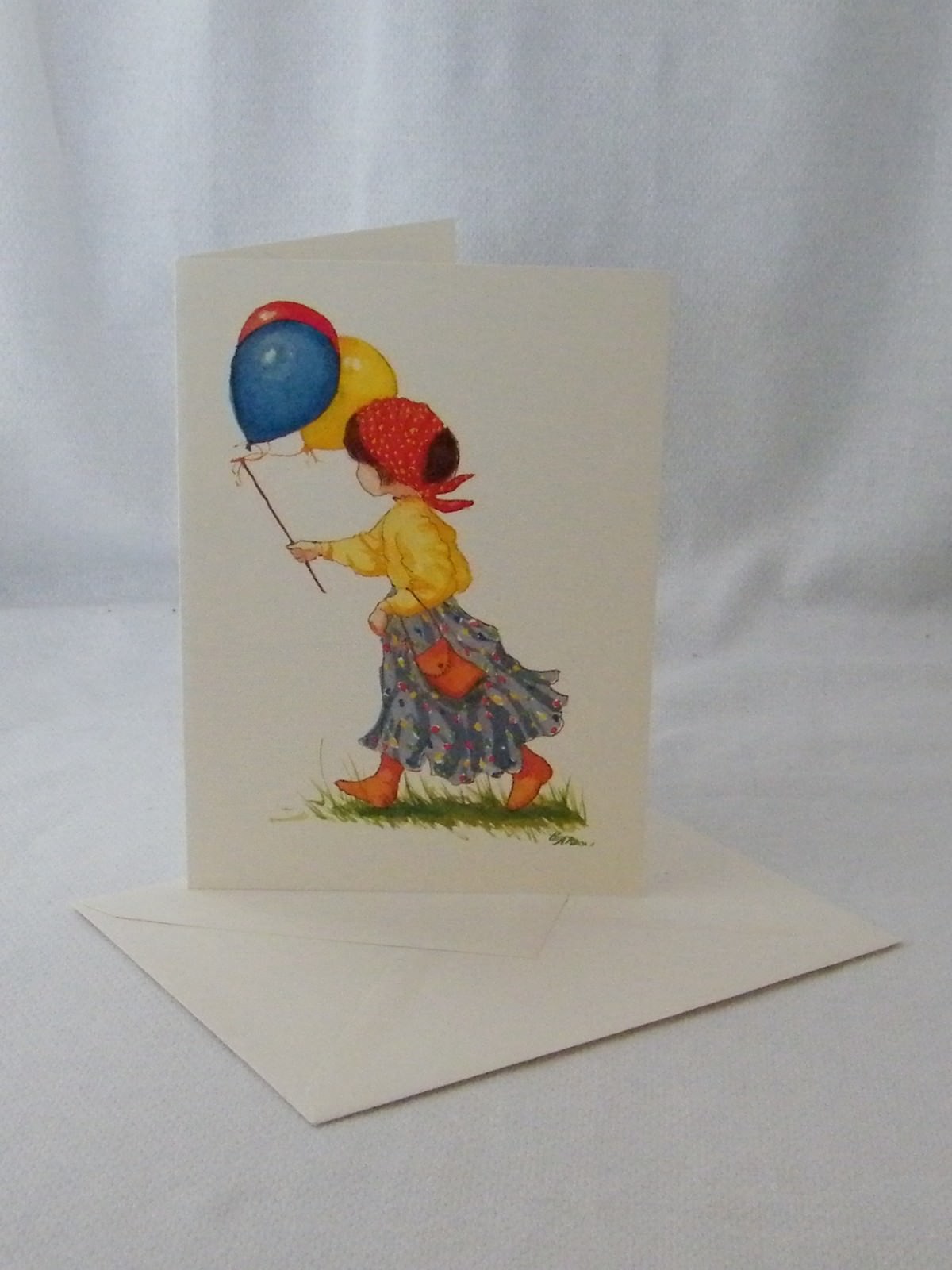 New Nostalgic Blank Greeting Card with Envelope - Your Choice$3.99View on eBay
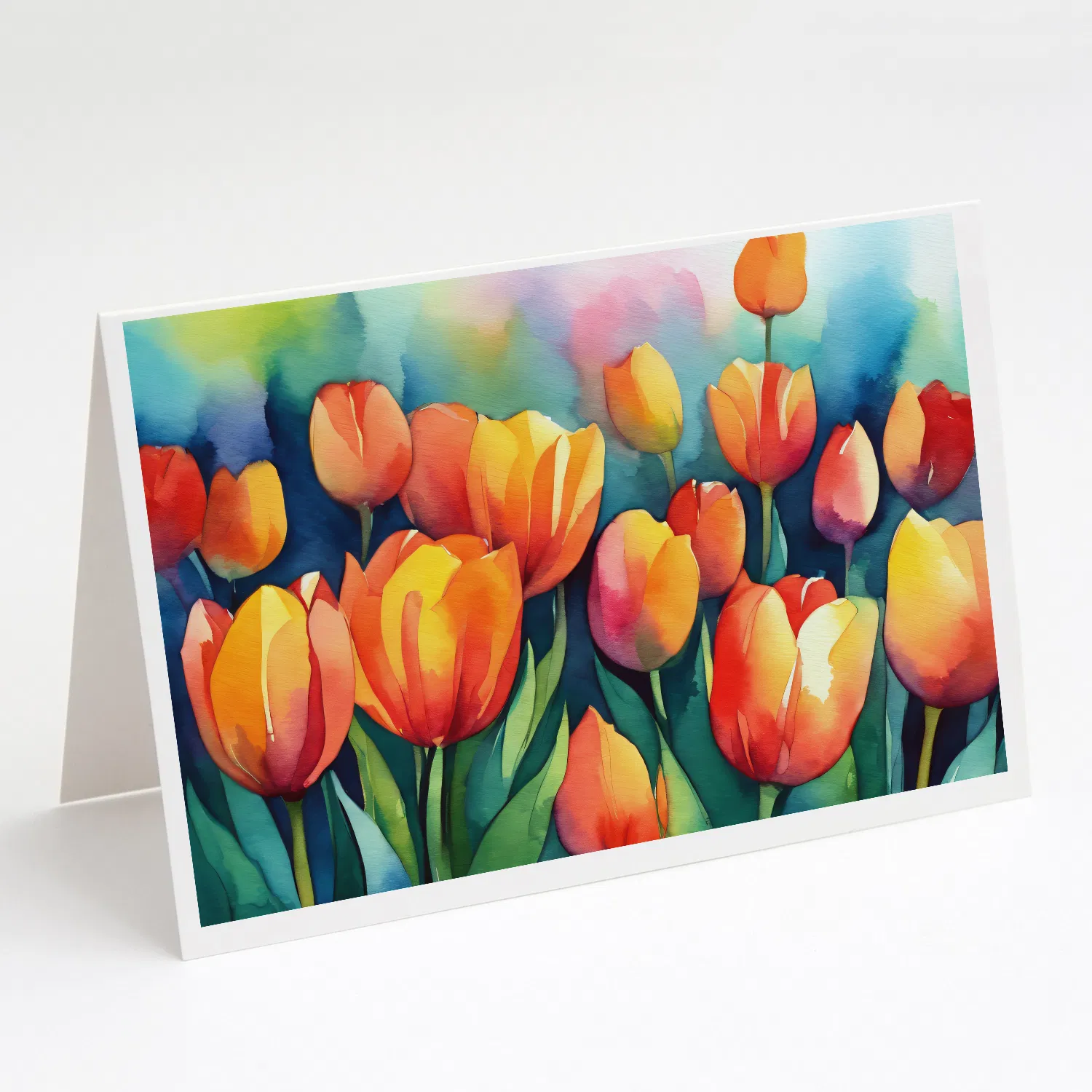 Tulips in Watercolor Greeting Cards Pack of 8 Blank with Envelopes Whimsical A7 Size 5x7 Note$26.99View on Mallflare
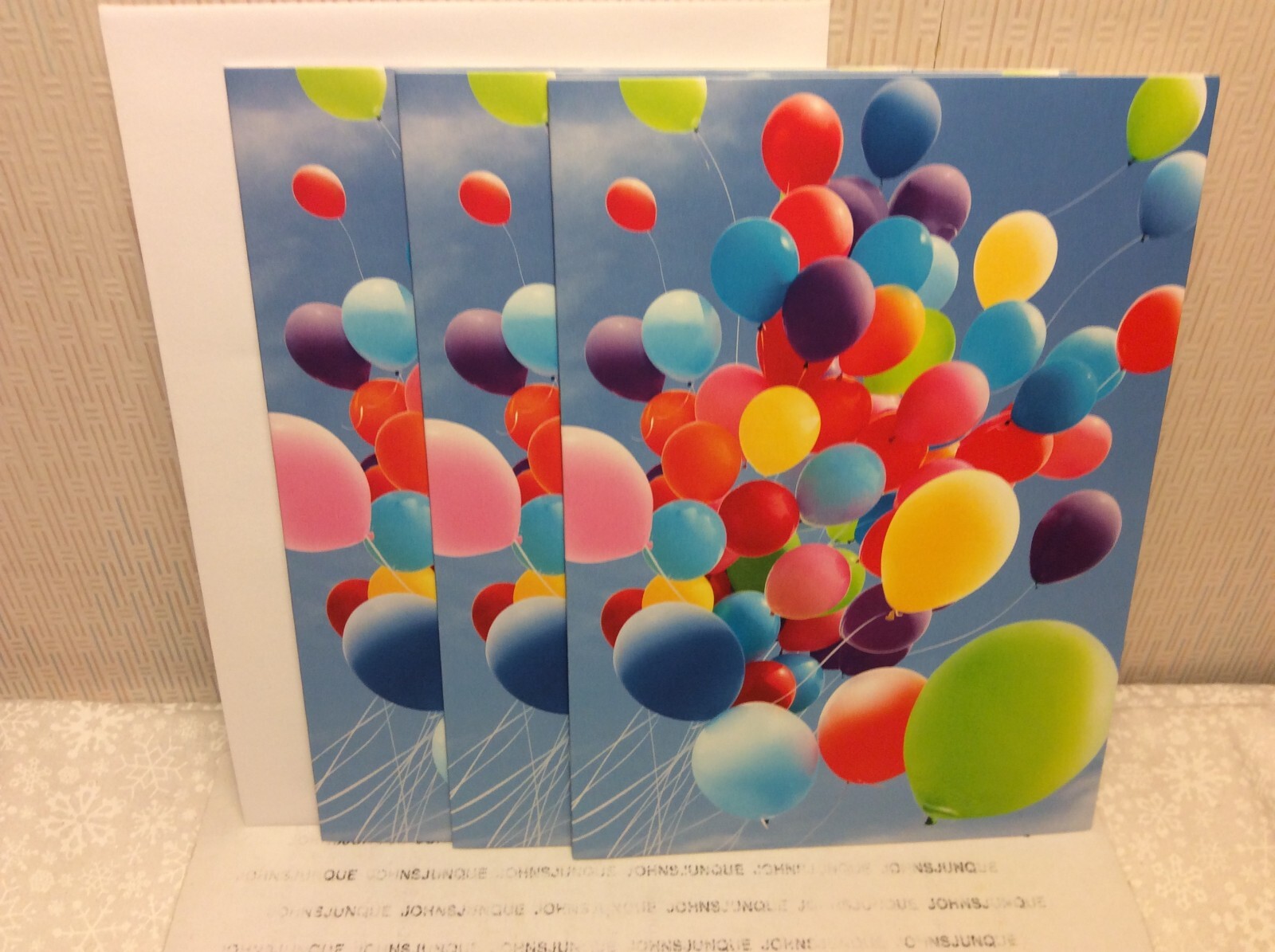 BLANK INSIDE AVANTI GREETING CARD New w/Envelopes LOT 3 "BUNCH OF BALLOONS"$5.00View on eBay
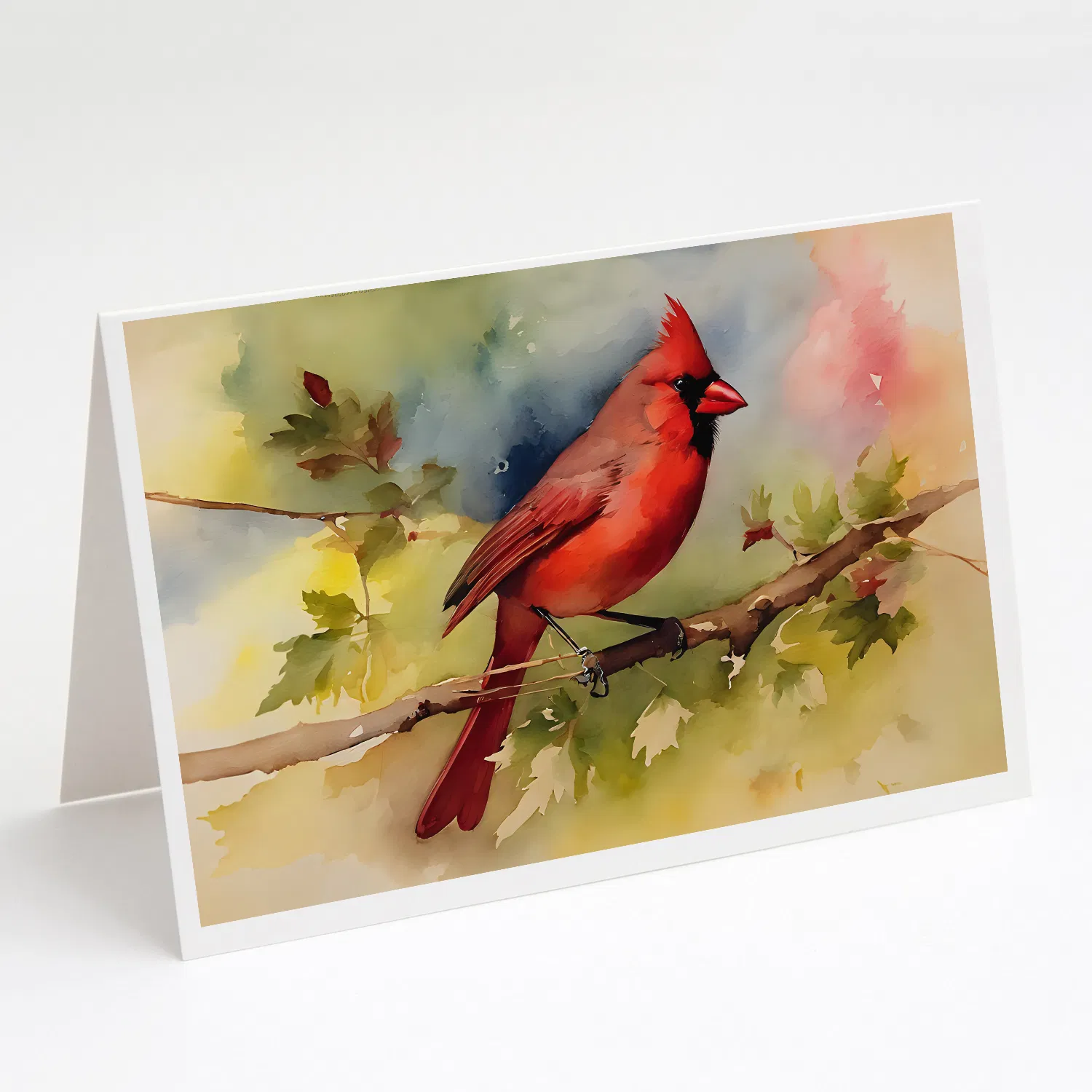 Cardinal Greeting Cards Pack of 8 Blank with Envelopes Whimsical A7 Size 5x7 Note$26.99View on Mallflare
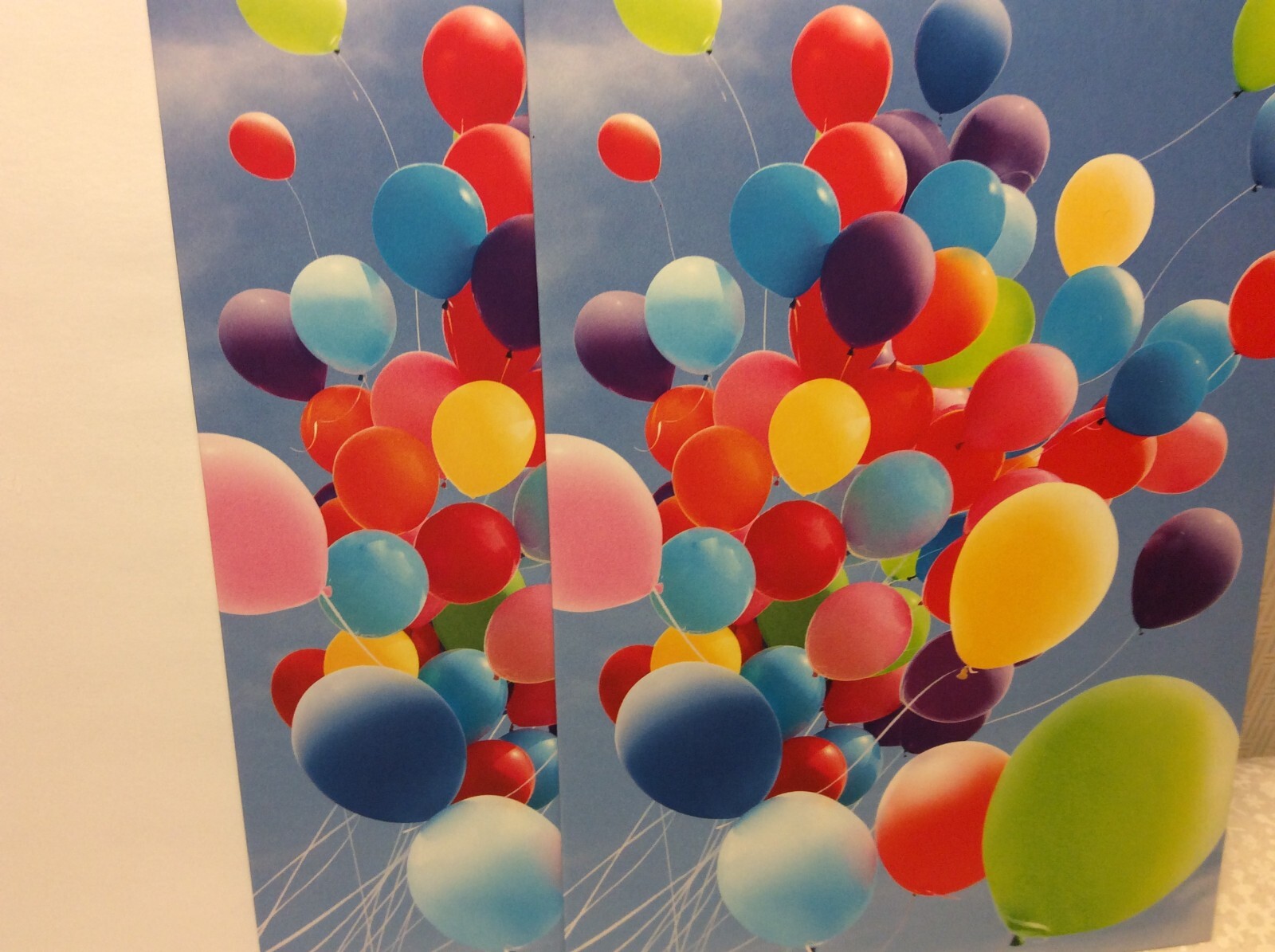 BLANK INSIDE AVANTI GREETING CARDS New w/Envelopes LOT 2 BRIGHTLY COLOR BALLOONS$5.00View on eBay
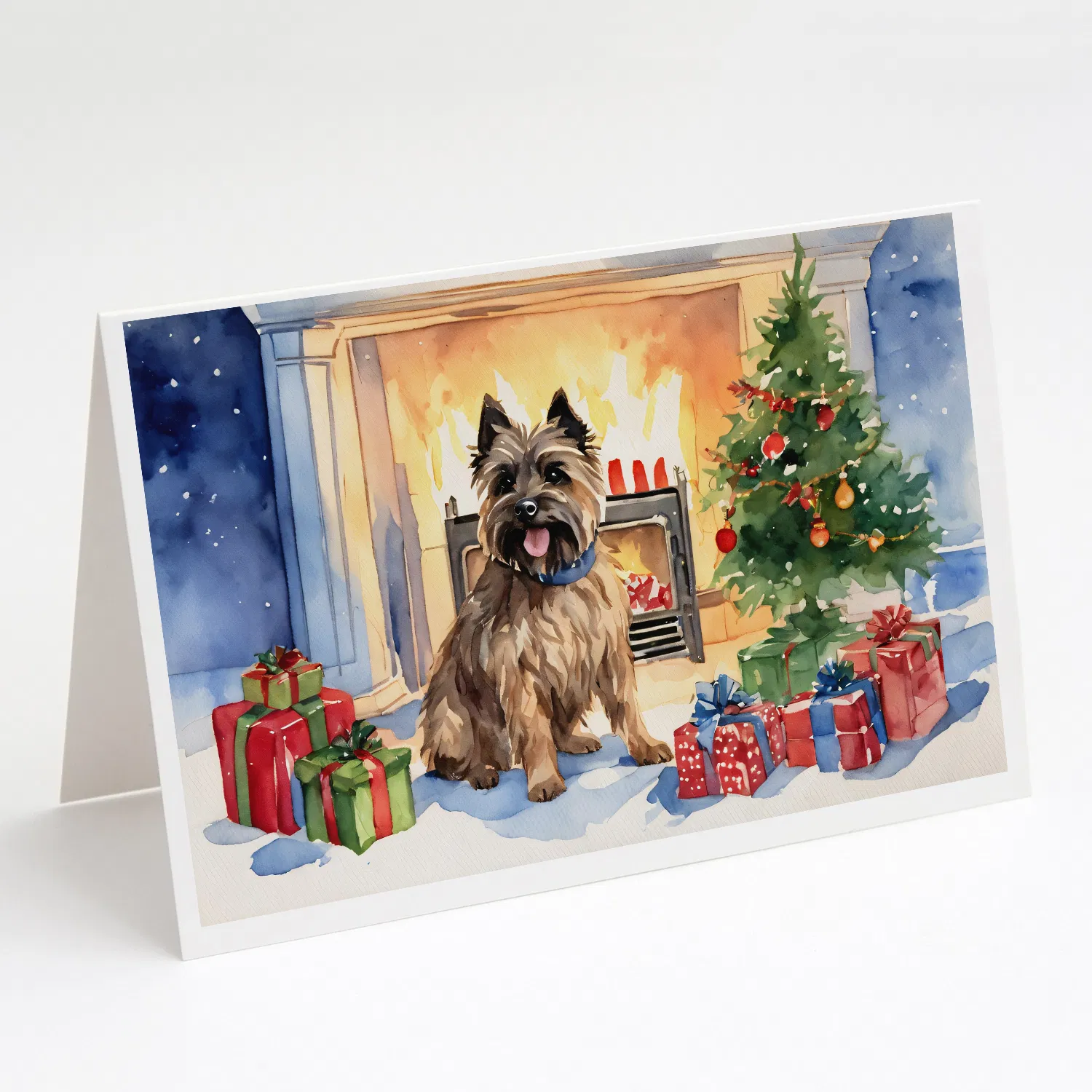 Cairn Terrier Christmas Greeting Cards Pack of 8 Blank with Envelopes Whimsical A7 Size 5x7 Note$26.99View on Mallflare
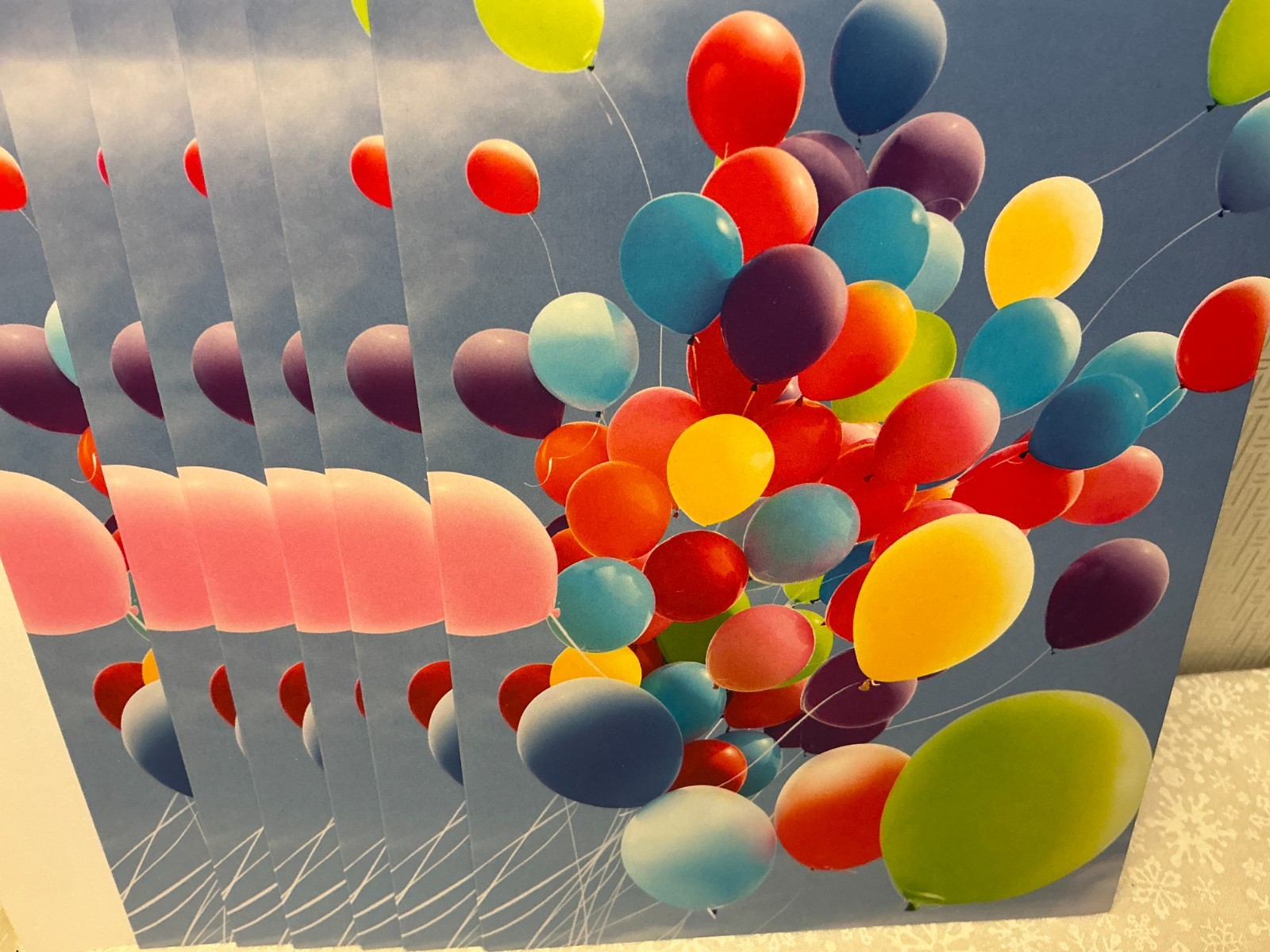 BLANK INSIDE AVANTI GREETING CARDS New w/Envelopes LOT 6 BALLOONS*BEST DEAL EVER$5.50View on eBay
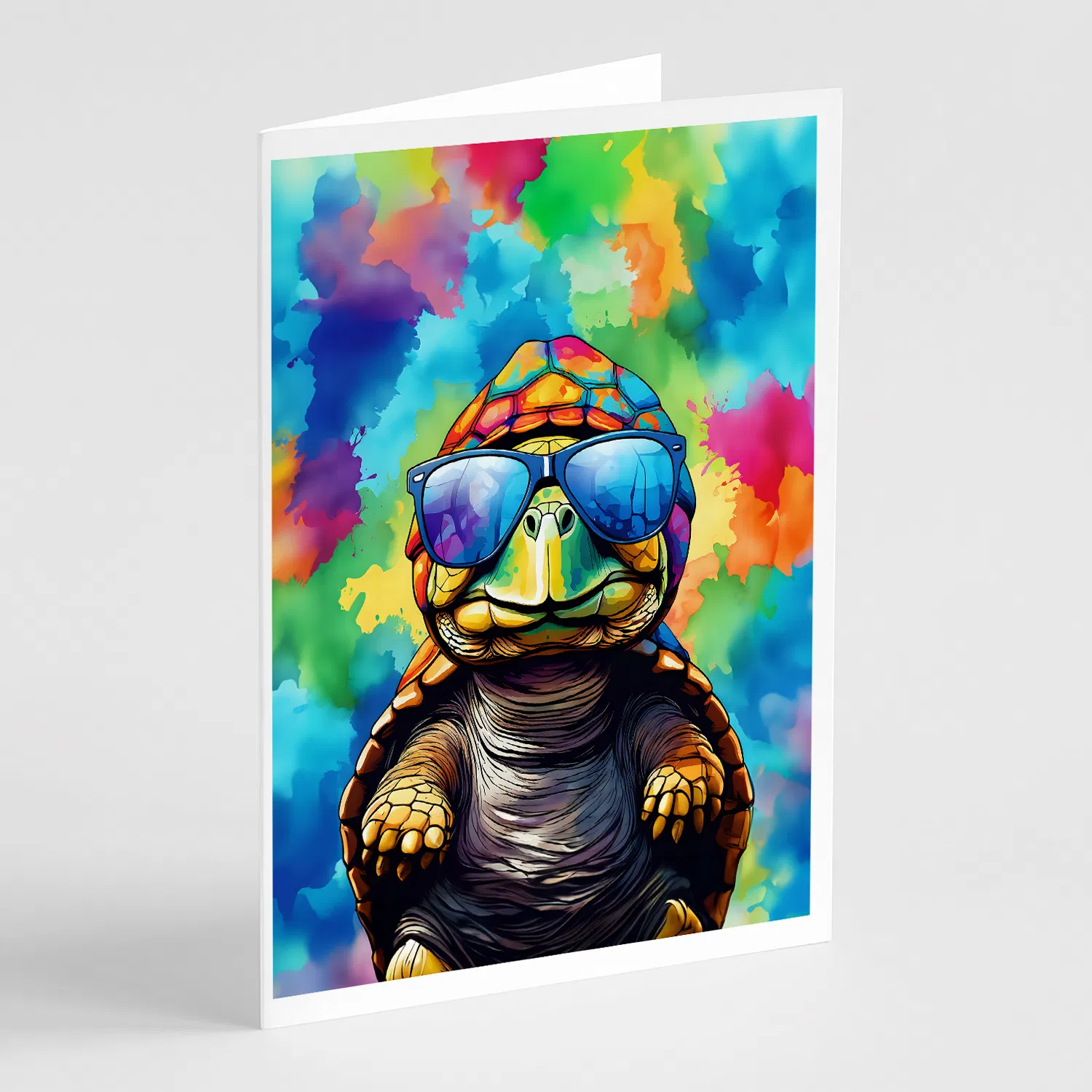 NEW Hippie Animal Tortoise Turtle Greeting Cards Pack of 8 Blank with Envelopes Whimsical A7 Size 5x7 Note$26.99View on Mallflare
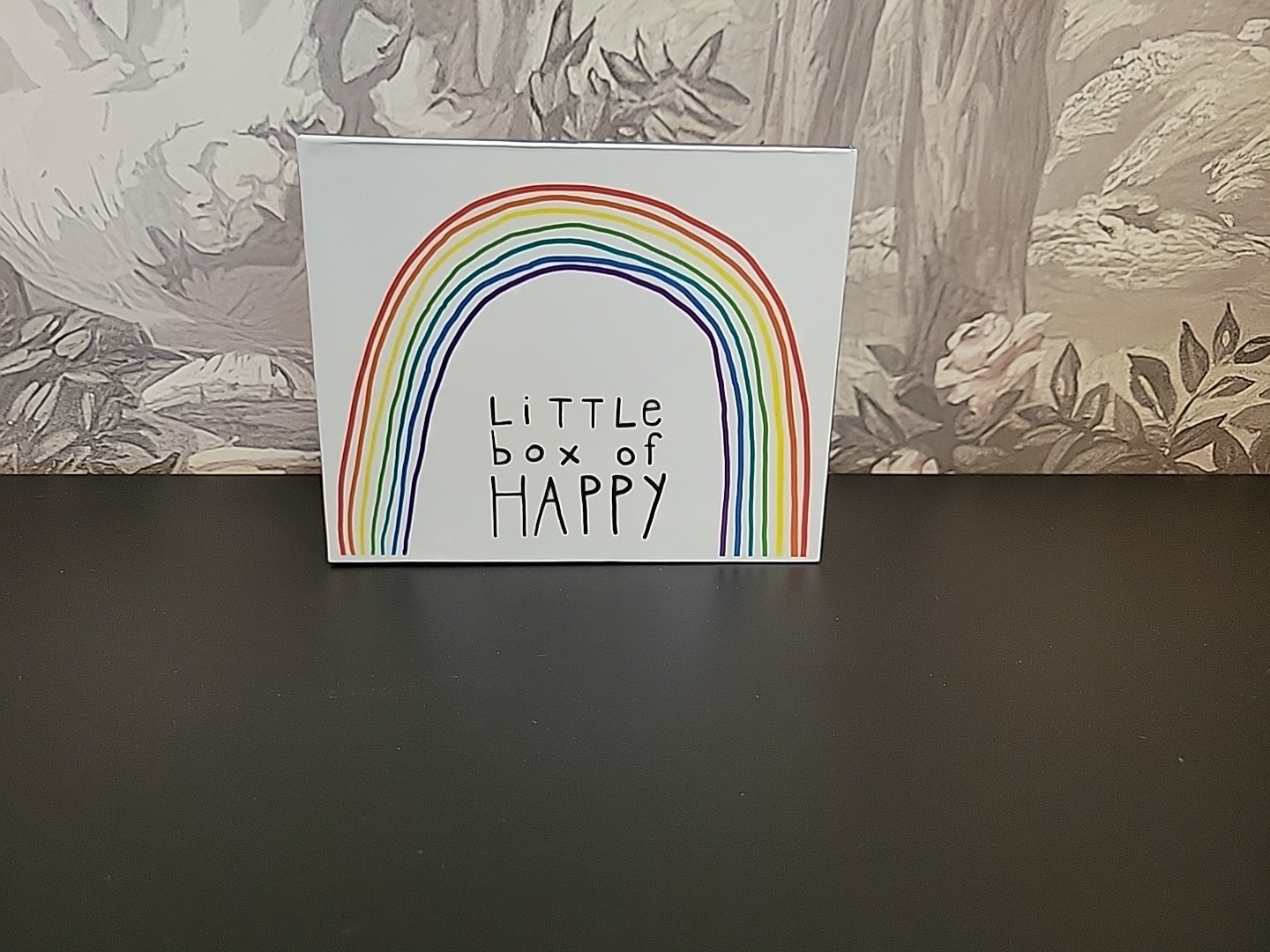 Papyrus Blank Cards, Little Box of Happy Cheerful Note Cards 20 Count NEW$10.00View on eBay
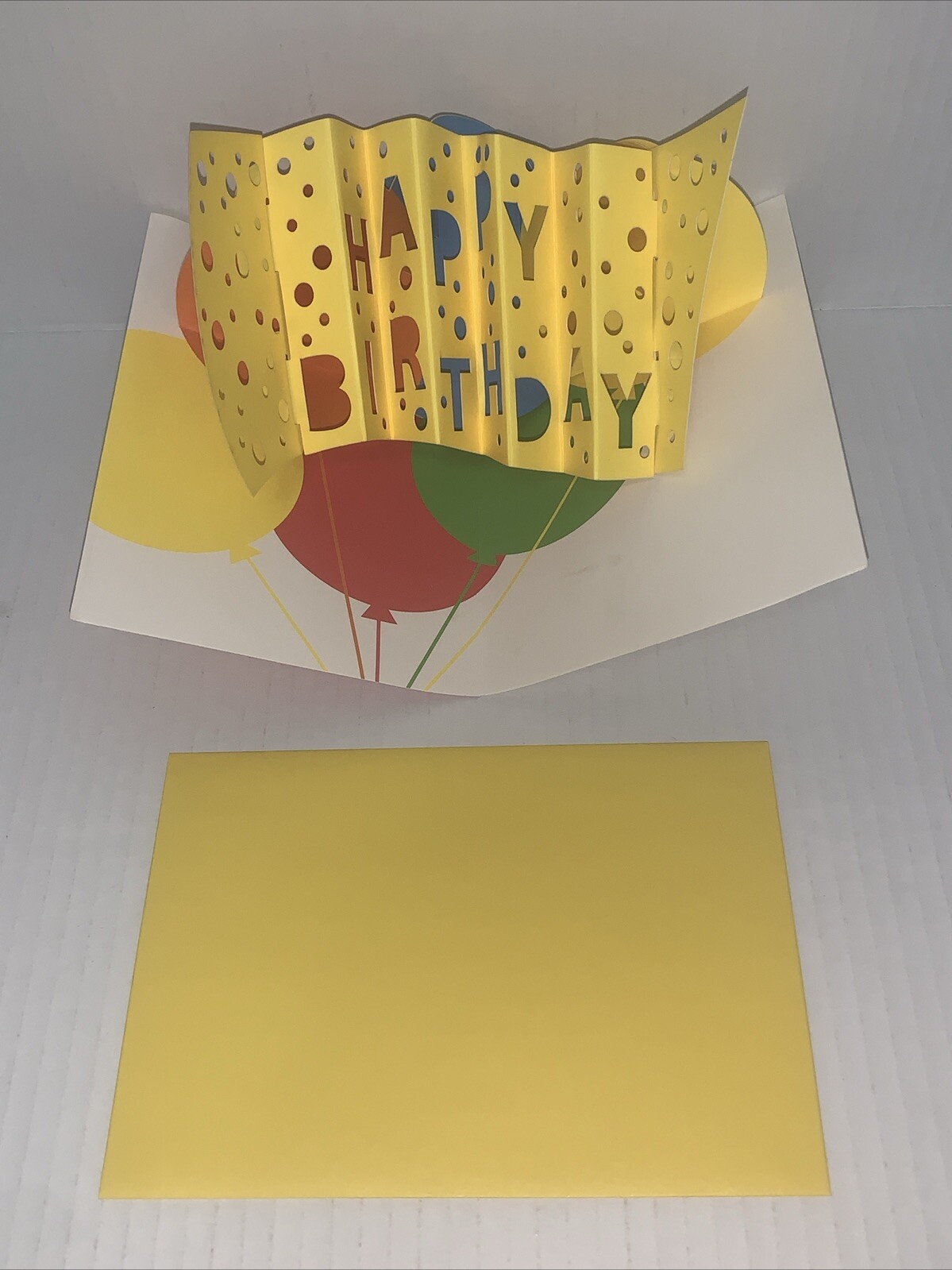 MoMA Pop-Up Birthday Blank Card: Happy And Colorful Balloons For Kids & Adults$12.50View on eBay
Highlights
- Standard note-card formats are A7 (5x7 in) and A2 (4.25x5.5 in); A7 fits standard 5x7 envelopes and is the most common blank-card size for printing and mailing.
- Cardstock weight drives durability: 80 lb (216 GSM) cover stock is the minimum for print-and-mail cards; 100–110 lb (270–300 GSM) resists curling and bleed-through better.
- Printer compatibility hinges on surface and thickness: uncoated matte cardstock feeds reliably in inkjet printers up to about 110 lb; coated or textured stock requires a straight-through rear feed path.
- Envelope inclusion separates product tiers: boxed note-card sets typically include matching envelopes, while single artisan cards may be card-only and need separate A7 or A2 envelope purchase.
Best use cases
- Best fit: boxed blank note-card sets (20–50 cards) with matching envelopes for thank-you notes, holiday greetings, and everyday correspondence; skip single cards if you need volume.
- Best fit: A7 (5x7 in) flat or folded blank cards with uncoated matte finish for home inkjet printing of photo cards and personalized greetings; skip textured or coated stock that jams feed rollers.
- Best fit: single artisan or pop-up blank cards for one-off occasions where design matters more than quantity; skip these for bulk mailing where per-card cost and envelope matching dominate.
- Wrong fit: thin folded-paper greeting cards under 65 lb for printing or mailing; they curl in humidity, show ink show-through, and require envelope reinforcement.
Buying tips
- Match envelope format before buying: A7 cards need 5.25x7.25 in (A7) envelopes; A2 cards need 4.375x5.75 in (A2) envelopes. Buying cards without envelopes forces a separate matching purchase.
- Pick stock weight by use: 80 lb (216 GSM) cover for handwriting and light printing; 100–110 lb (270–300 GSM) for heavy ink coverage, photo printing, and mailing without curl.
- For inkjet printing, choose uncoated or inkjet-coated cardstock labeled for your printer type; laser printing needs laser-compatible stock to avoid toner flaking at folds.
- Buy folded cards pre-scored or creased; unscored 100 lb+ cardstock cracks along the fold unless you score it yourself with a bone folder.
Specs
| Card Format | A7 5x7 in / A2 4.25x5.5 in |
|---|---|
| Stock Weight | 80–110 lb (216–300 GSM) cover |
| Printer Compatibility | Inkjet matte up to ~110 lb / laser-rated |
| Envelope Inclusion | Boxed sets yes / singles often no |
Related searches
What to check before buying
- Confirm your envelope supply: measure existing envelopes and match A7 (5.25x7.25 in) or A2 (4.375x5.75 in) card dimensions before ordering card packs.
- Check printer feed path: rear or straight-through feed handles 100–110 lb cardstock; front-only trays typically max out near 80 lb.
- Verify postage class for card size and weight: A7 cards with envelope usually fall within standard first-class letter rates; oversized or rigid cards may need non-machinable postage.
- Match ink type to stock: dye ink on uncoated matte cardstock dries fast but can feather; pigment ink needs coated or inkjet-specific stock for sharp photo reproduction.
FAQ
Data sources: eBay / Amazon listings and product attribute feeds. Updated Nov 27, 2026.
Some links on this page are affiliate links. If you buy after clicking one, we may earn a commission at no extra cost to you. This does not change which products appear here or their order. Affiliate disclosure.