
Photos from current listings. Actual item, color, and included accessories may vary.
Heavy Duty Moving Box Buying Guide
Heavy-duty moving boxes are corrugated containers engineered to carry dense loads—books, tools, appliances, and dishware—without buckling, typically defined by a double-wall board construction and a minimum 65 lb test (32 ECT) rating. The core trade-off is board grade versus cost: single-wall 32 ECT boxes handle light household goods, while double-wall 48–60 ECT boxes are mandatory for heavy fragiles and repeated stacking. The decision rule is simple—if the packed weight exceeds 65 lb or the box will be stacked more than two high, buy double-wall; otherwise a quality single-wall 32 ECT box with proper void fill is sufficient.
Median $339.95 · New listings
Key takeaways
- Double-wall corrugated board (two liners, three flutes) delivers roughly 2–3× the stacking strength of single-wall of the same flute size, making it the baseline for heavy-duty claims.
- Box strength is rated by either Edge Crush Test (ECT, in lb/in) or Mullen burst test (in psi); 48 ECT and 275 psi burst are the recognized heavy-duty thresholds, while 32 ECT / 200 psi is standard-duty.
- Flute profile matters: C-flute (~1/8 in) is the industry default for moving boxes, B-flute is thinner and stiffer for small heavy items, and BC double-wall (~1/4 in) balances thickness and crush resistance.
At a glance
- Category
- Packing & Shipping
- Last updated
- Nov 28, 2026
Current offers
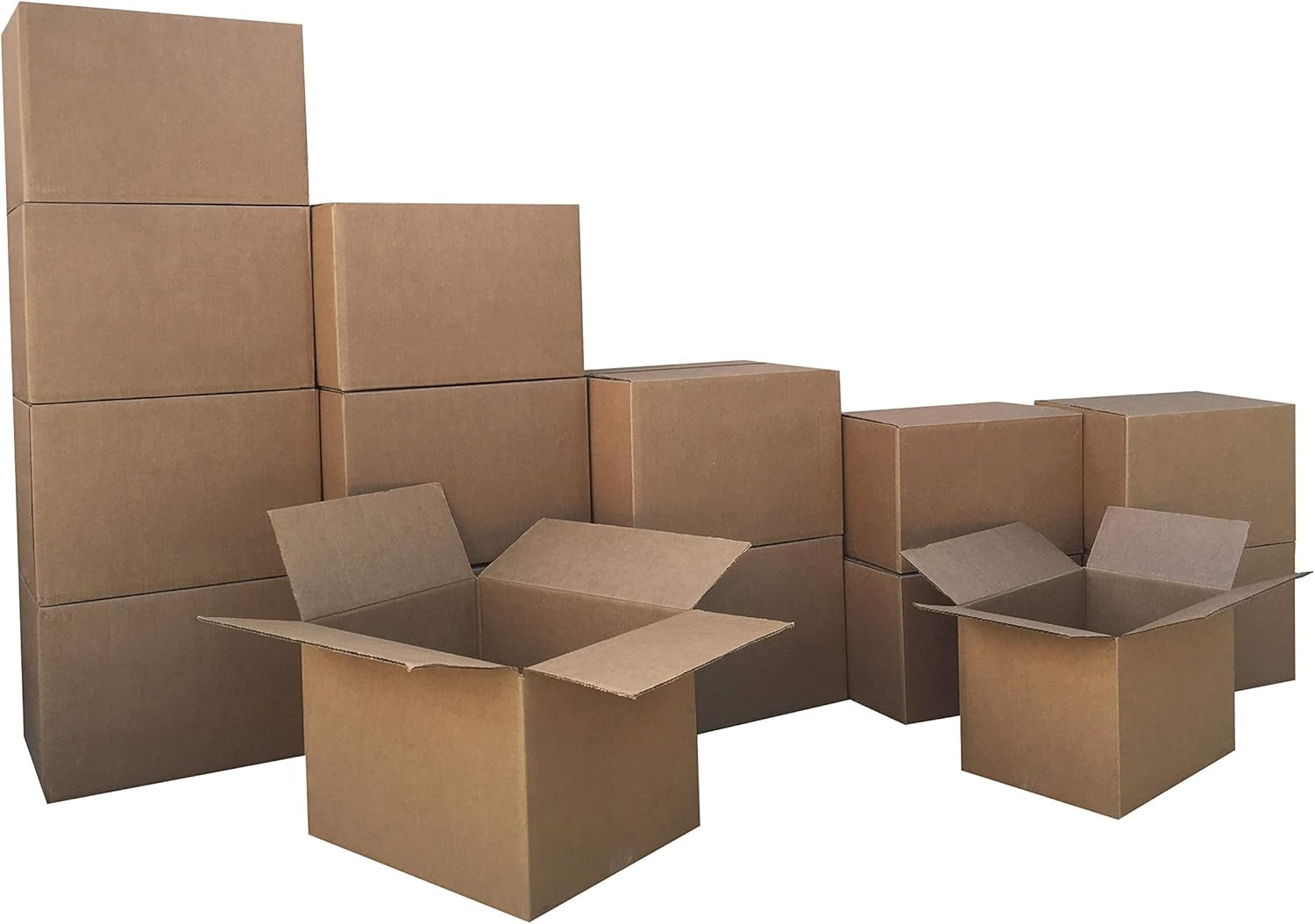 Moving Boxes Kit, Small and Medium Cardboard Box Combo, Packing and Shipping Sup$76.77View on eBay
 CARDBOARD Boxes Many Sizes! Large + Small Shipping Moving Mailing Packing BOX$201.00New · Last checked Nov 24, 2026View on eBay
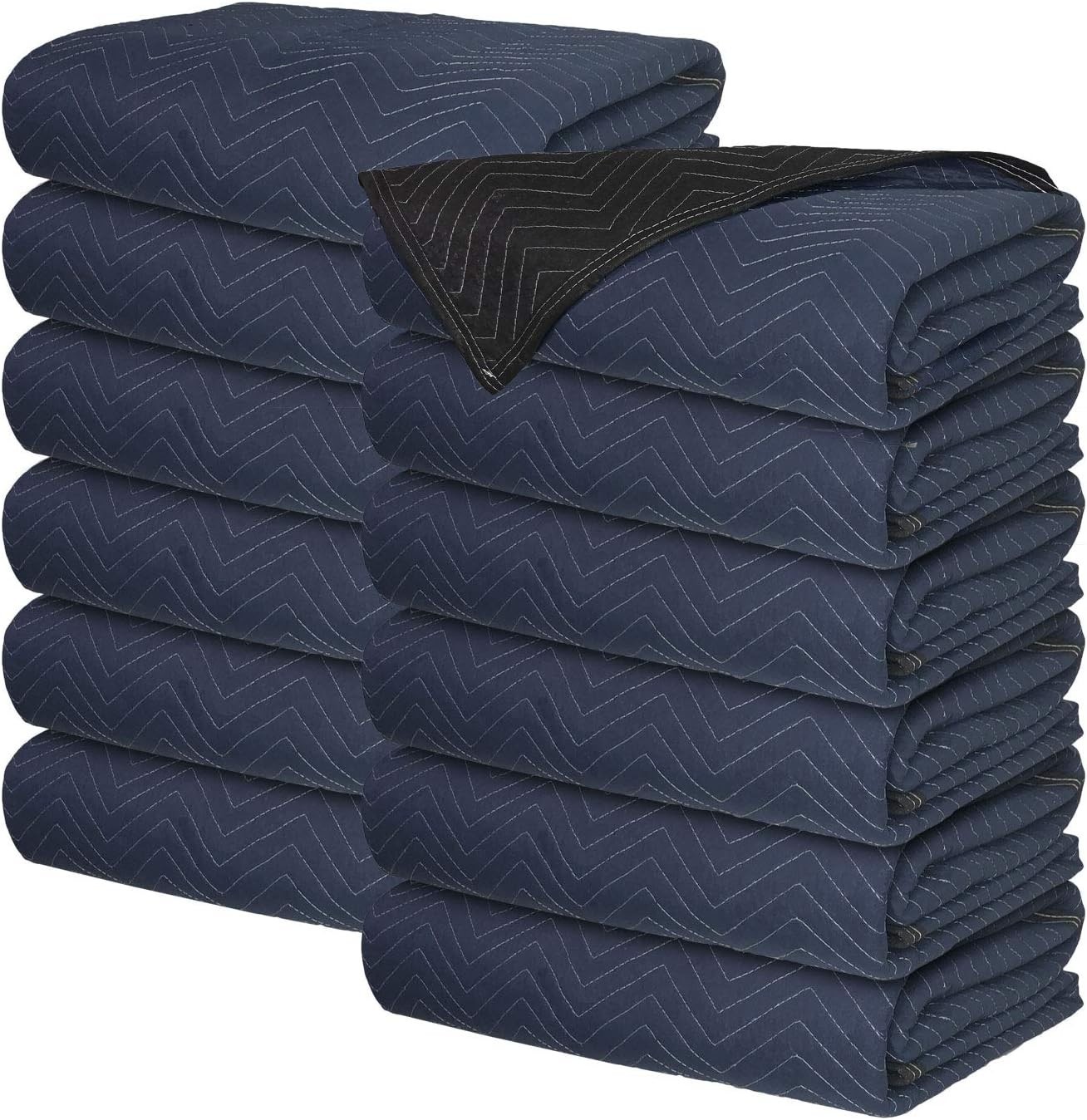 Cheap Cheap Moving Boxes 72 x 80 Inches Pro Moving Blankets Pack of 12$220.86New · Last checked Nov 21, 2026View on eBay
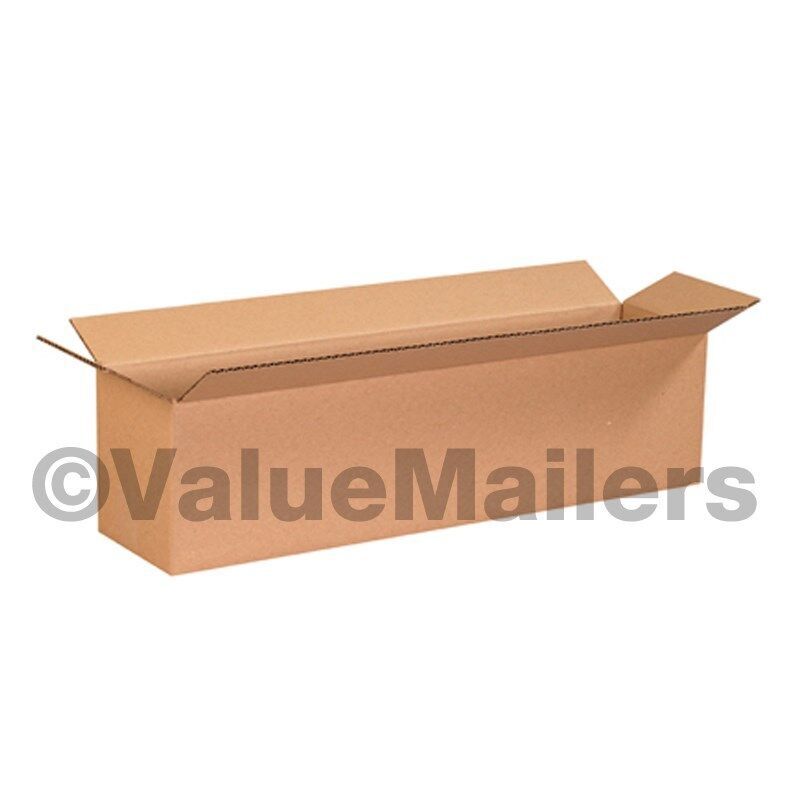 Premium Shipping Boxes Packing Moving Corrugated Cartons Storage Box Many Sizes$259.95New · Last checked Nov 24, 2026View on eBay
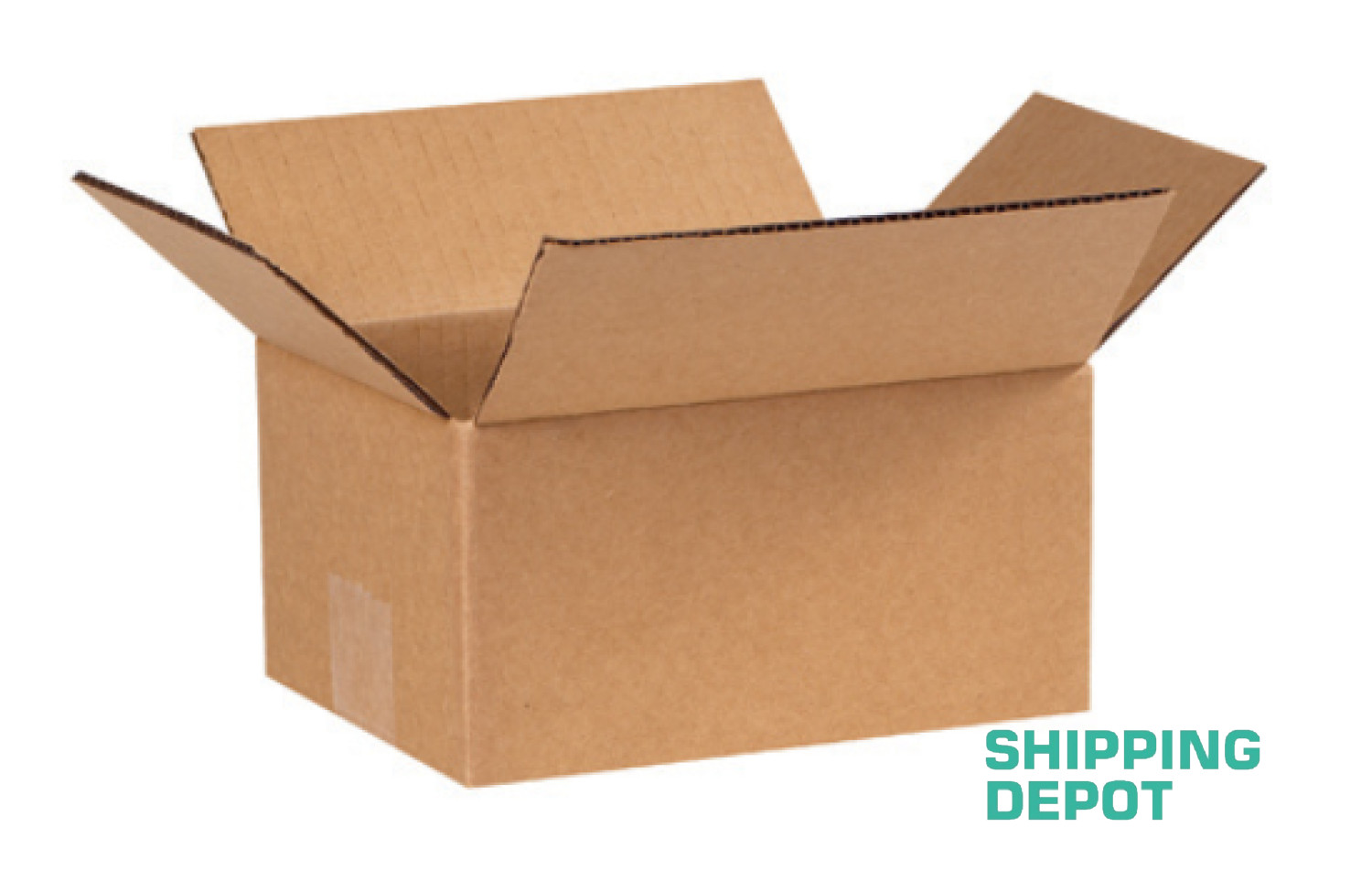 Shipping Boxes ~ Many Sizes Available! Mailing Moving Packing Storage! Small Big$278.60New · Last checked Nov 24, 2026View on eBay
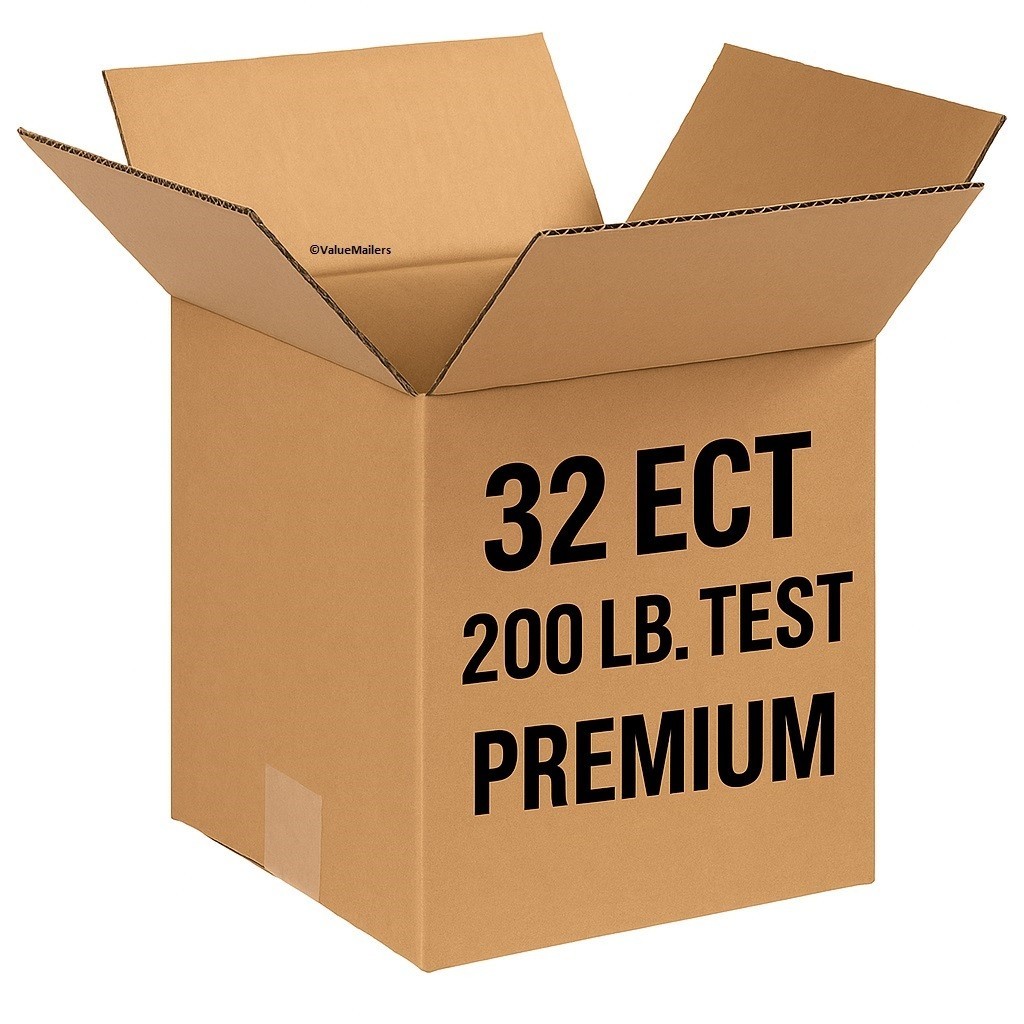 8x8x8 Cardboard Box Packing Shipping Moving Boxes Corrugated Cartons 25 50 400$339.95New · Last checked Nov 17, 2026View on eBay
 4x4x4 Premium Box Packing Moving Shipping Boxes Corrugated Cartons 100 200 1000$389.95New · Last checked Nov 17, 2026View on eBay
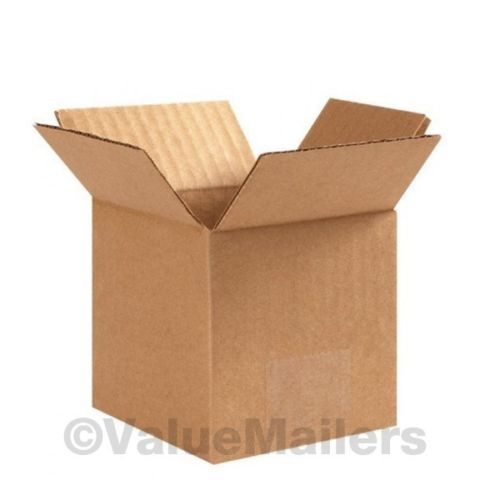 7x7x7 Cardboard Shipping Boxes Cartons Packing Moving Mailing Box 50 100 To 500$409.95New · Last checked Nov 17, 2026View on eBay
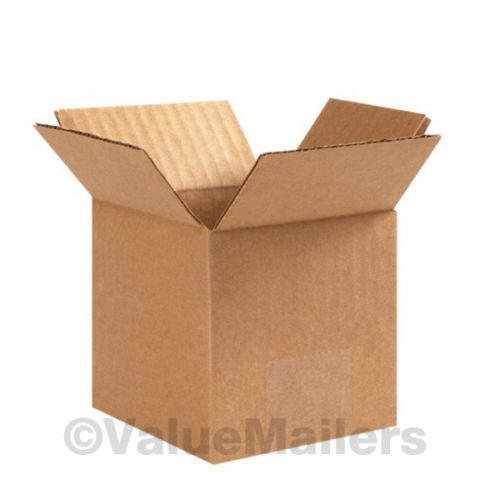 7x7x6 Packing Mailing Moving Shipping Boxes Corrugated Box Cartons 50 100 To 500$429.95New · Last checked Nov 17, 2026View on eBay
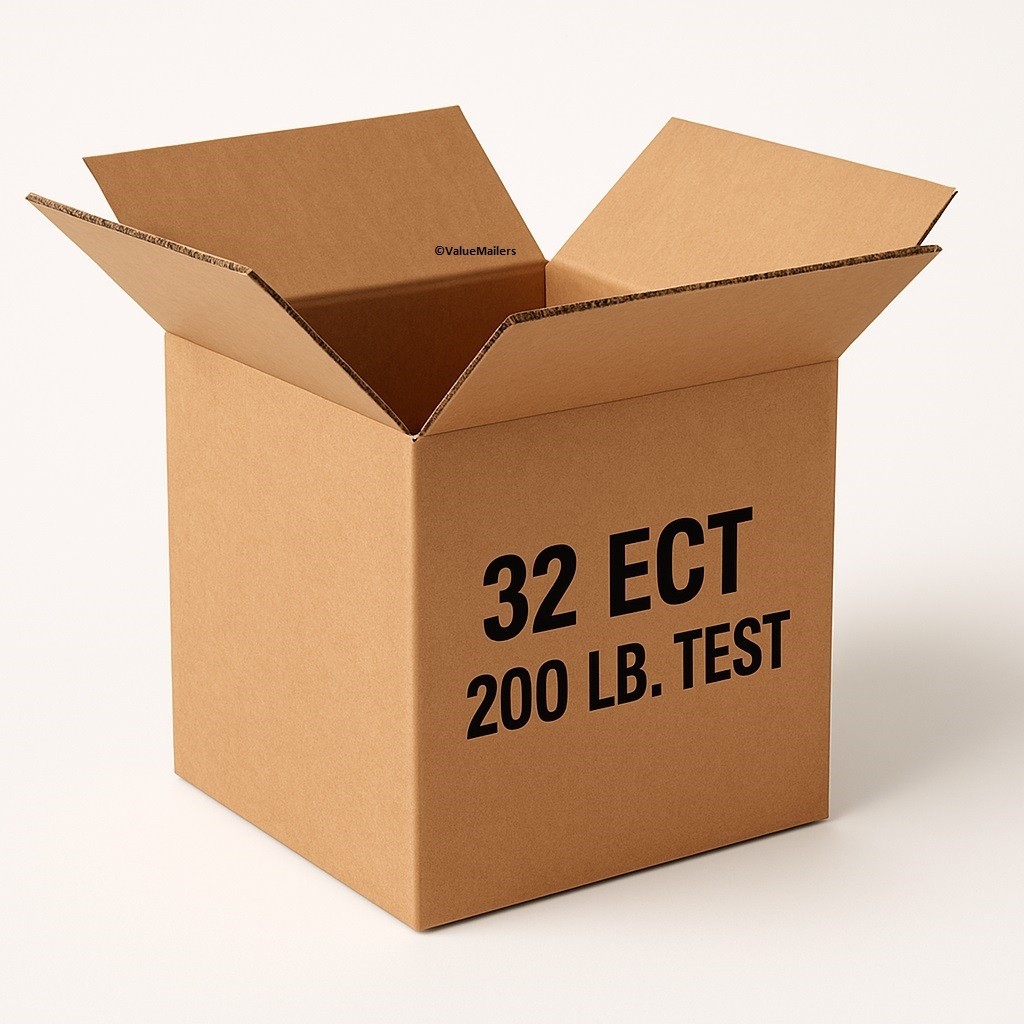 6x6x6 Cardboard Shipping Boxes Cartons Packing Moving Mailing Box 50 100 200 500$549.95New · Last checked Nov 24, 2026View on eBay
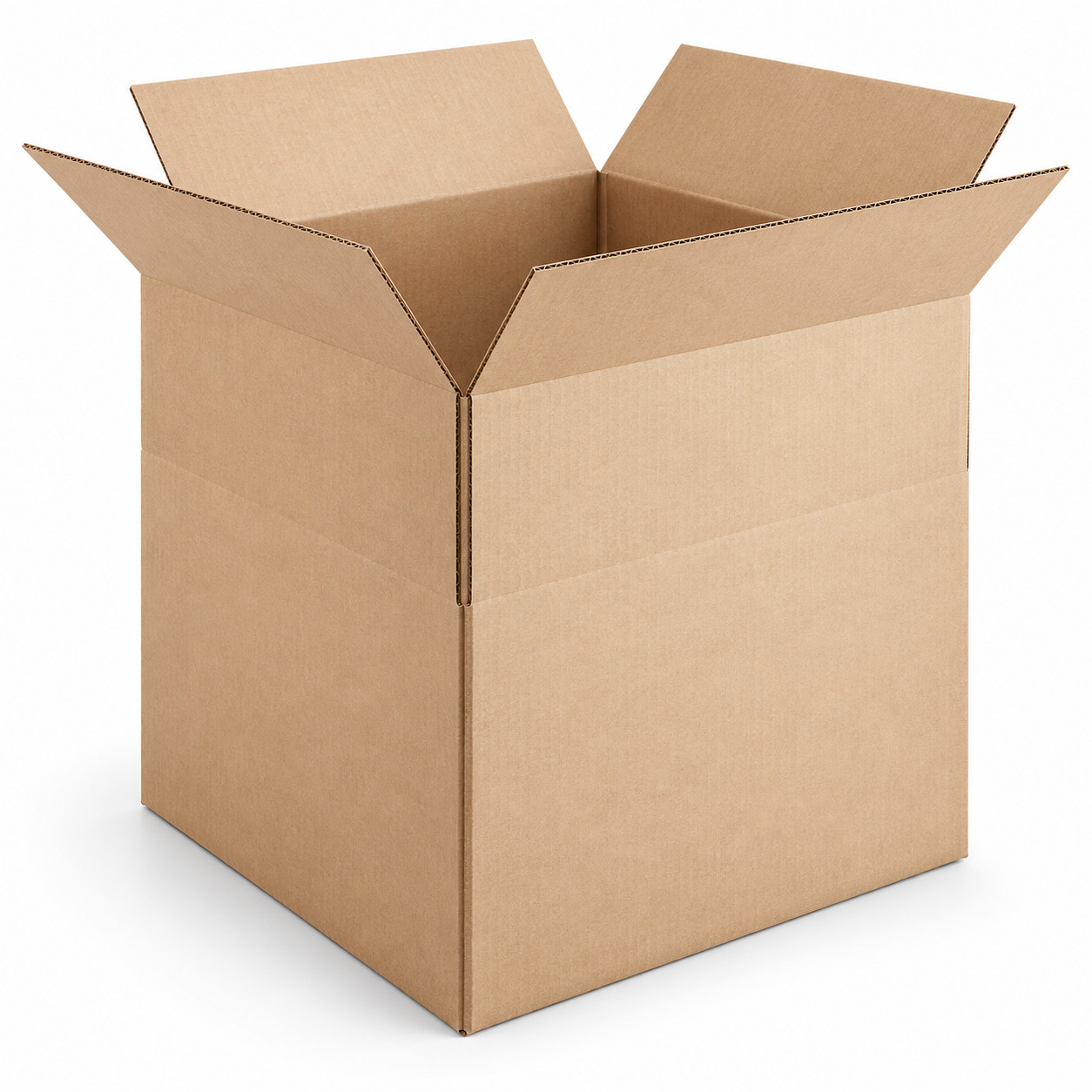 24x24x24 Large Shipping Boxes Heavy Duty Kraft Moving 44 ECT 20-50 Pack$599.99New · Last checked Nov 24, 2026View on eBay
Highlights
- Double-wall corrugated board (two liners, three flutes) delivers roughly 2–3× the stacking strength of single-wall of the same flute size, making it the baseline for heavy-duty claims.
- Box strength is rated by either Edge Crush Test (ECT, in lb/in) or Mullen burst test (in psi); 48 ECT and 275 psi burst are the recognized heavy-duty thresholds, while 32 ECT / 200 psi is standard-duty.
- Flute profile matters: C-flute (~1/8 in) is the industry default for moving boxes, B-flute is thinner and stiffer for small heavy items, and BC double-wall (~1/4 in) balances thickness and crush resistance.
- Hand-hole cutouts and self-locking bottoms add convenience but can reduce structural integrity; heavy-duty boxes should have reinforced or die-cut handholds no larger than 4×1.5 in and a full-overlap bottom.
Best use cases
- Best fit for double-wall 48–60 ECT: books, vinyl records, hand tools, canned goods, and kitchen dish packs—any load where a single box can exceed 50 lb and boxes will be stacked in a truck or storage unit.
- Best fit for single-wall 32 ECT: clothing, bedding, lampshades, toys, and other low-density items; buy these in bulk and reserve double-wall for the heavy 20% of the move.
- Wrong fit to skip: using oversized double-wall boxes for light bulky items wastes cubic footage and adds dead weight; use medium (16×12×12 in) or large (18×18×16 in) single-wall for those.
- Wrong fit to skip: relying on free grocery-store boxes for heavy goods—they are typically 32 ECT or unrated, often have compromised bottoms, and lack consistent dimensions for stacking.
Buying tips
- Match box size to load density: keep heavy boxes at or under 16×12×12 in and 65 lb packed weight; a 18×18×16 in box loaded with books can easily exceed 80 lb and fail at the seams.
- Demand a printed ECT or burst rating on the box bottom flap—reputable manufacturers state '32 ECT' or '48 ECT' plus a box maker's certificate; unmarked boxes are a durability gamble.
- For double-wall, specify full-overlap (flip-top) bottoms rather than standard 1-2-3 tuck bottoms; the extra flap layer roughly doubles bottom-load capacity and prevents 'blowout'.
- Tape is a structural component: use 2.5–3 mil acrylic or hot-melt packing tape in a 2–3 in width and apply the H-tape method (center seam plus both edge seams) to preserve the box's rated strength.
Specs
| Wall Construction | Single-wall vs Double-wall |
|---|---|
| Strength Rating | 32 ECT / 48 ECT (200–275 psi) |
| Flute Profile | C-flute (single) / BC-flute (double) |
| Bottom Style | Full-overlap vs 1-2-3 tuck bottom |
Related searches
What to check before buying
- Measure your heaviest items and estimate packed weight per box; if any box will exceed 65 lb, select double-wall 48 ECT or higher and downsize the box footprint.
- Confirm the box's inside dimensions against your items plus 2–3 in of void fill per side; outside dimensions are typically 1/4–1/2 in larger on double-wall and affect truck/container fit.
- Check your tape, labels, and stretch wrap are compatible with the box surface—recycled-content kraft can resist some adhesive tapes, so use acrylic tape rated for cold or dusty conditions.
- Plan stacking height and floor storage: double-wall boxes stacked four high with 50 lb each need a 200 lb bottom-box capacity, so verify ECT rating supports the total column load.
FAQ
Data sources: eBay / Amazon listings and product attribute feeds. Updated Nov 28, 2026.
Some links on this page are affiliate links. If you buy after clicking one, we may earn a commission at no extra cost to you. This does not change which products appear here or their order. Affiliate disclosure.