
Photos from current listings. Actual item, color, and included accessories may vary.
Shipping Moving Box Buying Guide
Shipping moving boxes are corrugated cardboard containers built to protect goods in transit and storage, with strength and cost driven by wall construction (single vs double wall), flute type, and board grade (ECT or Mullen). The primary trade-off is corrugated strength versus price and weight: single-wall 32 ECT suits household moves and light shipping, while double-wall 48 ECT is required for heavy, fragile, or long-distance freight. The clear decision rule: match box ECT rating and wall type to contents weight and handling cycles, and always choose kraft corrugated over recycled-content board for structural loads.
Median $364.95 · New listings
Key takeaways
- Corrugated wall construction: single wall (1/8 in) for boxes up to 65 lb; double wall (1/4 in) for 65-120 lb; triple wall for industrial loads over 120 lb.
- Edge Crush Test (ECT) ratings: 32 ECT standard for moving and parcel shipping; 44 ECT for heavier contents; 48 ECT for double-wall heavy-duty use.
- Flute profiles: C-flute (most common, 1/8 in) balances stacking strength and cushioning; B-flute (1/16 in) for crisp printing and crush resistance; E-flute for retail-style thin boxes.
At a glance
- Category
- Packing & Shipping
- Last updated
- Nov 28, 2026
Current offers
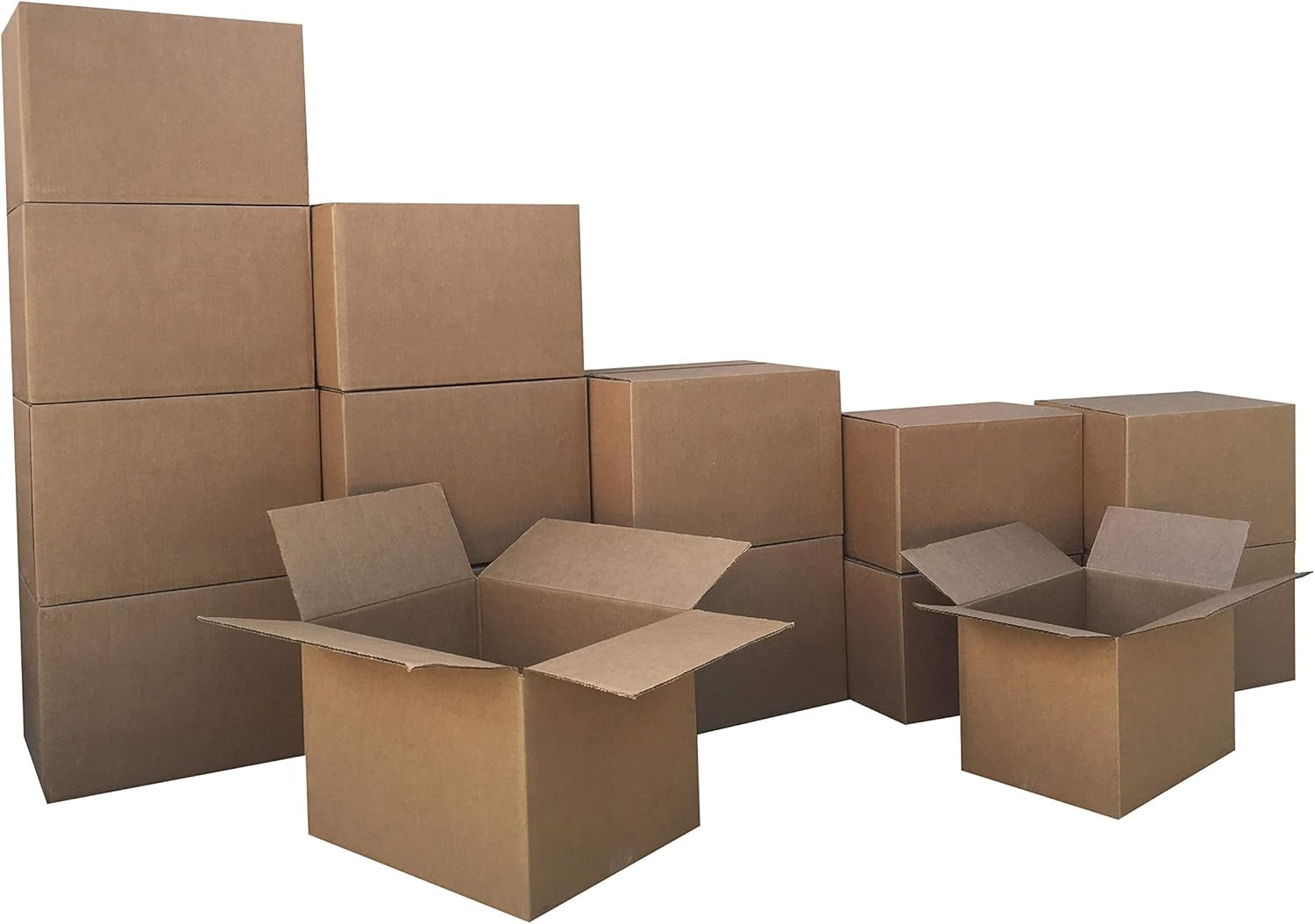 Moving Boxes Kit, Small and Medium Cardboard Box Combo, Packing and Shipping Sup$76.77View on eBay
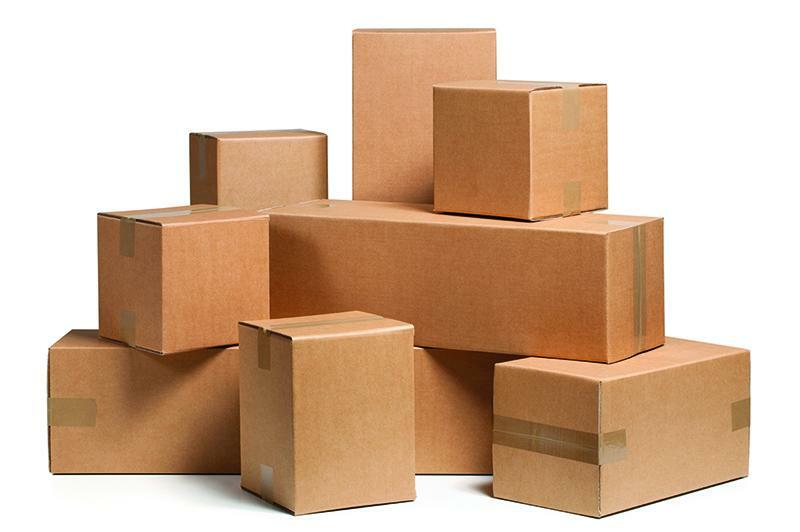 CARDBOARD Boxes Many Sizes! Large + Small Shipping Moving Mailing Packing BOX$201.00New · Last checked Nov 24, 2026View on eBay
 Premium Shipping Boxes Packing Moving Corrugated Cartons Storage Box Many Sizes$259.95New · Last checked Nov 24, 2026View on eBay
 Shipping Boxes ~ Many Sizes Available! Mailing Moving Packing Storage! Small Big$278.60New · Last checked Nov 24, 2026View on eBay
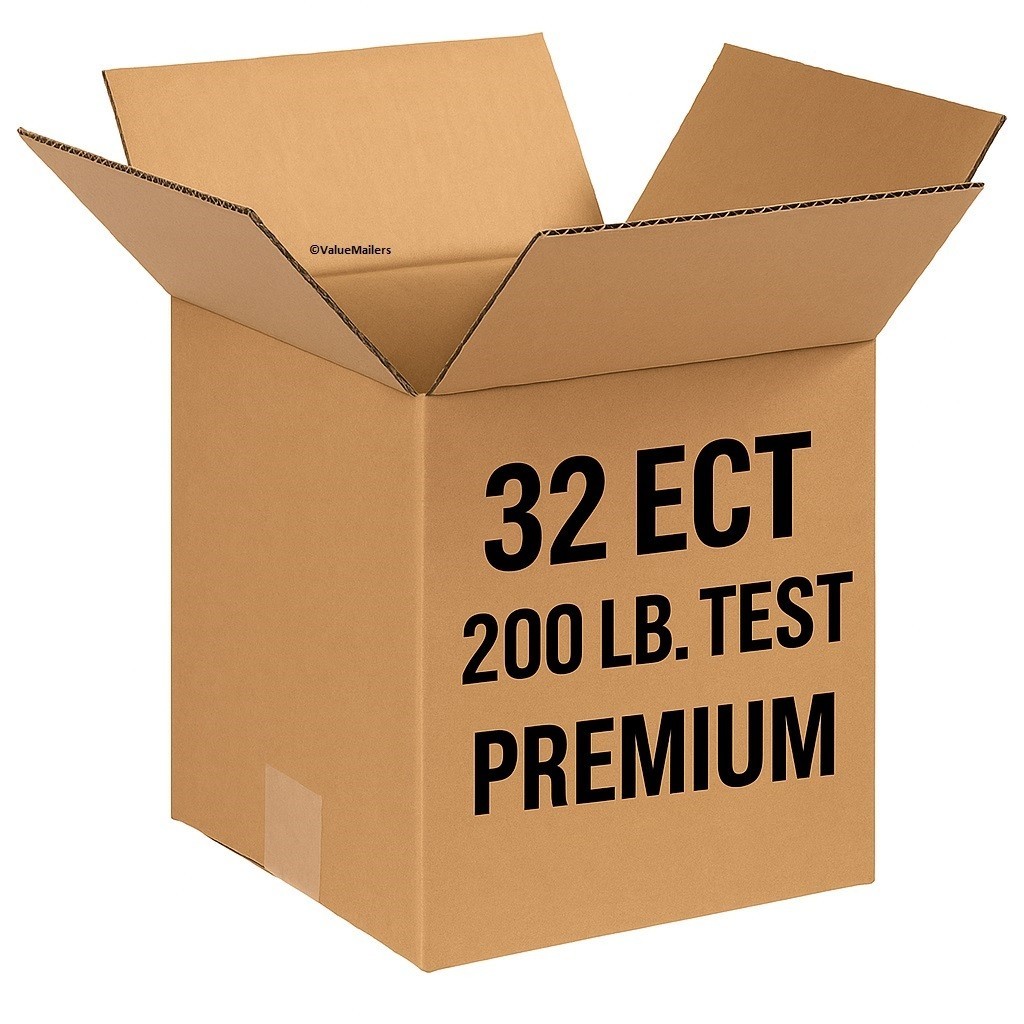 8x8x8 Cardboard Box Packing Shipping Moving Boxes Corrugated Cartons 25 50 400$339.95New · Last checked Nov 17, 2026View on eBay
 4x4x4 Premium Box Packing Moving Shipping Boxes Corrugated Cartons 100 200 1000$389.95New · Last checked Nov 17, 2026View on eBay
 7x7x7 Cardboard Shipping Boxes Cartons Packing Moving Mailing Box 50 100 To 500$409.95New · Last checked Nov 17, 2026View on eBay
 7x7x6 Packing Mailing Moving Shipping Boxes Corrugated Box Cartons 50 100 To 500$429.95New · Last checked Nov 17, 2026View on eBay
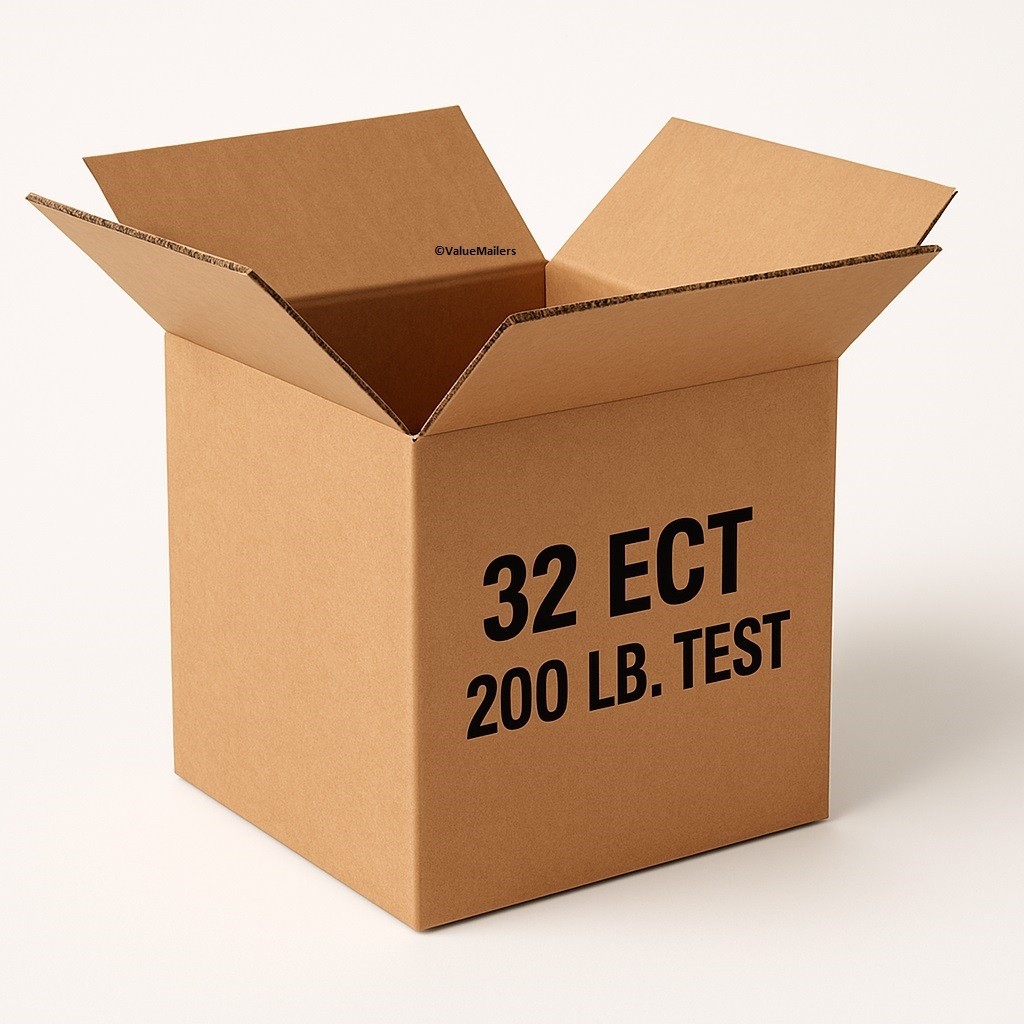 6x6x6 Cardboard Shipping Boxes Cartons Packing Moving Mailing Box 50 100 200 500$549.95New · Last checked Nov 24, 2026View on eBay
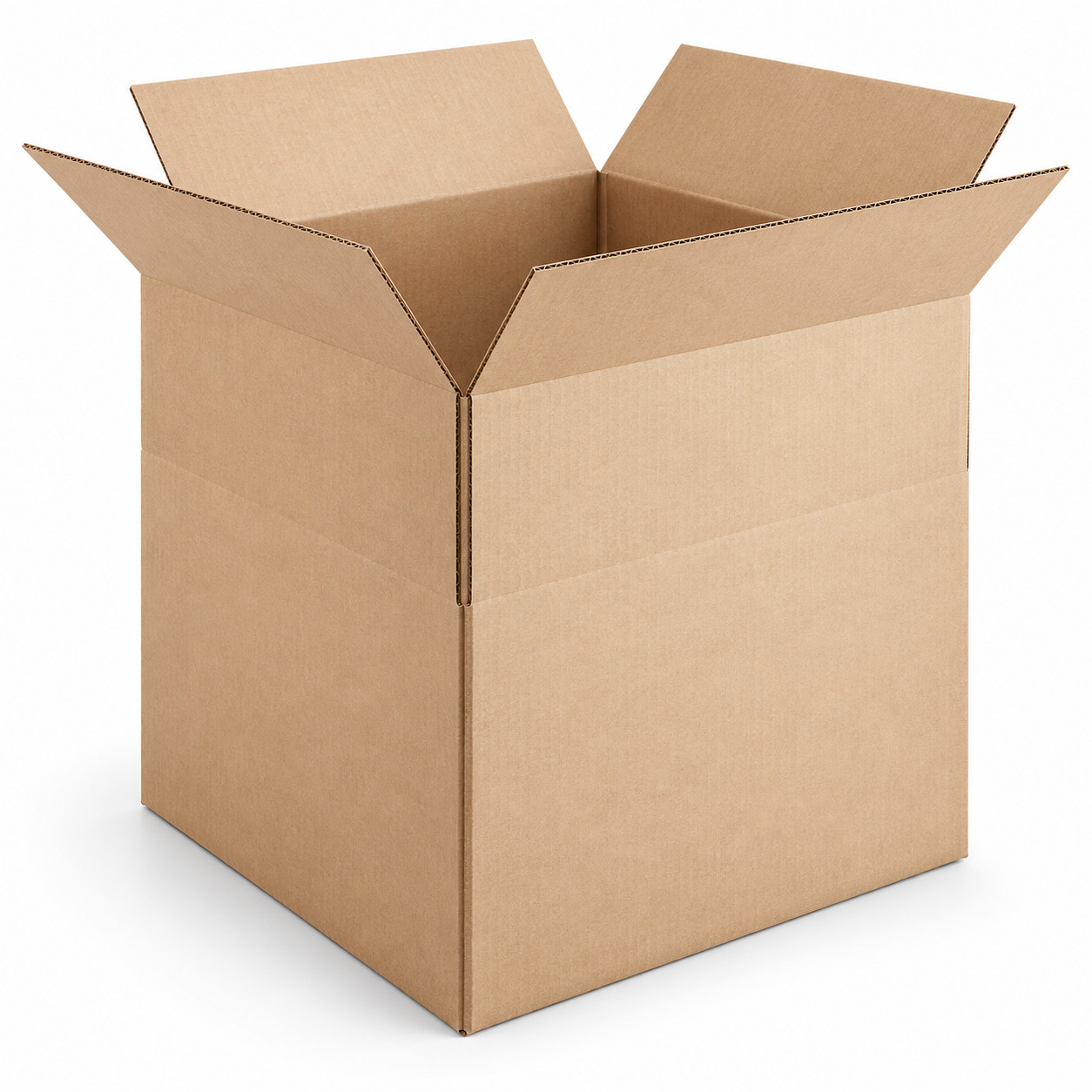 24x24x24 Large Shipping Boxes Heavy Duty Kraft Moving 44 ECT 20-50 Pack$599.99New · Last checked Nov 24, 2026View on eBay
Highlights
- Corrugated wall construction: single wall (1/8 in) for boxes up to 65 lb; double wall (1/4 in) for 65-120 lb; triple wall for industrial loads over 120 lb.
- Edge Crush Test (ECT) ratings: 32 ECT standard for moving and parcel shipping; 44 ECT for heavier contents; 48 ECT for double-wall heavy-duty use.
- Flute profiles: C-flute (most common, 1/8 in) balances stacking strength and cushioning; B-flute (1/16 in) for crisp printing and crush resistance; E-flute for retail-style thin boxes.
- Board grade matters: virgin kraft linerboard provides higher burst and stacking strength than recycled test liner; 200 lb test single wall is roughly equivalent to 32 ECT.
Best use cases
- Best fit: household moving of clothing, books, and kitchenware—choose 32 ECT single-wall medium boxes (18x14x12 in) with 2 in of void fill; skip double-wall unless packing dense tools or electronics.
- Best fit: parcel shipping via carriers—use 32 ECT or 44 ECT boxes sized so contents fill at least 90% of volume; skip oversized boxes that require excessive fill and raise dimensional-weight charges.
- Best fit: long-term storage in garages or warehouses—select double-wall 48 ECT and keep boxes off concrete floors; skip single-wall recycled-content boxes for stacking more than three high.
- Wrong fit: heavy fragile items like glass or machinery in single-wall 32 ECT boxes—upgrade to double-wall 48 ECT with internal padding and custom-fit dimensions.
Buying tips
- Size selection: interior dimensions must exceed the item plus 2 in on each side for cushioning; a 18x14x12 in medium box fits most household items, while 20x20x15 in large boxes suit bulky but light goods.
- ECT threshold: choose 32 ECT for contents under 65 lb, 44 ECT for 65-95 lb, and 48 ECT double wall for 95-120 lb; never exceed the box's gross weight limit.
- Corrugated grade: specify kraft (virgin) linerboard for stacking and shipping strength; recycled-content boxes are acceptable for light, short-term storage only.
- Flute and wall: C-flute single wall is the default for moving; double-wall B/C combination adds puncture resistance for parcel networks and repeated handling.
Specs
| Wall Construction | Single / Double / Triple Wall |
|---|---|
| ECT Rating | 32 / 44 / 48 ECT |
| Flute Profile | A / B / C / E / F Flute |
| Board Grade | Kraft (Virgin) vs Recycled |
Related searches
What to check before buying
- Measure item length, width, and height, then add 2 in per dimension for void fill; confirm box interior dimensions rather than exterior.
- Check contents weight against box ECT and wall rating; weigh packed box to stay under carrier and box limits.
- Verify floor and climate: cardboard weakens in humid or damp environments—use double-wall and pallets or shelving for basement/garage storage.
- Confirm companion supplies: packing tape (2 in wide, acrylic or hot-melt), void fill (bubble wrap or kraft paper), and box cutter; tape must match box weight.
FAQ
Data sources: eBay / Amazon listings and product attribute feeds. Updated Nov 28, 2026.
Some links on this page are affiliate links. If you buy after clicking one, we may earn a commission at no extra cost to you. This does not change which products appear here or their order. Affiliate disclosure.