
Photos from current listings. Actual item, color, and included accessories may vary.
Spiral Binding Machine Buying Guide
A spiral binding machine punches a row of closely spaced holes and then inserts a continuous plastic coil or wire spiral to create lay-flat books, reports, and manuals. The primary trade-off is manual versus electric punching and the pitch standard (4:1 coil vs 2:1 wire), which determines speed, hole pattern, and which spines you can use. Choose a manual 4:1 coil machine for low-volume home use, and an electric punch or 2:1 wire model only when you need daily throughput or a different binding look.
Median $58.90
Key takeaways
- Pitch defines compatibility: 4:1 coil uses 4 holes per inch with ~6 mm pitch for plastic coils; 2:1 wire uses 2 holes per inch with ~12.7 mm pitch for twin-loop wire.
- Punch capacity ranges from about 10-12 sheets per manual pull to 20-25 sheets on heavy-duty manual models and up to 500 sheets per hour on electric 46-hole punchers.
- Hole counts are standardized by paper size: 34 holes for Letter/A4 coil, 46 holes for larger-format or higher-density punching, and 21/46-hole selectable dies on multi-format machines.
At a glance
- Category
- Bindery & Print Finishing
- Last updated
- Nov 27, 2026
Current offers
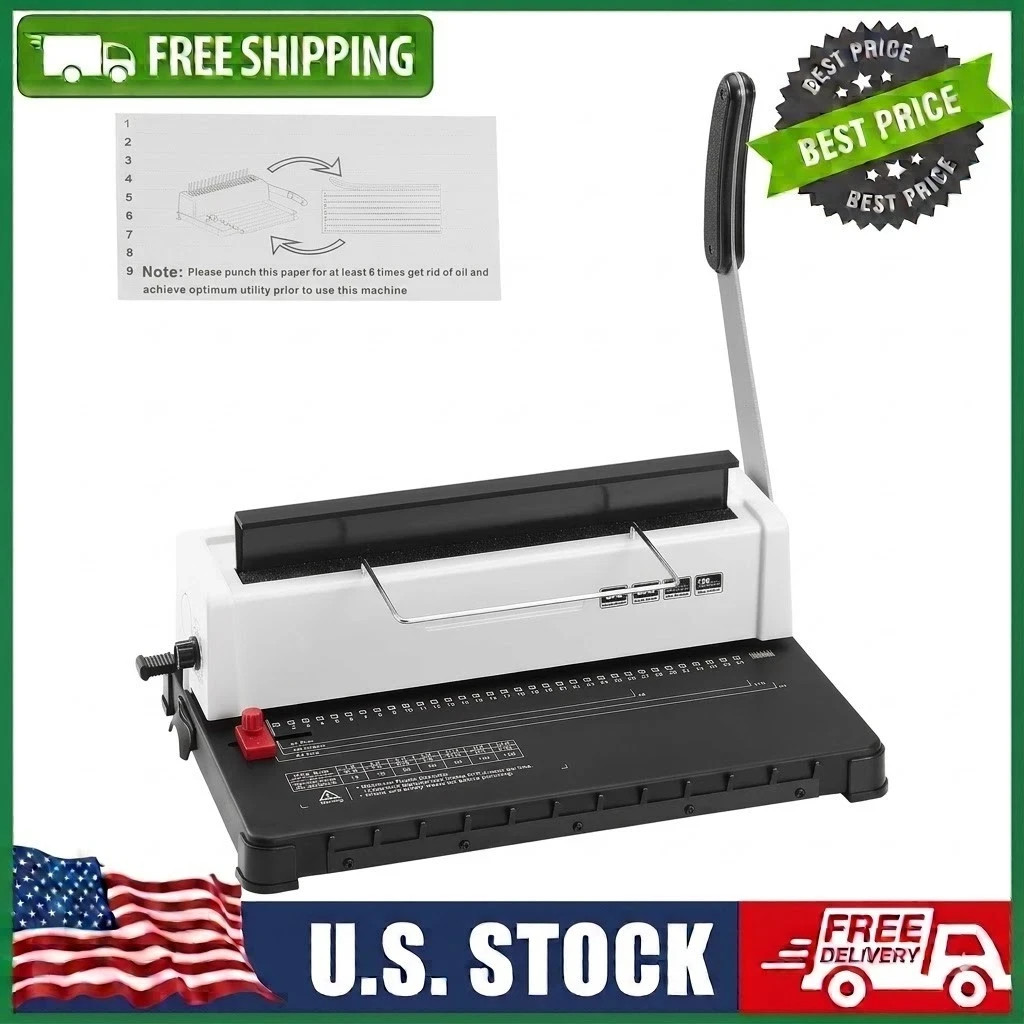 KFFKFF Manual Coil Spiral Binding Machine, Book Binding Spines, Manual Book Make$44.88View on eBay
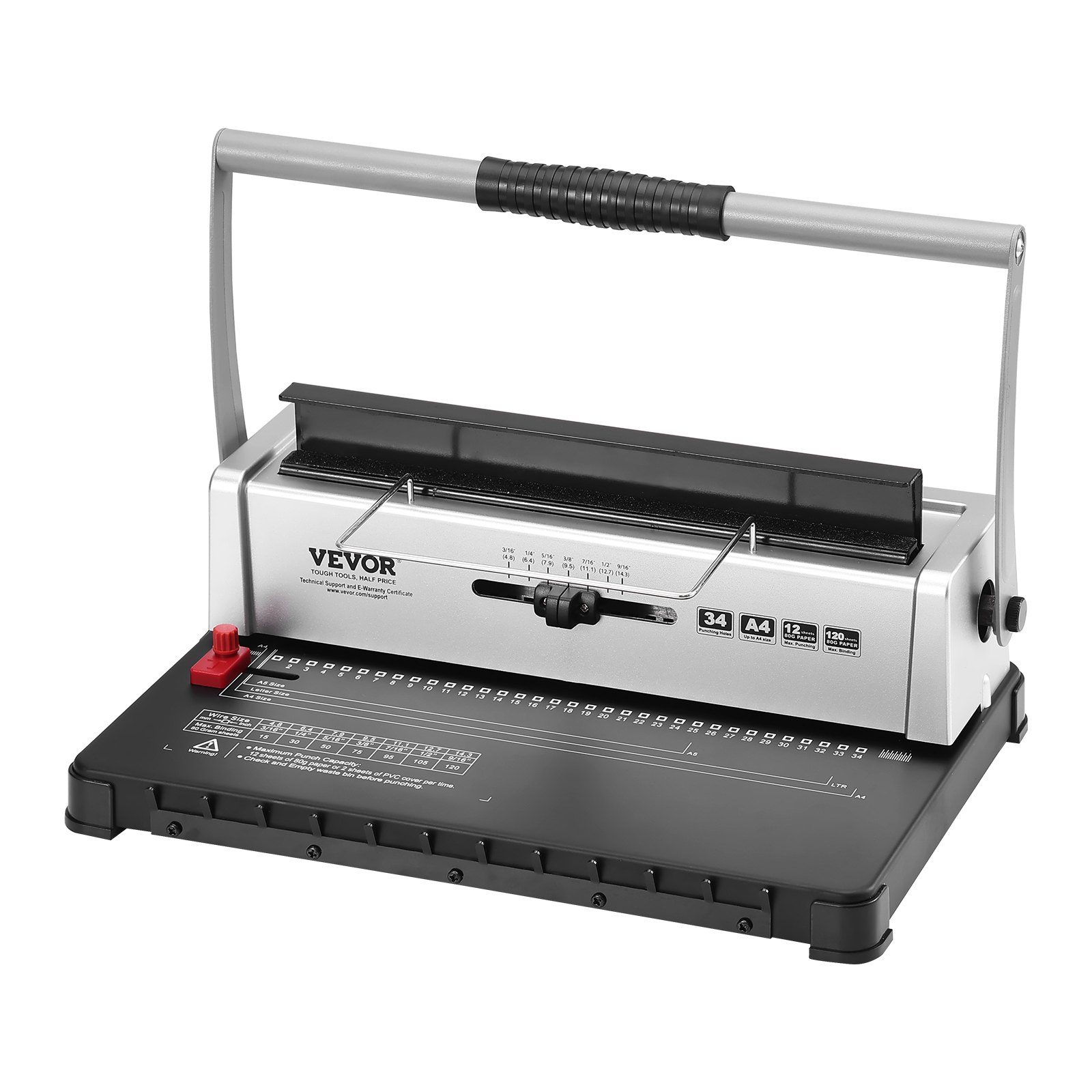 Coil Spiral Binding Machine, Manual Book Maker 34-Holes 120 Sheets, Punch Binder With Adjustable 3/16' - 9/16' Spines And Side Margin, For Letter Size, A4, A5$72.99View on Mallflare
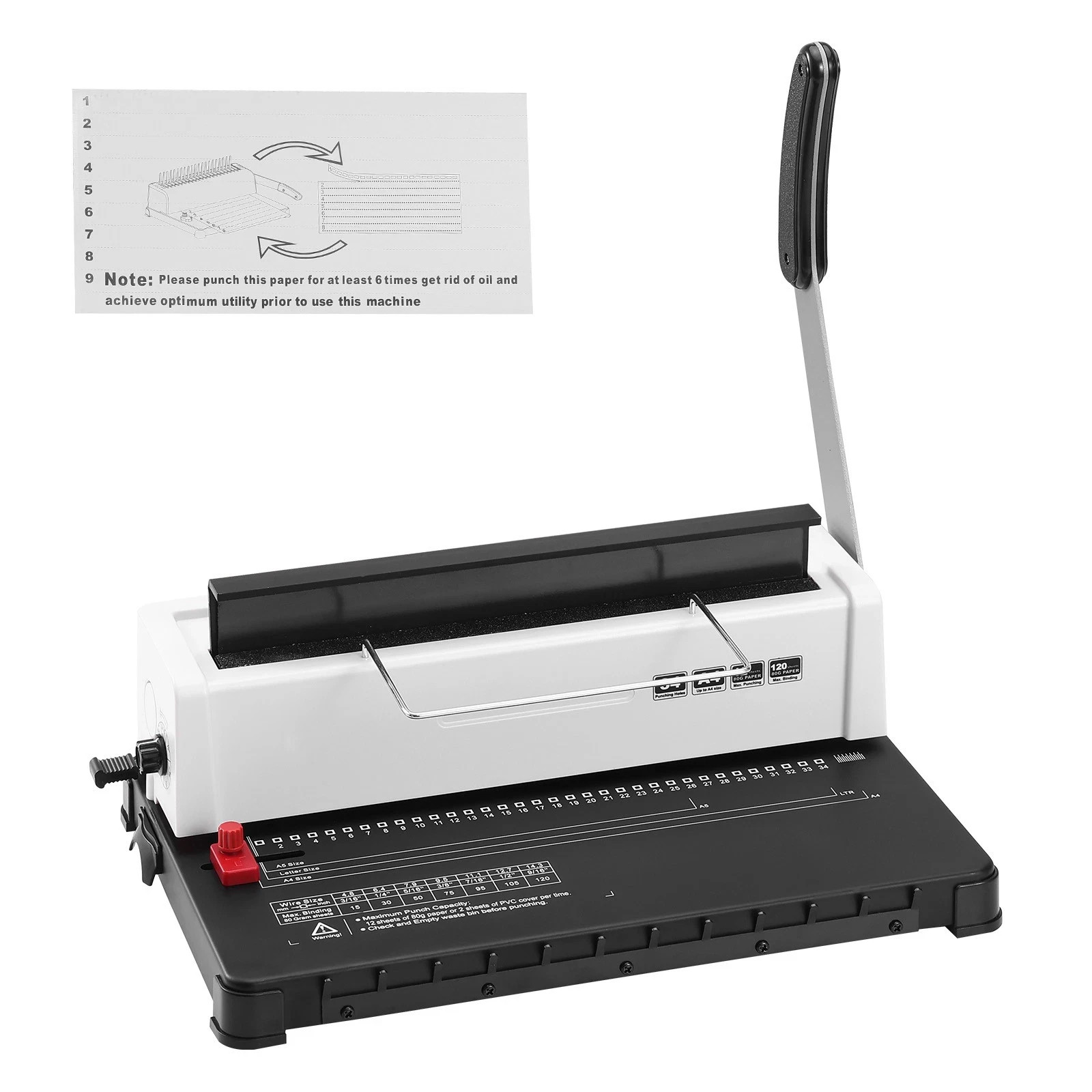 KFFKFF Manual Coil Spiral Binding Machine, Book Binding Spines, Manual Book Make$45.88View on eBay
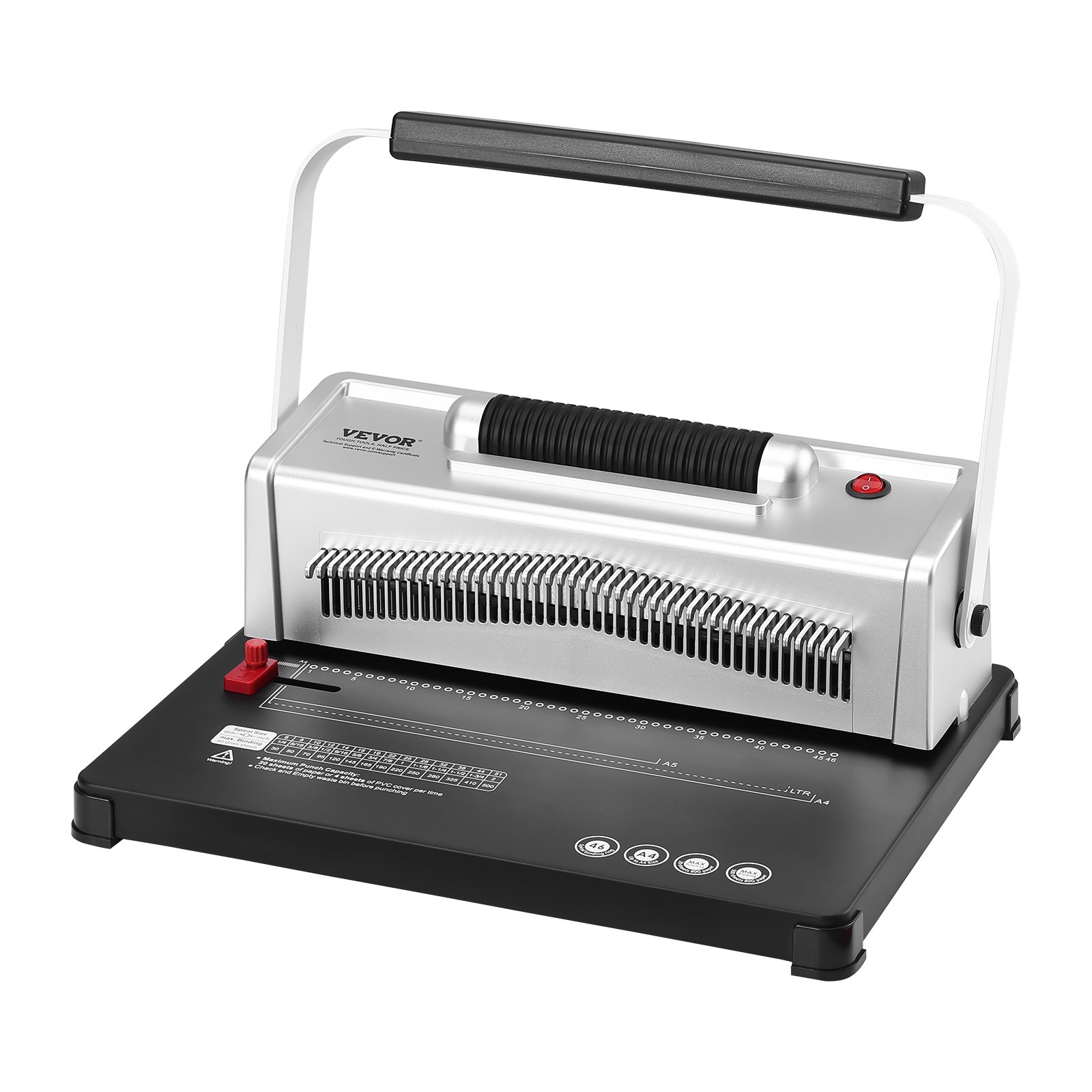 Coil Spiral Binding Machine, Manual Book Maker With Electric 46-Holes 500 Sheets Punch Binder, 100pcs 5/16'' Spines, For Letter Size, A4, A5$148.99View on Mallflare
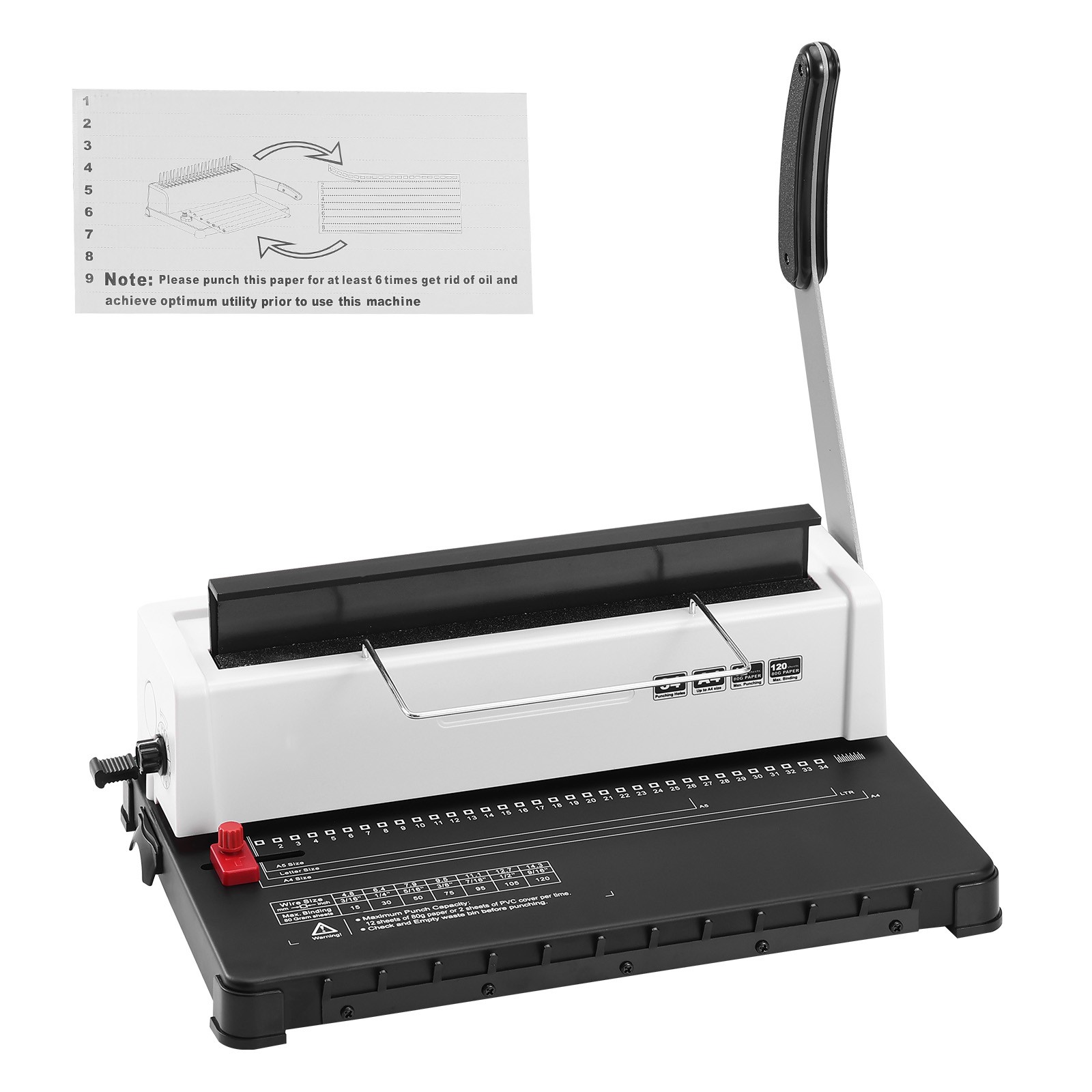 Uimoso Coil Spiral Binding Machine Manual Book Maker$50.29View on eBay
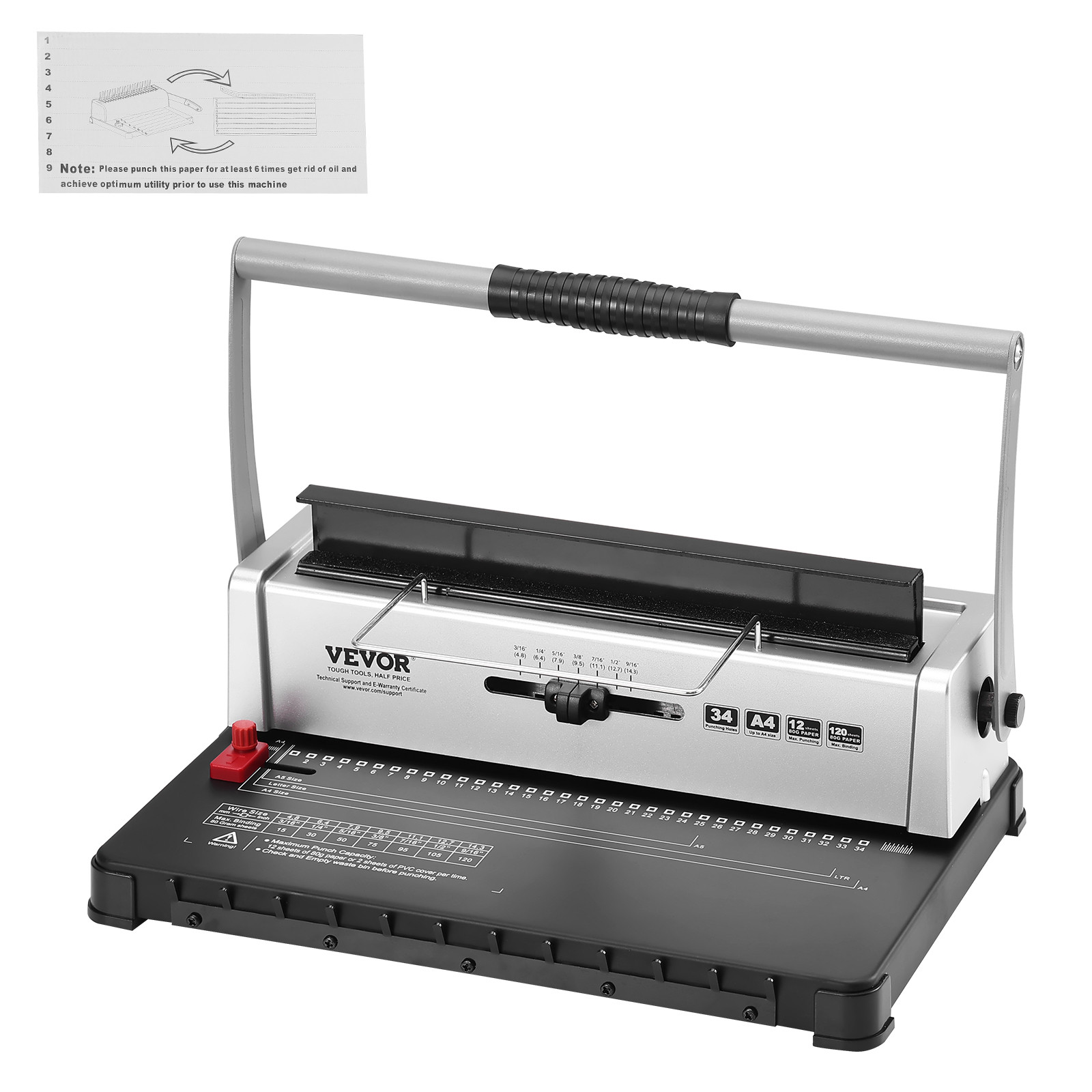 VEVOR Coil Spiral Binding Machine Manual Book Maker 34 Holes Letter Size A4 A5$58.90View on eBay
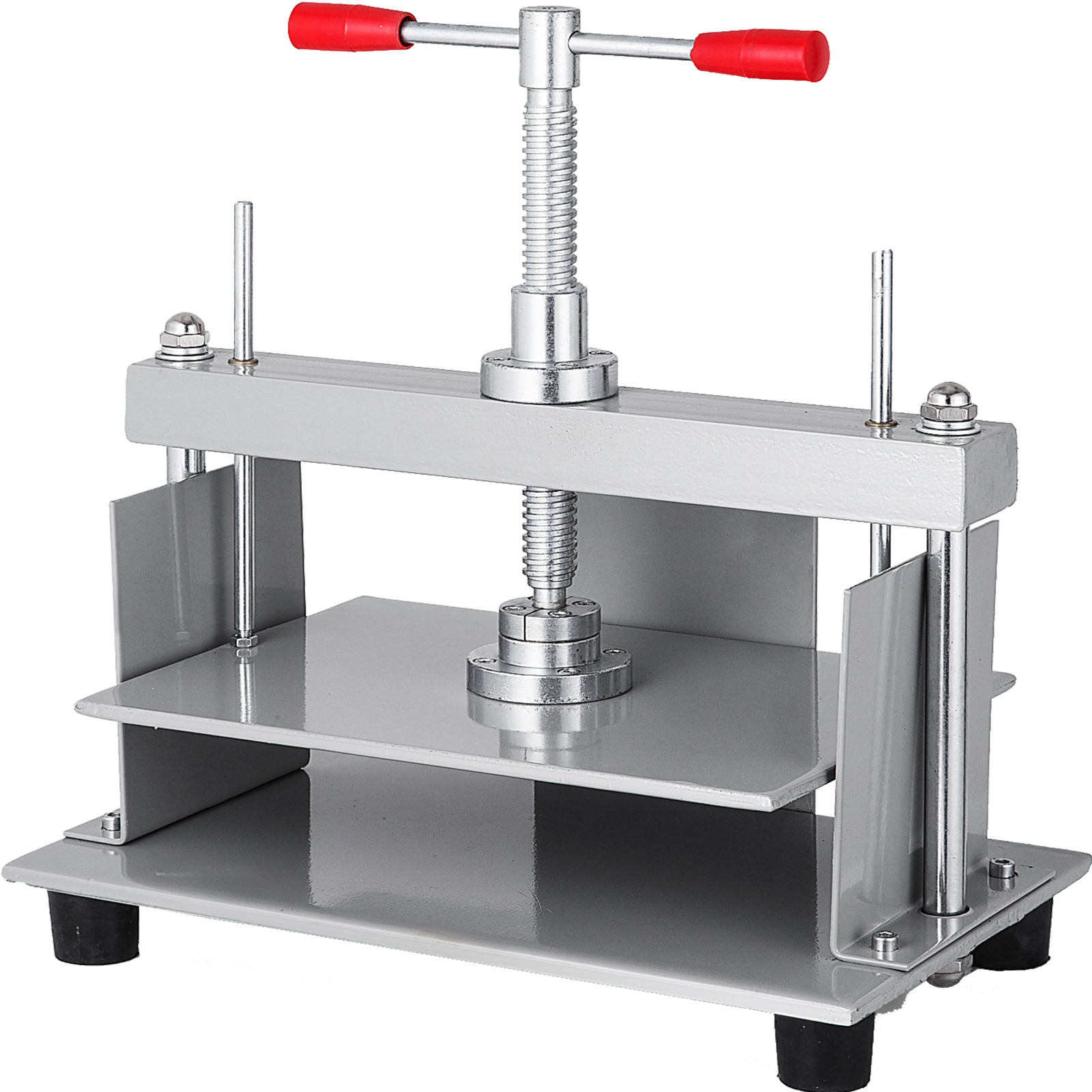 VEVOR Coil Spiral Binding Machine Manual Book Maker 34/21/46 Holes Letter$77.90View on eBay
Highlights
- Pitch defines compatibility: 4:1 coil uses 4 holes per inch with ~6 mm pitch for plastic coils; 2:1 wire uses 2 holes per inch with ~12.7 mm pitch for twin-loop wire.
- Punch capacity ranges from about 10-12 sheets per manual pull to 20-25 sheets on heavy-duty manual models and up to 500 sheets per hour on electric 46-hole punchers.
- Hole counts are standardized by paper size: 34 holes for Letter/A4 coil, 46 holes for larger-format or higher-density punching, and 21/46-hole selectable dies on multi-format machines.
- Coil diameter must match punch pitch and book thickness: 3/16 in to 9/16 in spines cover roughly 15 to 110 sheets; wire 2:1 elements cover similar ranges but require a 2:1 die.
Best use cases
- Best fit: home offices binding a few reports per week - pick a manual 34-hole 4:1 coil machine with adjustable side margin and spine-size selector; skip electric models that cost more and take bench space.
- Best fit: schools, churches, or small print shops running hundreds of sheets daily - choose an electric 46-hole punch with coil inserter; skip 10-sheet manual pullers that bottleneck production.
- Best fit: documents needing a premium twin-loop wire look - select a 2:1 wire binder with matching 2:1 dies and wire elements; skip 4:1 coil machines because coil pitch cannot accept wire.
- Wrong fit: binding hardback books or perfect-bound paperbacks - spiral machines only punch and insert coil/wire; skip them entirely for case binding or glue binding.
Buying tips
- Match pitch before buying spines: 4:1 coil machines accept only 4:1 plastic coils, while 2:1 wire machines accept only 2:1 twin-loop wire - the pitches are not interchangeable.
- Size the punch capacity to your daily sheet count: manual machines handle 10-12 sheets per pull, heavy-duty manual up to 25, electric up to 500 sheets per hour; buy electric if you regularly exceed 100 sheets per session.
- Choose hole count by paper format: 34 holes aligns with Letter and A4 coil binding, while 46-hole dies suit larger sheets or denser punch patterns; multi-die machines with 34/21/46 holes cover mixed formats.
- Verify spine-diameter range against your thickest book: 3/16 in to 9/16 in coil covers roughly 15-110 sheets; if you bind thicker manuals, confirm the machine accepts larger coil diameters before purchase.
Specs
| Punch Drive | Manual lever vs electric motor |
|---|---|
| Pitch Standard | 4:1 coil / 2:1 wire / 3:1 |
| Hole Count | 34 / 46 / 21-46 selectable |
| Spine Range | 3/16 - 9/16 in coil (15-110 sheets) |
Related searches
What to check before buying
- Measure your bench or table depth and width: manual coil machines typically need about 15-18 inches of front-to-back clearance for the punch handle and spine tray.
- Confirm your paper sizes and weights: Letter, A4, and A5 are standard, but cardstock above 80 lb cover may exceed manual punch capacity and require an electric model.
- Check spine and coil availability in your region: 4:1 plastic coils and 2:1 wire elements must match the machine pitch, and specialty diameters may need separate sourcing.
- Plan for power and plug standard if buying electric: verify 110-120 V North American plug or 220-240 V export version, and allow space for the foot pedal and coil inserter.
FAQ
Data sources: eBay / Amazon listings and product attribute feeds. Updated Nov 27, 2026.
Some links on this page are affiliate links. If you buy after clicking one, we may earn a commission at no extra cost to you. This does not change which products appear here or their order. Affiliate disclosure.