
Photos from current listings. Actual item, color, and included accessories may vary.
Piston Fountain Pen Buying Guide
A piston fountain pen uses an integrated vacuum/piston mechanism to draw ink directly from a bottle, eliminating cartridges and converters. The core trade-off is filling-system precision and barrel integrity versus ink capacity and maintenance access—brass or machined-resin pistons with stainless steel rods hold up, while thin molded plastic pistons crack. Buy a piston pen only if you commit to bottled ink and periodic lubrication; otherwise a cartridge-converter pen is the smarter choice.
Median $48.99 · New listings
Key takeaways
- Piston mechanisms divide into two architectures: traditional screw-piston (Montblanc 221, Majohn P136/P139) and vacuum-fill (Noodler's Ahab) — screw-piston offers controlled fills with less ink waste.
- Nib sizing follows a module standard: #6 nibs (Majohn P139, P136, Noodler's Ahab) are widely swappable, while #8 nibs (Junlai 630) deliver oversized vintage-style writing and are far less interchangeable.
- Piston seal material dictates longevity: silicone O-rings resist staining and ink crystallization, whereas natural rubber seals degrade faster with pigment and iron-gall inks.
At a glance
- Category
- Fountain Pens
- Last updated
- Nov 29, 2026
Current offers
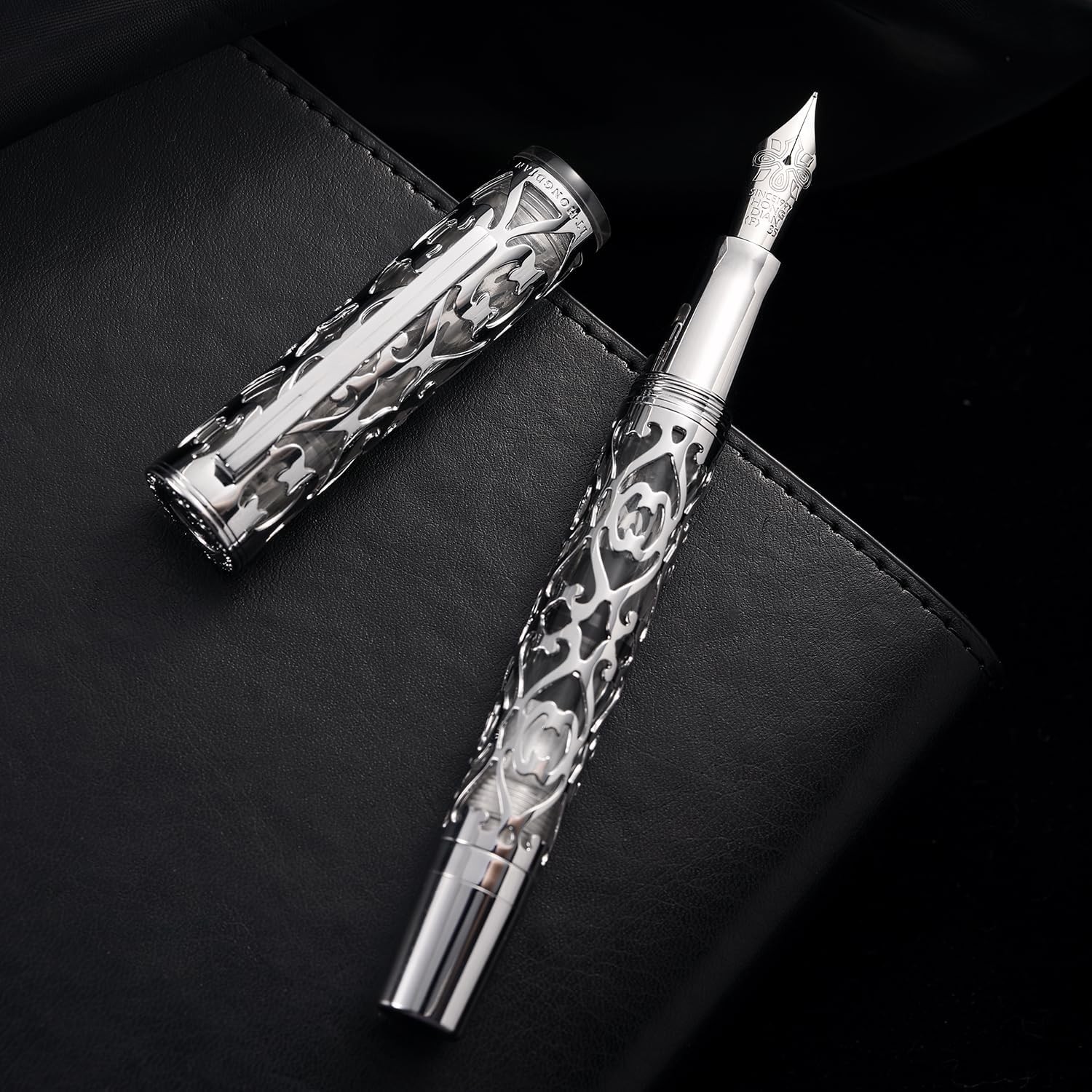 D1 Piston Fountain Pen Fine Nib, Hollow Skeleton & Resin with Metal Case Set (Si$24.21View on eBay
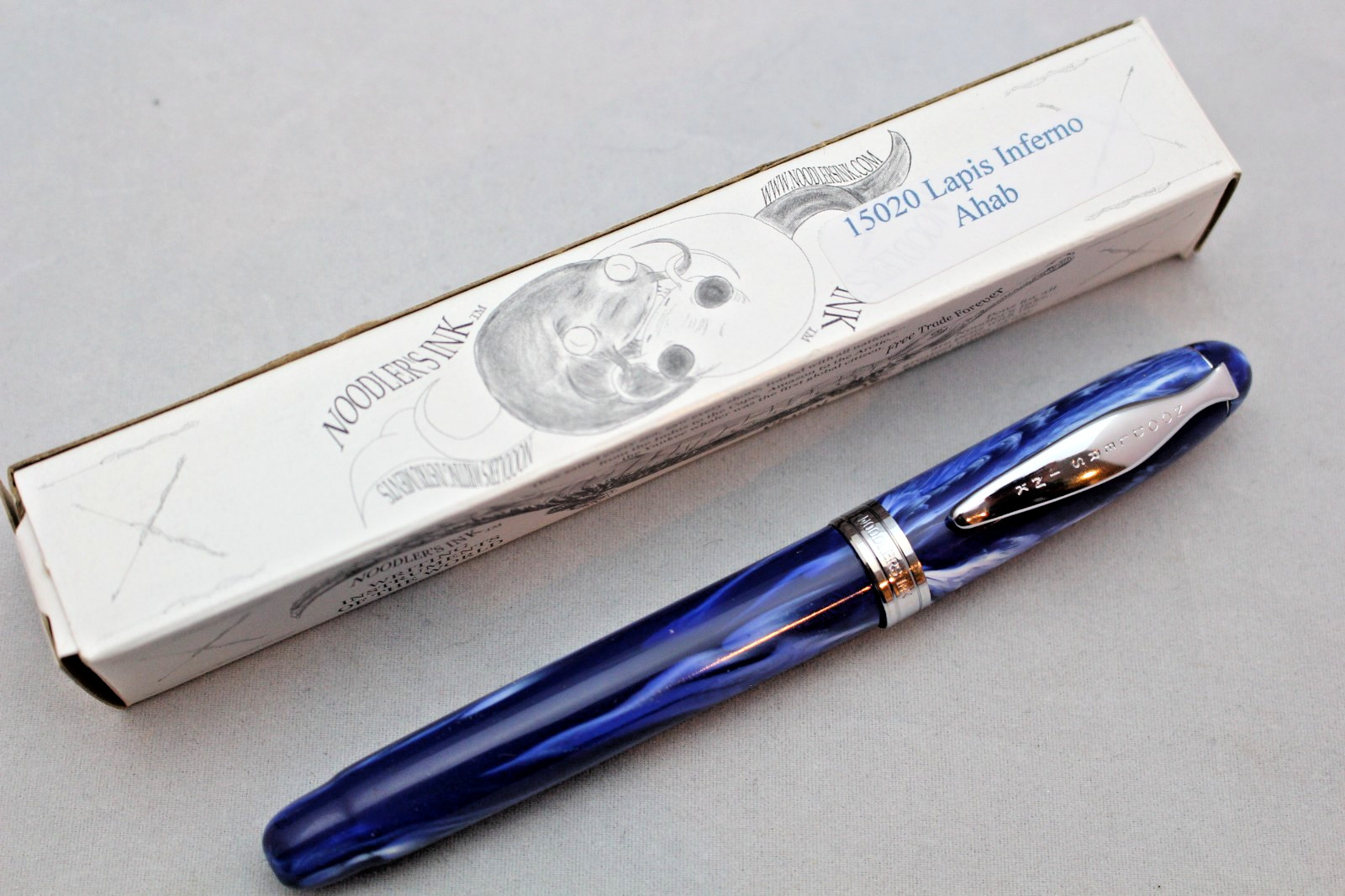 NOODLERS LAPIS INFERNO AHAB PISTON FLEX NIB FOUNTAIN PEN$27.00View on eBay
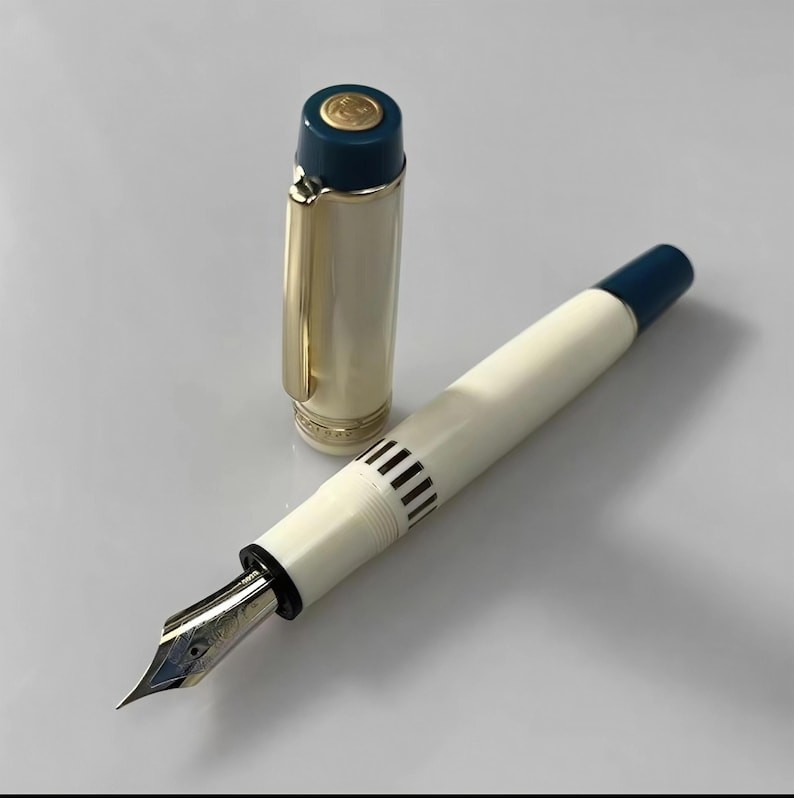 Junlai 630 Ivory Piston Fountain Pen: Size #8 (EF/F/M/B/B Stub/Architect Nib)$40.00View on eBay
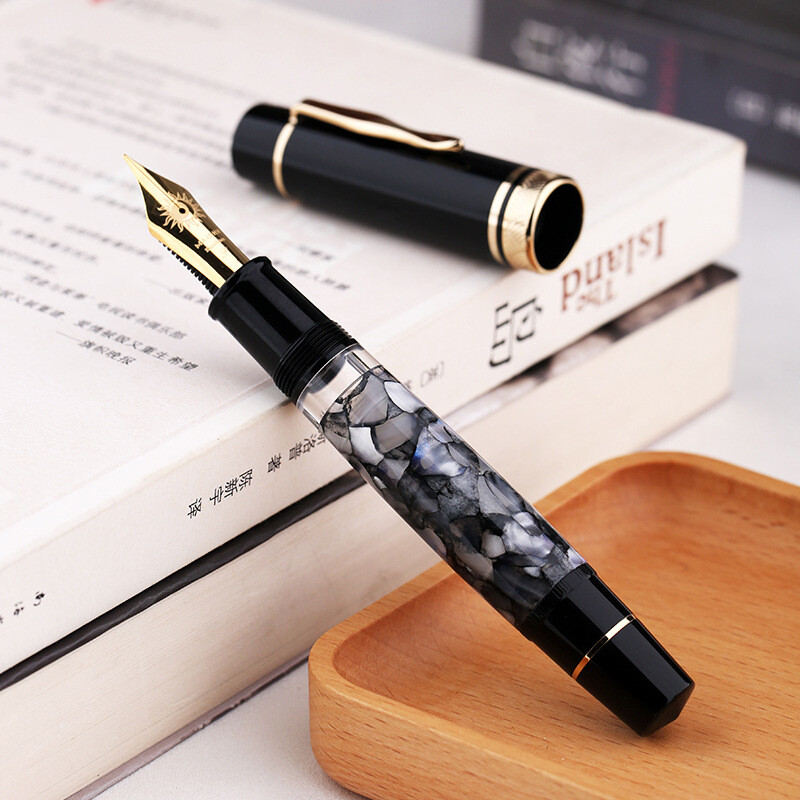 Majohn P139 Piston Fountain Pen #6 , #8 EF/F/M Nib, Brass Piston Gift Pen, Gray$48.99View on eBay
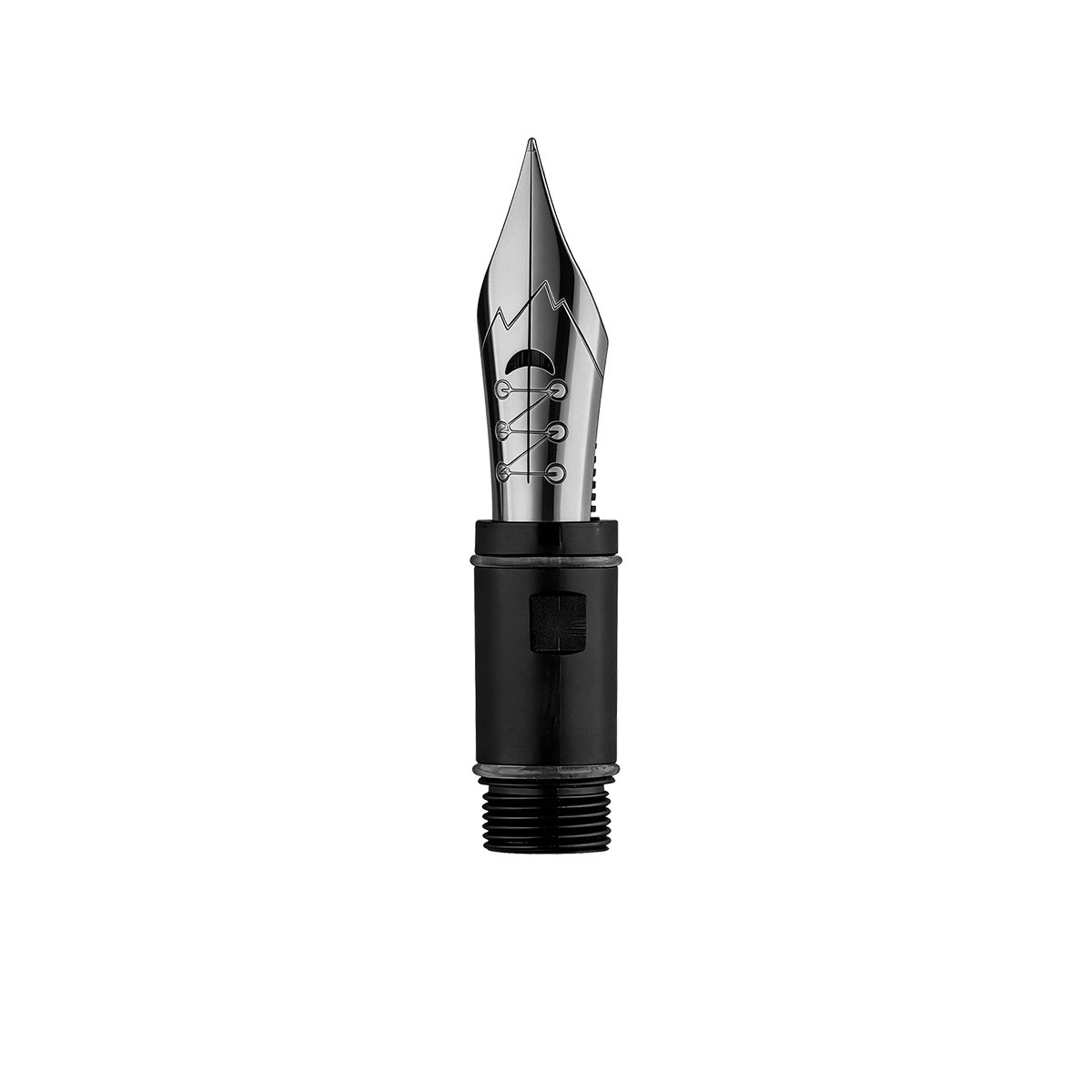 Majohn P136 Piston Fountain Pen EF/F / Flex Nib, Brass & Blue Carbon Fiber$49.99View on eBay
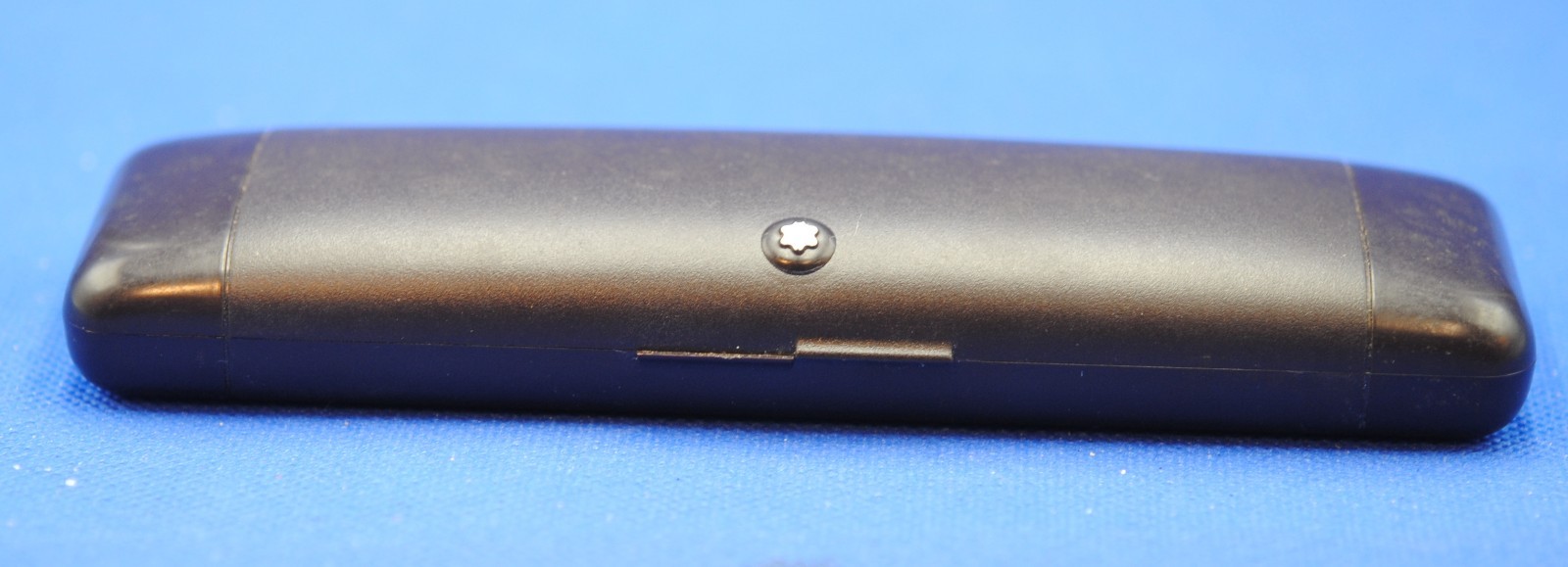 Montblanc 221 Classic Piston Fountain PEN With 585 nib WRITES GREAT CASE PAPER$109.99View on eBay
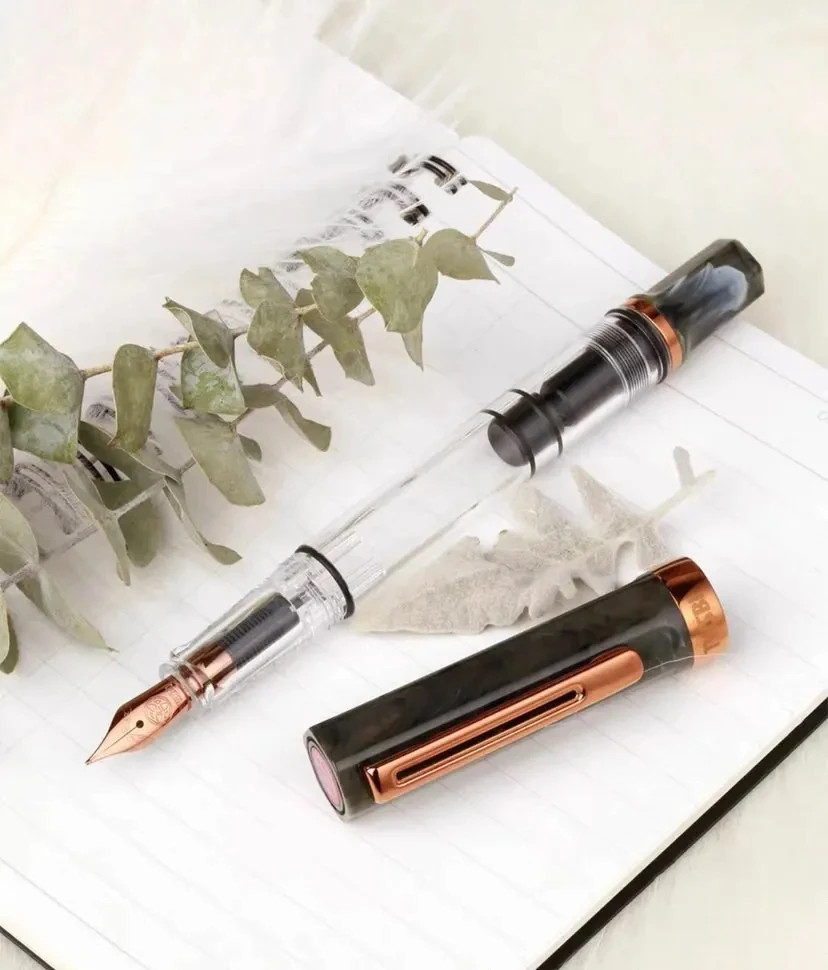 TWSBI ECO Fountain Pen Transparent Piston Resin Multiple Colors Nib Sizes$209.07New · Last checked Nov 28, 2026View on eBay
Highlights
- Piston mechanisms divide into two architectures: traditional screw-piston (Montblanc 221, Majohn P136/P139) and vacuum-fill (Noodler's Ahab) — screw-piston offers controlled fills with less ink waste.
- Nib sizing follows a module standard: #6 nibs (Majohn P139, P136, Noodler's Ahab) are widely swappable, while #8 nibs (Junlai 630) deliver oversized vintage-style writing and are far less interchangeable.
- Piston seal material dictates longevity: silicone O-rings resist staining and ink crystallization, whereas natural rubber seals degrade faster with pigment and iron-gall inks.
- Barrel material affects weight and balance: brass-barrel models (Majohn P139) add heft for posted writing, while resin/skeleton barrels (D1, Hongdian D5) reduce fatigue in long sessions.
Best use cases
- Best fit: daily journalers who fill from a bottle every 1–2 weeks — choose a #6-nib screw-piston pen with silicone seals and a metal piston rod for reliable, repeatable fills.
- Best fit: vintage or flex-writing enthusiasts — pick a true flex-nib piston (Noodler's Ahab) or a restored classic (Montblanc 221) only if you accept dedicated ink and gentle cleaning.
- Wrong fit: cartridge users or travelers who need quick ink changes — skip piston pens entirely; a converter pen lets you swap inks without flushing the whole barrel.
- Wrong fit: buyers wanting a first fountain pen on a tight budget — a piston mechanism adds cost and maintenance; start with a cartridge-converter pen and upgrade once bottled ink habits are established.
Buying tips
- Match nib module to your writing angle: #6 nibs suit standard grips and allow easy replacement; #8 nibs demand a relaxed, larger hand and are costly to swap.
- Prioritize silicone or EPDM piston seals over natural rubber — they resist iron-gall and pigment inks that crystallize and seize stiff pistons.
- Check barrel-to-section thread quality: metal-on-metal threads (brass models) last longer than plastic-on-plastic, which strip after repeated filling cycles.
- For flex nibs, confirm the feed is ebonite or high-flow plastic — stock plastic feeds starve flex strokes and cause railroading without modification.
Specs
| Fill System | Screw-piston vs vacuum-fill |
|---|---|
| Nib Module | #6 standard vs #8 oversized |
| Piston Seal | Silicone/EPDM vs natural rubber |
| Barrel Material | Brass vs resin/skeleton |
Related searches
What to check before buying
- Confirm your ink supply: piston pens require bottled ink; buy at least one bottle and a flush bulb before the pen arrives.
- Measure grip comfort: brass-barrel piston pens often exceed 30 g uncapped — try a lighter resin model if you write for hours unposted.
- Verify nib module availability: ensure #6 or #8 replacement nibs are sold separately if you plan to change line width.
- Plan a cleaning routine: piston pens need flushing every 4–8 weeks with cool water; avoid alcohol or ammonia flushes that attack plastic barrels.
FAQ
Data sources: eBay / Amazon listings and product attribute feeds. Updated Nov 29, 2026.
Some links on this page are affiliate links. If you buy after clicking one, we may earn a commission at no extra cost to you. This does not change which products appear here or their order. Affiliate disclosure.