WorkSetup Guide

WorkSetup Guide

Office & Business Reviews & Buying Guides

Compare office & business by use case, features, trade-offs, price, returns, and seller terms before you buy.

Buying guides

Buying guide image
Packing & Shipping

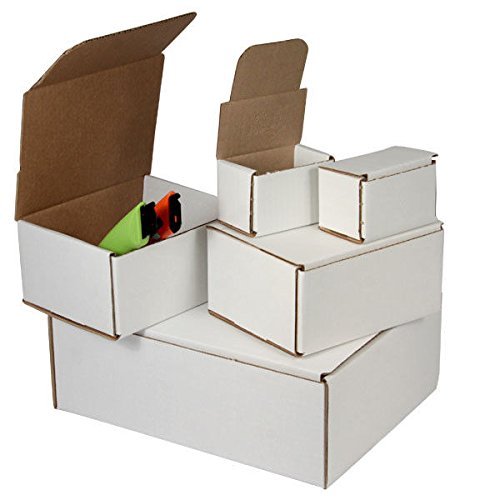
Heavy Duty Corrugated Box

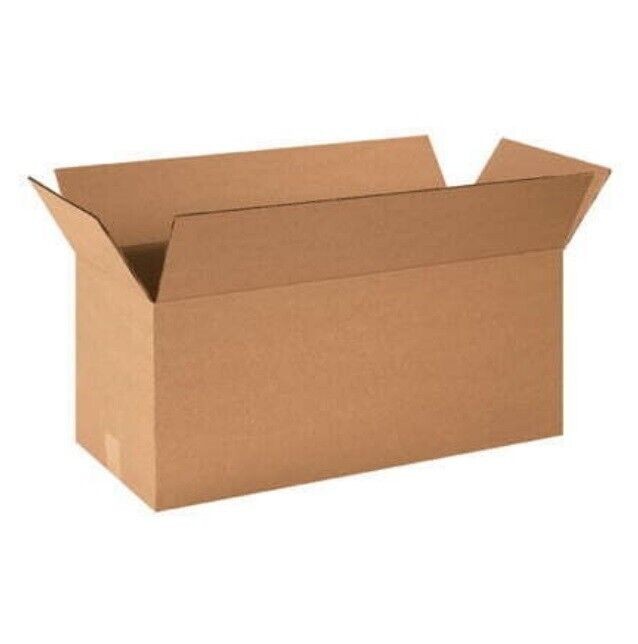
Heavy-duty corrugated boxes are double- or triple-wall fiberboard shipping containers engineered for loads roughly 65-120 lb and rough parcel handling, defined by the Mullen burst and Edge Crush Test (ECT) ratings printed on the box maker's certificate. The core trade-off is wall count and ECT rating versus cube efficiency and cost: a 32-ECT double-wall handles most parcel freight, while 48-ECT triple-wall is required for palletized industrial loads or fragile heavy goods. Choose by matching the printed ECT/burst rating to the combined weight and stacking load, not by nominal box size alone.

Buying guide image
Packing & Shipping

Corrugated Shipping Box

Corrugated shipping boxes are the workhorse of parcel logistics, defined by their flute architecture and Edge Crush Test (ECT) rating that determine stacking strength and puncture resistance. The primary trade-off is between board grade (ECT-32 vs ECT-44) and flute profile (B-flute for print and puncture resistance vs C-flute for cushioning and stacking). The clear decision rule: match ECT to total packed weight and stack height, and never substitute a thinner board for a heavier load just to save cube.

Buying guide image
Stationery, School & Office Consumables

Birthday Card

Birthday cards are folded greeting cards sized for standard A2 or 5x7 envelopes, with the primary trade-off being paper weight and print method versus embellishment fragility. Durable options use 250-350 gsm cardstock and flat-printed or foil-stamped designs, while compromises rely on thick glitter, glued-on gems, or thin 200 gsm stock that creases and sheds. Choose a heavy matte or linen stock with a matching envelope for a card that survives mailing and display; skip raised embellishments unless hand-delivering.

Buying guide image
Office Organization

Office Organizer

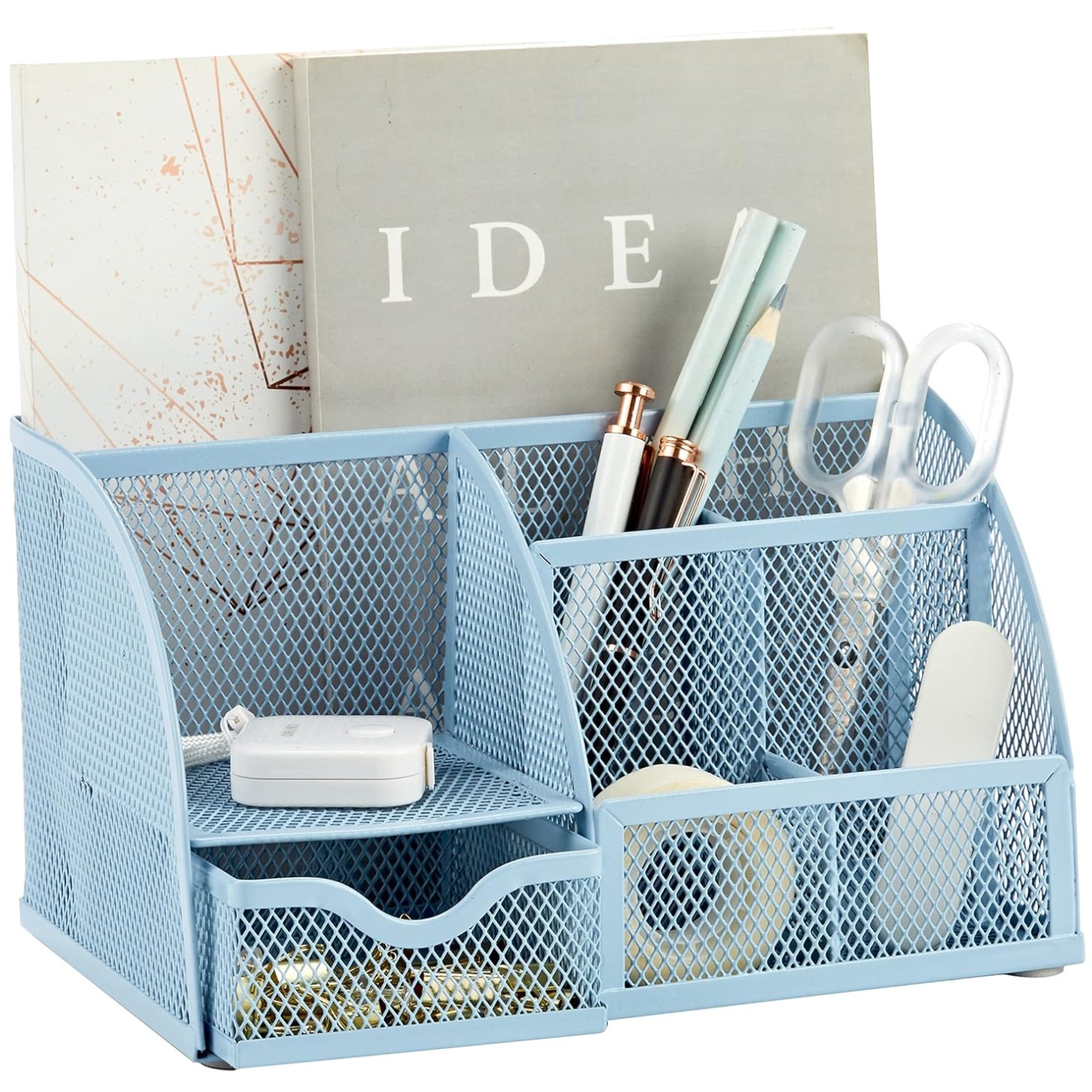
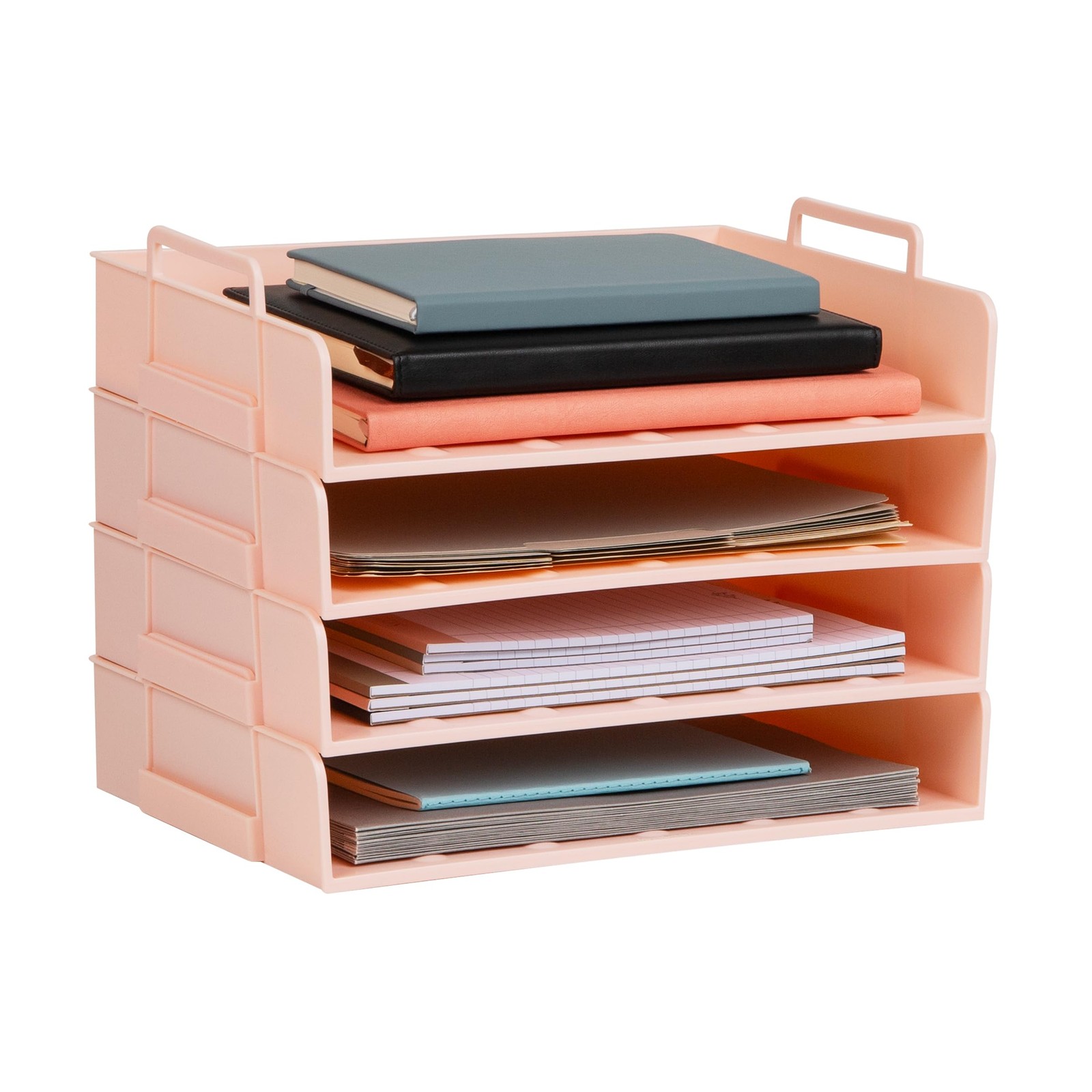
An office organizer is a modular storage system—desktop caddy, drawer insert, or literature sorter—that imposes order on documents, supplies, and cables. The primary trade-off is between rigid, load-bearing construction (steel, solid wood, dense MDF) and lightweight, flexible plastics that sag or crack under daily use. The clear decision rule: choose metal or solid wood for heavy paper and long-term durability; choose clear polystyrene or mesh only for light supply sorting where visibility matters more than load capacity.

Buying guide image
Printers & Scanners

All In One Printer

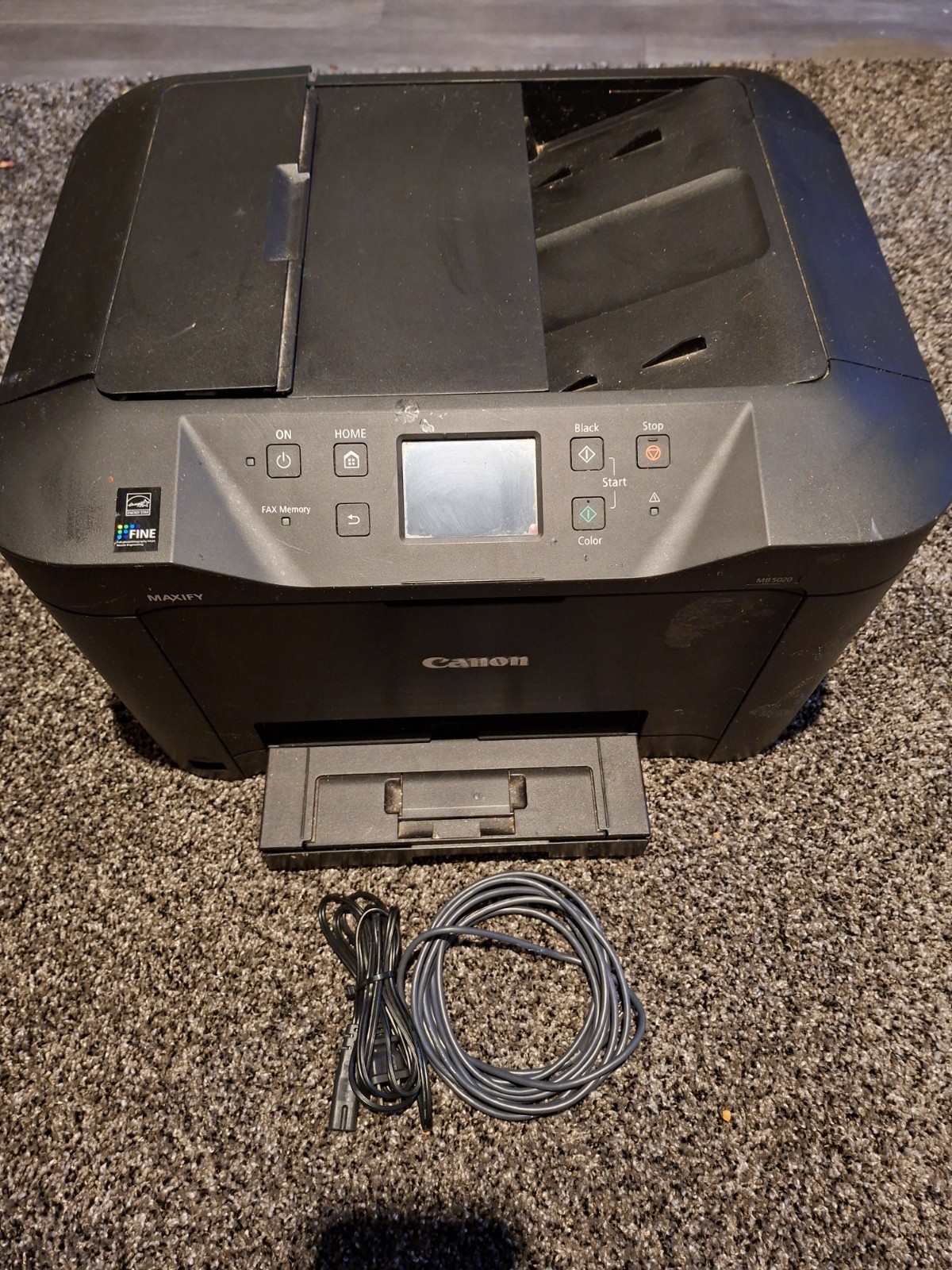
An all-in-one printer combines printing, scanning, and copying (often faxing) in one chassis, with the primary trade-off being inkjet's low upfront cost and photo quality versus laser's speed, text sharpness, and lower cost per page. The decisive rule: buy inkjet only if you print photos or infrequently, and buy laser if you print text documents regularly or need volumes above 100 pages per month.

Buying guide image
Printers & Scanners

HP Printer

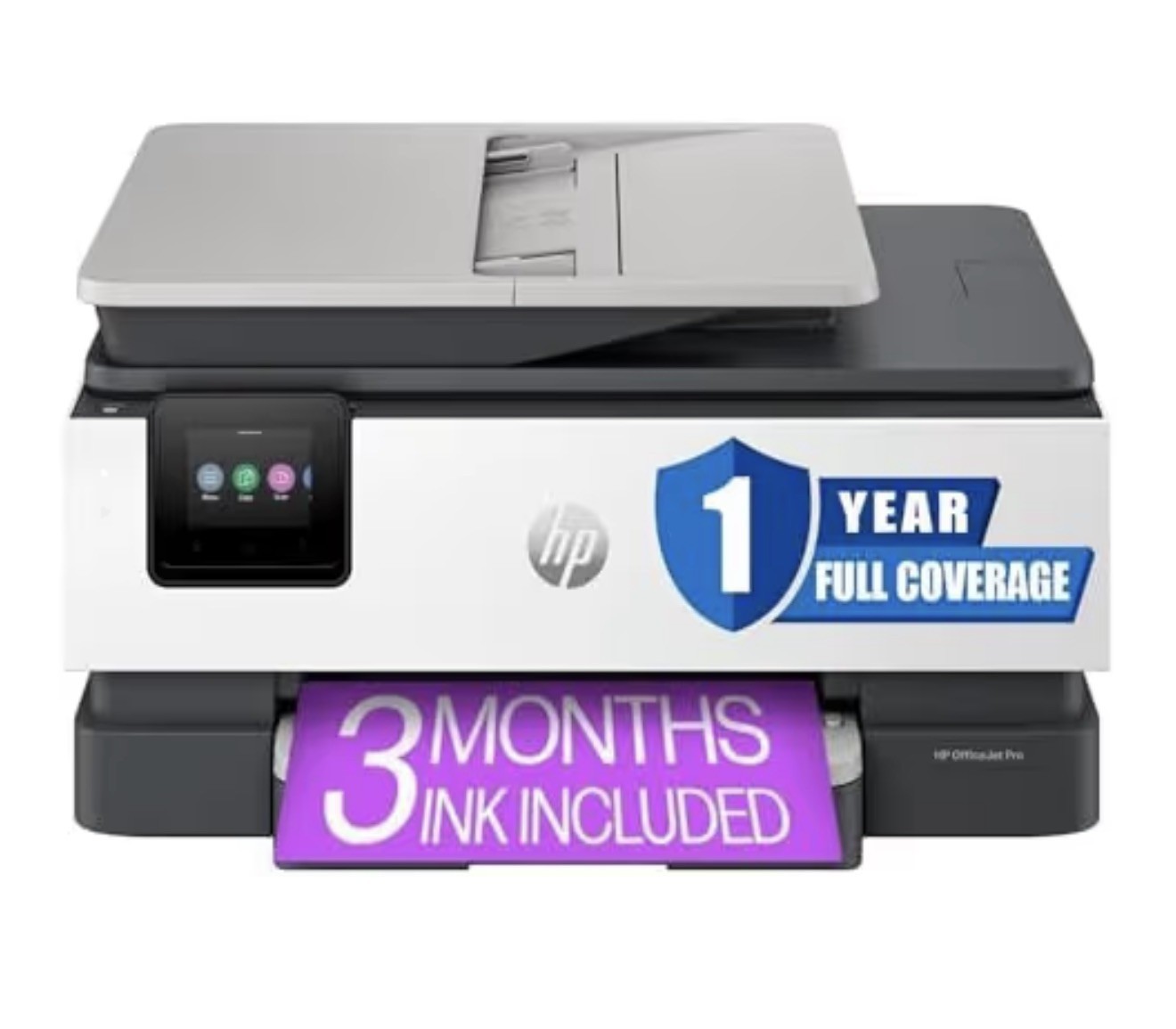
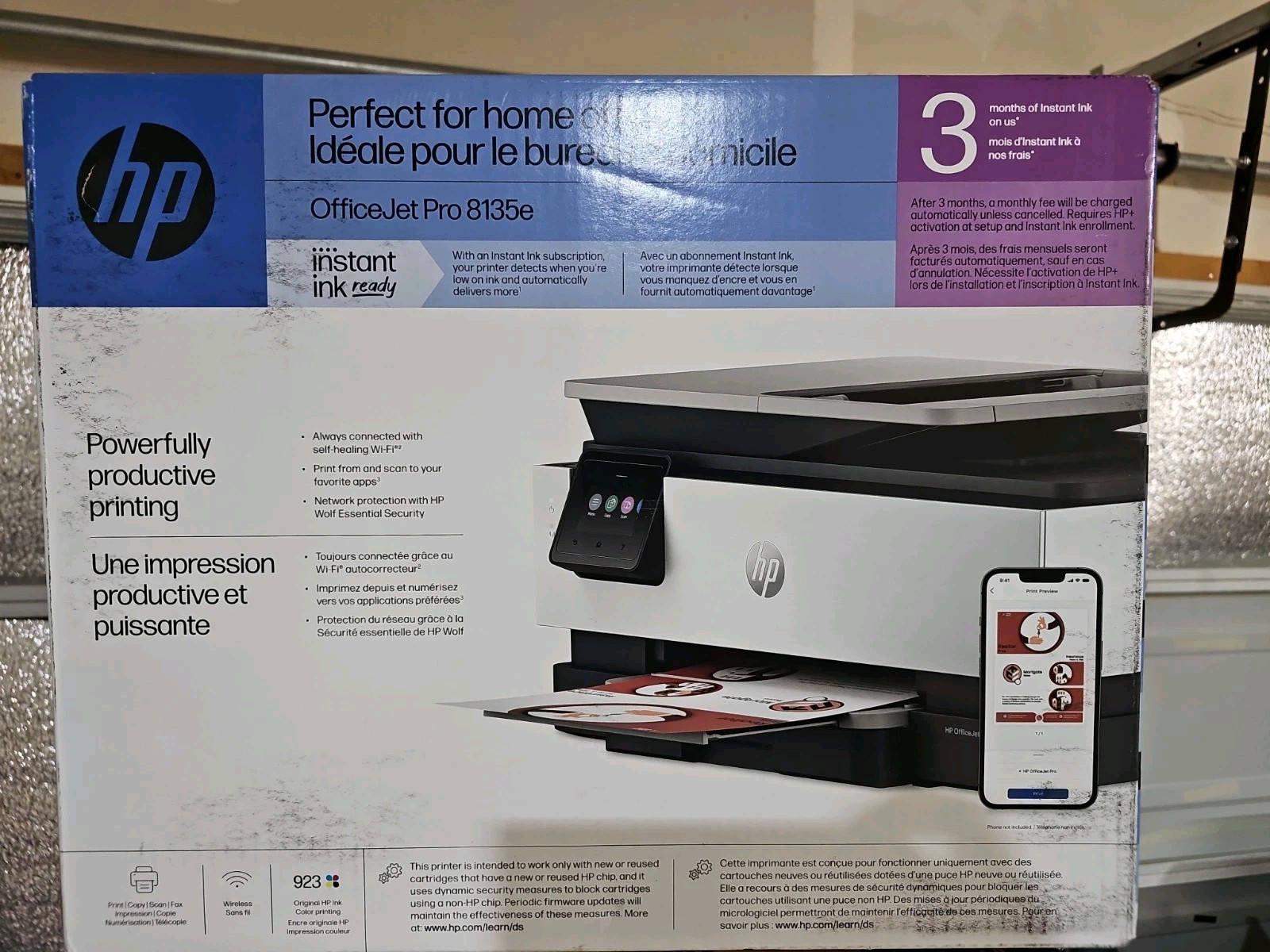
HP printers span three core architectures: compact inkjet all-in-ones (DeskJet/Envy), high-volume inkjet (OfficeJet), and laser (LaserJet). The primary trade-off is up-front cost versus cost-per-page and duty cycle: inkjet all-in-ones are cheapest to buy but cost more per page and suit light monthly volume, while laser models cost more upfront yet deliver lower per-page cost and higher monthly duty cycles. The decision rule: match the printer's recommended monthly page volume to your actual print load, and choose laser for text-heavy volume and inkjet only for color/photo needs.

Buying guide image
Printers & Scanners

Printer Scanner

A printer scanner is an all-in-one device combining printing, scanning, and copying, with the core trade-off being ink cost and volume capacity versus upfront simplicity. Choose an ink-tank or laser model for high-volume, low-cost-per-page use, and a cartridge inkjet only for light, occasional color printing.

Buying guide image
Office Organization

File Organizer

A file organizer is a physical sorting system—desktop tiered rack, wall-mounted pocket, or accordion folder—that keeps active documents vertical and accessible. The primary trade-off is between open-access speed (desktop slots, wall pockets) and enclosed protection and portability (accordion cases with handles). Buy durable metal or solid wood for permanent desk or wall duty, and reinforced polypropylene for portable or expanding files; skip thin PVC and low-grade chipboard for heavy daily use.

Buying guide image
Printers & Scanners

All One Printer Wireless

A wireless all-in-one printer combines printing, scanning, and copying in one chassis with Wi-Fi connectivity so multiple devices can share it without cables. The core trade-off is between cheap inkjet hardware with high per-page ink cost and pricier tank or laser designs that slash consumable spend over years. Buy a tank or laser model if you print over 50 pages monthly and need reliability; accept a budget inkjet only for light, occasional color printing where the lowest entry cost matters most.

Buying guide image
Printers & Scanners

Compact All One Printer

A compact all-in-one printer combines print, scan, and copy in a chassis small enough for a dorm desk or home-office shelf. The decisive trade-off is print engine type: inkjet delivers photo-quality color and low upfront cost but high per-page ink expense and clog risk, while laser delivers fast, smudge-proof text and cheap toner but bulky color and a higher entry price. Choose inkjet only if color/photo output is required; choose monochrome laser for any workflow that is primarily black-and-white text and volume.

Buying guide image
Meeting & Presentation Equipment

Dry Erase Board

Dry erase boards range from thin steel-on-cardboard student lapboards to porcelain-steel or tempered-glass architectural surfaces, and the decisive trade-off is writing surface durability versus frame rigidity and mounting hardware. A board that resists ghosting and flexes without cracking uses a porcelain-enamel or heat-tempered glass face over a rigid aluminum or steel frame with full-perimeter hardware; melamine and thin-coated steel are the disposable tiers for light, temporary use.

Buying guide image
Label Makers & Supplies

Label Printer Machine

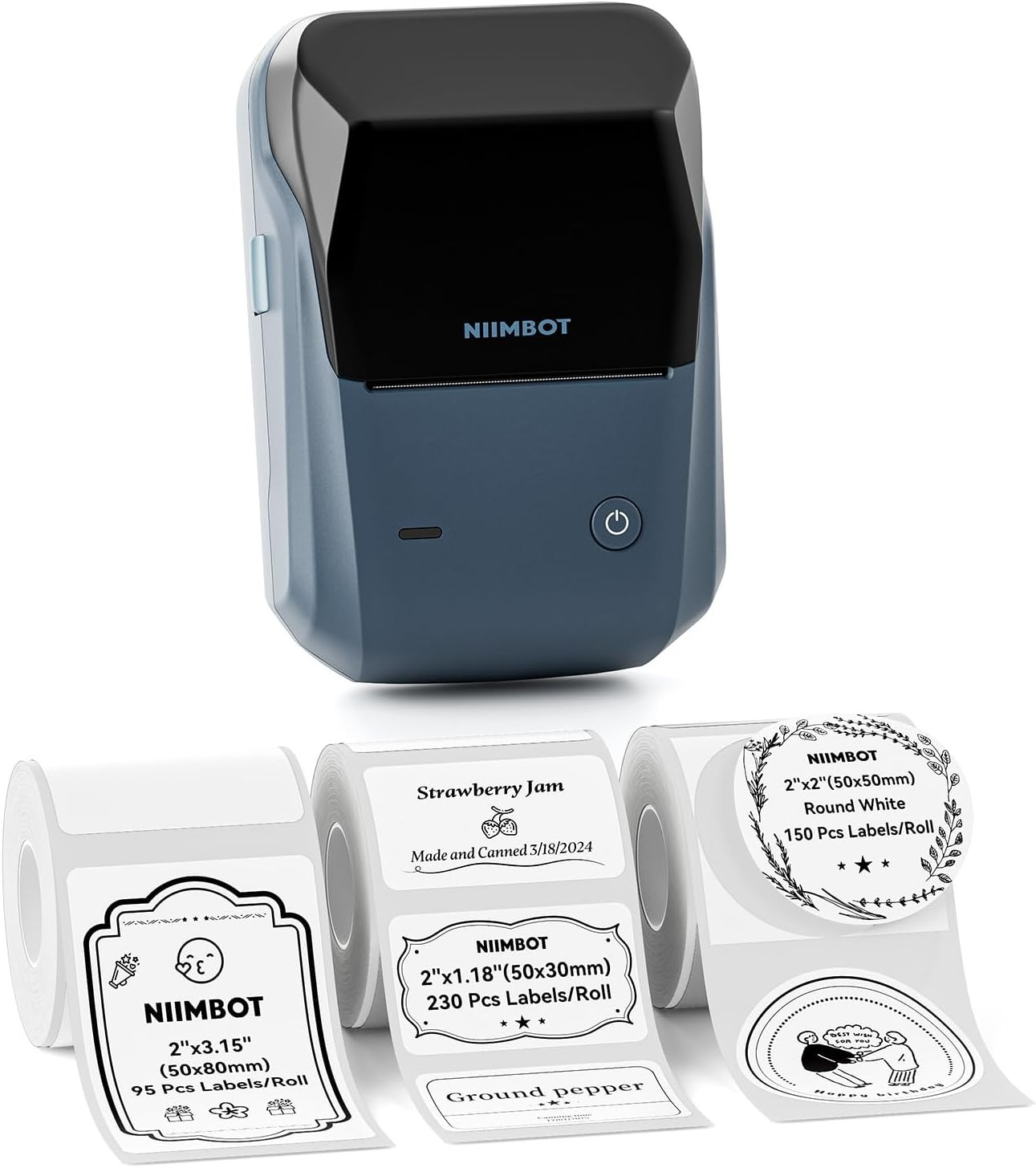
Label printer machines split into two distinct architectures: direct-thermal shipping printers (4x6 inch, USB/Ethernet) and compact Bluetooth label makers (thermal or transfer, 0.5–2 inch tape). The core trade-off is duty cycle and print width versus portability and cost: shipping tiers use durable 203-dpi thermal heads rated for thousands of labels, while mini makers use lower-duty heads and proprietary tape cassettes. Buy the shipping class for carton volume, the mini class for shelf and cable labeling—never expect a pocket maker to survive daily 4x6 shipping runs.

Buying guide image
Meeting & Presentation Equipment

Dry Erase Board Fridge

A dry erase board fridge is a magnetic whiteboard designed to cling to a refrigerator door or steel surface, typically paired with a flexible magnetic backing or peel-and-stick adhesive. The core trade-off is surface quality versus mounting method: thin PET film boards erase cleanly but can curl, while rigid steel-backed boards stay flat but need stronger magnets. Choose a flexible magnetic sheet if you rent or move the board often; choose a rigid steel or aluminum-backed unit if you write daily and need a flat, long-lasting surface.

Buying guide image
Meeting & Presentation Equipment

Magnetic Dry Erase Board Fridge

Magnetic dry erase boards for fridge use are small, flexible whiteboards that adhere to steel refrigerator doors and hold notes via magnets. The core trade-off is between magnetic holding strength and surface durability: thin PET film sheets are flexible but weak, while steel-backed boards hold strong magnets but require flat, ferrous surfaces. Choose a steel-backed board with a full magnetic backing for heavy use; pick a flexible magnet sheet only for lightweight notes and curved doors.

Buying guide image
Meeting & Presentation Equipment

Dry Erase Board With Lines

A dry erase board with lines is a whiteboard pre-printed with ruled guides (usually horizontal lines or grids) for structured writing, scheduling, or handwriting practice. The core trade-off is surface quality vs. print durability: cheaper boards use vinyl decals or thin melamine that peel and ghost, while quality boards use ceramic-steel, tempered glass, or factory-baked aluminum surfaces that hold fine lines and erase clean. The decision rule: buy ceramic-steel or glass for daily use; accept melamine or printed vinyl only for low-traffic, light-duty wall boards.

Buying guide image
Meeting & Presentation Equipment

Magnetic Board

A magnetic board is a writable surface with a ferrous backing that holds magnets, used for planning, teaching, and display. The core trade-off is between a thin steel dry-erase panel (cheap, dents, streaks) and a porcelain-on-steel or tempered-glass surface (scratch- and ghost-resistant, stronger magnets). Buy porcelain or glass for daily heavy use; choose a 0.4–0.5 mm steel sheet only for light occasional notes.

Buying guide image
Label Makers & Supplies

Product Label Printer

Product label printers are dedicated desktop devices that print durable adhesive labels for barcodes, SKUs, ingredients, and shelf tags—unlike general office printers, they use direct-thermal or thermal-transfer media optimized for smudge-resistant, scannable output. The core trade-off is print technology and media chemistry: direct-thermal is cheap and simple but fades with heat and UV, while thermal-transfer with resin/wax ribbons delivers archival, chemical-resistant labels at higher consumable cost. The decision rule: buy direct-thermal only for indoor short-life retail and shipping labels; choose thermal-transfer when labels must survive moisture, abrasion, freezing, or multi-year retail display.

Buying guide image
Label Makers & Supplies

Thermal Label Printer

Thermal label printers use heated printheads and thermal media to produce smudge-proof labels without ink. The core trade-off is direct thermal (cheap, simple, but labels darken with heat/light over a year) versus thermal transfer (needs ribbons but keeps labels legible for years). For shipping and small business, buy a direct-thermal 4x6 printer for short-lived labels; for inventory or outdoor labels, buy thermal transfer or a desktop unit with ribbon support.

Buying guide image
Meeting & Presentation Equipment

Whiteboard

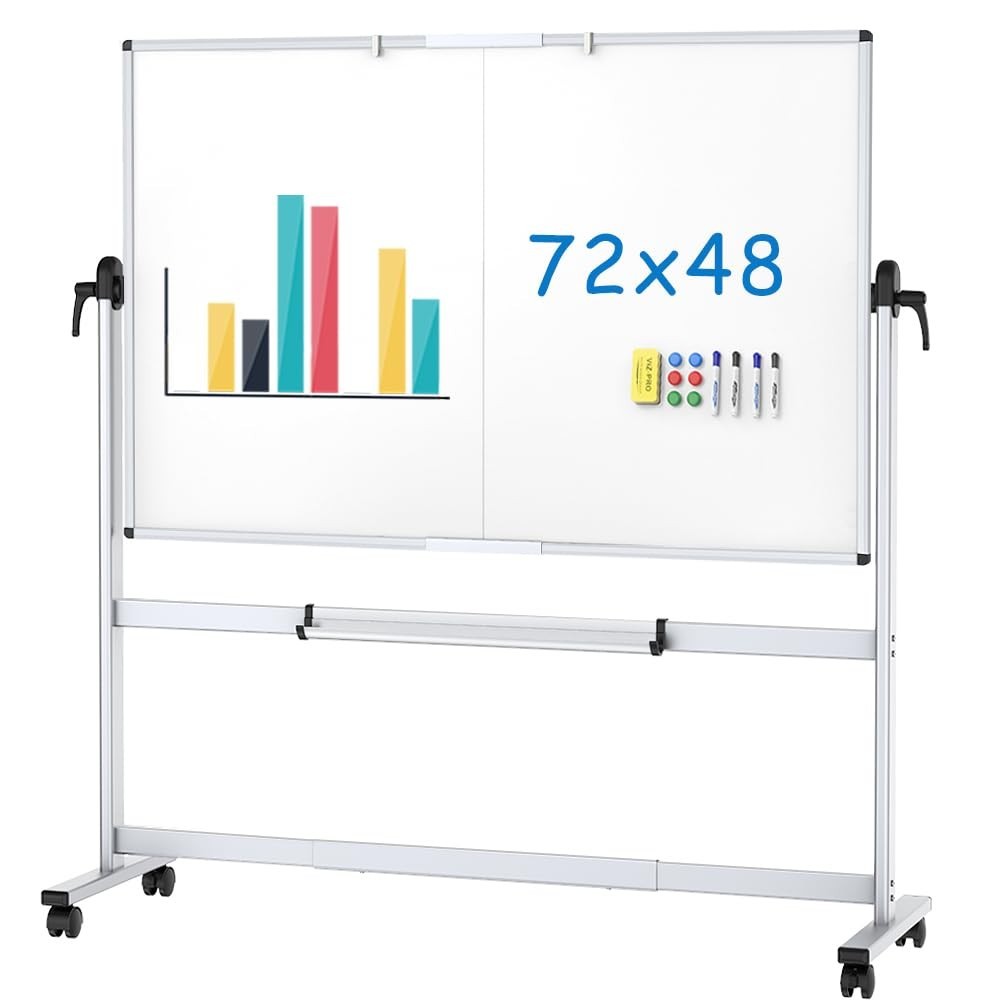
A whiteboard is a reusable writing surface whose core performance is defined by the board material (laminated steel, porcelain-on-steel, or tempered glass) and the mounting system (fixed wall-mount vs. mobile rolling stand). The primary trade-off is ghosting resistance and magnetic strength versus weight, glare, and cost—laminated steel is the budget workhorse, porcelain-on-steel is the classroom-grade standard, and tempered glass is the executive/design-forward finish. Buy porcelain or glass if you write daily and need stain resistance; buy laminated steel only for light personal use.

Buying guide image
Label Makers & Supplies

Thermal Label Maker

Thermal label makers are dedicated printers that use heated printheads to transfer ink from thermal ribbon (transfer) or directly from heat-sensitive paper (direct thermal), eliminating ink cartridges. The core trade-off is print permanence versus cost and media freedom: direct thermal is cheap and simple but fades with heat, light, and abrasion, while thermal transfer produces archival, chemical-resistant labels but needs ribbon and often a higher-duty mechanism. The decision rule is clear: choose thermal transfer or a dual-mode machine for warehouse, industrial, or outdoor labels; choose direct thermal for indoor address, shipping, and short-life organization labels.

You may also like

Finding more guides for you…