WorkSetup Guide

WorkSetup Guide

Office & Business Reviews & Buying Guides

Compare office & business by use case, features, trade-offs, price, returns, and seller terms before you buy.

Buying guides

Buying guide image
Fountain Pens

Fountain Pen

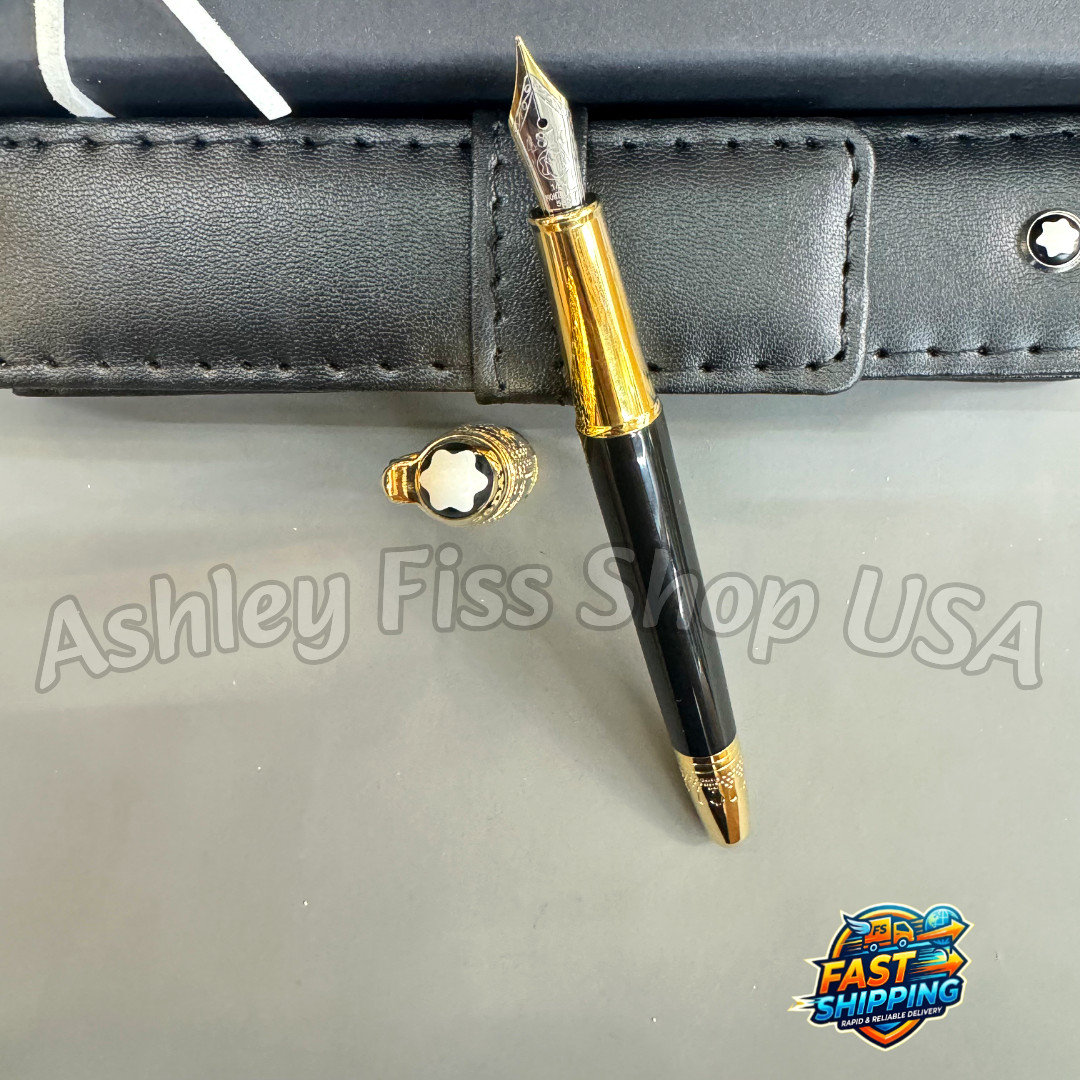
Fountain pens are refillable writing instruments that use water-based ink fed through a nib, and the core trade-off is between nib quality and body durability: steel nibs on plastic bodies are entry-level, while gold nibs and machined metal/resin bodies deliver smoother flow and longevity. The decisive rule is to match nib material and tipping to your writing pressure and line-width goal, then choose a body material that survives daily carry — if the nib is untipped steel or the feed is molded as one piece with the section, it is a compromise.
Buying guide image
Fountain Pens

Compact Fountain Pen

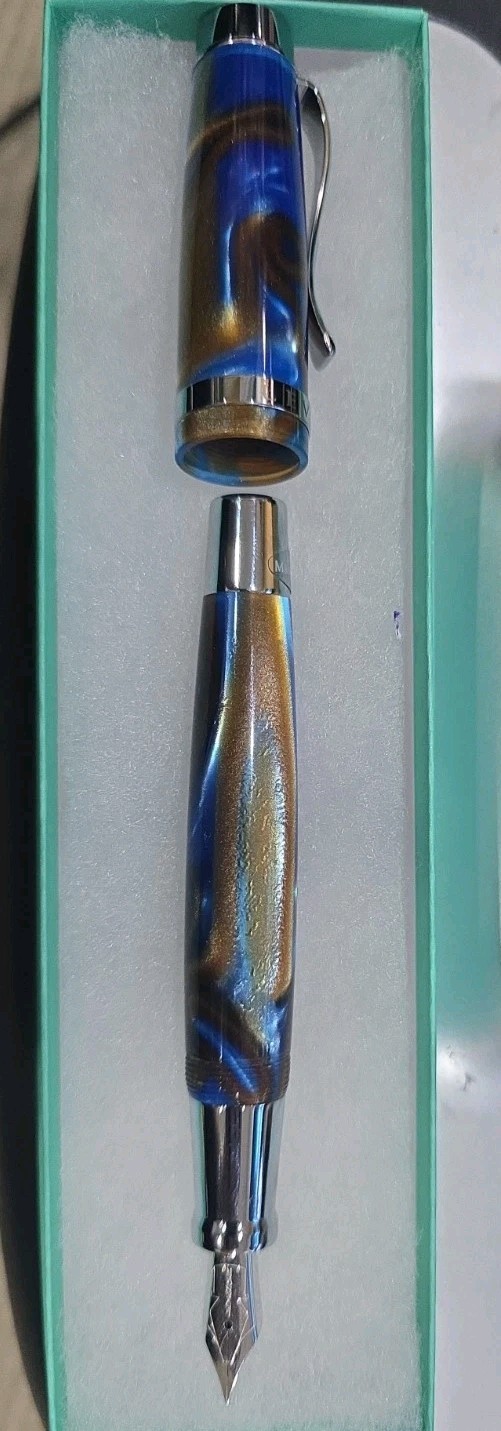
A compact fountain pen is a pocketable writing instrument, typically under 12 cm capped, that trades ink capacity and full-hand ergonomics for portability. The key trade-off is nib performance and sealing reliability against size: short pens can dry out faster and force cramped grips unless they use a slip-cap or pocket-clip design. Choose a compact pen only if you prioritize carry convenience over long writing sessions; otherwise a standard-length pen is the durable default.

Buying guide image
Fountain Pens

High Quality Fountain Pen

A high-quality fountain pen is defined by a solid metal or dense resin body, a precision-machined nib (steel or gold), and a reliable filling system that seals ink without leaking. The primary trade-off is nib material and feed quality versus body weight and filling convenience: steel nibs offer durability and lower cost, while gold nibs provide springier writing but demand careful maintenance. The clear decision rule is to buy a pen with a screw-cap or snap-cap that posts securely, a converter or piston filling mechanism, and a nib unit that is replaceable or serviceable—avoiding glued or sealed plastic sections that cannot be repaired.

Buying guide image
Fountain Pens

Nice Pen

A 'nice pen' in the fountain category means a writing instrument built around a replaceable nib and feed system, where the primary trade-off is nib material and feed quality versus body finish and filling mechanism. Durable options use tipped steel or gold-alloy nibs with ebonite or machined feeds and standard international cartridges or converters; compromises use untipped folded metal nibs, glued feeds, and proprietary cartridges that limit ink choice.

Buying guide image
Label Makers & Supplies

Label Maker

Label makers range from manual embossers that press raised characters into plastic tape to Bluetooth thermal printers that produce adhesive labels from an app, and the core trade-off is ongoing supply cost versus upfront hardware capability. Embossing units need no power or ink but deliver only raised, single-color tape, while thermal printers demand proprietary label rolls yet print barcodes, QR codes, and multi-line text at high resolution. Buy a thermal printer only if you will print steadily enough to absorb consumable costs; choose embossing or standalone keyboard units for intermittent, low-volume labeling where zero-power durability matters more than design flexibility.

Buying guide image
Label Makers & Supplies

Label Printer

Label printers split into three architectures: direct-thermal shipping printers (4×6), portable Bluetooth sticker printers, and desktop cartridge/tape units — and the print head is the wear item that defines lifespan. The core trade-off is consumable cost and print width versus portability and connectivity. Buy direct-thermal for high-volume shipping, Bluetooth for on-the-go labels, and a desktop tape unit for durable laminated office labels.

Buying guide image
Label Makers & Supplies

Portable Label Maker

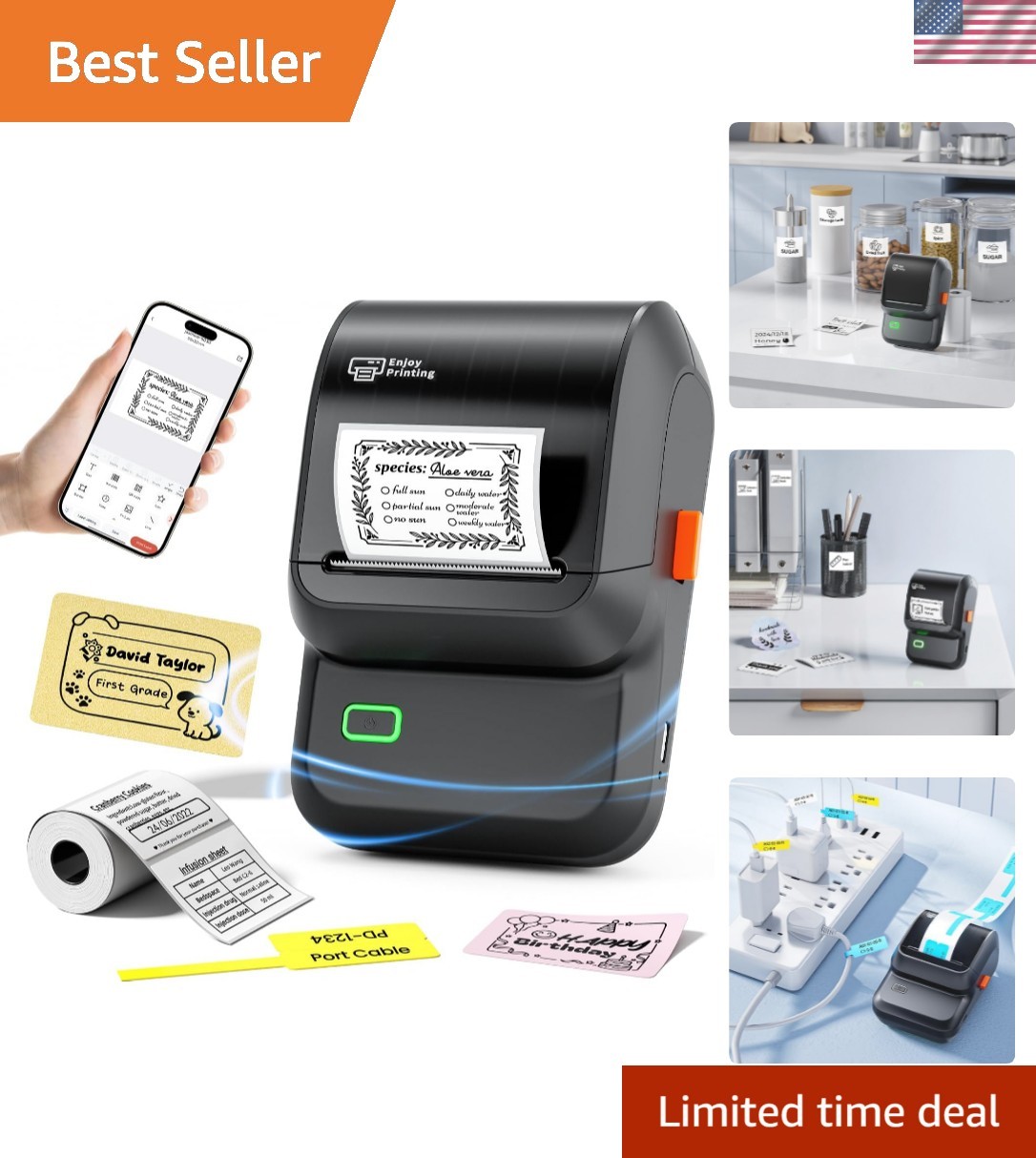
Portable label makers split into two architectures: standalone cartridge units with built-in keyboards and Bluetooth thermal printers driven by a phone app. The core trade-off is cartridge lock-in and durable laminated tape versus app-dependent inkless thermal paper that fades with heat and UV. Buy a standalone cartridge unit for long-life asset and cable labels; buy a Bluetooth thermal printer only for short-cycle organization and photo/journal stickers.

Buying guide image
Label Makers & Supplies

Heavy Duty Label Maker

Heavy-duty label makers are industrial-grade labeling systems built for harsh environments, high-volume output, and permanent adhesion—not desk toys. The core trade-off is between rugged portability (drop-rated, battery-powered handhelds) and sustained duty cycles (desktop units with high-capacity cartridges and PC connectivity). Choose a ruggedized handheld with laminated tape for field work; choose a desktop model with industrial-grade vinyl or heat-shrink supplies for plant and warehouse volume.

Buying guide image
Label Makers & Supplies

Label Maker Machine

Label maker machines are handheld or desktop devices that print adhesive labels for organizing, labeling, and identification, with the core trade-off being between direct thermal printing (cheap, no ink, but heat-sensitive and fading) and thermal transfer or embossing (durable, resistant, but higher consumable cost). The clear decision rule: buy direct thermal only for indoor, low-abrasion, short-to-medium-term labeling; choose thermal transfer or embossed tape when labels must survive heat, sunlight, chemicals, or repeated handling.

Buying guide image
Label Makers & Supplies

Label Maker Printer

A label maker printer is a dedicated device that prints adhesive labels for organizing, identifying, and shipping, and the core trade-off is between cheap embossing or direct-thermal hardware and durable thermal-transfer or laser-print systems. The decision rule is simple: buy thermal-transfer or laser-compatible hardware for labels that must survive heat, sunlight, and abrasion; accept direct-thermal or embossing only for short-life indoor tags.

Buying guide image
Office Organization

Desk Organizer

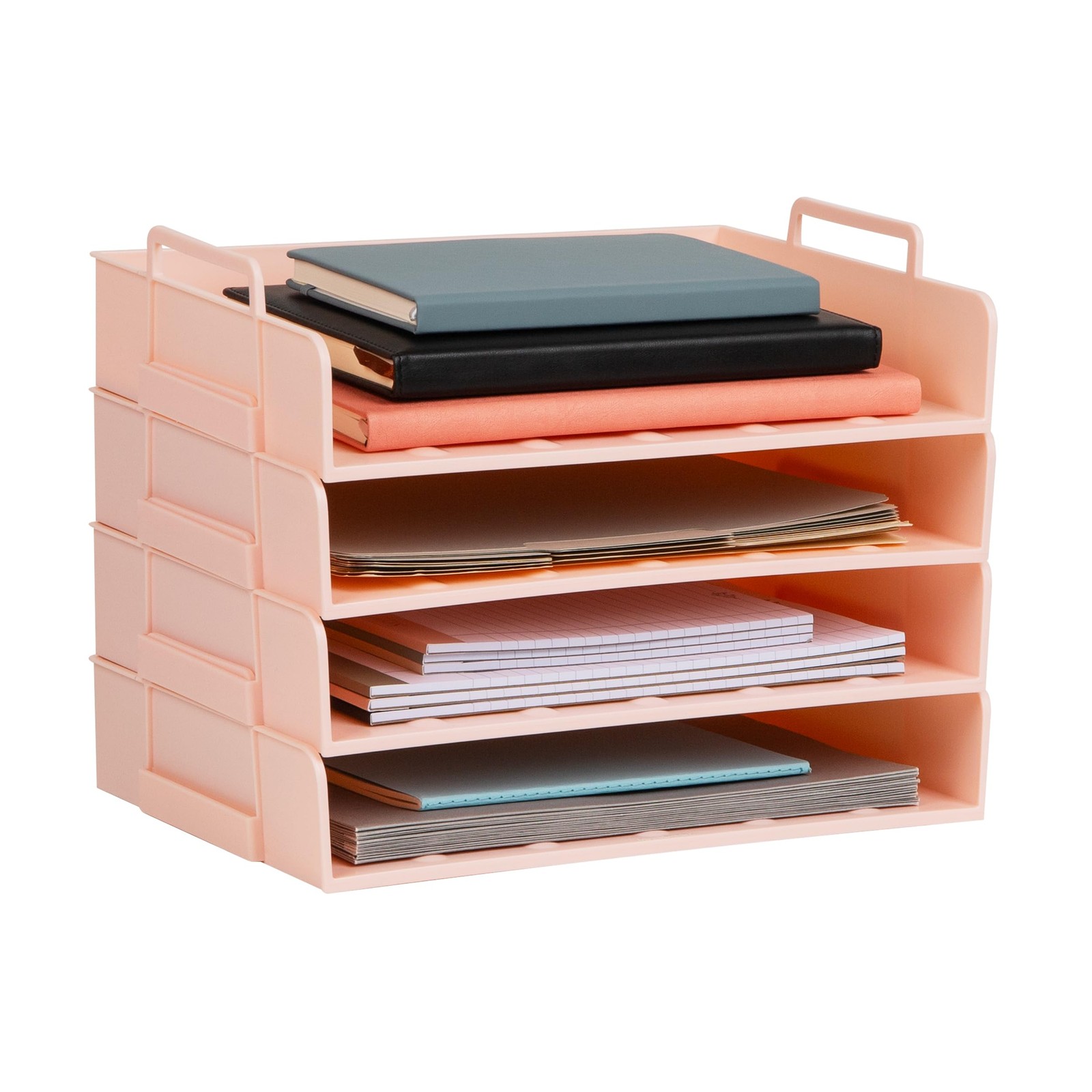
A desk organizer is a tray, caddy, or drawer-based system that corrals documents, writing tools, and small supplies within arm's reach; the core trade-off is between open-access speed (trays, caddies) and enclosed dust-safe capacity (drawer units, locking files). Durable options use welded steel mesh or solid bamboo/wood joinery at 12–15 mm thickness, while compromises are thin polystyrene or pressboard with stapled seams that sag under A4 paper loads.

Buying guide image
Packing & Shipping

Shipping Box

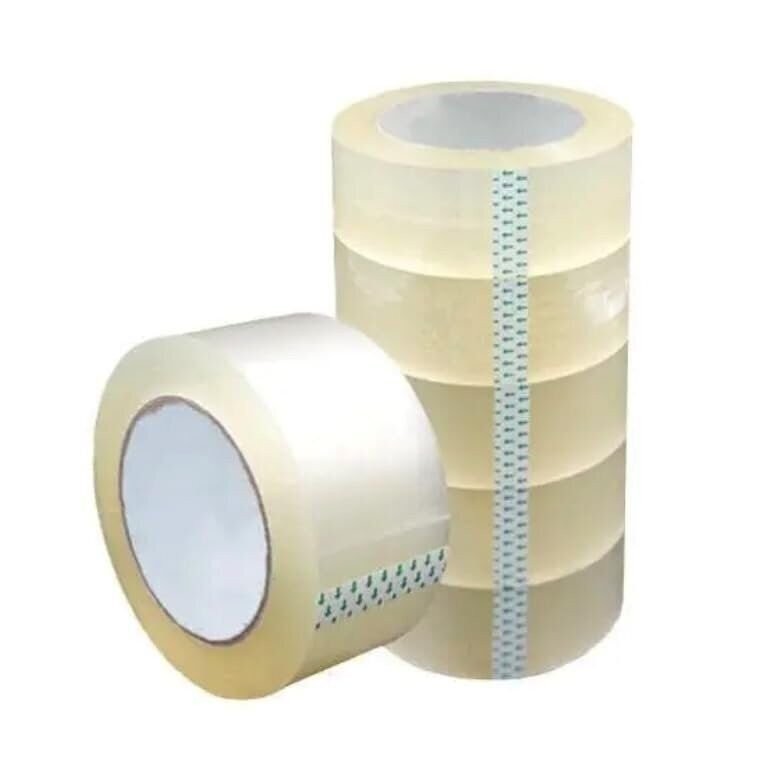
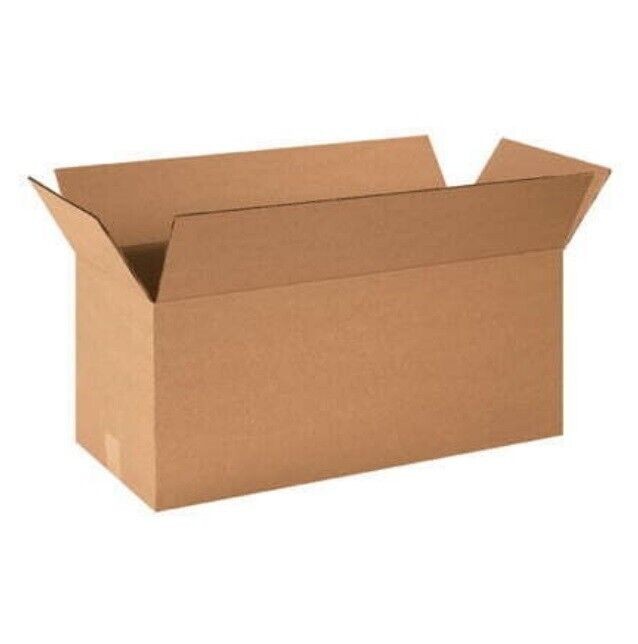
Shipping boxes are corrugated containers rated by wall strength (ECT) and flute profile, where the core trade-off is crush protection versus cube weight and cost. Buy single-wall 32 ECT for parcels under 20 lb and double-wall 48 ECT or higher once contents exceed 30 lb or ship via conveyor hubs. The decision rule: match box ECT and inside dimensions to contents plus 2 inches of void fill, never size by outside dimensions.

Buying guide image
Packing & Shipping

Heavy Duty Shipping Box

Heavy-duty shipping boxes are corrugated containers engineered for high weight loads, rough handling, and repeated stacking—typically defined by board grade, wall construction, and edge-crush performance. The primary trade-off is board strength vs. cost and weight: single-wall boxes at 32–40 ECT handle most e-commerce, while double-wall 48–60 ECT boards prevent crush and burst failures for heavy or fragile goods. The decision rule is simple: match ECT and wall type to the total packed weight and handling chain—never substitute a thinner board for a higher ECT rating.

Buying guide image
Printers & Scanners

Printer

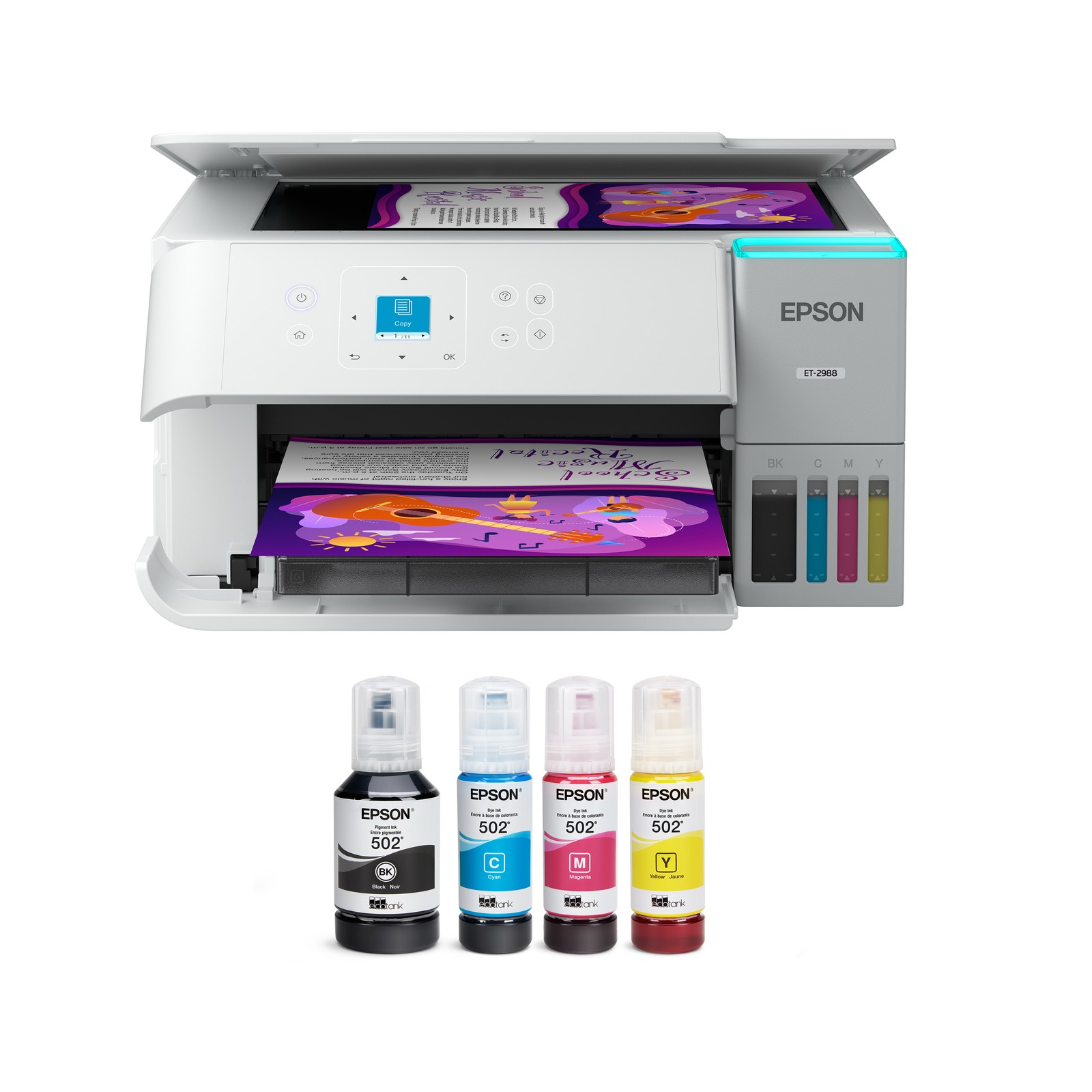
Printers range from disposable inkjet all-in-ones to repairable laser workhorses, and the core trade-off is upfront cost versus cost-per-page and parts longevity. The decision rule: buy a laser or tank inkjet when monthly volume exceeds about 50 pages, and reserve cheap cartridge inkjets for light, color-heavy use where low initial spend matters more than running cost.

Buying guide image
Stationery, School & Office Consumables

Card

Greeting cards are printed paper products defined by paper weight (gsm), folding style, and envelope compatibility—the main trade-off is between thin, curl-prone budget stock and heavier, rigid cardstock that stands and feels premium. Durable options use 250-350 gsm cardstock, A7 (5x7 in) or A2 (4.25x5.5 in) sizing, and square-flap envelopes; compromises use 150-200 gsm paper, non-standard sizes, and thin gummed envelopes.

Buying guide image
Stationery, School & Office Consumables

Card Without Photo

Photo-less greeting cards are blank-inside or pre-printed message cards sold in packs or as single keepsake designs, where the main trade-offs are paper weight (gsm), envelope fit, and whether embellishments (pop-up, music, LED) survive mailing. For durable, repeatable sending choose 250–350 gsm cardstock with square-flap envelopes; treat novelty musical/LED cards as hand-delivered keepsakes, not bulk holiday mail.

Buying guide image
POS & Retail Supplies

Pos

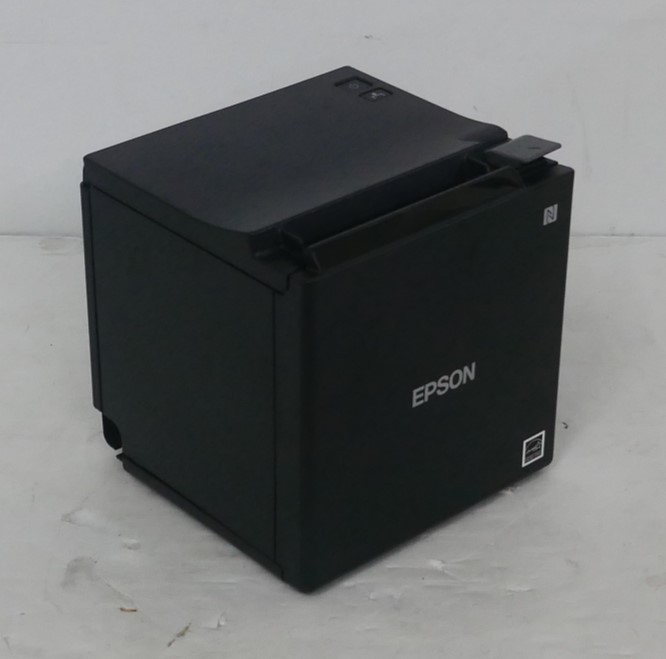
A POS (point-of-sale) system is the hardware and software bundle that rings up sales, takes payment, and prints receipts—typically a tablet or terminal, receipt printer, cash drawer, and barcode scanner. The core trade-off is integrated all-in-one terminals versus modular components: integrated units simplify setup but lock you into one vendor, while modular systems let you pick best-in-class parts at the cost of compatibility homework. The decision rule is simple: buy a modular system built around a standard receipt printer interface (USB/Ethernet) and a tablet you already own, and skip any 'free' POS that requires a merchant account with early-termination fees.

Buying guide image
Packing & Shipping

Packing Box

Packing boxes are corrugated containers defined by flute grade and wall construction, where the trade-off is board strength versus cost and weight. The decisive rule: for anything over 65 lb or stack-loaded, require 32 ECT single-wall or double-wall; for light parcel mailers, 32 ECT B-flute is sufficient and cheaper.

Buying guide image
Packing & Shipping

Heavy Duty Packing Box

Heavy-duty packing boxes are corrugated shipping containers engineered for loads over 65 lb, repeated handling, or fragile contents, with the primary trade-off between wall strength (ECT/burst grade) and cost/weight. The decisive rule: match box grade to load weight and stacking depth—never exceed the manufacturer's ECT rating, and choose double-wall for anything above 65 lb or stacked more than two high.

Buying guide image
Packing & Shipping

Corrugated Box

Corrugated boxes are the backbone of shipping and storage, defined by fluting architecture and wall strength (ECT) rather than outward appearance. The core trade-off is between board grade (B-flute, 32 ECT, double-wall) and cost: thin single-wall mailers crush under stacking, while proper ECT-rated boxes survive parcel networks. The decision rule: match box ECT and flute to contents weight and stacking load—never buy on size alone without a burst or edge-crush rating.

You may also like

Finding more guides for you…