
Photos from current listings. Actual item, color, and included accessories may vary.
Magnetic Board Buying Guide
A magnetic board is a writable surface with a ferrous backing that holds magnets, used for planning, teaching, and display. The core trade-off is between a thin steel dry-erase panel (cheap, dents, streaks) and a porcelain-on-steel or tempered-glass surface (scratch- and ghost-resistant, stronger magnets). Buy porcelain or glass for daily heavy use; choose a 0.4–0.5 mm steel sheet only for light occasional notes.
Median $237.41 · New listings
Key takeaways
- Surface grade decides life: porcelain-on-steel resists ghosting and scratches for decades; tempered glass never stains but needs strong neodymium magnets; painted steel is the budget tier.
- Magnet hold scales with steel backing gauge—0.5 mm or thicker steel holds a 1 lb magnet, while thin 0.3 mm panels drop light notes; glass boards need rare-earth magnets.
- Mobile units are rated by wheel type and braking: lockable 2–3 inch casters with dual locks prevent drift; fixed non-locking wheels are a classroom safety compromise.
At a glance
- Category
- Meeting & Presentation Equipment
- Last updated
- Nov 28, 2026
Current offers
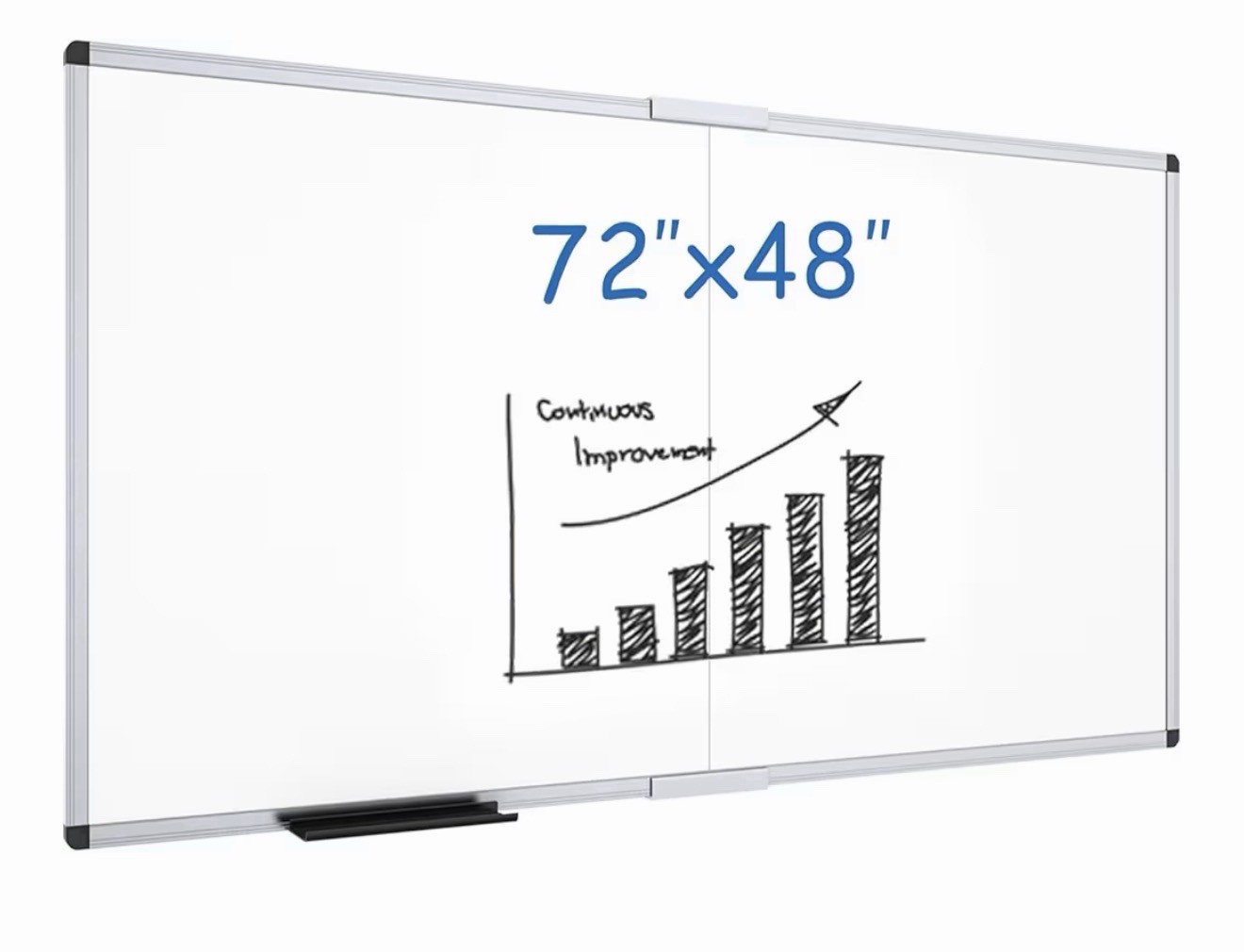 VIZ-PRO Large Magnetic Whiteboard/Foldable Dry Erase Board, 72 X 48 Inches$200.00New · Last checked Nov 17, 2026View on eBay
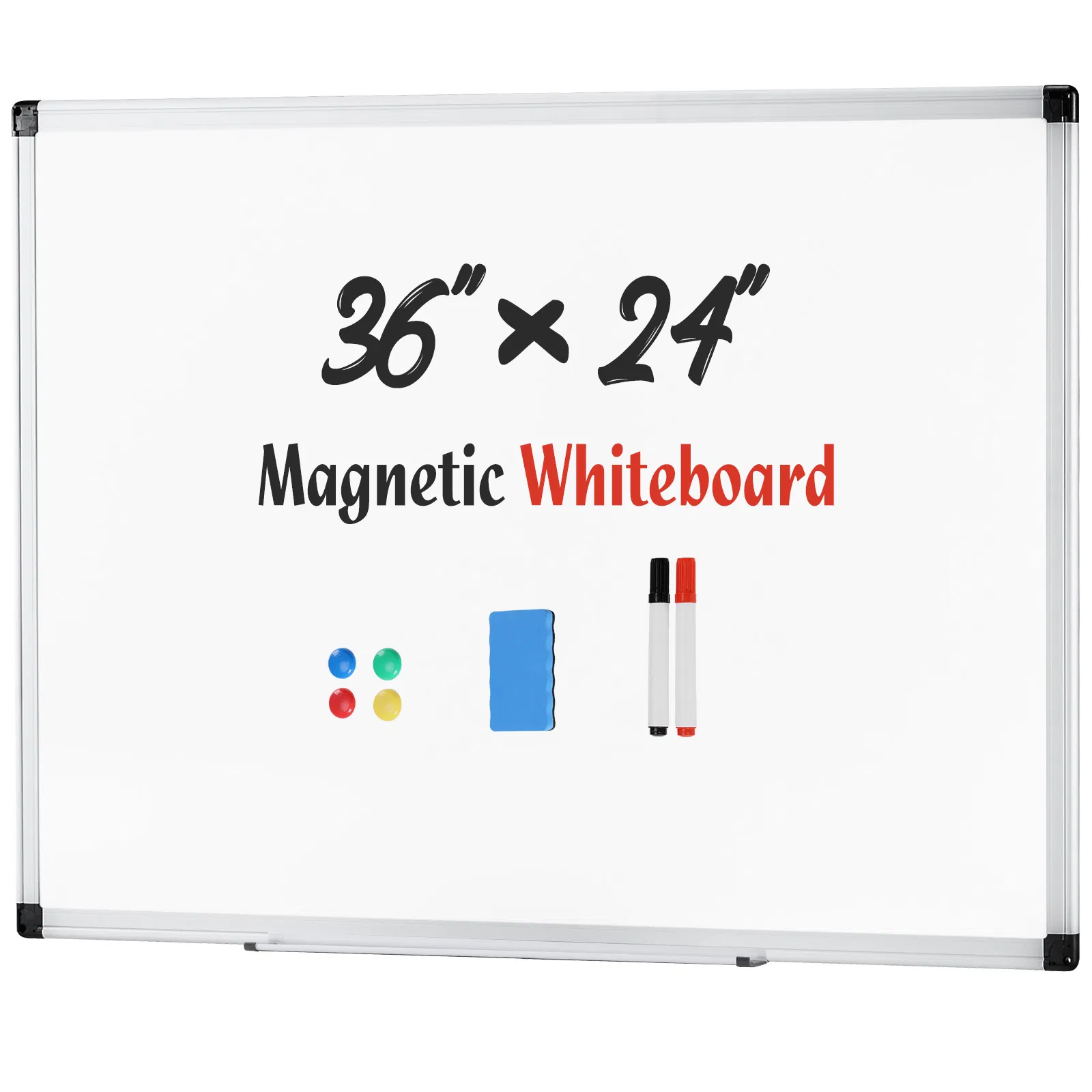 Magnetic Dry Erase Board, 36 X 24 Inches White for Home Office School,Sliver Reinforced Aluminum Frame$49.99View on Mallflare
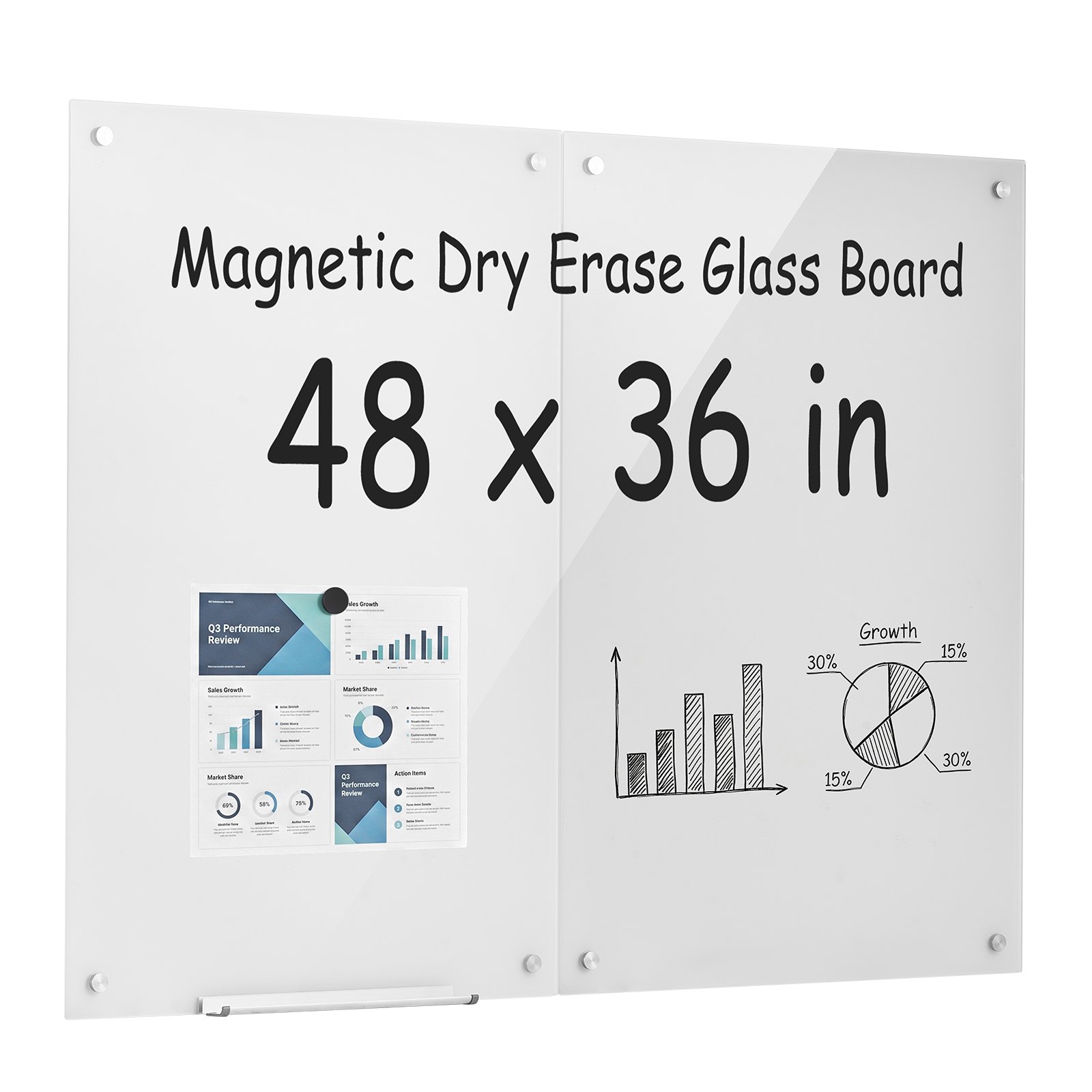
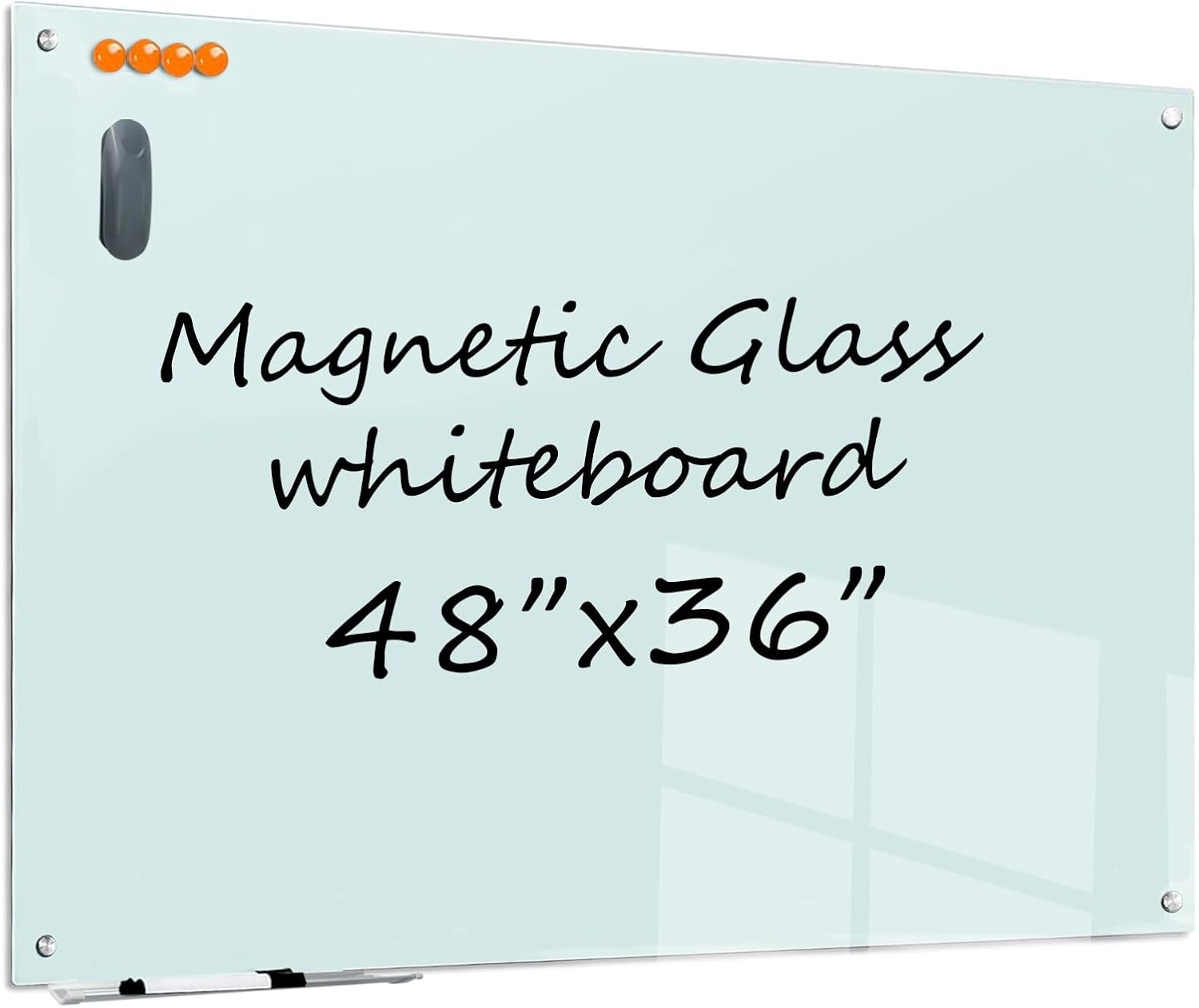 Glass Dry Erase White Board - 48 X 36 Inches Magnetic Glass Whiteboard for Wall$205.99New · Last checked Nov 27, 2026View on eBay
 36 X 24 inches Magnetic Dry Erase Board with Aluminum Frame, Whiteboard for Home School$78.99View on Mallflare
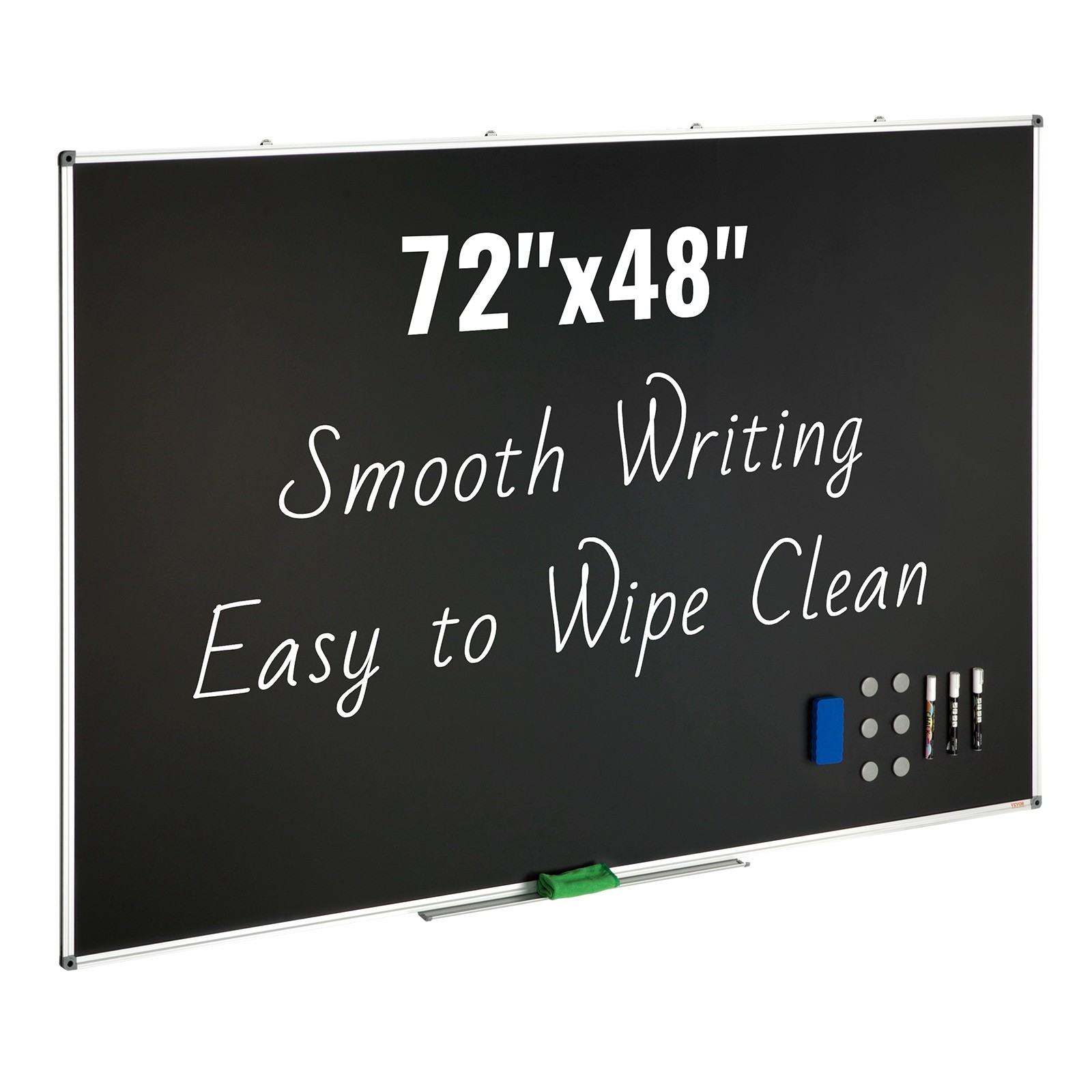 Large Magnetic Whiteboard/Foldable Dry Erase Board, 72 X 48 Inches$218.29New · Last checked Nov 17, 2026View on eBay
 Glass Dry Erase Board 2 Pack 35.4 x 23.6 in White Magnetic Whiteboard, Wall-Mounted, Frameless, Thick Tempered with Markers, Magnets and Eraser, for Office, School Classroom, Home Study$94.99View on Mallflare
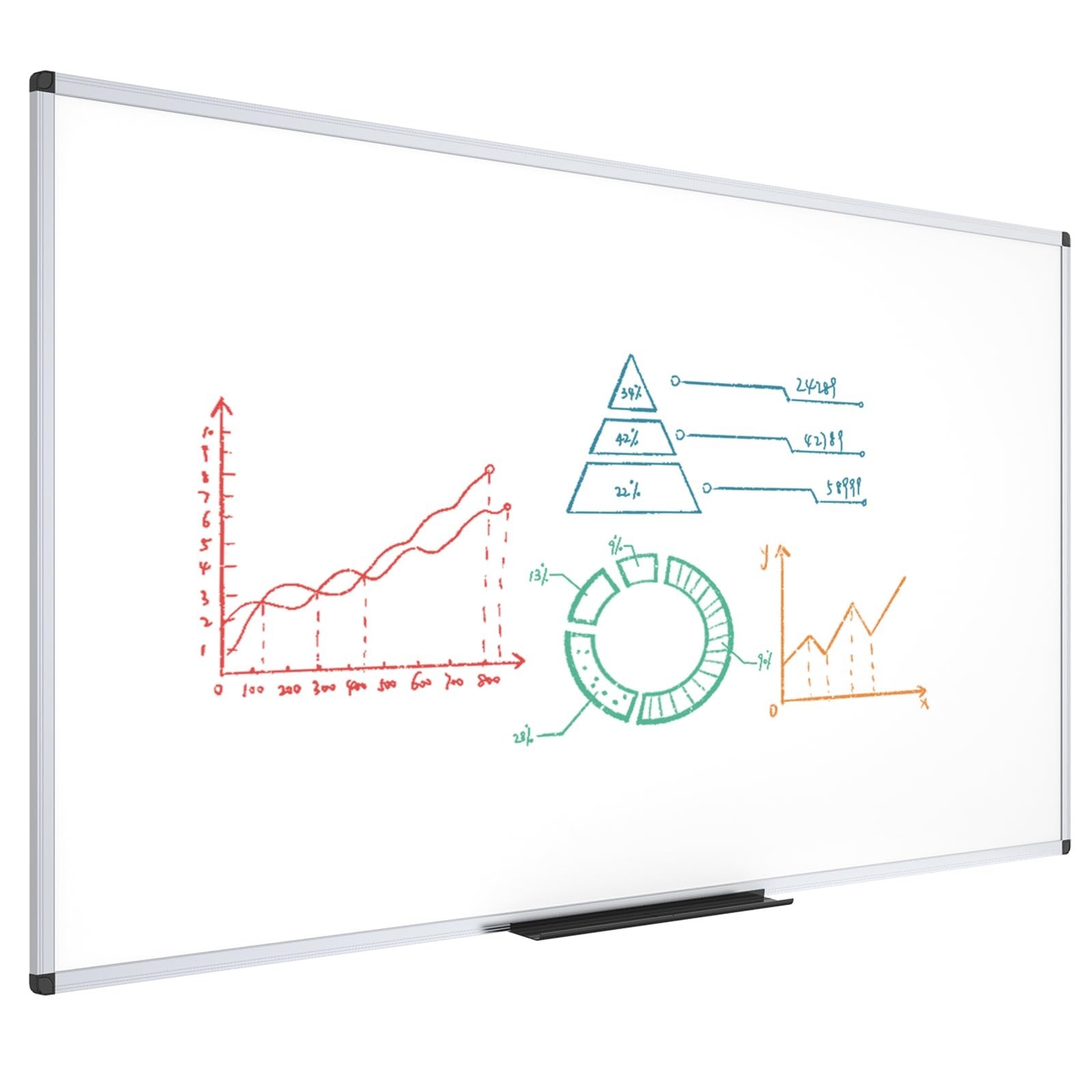 VIZ-PRO Magnetic Dry Erase White Board 72 x 48 Inches Large Wall Mounted Board$218.41New · Last checked Nov 17, 2026View on eBay
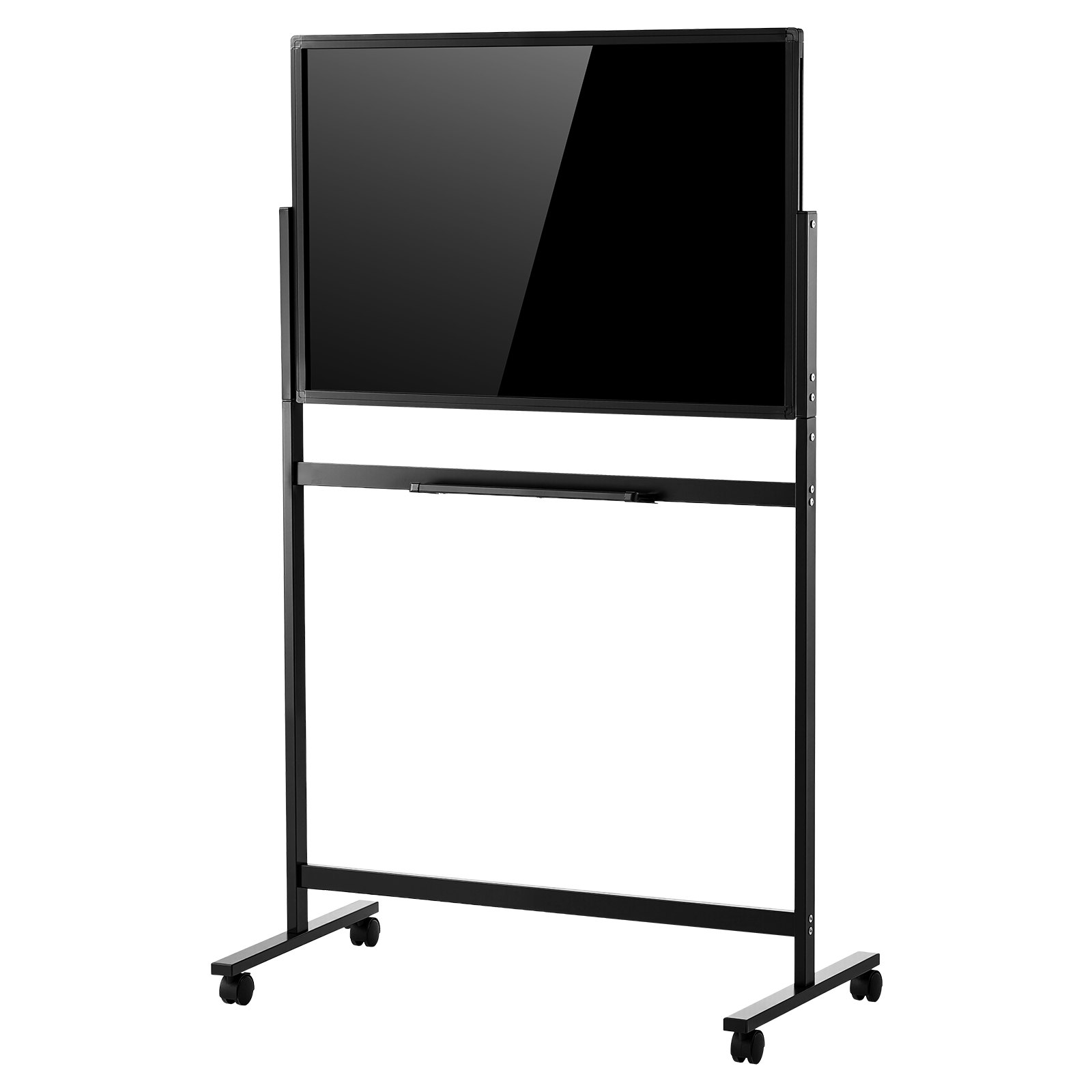 Glass Dry Erase Board 35 x 23 in Magnetic Whiteboard with Base Black, Frameless, Mobile Stand and Wheels, Includes Markers, Magnets and Eraser, for Office, School Classroom, and Home$119.99View on Mallflare
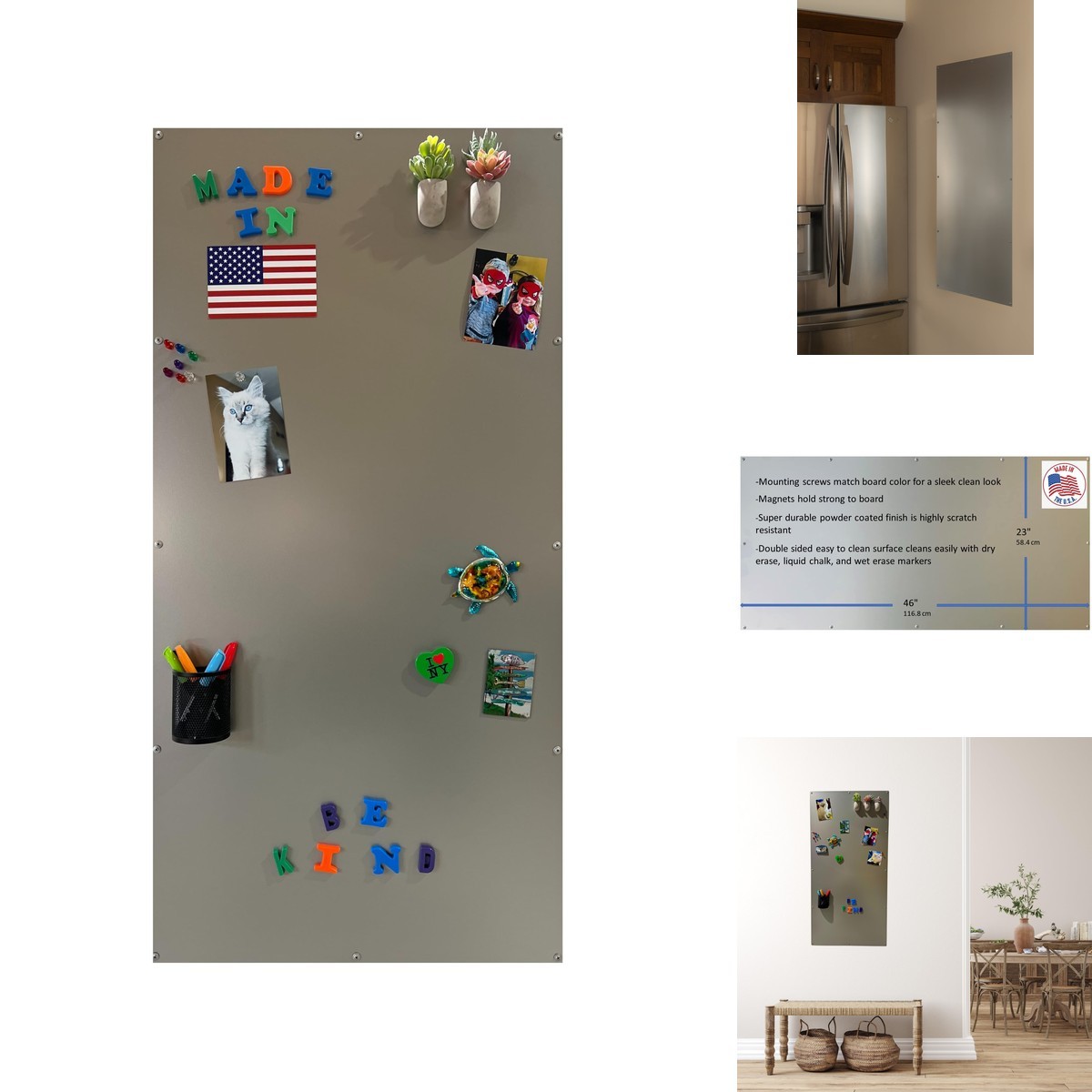 Large Magnetic Wall Board - Dry Erase - Metallic Silver 23"Wx46 L$220.08New · Last checked Nov 17, 2026View on eBay
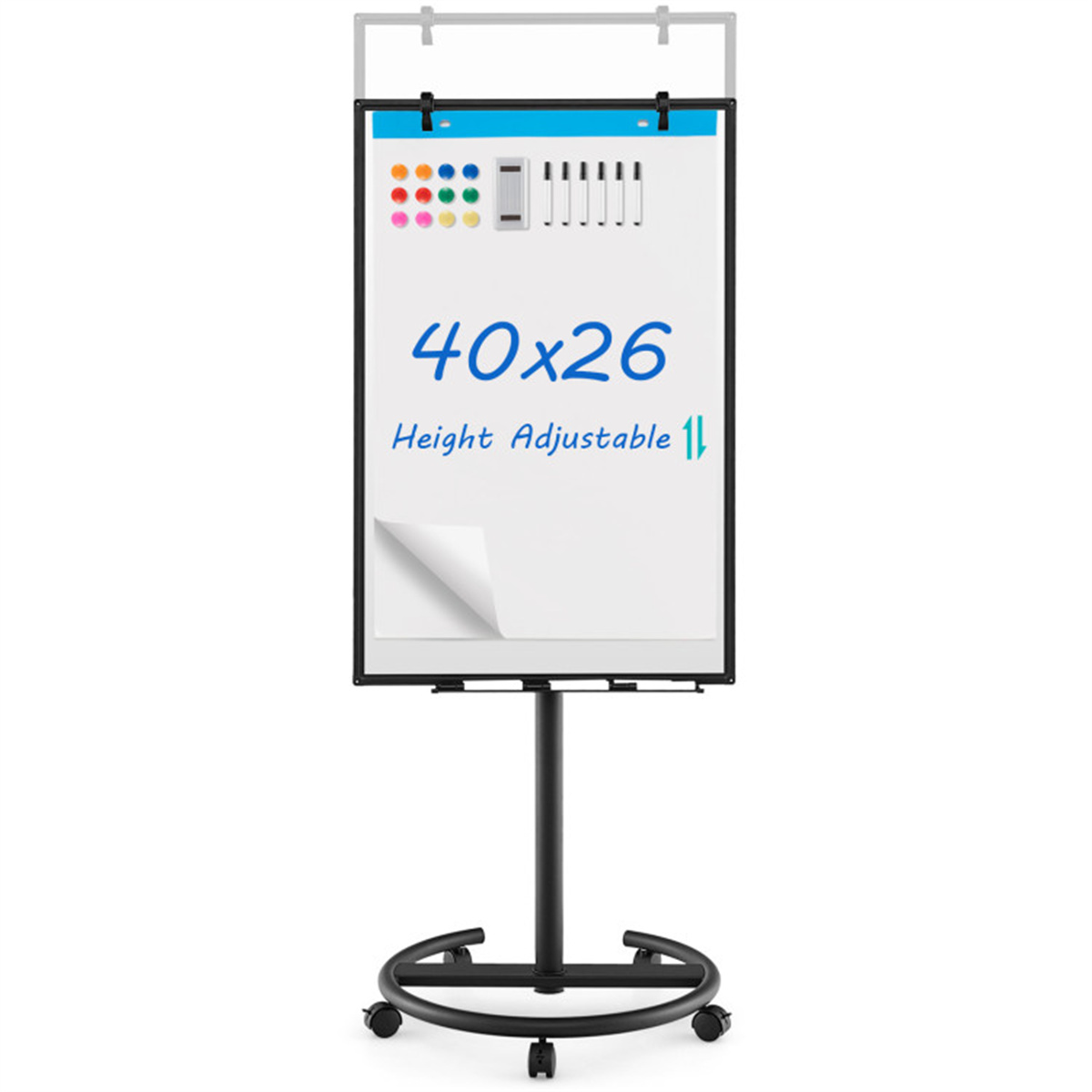 Magnetic Whiteboard,Height-Adjustable Mobile Whiteboard with Round Stand Paper Clips$181.99View on Mallflare
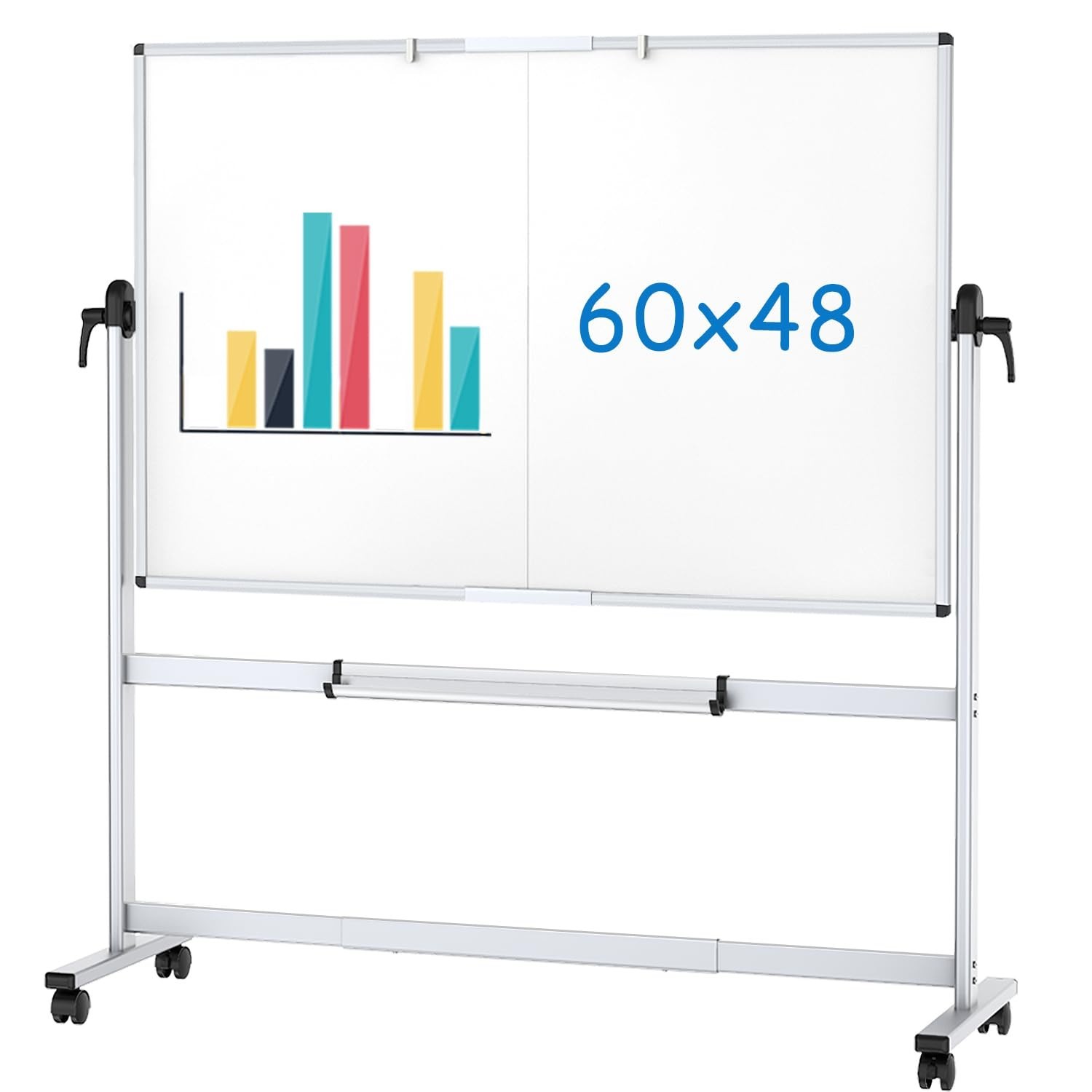 VIZ-PRO Double-Sided Mobile Whiteboard 60x 48" Magnetic Rolling Dry Erase Board$227.91New · Last checked Nov 17, 2026View on eBay
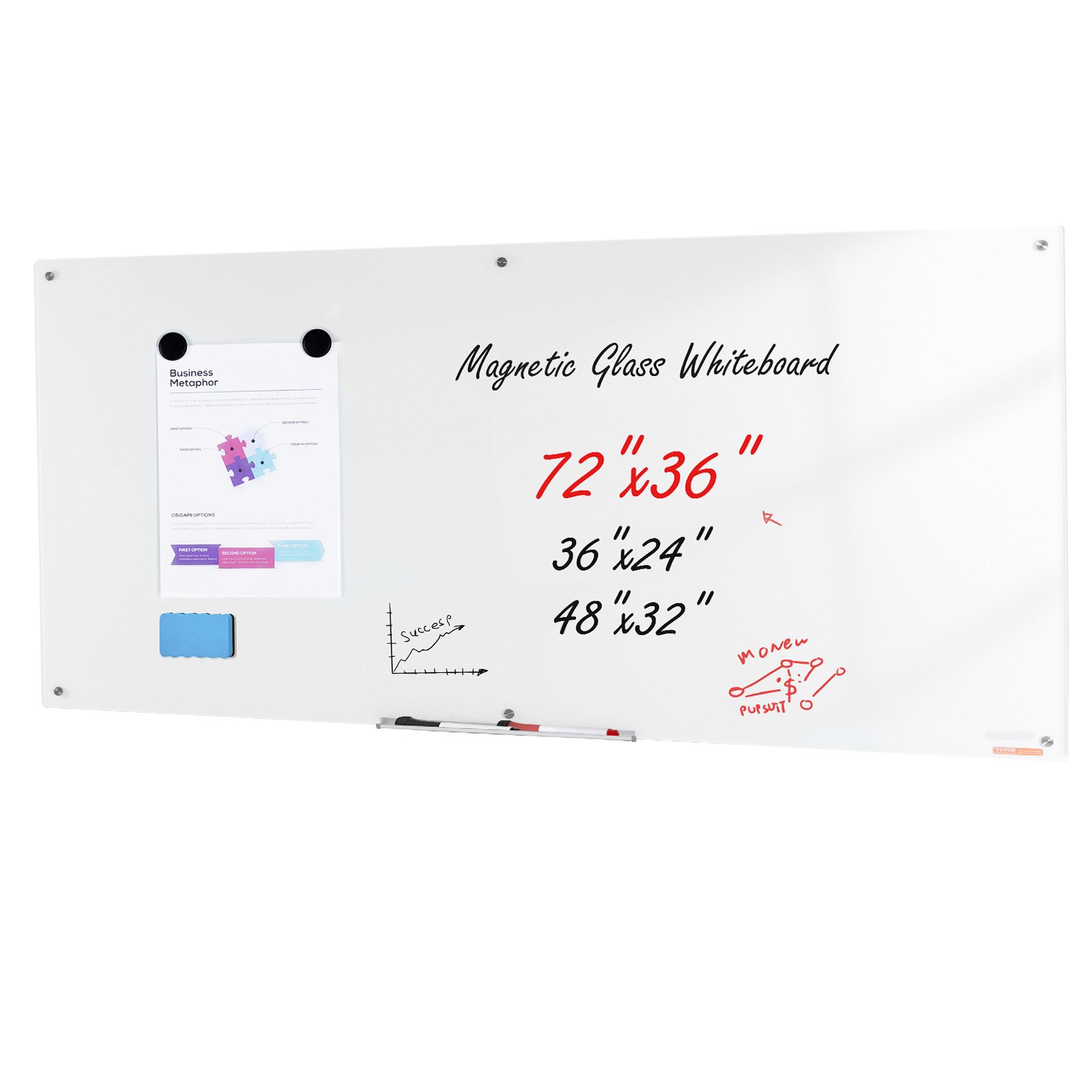 Magnetic Glass Whiteboard, Dry Erase Board 72'x36', Wall-Mounted Large White Glassboard Frameless, With Marker Tray, An Eraser And 2 Markers$182.99View on Mallflare
- VIZ-PRO Magnetic Dry Erase White Board 60 x 48 Inches Large Wall Mounted Board$237.41New · Last checked Nov 17, 2026View on eBay
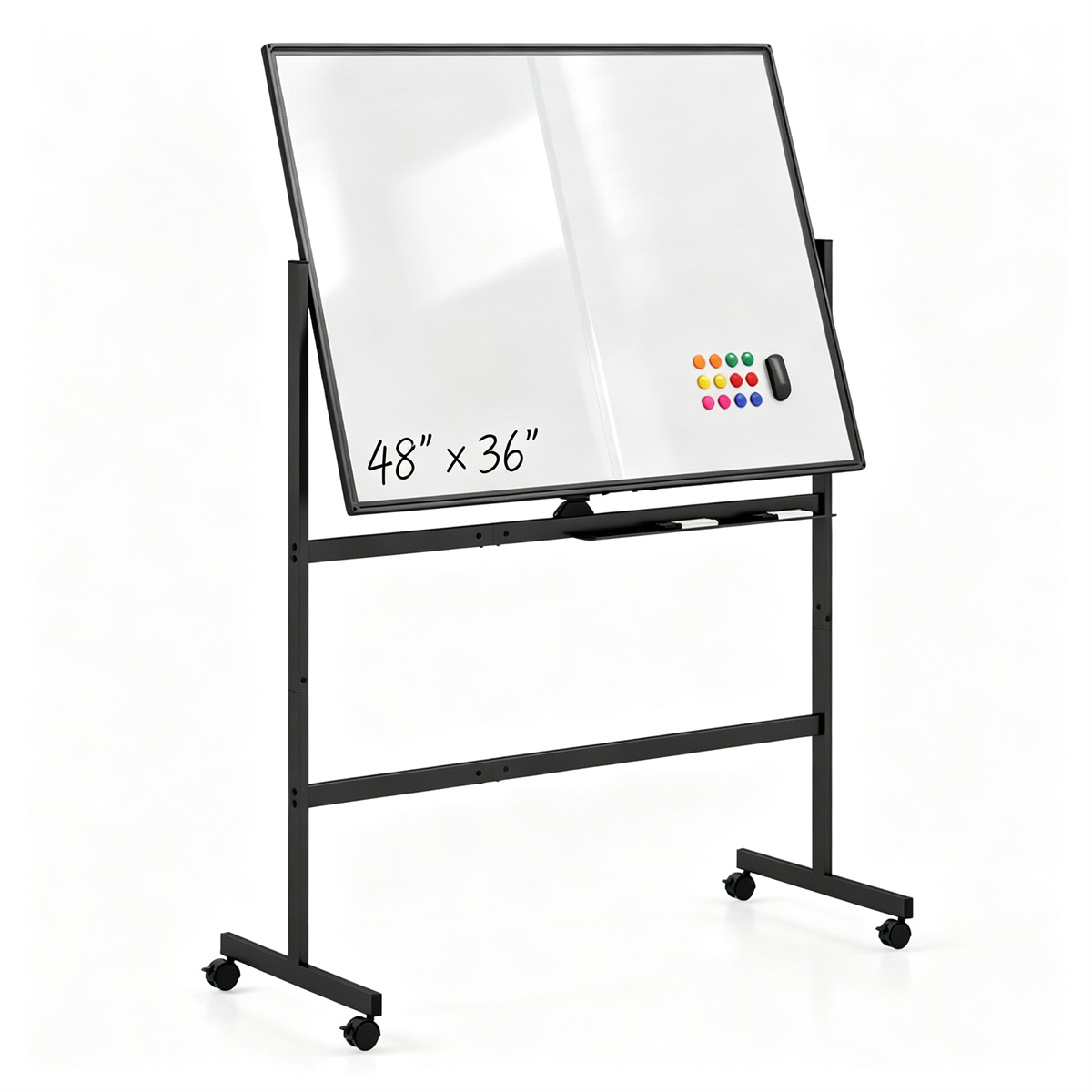 360° Rotating Double-Sided Whiteboard, 48" x 36" Magnetic Dry Erase Board with Lockable Universal Wheels, Aluminum Alloy Frame Mobile White Marker Tray & Complete Accessory Kit - Black$193.99View on Mallflare
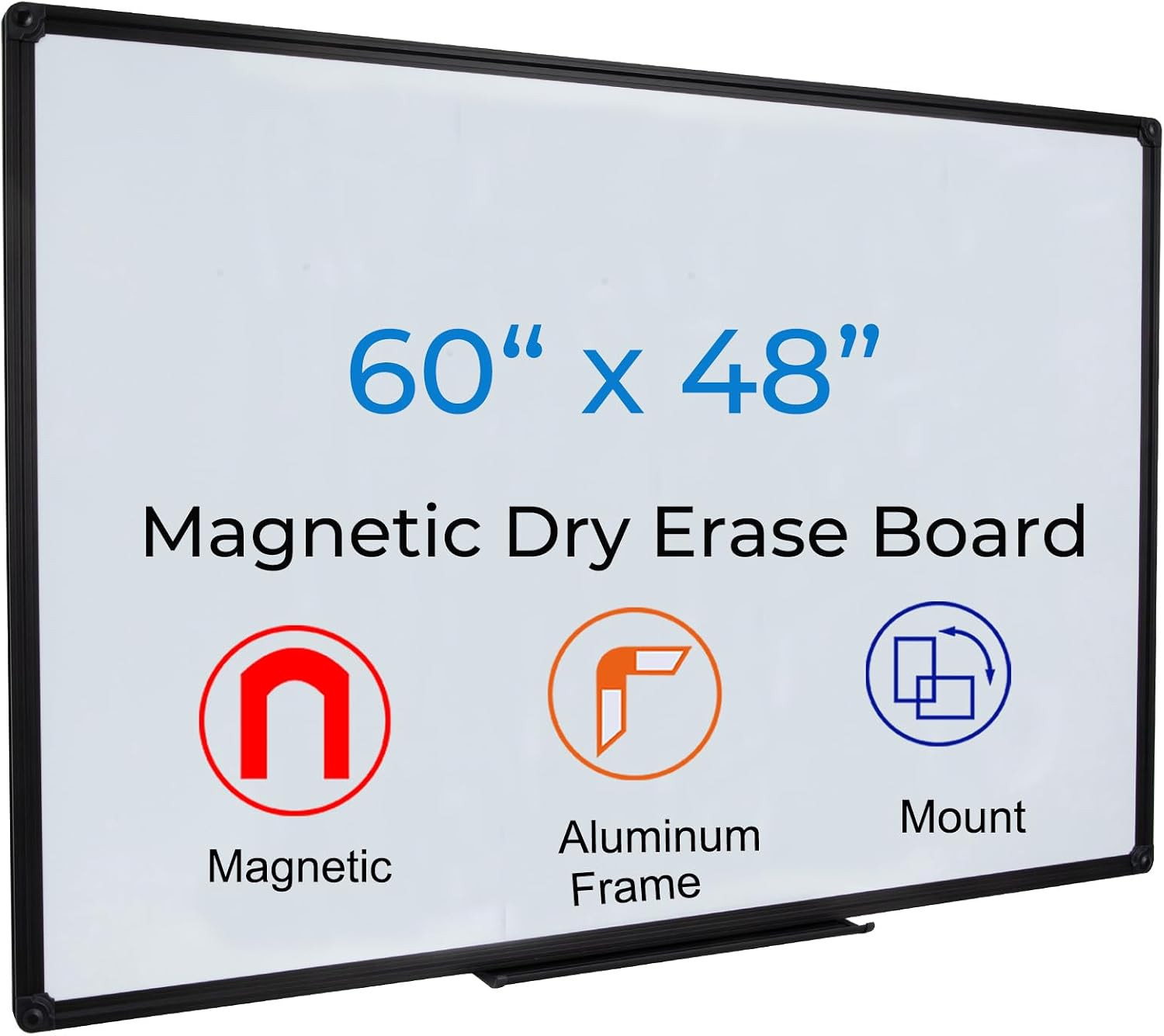 Large Magnetic White Board Dry Erase for Wall, Black Frame, 60 X 48 Inch$244.58New · Last checked Nov 17, 2026View on eBay
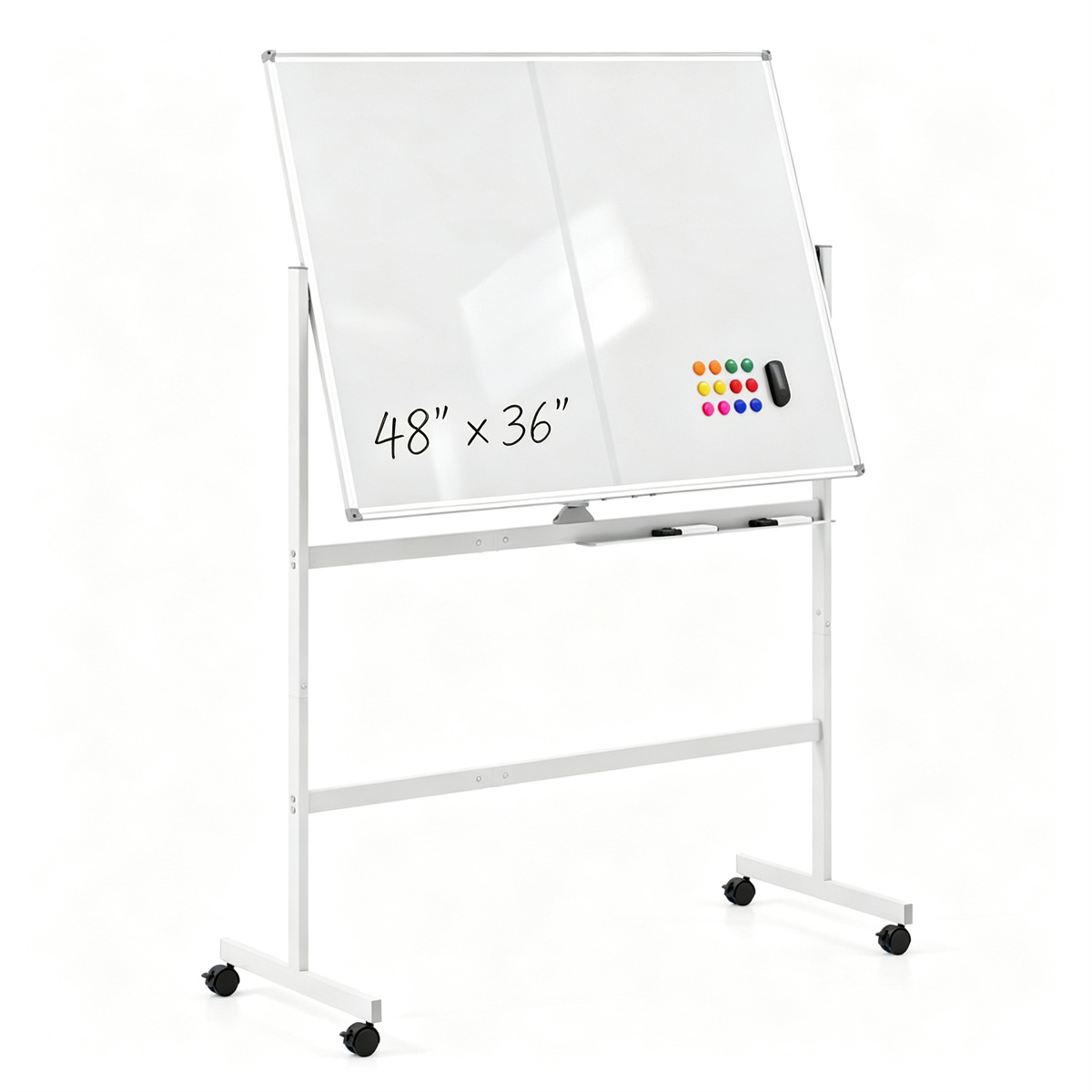 360° Rotating Double-Sided Whiteboard, 48" x 36" Magnetic Dry Erase Board with Lockable Universal Wheels, Aluminum Alloy Frame Mobile White Marker Tray & Complete Accessory Kit$193.99View on Mallflare
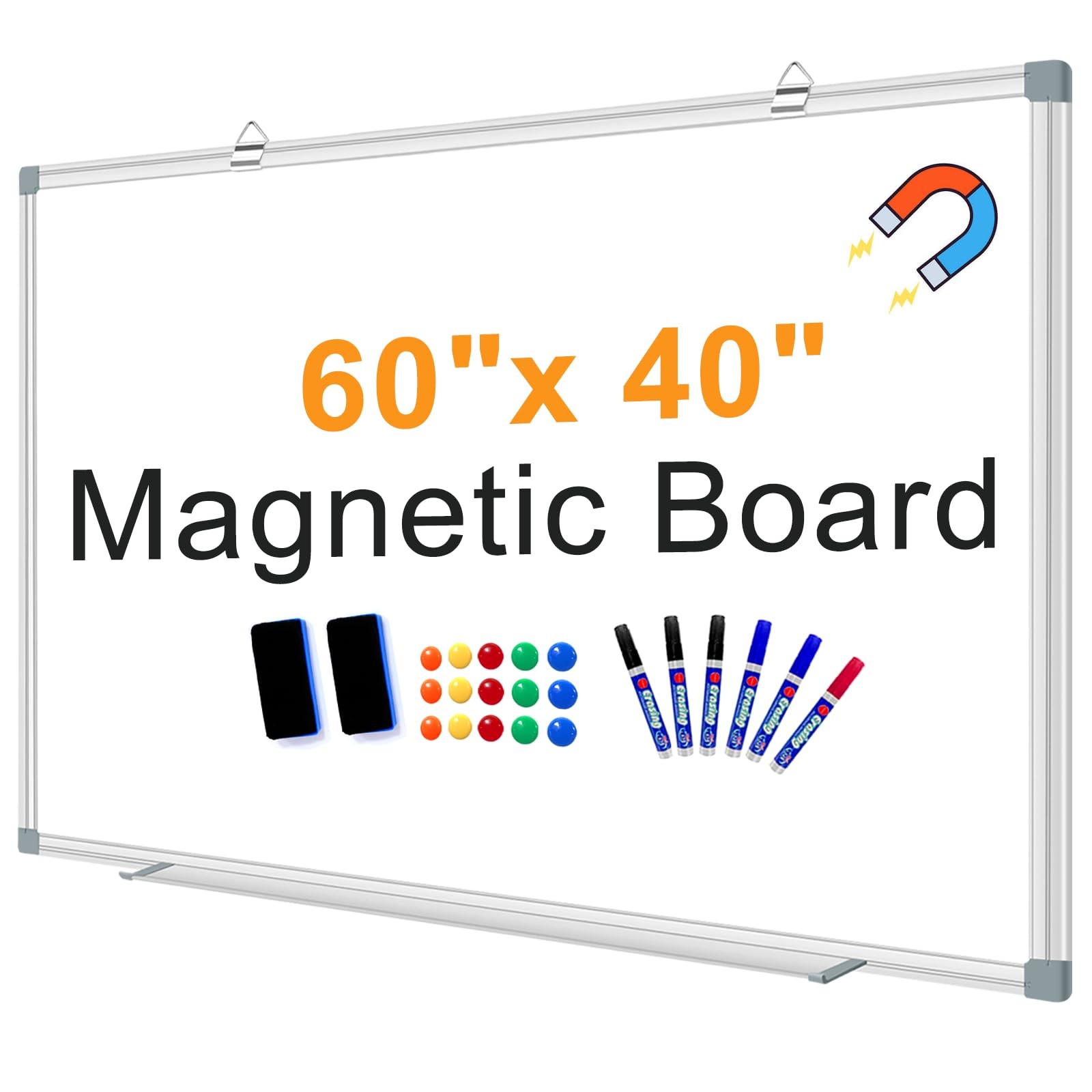 Large Magnetic Dry Erase Whiteboard Board For Wall Home Office Classroom 60"X40"$246.77New · Last checked Nov 27, 2026View on eBay
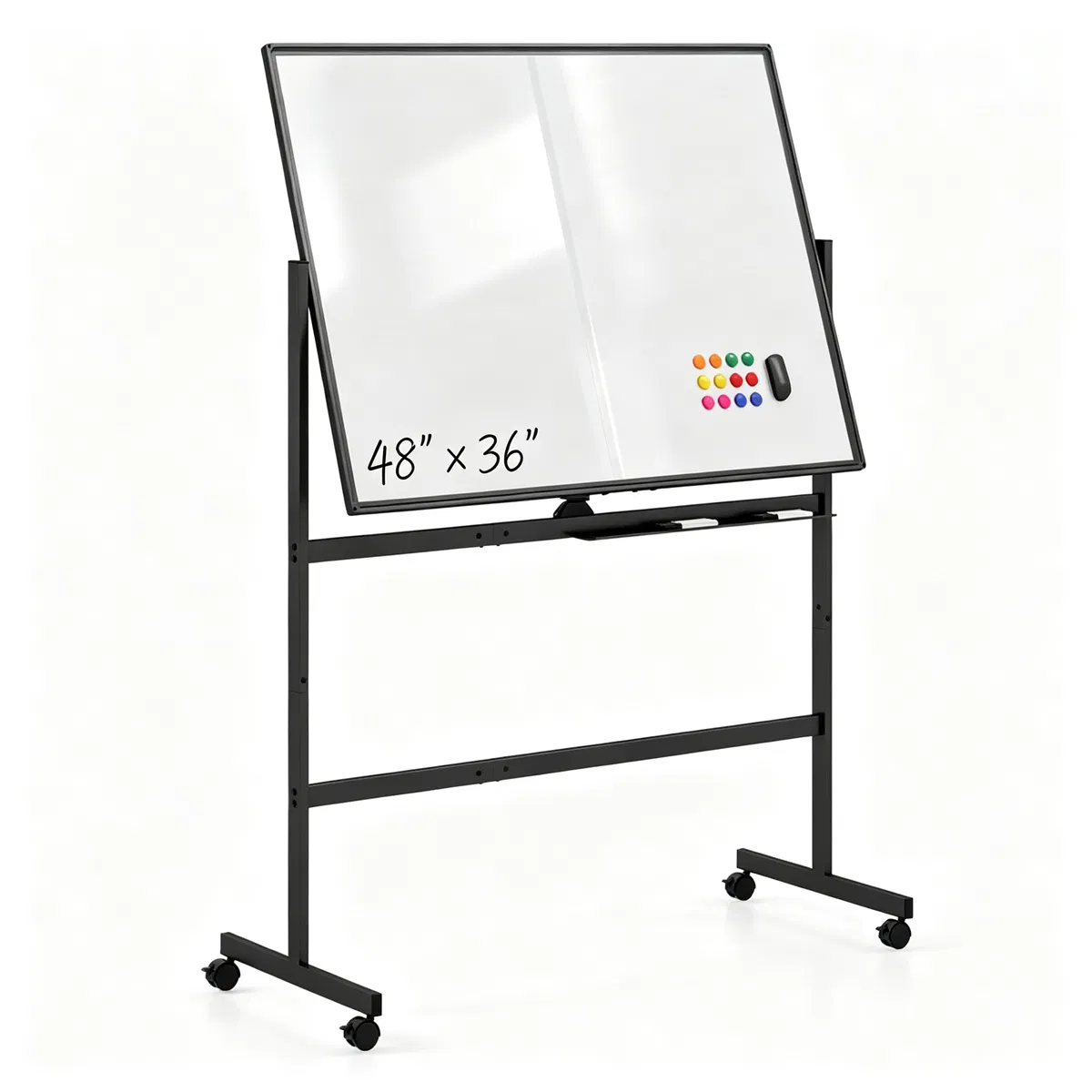 360 Rotating Double-Sided Whiteboard, 48" x 36" Magnetic Dry Erase Board with Lockable Universal Wheels, Aluminum Alloy Frame Mobile White Marker Tray & Complete Accessory Kit - Black$203.99View on Mallflare
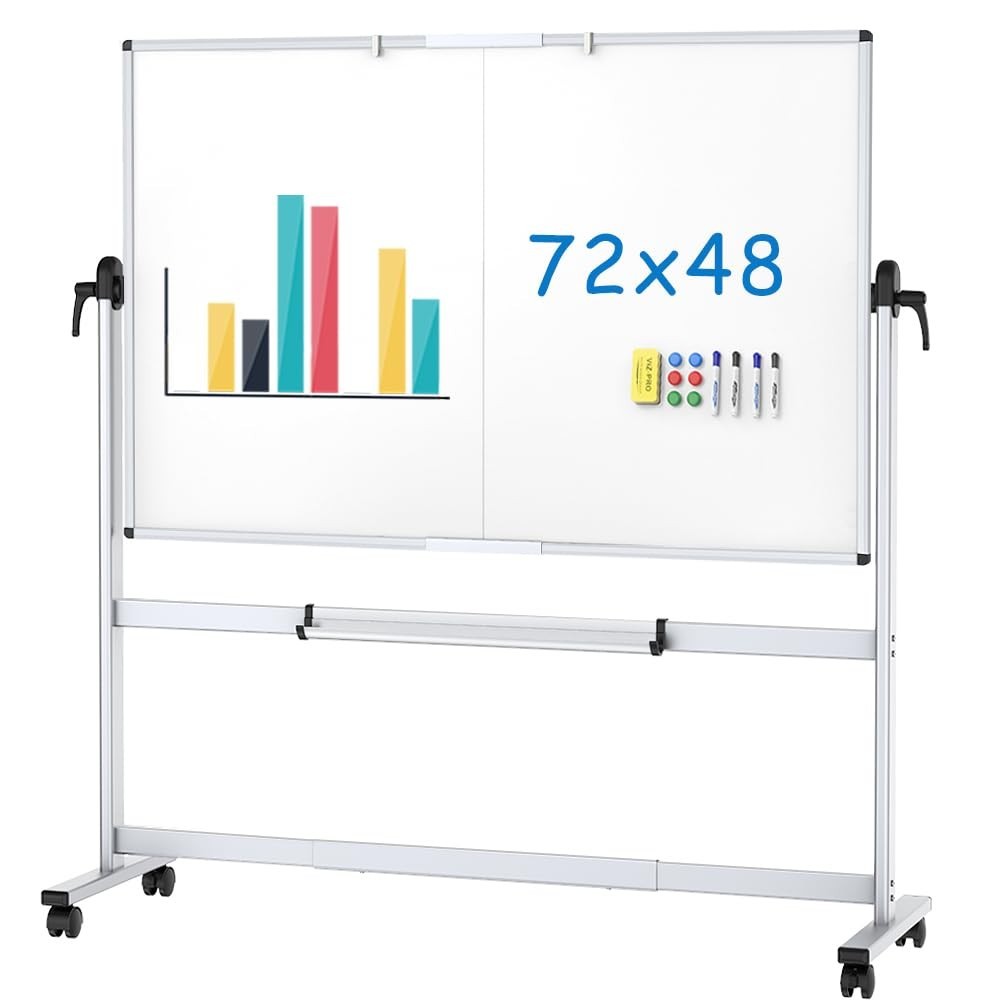 VIZ-PRO Double-Sided Mobile Whiteboard 72 x 48" Magnetic Rolling Dry Erase Board$246.91New · Last checked Nov 17, 2026View on eBay
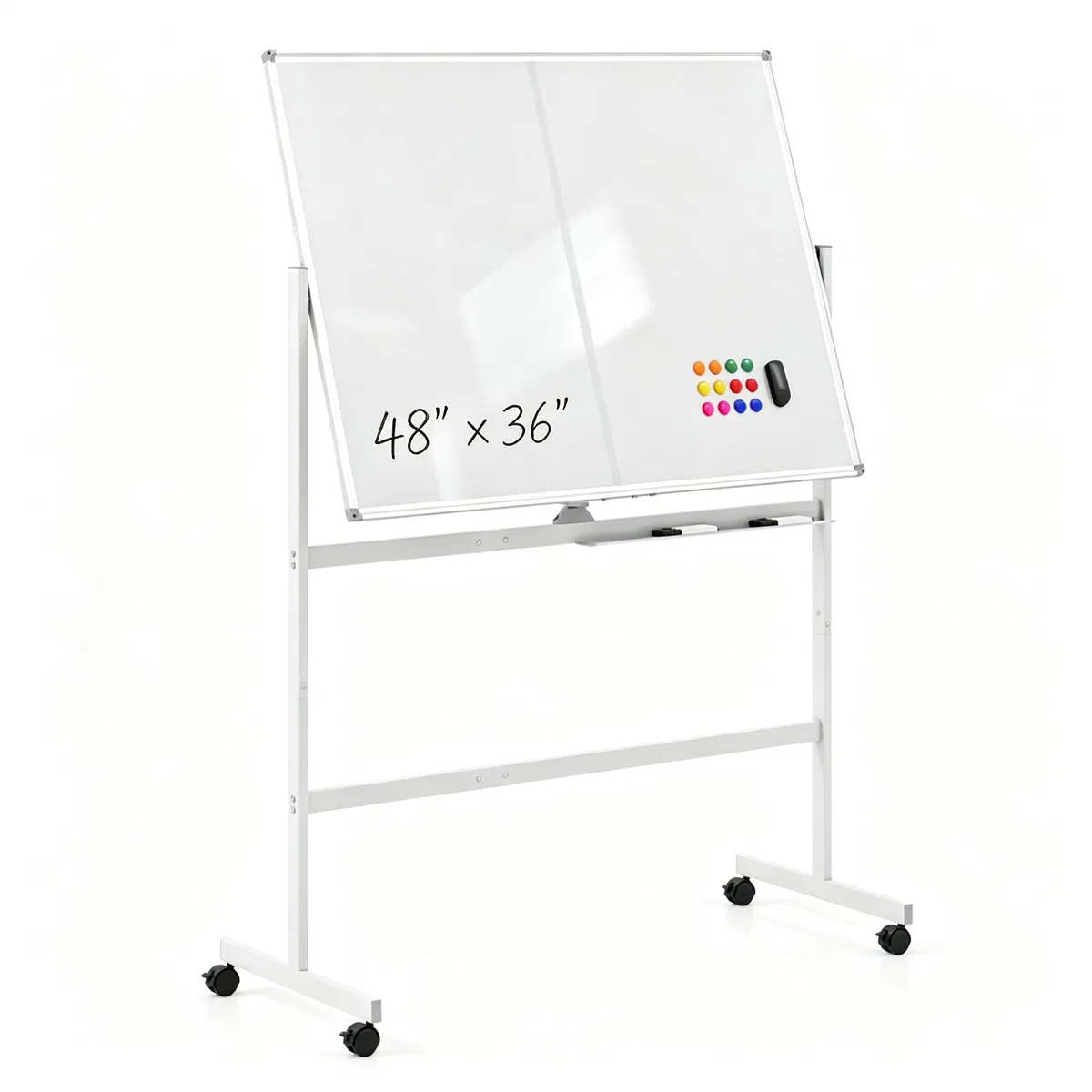 360 Rotating Double-Sided Whiteboard, 48" x 36" Magnetic Dry Erase Board with Lockable Universal Wheels, Aluminum Alloy Frame Mobile White Marker Tray & Complete Accessory Kit$203.99View on Mallflare
Highlights
- Surface grade decides life: porcelain-on-steel resists ghosting and scratches for decades; tempered glass never stains but needs strong neodymium magnets; painted steel is the budget tier.
- Magnet hold scales with steel backing gauge—0.5 mm or thicker steel holds a 1 lb magnet, while thin 0.3 mm panels drop light notes; glass boards need rare-earth magnets.
- Mobile units are rated by wheel type and braking: lockable 2–3 inch casters with dual locks prevent drift; fixed non-locking wheels are a classroom safety compromise.
- Double-sided reversible boards swing on a center hinge; check that the hinge locks at 0°/180° and that the frame is aluminum alloy (not plastic) for wobble-free writing.
Best use cases
- Wall-mounted home office or kitchen: pick a 36x24 in aluminum-framed steel board with included drywall anchors and a marker tray; skip rolling boards in tight rooms.
- Classroom or meeting room needing two surfaces: choose a 48x36 in double-sided 360° rotating board on lockable casters—single-sided fixed boards waste wall space.
- High-traffic clinic, lab, or executive office: specify tempered-glass magnetic board with a steel backer for stain-proof daily cleaning; avoid painted-steel boards that ghost.
- Fridge or metal cabinet notes: use a thin 0.5–1 mm flexible magnetic sheet or small magnet board—rigid framed boards are wrong for curved appliance doors.
Buying tips
- Size rule: allow 24 in of clear wall per seated viewer; a 36x24 in board suits 2–3 people, 48x36 in suits 4–6, and 72 in+ widths need two-person mounting.
- Frame and backing: aluminum alloy frame with a corrugated steel or MDF backer stays flat; all-plastic frames flex and crack at the corners under marker pressure.
- Mobile boards: choose 2–3 in dual-locking casters and a base width at least 60% of board width to prevent tipping when the board is rotated.
- Glass vs steel: glass needs neodymium magnets (ferrite won't hold) and shows fingerprints; porcelain-enameled steel takes standard magnets and erases cleanly.
Specs
| Surface Type | Painted steel / Porcelain steel / Glass |
|---|---|
| Magnet Hold | Standard ferrite vs neodymium (glass) |
| Mount Style | Wall-fixed / Rolling / Reversible |
| Common Sizes | 36x24, 48x36, 72x48 in |
Related searches
What to check before buying
- Measure the wall: finished width and height plus 12 in clearance below for a marker tray; studs or drywall anchors must carry the board's shipping weight plus 20 lb.
- Confirm door and hallway widths exceed the board's carton diagonal for rolling boards; assembled mobile units often don't fit through 30 in doors.
- Check the mounting kit: wall boards need included anchors and a level; masonry or tile walls require specific masonry plugs not always supplied.
- For glass boards, verify the wall can take the higher weight (glass is 2–3x steel) and that the room has soft lighting to reduce glare.
FAQ
Data sources: eBay / Amazon listings and product attribute feeds. Updated Nov 28, 2026.
Some links on this page are affiliate links. If you buy after clicking one, we may earn a commission at no extra cost to you. This does not change which products appear here or their order. Affiliate disclosure.