
Photos from current listings. Actual item, color, and included accessories may vary.
Dry Erase Board With Lines Buying Guide
A dry erase board with lines is a whiteboard pre-printed with ruled guides (usually horizontal lines or grids) for structured writing, scheduling, or handwriting practice. The core trade-off is surface quality vs. print durability: cheaper boards use vinyl decals or thin melamine that peel and ghost, while quality boards use ceramic-steel, tempered glass, or factory-baked aluminum surfaces that hold fine lines and erase clean. The decision rule: buy ceramic-steel or glass for daily use; accept melamine or printed vinyl only for low-traffic, light-duty wall boards.
Median $232.66 · New listings
Key takeaways
- Surface grade decides line longevity: ceramic-on-steel resists ghosting and holds printed feint lines; melamine and vinyl-decal boards scratch and fade within months of heavy use.
- Aluminum frames with reinforced corners resist warping on large boards; thin plastic or MDF frames flex and crack under 36x48 in and larger panels.
- Magnetic surfaces require a steel backer; glass and melamine boards are typically non-magnetic unless specified, affecting accessory and paper attachment.
At a glance
- Category
- Meeting & Presentation Equipment
- Last updated
- Nov 28, 2026
Current offers
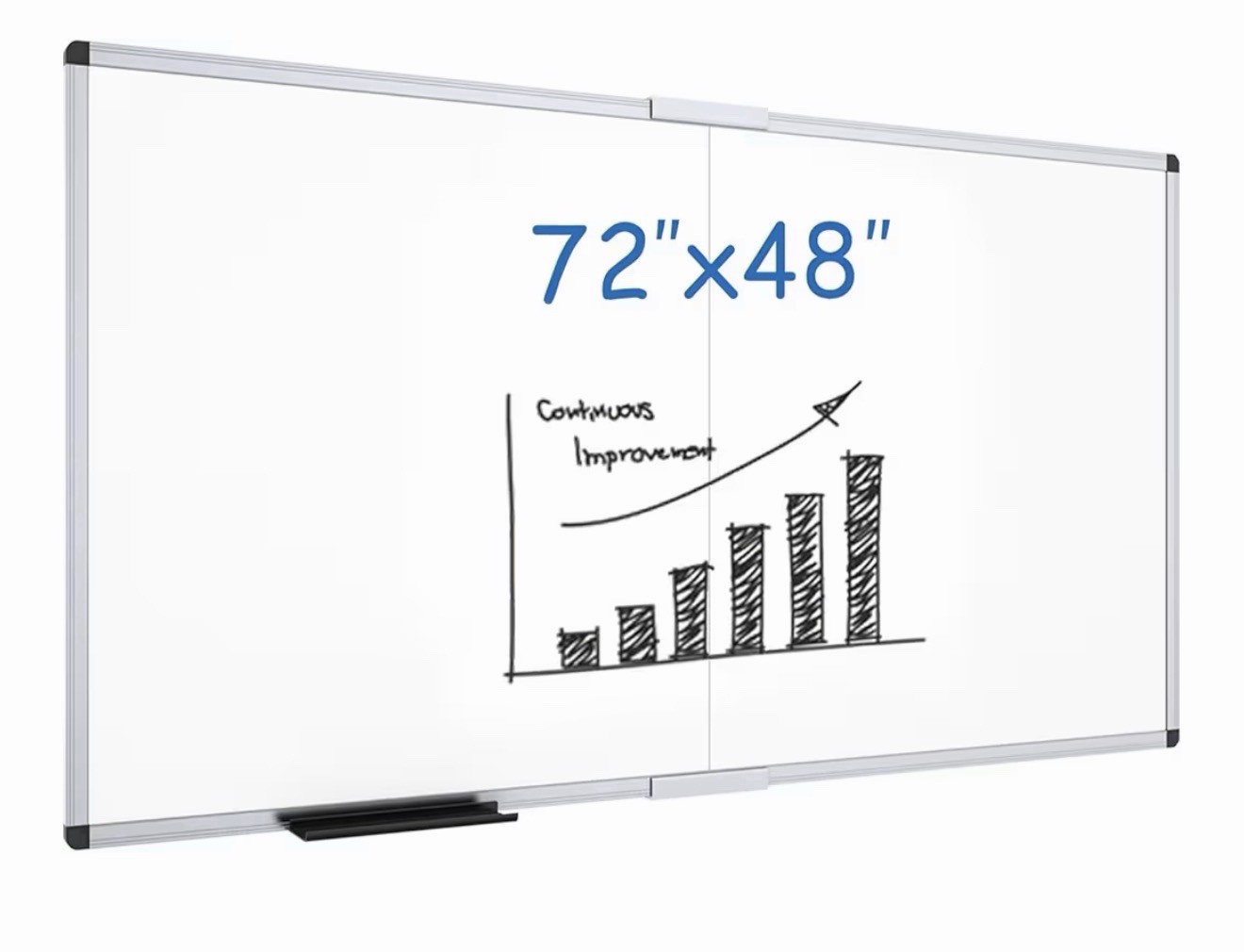 VIZ-PRO Large Magnetic Whiteboard/Foldable Dry Erase Board, 72 X 48 Inches$200.00New · Last checked Nov 17, 2026View on eBay
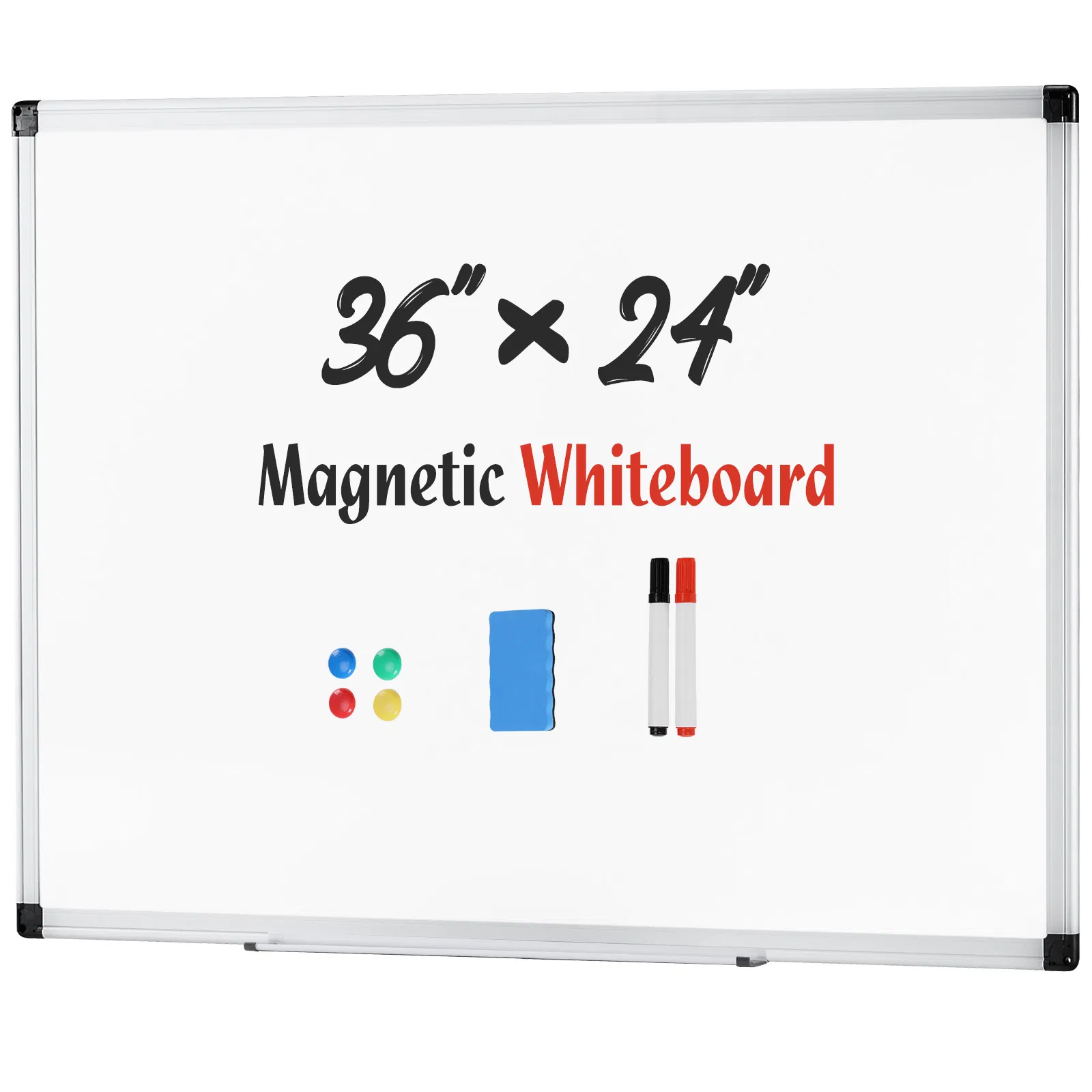 Magnetic Dry Erase Board, 36 X 24 Inches White for Home Office School,Sliver Reinforced Aluminum Frame$49.99View on Mallflare
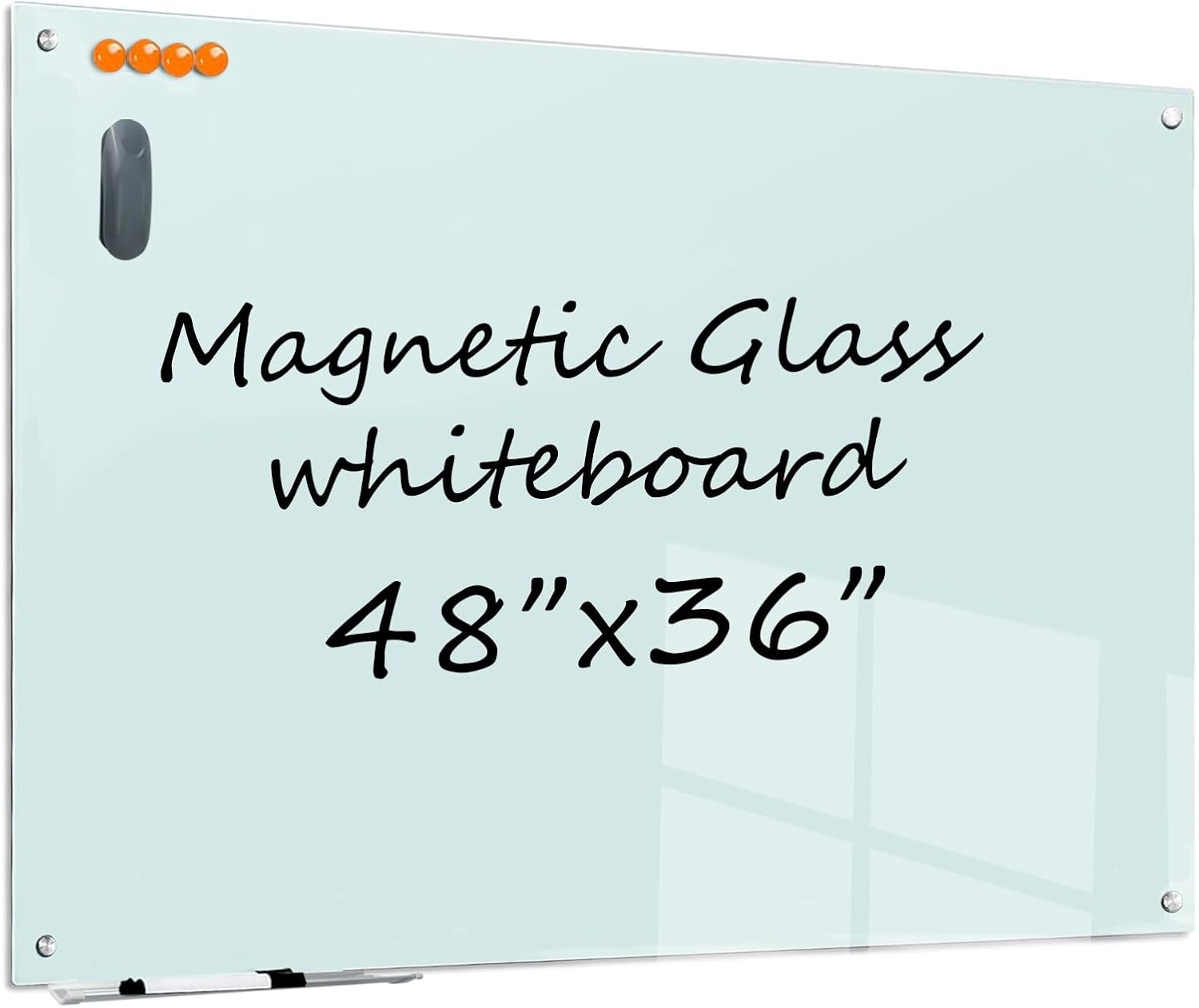 Glass Dry Erase White Board - 48 X 36 Inches Magnetic Glass Whiteboard for Wall$205.99New · Last checked Nov 27, 2026View on eBay
 36 X 24 inches Magnetic Dry Erase Board with Aluminum Frame, Whiteboard for Home School$78.99View on Mallflare
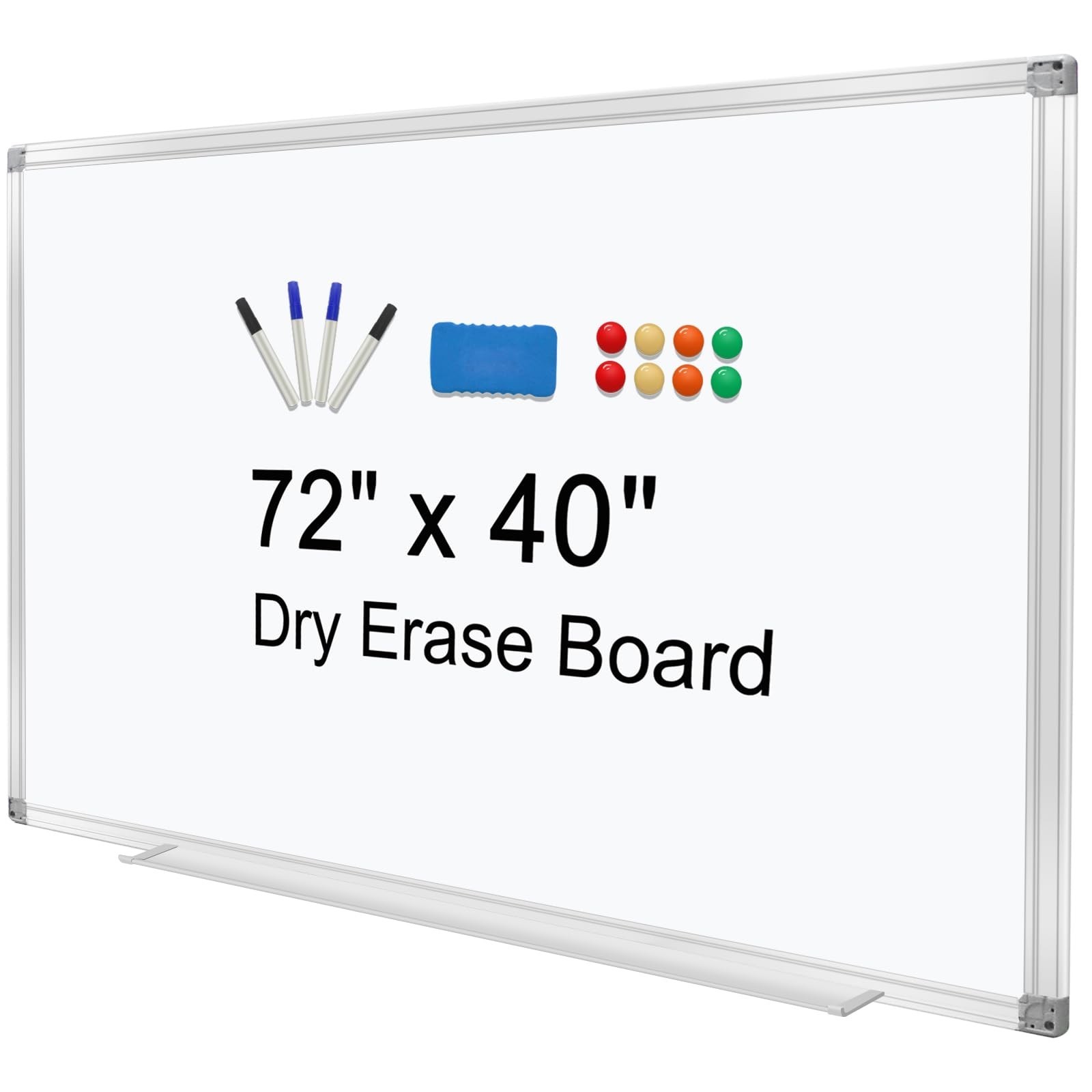 H-Qprobd Dry Erase Board for Wall 72"x40" Aluminum Presentation Magnetic Whit...$206.59New · Last checked Nov 27, 2026View on eBay
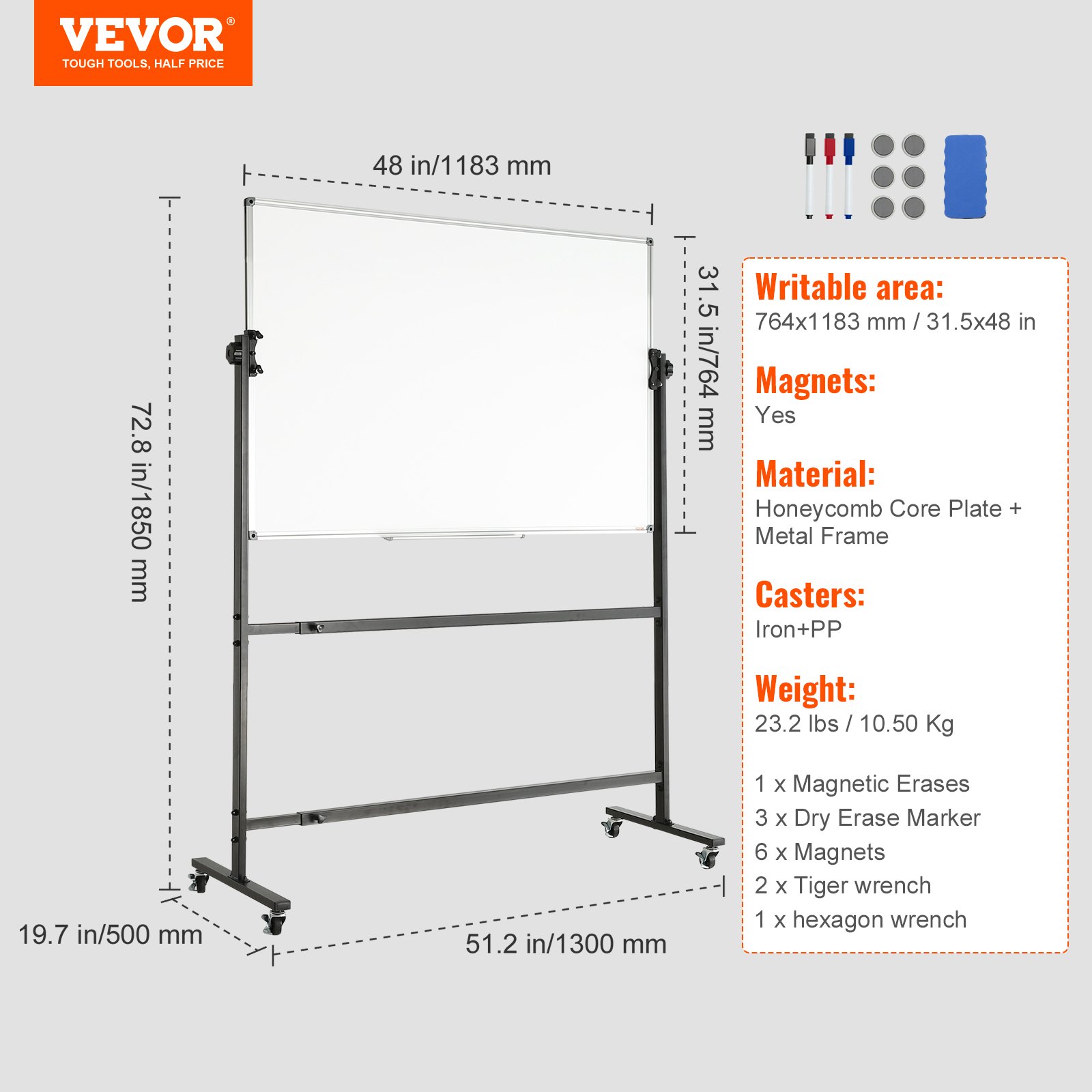 VEVOR Rolling Whiteboard, 48x32 Inch Double-Sided Magnetic Mobile Reversible Adjustable Height Dry Erase Board With Wheels & Movable Tray For Office School$81.99View on Mallflare
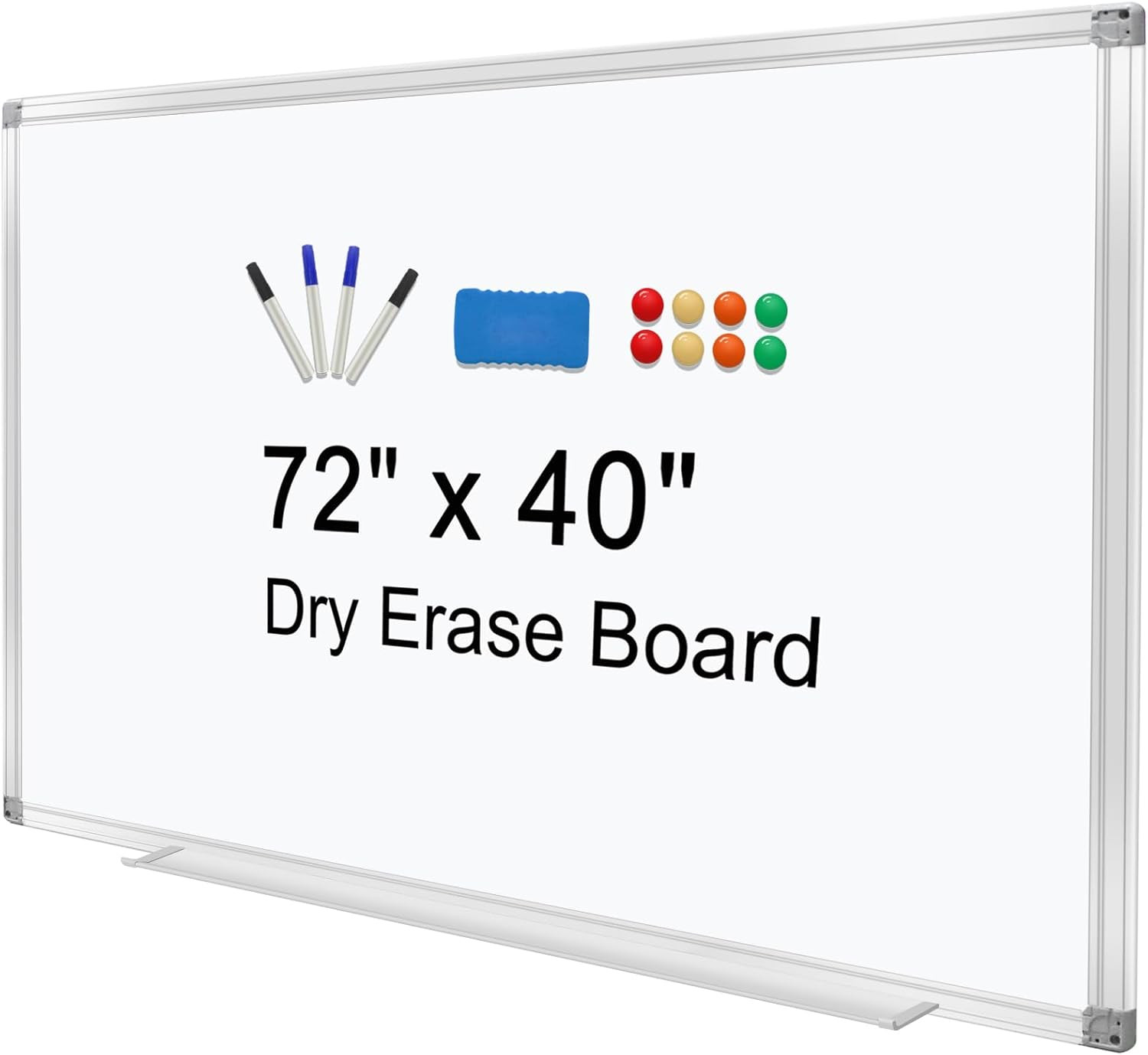 Dry Erase Board for Wall 72"X40" Aluminum Presentation Magnetic Whiteboard with$213.91New · Last checked Nov 27, 2026View on eBay
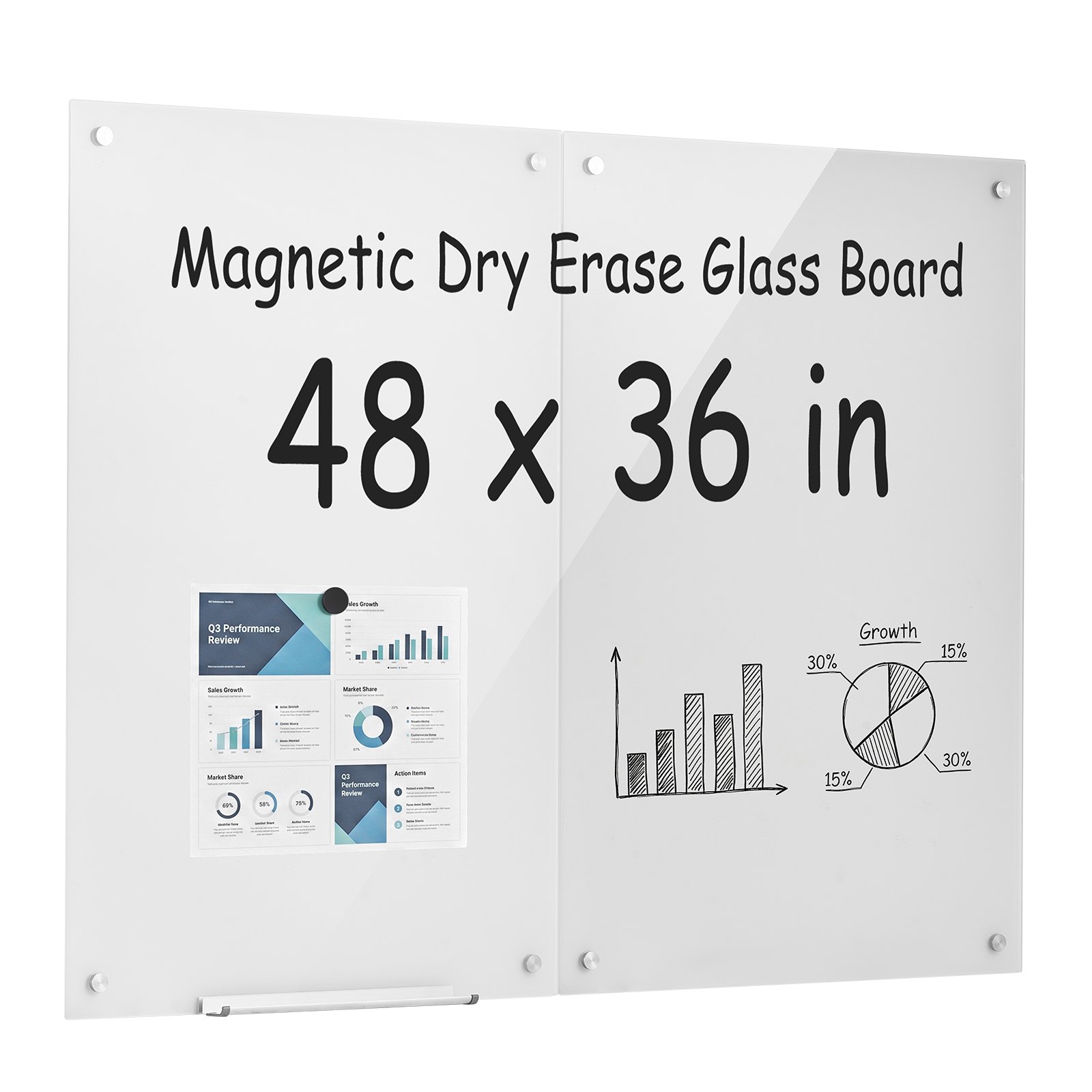 Glass Dry Erase Board 2 Pack 35.4 x 23.6 in White Magnetic Whiteboard, Wall-Mounted, Frameless, Thick Tempered with Markers, Magnets and Eraser, for Office, School Classroom, Home Study$94.99View on Mallflare
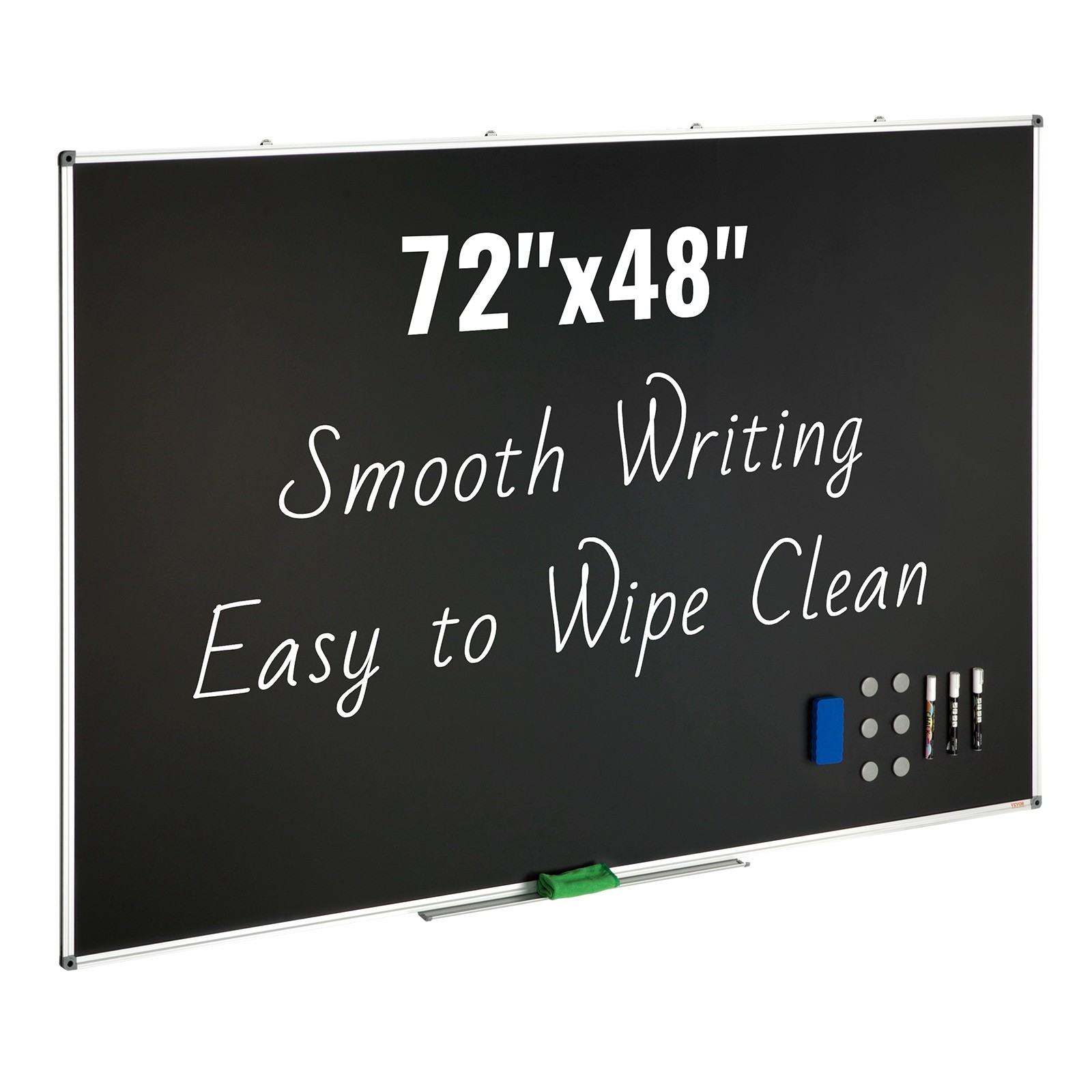 Large Magnetic Whiteboard/Foldable Dry Erase Board, 72 X 48 Inches$218.29New · Last checked Nov 17, 2026View on eBay
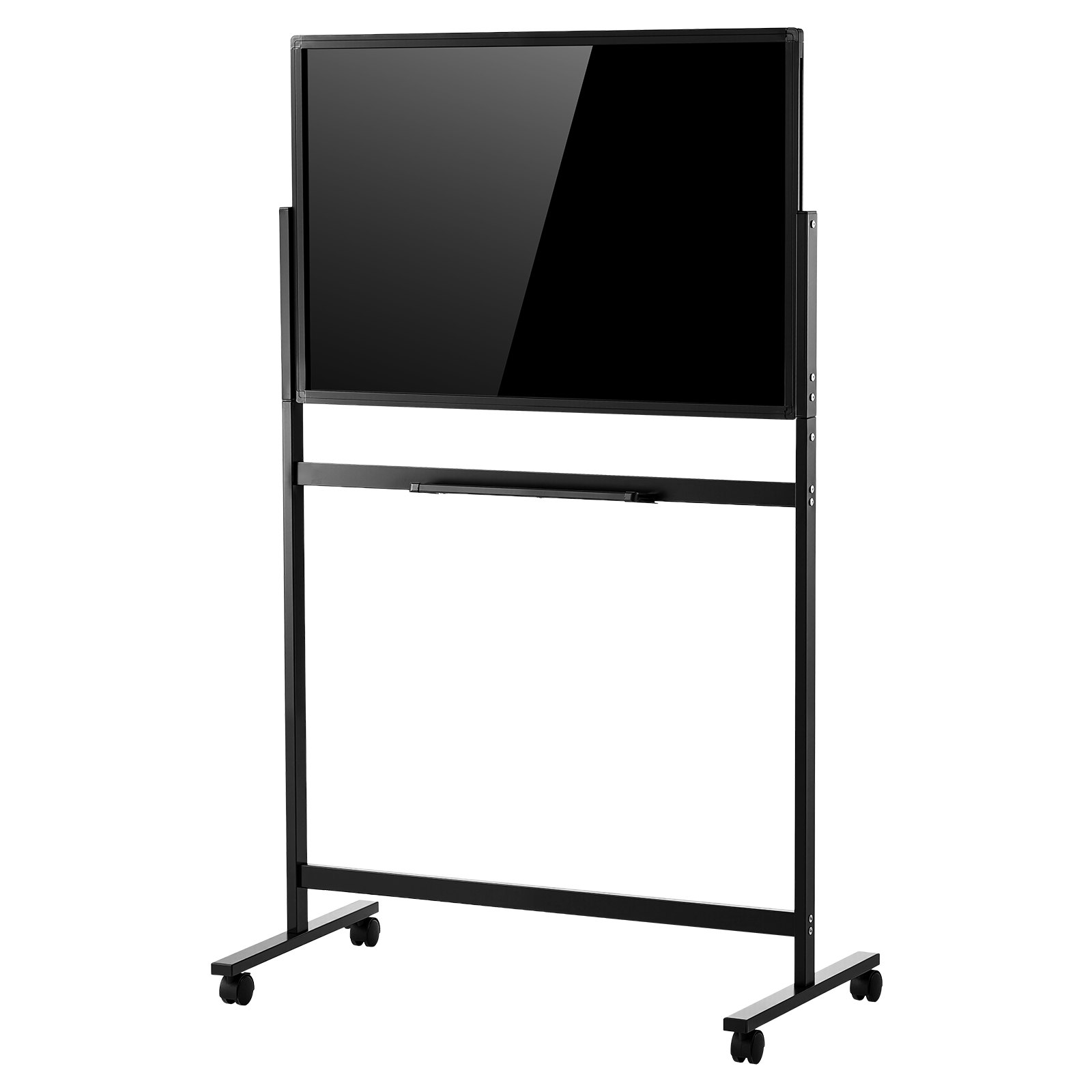 Glass Dry Erase Board 35 x 23 in Magnetic Whiteboard with Base Black, Frameless, Mobile Stand and Wheels, Includes Markers, Magnets and Eraser, for Office, School Classroom, and Home$119.99View on Mallflare
 VIZ-PRO Magnetic Dry Erase White Board 72 x 48 Inches Large Wall Mounted Board$218.41New · Last checked Nov 17, 2026View on eBay
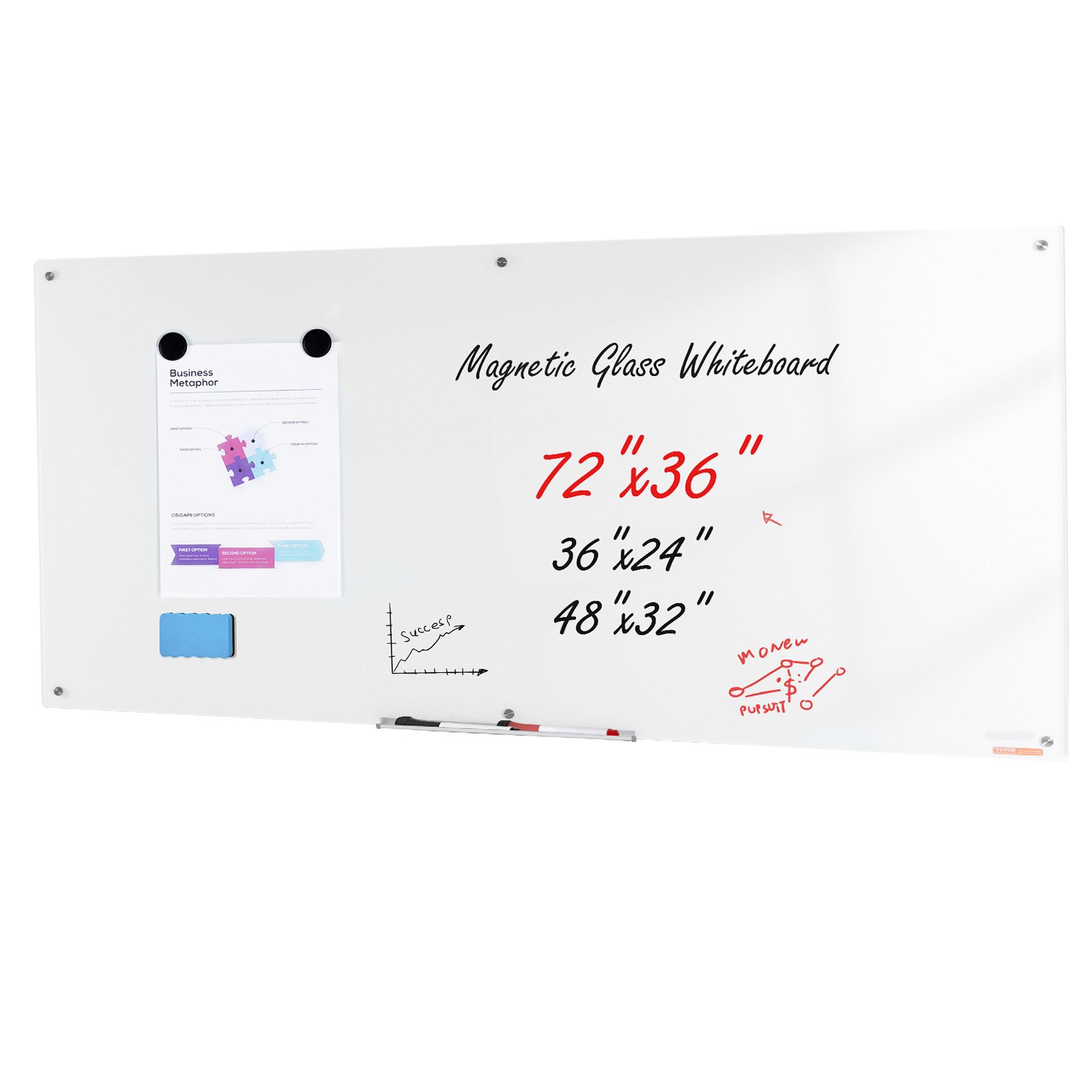 Magnetic Glass Whiteboard, Dry Erase Board 72'x36', Wall-Mounted Large White Glassboard Frameless, With Marker Tray, An Eraser And 2 Markers$182.99View on Mallflare
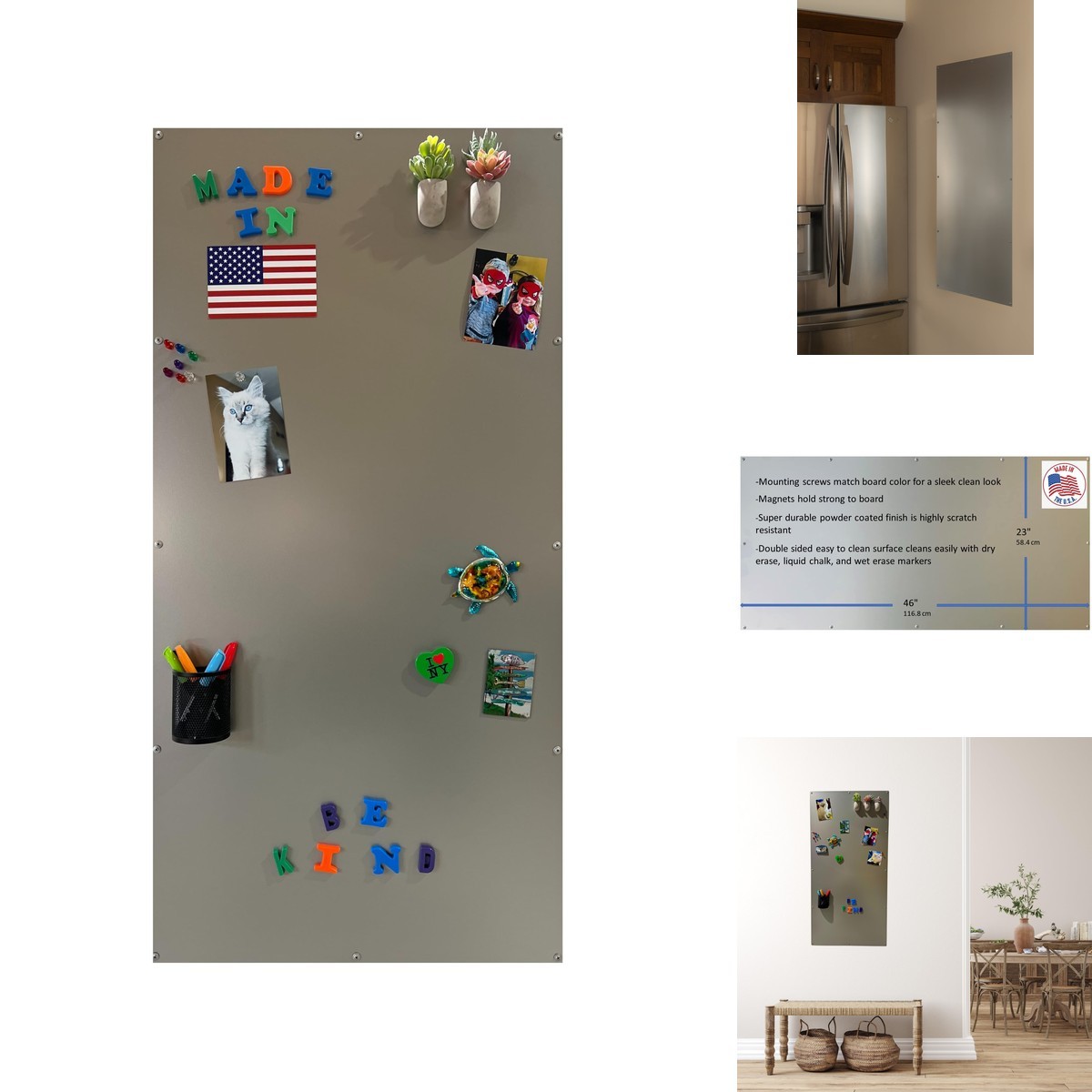 Large Magnetic Wall Board - Dry Erase - Metallic Silver 23"Wx46 L$220.08New · Last checked Nov 17, 2026View on eBay
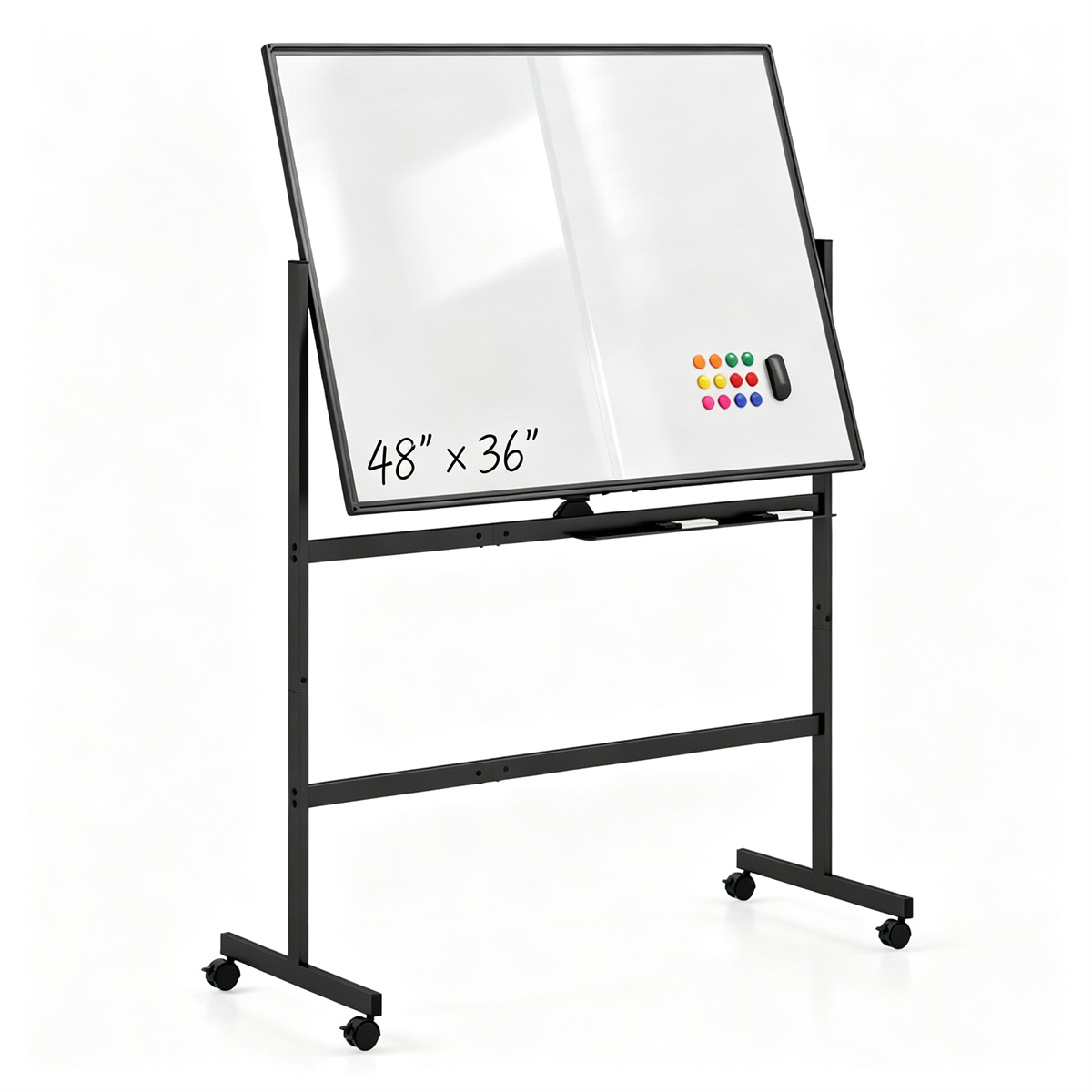 360° Rotating Double-Sided Whiteboard, 48" x 36" Magnetic Dry Erase Board with Lockable Universal Wheels, Aluminum Alloy Frame Mobile White Marker Tray & Complete Accessory Kit - Black$193.99View on Mallflare
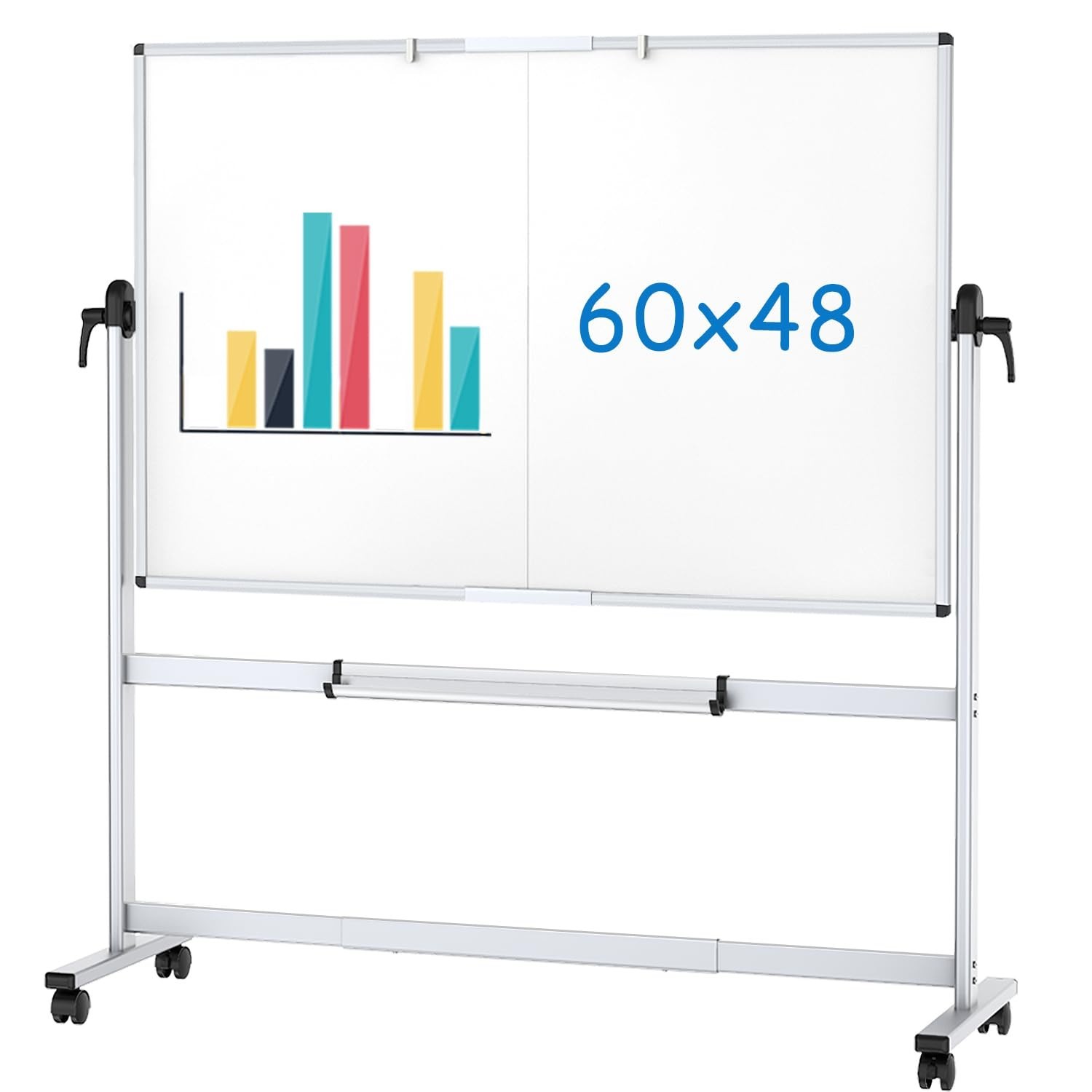 VIZ-PRO Double-Sided Mobile Whiteboard 60x 48" Magnetic Rolling Dry Erase Board$227.91New · Last checked Nov 17, 2026View on eBay
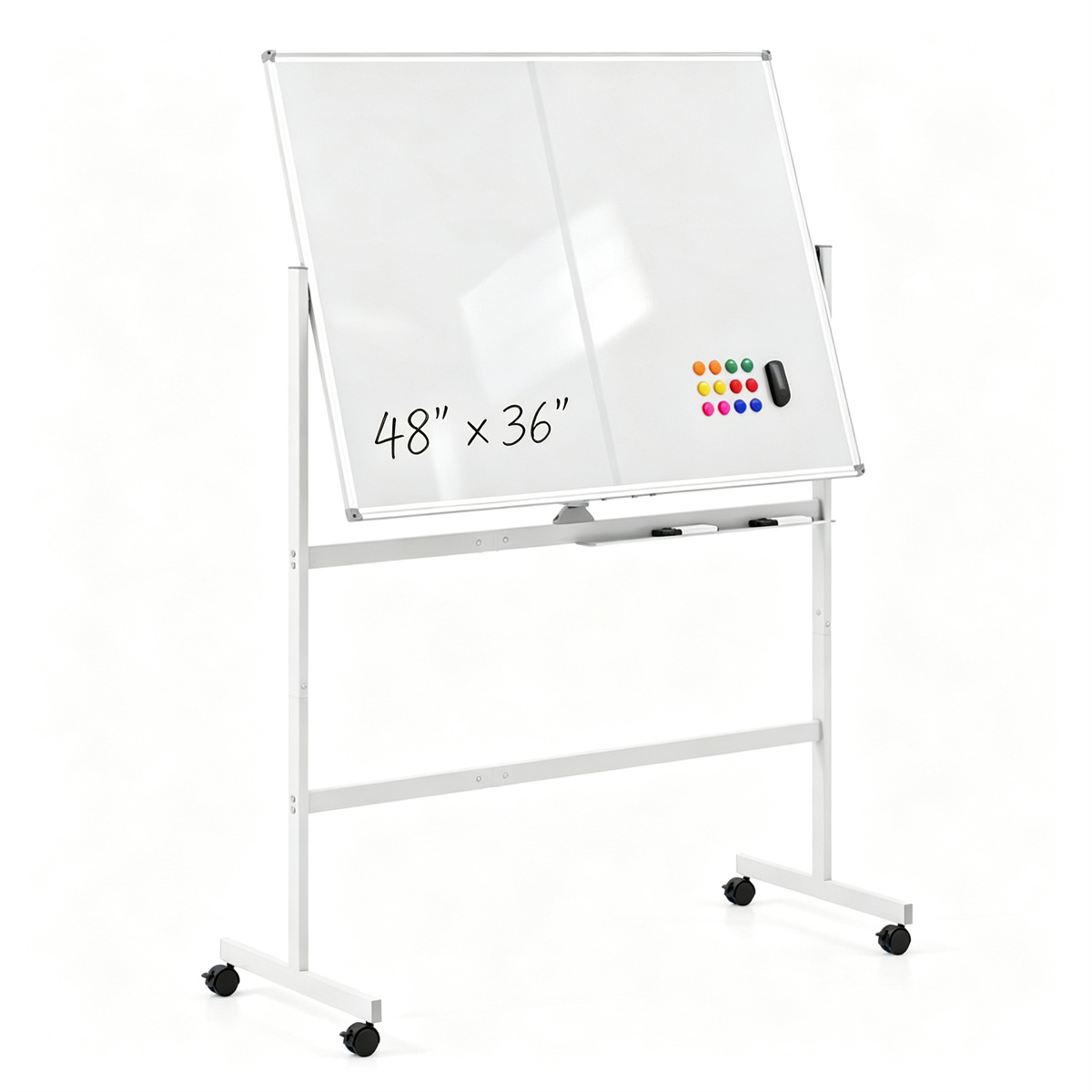 360° Rotating Double-Sided Whiteboard, 48" x 36" Magnetic Dry Erase Board with Lockable Universal Wheels, Aluminum Alloy Frame Mobile White Marker Tray & Complete Accessory Kit$193.99View on Mallflare
- VIZ-PRO Magnetic Dry Erase White Board 60 x 48 Inches Large Wall Mounted Board$237.41New · Last checked Nov 17, 2026View on eBay
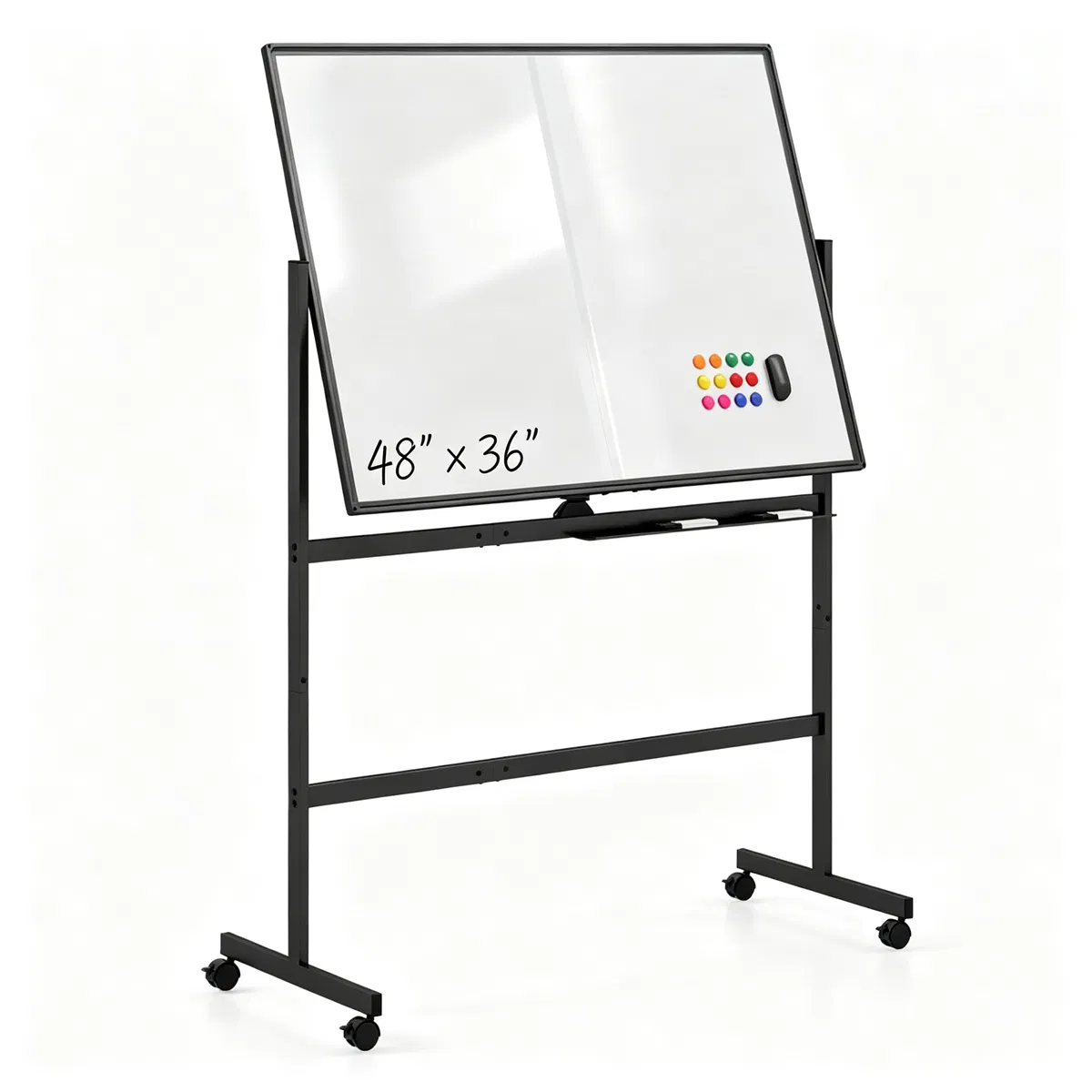 360 Rotating Double-Sided Whiteboard, 48" x 36" Magnetic Dry Erase Board with Lockable Universal Wheels, Aluminum Alloy Frame Mobile White Marker Tray & Complete Accessory Kit - Black$203.99View on Mallflare
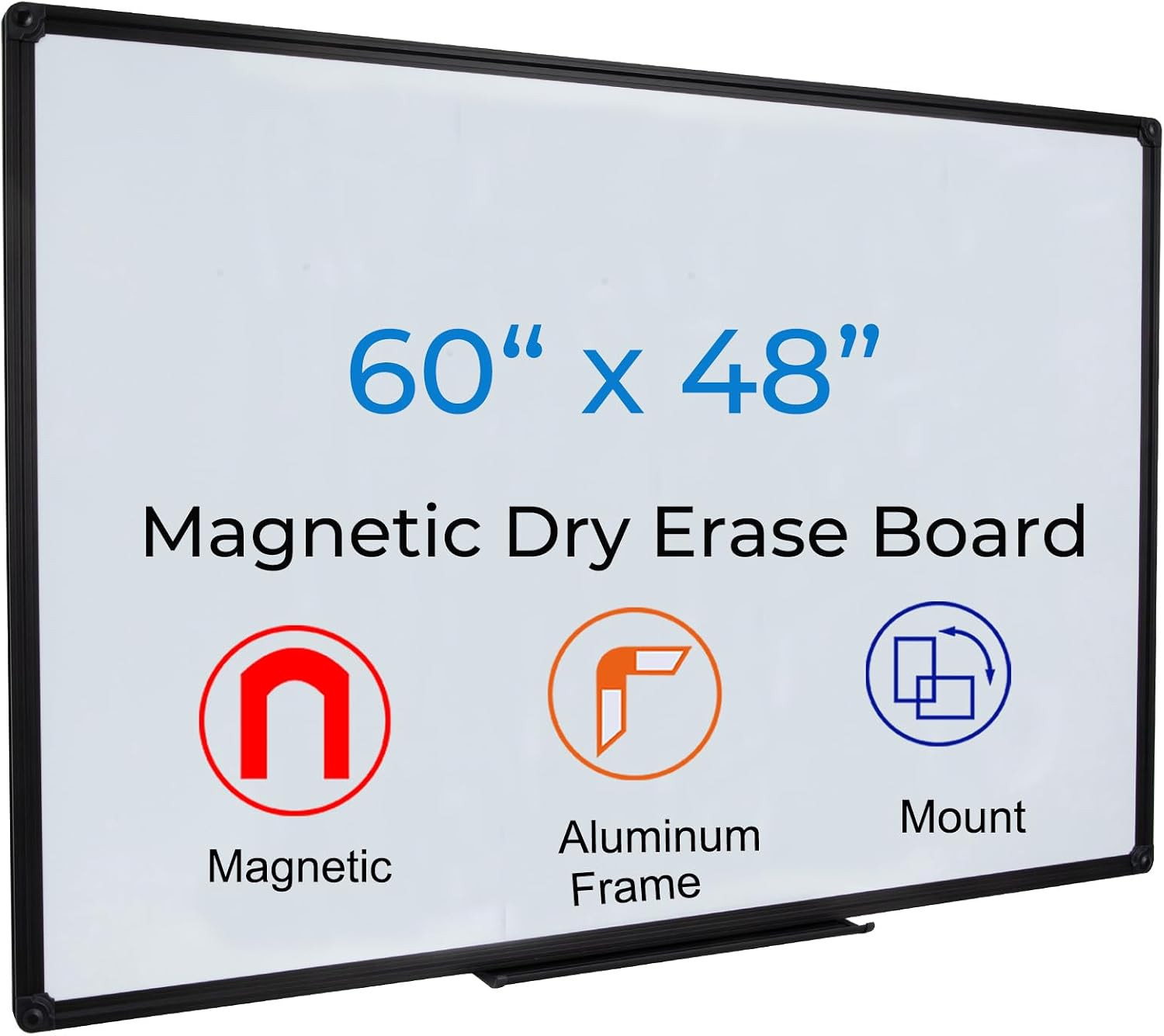 Large Magnetic White Board Dry Erase for Wall, Black Frame, 60 X 48 Inch$244.58New · Last checked Nov 17, 2026View on eBay
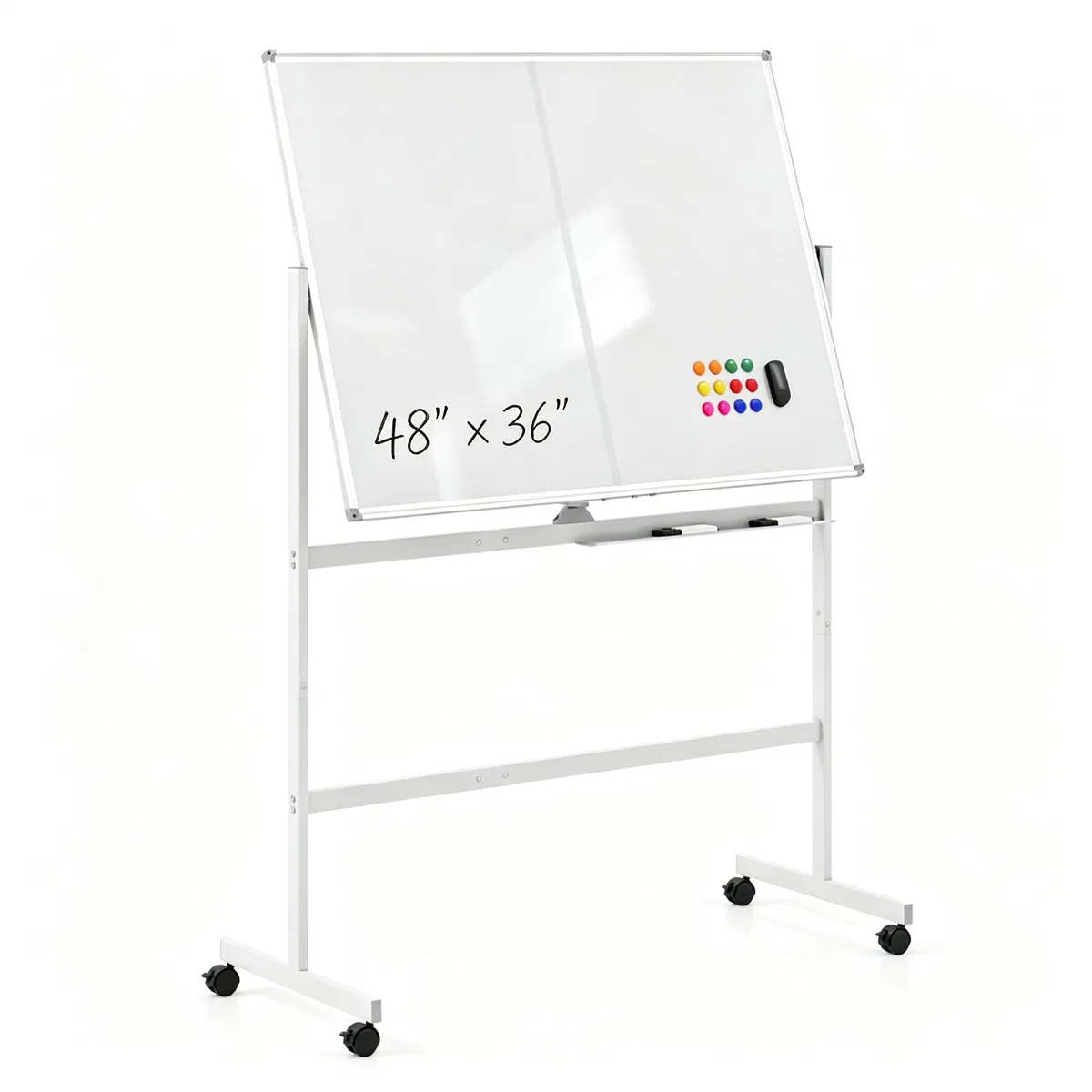 360 Rotating Double-Sided Whiteboard, 48" x 36" Magnetic Dry Erase Board with Lockable Universal Wheels, Aluminum Alloy Frame Mobile White Marker Tray & Complete Accessory Kit$203.99View on Mallflare
Highlights
- Surface grade decides line longevity: ceramic-on-steel resists ghosting and holds printed feint lines; melamine and vinyl-decal boards scratch and fade within months of heavy use.
- Aluminum frames with reinforced corners resist warping on large boards; thin plastic or MDF frames flex and crack under 36x48 in and larger panels.
- Magnetic surfaces require a steel backer; glass and melamine boards are typically non-magnetic unless specified, affecting accessory and paper attachment.
- Mobile boards use lockable casters and a reversible or 360-rotating panel; wall-mounted lined boards need anchor hardware rated for the panel weight plus frame.
Best use cases
- Best fit: classroom handwriting or meeting agenda tracking — pick a permanent-print lined surface (ceramic-steel or tempered glass) with aluminum frame in 36x24 to 48x36 in for legibility at distance.
- Best fit: home office or small study — choose a desktop glass or compact 24x18 in lined board; skip large mobile units that crowd a desk footprint.
- Wrong fit: high-traffic training rooms with daily erasing — avoid melamine or vinyl-printed line boards; they ghost and the printed guides wear off, so specify ceramic-steel or glass instead.
- Wrong fit: rooms needing frequent repositioning — skip fixed wall boards and choose a double-sided mobile unit with lockable wheels rather than drilling anchors into shared walls.
Buying tips
- Match size to viewing distance: 36x24 in suits seated groups up to 6; 48x36 in or larger for rooms with rows beyond 12 ft; smaller boards force cramped writing.
- Choose ceramic-steel or tempered glass for daily erasing; melamine is acceptable only for weekly light use, and printed vinyl lines peel faster than factory-baked or etched guides.
- For mobile boards, require lockable casters (at least two locking) and a steel or aluminum frame; plastic-wheel units wobble and drift during writing.
- Confirm magnetic compatibility before buying magnets or accessory trays; non-magnetic glass and melamine boards need adhesive clips or a separate rail.
Specs
| Surface Material | Ceramic-steel / Tempered glass / Melamine |
|---|---|
| Line Format | Horizontal ruled / Grid / Custom columns |
| Mount Type | Wall-mounted / Mobile casters / Desktop |
| Magnetic Surface | Magnetic steel / Non-magnetic glass |
Related searches
What to check before buying
- Measure the wall or desk area and subtract frame width: a 36x24 in board needs roughly 38x26 in clearance for frame and marker tray access.
- Check wall substrate: drywall needs toggle anchors rated for panel weight; brick or concrete needs masonry plugs; mobile units bypass this entirely.
- Verify the line format matches intent: horizontal ruling suits handwriting and schedules; grid or column layouts suit kanban and planning boards.
- Confirm included accessories and mounting hardware: many boards ship without markers, eraser, or anchors, requiring separate purchase.
FAQ
Data sources: eBay / Amazon listings and product attribute feeds. Updated Nov 28, 2026.
Some links on this page are affiliate links. If you buy after clicking one, we may earn a commission at no extra cost to you. This does not change which products appear here or their order. Affiliate disclosure.