
Photos from current listings. Actual item, color, and included accessories may vary.
Compact All One Printer Buying Guide
A compact all-in-one printer combines print, scan, and copy in a chassis small enough for a dorm desk or home-office shelf. The decisive trade-off is print engine type: inkjet delivers photo-quality color and low upfront cost but high per-page ink expense and clog risk, while laser delivers fast, smudge-proof text and cheap toner but bulky color and a higher entry price. Choose inkjet only if color/photo output is required; choose monochrome laser for any workflow that is primarily black-and-white text and volume.
Median $154.99 · New & pre-owned listings
Key takeaways
- Inkjet models use thermal or piezo printheads with integrated or refillable tanks; tank models cut ink cost to fractions of a cent per page versus cartridges.
- Monochrome laser engines (typically 600x600 dpi) fire 20-30 pages per minute and never dry out, making them the durable pick for low-volume, intermittent text printing.
- Automatic document feeders (ADF) on compact units are usually 20-35 sheets; flatbed-only models handle single pages, book pages, and IDs but cannot batch-scan or batch-copy.
At a glance
- Category
- Printers & Scanners
- Last updated
- Nov 28, 2026
Current offers
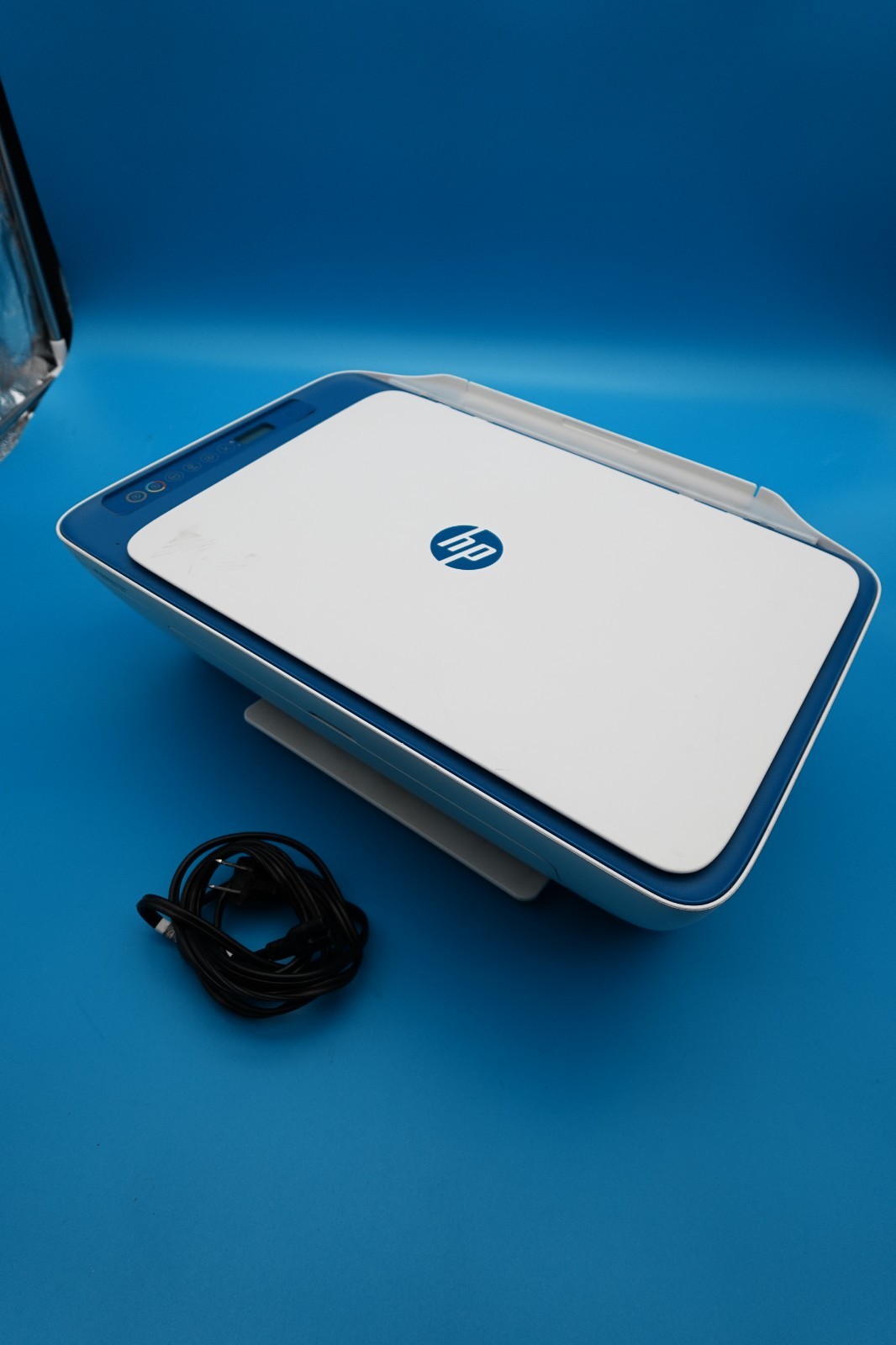 HP Deskjet 2622 All in One Compact Printer Scanner And Copier$24.99View on eBay
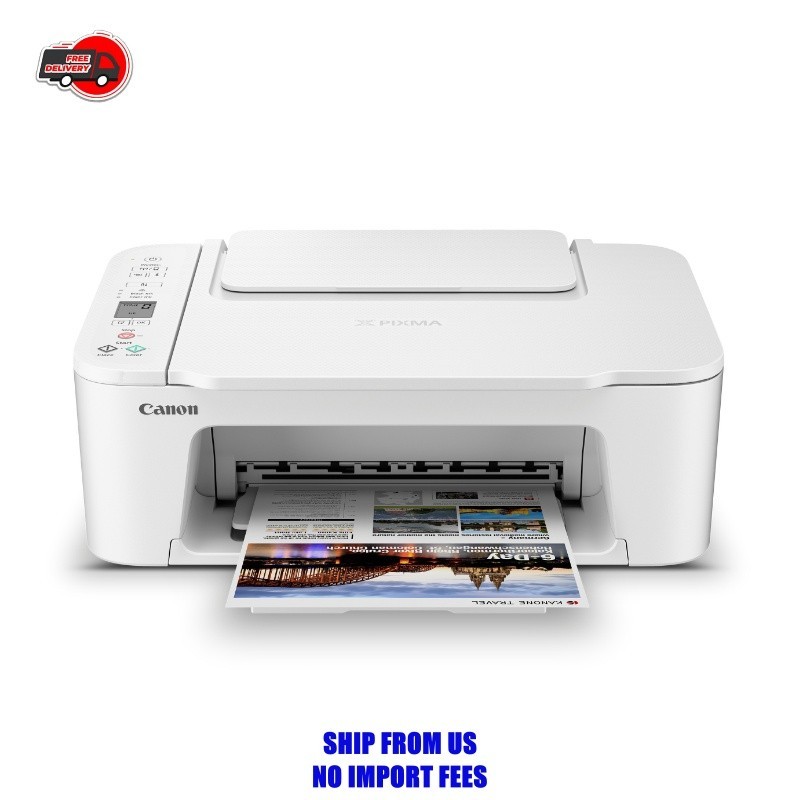 Canon PIXMA TS3722 Wireless All-In-One Inkjet Printer for Home Office$35.20View on eBay
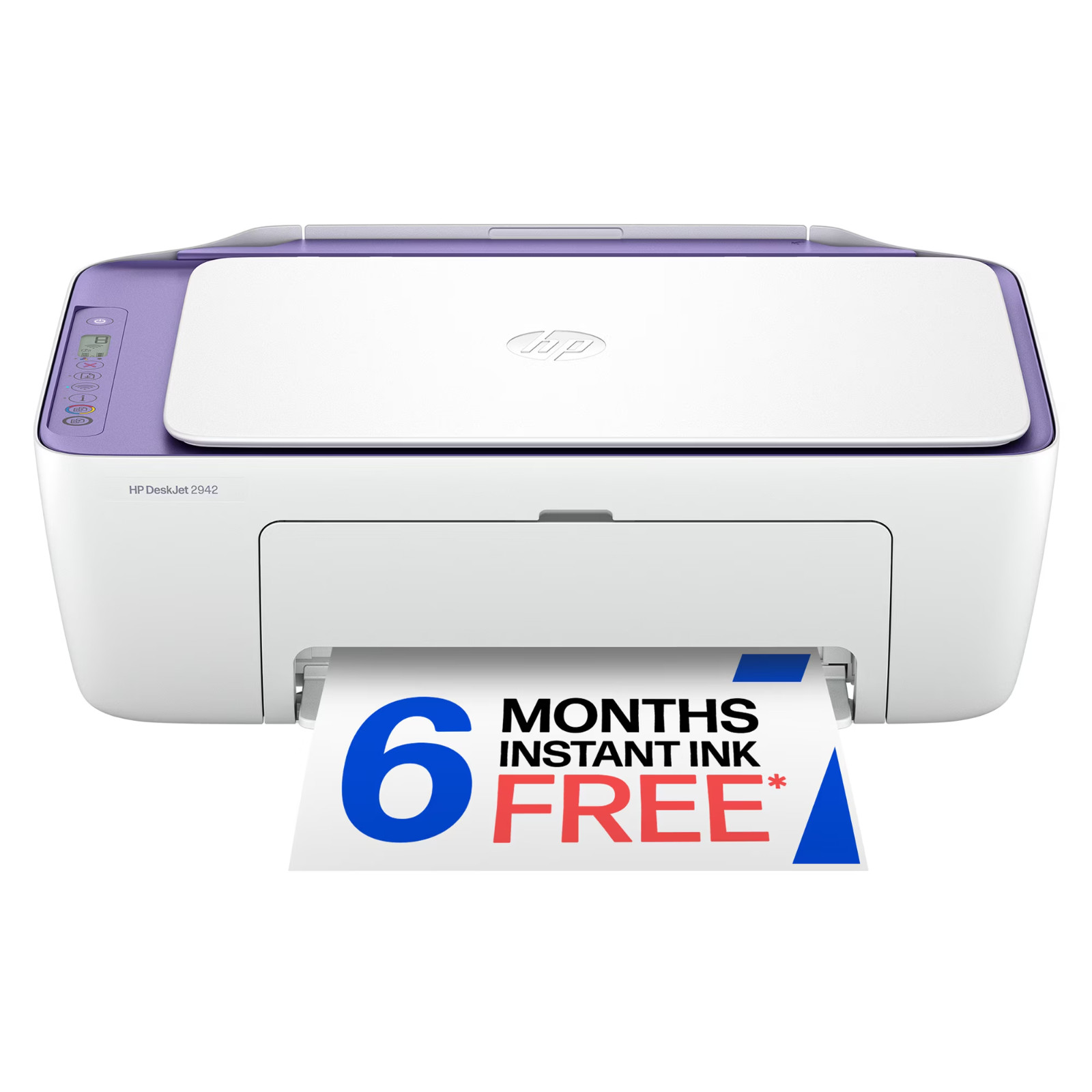 HP DeskJet 2942 Wireless All-in-One Printer Violet FREE SHIP$39.99View on eBay
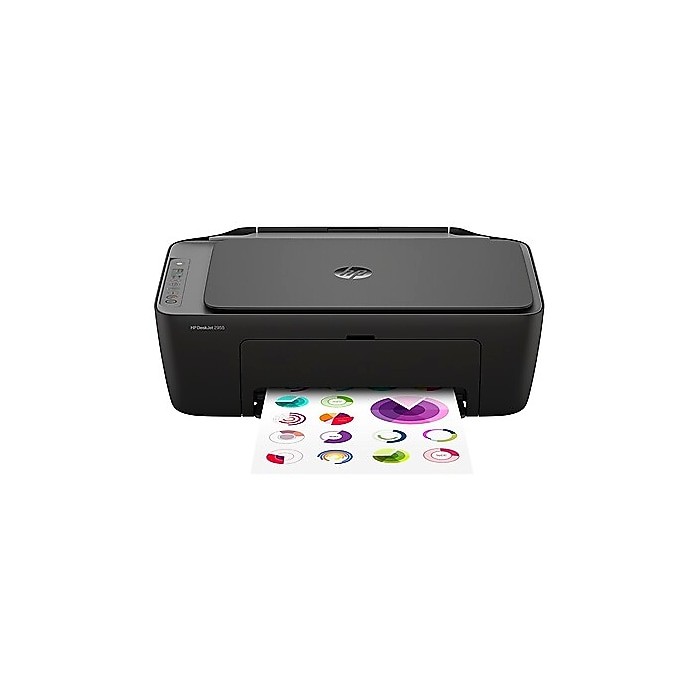 HP DeskJet 2955 Wireless All-in-One Color Inkjet Printer, 3 Months Free Instant$42.00View on eBay
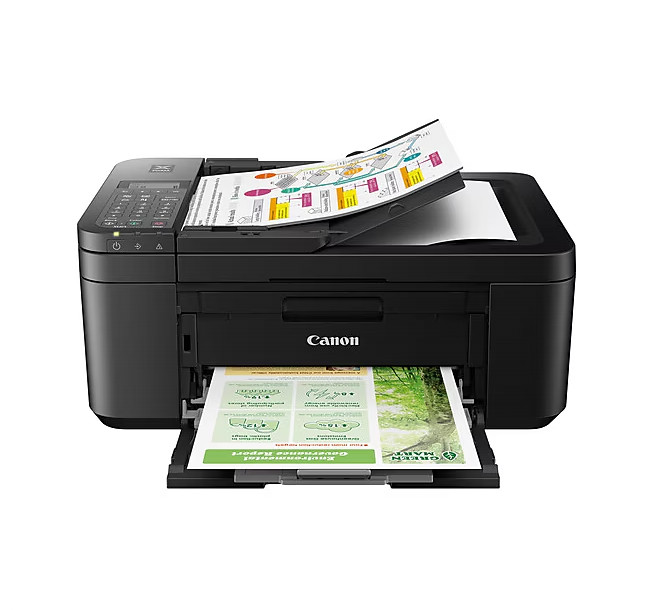 Canon PIXMA TR4720 Wireless Color Inkjet Printer, All-In-One (21-MFP4) New$46.10View on eBay
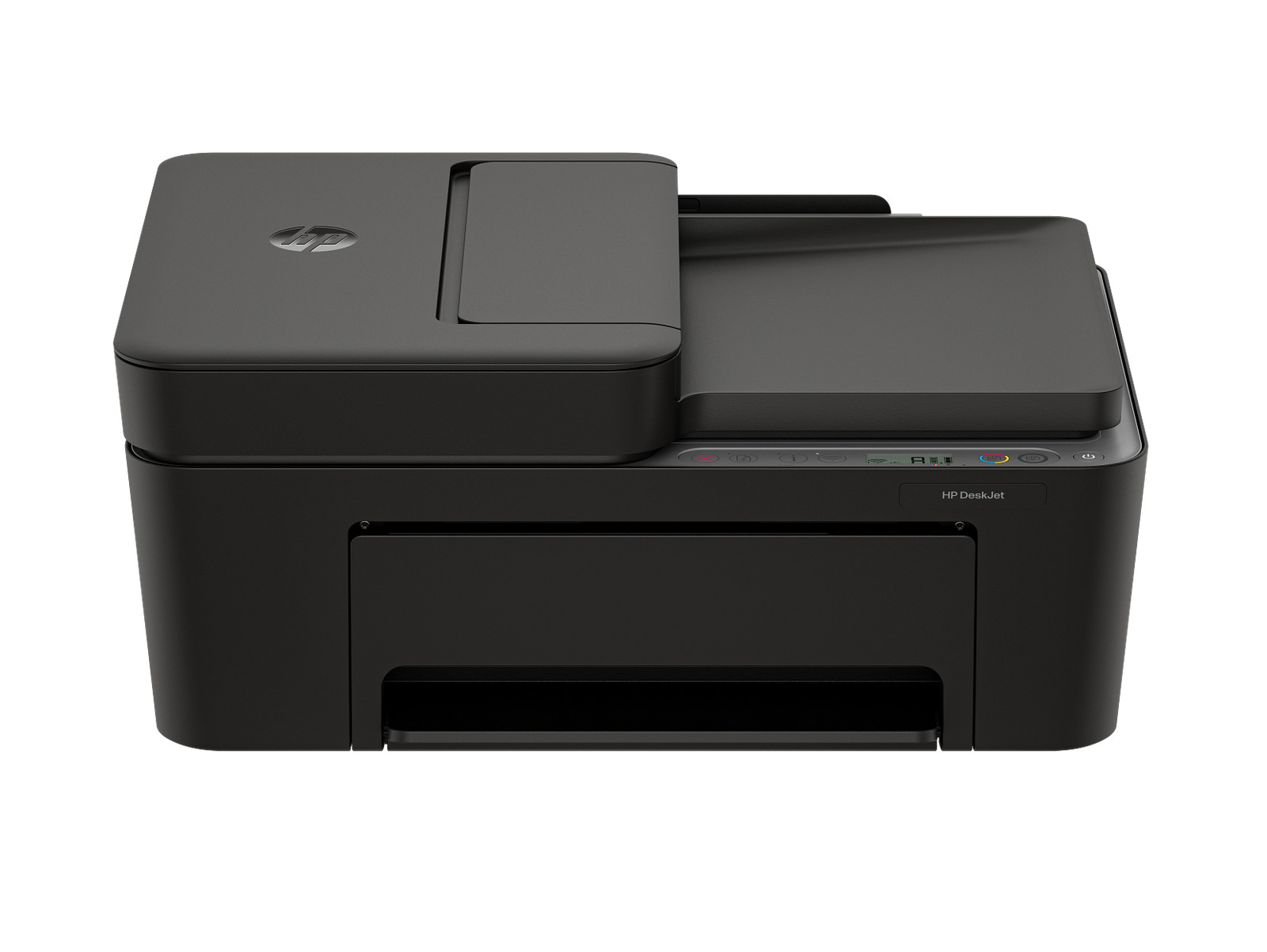 HP DeskJet 4355 All-in-One Inkjet Printer, Color Mobile Print, Copy, Scan Up to$69.99View on eBay
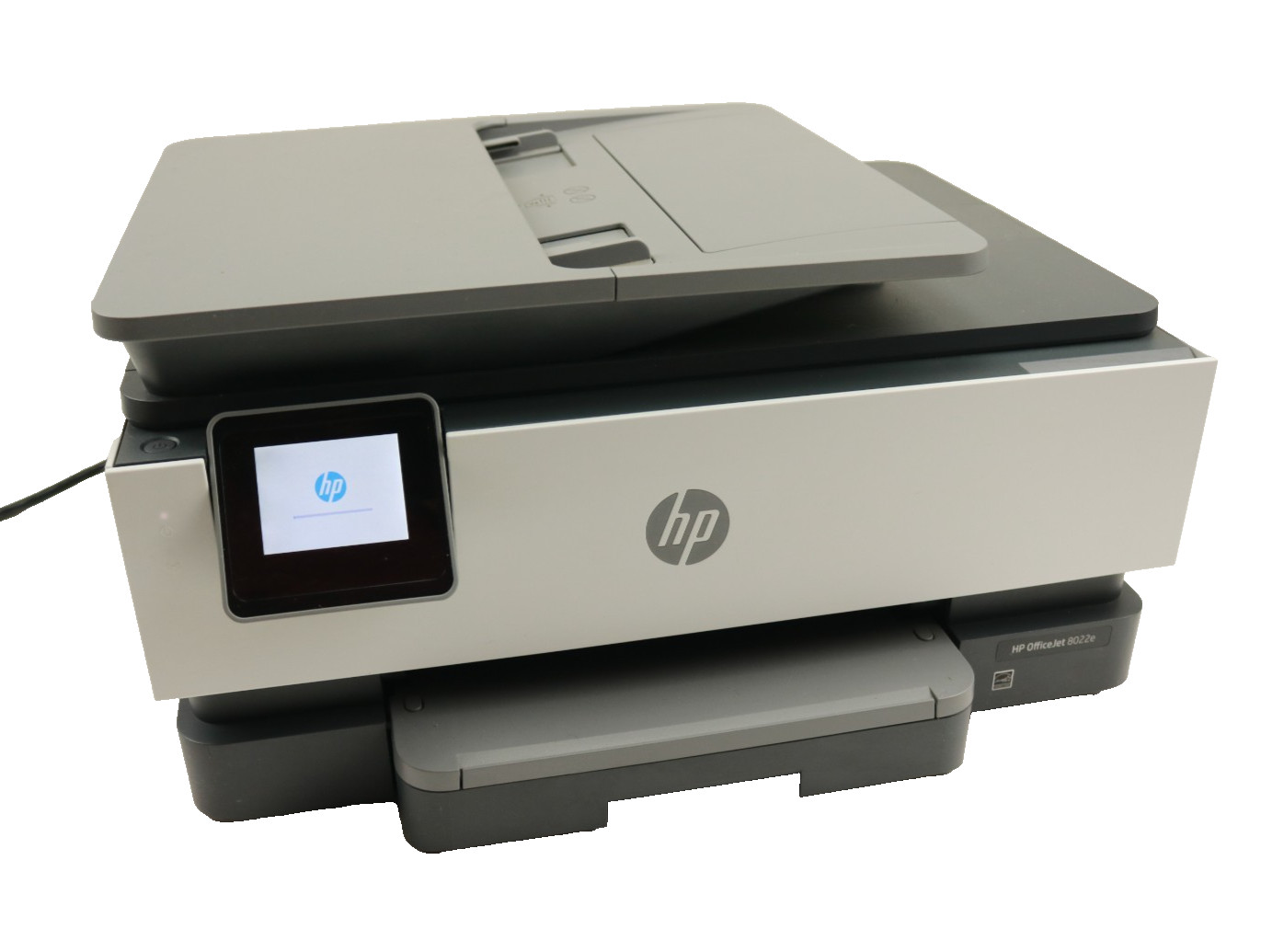 HP OfficeJet Pro 8022e All-in-One Printer-Fax-Office business$78.99Last checked Nov 20, 2026View on eBay
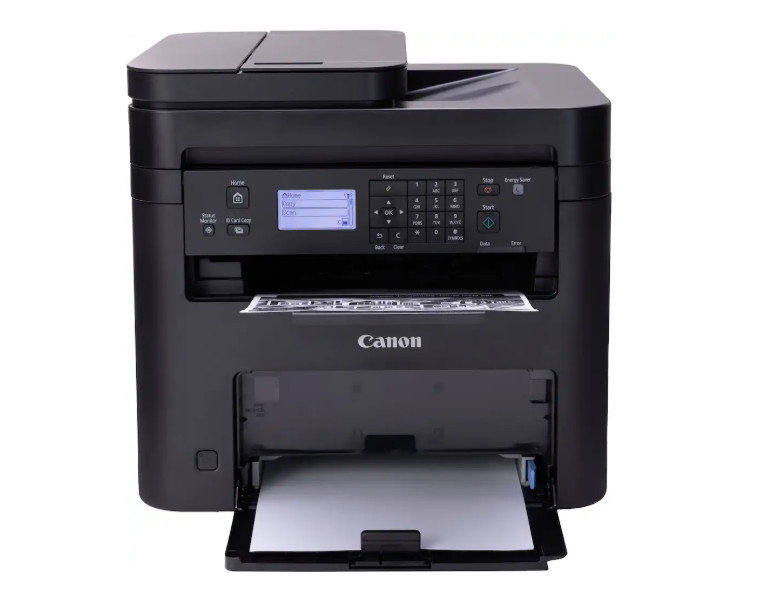 Canon - imageCLASS MF273dw Wireless Black-and-White All-In-One Laser Printer - B$86.67View on eBay
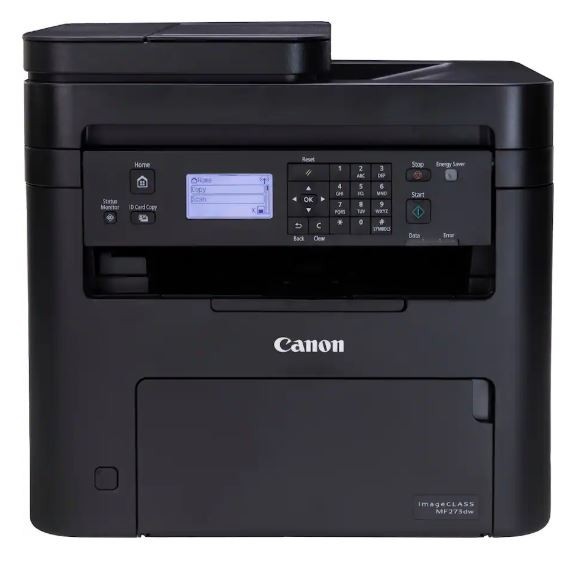 Canon - imageCLASS MF273dw Wireless Black-and-White All-In-One Laser Printer$89.99View on eBay
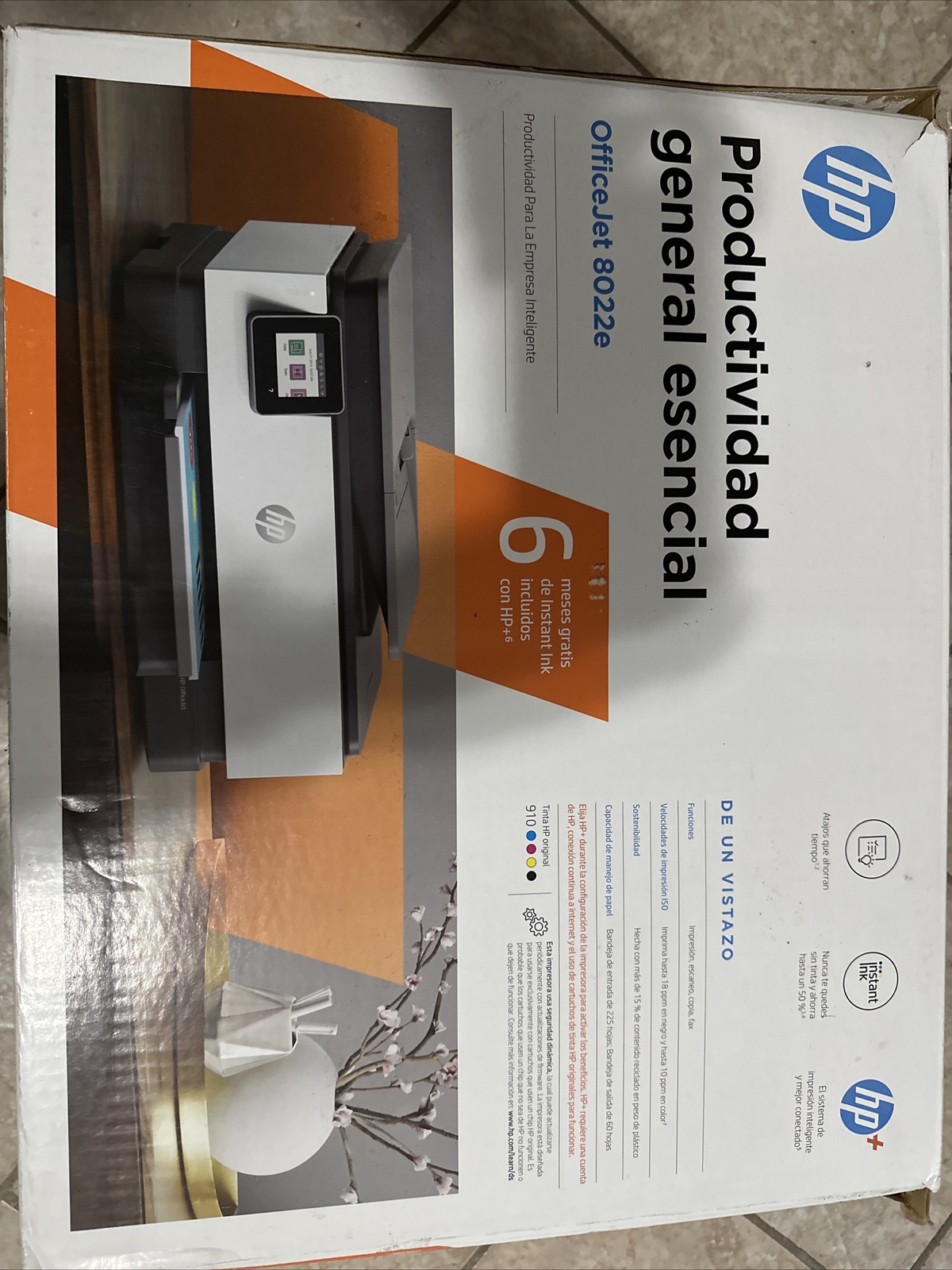 HP OfficeJet Pro 8022e All-in-One Printer-Fax-Office business-New$99.00Last checked Nov 19, 2026View on eBay
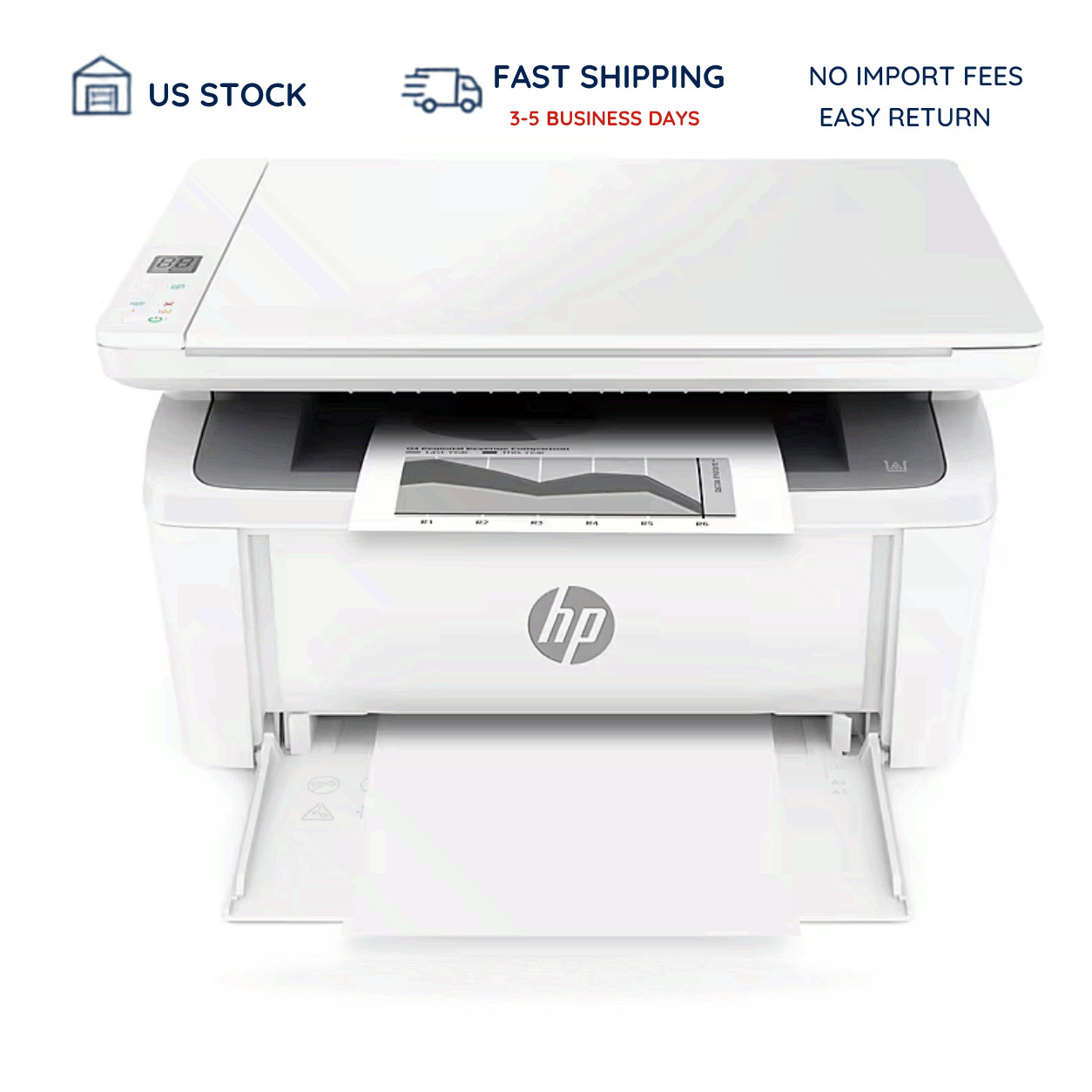 HP LaserJet MFP M140w Wireless B&W All-in-One Laser Printer Scanner Copier 7MD72$100.00View on eBay
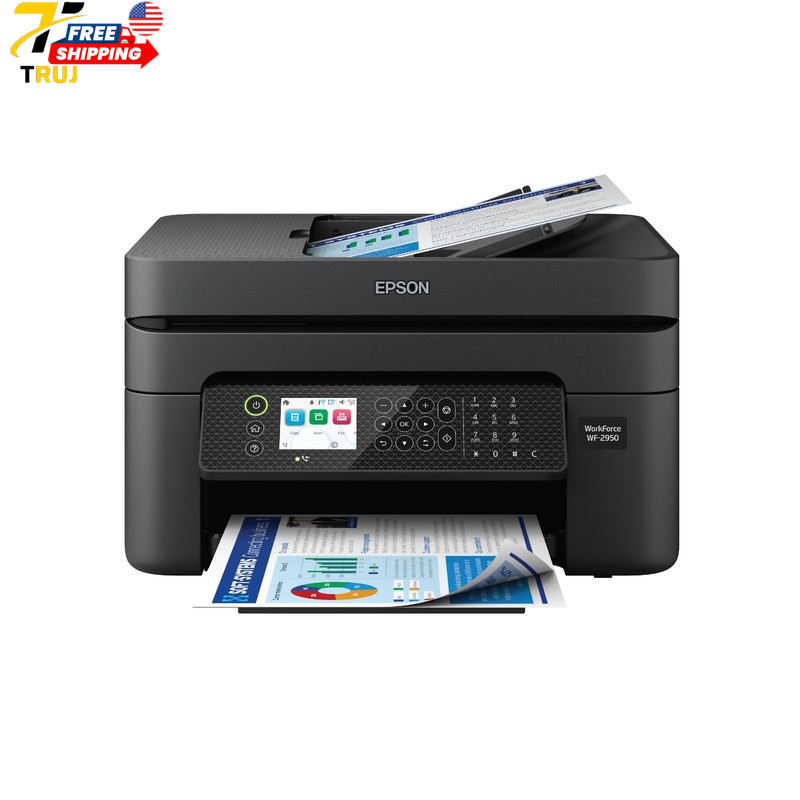 Workforce WF-2950 All-In-One Wireless Color Printer with Scanner Copier and Fax$100.20View on eBay
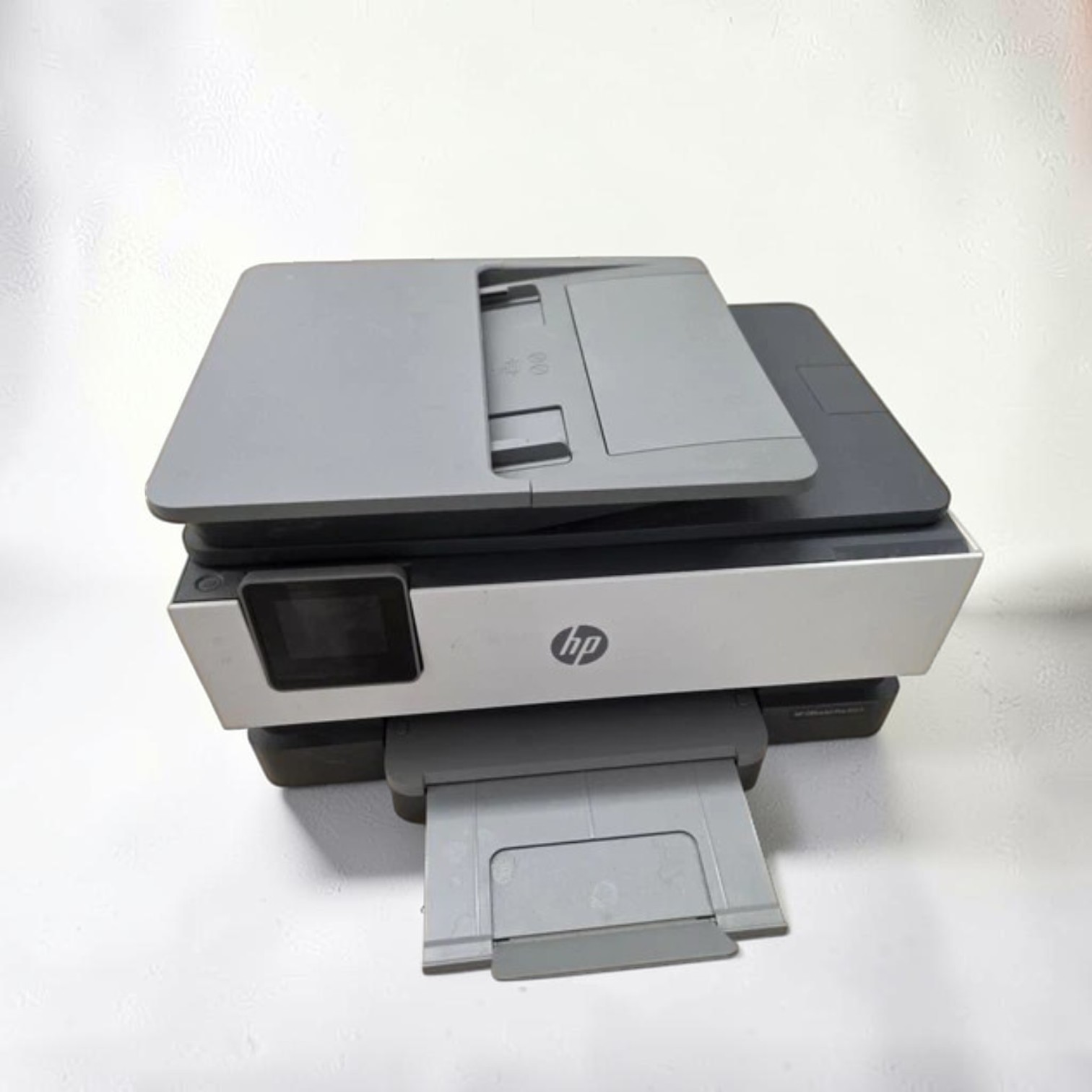 HP OfficeJet Pro 8022 All-in-One Wireless Color Printer Duplex Fax Refurbished$129.99View on eBay
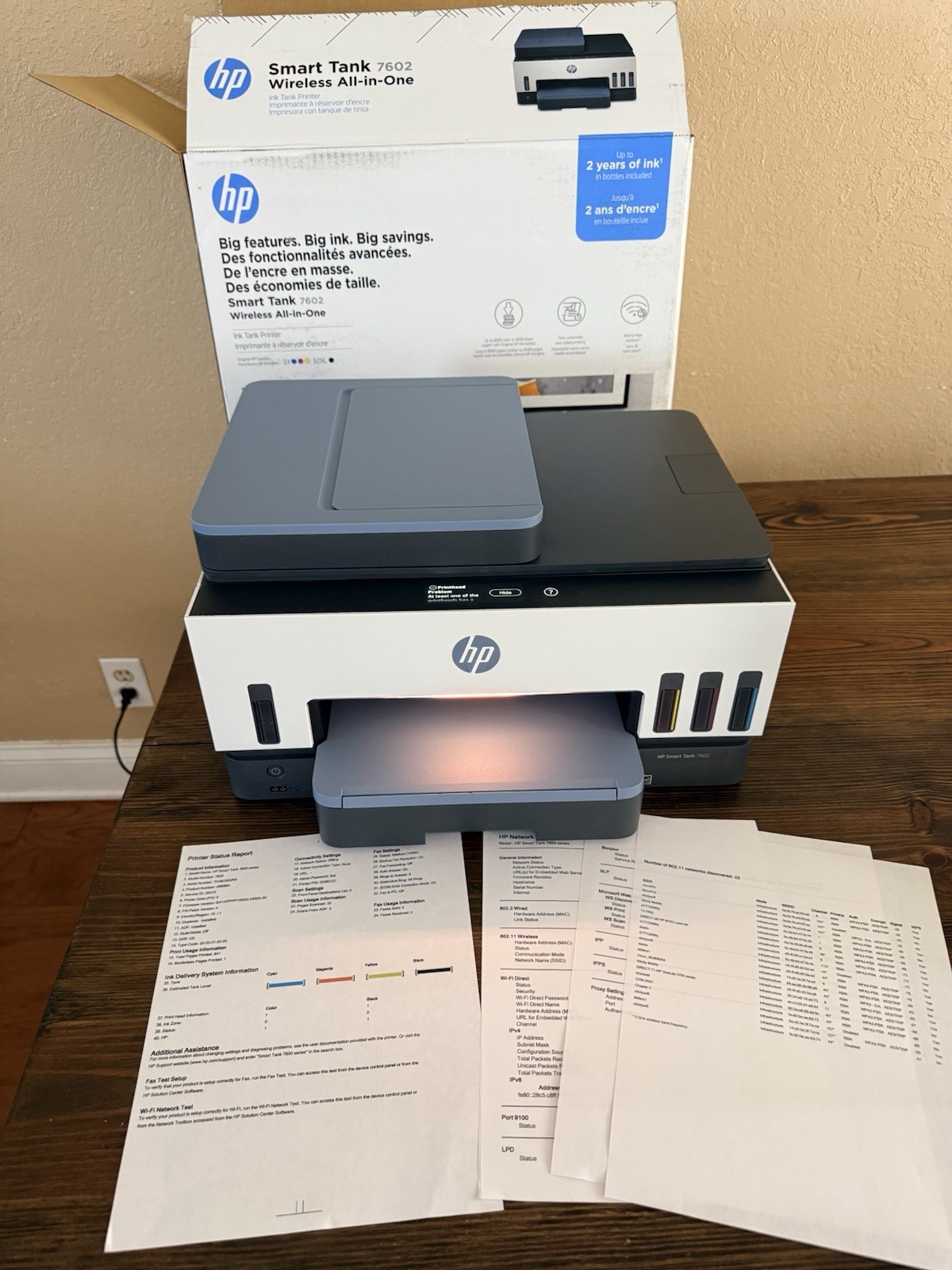 HP Smart Tank 7602 Wireless All-in-One Ink Printer Scanner Copier Home & Office$139.00View on eBay
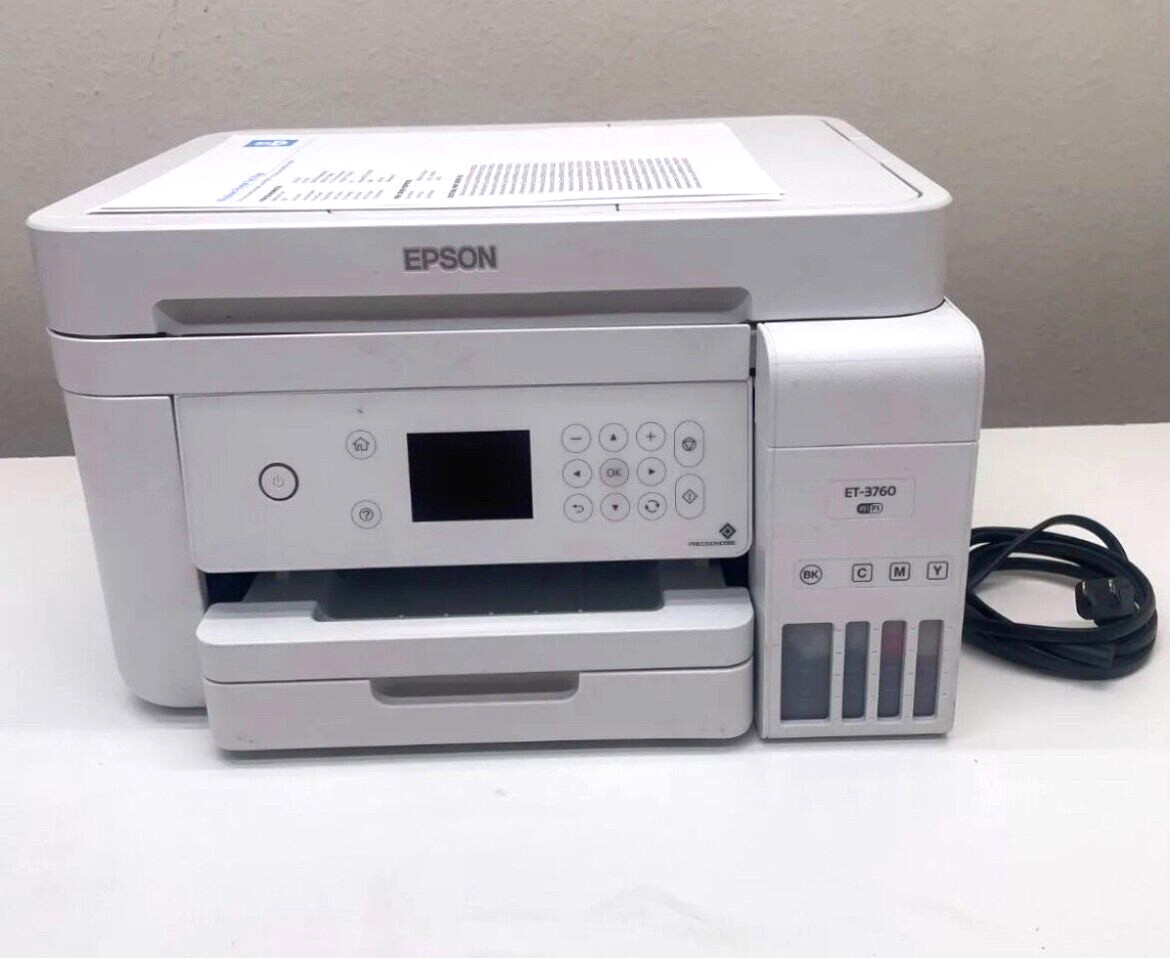 Epson EcoTank ET-3760 Wireless All in One Color Printer (Tested)$139.99Last checked Nov 21, 2026View on eBay
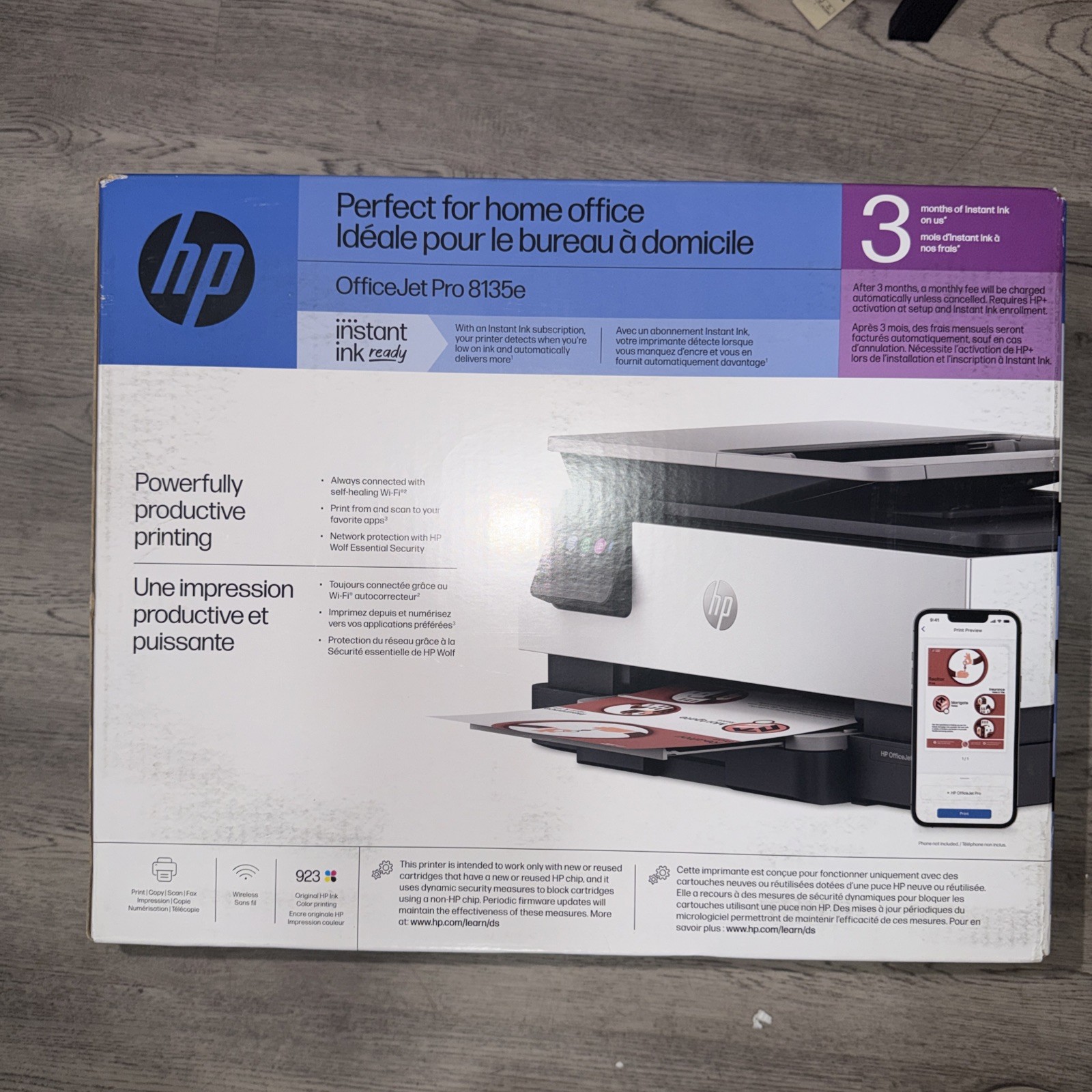 HP OfficeJet Pro 8135e Wireless All-in-One Printer with 3 Months of Instant Ink$140.00Last checked Nov 19, 2026View on eBay
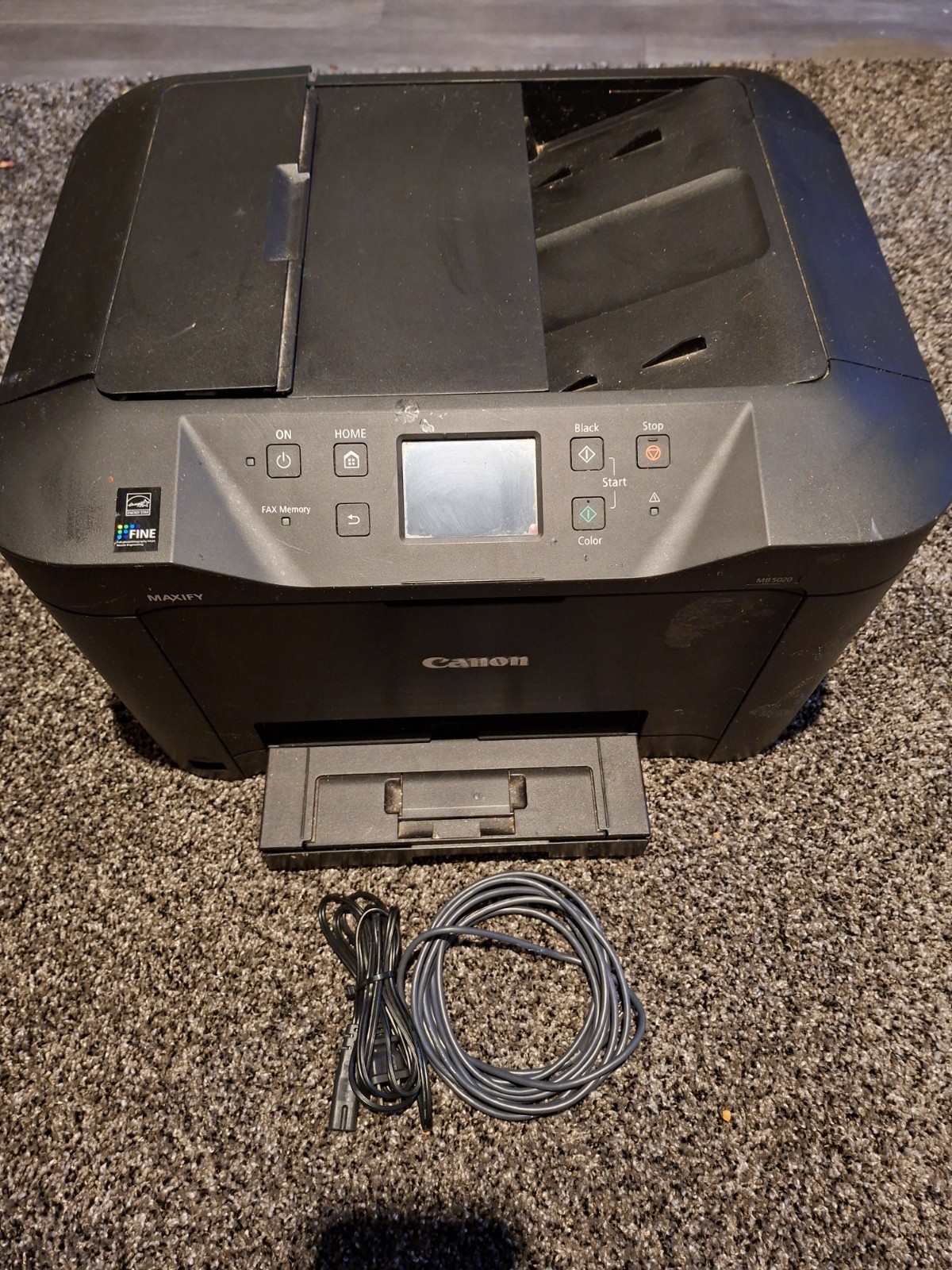 Canon MAXIFY MB5020 All-In-One Office Business Color Printer Fax Scanner Copier$149.95Last checked Nov 20, 2026View on eBay
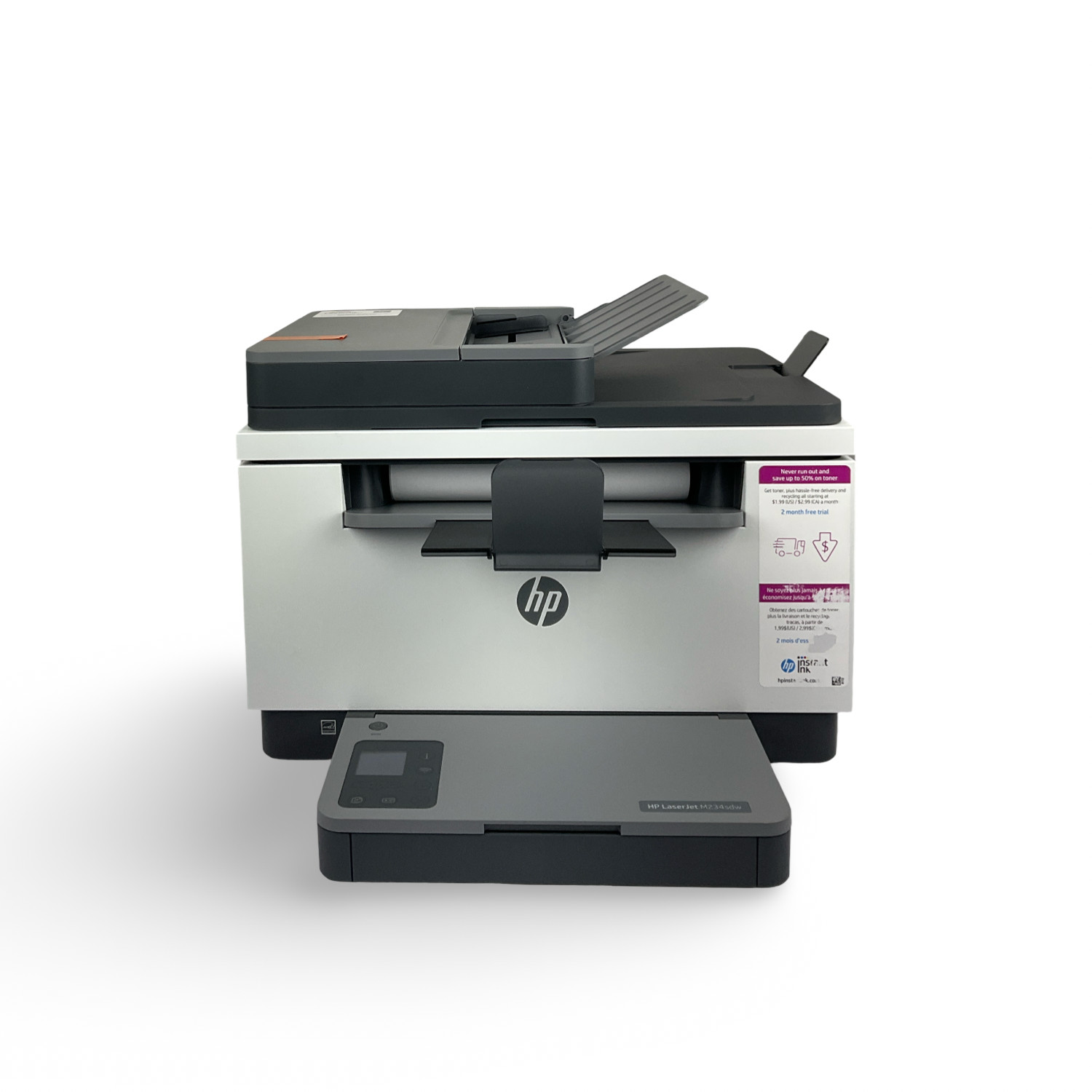 HP LaserJet Pro M234sdw All-In-One Monochrome Laser Printer 6GX01F$149.99Last checked Nov 21, 2026View on eBay
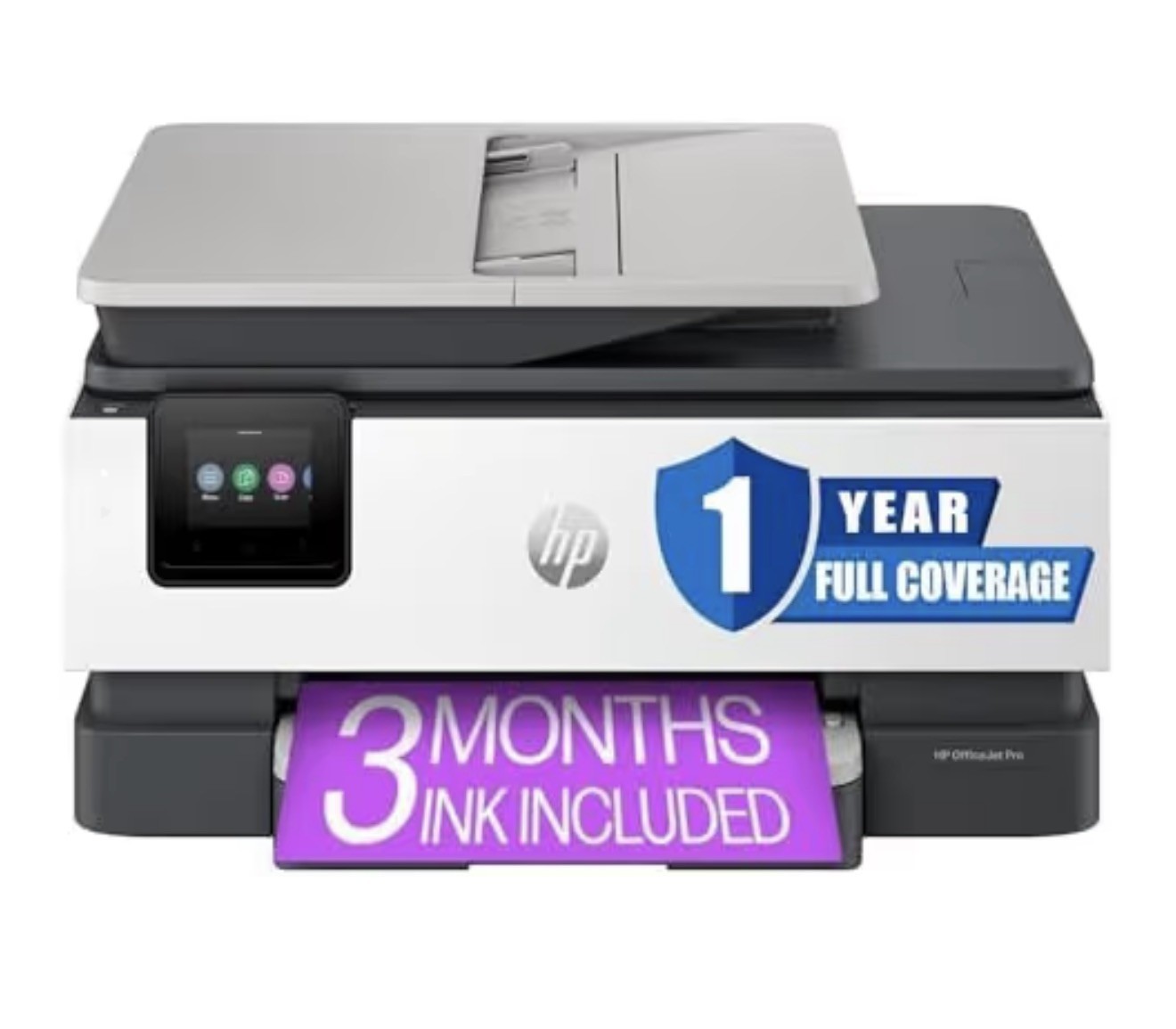 HP OfficeJet Pro 8135e All-in-One Printer w/3 Months Instant Ink free w/ HP+ NEW$154.99Last checked Nov 19, 2026View on eBay
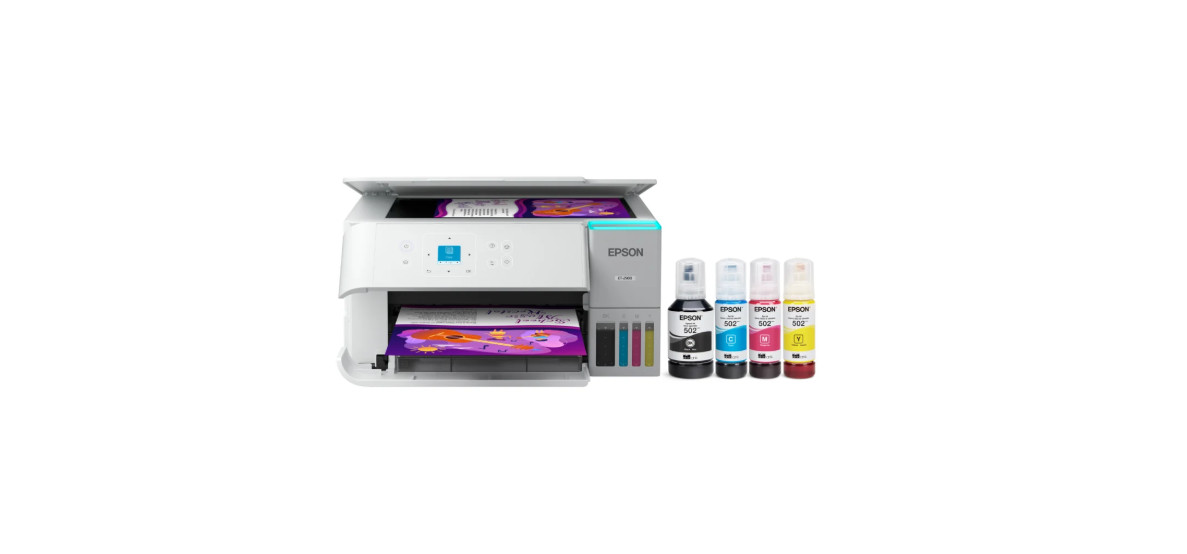 Epson EcoTank ET-2980 Wireless All-in-One Colour Supertank Printer - White$159.99View on eBay
Highlights
- Inkjet models use thermal or piezo printheads with integrated or refillable tanks; tank models cut ink cost to fractions of a cent per page versus cartridges.
- Monochrome laser engines (typically 600x600 dpi) fire 20-30 pages per minute and never dry out, making them the durable pick for low-volume, intermittent text printing.
- Automatic document feeders (ADF) on compact units are usually 20-35 sheets; flatbed-only models handle single pages, book pages, and IDs but cannot batch-scan or batch-copy.
- Duplex (two-sided) printing is a separate mechanism from ADF; compact inkjets with duplex auto-print cost more but halve paper use and handling.
Best use cases
- Pick a cartridge inkjet all-in-one for occasional color schoolwork or photos at low monthly volume; accept higher per-page ink cost in exchange for the smallest footprint and lowest entry cost.
- Pick a refillable-tank inkjet all-in-one for high-volume color printing (flyers, homework, photos); the higher purchase price pays back within months at 1,000+ pages per month.
- Pick a monochrome laser all-in-one for home-office text, contracts, and shipping labels; skip it if you need color output or photo printing.
- Skip any compact all-in-one with a scanner lid that cannot lift at least 30 degrees or a paper tray that requires removing the output tray; these break the desk-side workflow.
Buying tips
- Match paper tray capacity to your workflow: compact units hold 50-100 sheets; below 60 sheets means refilling every few days at 10+ pages per day.
- For inkjets, favor models with individual color cartridges or refillable tanks; single-tri-color cartridges waste the two colors that are not empty.
- Check scan resolution: 600x1200 dpi optical is fine for documents; 1200x2400 dpi optical is the threshold for photo and fine-detail archiving.
- Confirm connectivity: USB-only is fine for a single PC; Wi-Fi (2.4 GHz) or Wi-Fi Direct is required for phones, tablets, and multi-device homes. Ethernet is rare on compact units.
Specs
| Print Engine | Inkjet (thermal/piezo) vs Laser |
|---|---|
| Ink System | Cartridge vs Refillable tank |
| Print Speed | Inkjet 7-12 ppm / Laser 20-30 ppm |
| Scanner Type | Flatbed vs Flatbed + ADF |
Related searches
What to check before buying
- Measure your shelf depth and height clearance: compact all-in-ones typically need 15-18 inches of depth and 8-12 inches of height with the lid open and tray extended.
- Confirm your Wi-Fi band: most compact printers only support 2.4 GHz; a 5 GHz-only router requires a 2.4 GHz guest network or USB connection.
- Verify the scanner lid clearance: thick books and binders need a lid that lifts or a flatbed with at least 1 inch of hinge play.
- Check voltage and plug standard for your country (120 V/60 Hz North America vs 230 V/50 Hz Europe) and that the power adapter is included.
FAQ
Data sources: eBay / Amazon listings and product attribute feeds. Updated Nov 28, 2026.
Some links on this page are affiliate links. If you buy after clicking one, we may earn a commission at no extra cost to you. This does not change which products appear here or their order. Affiliate disclosure.