WorkSetup Guide

WorkSetup Guide

Office & Business Reviews & Buying Guides

Compare office & business by use case, features, trade-offs, price, returns, and seller terms before you buy.

Buying guides

Buying guide image
Digital & Platform Scales

Body Weight Scale

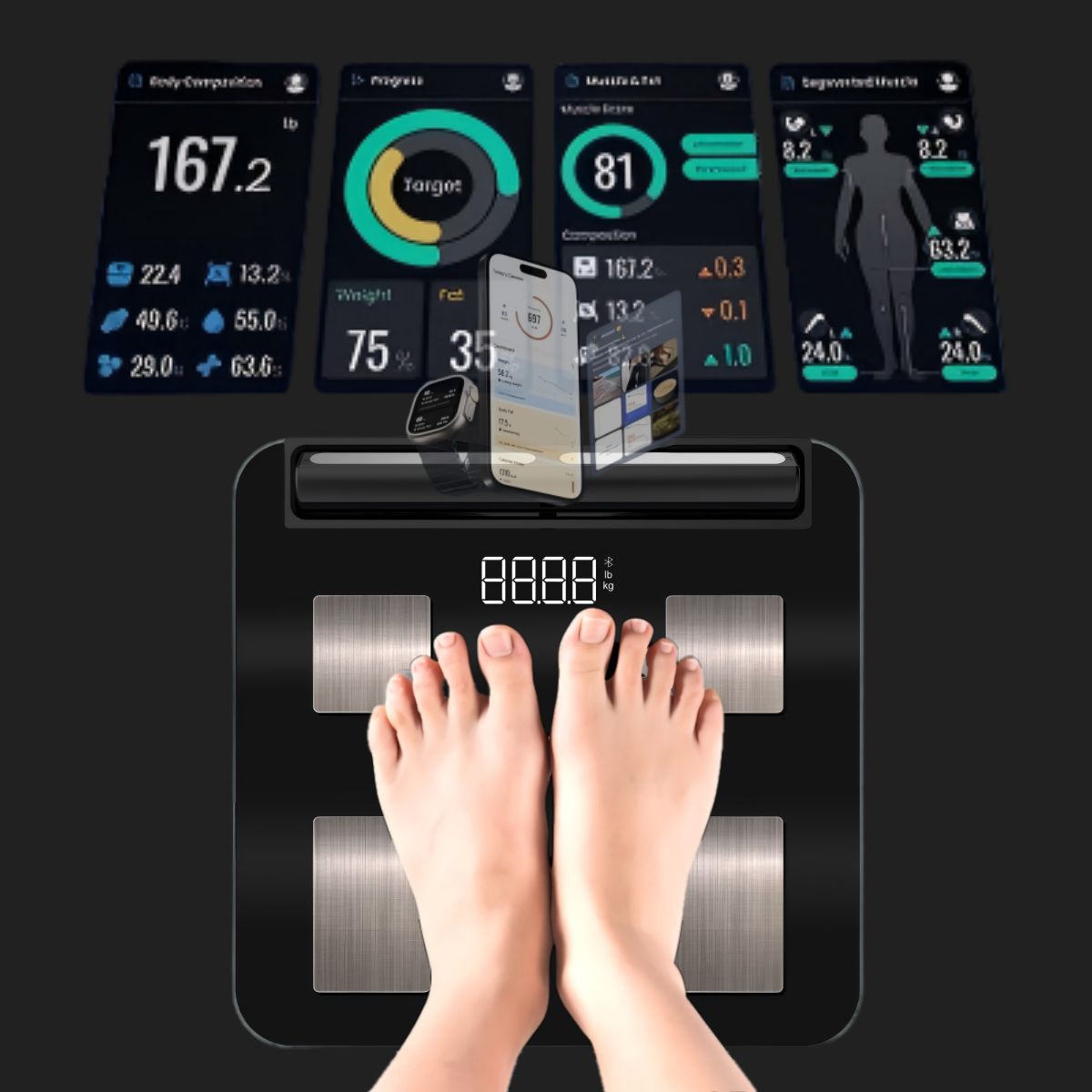
Body weight scales range from simple digital bathroom monitors to smart multi-electrode composition analyzers. The core trade-off is between basic weight accuracy (load cells + tempered glass) and bioelectrical impedance (BIA) body-fat estimation, which demands correct electrode contact and hydration consistency. Buy a basic scale if you only need reliable weight; buy a smart BIA scale only if you accept ±3-5% fat-reading variance and will sync with an app for trends.
Buying guide image
Label Makers & Supplies

Epson Label Printer

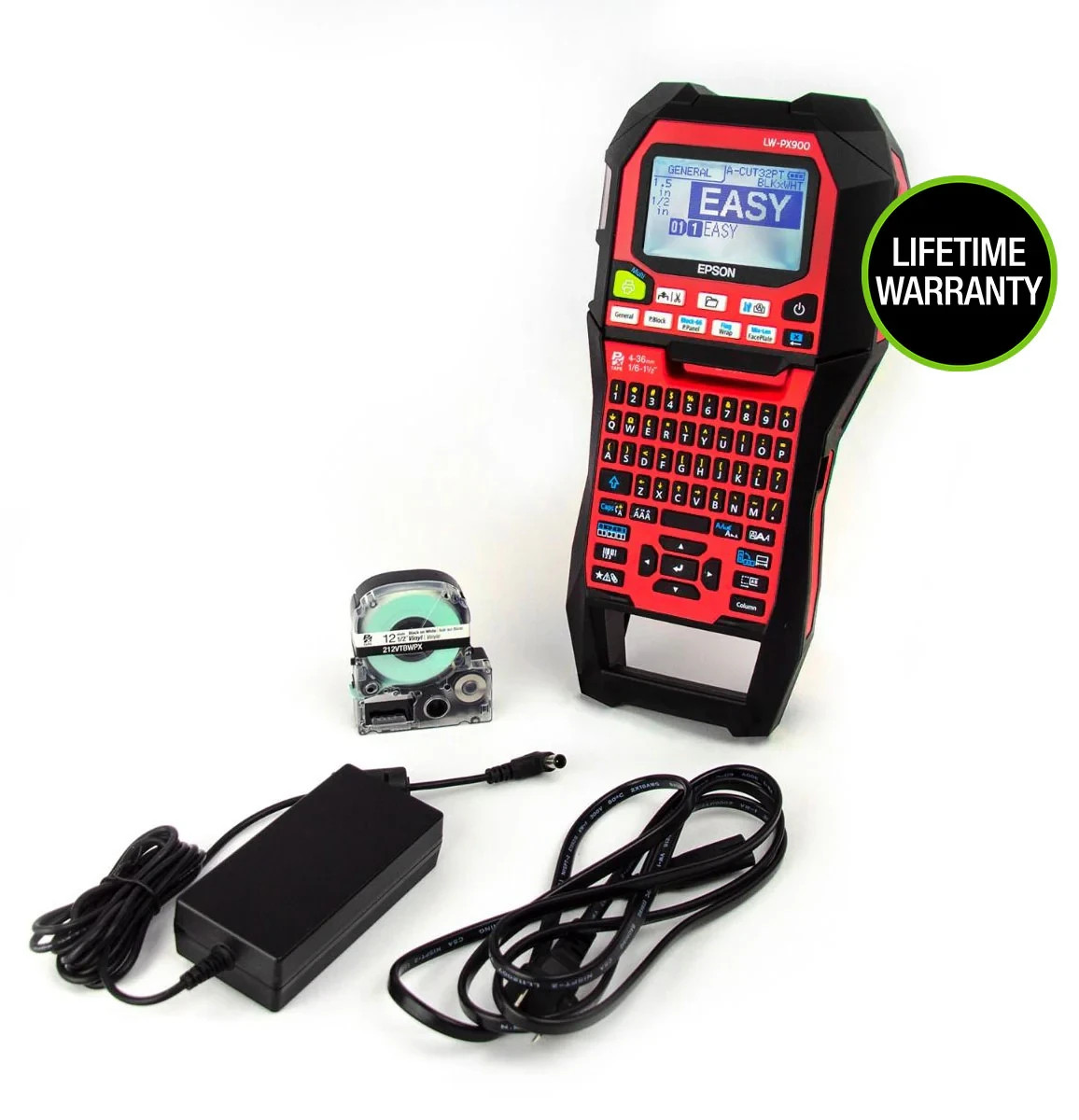
Epson label printers are compact thermal-transfer and inkjet devices built for durable, smudge-proof labels in office, industrial, and home organization use. The core trade-off is between Epson's thermal-transfer LW series (low ongoing media cost, crisp small text) and its inkjet LabelWorks models (full-color, wider media flexibility but higher per-label cost). Choose thermal-transfer if you print high volumes of black-and-white asset or barcode labels; choose inkjet only if color or photo-quality labels are non-negotiable.

Buying guide image
Commercial Printers & Copiers

Printer With Fax

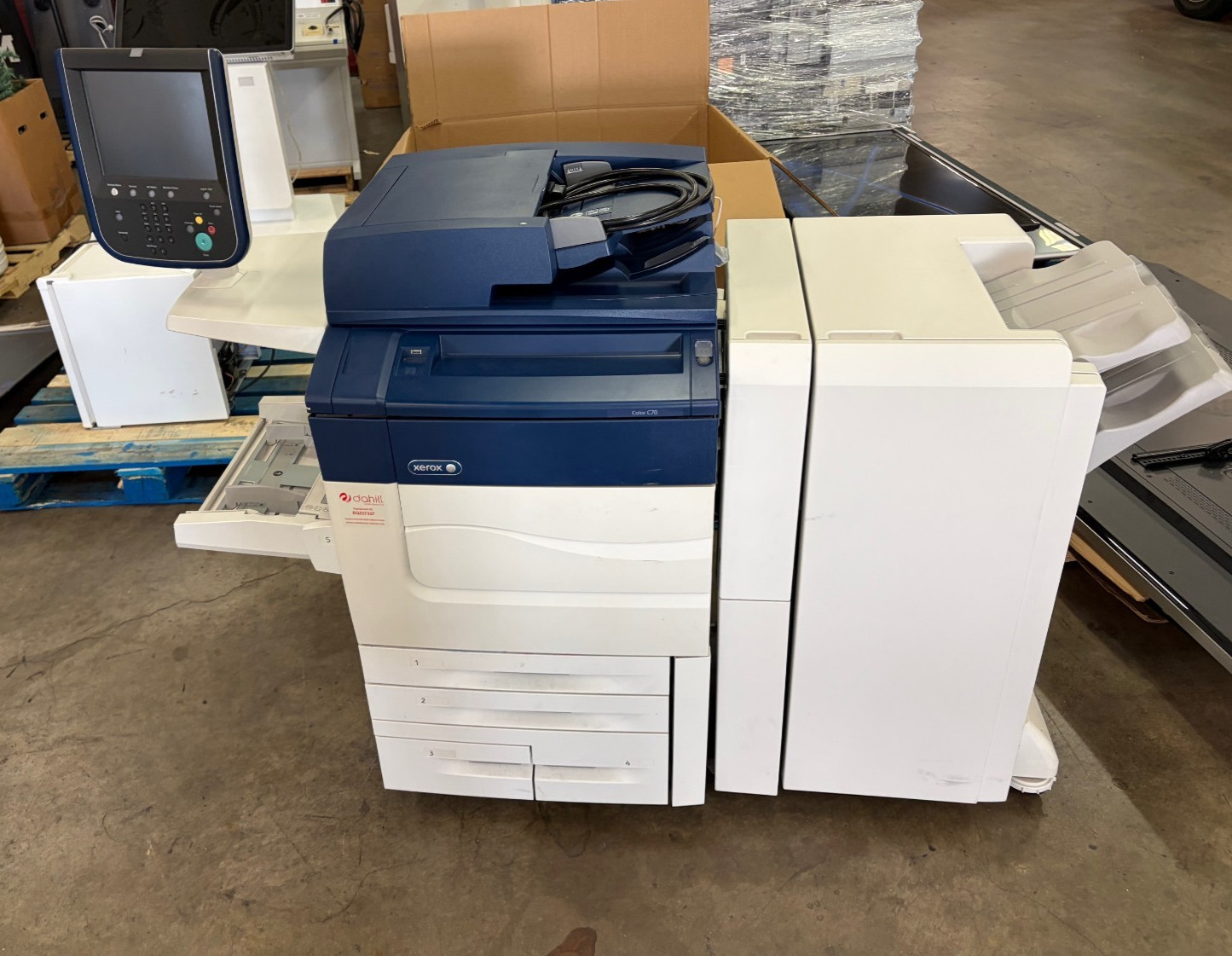
A printer with fax is an all-in-one A3/A4 multifunction unit that combines print, scan, copy, and a dedicated fax modem with phone line pass-through (or IP fax). The core trade-off is duty cycle and scan path versus footprint and consumable cost: desktop color lasers (e.g., Brother L8900CDW class) fax cheaply but cap at ~6K pages/month, while production copiers (Xerox C70, Konica 951) run 75-95 ppm with 200K+ monthly duty but need 208-240V power and service contracts. Decide by monthly volume first: under 5K pages pick a desktop color laser MFP, 5K-50K pick a mid-range A3 copier (Ricoh IM C300, Kyocera M3645idn class), and above 50K only consider production presses with a service plan.

Buying guide image
Fountain Pens

Fountain Ink Pen

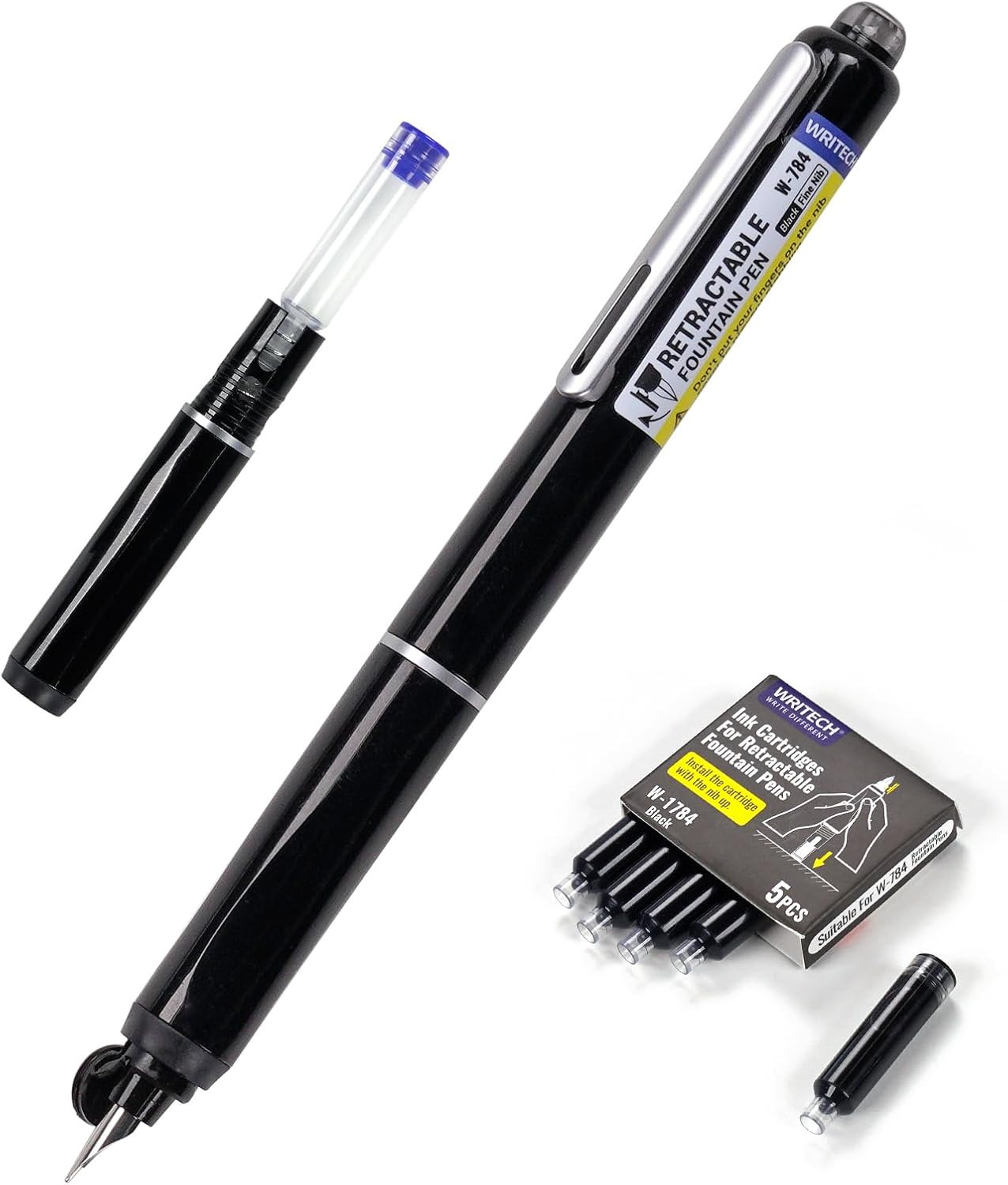
Fountain ink pens are refillable writing instruments that feed liquid ink from a reservoir to a metal nib, trading convenience for line character and low long-term cost. The core trade-off is nib quality and filling architecture versus price: steel nibs on cartridge/converter pens are reliable starters, while gold nibs and piston fillers deliver smoother flow and higher ink capacity at a premium. The decision rule is simple—buy a pen with a replaceable standard nib unit and a standard international or proprietary converter, and skip sealed no-name pens with glued feeds and unreplaceable nibs.

Buying guide image
Fountain Pen Paper & Notebooks

Journal Notebook

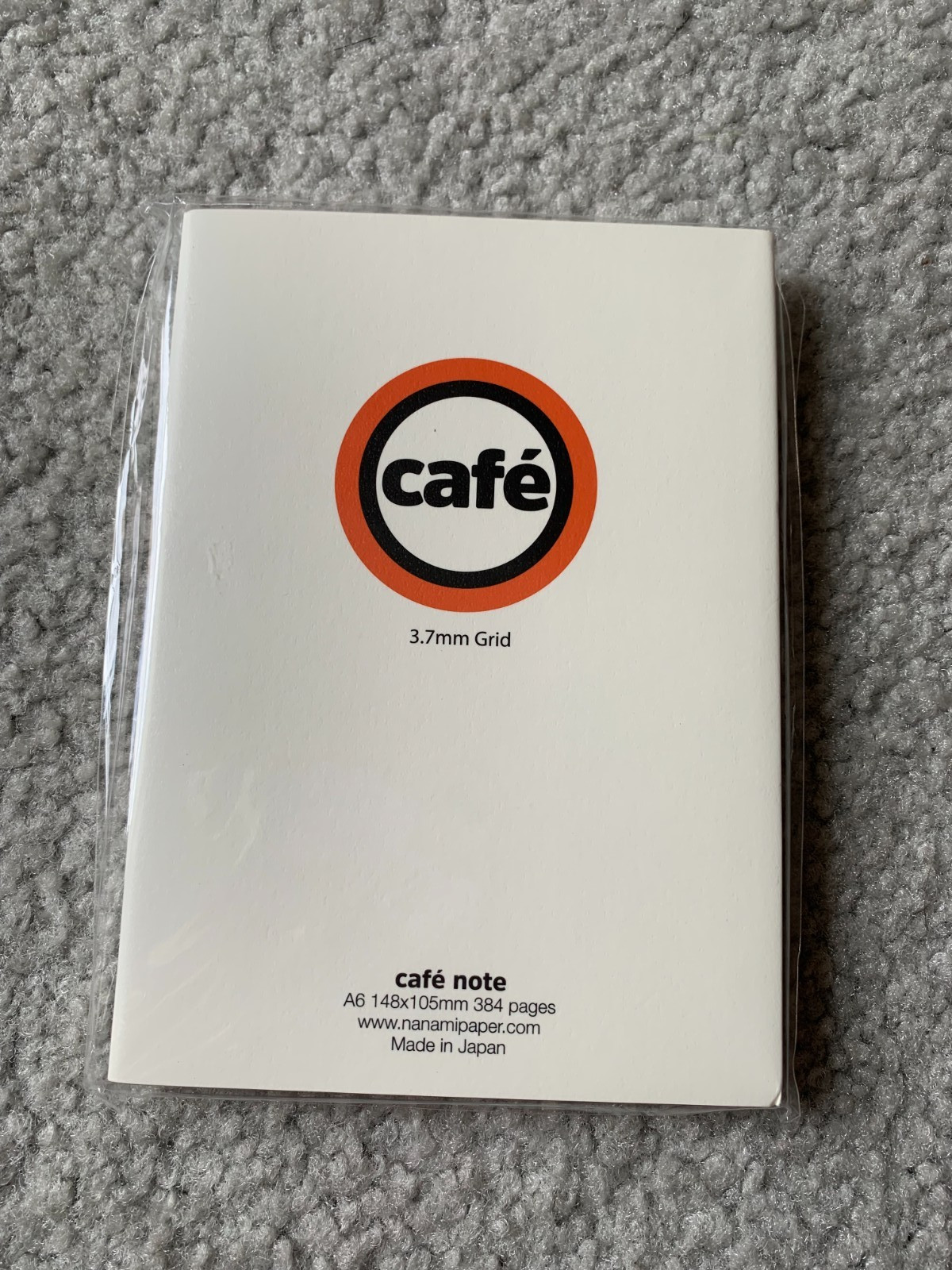
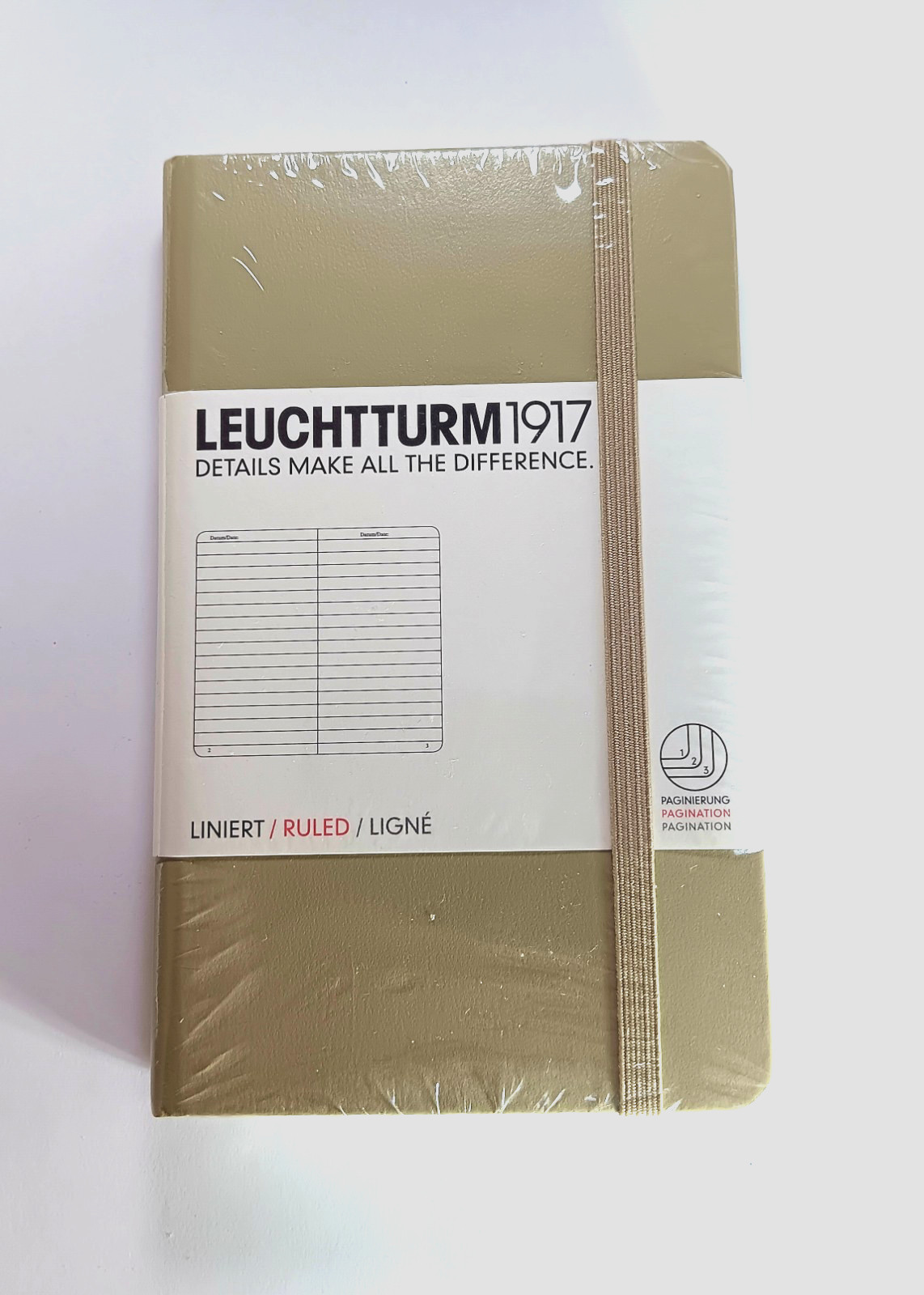
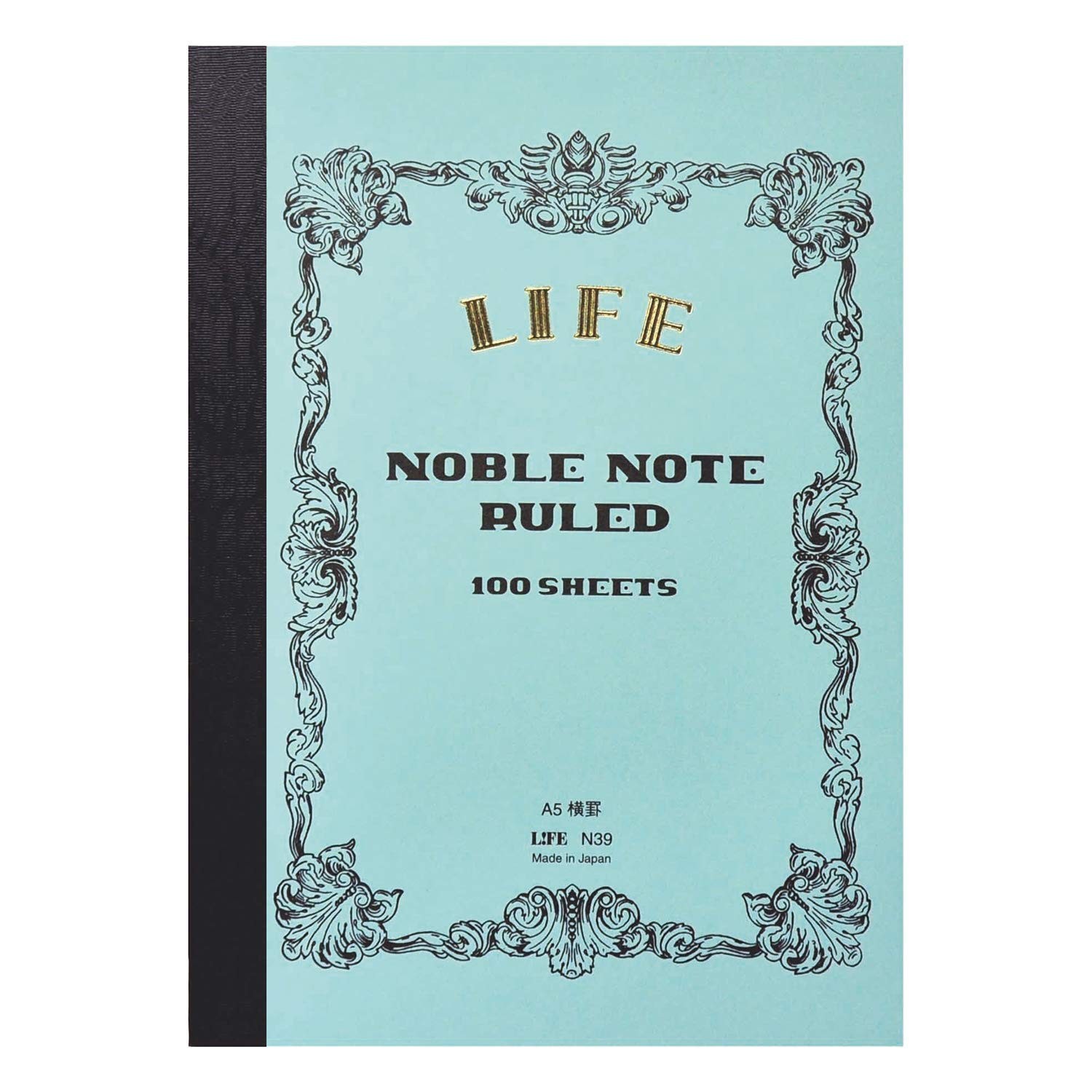
A journal notebook is a bound paper book optimized for daily writing, planning, or reflection, where the primary trade-off is paper quality (fountain-pen friendliness, bleed/ghosting resistance, GSM) versus portability and page count. Durable options use thread-sewn or glued bindings with 80–100 GSM acid-free paper, while compromises rely on thin 60–70 GSM paper and weak staple or spiral bindings that tear and bleed. The clear decision rule: pick paper grade and binding construction first, then size — never let cover aesthetics override ink compatibility and lay-flat durability.

Buying guide image
Stationery, School & Office Consumables

Friend Card

Friend cards are printed or blank greeting cards sized for a personal handwritten message, sold in single units or boxed sets. The core trade-off is paper weight and finish versus envelope quality and card format: lightweight matte cards curl and show ink bleed, while 250–350 gsm cardstock with a smooth or lightly textured finish handles gel pens and markers cleanly. Buy a card whose paper grade and envelope are both specified; skip unbranded sets that list only 'premium' without gsm or envelope dimensions.

Buying guide image
Printers & Scanners

Ink Tank Printer

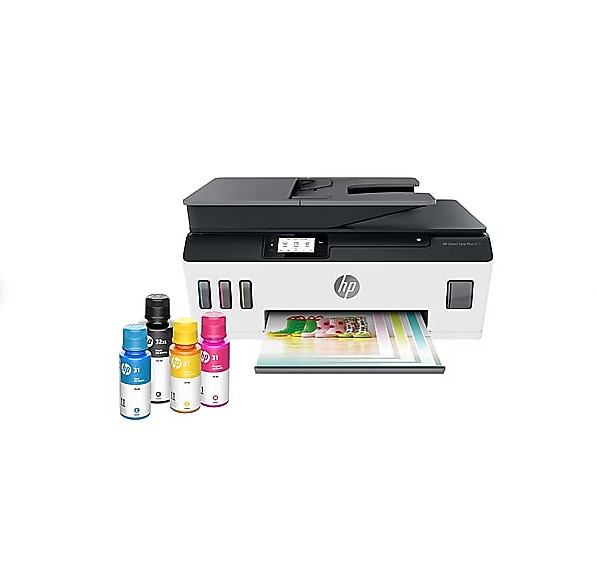
Ink tank printers replace costly cartridges with refillable reservoirs, trading a higher upfront cost for very low per-page ink expenses. The key trade-off is print-head durability and ink-system design: heat-based thermal heads (HP, Canon) are user-replaceable but wear out, while piezo heads (Epson, Brother) last longer but are factory-serviceable only. Choose a tank model only if you print more than roughly 200 pages a month; below that, a cartridge or laser printer usually makes more financial sense.

Buying guide image
Digital & Platform Scales

Platform Scale

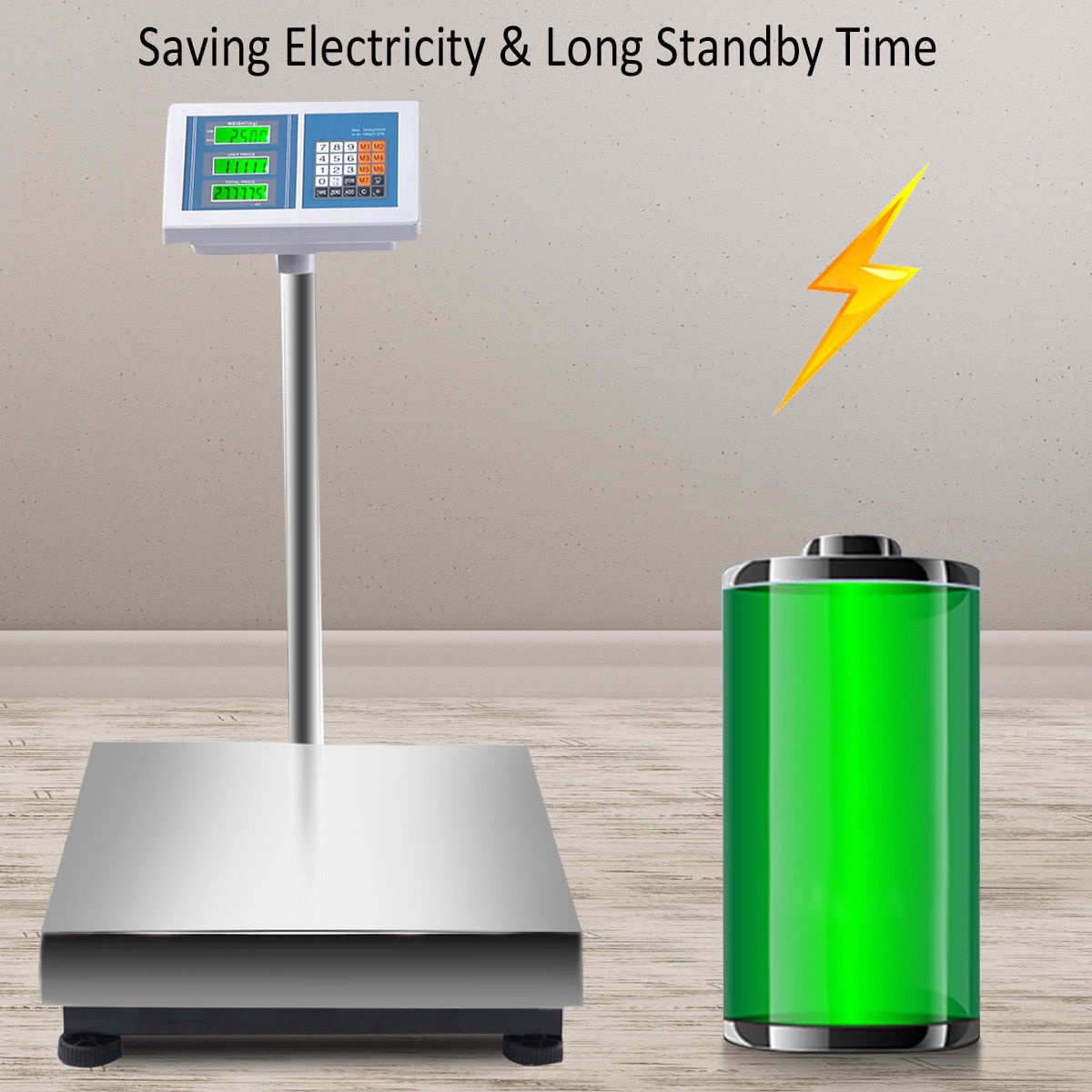
Platform scales are flat-bed weighing devices that trade portability for load capacity and stability, spanning body-composition bathroom models to heavy-duty parcel and shipping units. The core trade-off is platform rigidity and sensor quality against capacity: glass platforms suit body weight and smart features, while reinforced steel or thick ABS platforms handle bulky parcels and industrial loads. Buyers should match platform material and load cells to the maximum weight and object type they will actually weigh, not to the lowest advertised capacity.

Buying guide image
Bindery & Print Finishing

Paper Shredder

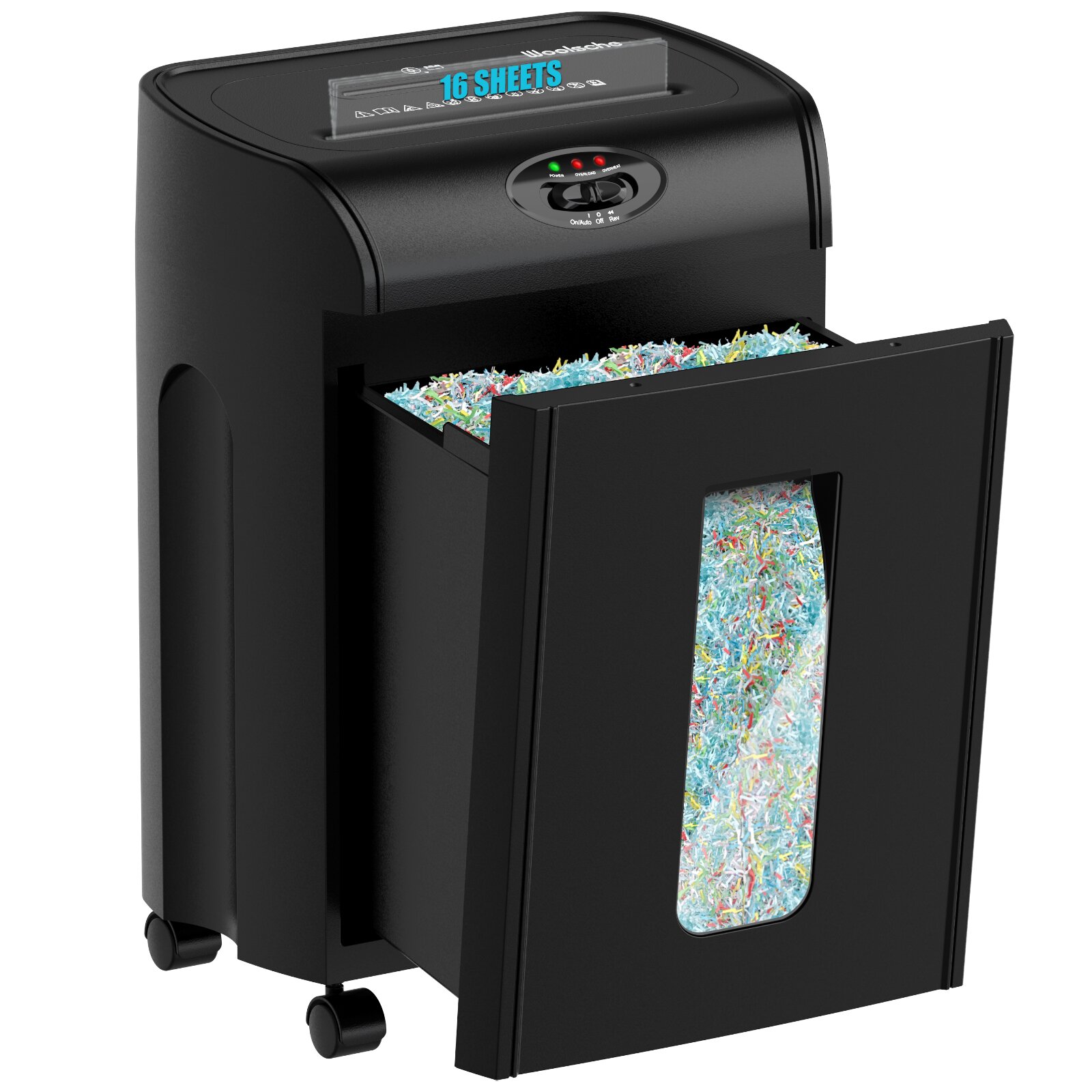
A paper shredder reduces documents, cards, and optical media to particles, with security level (P-2 to P-6) and duty cycle as the core trade-offs. Cheap units use strip-cut or low-bin cross-cut heads rated for a few minutes; durable home/office shredders use P-4 cross-cut steel cutters, thermal cutoffs, and pull-out bins. Choose P-4 cross-cut with a bin at least 4 gallons and a runtime meeting your weekly volume; skip P-2 strip-cut and sub-2-gallon bins for anything beyond junk mail.

Buying guide image
Digital & Platform Scales

Smart Scale

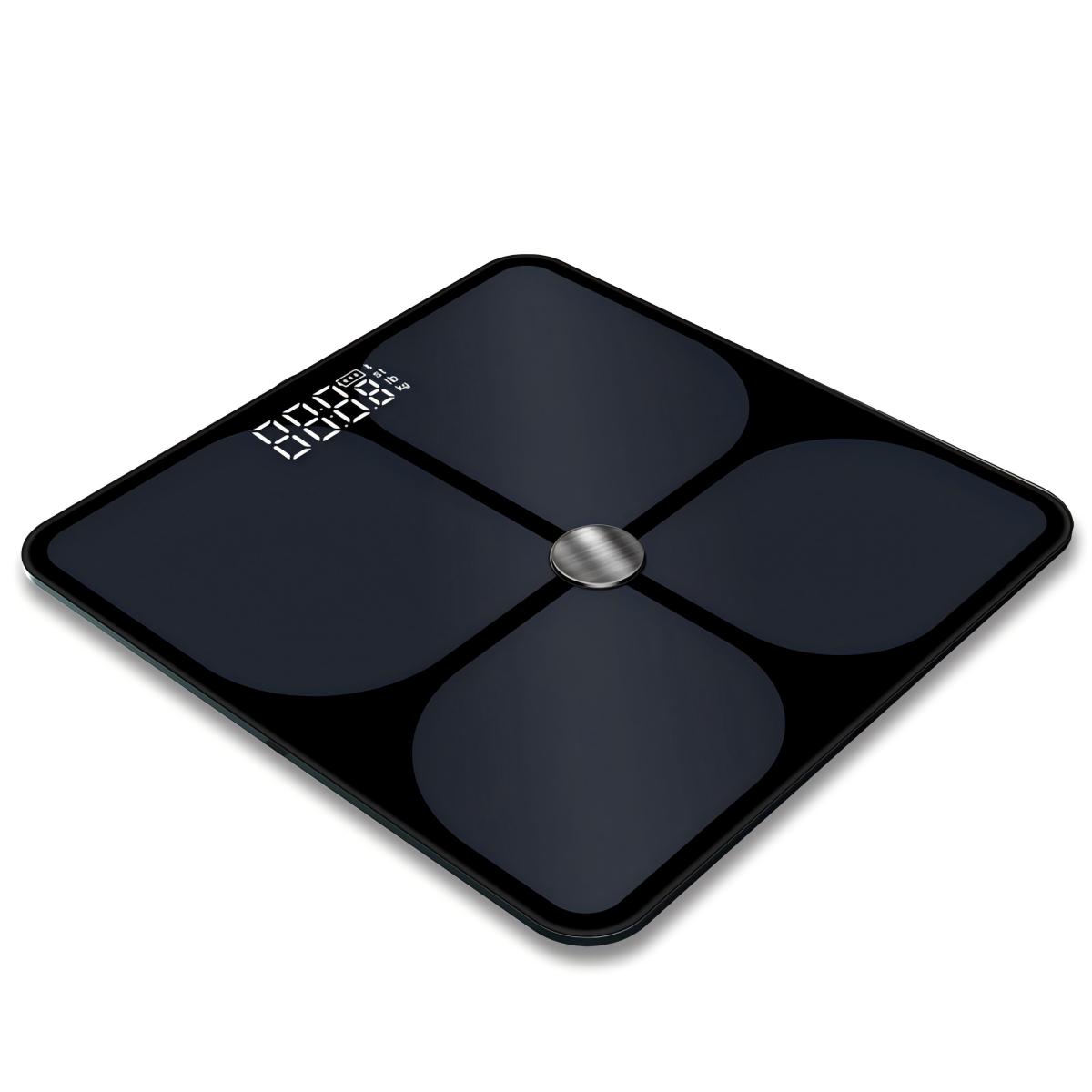
A smart scale is a connected body-weight scale that uses bioelectrical impedance (BIA) to estimate body fat, muscle mass, and other metrics, syncing data to a phone app. The core trade-off is electrode count and platform construction: 4-electrode scales measure lower-body impedance only, while 8-electrode (or handle-equipped) models add upper-body paths for better segmental accuracy. The decision rule: choose a 4-electrode tempered-glass scale for reliable weight and trend tracking; step up to 8 electrodes only if you need segmental fat/muscle distribution and will stand barefoot with dry feet.

Buying guide image
Label Makers & Supplies

Dymo Embossing Label Maker

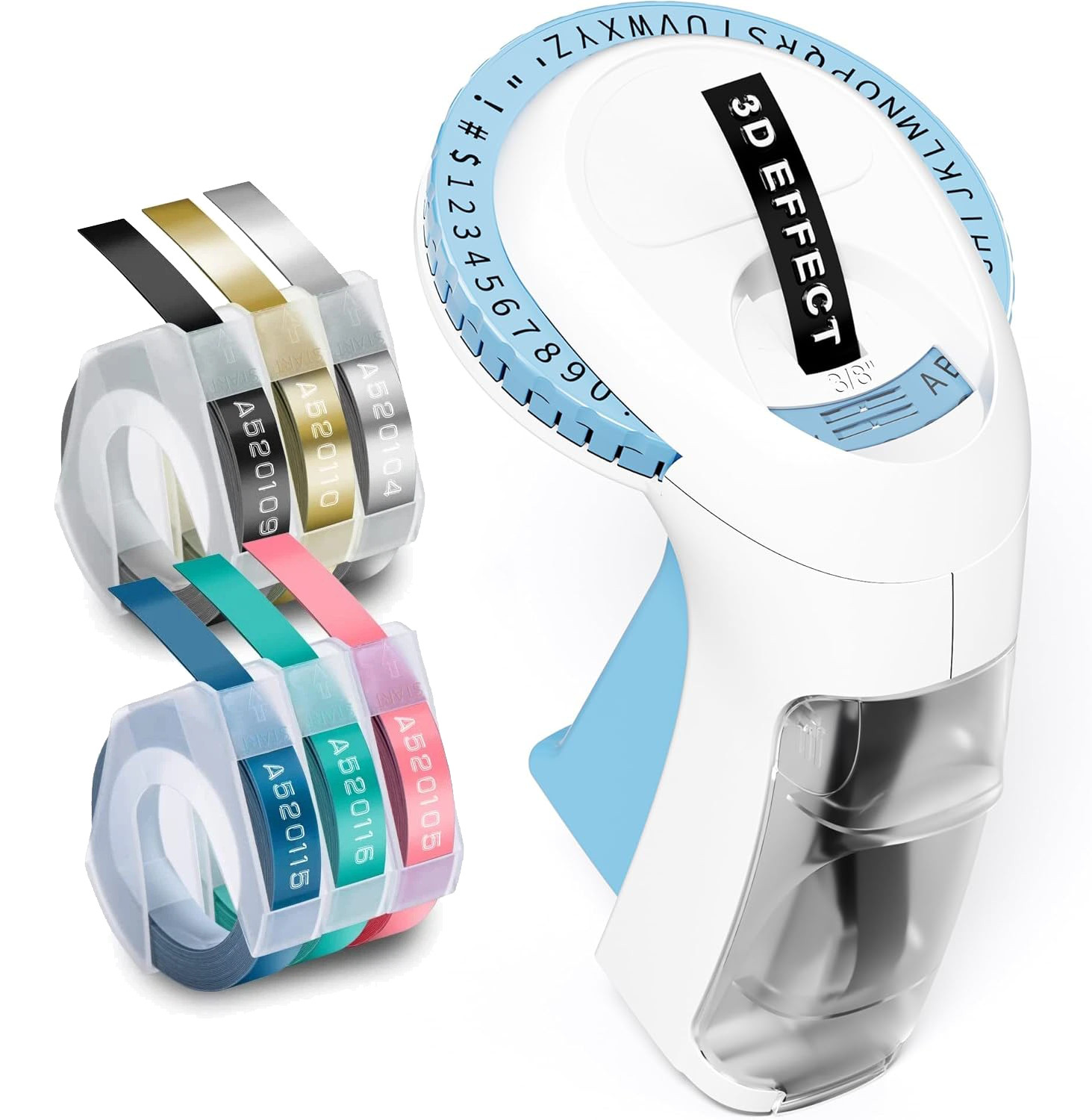
Dymo embossing label makers are manual, squeeze-to-emboss tools that press characters into adhesive vinyl tape—no batteries, ink, or software required. The core trade-off is print quality and ergonomics: budget 'Label Buddy' style units use soft plastic squeeze levers and fixed spacing, while Organizer Xpress and Xpress Pro models add metal cutting blades and tighter character registration for cleaner, longer-lasting labels. Choose an Xpress-tier tool for repeated indoor/outdoor labeling; skip single-lever novelty units if you need consistent depth and neat cuts.

Buying guide image
Printers & Scanners

Thermal Printer

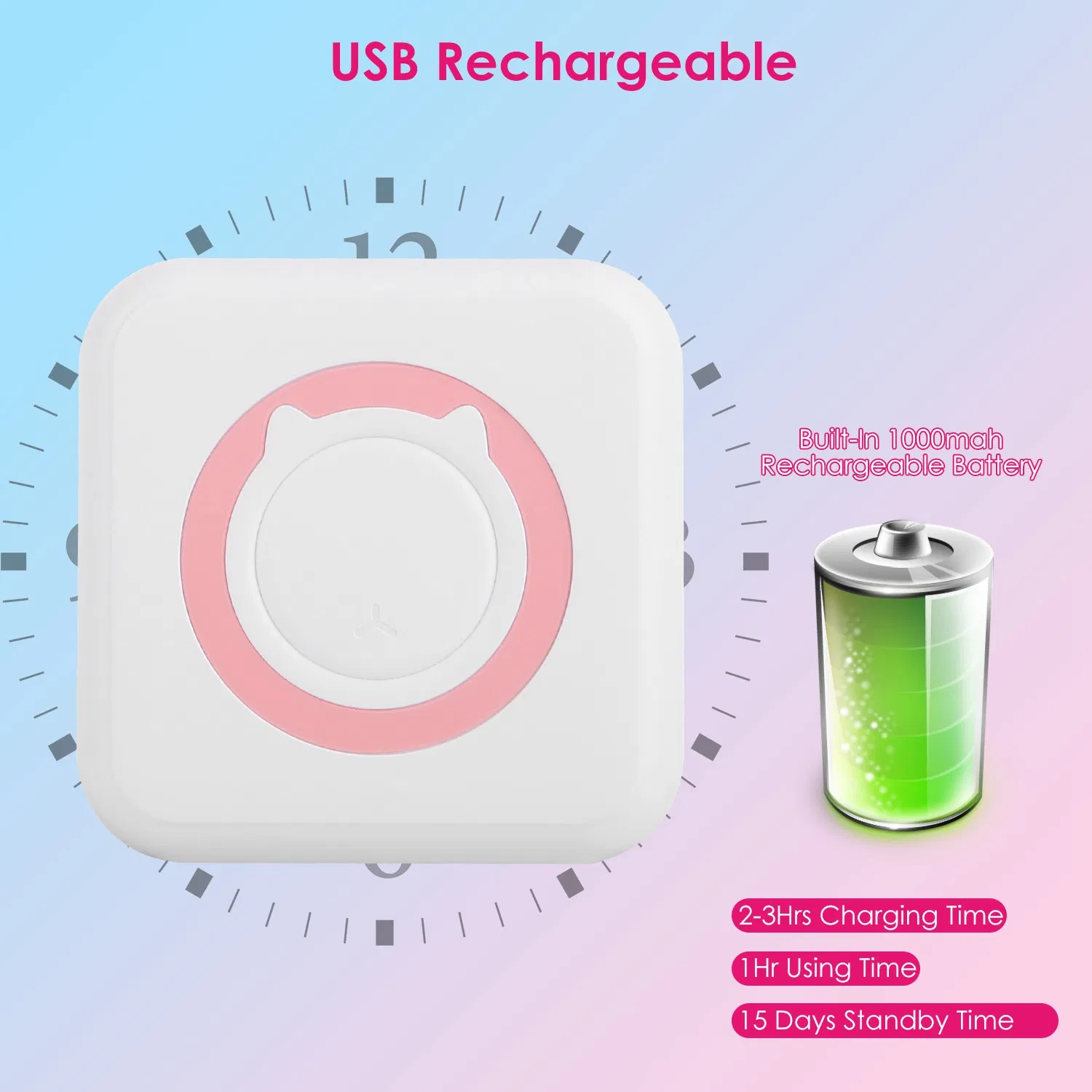
Thermal printers are ink-free devices that create images by heating specially coated paper or transferring wax/resin via a ribbon, splitting into direct-thermal (receipts/labels) and thermal-transfer (durable barcode labels) architectures. The primary trade-off is between ultra-low consumable cost and long-term print durability, with direct-thermal fading under heat/light and thermal-transfer requiring ribbons but lasting years. The decision rule: pick direct-thermal for short-life receipts and shipping labels, thermal-transfer for permanent asset tags and chemical-exposed labels.

Buying guide image
Label Makers & Supplies

Dymo Rhino 4200

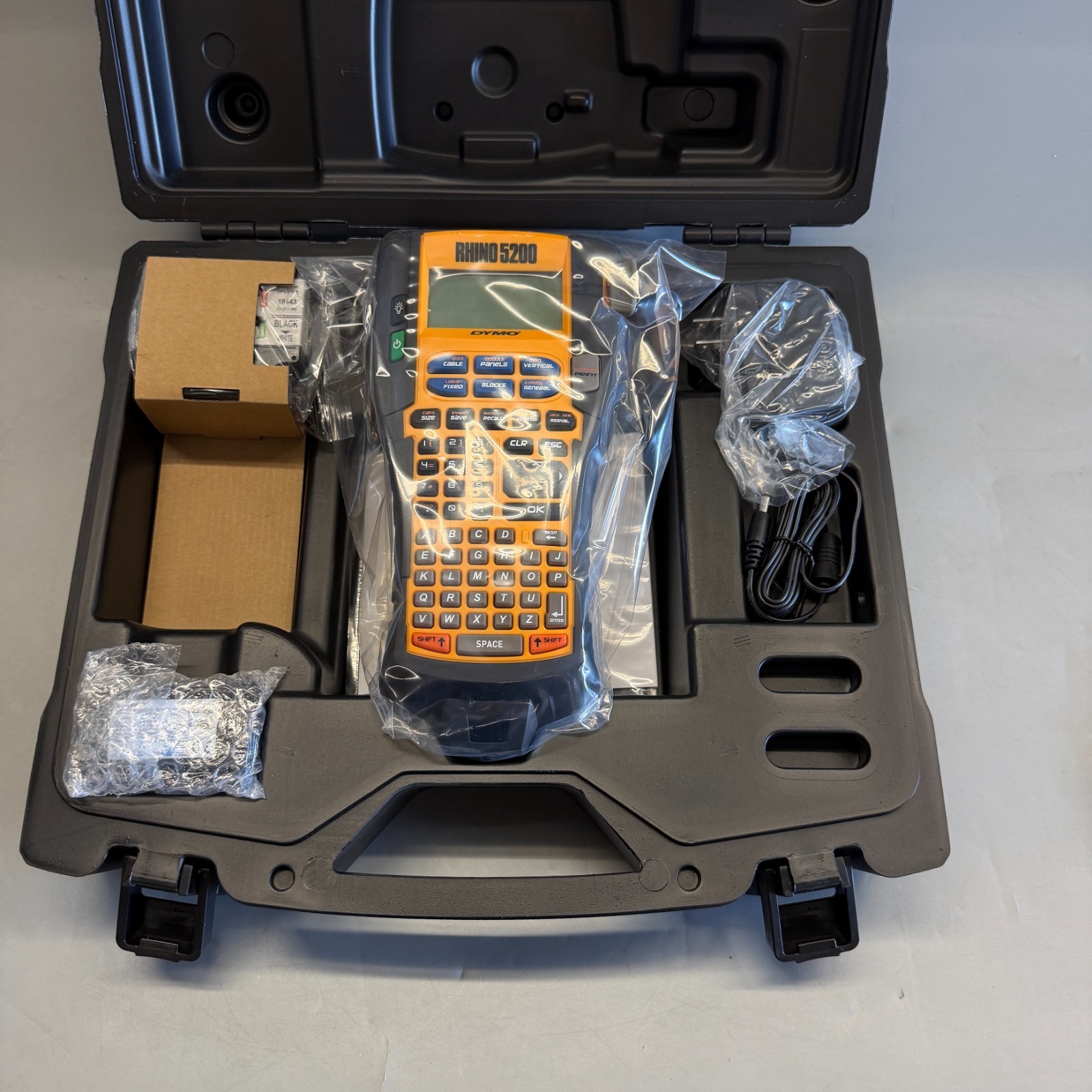
The Dymo Rhino 4200 is a handheld industrial label maker built for rugged job-site and MRO labeling, using proprietary Rhino cartridges rather than generic tape. The core trade-off is between its durable, abrasion-resistant industrial label media and the higher per-label supply cost and single-source cartridge lock-in versus consumer-grade label makers. Buy it only if you need permanent, chemical- and UV-resistant labels on cables, panels, and equipment; otherwise a standard office label maker is cheaper to run.

Buying guide image
Fountain Pen Paper & Notebooks

Journal

A journal for fountain pen writing is defined by paper composition and binding: acid-free, coated or uncoated stock in the 52–90 gsm range decides whether ink feathers, bleeds, or ghosts through to the reverse. The core trade-off is thin, high-opacity Tomoe-style paper for portability versus heavier 80–100 gsm stock for wet nibs and heavy shading. Buy coated or sized paper at 52–68 gsm for pocket carry, or 80 gsm+ uncoated stock for broad/stub nibs and ink swatches; skip generic 70 gsm office notebooks that bleed under any wet ink.

Buying guide image
Packing & Shipping

6x6x6 Shipping Box

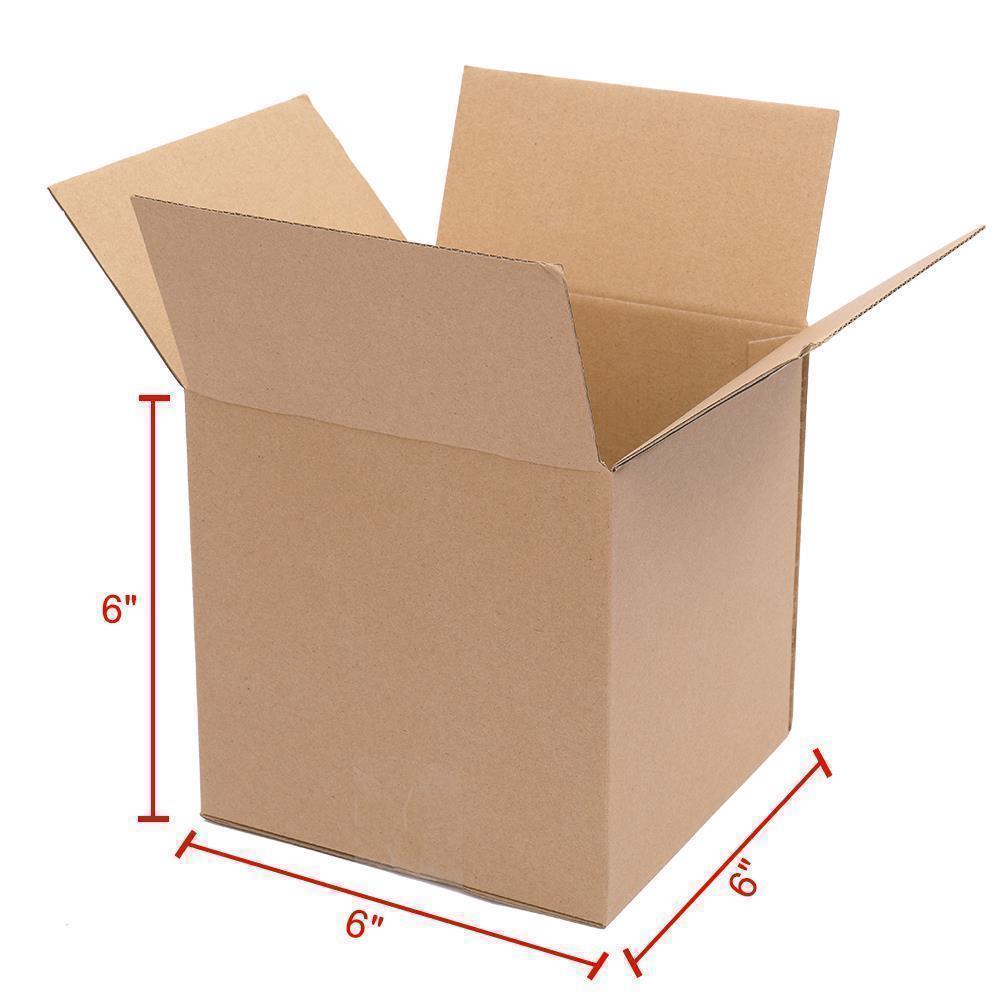
A 6x6x6 shipping box is a cube-shaped corrugated carton used for small parcels, subscription boxes, and retail packaging. The key trade-off is between board grade (ECT/burst strength) and wall construction (single vs double wall), which directly determines crush resistance and stacking safety. Choose single-wall 32 ECT for lightweight items under 10 lb, and double-wall 48 ECT or higher for fragile or heavier contents.

Buying guide image
Digital & Platform Scales

Smart Digital Scale

Smart digital scales combine a precision weight sensor with bioelectrical impedance analysis (BIA) and Bluetooth/Wi-Fi sync to track body composition over time. The core trade-off is electrode count and sensor quality: 4-electrode scales estimate full-body metrics from foot-to-foot current, while 8-electrode (hand-to-foot) designs with a handle or retractable cable deliver segmented readings and materially better accuracy. Buy a scale whose electrode architecture and app ecosystem match your tracking goals; skip any model that lacks specified electrode count or uses unrated tempered glass under 4mm.

Buying guide image
Digital & Platform Scales

Smart Scale With App

Smart scales with app connectivity pair a tempered-glass or plastic platform with bioelectrical impedance sensors and Bluetooth/Wi-Fi sync to track weight, body fat, and composition trends. The core trade-off is between basic 4-electrode foot-to-foot models and 8-electrode (or handle-based) analyzers that add segmented readings but demand stricter barefoot contact. Choose a 4-electrode scale for reliable weight/BMI trends at low cost; step up to 8 electrodes only if you need segmental muscle/fat data and can stand barefoot on metal pads.

Buying guide image
Fountain Pen Paper & Notebooks

Fountain Pen Notebook

A fountain pen notebook is a writing pad engineered with ink-resistant, low-bleed paper that prevents feathering and ghosting from water-based fountain pen inks. The core trade-off is paper grade: high-gsm, coated or sized stock handles wet nibs cleanly, while generic 70–80 gsm office paper bleeds and strikes through. The decision rule is simple — buy only notebooks explicitly rated for fountain pens with 90 gsm or higher and a sizing/coating finish, and skip any pad that lists only 'lined paper' without a gsm or ink-test claim.

Buying guide image
Packing & Shipping

4x4x4 Shipping Box

A 4x4x4 shipping box is a cube corrugated carton used for small, dense items that need protection without excess void fill. The primary trade-off is wall strength versus cost: single-wall 32 ECT boxes handle most light goods, while heavier or fragile contents demand 200 lb test double-wall construction. Buy by inside dimensions, board grade, and bundle quantity—not by nominal size alone—to avoid crushed corners or oversize fees.

Buying guide image
Label Makers & Supplies

Epson Label Maker

Epson label makers are handheld and desktop thermal printers that use proprietary cartridges to produce adhesive labels for cables, shelves, files, and equipment tags. The core trade-off is between Epson's dedicated LC/LK tape ecosystem and cheaper generic thermal solutions: genuine Epson cartridges deliver consistent print density and adhesive performance, while third-party tapes often fail at high temperatures or on textured surfaces. Choose an Epson model only if you need its specific tape widths, ruggedized industrial build, or PC-connectivity software; otherwise, a generic thermal label maker with standard tape widths will cover basic home labeling at lower consumable cost.

You may also like

Finding more guides for you…