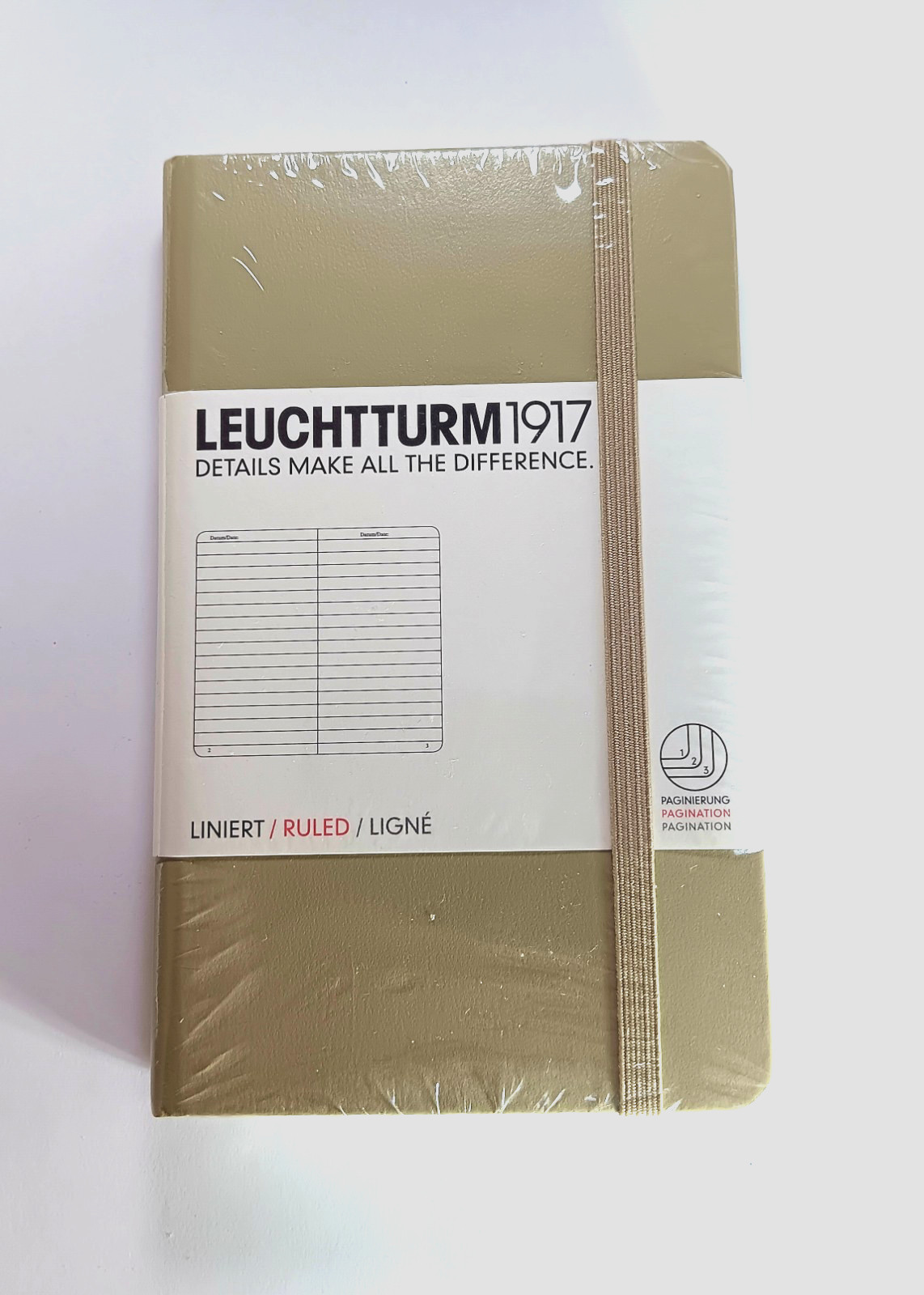

Photos from current listings. Actual item, color, and included accessories may vary.
Journal Notebook Buying Guide
A journal notebook is a bound paper book optimized for daily writing, planning, or reflection, where the primary trade-off is paper quality (fountain-pen friendliness, bleed/ghosting resistance, GSM) versus portability and page count. Durable options use thread-sewn or glued bindings with 80–100 GSM acid-free paper, while compromises rely on thin 60–70 GSM paper and weak staple or spiral bindings that tear and bleed. The clear decision rule: pick paper grade and binding construction first, then size — never let cover aesthetics override ink compatibility and lay-flat durability.
Median $24.99
Key takeaways
- Paper weight drives fountain-pen performance: 80–100 GSM handles wet inks with minimal ghosting; 52–70 GSM Tomoe River shows ghosting but resists bleed-through.
- Binding type determines longevity: thread-sewn signatures lay flatter and survive years; glued perfect binding cracks at the spine; spiral and staple bindings tear at the holes.
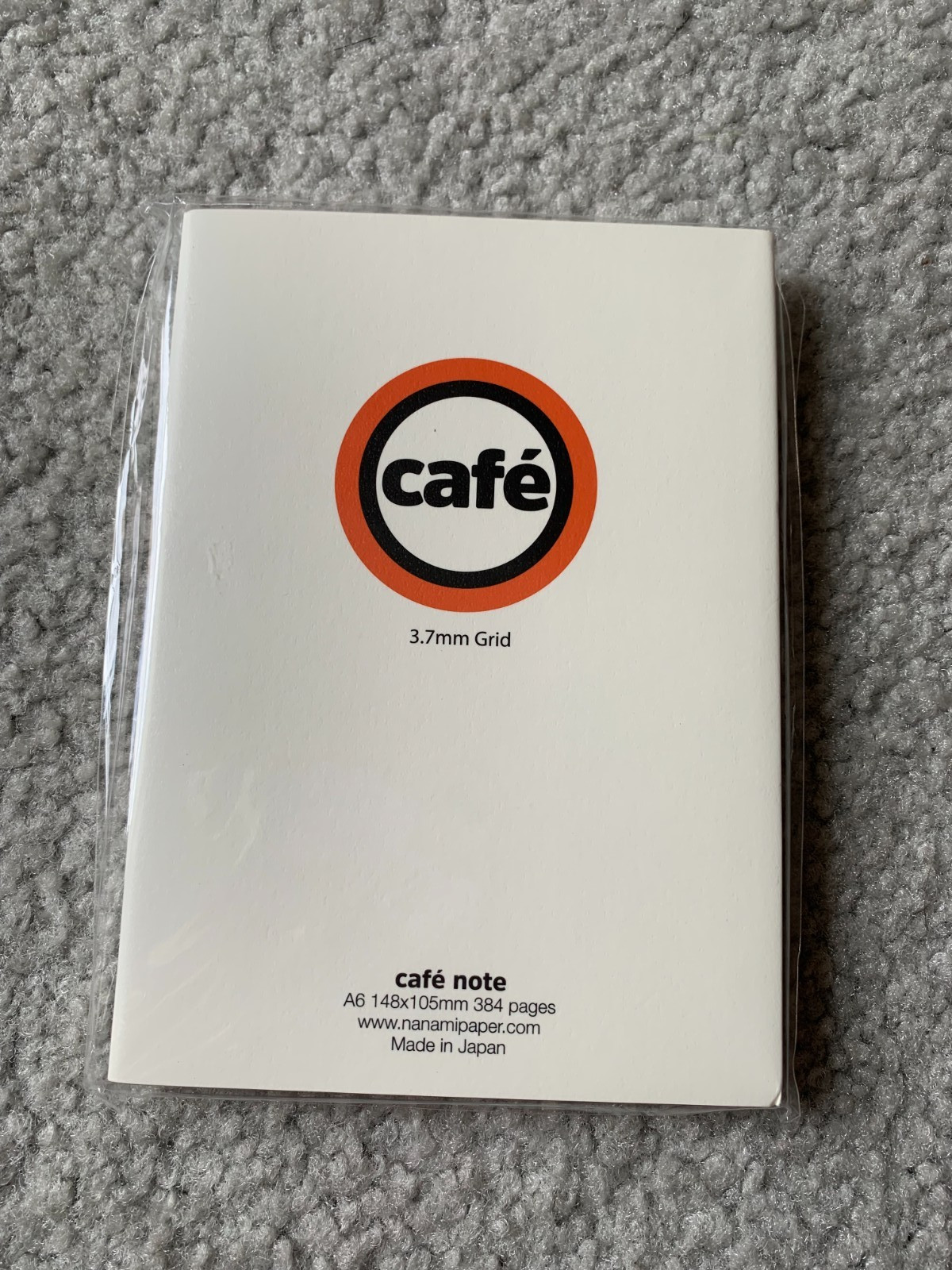
- Page count and size trade off directly: A6 pocket journals pack 160–384 pages yet stay under 200 g, while A5 offers more writing area at the cost of portability.
At a glance
- Category
- Fountain Pen Paper & Notebooks
- Last updated
- Nov 23, 2026
Current offers
Highlights
- Paper weight drives fountain-pen performance: 80–100 GSM handles wet inks with minimal ghosting; 52–70 GSM Tomoe River shows ghosting but resists bleed-through.
- Binding type determines longevity: thread-sewn signatures lay flatter and survive years; glued perfect binding cracks at the spine; spiral and staple bindings tear at the holes.
- Page count and size trade off directly: A6 pocket journals pack 160–384 pages yet stay under 200 g, while A5 offers more writing area at the cost of portability.
- Acid-free and pH-neutral paper prevents yellowing and ink degradation over decades, a spec rarely stated on budget notebooks and critical for archival journaling.
Best use cases
- Daily carry and pocket journaling: choose A6 (148×105 mm) with 80–100 GSM paper and rounded corners; skip A5 hardcovers that bulge in a jeans pocket.
- Fountain-pen journaling and ink testing: pick 52–68 GSM Tomoe River or 90–100 GSM coated stock with sewn binding; avoid 60–70 GSM recycled pulp that feathers and bleeds.
- Structured planning and bullet journaling: select A5 with dot-grid or lined 5 mm ruling and 160–200 numbered pages; skip undated planners unless you need flexible start dates.
- Archival and long-form writing: choose A5 or B5 with 100 GSM acid-free paper and sewn signatures; skip glued perfect-bound notebooks that crack after heavy use.
Buying tips
- Sizing math: A6 (105×148 mm) suits pockets; A5 (148×210 mm) fits most bags; B5 (176×250 mm) maximizes writing area for desk use — pick by carry method, not aesthetics.
- Paper grade rule: for fountain pens, 80 GSM and above minimizes ghosting; 52–68 GSM Tomoe River trades ghosting for bleed resistance and thinness.
- Binding check: thread-sewn signatures lay flat at 180°; glued spines need a 20–30% page-count buffer and still crack — choose sewn for journals used daily.
- Ruling compatibility: 5 mm dot grid suits bullet journaling and handwriting up to medium nib; 6–7 mm lines suit larger handwriting; blank pages demand a guide sheet.
Specs
| Paper Weight | 52–100 GSM (80+ for fountain pens) |
|---|---|
| Binding Type | Thread-sewn vs glued vs spiral/staple |
| Common Sizes | A6 105×148 / A5 148×210 / B5 176×250 mm |
| Ruling Options | Lined 5–7 mm / dot grid 5 mm / blank |
Related searches
What to check before buying
- Measure your pocket or bag opening: A6 needs about 110×155 mm clearance; A5 needs about 155×215 mm; confirm before committing to a size.
- Test your pen and ink on the paper's GSM and coating: 80+ GSM uncoated suits most fountain pens; 52–68 GSM Tomoe River suits dry inks; absorbent recycled paper suits ballpoint only.
- Check binding and cover stiffness: softcover sewn journals flex in a pocket; hardcover stitched journals resist desk wear but add 80–150 g.
- Confirm ruling, page count, and extras: 5 mm dot grid, 160–200 pages, ribbon marker, and elastic closure are the practical baseline for daily journaling.
FAQ
Data sources: eBay / Amazon listings and product attribute feeds. Updated Nov 23, 2026.
Some links on this page are affiliate links. If you buy after clicking one, we may earn a commission at no extra cost to you. This does not change which products appear here or their order. Affiliate disclosure.