
Photos from current listings. Actual item, color, and included accessories may vary.
Vintage Fountain Pen Buying Guide
Vintage fountain pens are collectible writing instruments produced roughly before the 1980s, valued for their historical materials, filling mechanisms, and nib craftsmanship. The primary trade-off is between restored original condition—which demands knowledge of sacs, seals, and nib wear—and modern 'vintage-style' pens that only mimic aesthetics with contemporary internals. The clear decision rule: buy a true vintage pen only if the seller states the filling system has been serviced or discloses its condition; otherwise, pick a modern vintage-inspired model for reliable daily use.
Median $297.32 · Pre-owned listings
Key takeaways
- Filling mechanism defines service life: lever-fill and button-fill pens rely on rubber sacs that degrade every 10–20 years; vacuum-fill and piston-fill systems need specialized seals and tools for repair.
- Nib material drives writing feel and value: 14k solid gold nibs resist corrosion and flex predictably, while gold-plated steel nibs wear through plating and offer minimal line variation.
- Celluloid and hard rubber bodies are period-correct but prone to shrinkage, discoloration, and crazing; acrylic and resin are modern substitutes that resist staining and cracking.
At a glance
- Category
- Fountain Pens
- Last updated
- Nov 24, 2026
Current offers
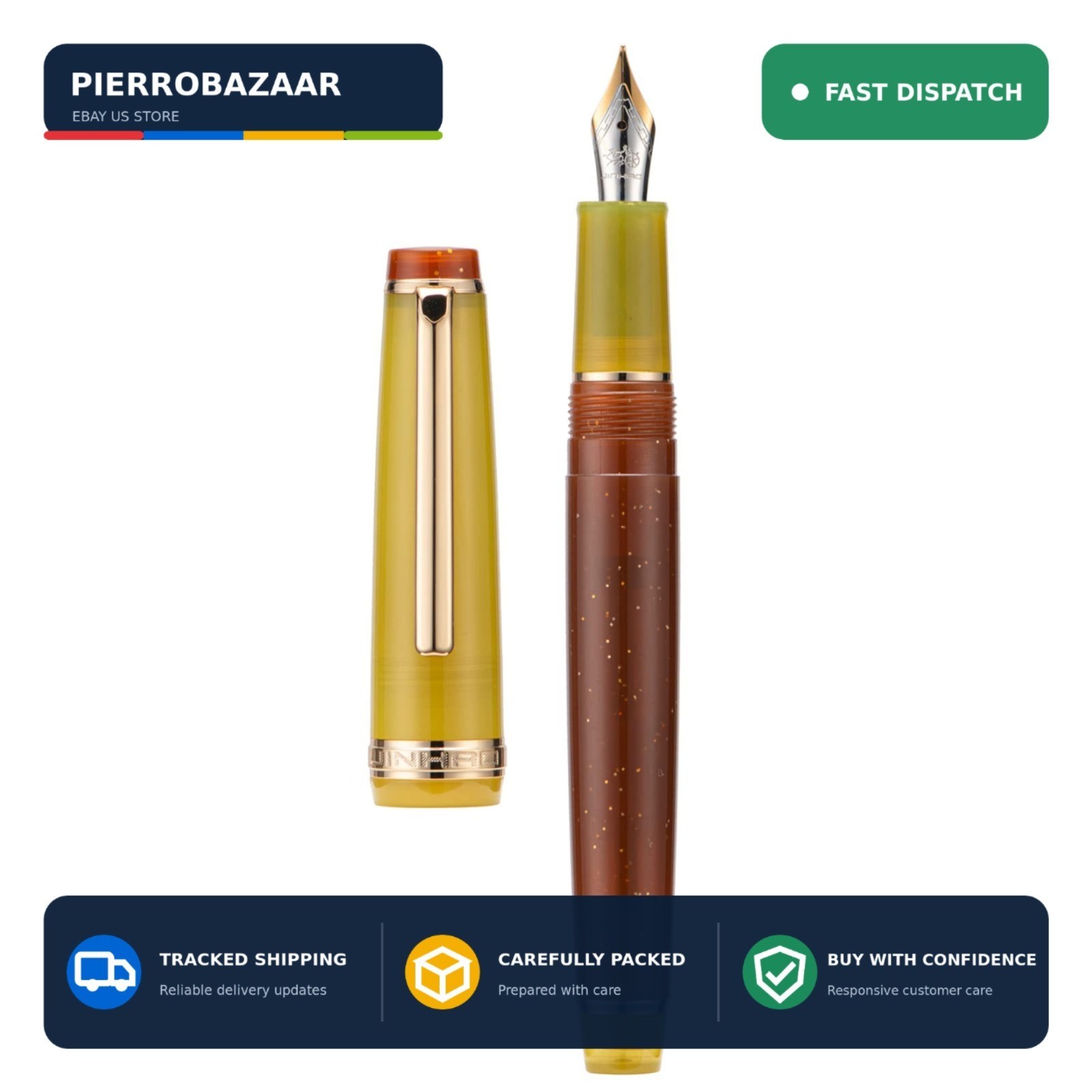 Jinhao 82 Acrylic Fountain Pen with Medium Nib and Converter - Vintage Design$39.99View on eBay
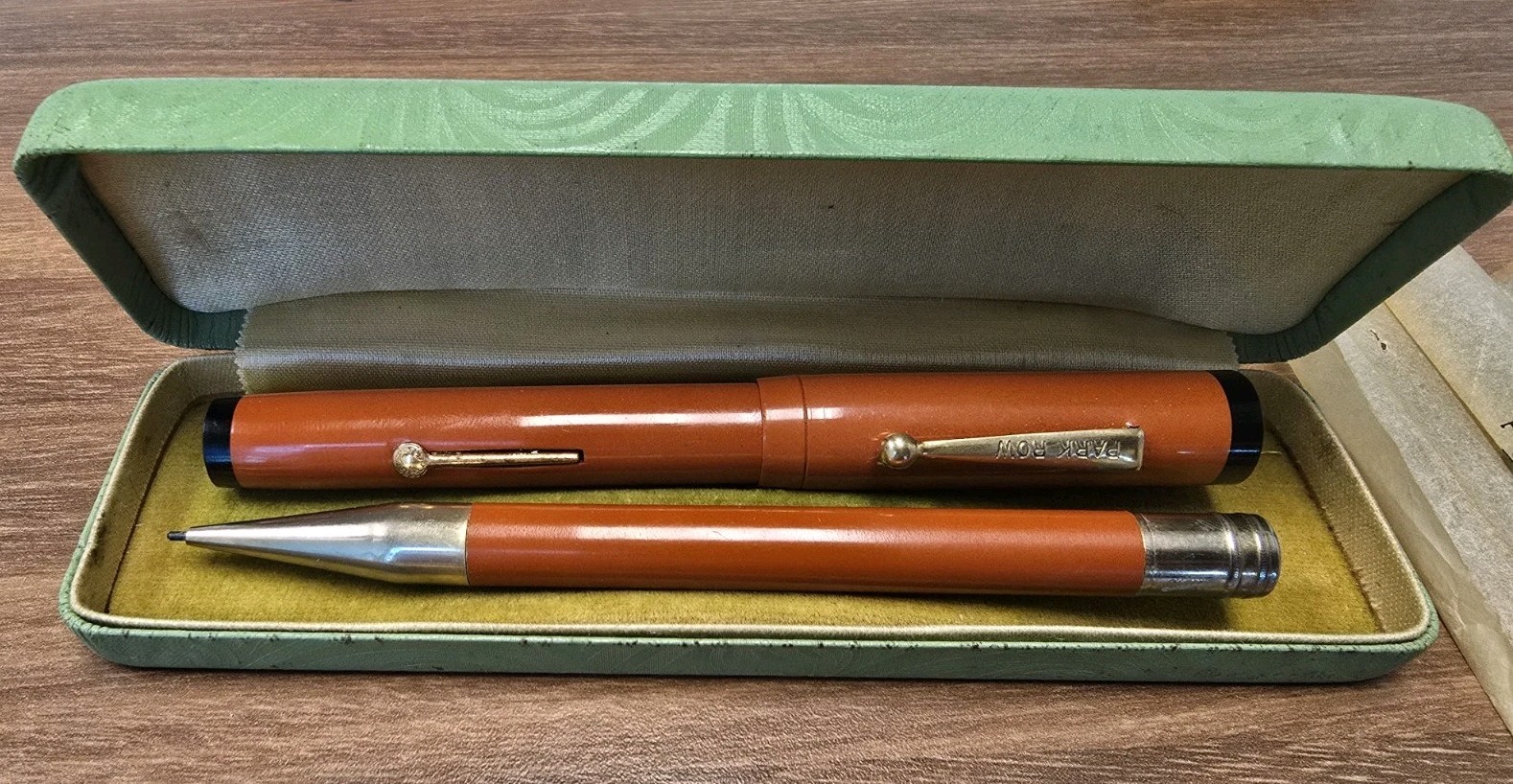 Vintage Park Row Fountain Pen/Pencil Set w/ Box & Papers, 14k Nib, Working$100.00View on eBay
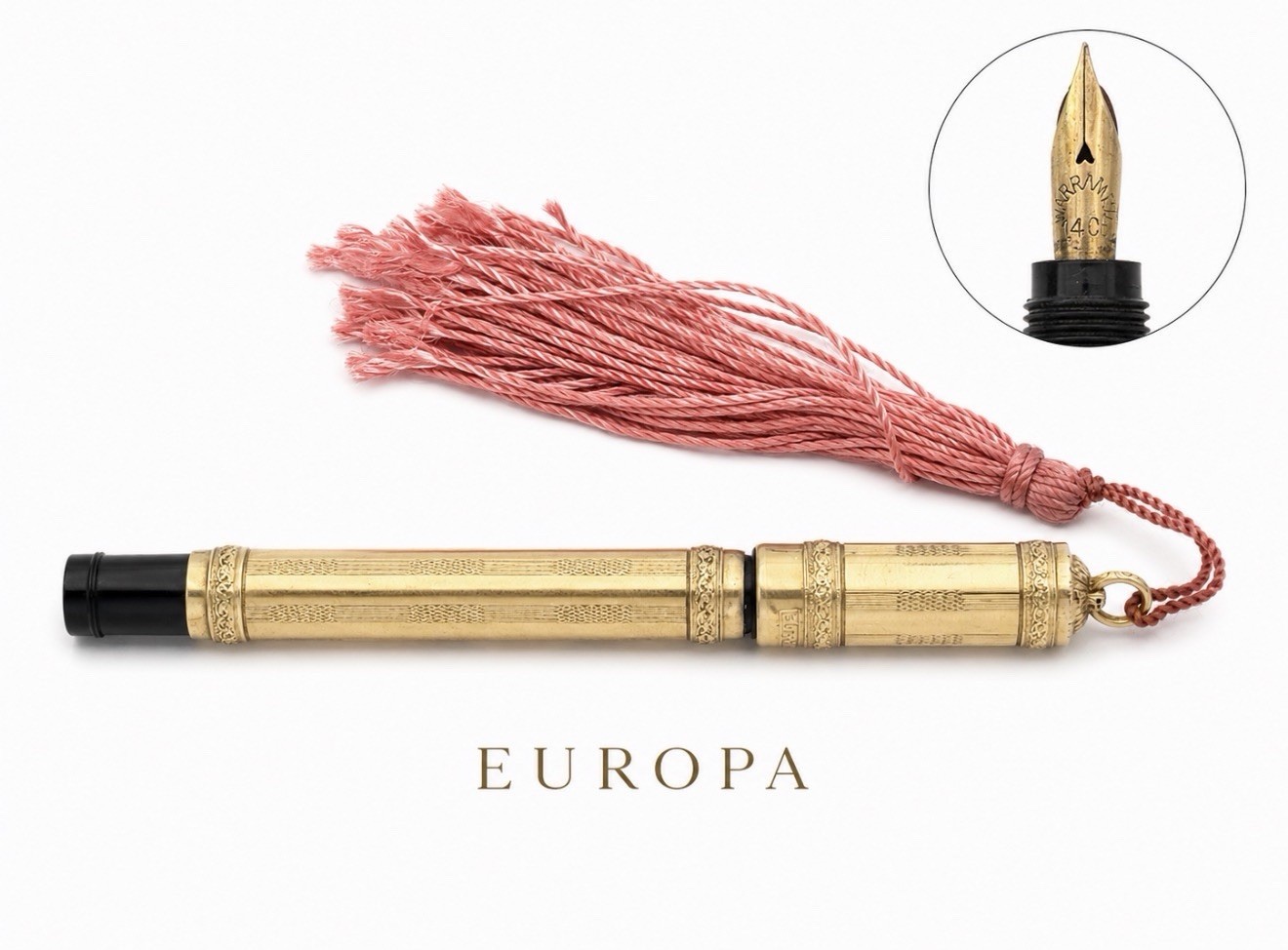 EUROPA Retractable Safety Fountain Pen Engraved Gold Nib Vintage 1920$233.35Used · Last checked Nov 18, 2026View on eBay
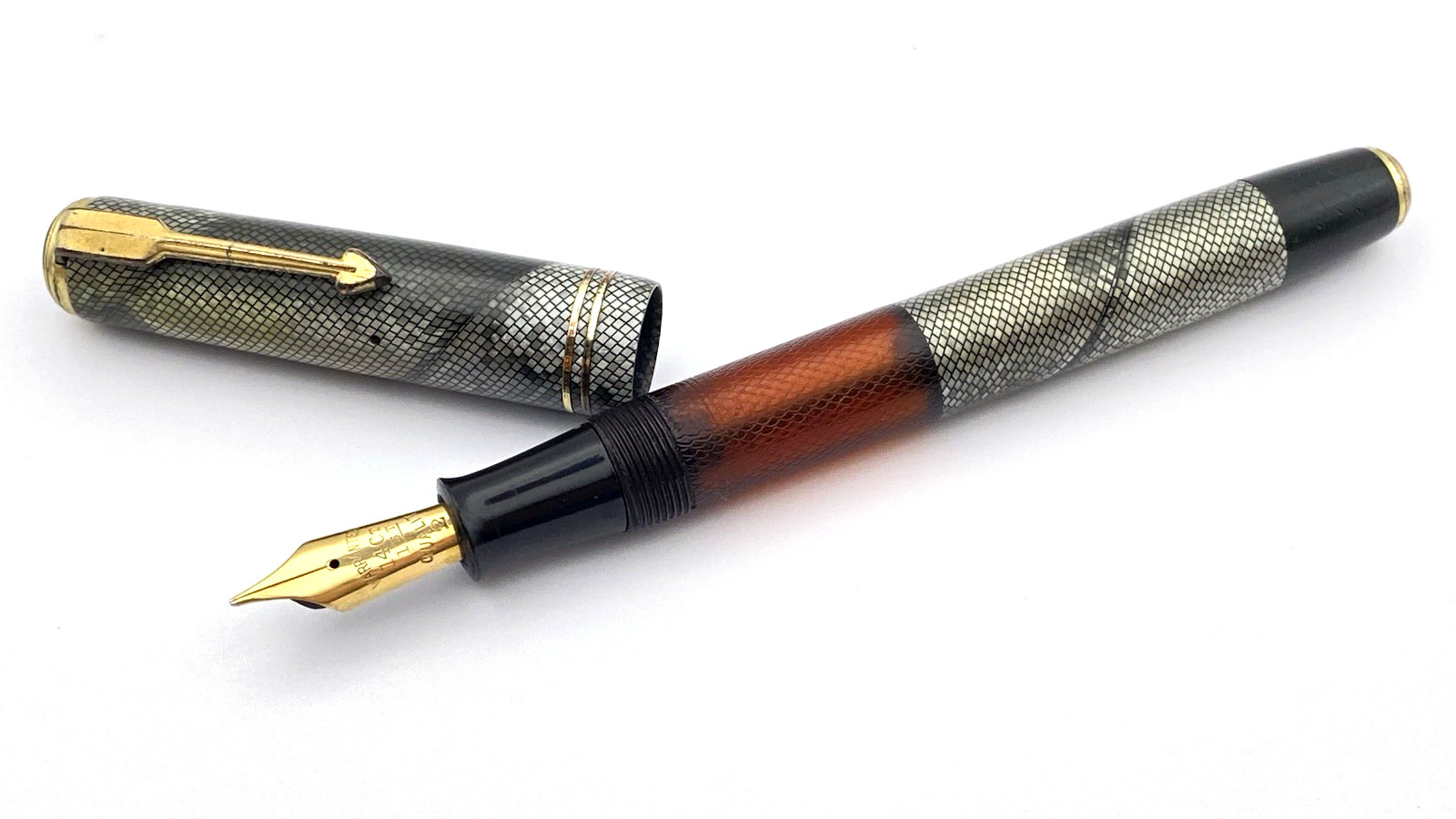 VINTAGE SUMMIT INK VISIBLE FOUNTAIN PEN GRAY LIZARD SKIN FLEXBILE 14K MEDIUM NIB$297.32Used · Last checked Nov 18, 2026View on eBay
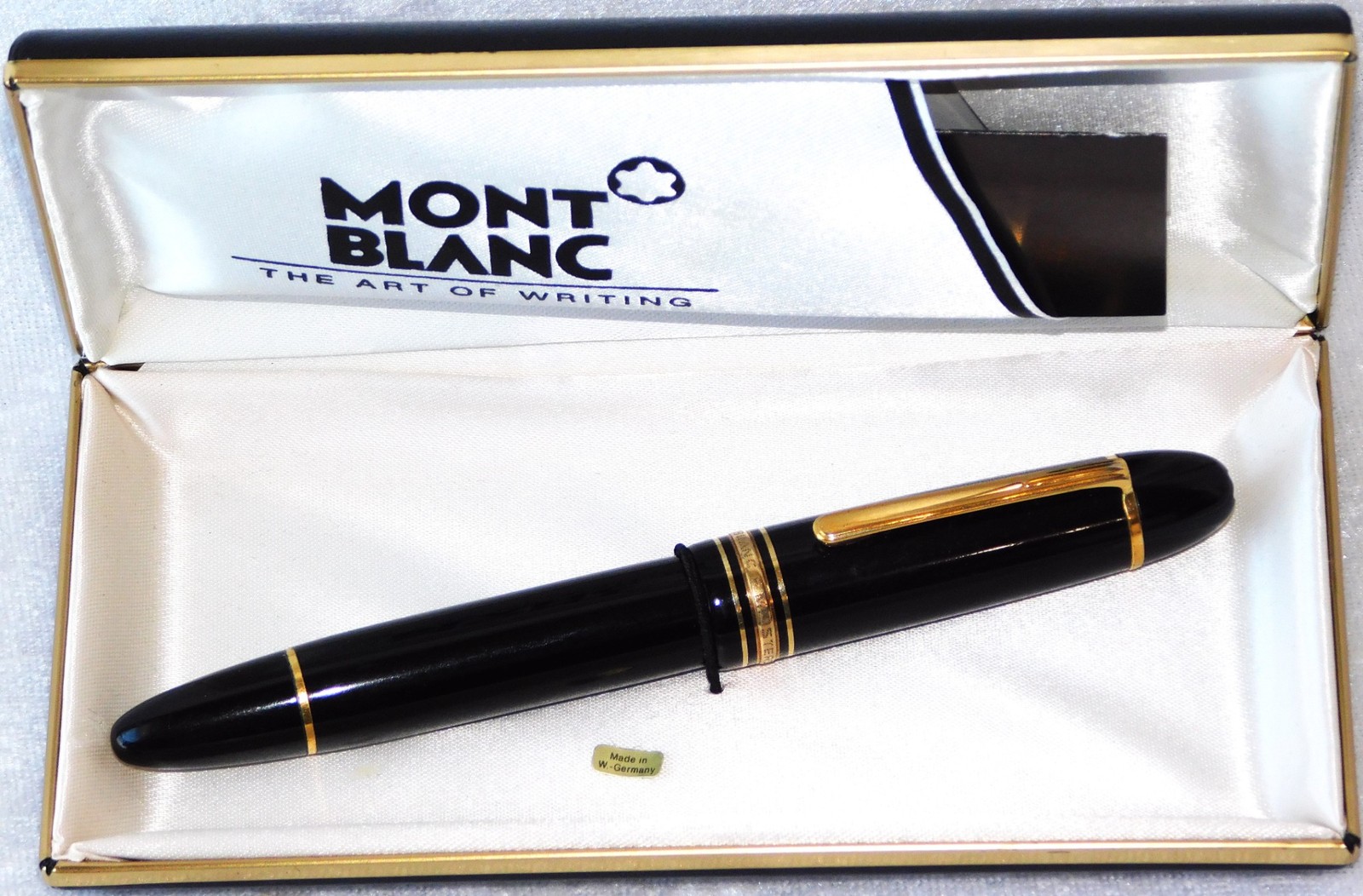 Vintage Montblanc Meisterstuck Fat 149 14k Nib Black Fountain Pen 5 7/8" w/ Box$399.99Used · Last checked Nov 23, 2026View on eBay
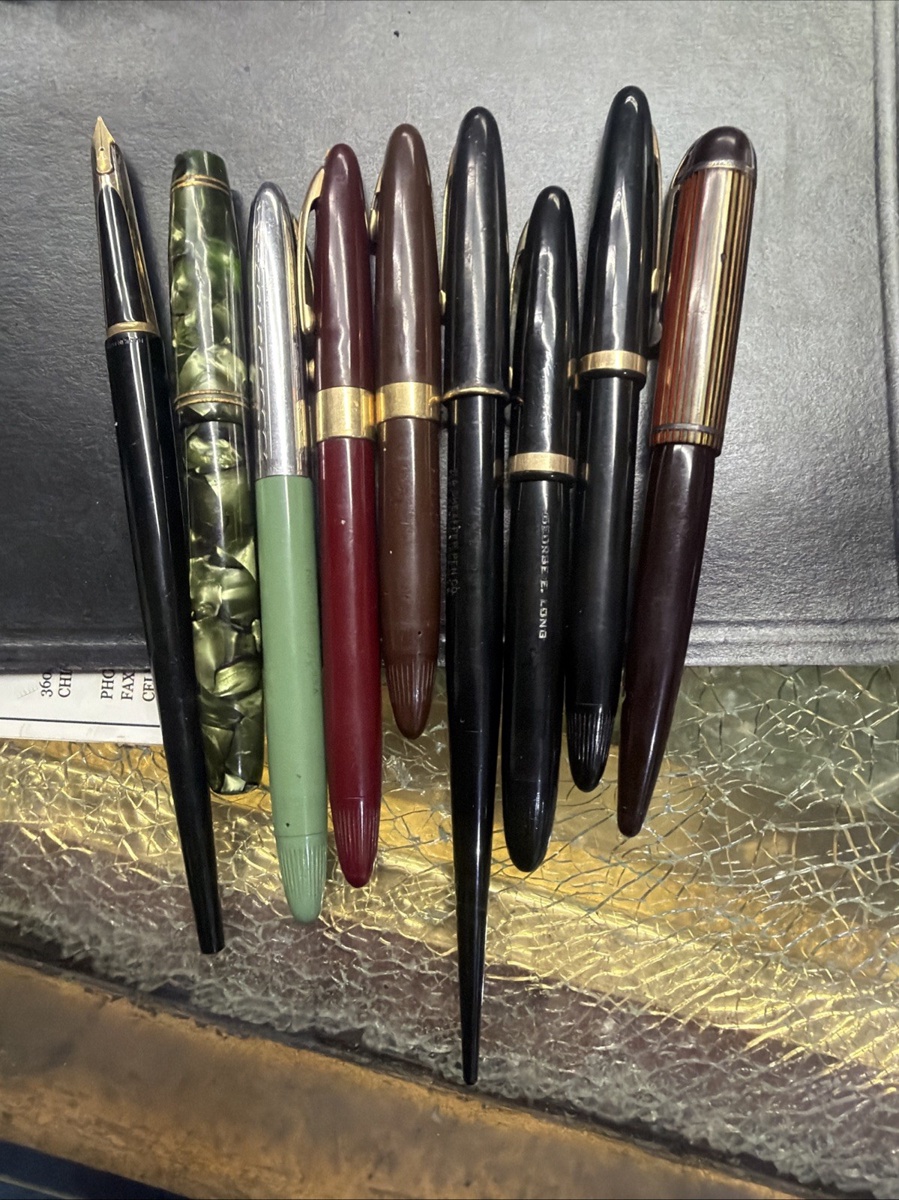 lot of 9 14k nib fountain pens vintage$599.00Used · Last checked Nov 18, 2026View on eBay
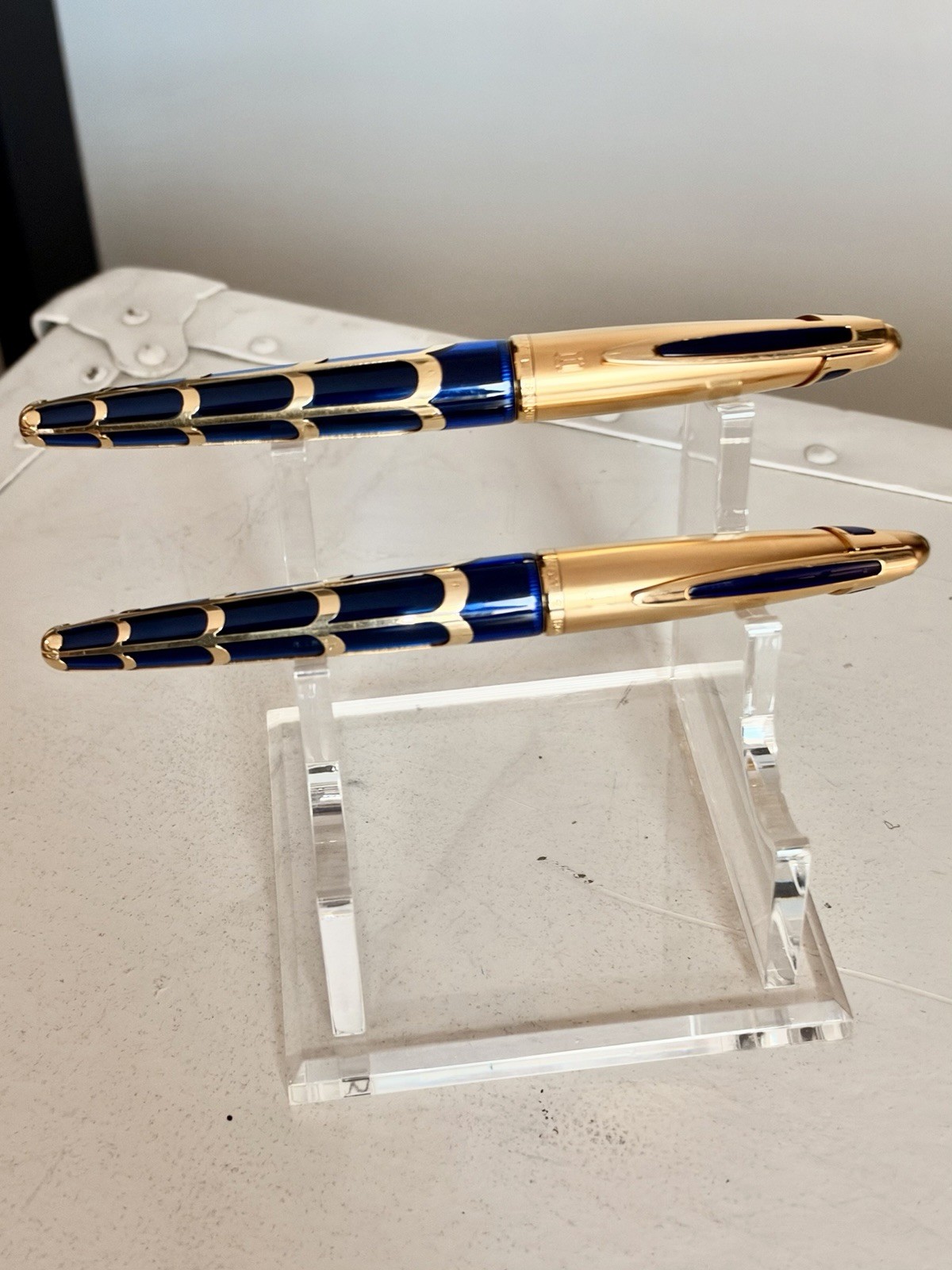 2 Waterman Edson Boucheron Fountain Pens 18K Gold M & OGF Nibs Rare Vintage$3,500.00Used · Last checked Nov 23, 2026View on eBay
Highlights
- Filling mechanism defines service life: lever-fill and button-fill pens rely on rubber sacs that degrade every 10–20 years; vacuum-fill and piston-fill systems need specialized seals and tools for repair.
- Nib material drives writing feel and value: 14k solid gold nibs resist corrosion and flex predictably, while gold-plated steel nibs wear through plating and offer minimal line variation.
- Celluloid and hard rubber bodies are period-correct but prone to shrinkage, discoloration, and crazing; acrylic and resin are modern substitutes that resist staining and cracking.
Best use cases
- Best fit for daily journaling or correspondence: choose a restored lever-fill pen with a 14k gold nib and a fresh sac—skip unrestored eBay lots unless you repair pens yourself.
- Best fit for collecting and display: target pre-1960 models with original boxes and papers; avoid 'vintage-style' modern pens like the Jinhao 82, which are new production and hold no collectible value.
- Best fit for a first vintage pen: pick a post-1950 Sheaffer or Parker cartridge/converter model with a gold nib—skip delicate eyedropper or vacuum-fill pens that demand specialized maintenance.
- Wrong fit for heavy daily carry: vintage celluloid pens are brittle and moisture-sensitive; a modern acrylic vintage-look pen is the right pick if the pen will travel in a bag or pocket.
Buying tips
- Confirm the filling system and service history: a pen with a recently replaced sac and sealed section is ready to write; an 'as-is' listing means you budget for professional restoration.
- Inspect nib tipping under magnification: iridium tipping should be intact and symmetrical—worn flats or missing tipping means the nib needs replacement or retipping, which costs more than most common vintage pens.
- Match pen size to hand span: vintage pens often run smaller than modern standards; a posted length under 5.5 inches suits pocket carry, while 5.5–6 inches posted suits average hands for long writing sessions.
- Verify material compatibility with your climate: hard rubber and celluloid can warp or craze in hot cars or dry forced-air rooms; store in a stable, moderate-humidity case regardless of model.
Specs
| Filling System | Lever / Button / Piston / Vacuum |
|---|---|
| Nib Material | 14k Gold / Gold-Plated Steel |
| Body Material | Celluloid / Hard Rubber / Acrylic |
| Restoration Status | Restored / As-Is / Modern Replica |
Related searches
What to check before buying
- Measure your hand span and preferred posted length before buying—vintage pens frequently measure 4.5–5.5 inches capped, shorter than modern full-size pens.
- Confirm the seller accepts returns for nib defects: vintage nibs are often sold with undisclosed wear, and writing samples or close-up tipping photos are the only reliable proof.
- Check that the filling system matches your maintenance comfort: lever and button fillers need sac replacement every decade or two; cartridge/converter vintage pens are the lowest-maintenance option.
- Verify included companions: original boxes, papers, and converters add collector value and usability—a pen sold without a converter or ink sac is incomplete for immediate writing.
FAQ
Data sources: eBay / Amazon listings and product attribute feeds. Updated Nov 24, 2026.
Some links on this page are affiliate links. If you buy after clicking one, we may earn a commission at no extra cost to you. This does not change which products appear here or their order. Affiliate disclosure.