
Photos from current listings. Actual item, color, and included accessories may vary.
Nice Pen Buying Guide
A 'nice pen' in the fountain category means a writing instrument built around a replaceable nib and feed system, where the primary trade-off is nib material and feed quality versus body finish and filling mechanism. Durable options use tipped steel or gold-alloy nibs with ebonite or machined feeds and standard international cartridges or converters; compromises use untipped folded metal nibs, glued feeds, and proprietary cartridges that limit ink choice.
Median $35.00
Key takeaways
- Nib material tiers: stainless steel (rigid, starter), gold-alloy 14k/18k (springy, wetter), and titanium (soft, feedback-rich) determine line variation and pressure tolerance.
- Filling systems separate good from great: standard international short/long cartridges and screw-in converters offer ink freedom; proprietary cartridges lock buyers into one brand.
- Feed architecture matters more than body: ebonite or machined ABS feeds with deep ink channels resist railroading and dry-out better than glued two-piece plastic feeds.
At a glance
- Category
- Fountain Pens
- Last updated
- Nov 29, 2026
Current offers
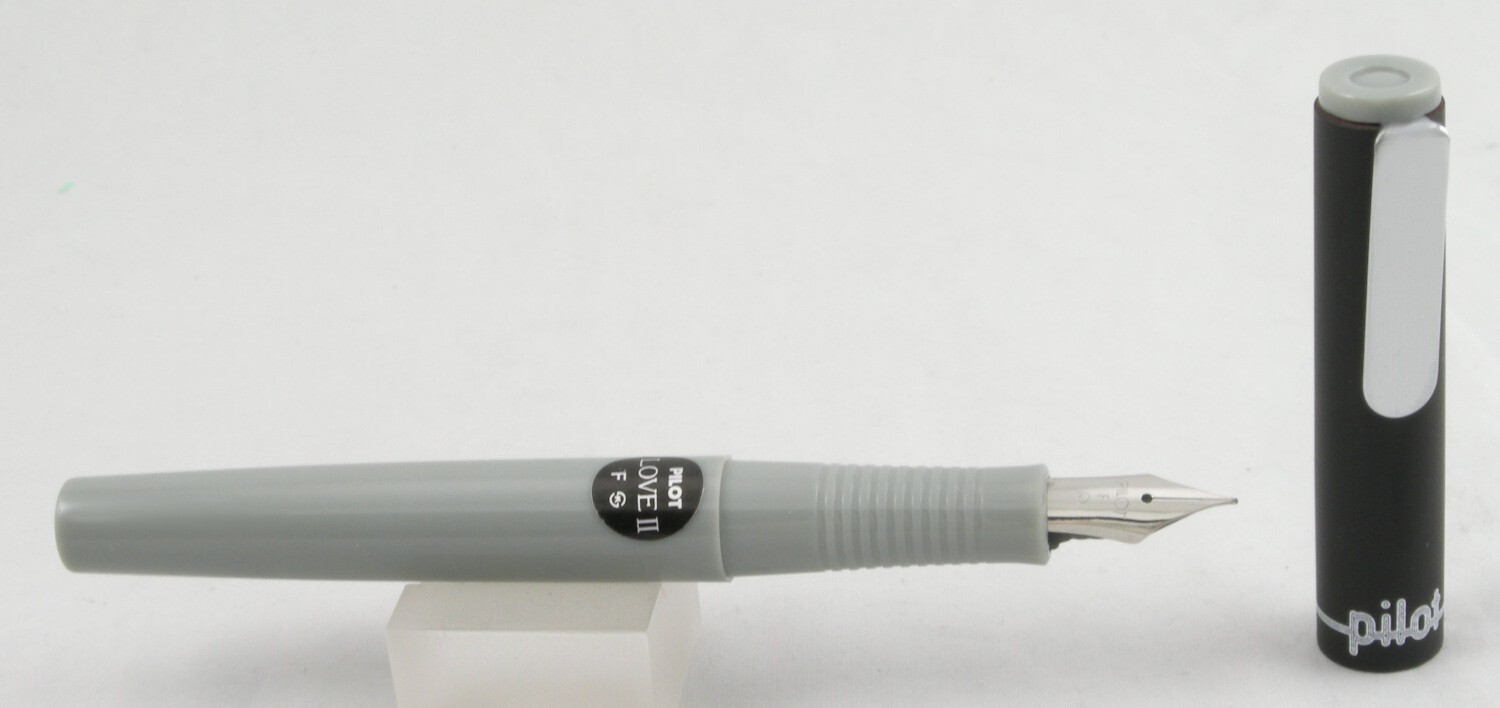 Pilot Love II Grey & Black Fountain Pen - Fine Nib - 1970s -New-Old-Stock In Box$20.00View on eBay
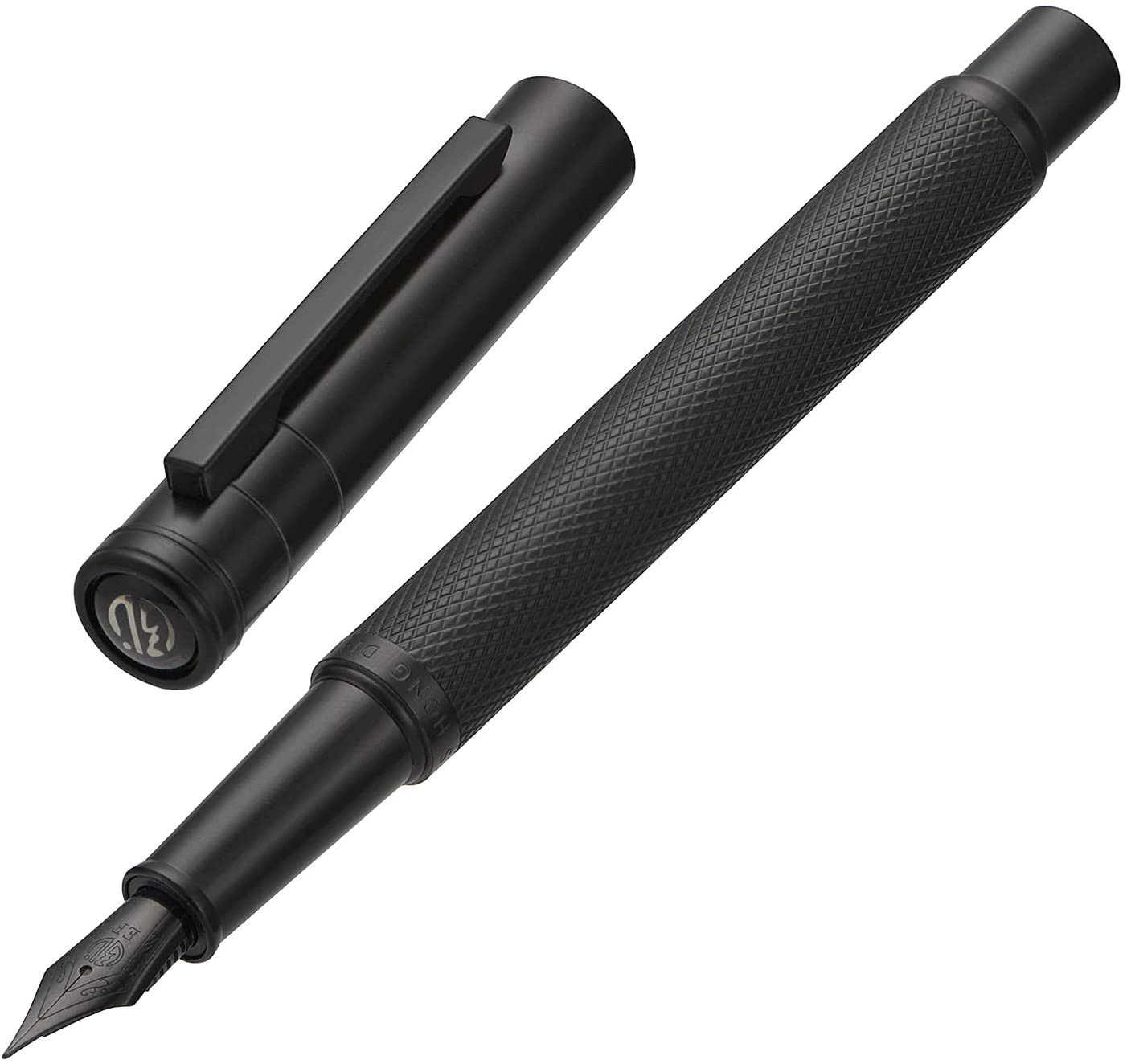 Matte Black Forest Fountain Pen Extra Fine Nib Classic Design with Converter and$20.61View on eBay
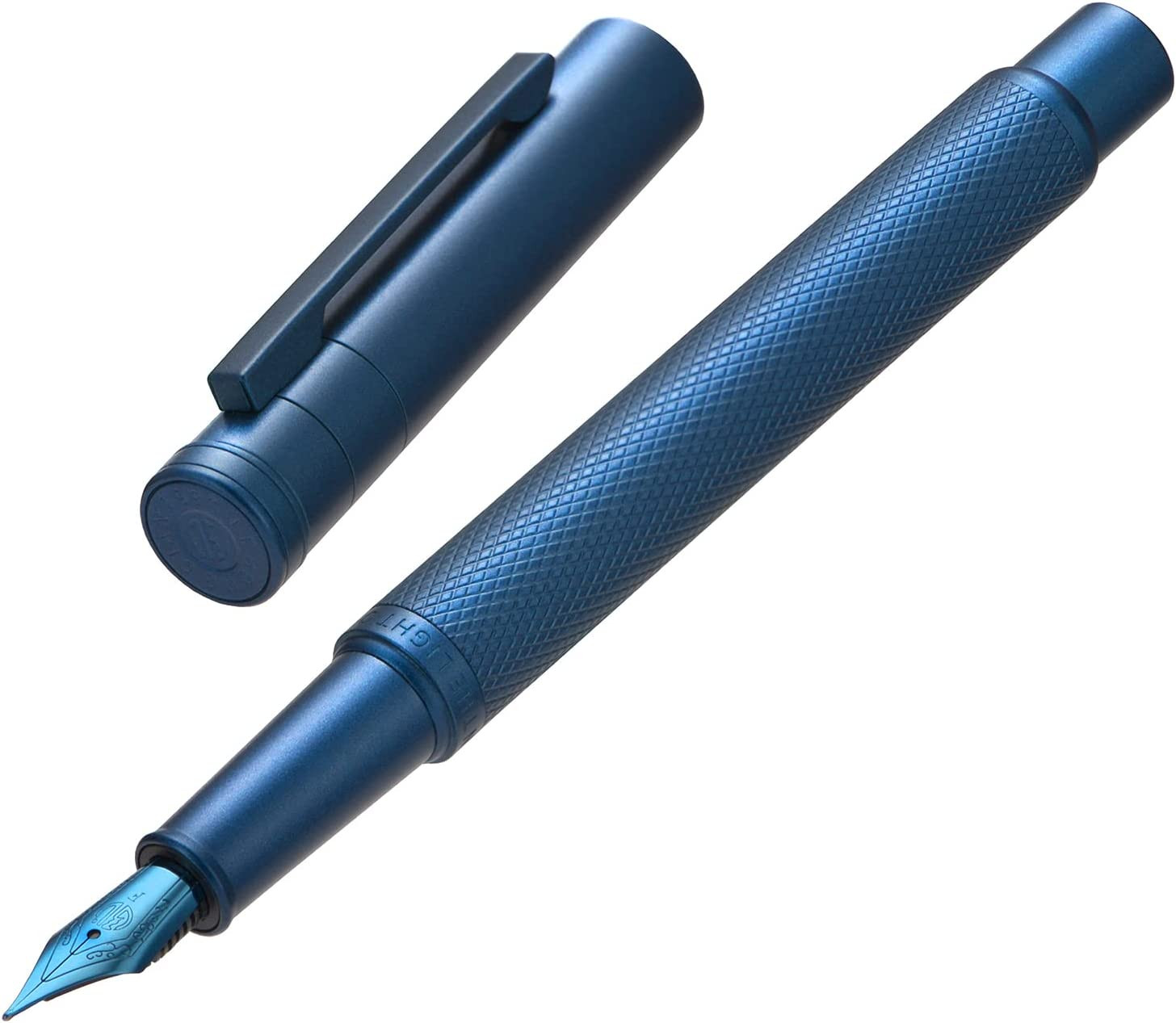 Dark Blue Forest Fountain Pen Extra Fine Nib Classic Design with Converter and M$21.19View on eBay
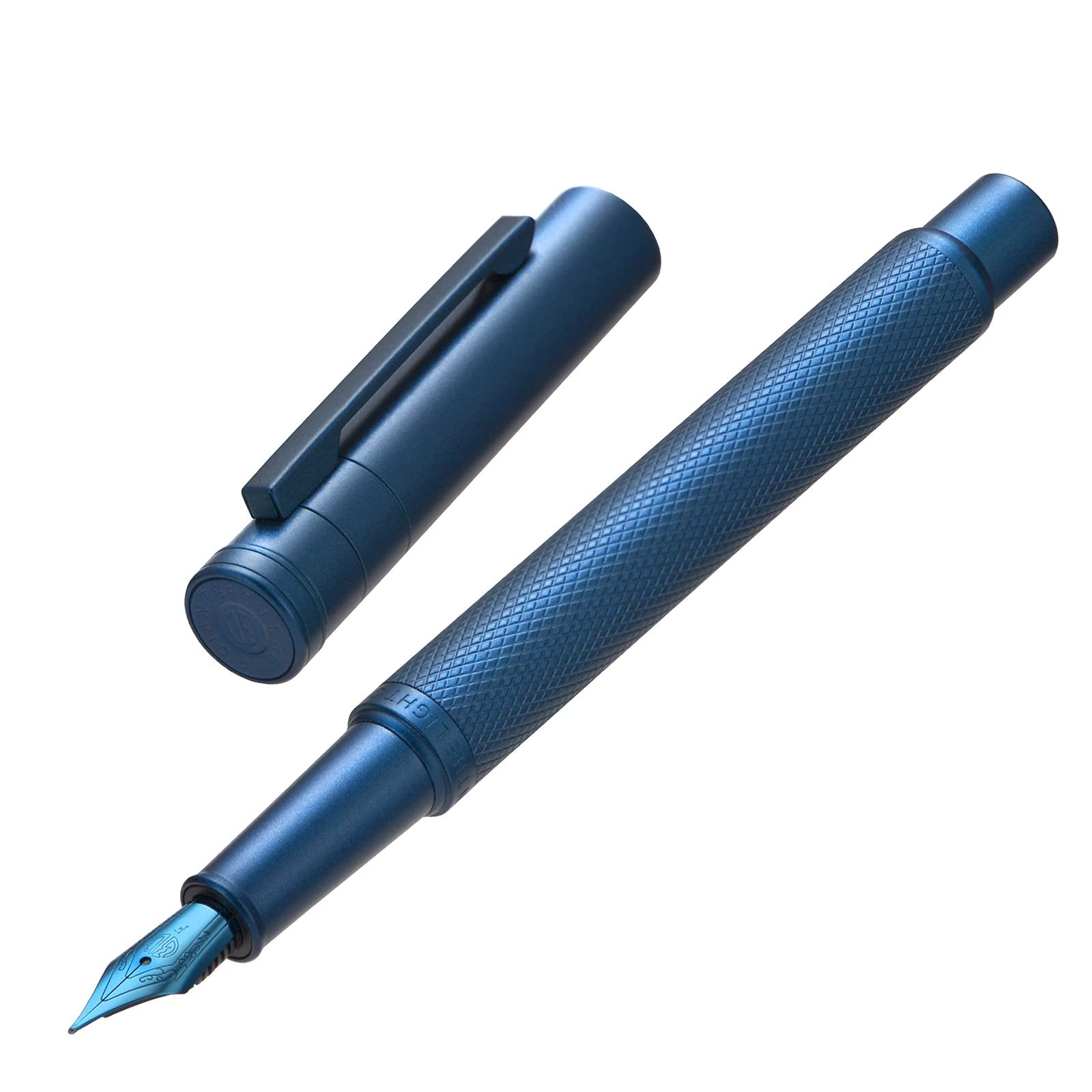 Dark Blue Forest Fountain Pen Extra Fine Nib Classic Design with Converter and M$21.95View on eBay
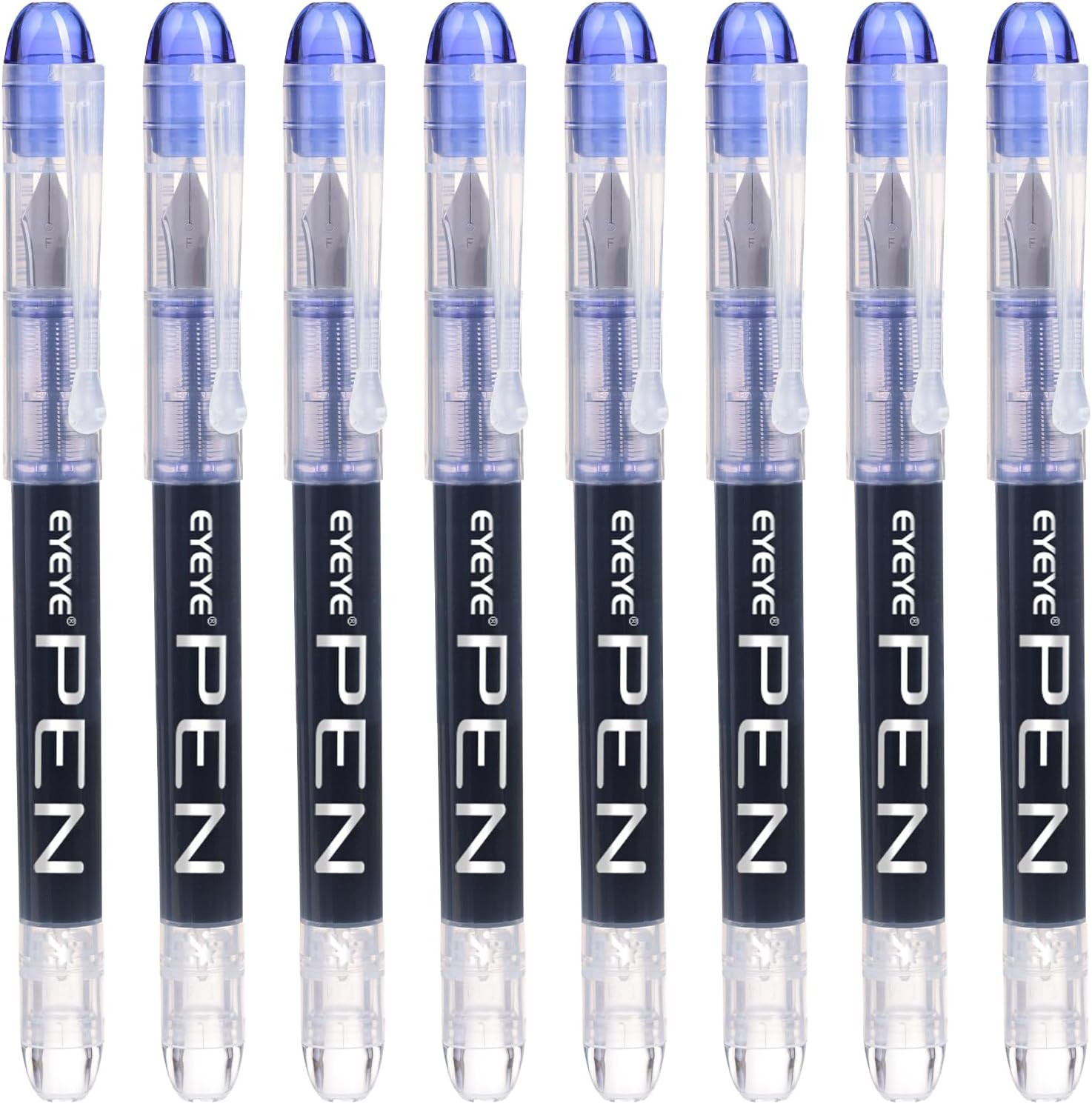 Disposable Fountain Pens Fine Point, 8 Pack Blue Pens for Writing$21.99View on eBay
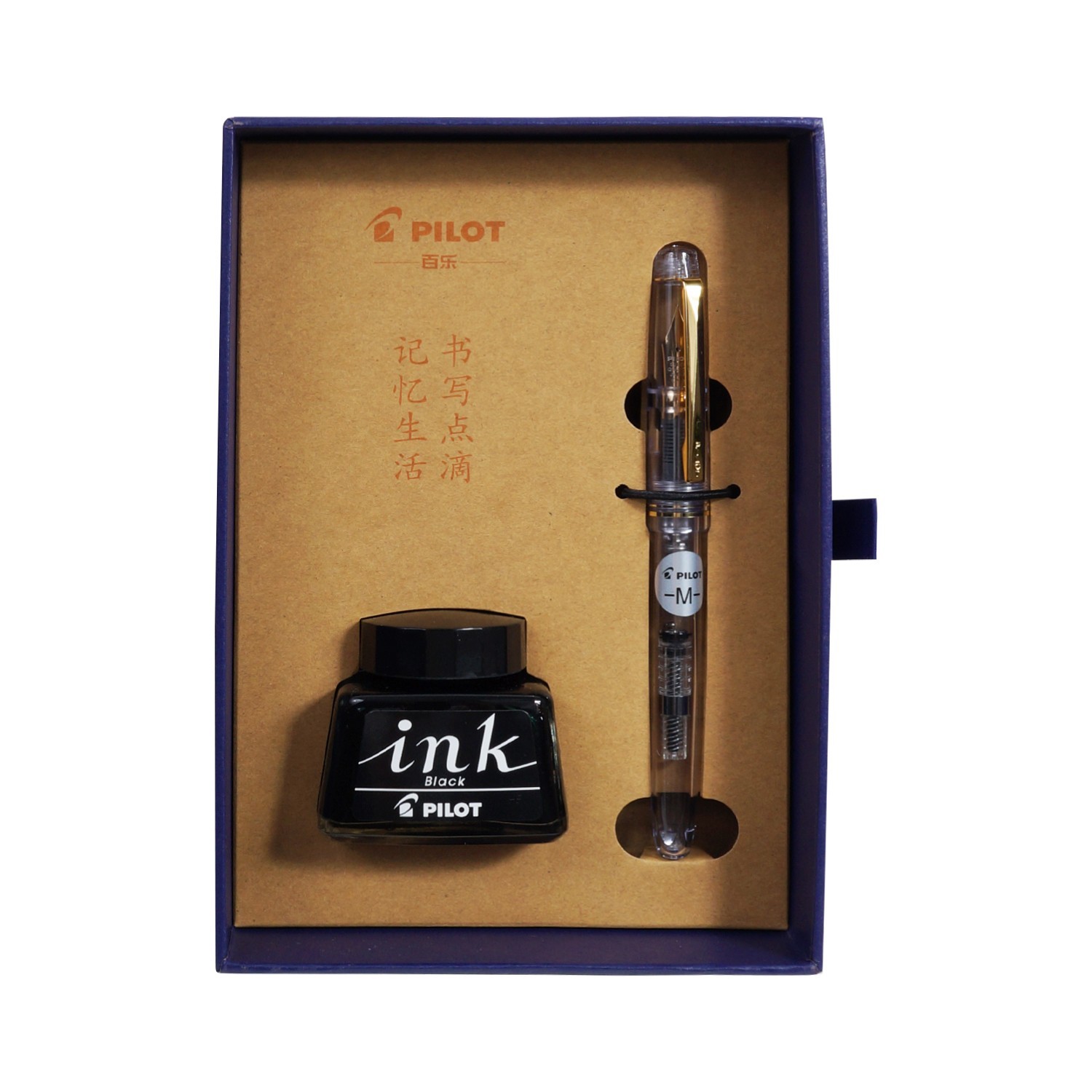 Pilot 78G Transparent Fountain Pen Black Ink Gift Set$22.00View on eBay
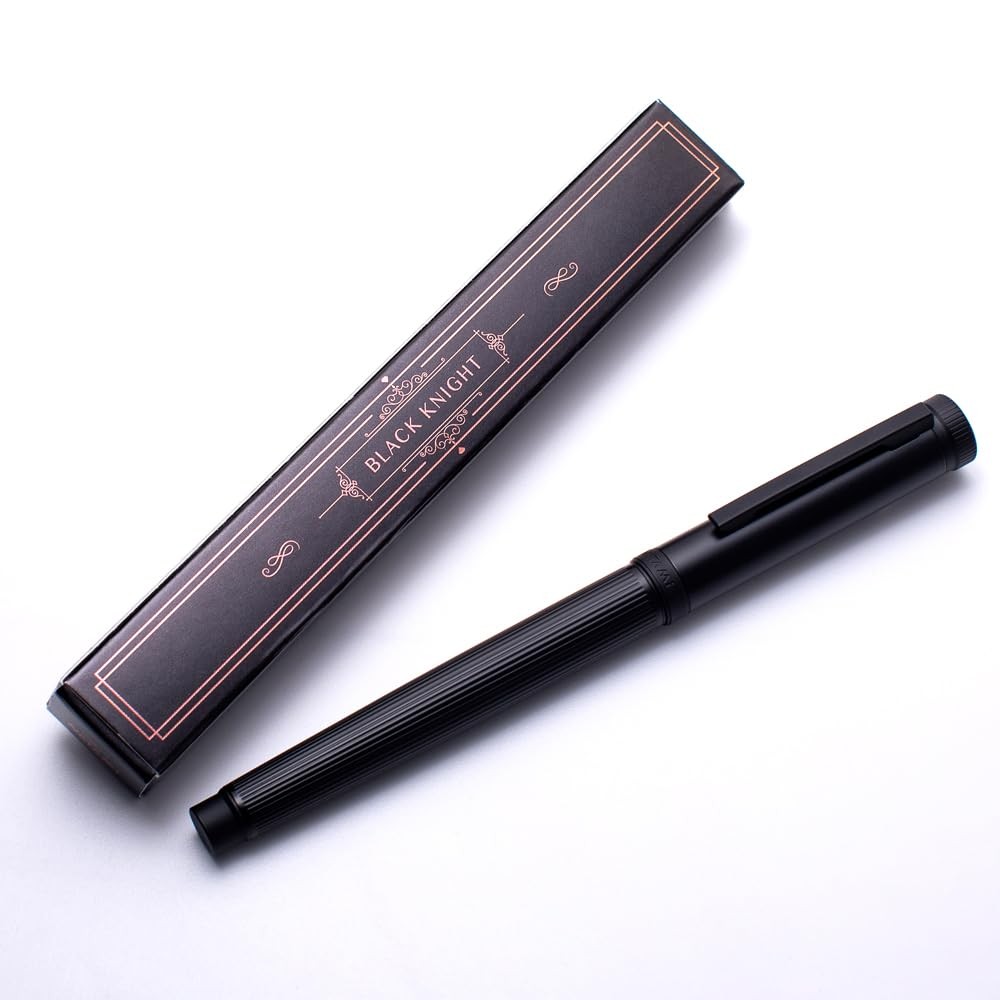 Fountain Pen Extra Fine Nib Classic Design with Converter and gift Pen Box$22.02View on eBay
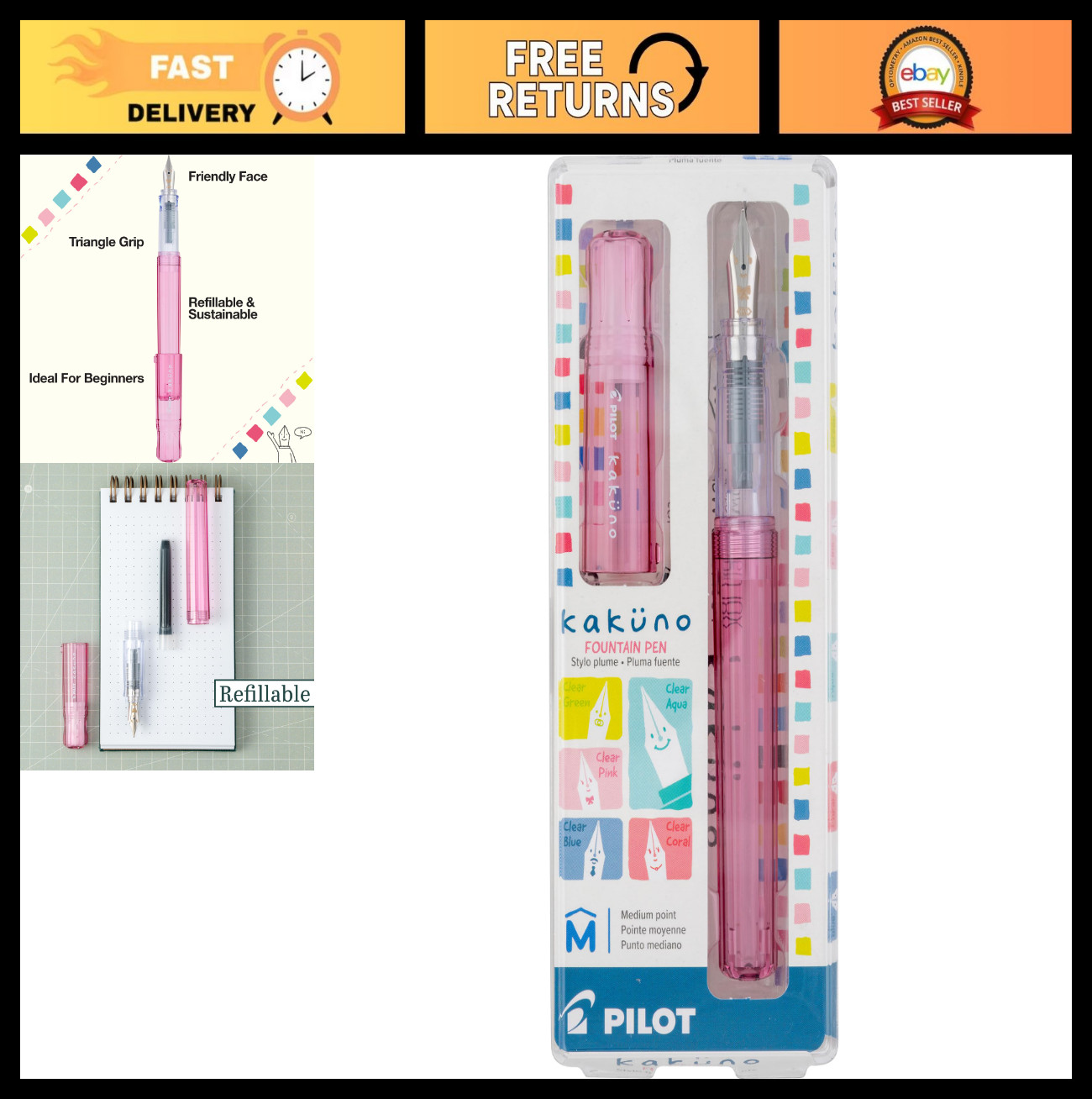 Colorful Fountain Pen, Pink Barrel, Medium Nib, Ideal for Kids & Beginners$22.79View on eBay
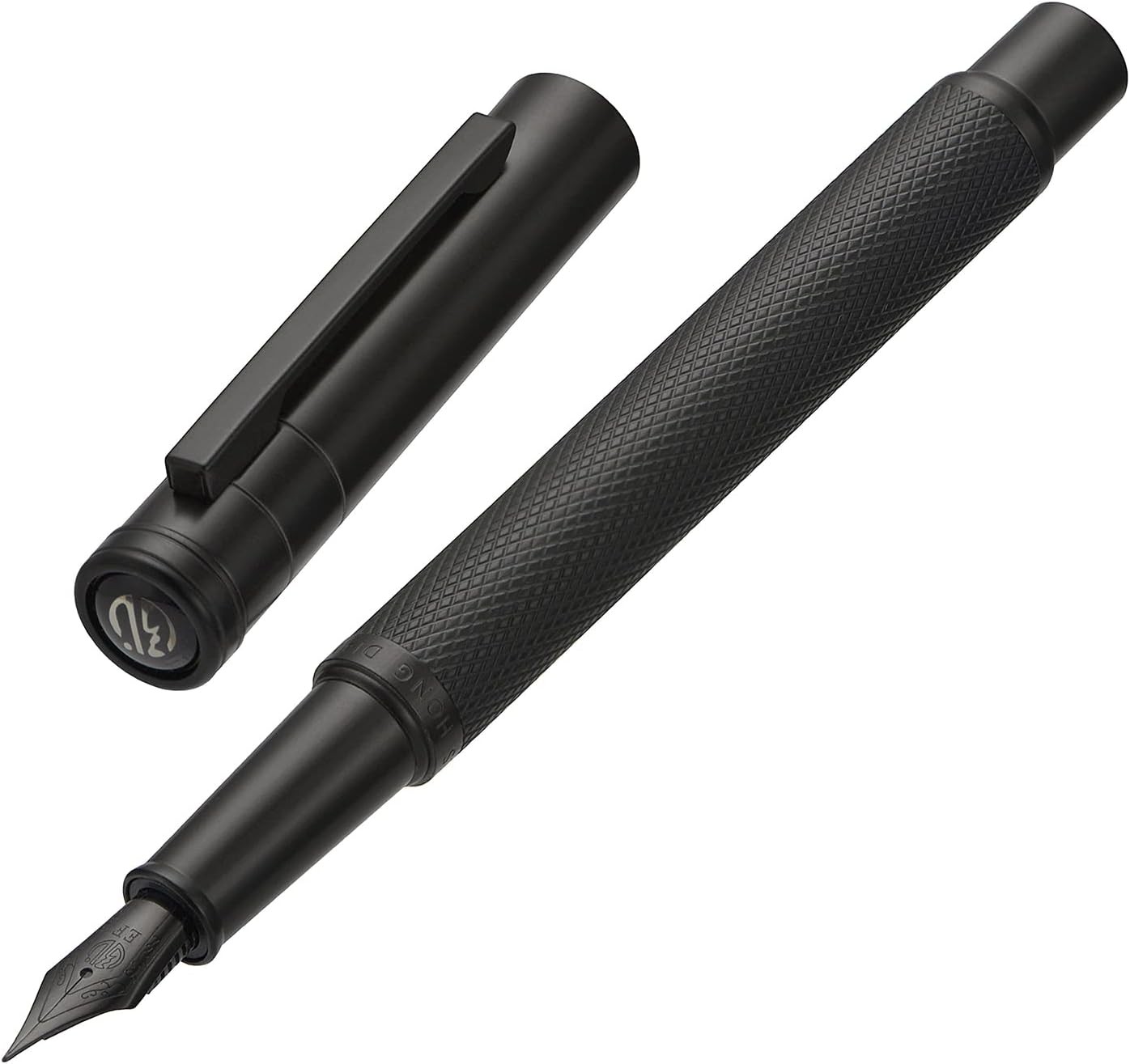 Matte Black Forest Fountain Pen Extra Fine Nib Classic Design with Converter and$23.79View on eBay
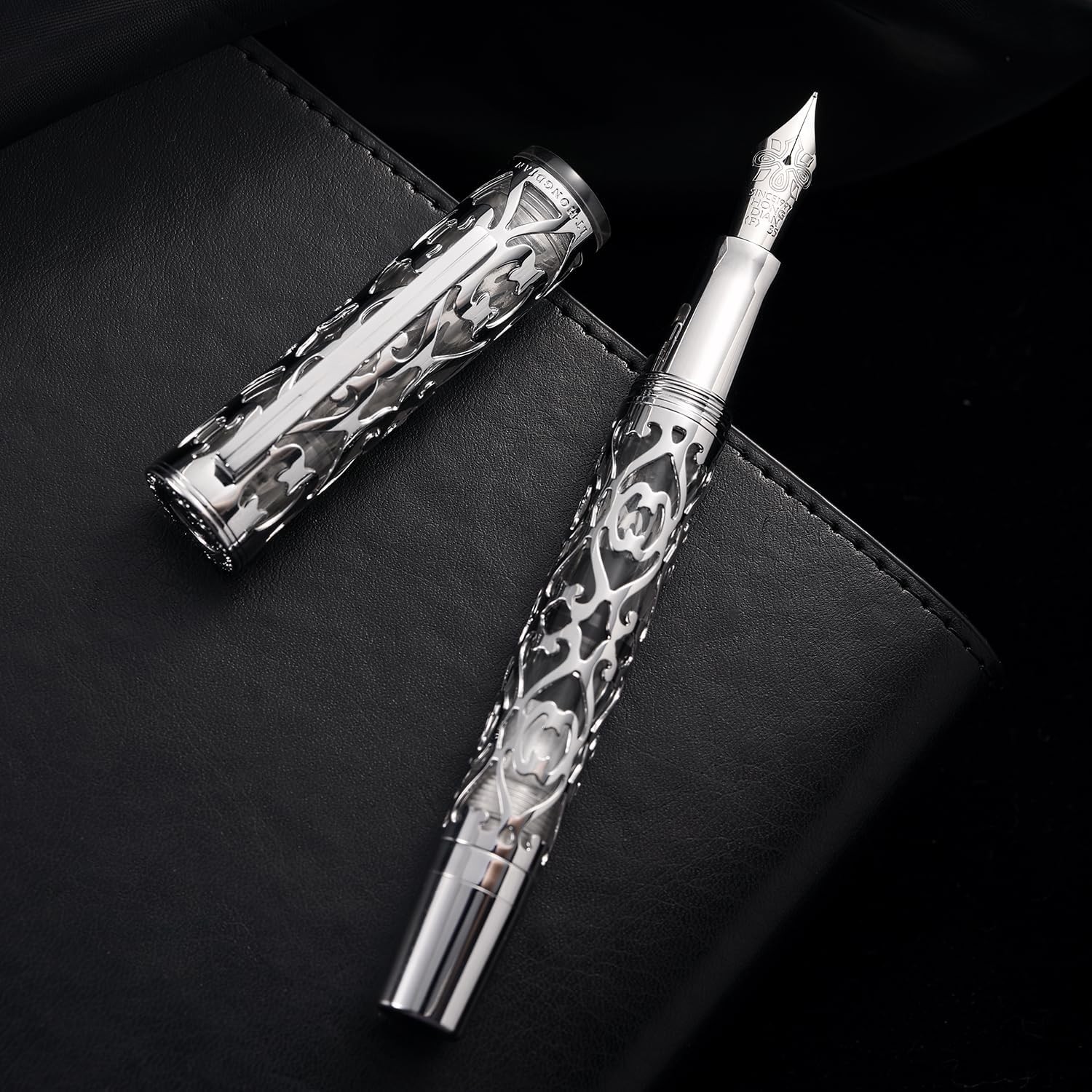 D1 Piston Fountain Pen Fine Nib, Hollow Skeleton & Resin with Metal Case Set (Si$24.21View on eBay
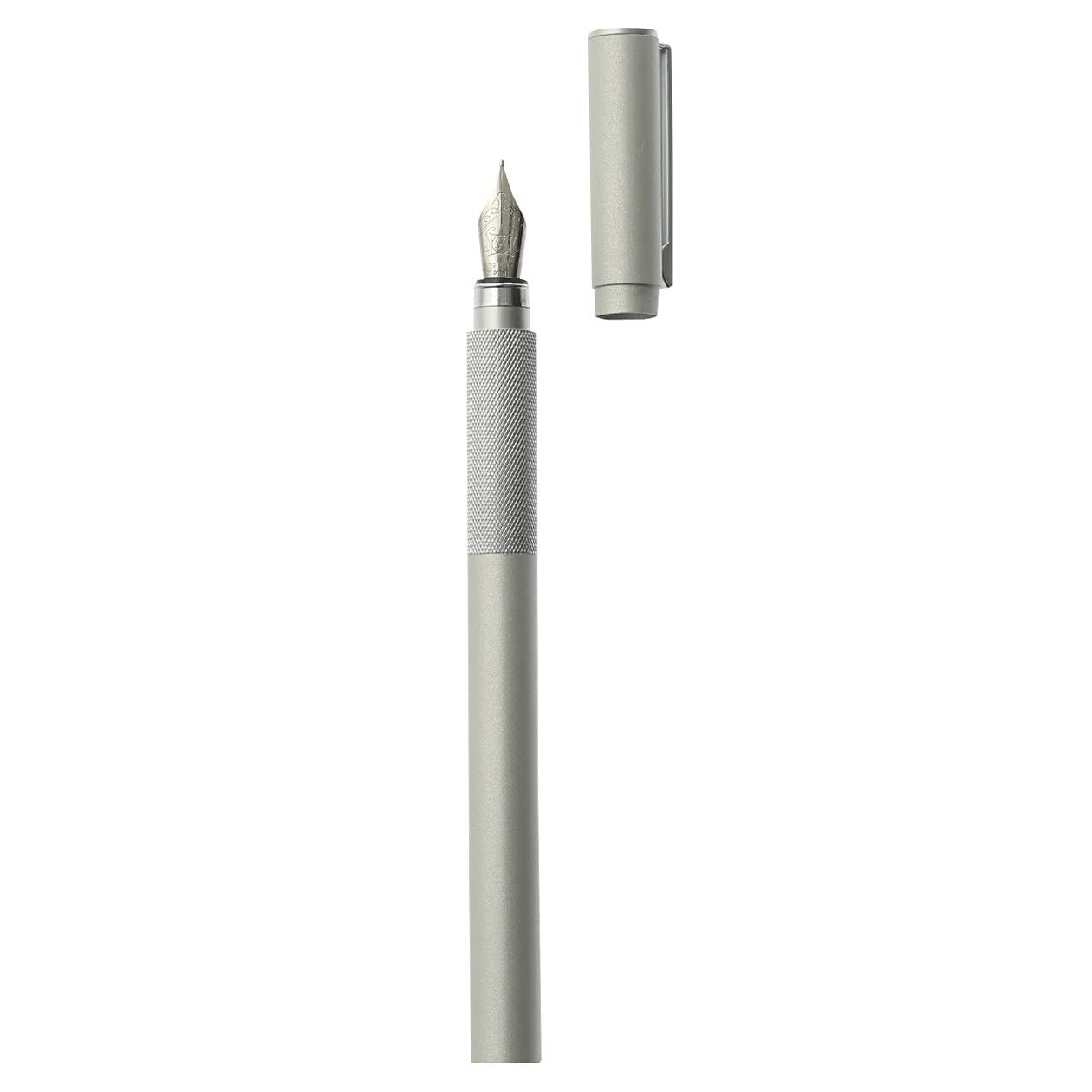 Aluminum Fountain Pen$25.31View on eBay
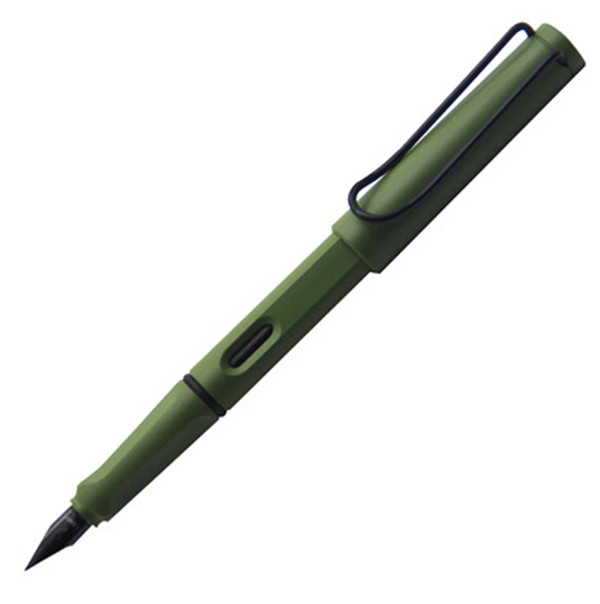 LAMY Safari Special Edition Series Matte Green Color F nib Fountain Pen US$26.99View on eBay
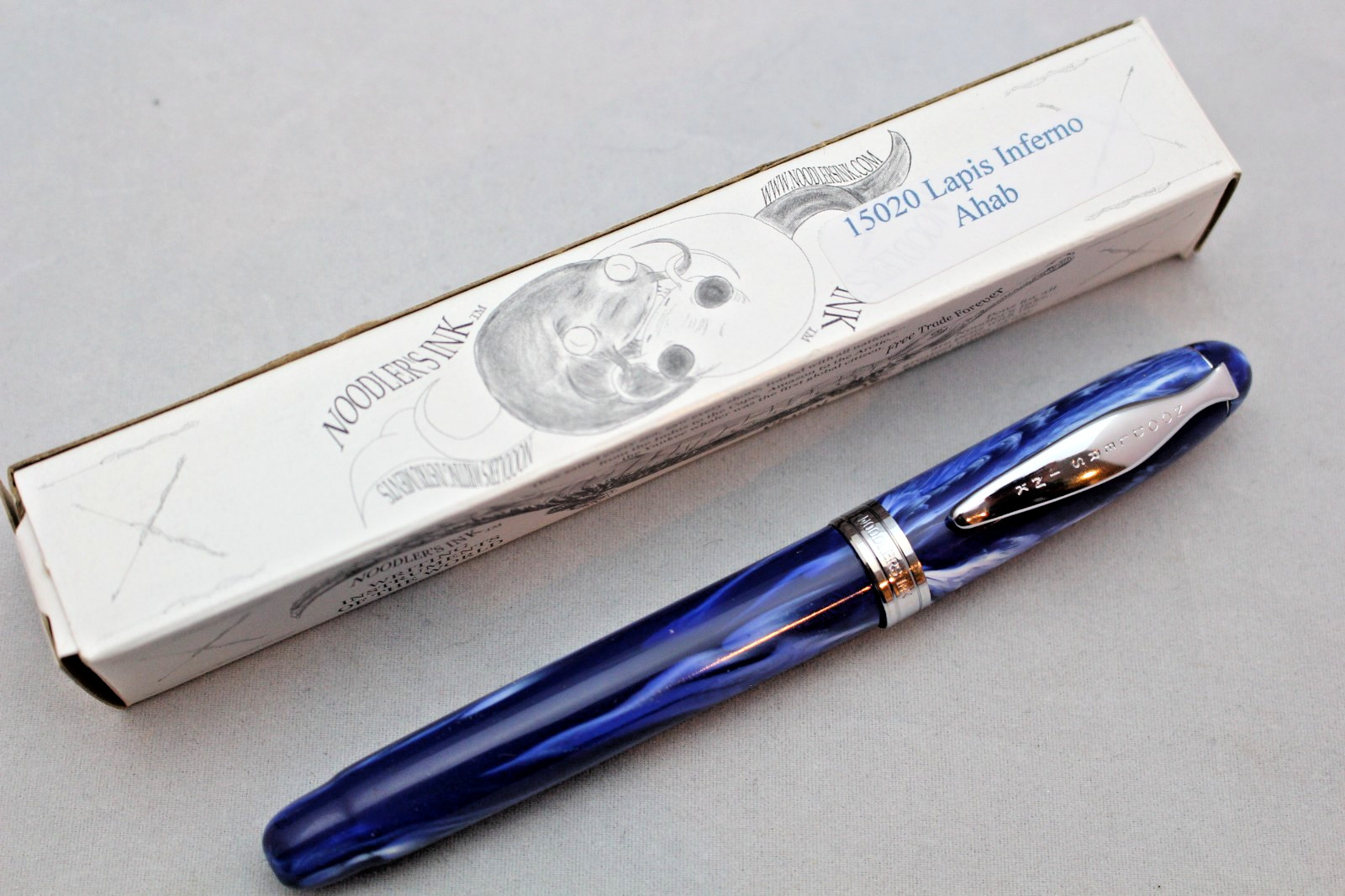 NOODLERS LAPIS INFERNO AHAB PISTON FLEX NIB FOUNTAIN PEN$27.00View on eBay
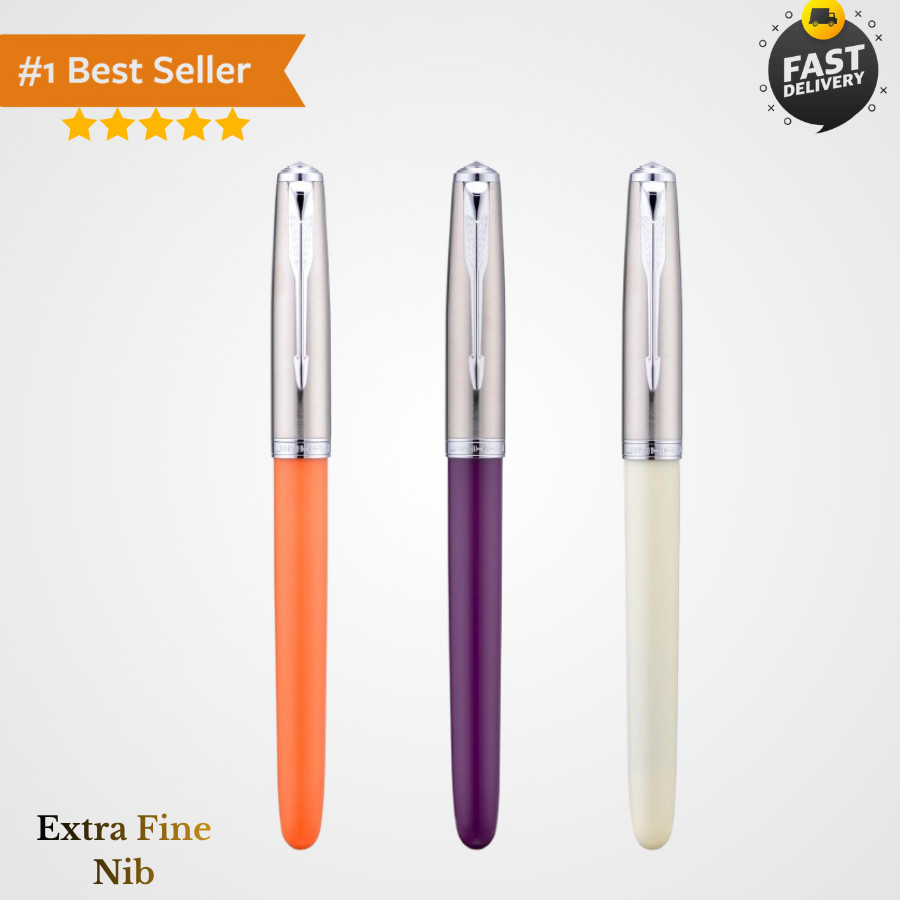 3 Jinhao 86 Fountain Pen Set (Orange, Purple and White Resin) Extra Fine Nib ...$27.99View on eBay
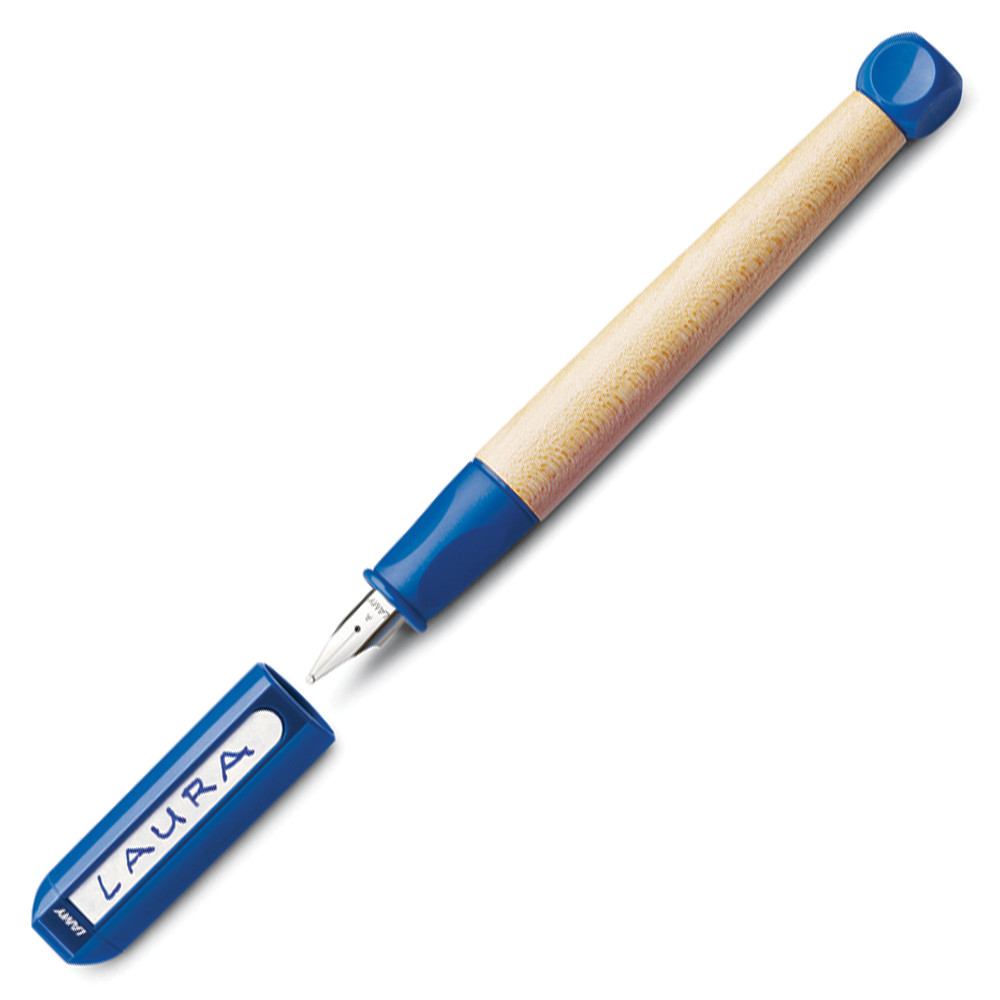 Lamy ABC Fountain Pen in Blue Beginner Child - Medium Point L09M - NEW$28.75View on eBay
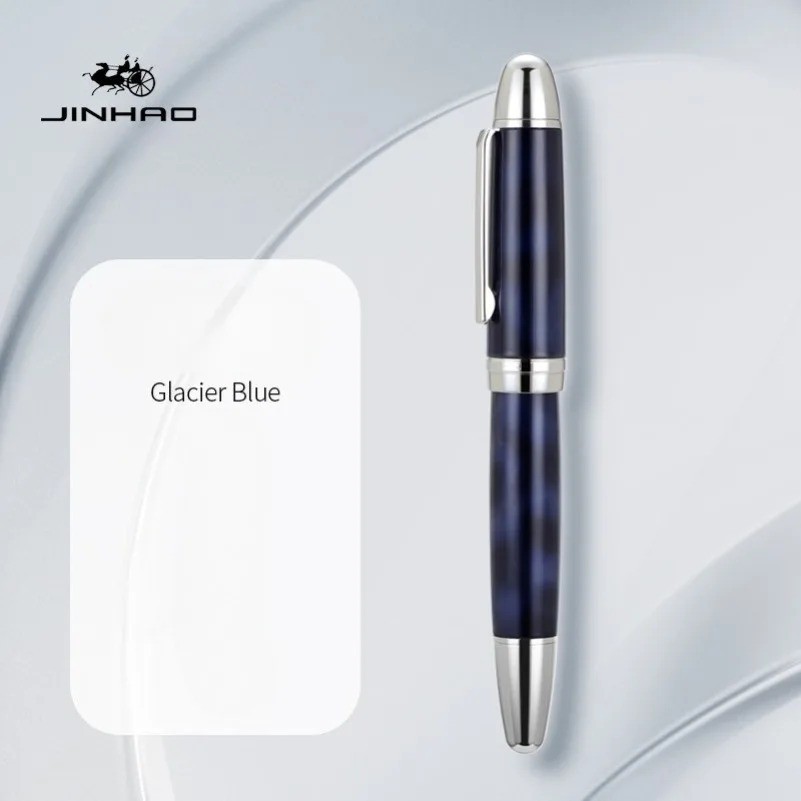 JINHAO X169 Fountain Pen Black Gold Clip M/F/EF Nib Writing Stationery$28.77View on eBay
 LAMY Safari Candy Fountain Pen$29.60View on eBay
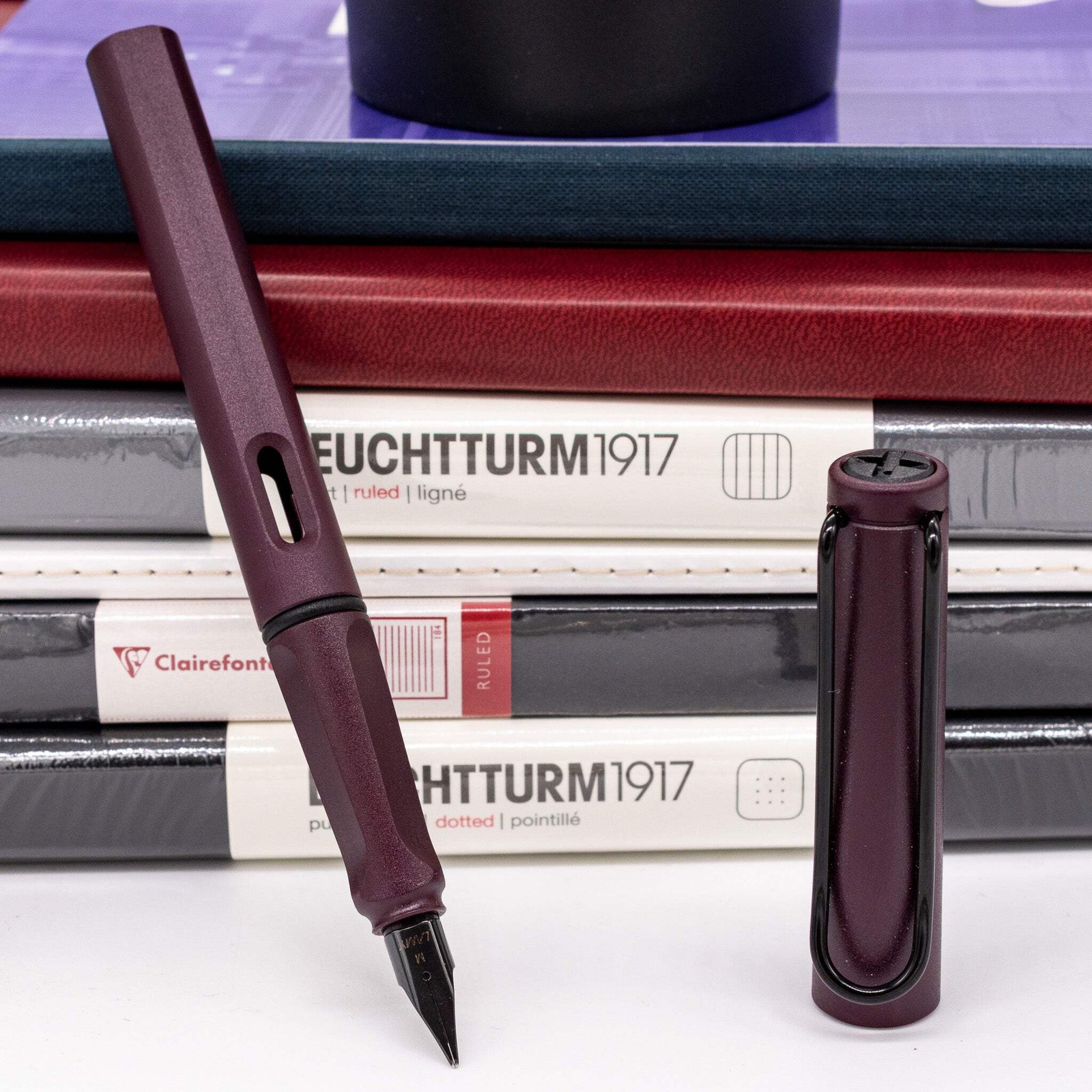 LAMY Safari Fountain Pen - Scarlet$29.60View on eBay
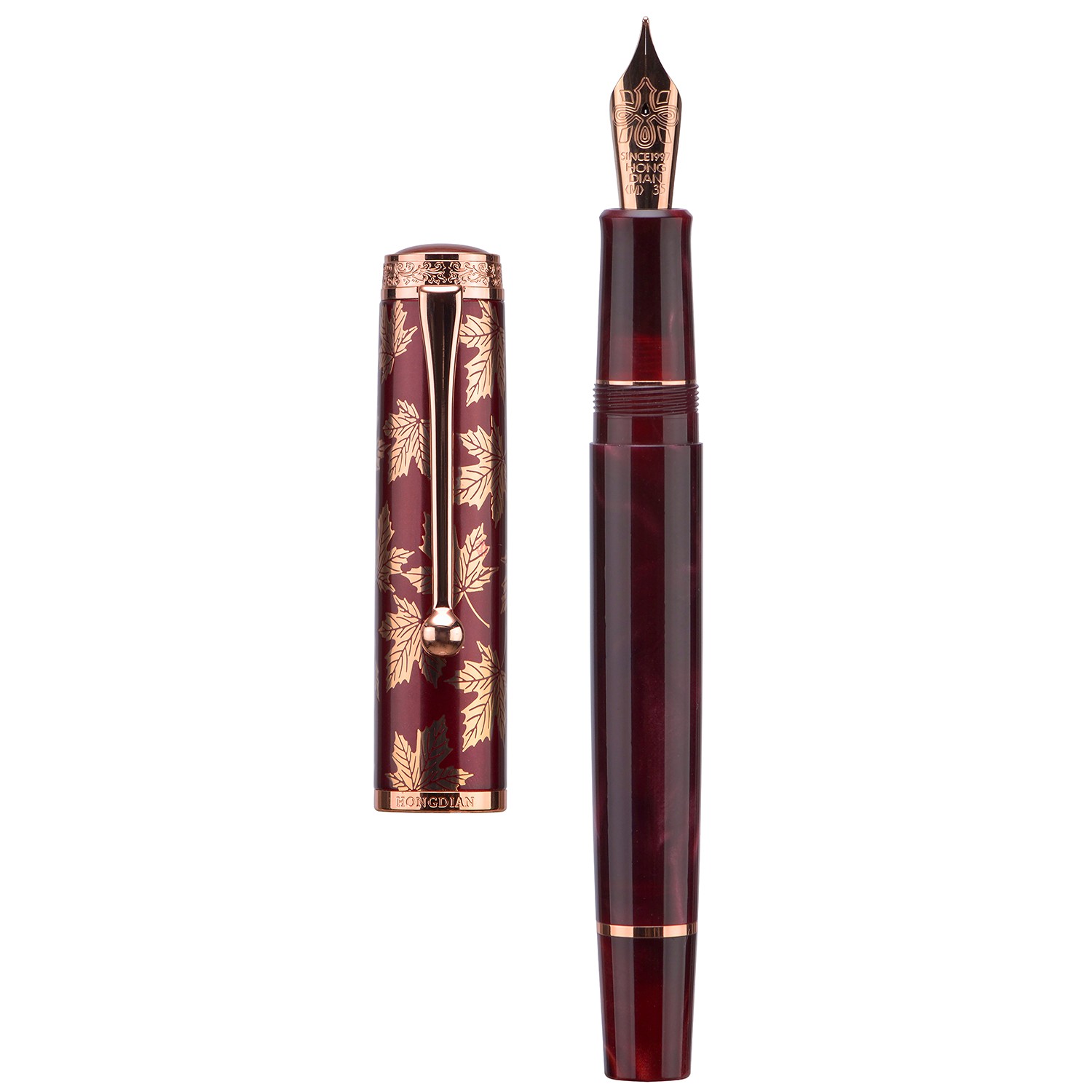 Hongdian N8S Acrylic Fountain Pen EF/F/M//Nib Writing Pen, Gray, Green, Red$29.98View on eBay
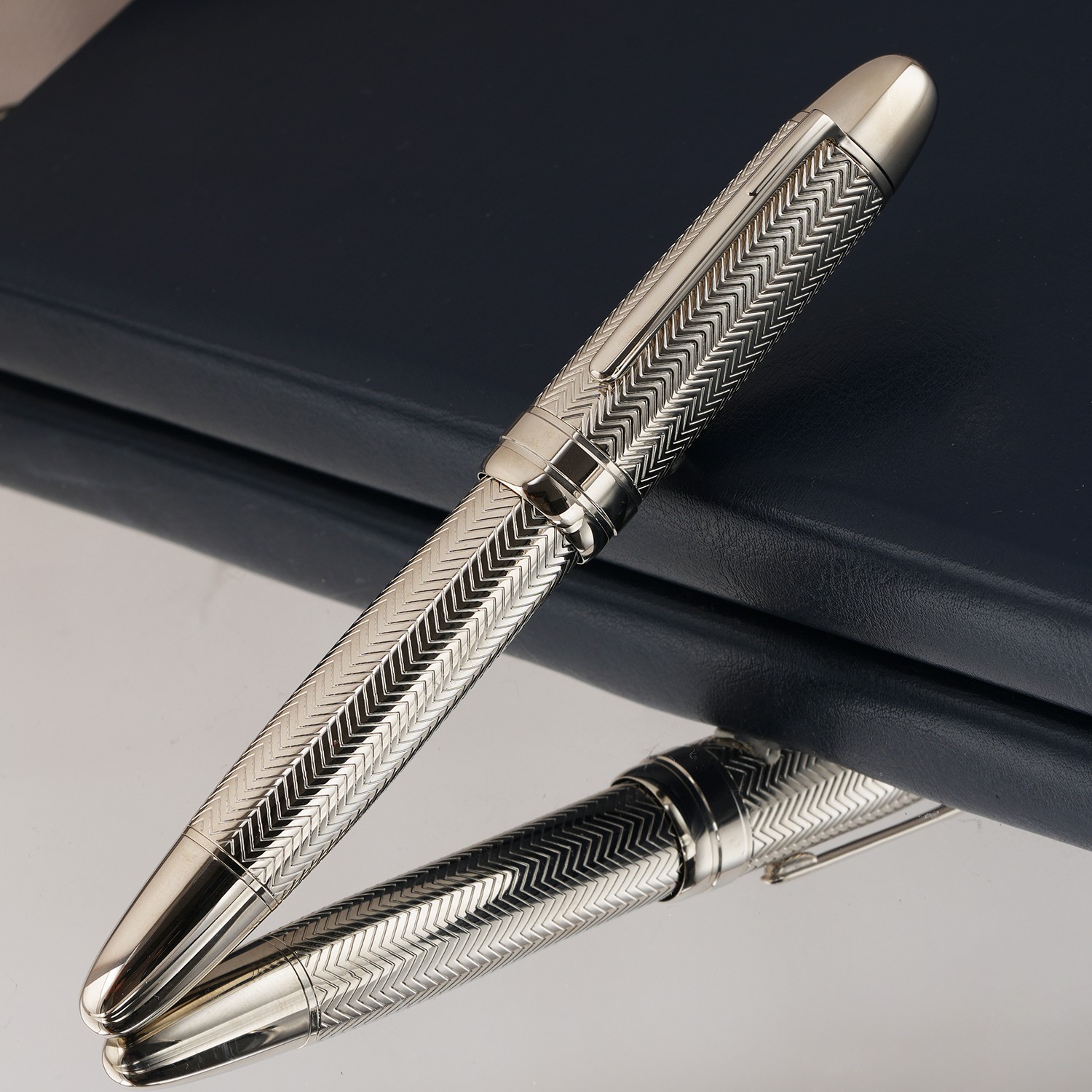 Silver Carved Pattern Fountain Pen EF/F/M Nib &Converter Writing Metal Pen$29.99View on eBay
Highlights
- Nib material tiers: stainless steel (rigid, starter), gold-alloy 14k/18k (springy, wetter), and titanium (soft, feedback-rich) determine line variation and pressure tolerance.
- Filling systems separate good from great: standard international short/long cartridges and screw-in converters offer ink freedom; proprietary cartridges lock buyers into one brand.
- Feed architecture matters more than body: ebonite or machined ABS feeds with deep ink channels resist railroading and dry-out better than glued two-piece plastic feeds.
- Body construction grades: turned acrylic, ebonite, or brass barrels with metal thread inserts outlast injection-molded polystyrene bodies with friction-fit caps.
Best use cases
- Best fit for daily journaling and note-taking: pick a steel-nib pen with a snap or screw cap, standard international converter, and a resin or aluminum body in the 20-30 g range; skip heavy brass or gold-nib pens for fast writing.
- Best fit for gifting to women who prefer elegant, lighter pens: choose slim-barrel (10-12 mm diameter), 18-25 g total weight, engraved or marbled acrylic finishes, and a fine (F) or extra-fine (EF) steel nib; skip oversized 15 mm grip sections and heavy metal pens.
- Wrong fit: buying a gold-nib pen as a first fountain pen for a child or casual user — the soft nib bends under pressure; choose a rigid steel EF/F nib with a budget-friendly converter instead.
Buying tips
- Match nib size to handwriting: EF (0.3-0.5 mm line) for small print and cheap paper, F (0.5-0.7 mm) for everyday notes, M (0.7-1.0 mm) for signatures; wider nibs feather more on low-GSM paper.
- Check filling compatibility before buying: standard international cartridges (2.4 mm bore) and screw-in converters fit most European and many Asian pens; Japanese and some German brands use proprietary cartridges — factor in converter availability.
- Use barrel diameter and weight as fit rules: grip sections under 10 mm suit small hands, 11-13 mm is universal, over 14 mm causes fatigue; keep total pen weight under 30 g for long writing sessions.
- For durability, look for metal thread inserts in the cap and barrel, a brass or stainless clip, and a screw-in nib unit rather than a friction-fit nib and feed.
Specs
| Nib Material | Steel / 14k gold / 18k gold / titanium |
|---|---|
| Filling System | Std. intl. cartridge + converter / proprietary |
| Barrel Diameter | 10-15 mm (slim to oversize) |
| Pen Weight | 15-45 g (resin to brass) |
Related searches
What to check before buying
- Measure your hand span and grip style: if your fingers wrap past the first knuckle around the section, choose a 12-13 mm diameter; if you have small hands, stay at 10-11 mm.
- Confirm paper GSM before choosing nib width: below 80 GSM, pick EF or F nibs and dry inks to prevent bleed-through and feathering.
- Verify cap posting behavior: snap-cap pens that post deeply can crack plastic barrels over time; screw-cap pens with metal-on-metal threads are more durable for daily capping.
- Check ink access: ensure the pen accepts a converter or standard international cartridges — proprietary-only pens require brand-specific refills and limit ink variety.
FAQ
Data sources: eBay / Amazon listings and product attribute feeds. Updated Nov 29, 2026.
Some links on this page are affiliate links. If you buy after clicking one, we may earn a commission at no extra cost to you. This does not change which products appear here or their order. Affiliate disclosure.