
Photos from current listings. Actual item, color, and included accessories may vary.
High Quality Fountain Pen Buying Guide
A high-quality fountain pen is defined by a solid metal or dense resin body, a precision-machined nib (steel or gold), and a reliable filling system that seals ink without leaking. The primary trade-off is nib material and feed quality versus body weight and filling convenience: steel nibs offer durability and lower cost, while gold nibs provide springier writing but demand careful maintenance. The clear decision rule is to buy a pen with a screw-cap or snap-cap that posts securely, a converter or piston filling mechanism, and a nib unit that is replaceable or serviceable—avoiding glued or sealed plastic sections that cannot be repaired.
Median $35.00
Key takeaways
- Nib material tiers: steel (stiff, corrosion-resistant, ideal for daily use) vs 14k/18k gold (flexible, smoother, requires less pressure) vs titanium (light, springy, for specialty use).
- Filling systems: piston (high ink capacity, integrated, harder to clean) vs converter (replaceable, easy to flush) vs cartridge (convenient, lower capacity, plastic waste).
- Body construction: brass or aluminum barrels resist cracking and provide balanced weight; resin or acrylic bodies are lighter but can craze if exposed to alcohol or sunlight.
At a glance
- Category
- Fountain Pens
- Last updated
- Nov 29, 2026
Current offers
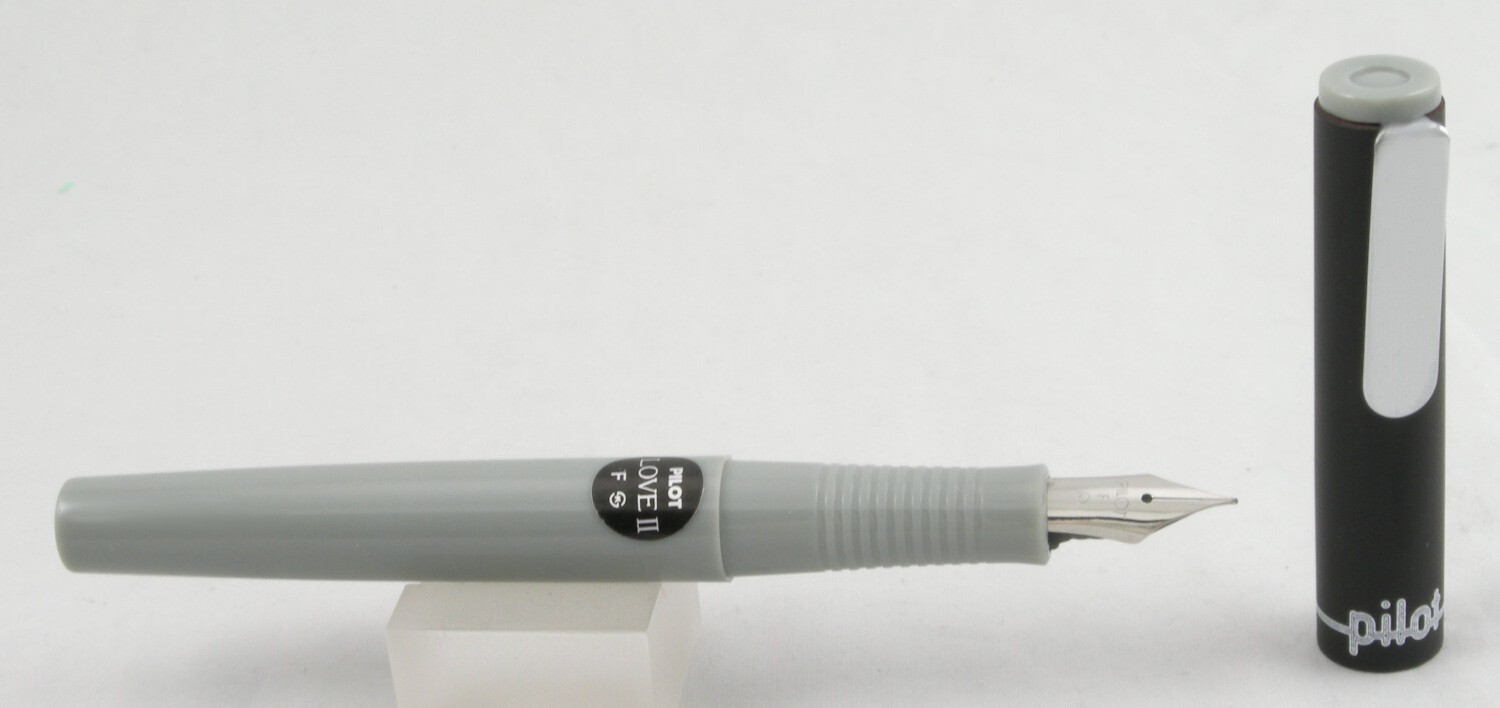 Pilot Love II Grey & Black Fountain Pen - Fine Nib - 1970s -New-Old-Stock In Box$20.00View on eBay
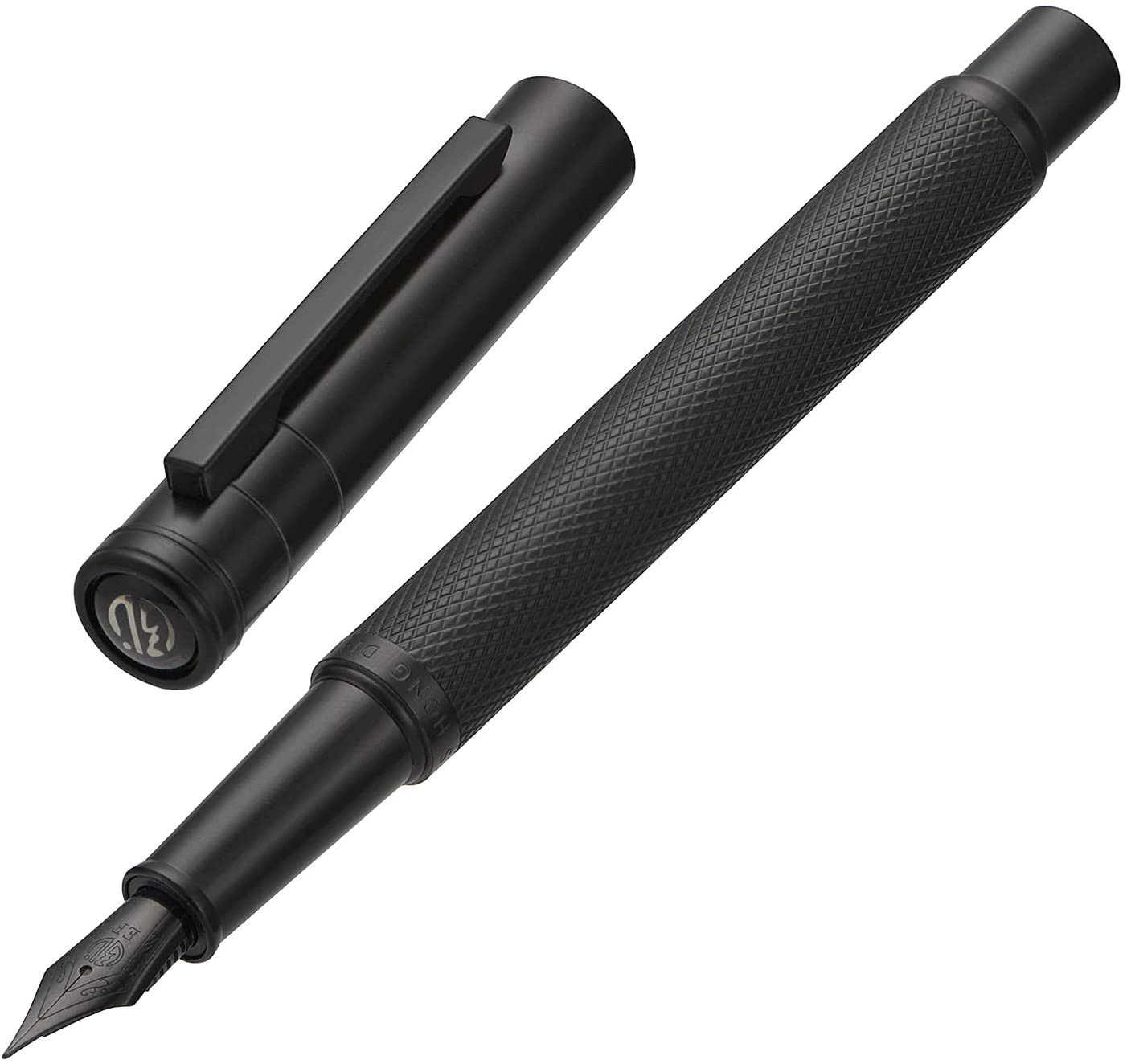 Matte Black Forest Fountain Pen Extra Fine Nib Classic Design with Converter and$20.61View on eBay
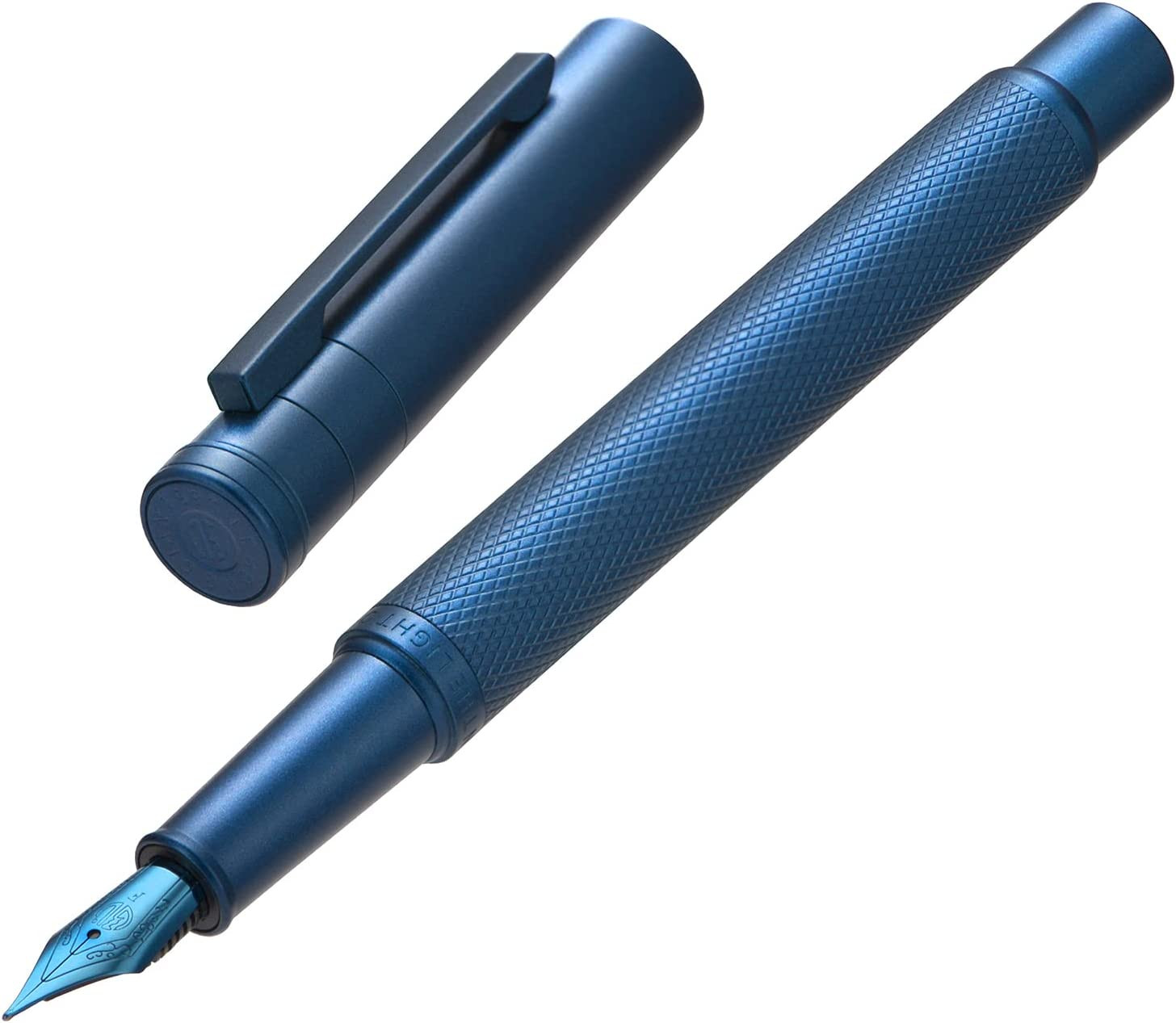 Dark Blue Forest Fountain Pen Extra Fine Nib Classic Design with Converter and M$21.19View on eBay
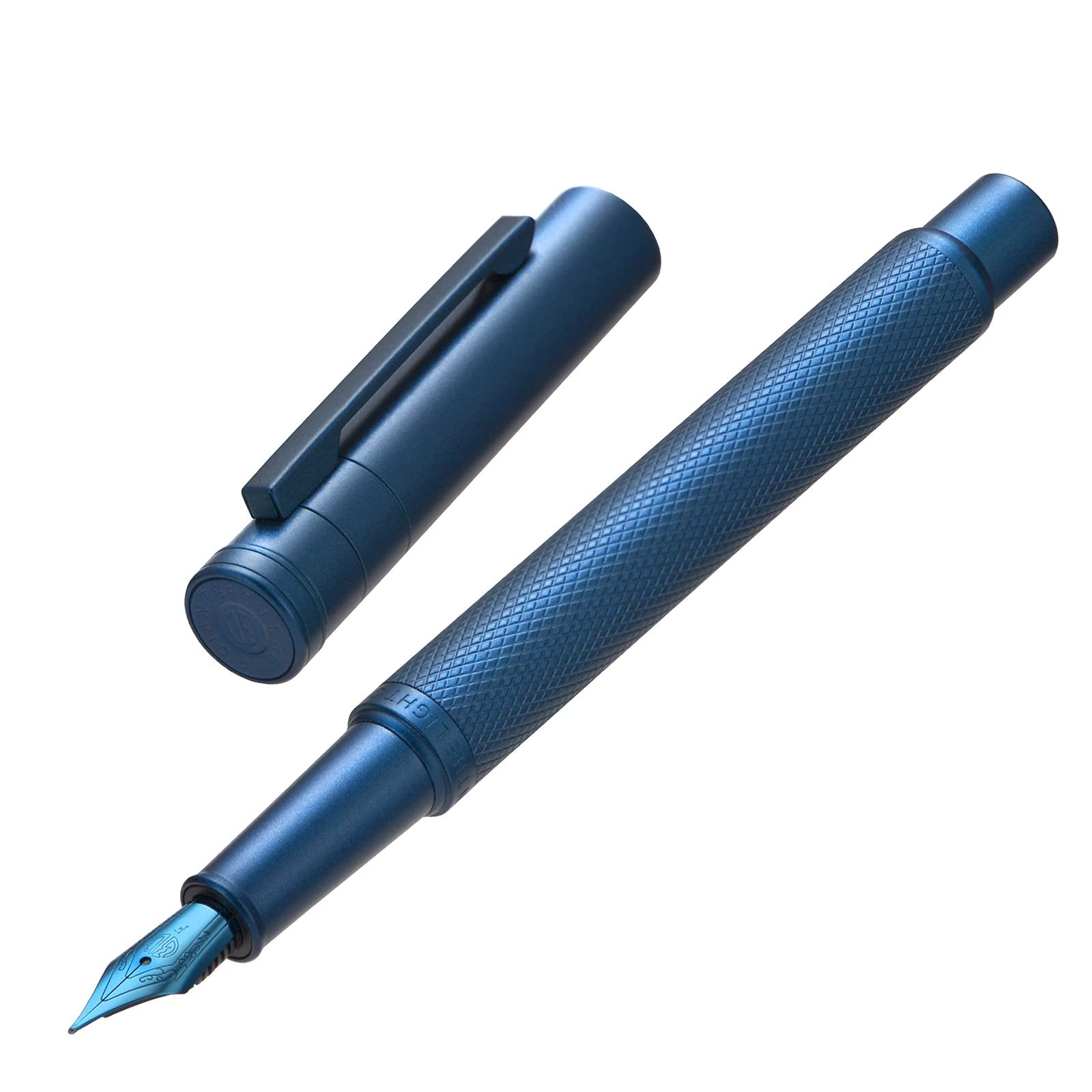 Dark Blue Forest Fountain Pen Extra Fine Nib Classic Design with Converter and M$21.95View on eBay
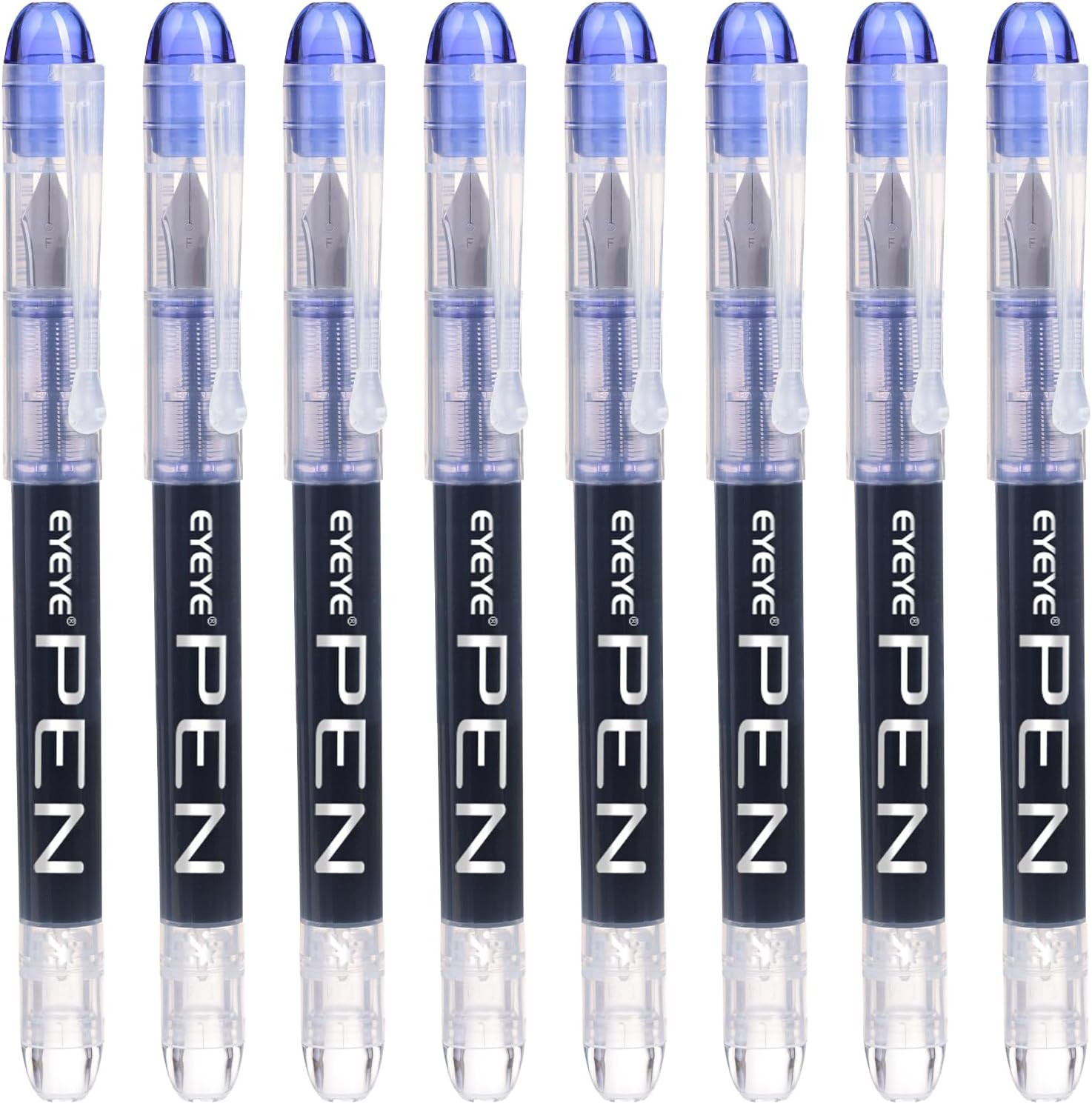 Disposable Fountain Pens Fine Point, 8 Pack Blue Pens for Writing$21.99View on eBay
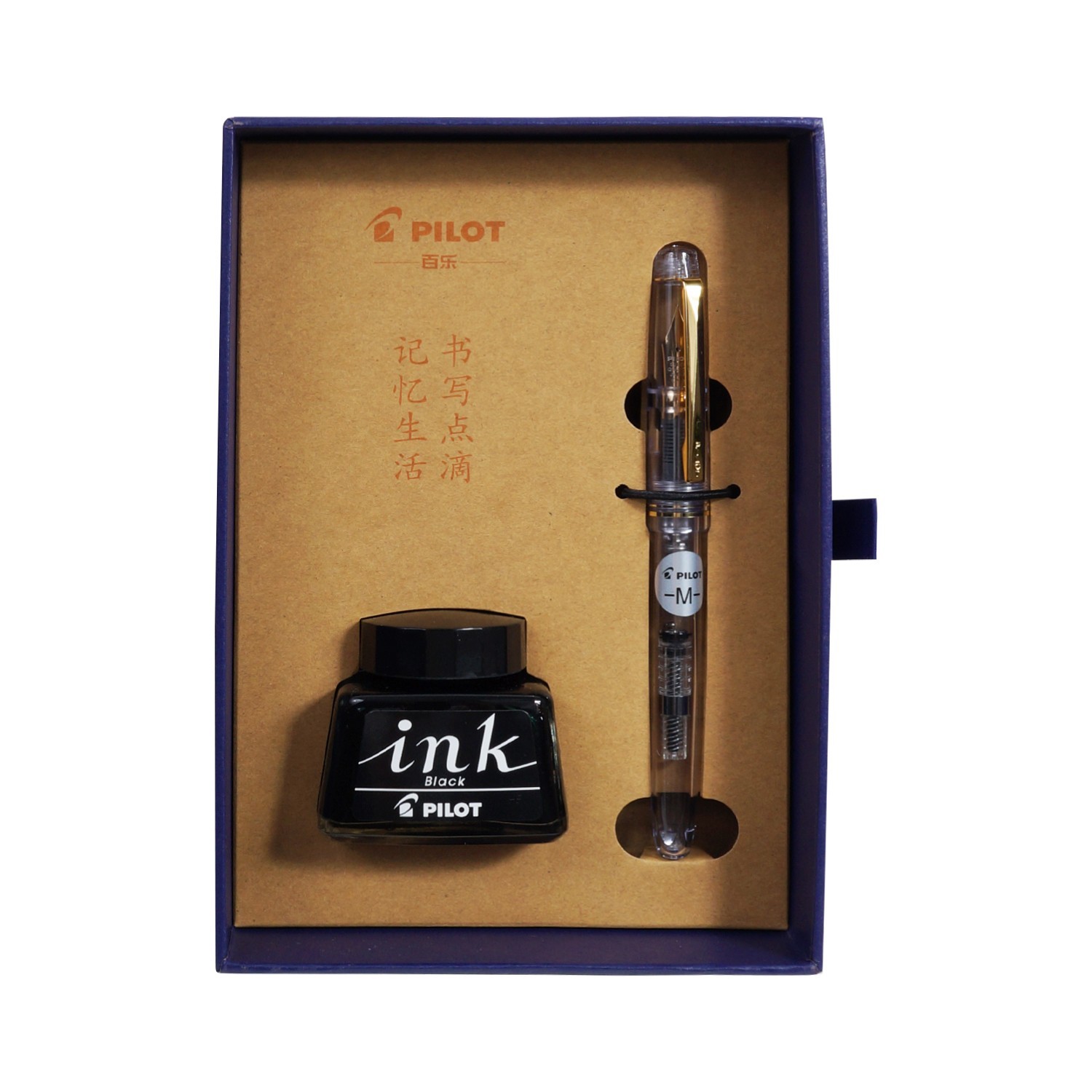 Pilot 78G Transparent Fountain Pen Black Ink Gift Set$22.00View on eBay
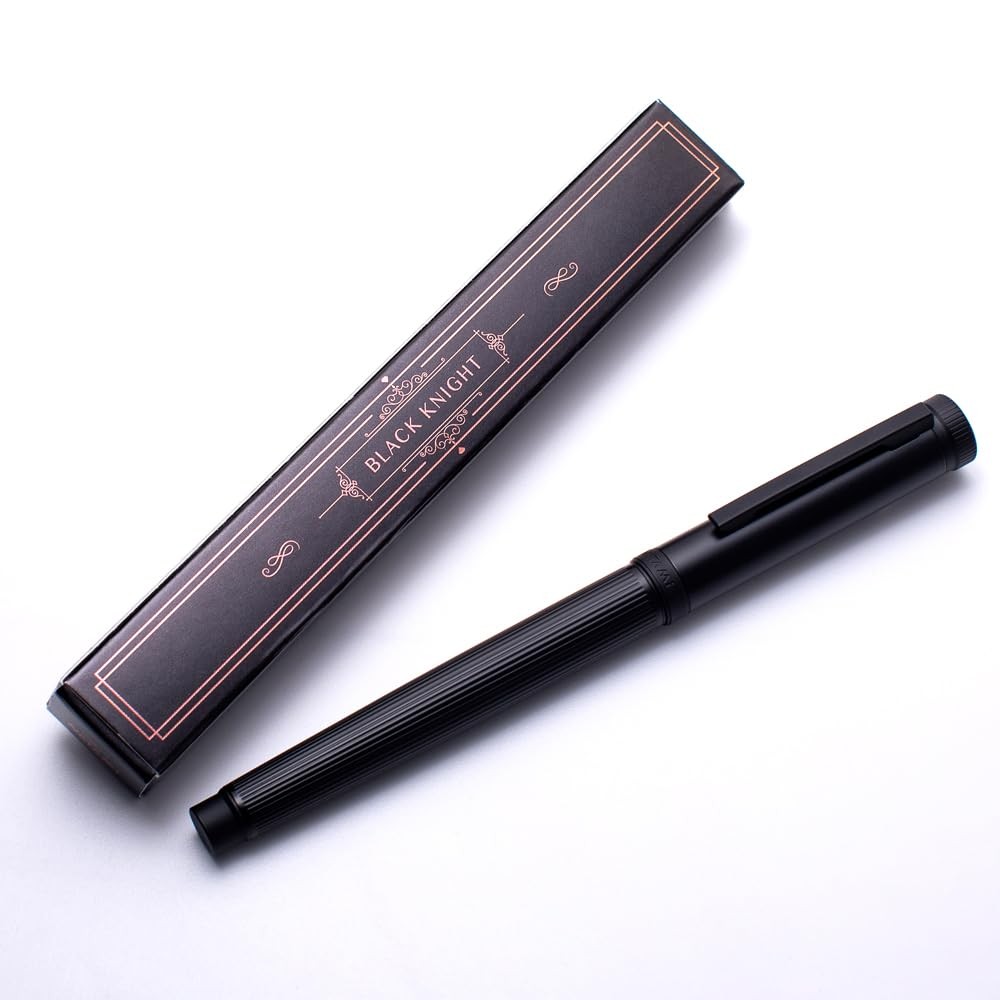 Fountain Pen Extra Fine Nib Classic Design with Converter and gift Pen Box$22.02View on eBay
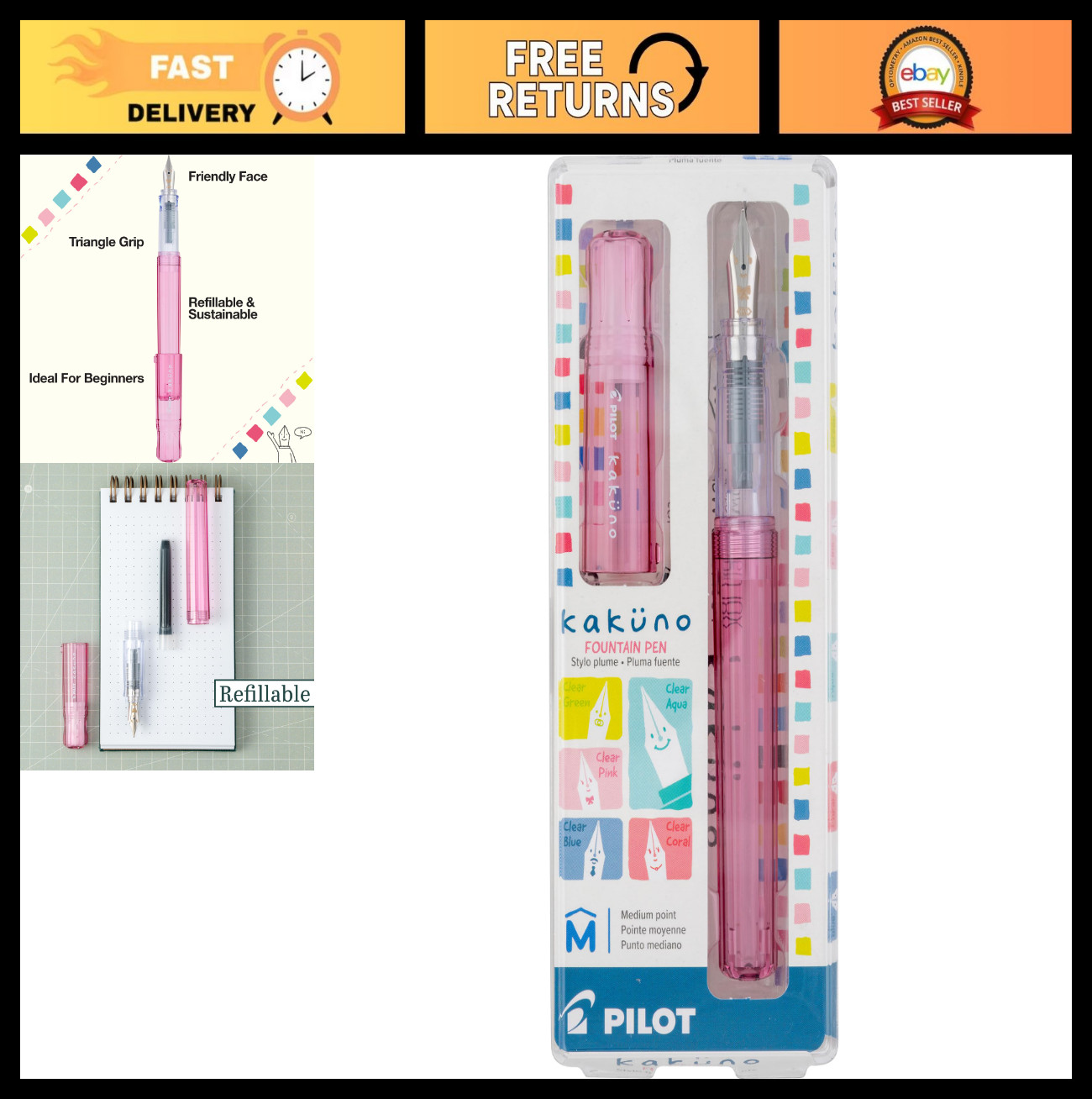 Colorful Fountain Pen, Pink Barrel, Medium Nib, Ideal for Kids & Beginners$22.79View on eBay
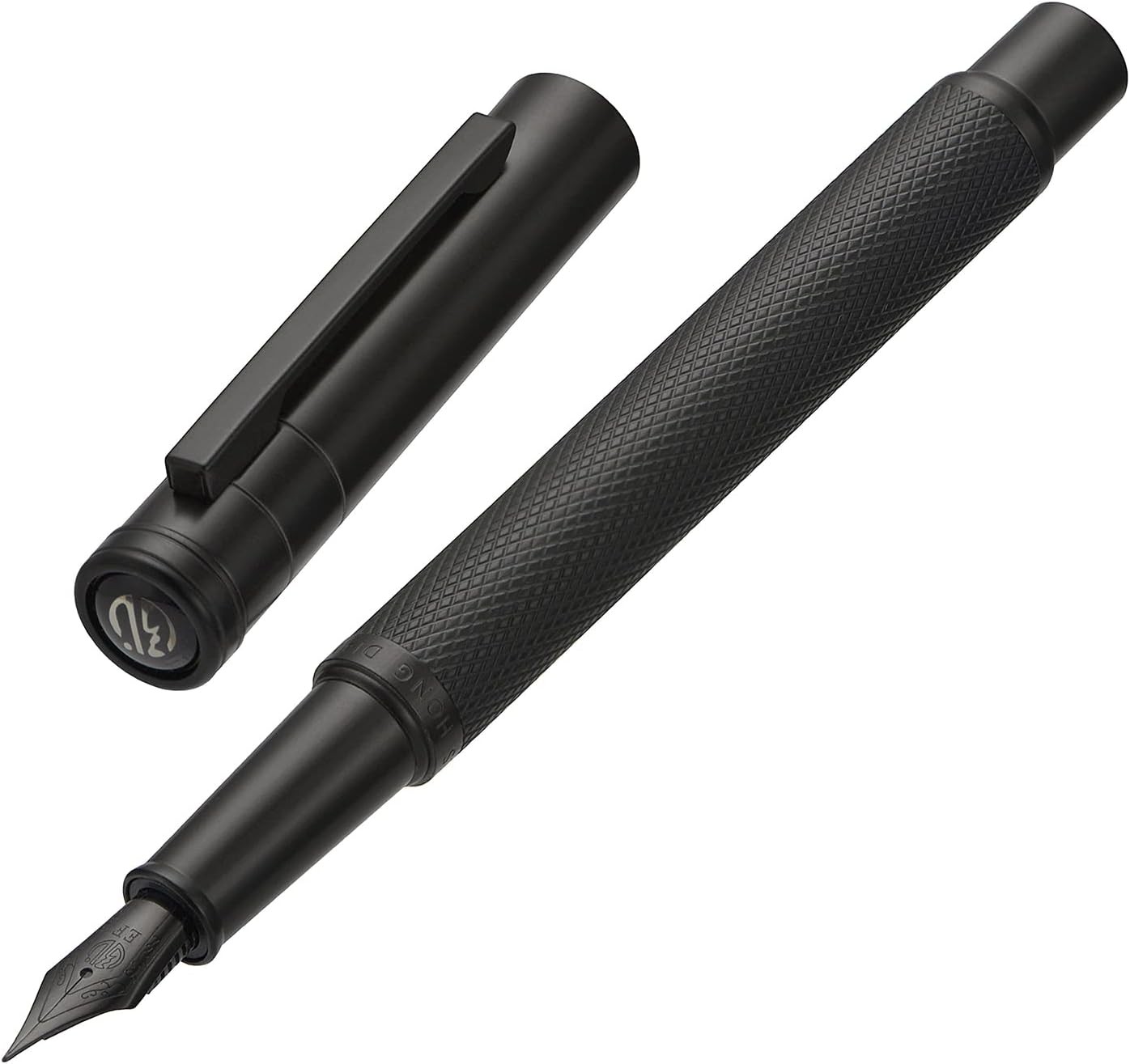 Matte Black Forest Fountain Pen Extra Fine Nib Classic Design with Converter and$23.79View on eBay
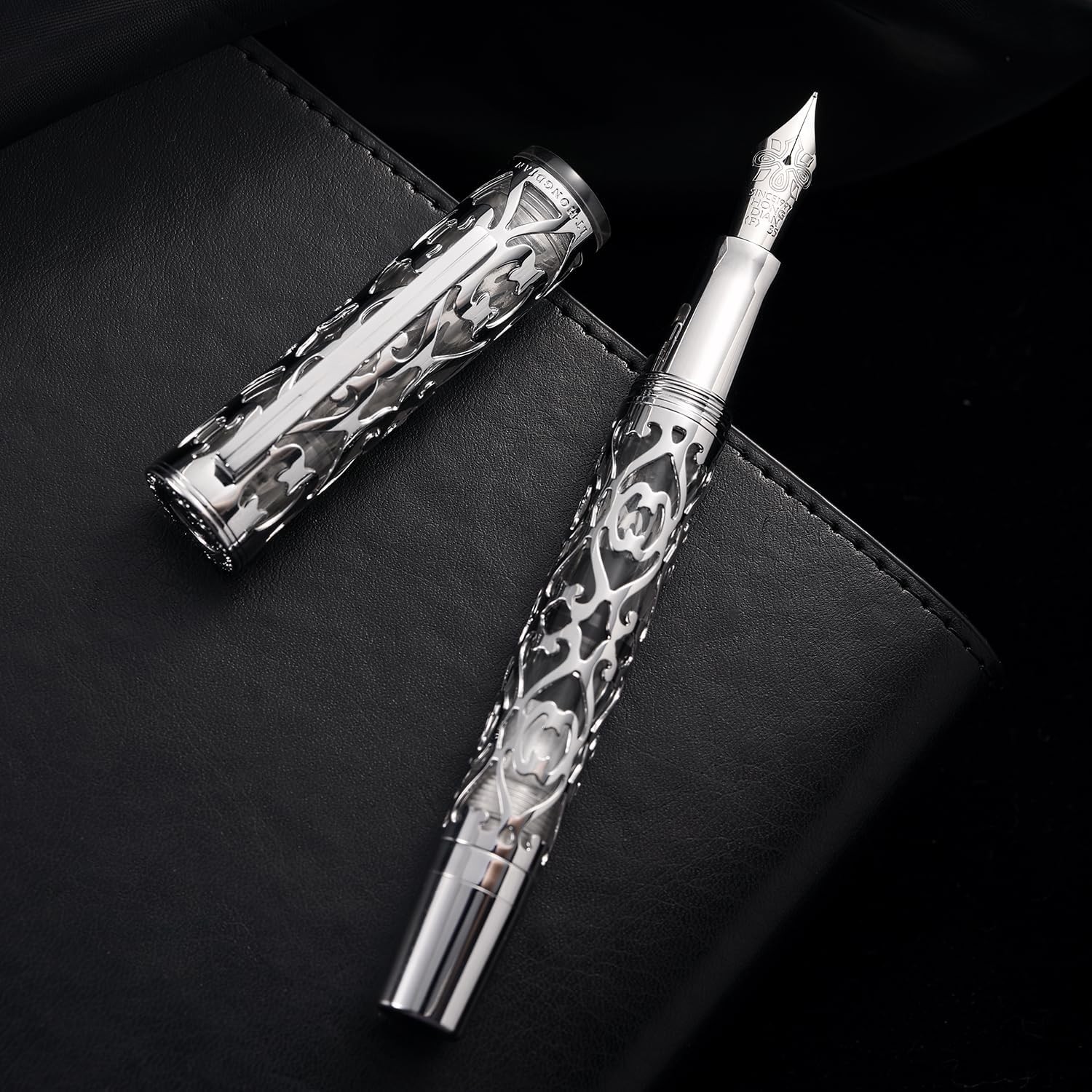 D1 Piston Fountain Pen Fine Nib, Hollow Skeleton & Resin with Metal Case Set (Si$24.21View on eBay
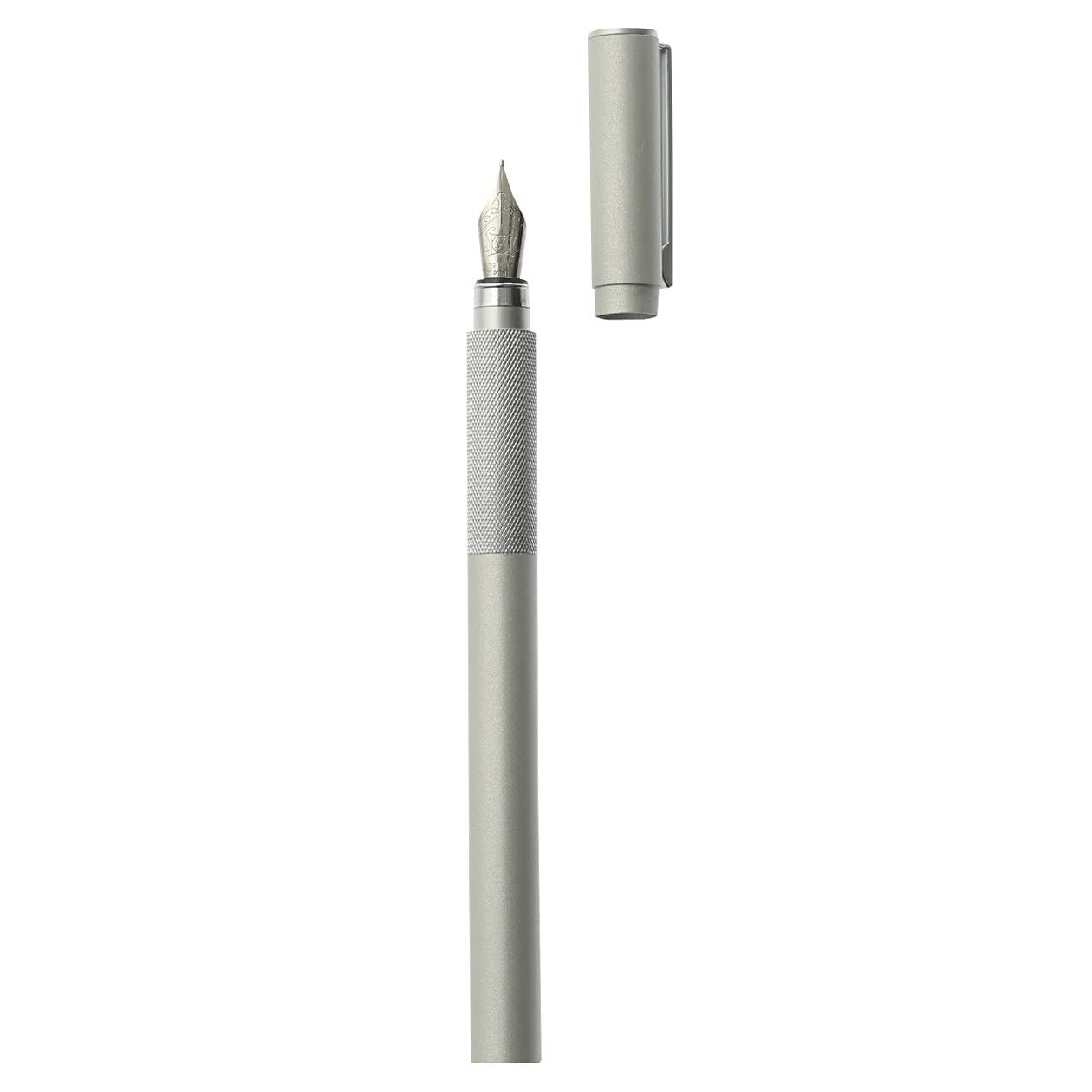 Aluminum Fountain Pen$25.31View on eBay
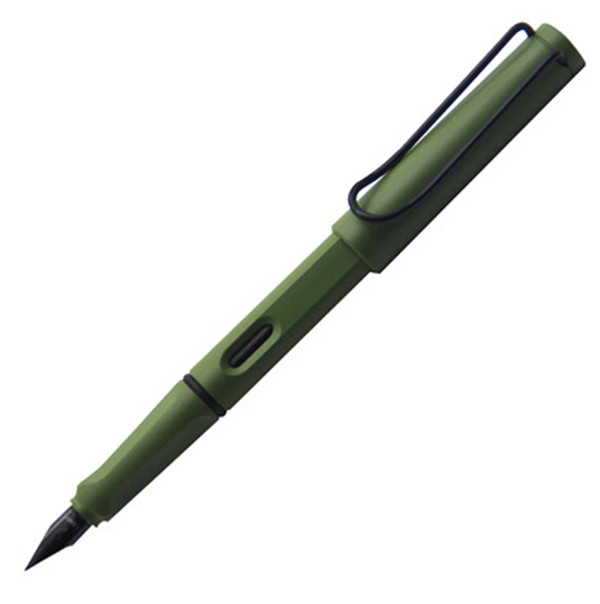 LAMY Safari Special Edition Series Matte Green Color F nib Fountain Pen US$26.99View on eBay
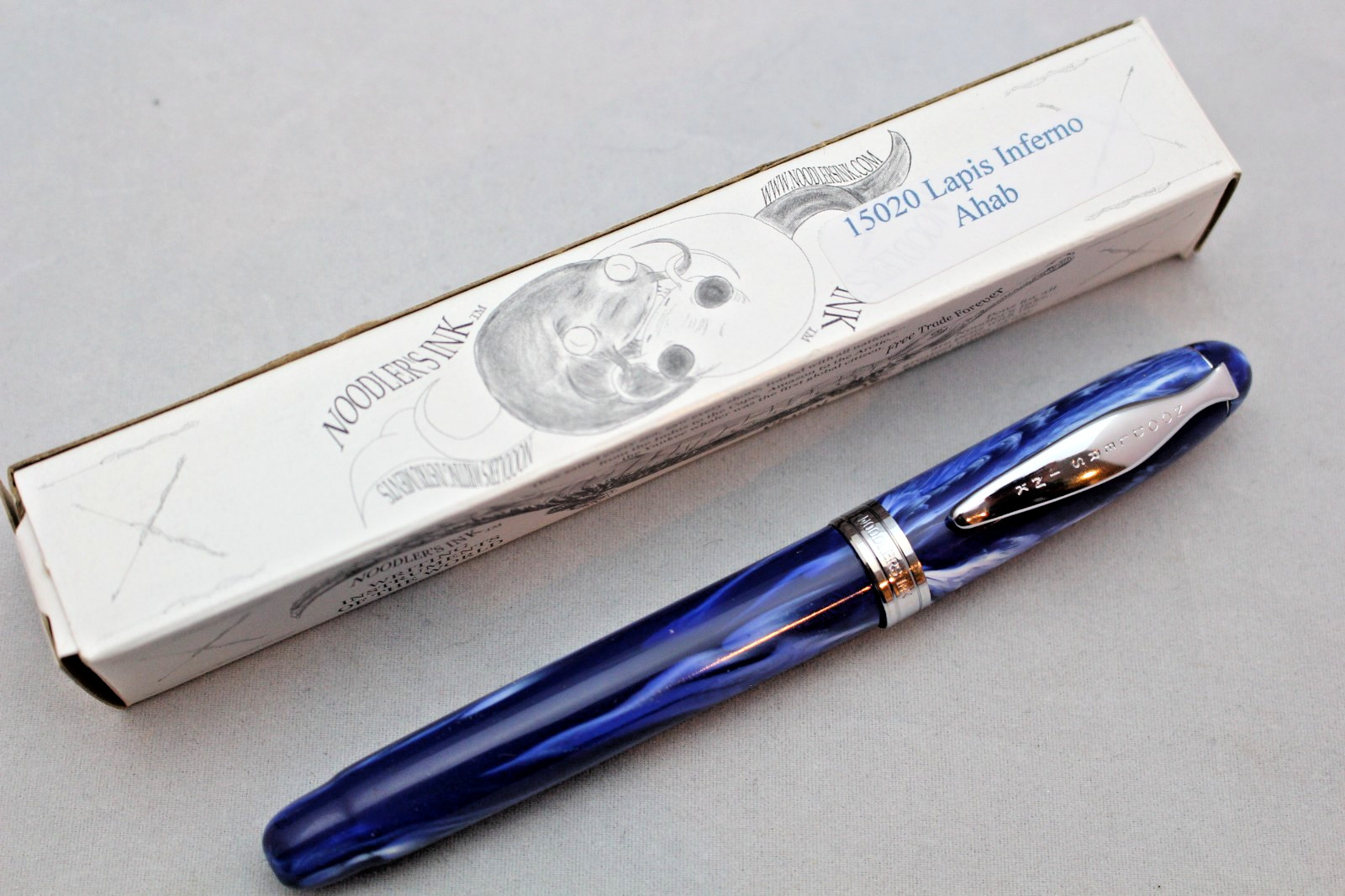 NOODLERS LAPIS INFERNO AHAB PISTON FLEX NIB FOUNTAIN PEN$27.00View on eBay
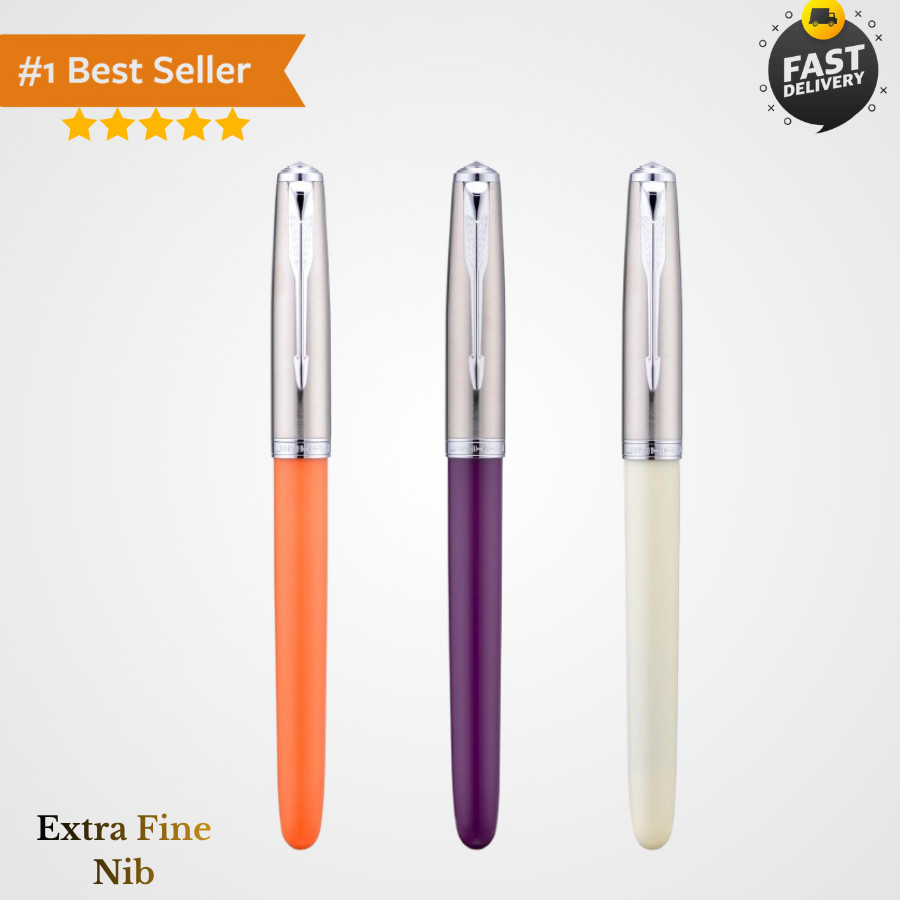 3 Jinhao 86 Fountain Pen Set (Orange, Purple and White Resin) Extra Fine Nib ...$27.99View on eBay
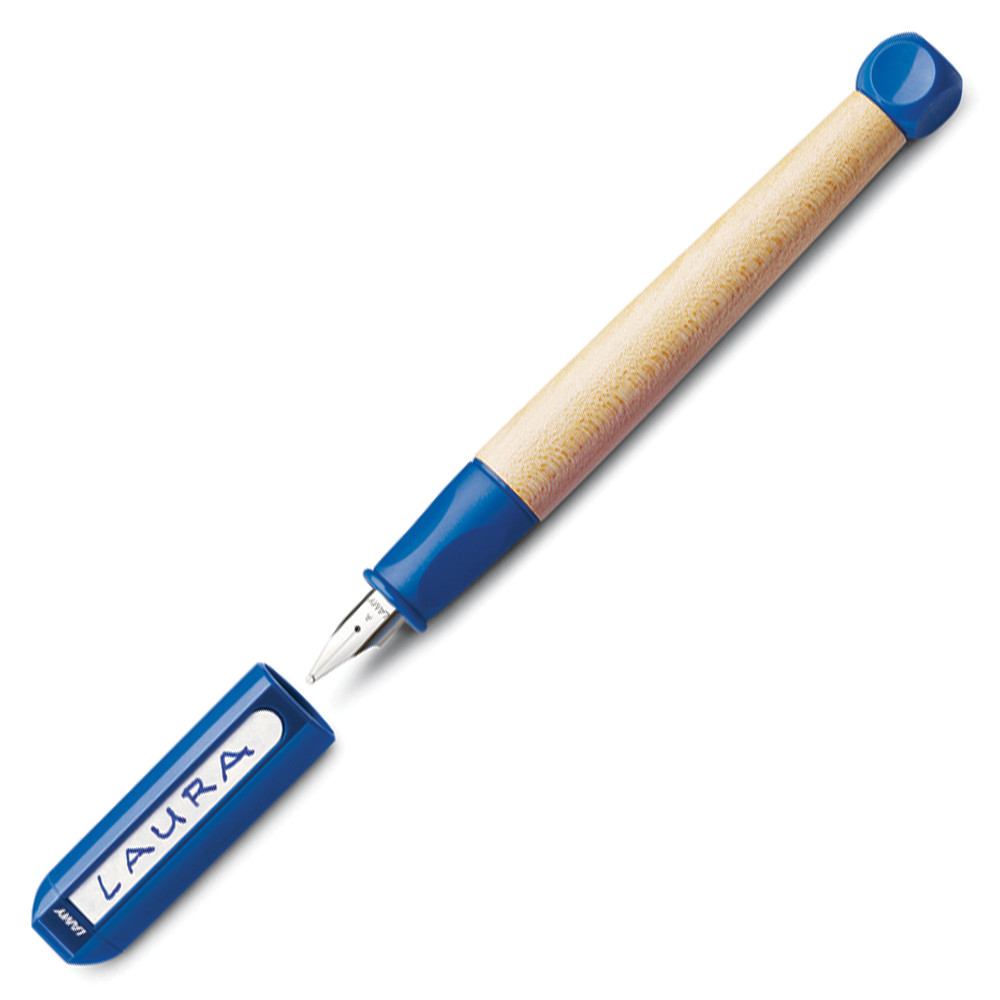 Lamy ABC Fountain Pen in Blue Beginner Child - Medium Point L09M - NEW$28.75View on eBay
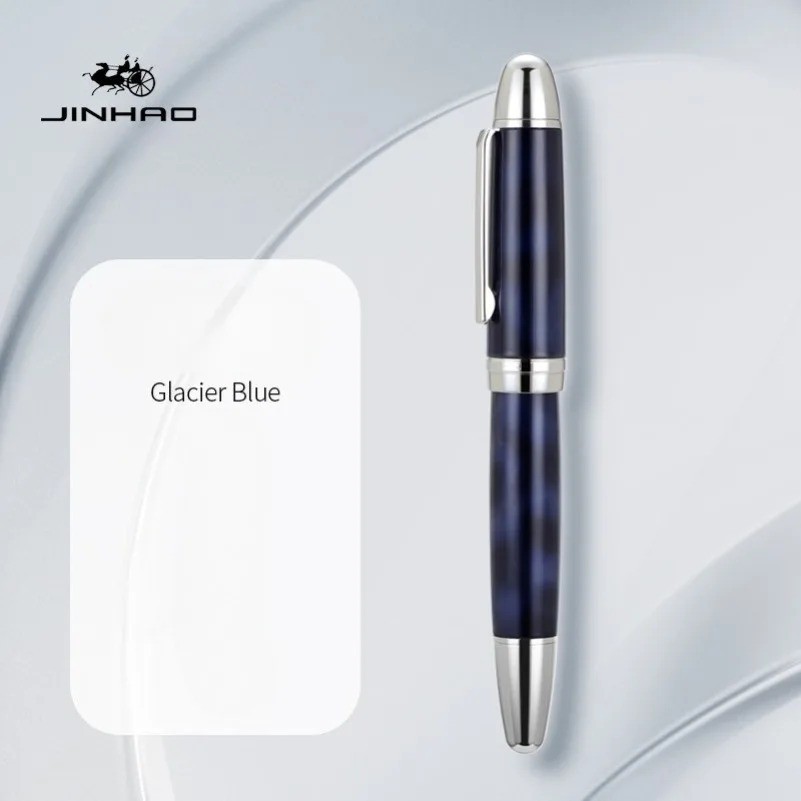 JINHAO X169 Fountain Pen Black Gold Clip M/F/EF Nib Writing Stationery$28.77View on eBay
 LAMY Safari Candy Fountain Pen$29.60View on eBay
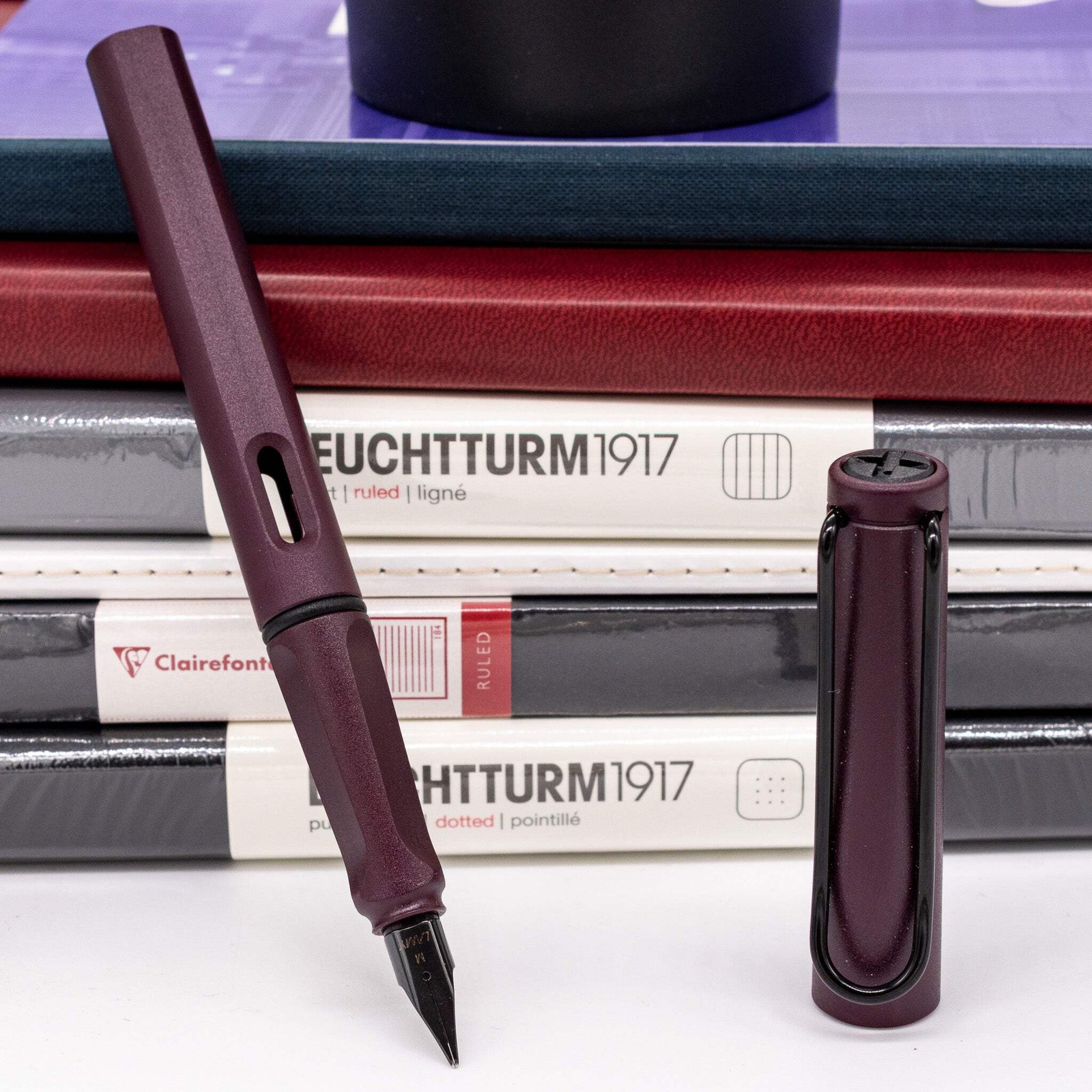 LAMY Safari Fountain Pen - Scarlet$29.60View on eBay
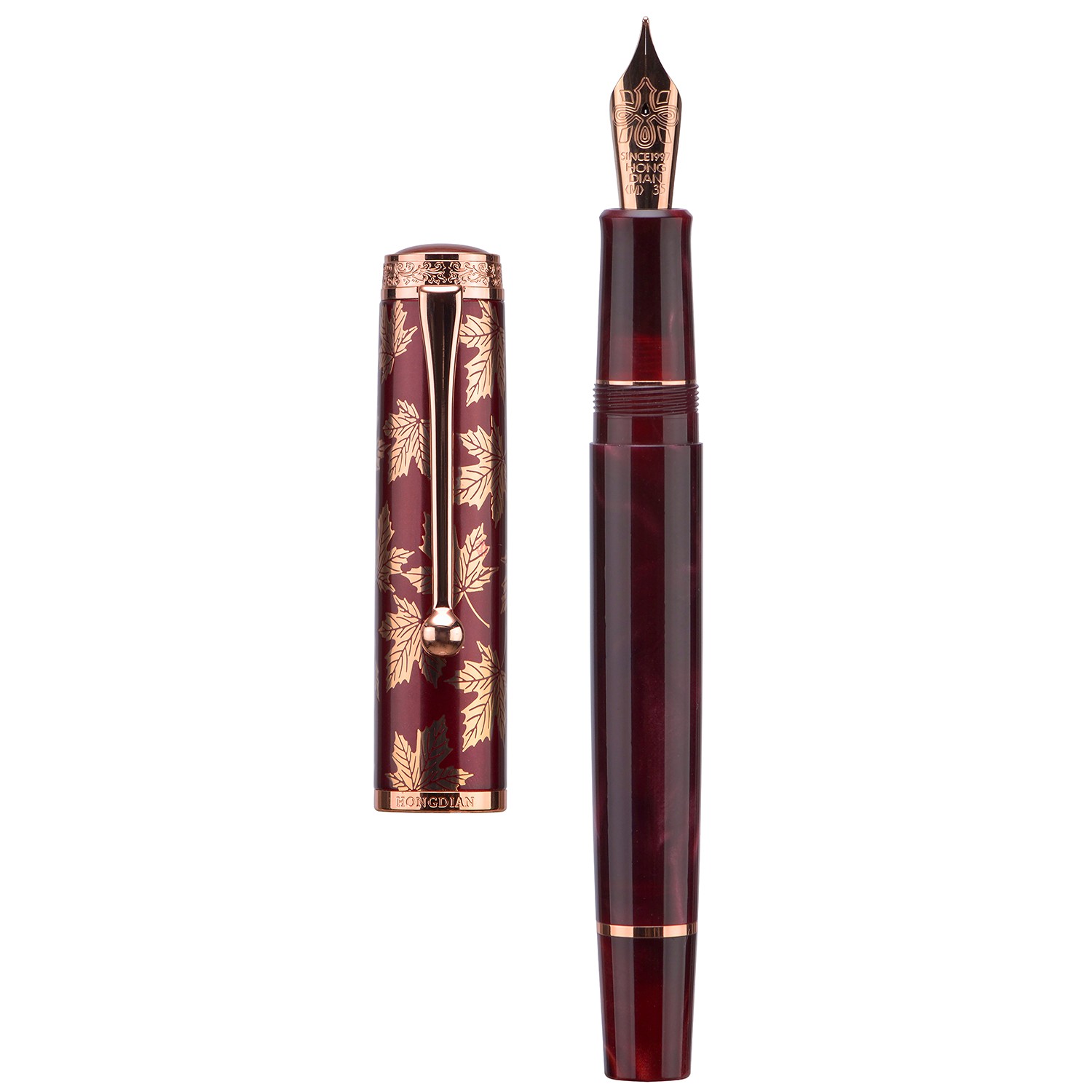 Hongdian N8S Acrylic Fountain Pen EF/F/M//Nib Writing Pen, Gray, Green, Red$29.98View on eBay
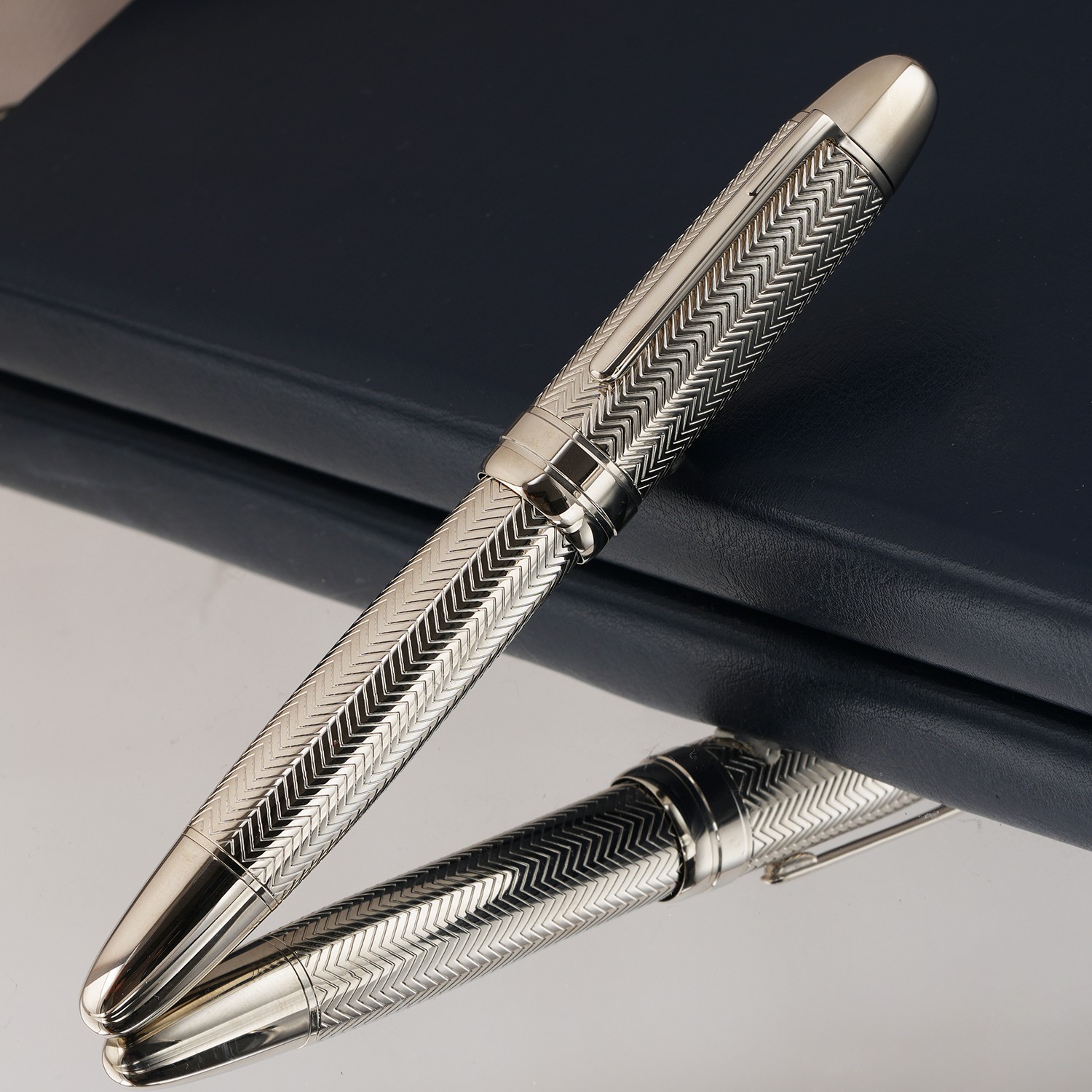 Silver Carved Pattern Fountain Pen EF/F/M Nib &Converter Writing Metal Pen$29.99View on eBay
Highlights
- Nib material tiers: steel (stiff, corrosion-resistant, ideal for daily use) vs 14k/18k gold (flexible, smoother, requires less pressure) vs titanium (light, springy, for specialty use).
- Filling systems: piston (high ink capacity, integrated, harder to clean) vs converter (replaceable, easy to flush) vs cartridge (convenient, lower capacity, plastic waste).
- Body construction: brass or aluminum barrels resist cracking and provide balanced weight; resin or acrylic bodies are lighter but can craze if exposed to alcohol or sunlight.
- Cap seal: screw caps with an inner liner or O-ring prevent ink evaporation for months; snap caps wear loose over time and are best for frequent, short writing sessions.
Best use cases
- Best fit: daily journaling or note-taking — choose a steel nib, snap-cap or screw-cap resin pen with a converter, medium nib for smooth paper; skip heavy brass piston fillers that tire the hand.
- Best fit: professional signatures or long writing sessions — pick a 14k gold nib with a piston filler and a brass barrel for balance; avoid slim cartridges that run dry mid-meeting.
- Best fit: calligraphy or line variation — select a flex or stub nib in steel or gold with an ebonite feed for ink flow; skip standard round nibs that cannot vary stroke width.
- Wrong fit: pocket carry or travel — full-size piston pens with loose caps leak under vibration; choose a compact cartridge pen with a threaded cap or an ink-tight shutoff valve.
Buying tips
- Nib size math: European fine (F) ≈ 0.5 mm, medium (M) ≈ 0.7 mm, broad (B) ≈ 1.0 mm; Japanese nibs run one size finer (Japanese M ≈ European F), so size up when switching brands.
- Ink capacity rule: a standard international converter holds 0.5–0.8 ml (approx. 4–6 A4 pages), a piston filler holds 1.2–1.8 ml; choose piston for heavy writing, converter for easy cleaning.
- Material grade: 14k gold nibs are softer than 18k (which is more corrosion-resistant but stiffer); steel nibs from reputable makers (e.g., Jowo or Bock units) rival gold for smoothness at lower cost.
- Thread and compatibility: standard international cartridges/converter fit most European pens; proprietary systems (e.g., Pilot, Platinum, Lamy) require brand-specific refills—verify the filling system before buying.
Specs
| Nib Material | Steel / 14k Gold / 18k Gold / Titanium |
|---|---|
| Filling System | Converter / Piston / Cartridge |
| Body Material | Brass / Aluminum / Resin / Acrylic |
| Cap Type | Screw-cap / Snap-cap / Slip-cap |
Related searches
What to check before buying
- Measure your hand: pen length capped 130–140 mm suits most hands; posted length under 150 mm prevents top-heavy balance for small grips.
- Check paper compatibility: high-quality pens with wet nibs feather on cheap 60–70 GSM paper; pair with 80–100 GSM or fountain-pen-friendly notebooks.
- Confirm ink access: ensure the pen accepts standard international or brand-specific cartridges/converter; a piston filler needs a bottle ink supply and cleaning bulb.
- Climate and storage: in dry climates choose screw caps with inner seals; avoid storing celluloid or vintage resin pens in hot cars or direct sunlight.
FAQ
Data sources: eBay / Amazon listings and product attribute feeds. Updated Nov 29, 2026.
Some links on this page are affiliate links. If you buy after clicking one, we may earn a commission at no extra cost to you. This does not change which products appear here or their order. Affiliate disclosure.