
Photos from current listings. Actual item, color, and included accessories may vary.
Label Maker Buying Guide
Label makers range from manual embossers that press raised characters into plastic tape to Bluetooth thermal printers that produce adhesive labels from an app, and the core trade-off is ongoing supply cost versus upfront hardware capability. Embossing units need no power or ink but deliver only raised, single-color tape, while thermal printers demand proprietary label rolls yet print barcodes, QR codes, and multi-line text at high resolution. Buy a thermal printer only if you will print steadily enough to absorb consumable costs; choose embossing or standalone keyboard units for intermittent, low-volume labeling where zero-power durability matters more than design flexibility.
Median $24.99
Key takeaways
- Thermal printer resolution divides tiers: 203 dpi suits shipping labels and shelf tags, while 300 dpi is required for small-font barcodes, QR codes, and fine text under 8 pt.
- Embossing makers use 9mm or 12mm plastic tape with a rotary dial or keyboard; output is raised and permanent but limited to one color and no graphics.
- Standalone keyboard labelers print on laminated thermal tape cartridges (typically 12mm) and work without a phone, unlike app-only Bluetooth mini printers.
At a glance
- Category
- Label Makers & Supplies
- Last updated
- Nov 29, 2026
Current offers
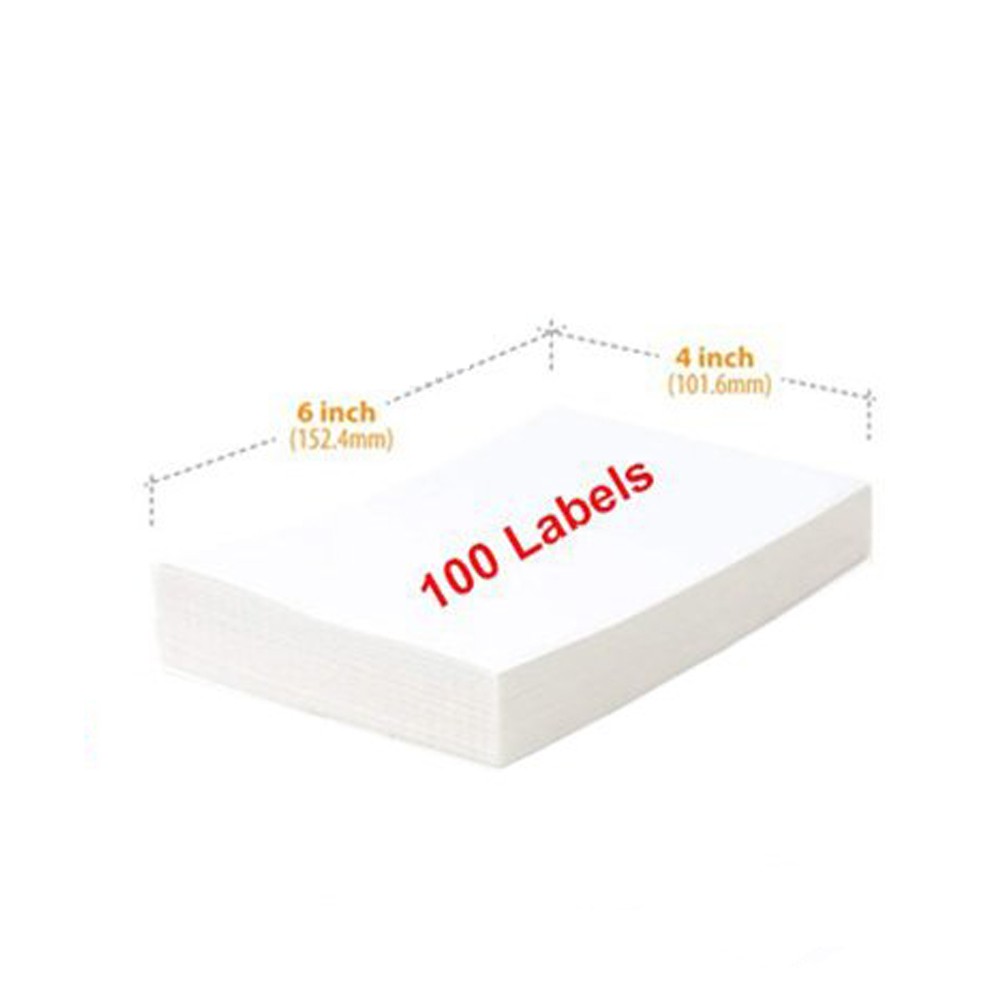 Thermal Shipping Label Printer 4"X6" Address Label Maker for Shipping Lot +Label$7.99Last checked Nov 23, 2026View on eBay
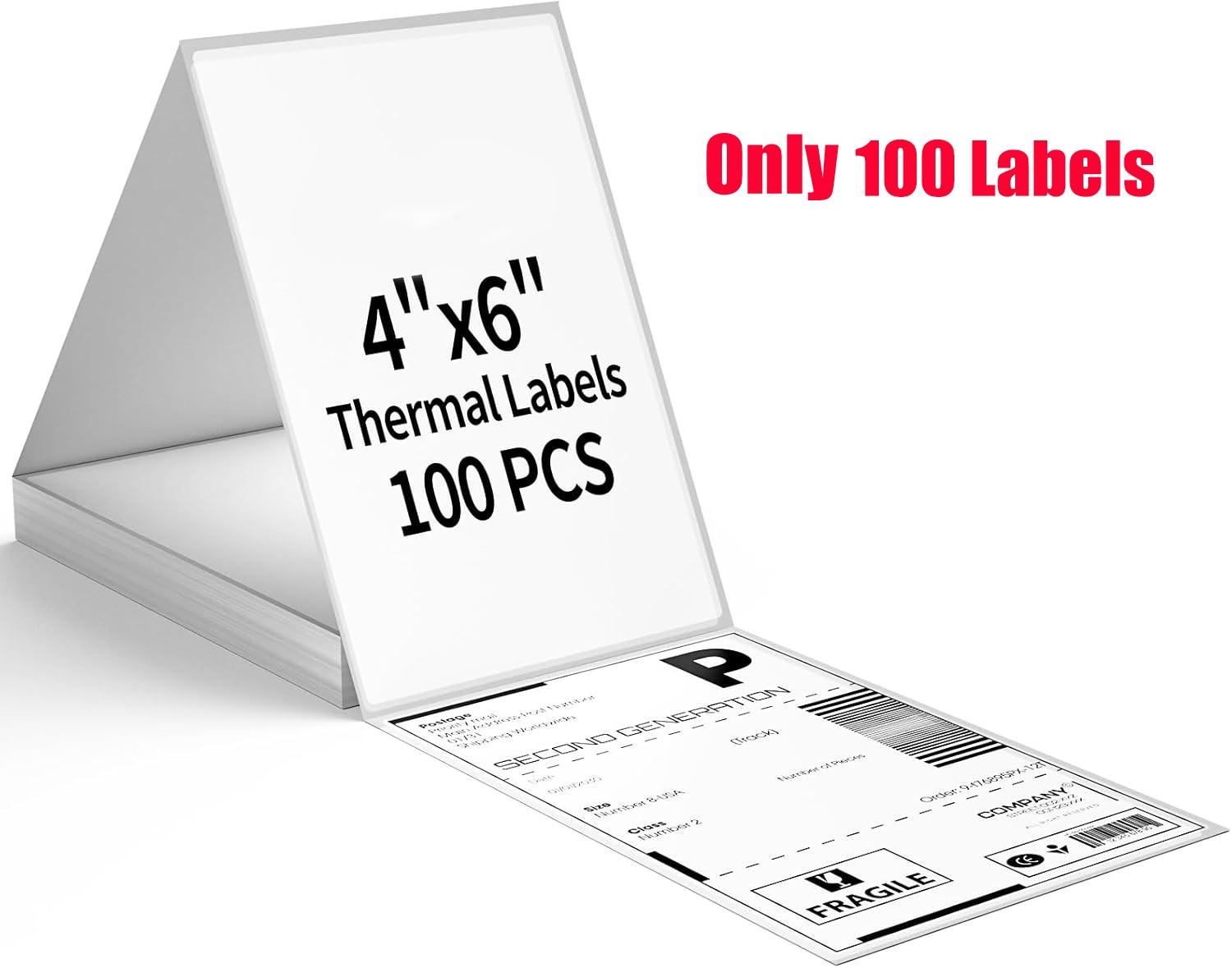 Thermal Shipping Label Printer 4"X6" Address Label Maker for Shipping Lot +Label$8.49Last checked Nov 23, 2026View on eBay
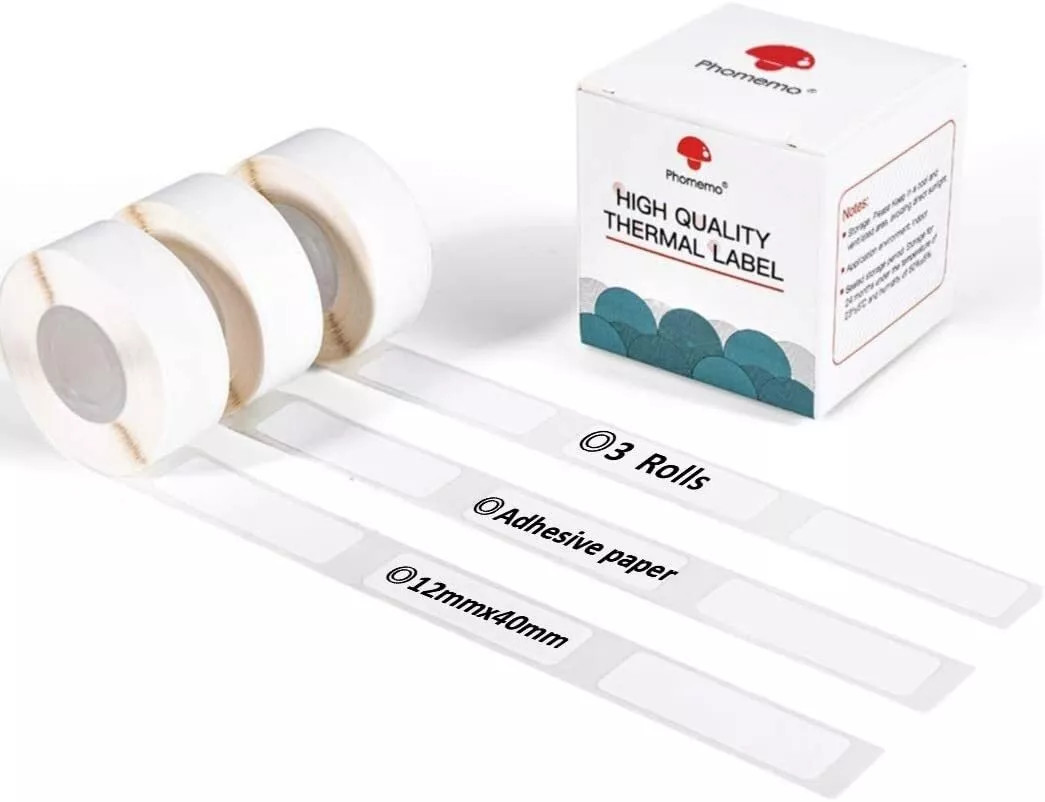 Phomemo D30 Label Maker Machine with Tape Bluetooth Small Label Printer - Green$9.39Last checked Nov 19, 2026View on eBay
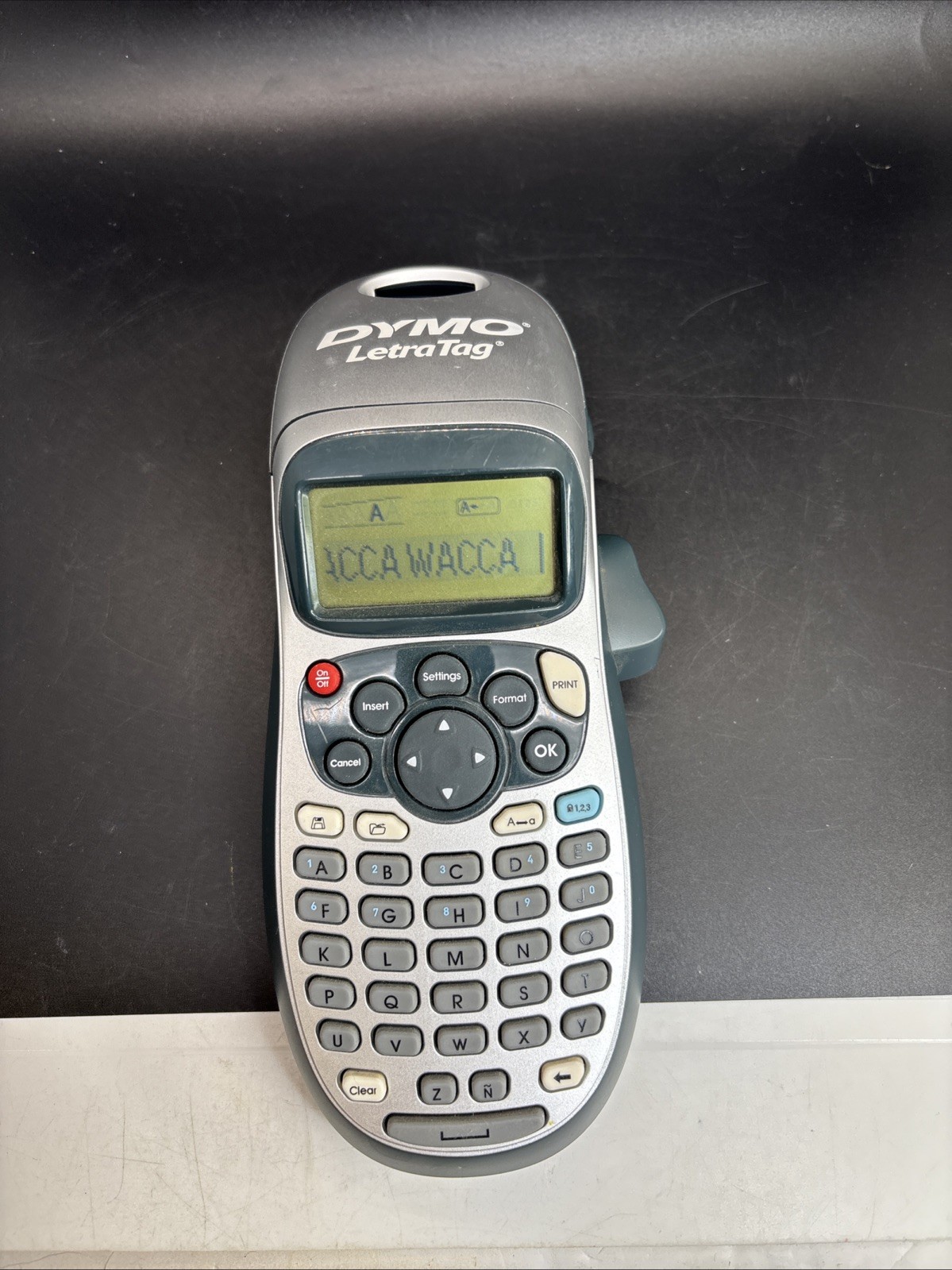 Dymo Letratag Gray Silver Handheld Portable Thermal Label Maker Works Great$12.99Last checked Nov 25, 2026View on eBay
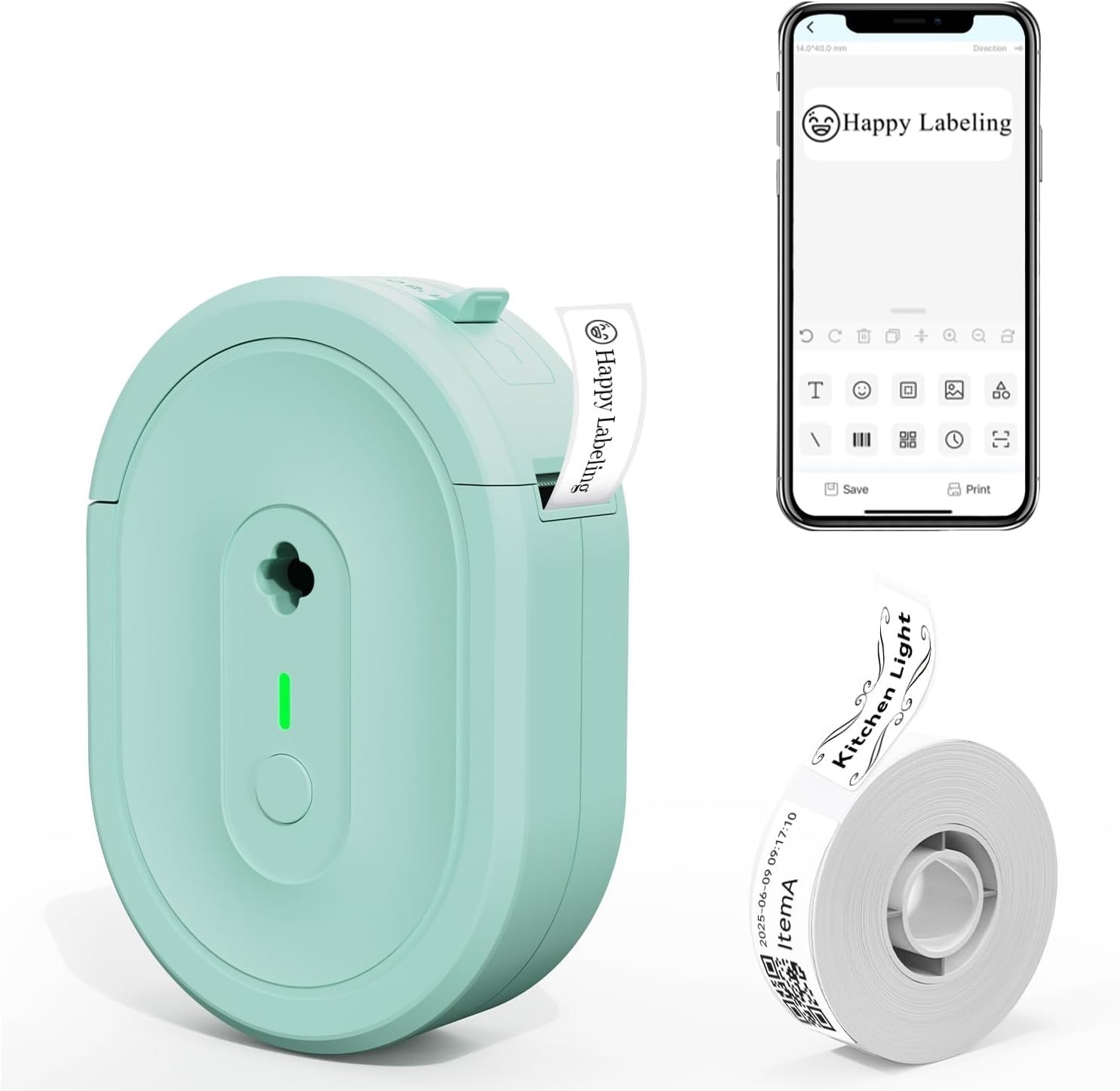 Label Maker Machine with Tape, Portable Bluetooth Label Makers, Inkless Mini Pri$15.30Last checked Nov 22, 2026View on eBay
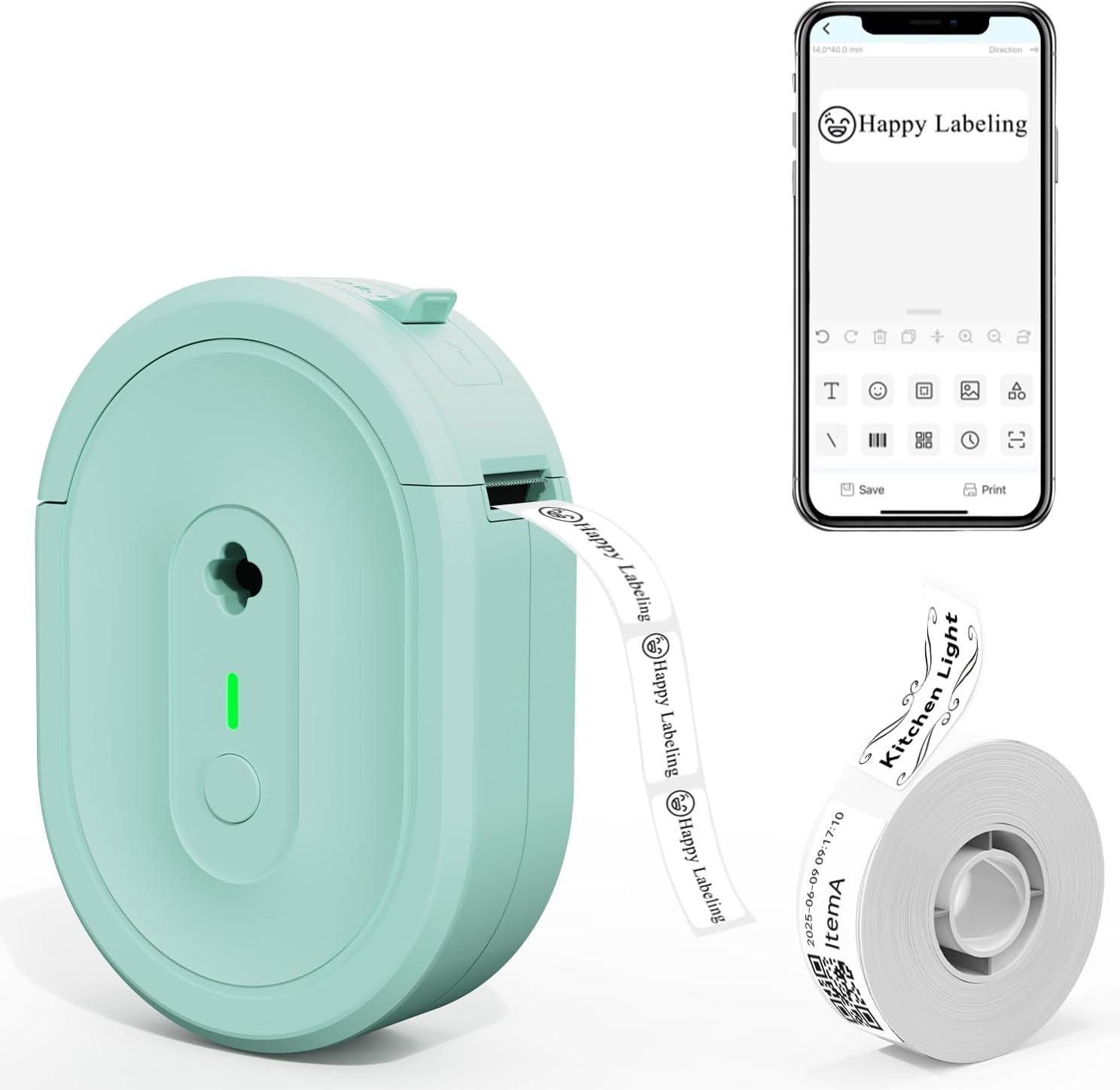 Label Maker Machine with Tape, Portable Bluetooth Label Makers, Inkless Mini Pri$18.38Last checked Nov 22, 2026View on eBay
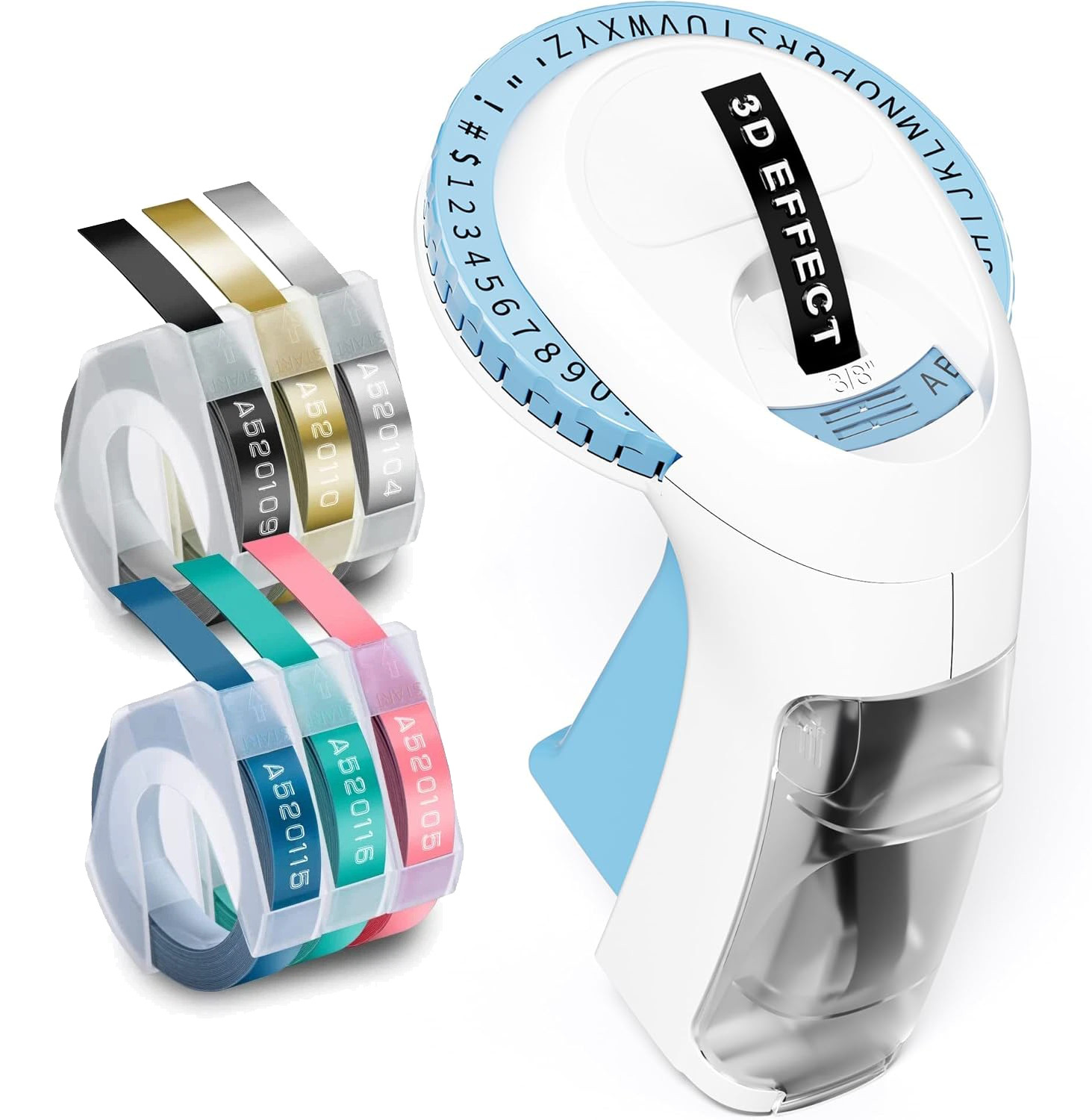 DYMO Embossing Label Maker with 6 DYMO Label Tapes | Organizer Xpress, Pro Label$18.39Last checked Nov 28, 2026View on eBay
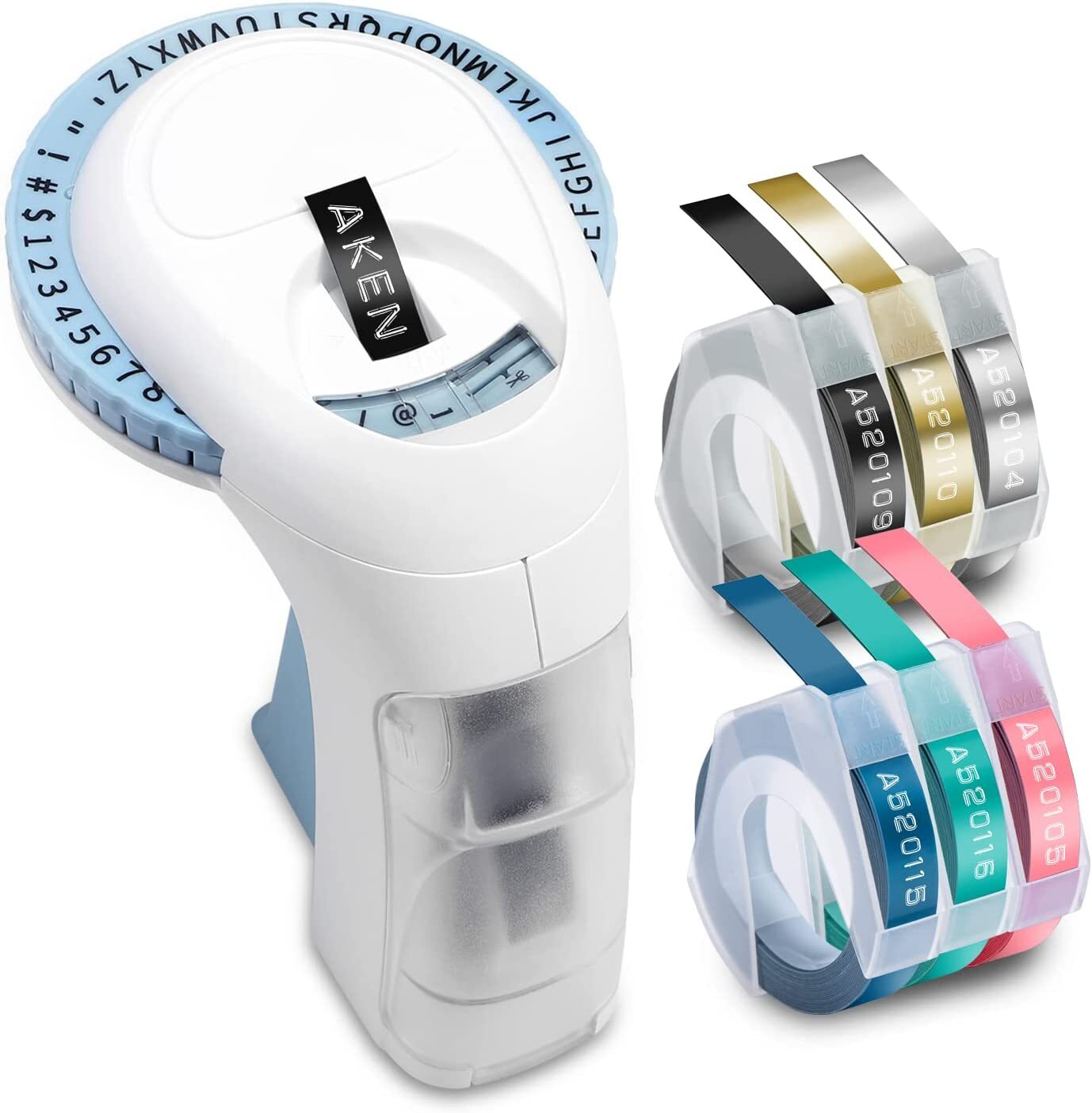 DYMO Embossing Label Maker with 6 DYMO Label Tapes | Organizer Xpress, Pro Label$18.39Last checked Nov 28, 2026View on eBay
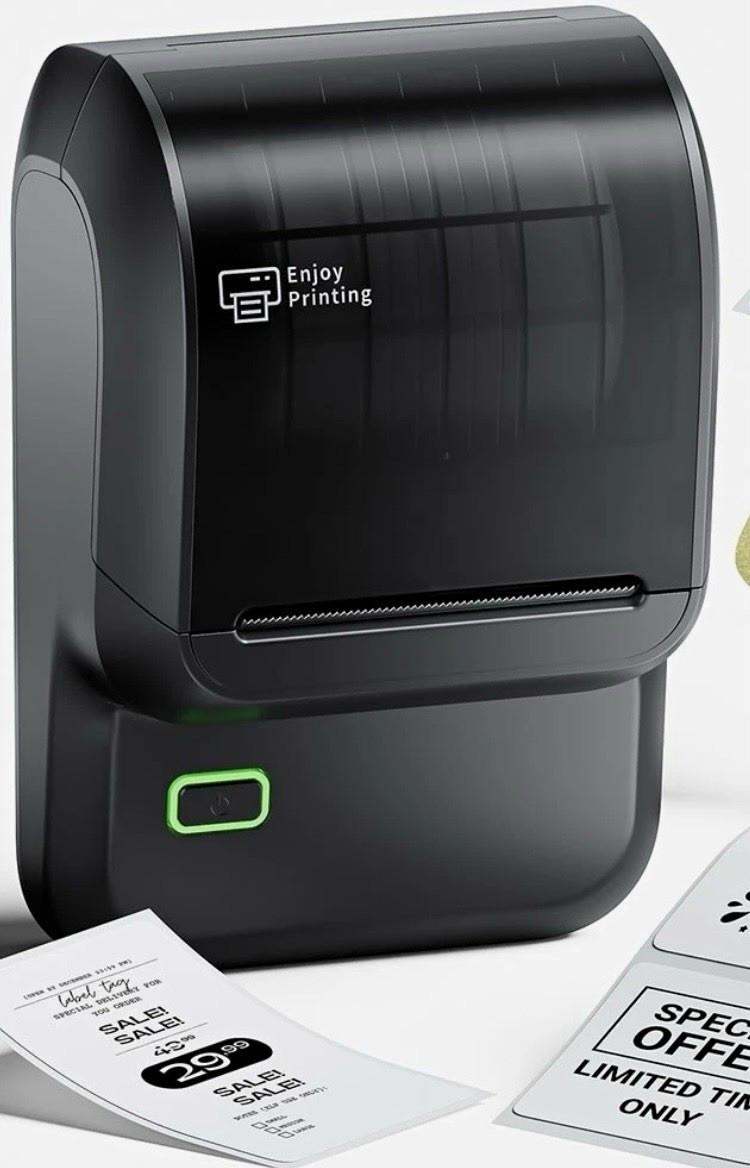 Enjoy Printing Portable Label Maker Printer w/ Type-C Cable & 100pc 40x30mm Roll$19.00Last checked Nov 28, 2026View on eBay
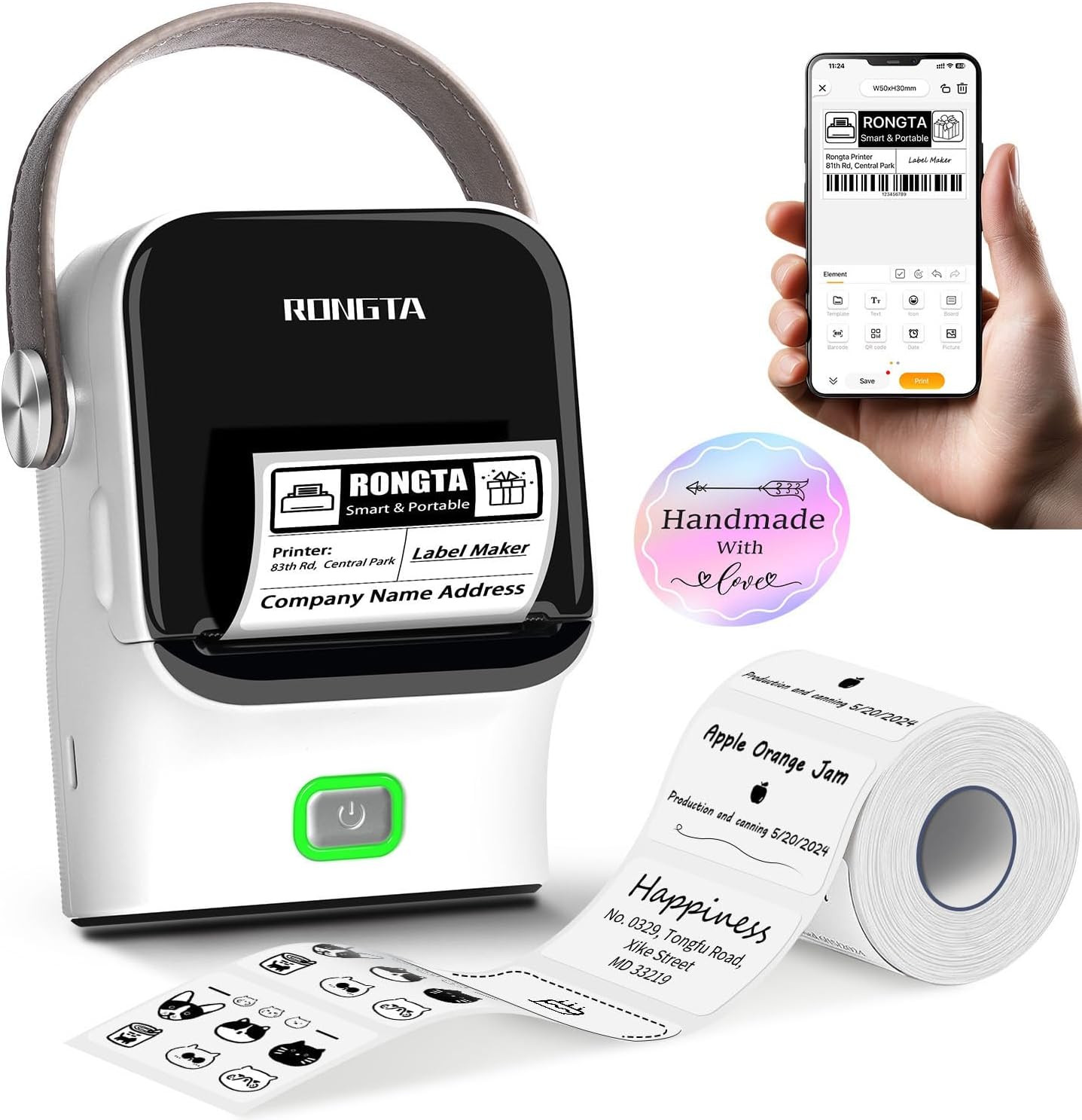 Bluetooth Label Maker Machine With Tape Thermal Label Printer For Home Phone Use$19.86Last checked Nov 23, 2026View on eBay
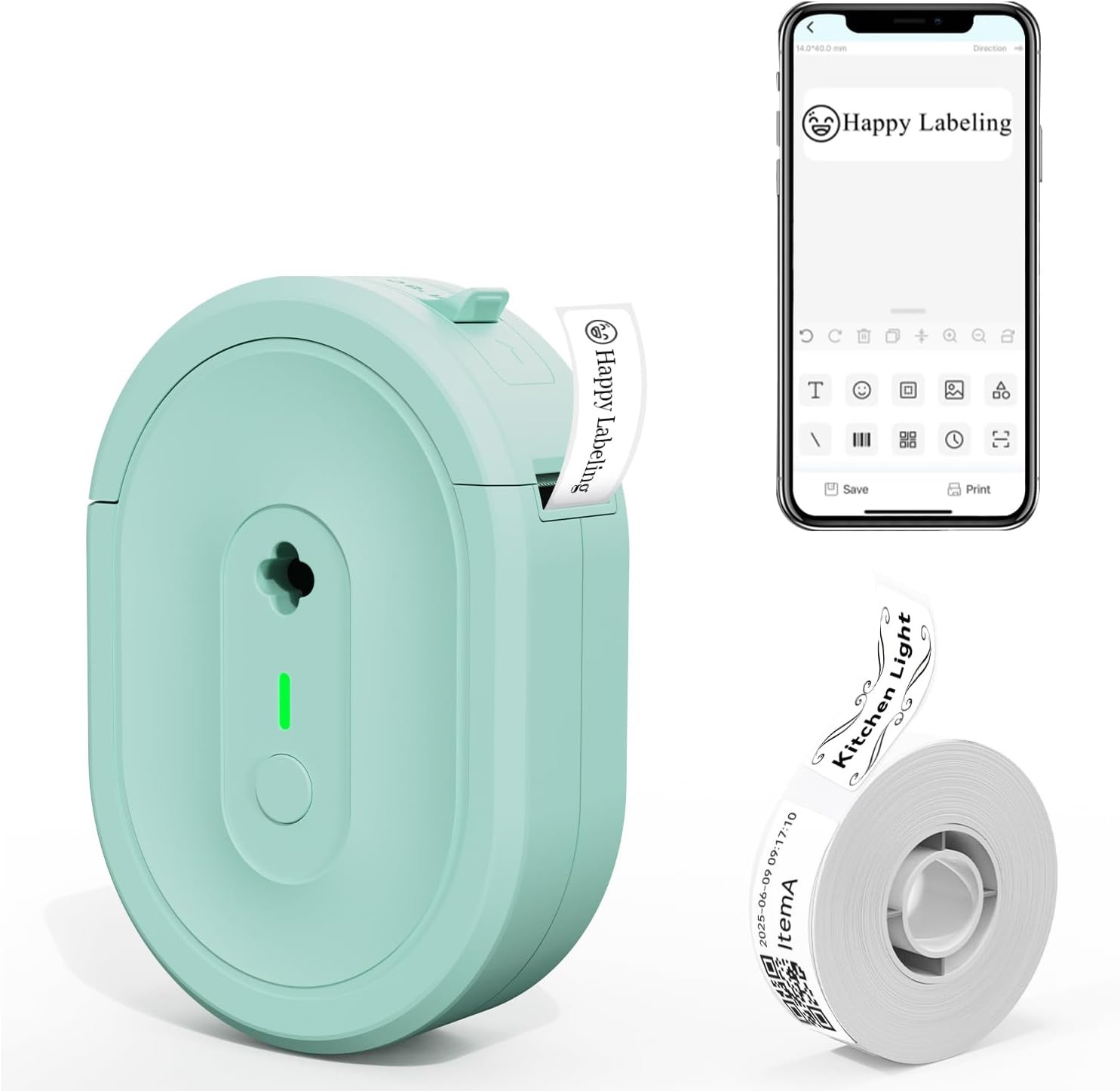 Label Maker Machine with Tape, Portable Bluetooth Label Makers, Inkless Mini Pri$19.87Last checked Nov 26, 2026View on eBay
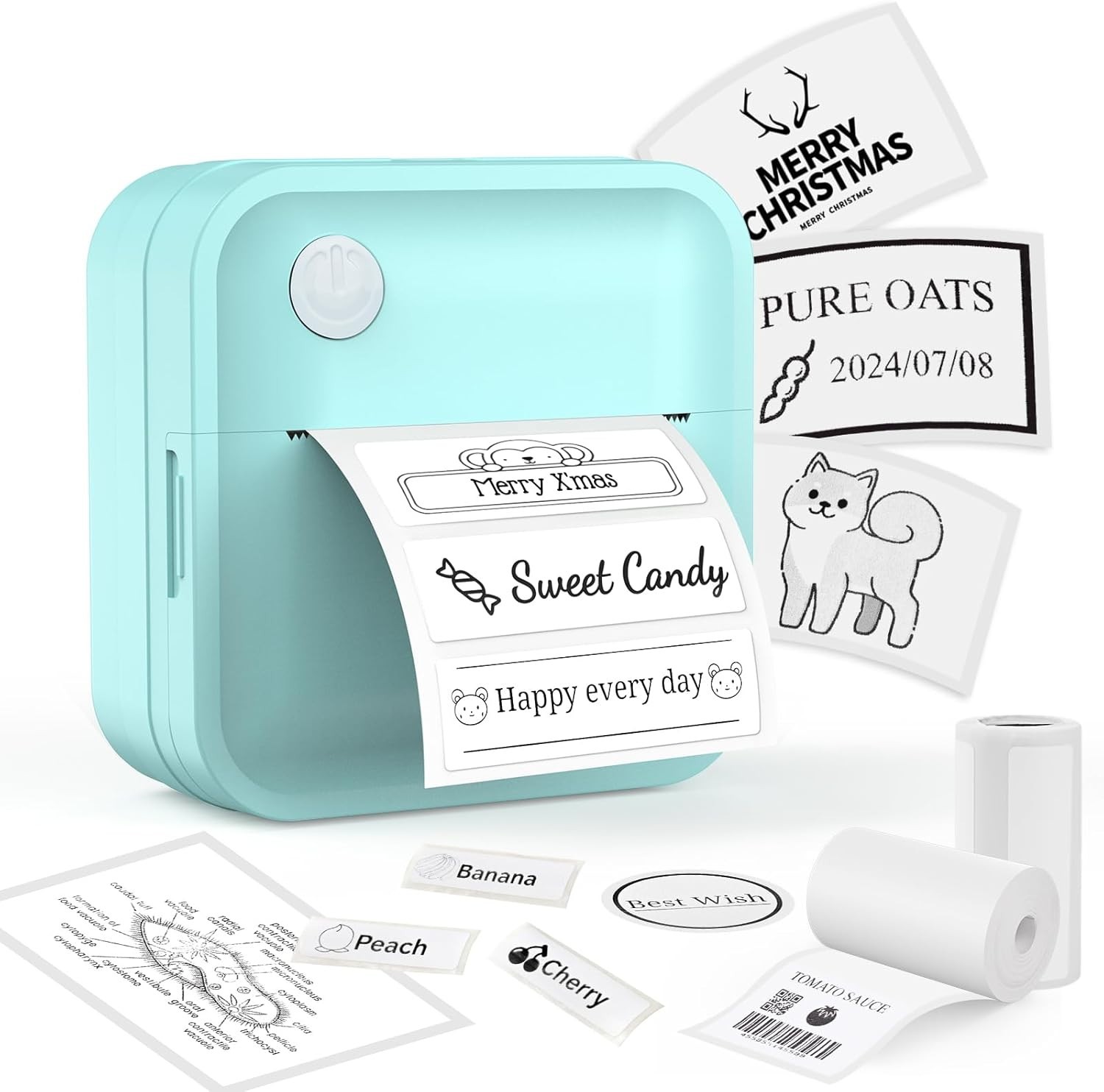 Mini Label Maker Machine with Tape, 2 Inch Bluetooth Themal Printer Inkless$19.95Last checked Nov 23, 2026View on eBay
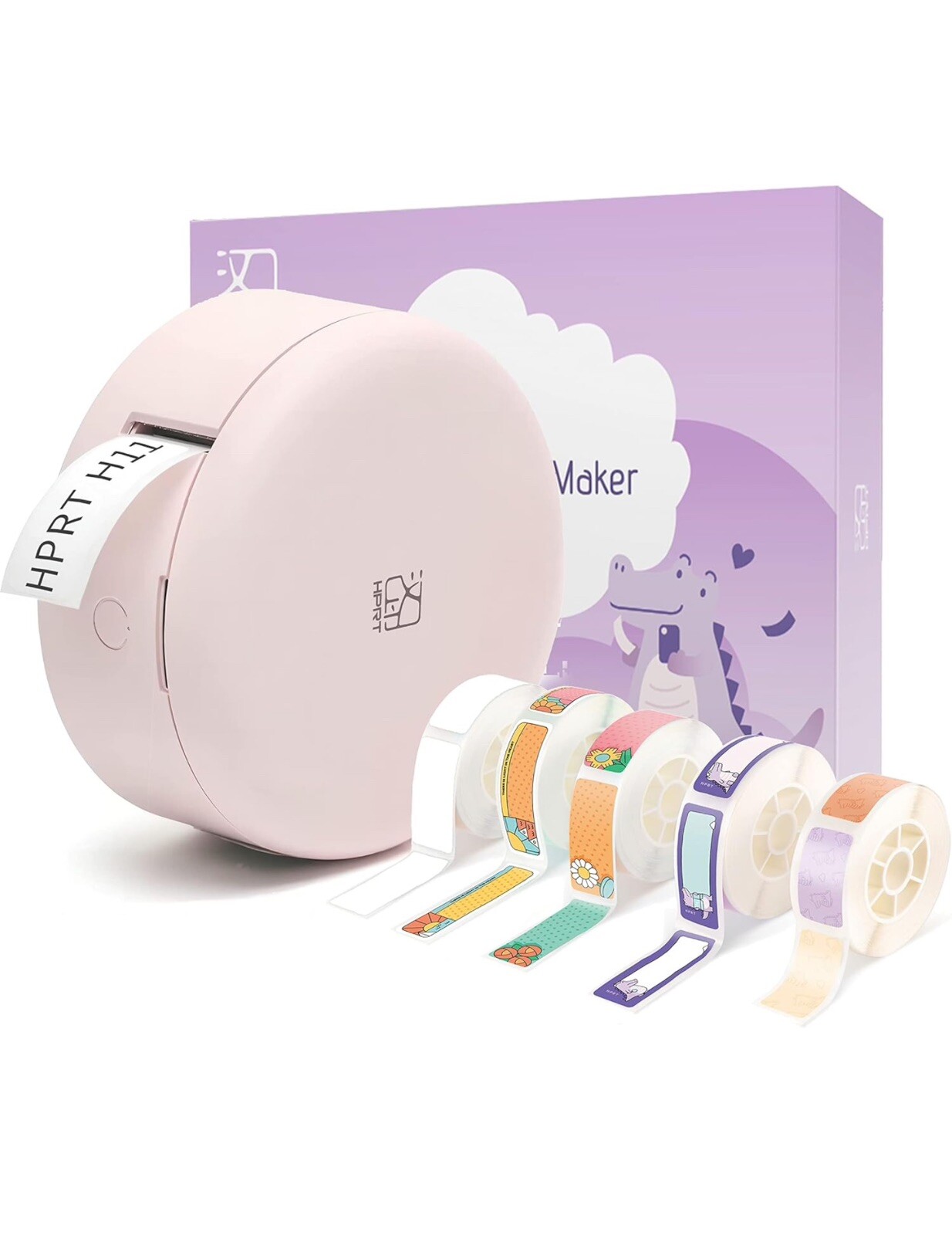 Label Maker Mini$20.00Last checked Nov 25, 2026View on eBay
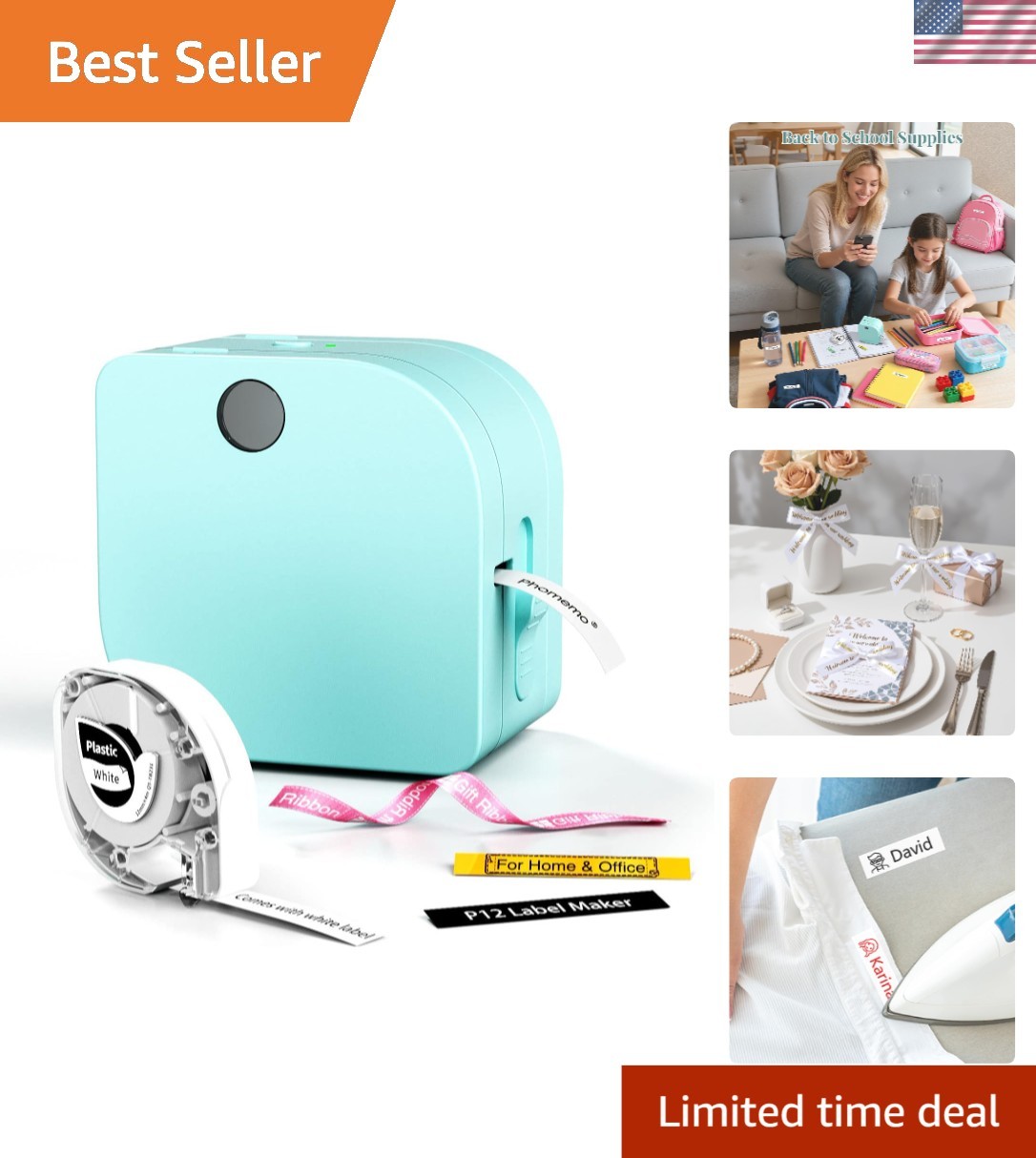 All-in-One Bluetooth Label Maker - Waterproof Labels for School & Gift Wrapping$21.11Last checked Nov 25, 2026View on eBay
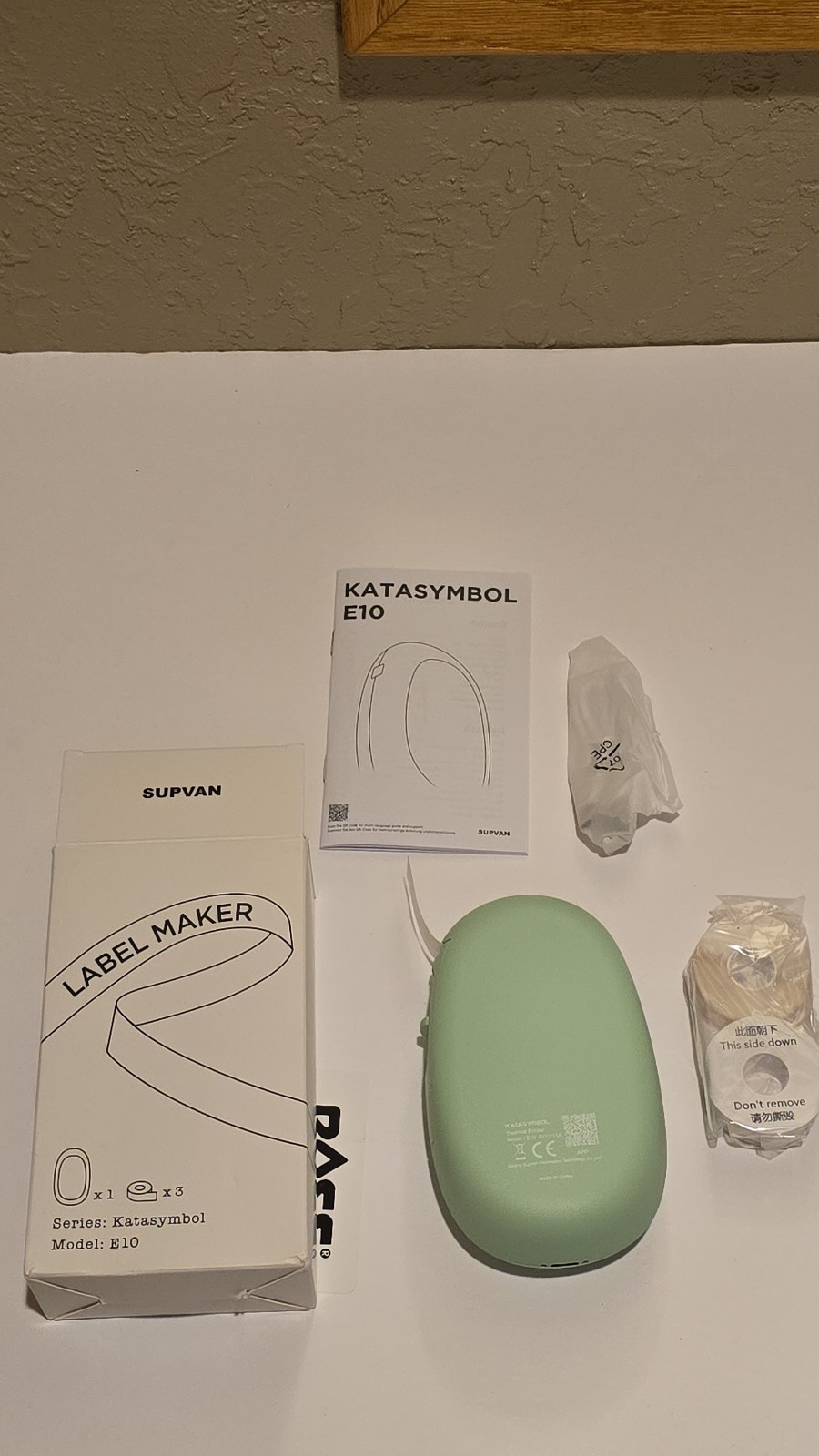 NEW In Box Bluetooth Label Maker With 3 Tapes Waterproof Labels 35 Fonts$21.99Last checked Nov 23, 2026View on eBay
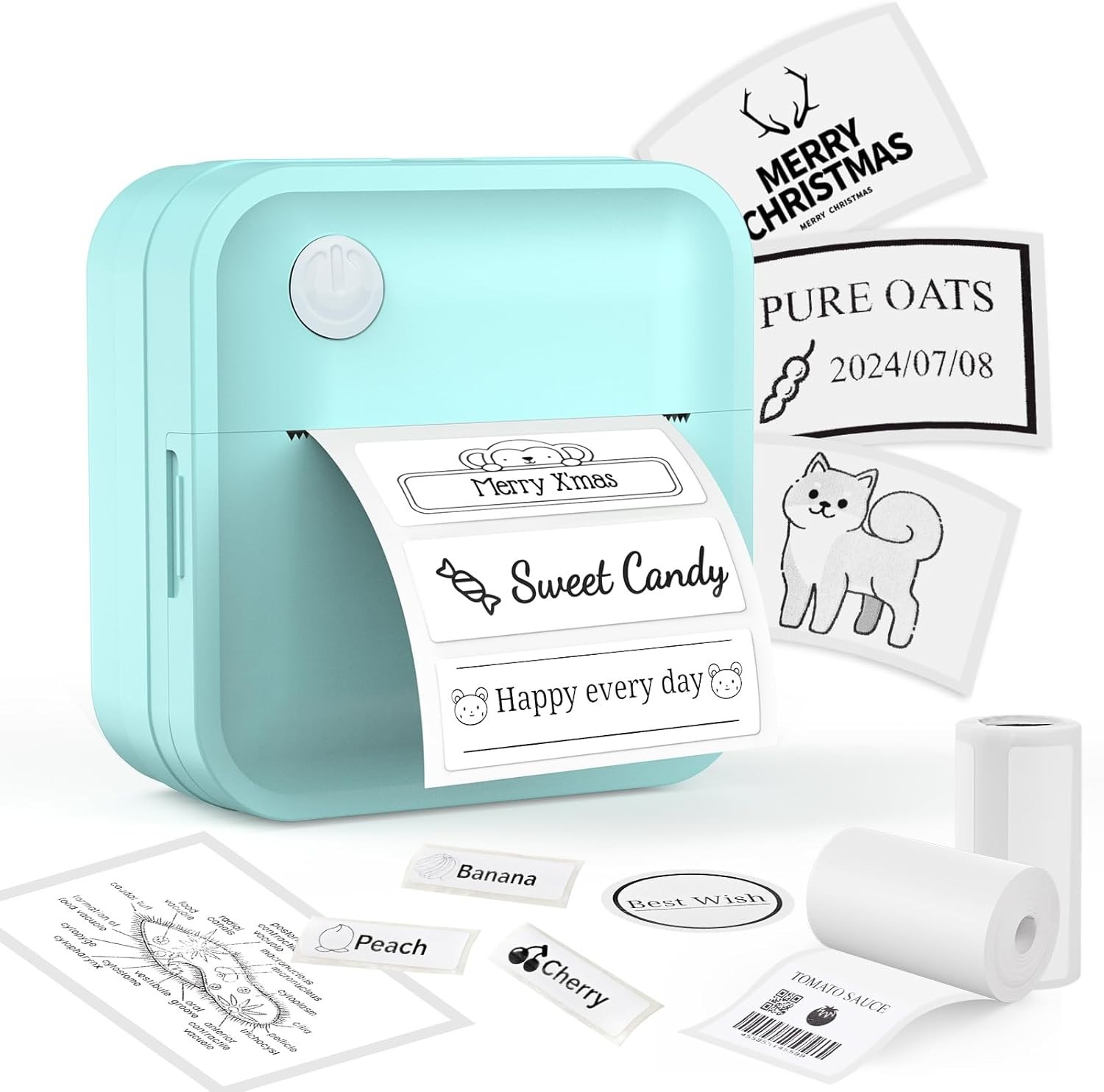 Label Maker Machine with Tape - Inkless Mini Bluetooth Label Printer with Multip$21.99Last checked Nov 23, 2026View on eBay
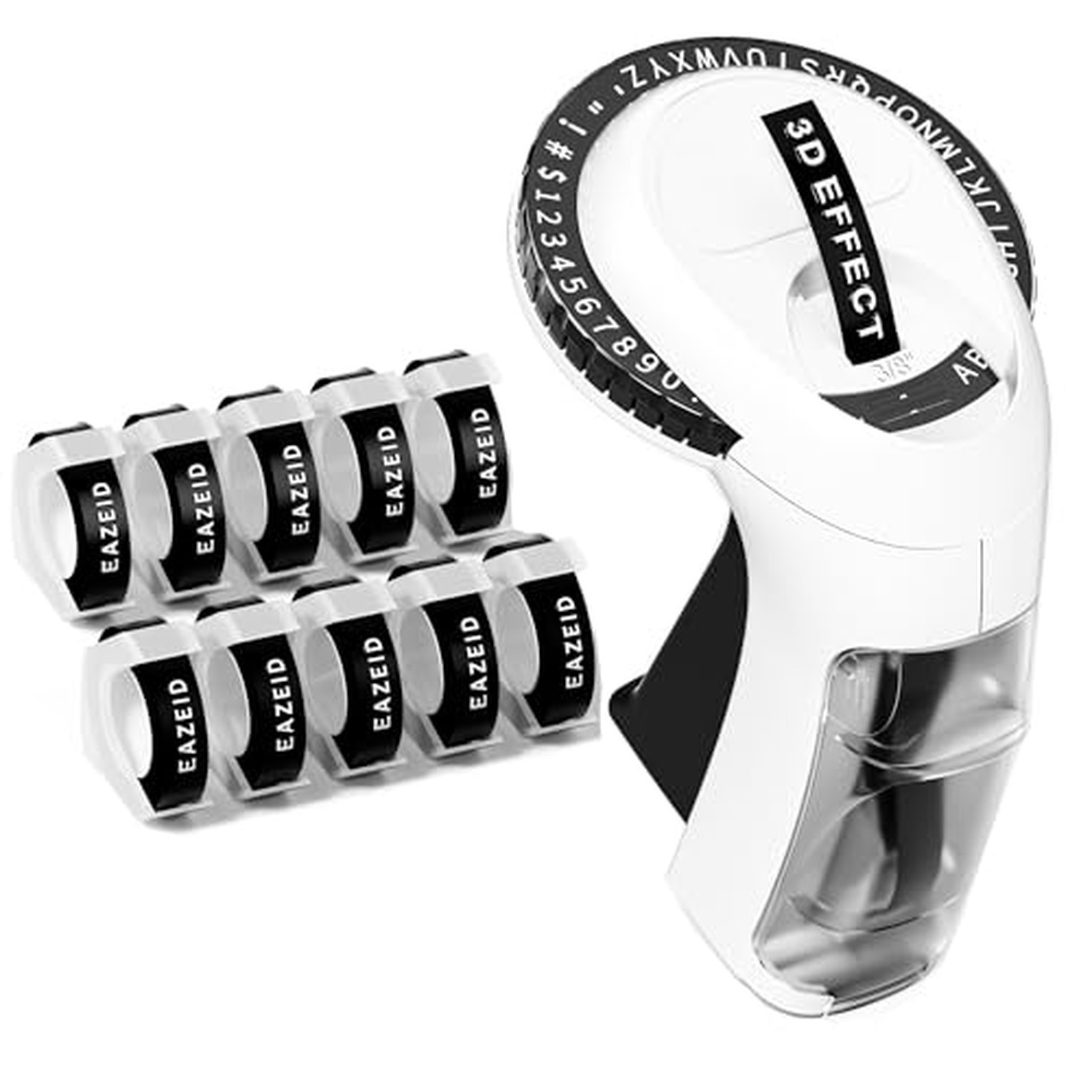 Label Maker Embossing, Embossed Label Maker Labels-Waterproof Black$22.06View on eBay
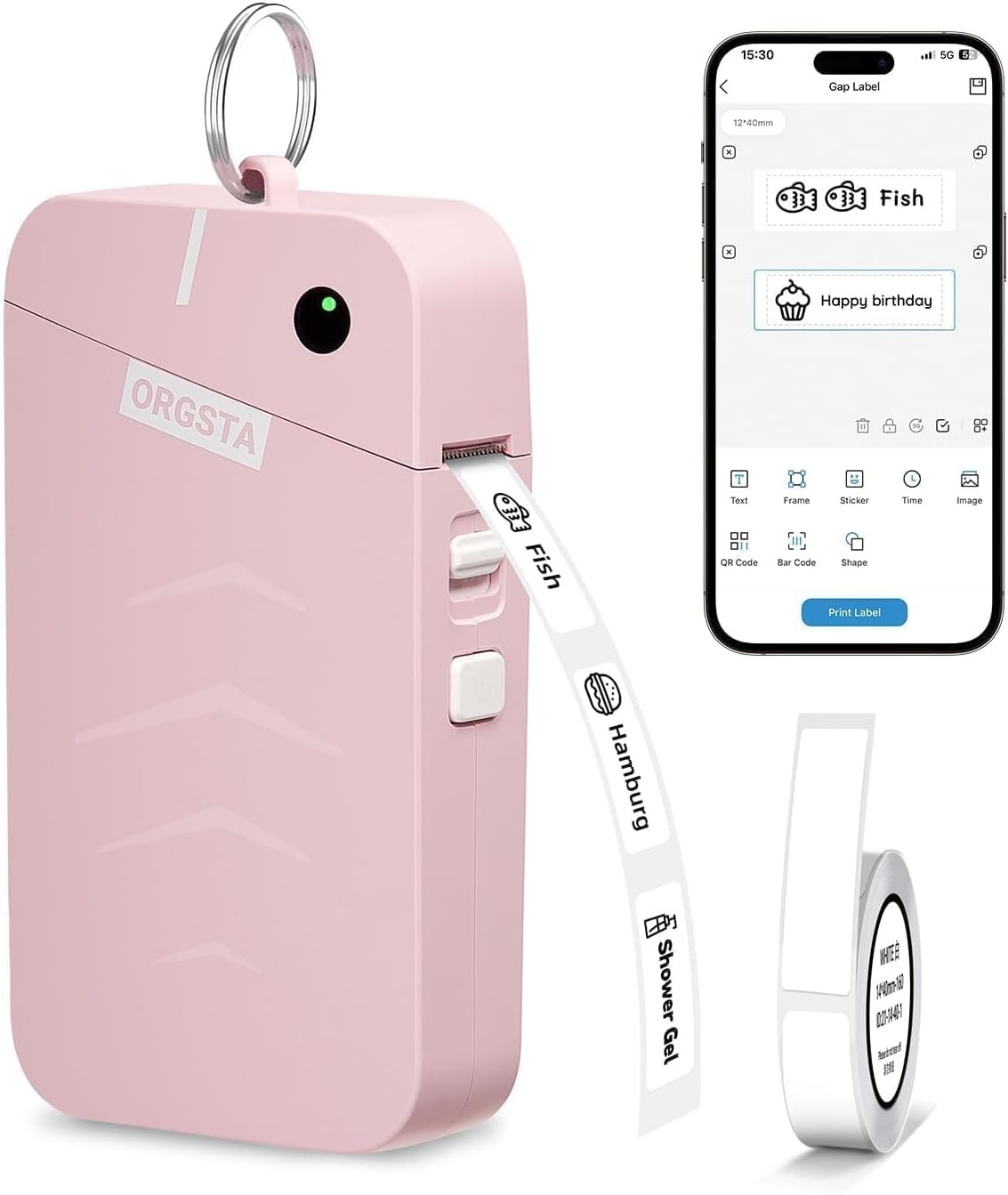 S001 Label Maker Machine with Tape, Portable Bluetooth Label Maker for Home and$22.62Last checked Nov 26, 2026View on eBay
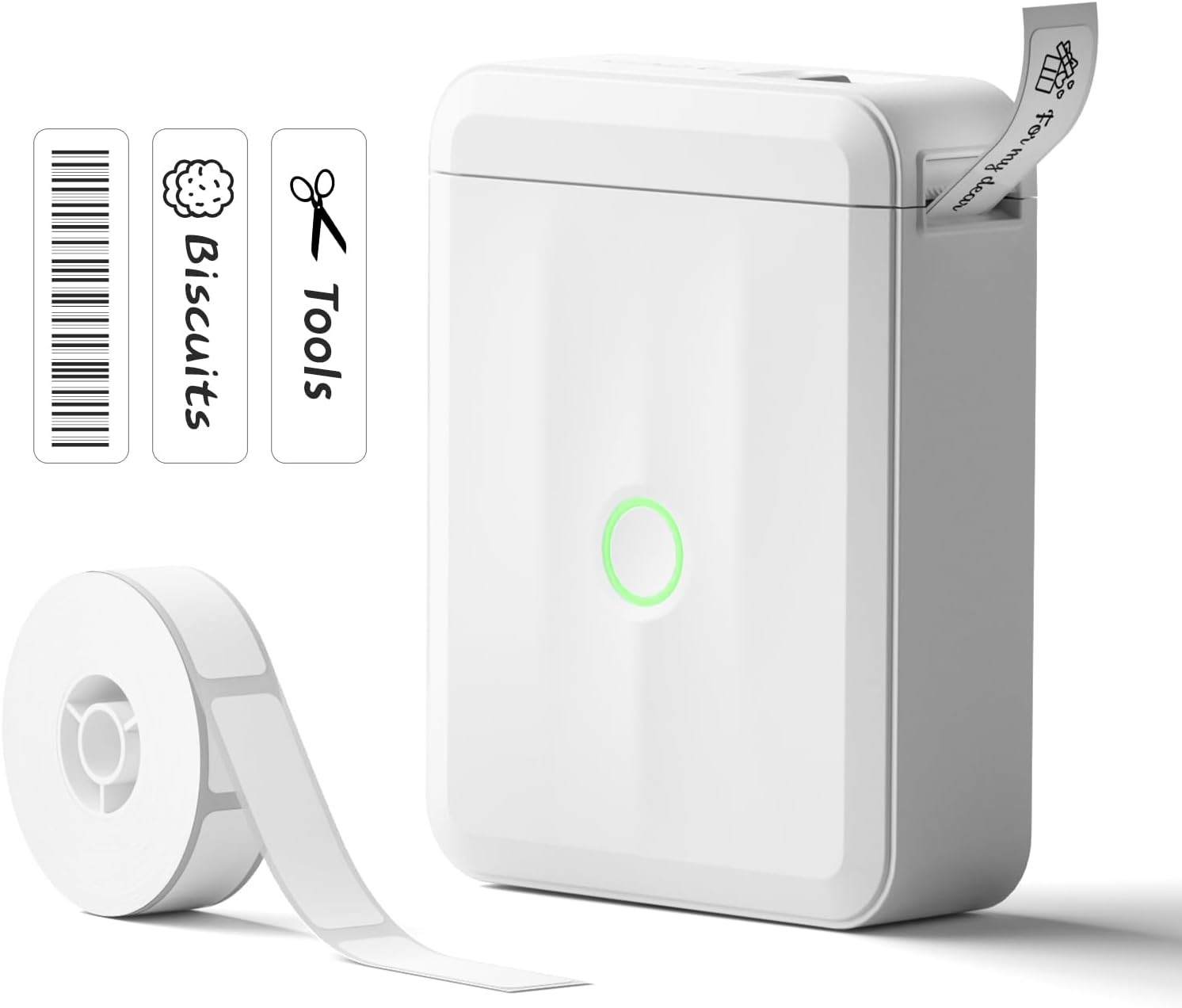 Label Maker Machine Bluetooth Label Printer for School Home Office Organization,$23.51Last checked Nov 23, 2026View on eBay
- Label Maker Machine Bluetooth Label Printer for School Home Office Organization,$23.51Last checked Nov 23, 2026View on eBay
Highlights
- Thermal printer resolution divides tiers: 203 dpi suits shipping labels and shelf tags, while 300 dpi is required for small-font barcodes, QR codes, and fine text under 8 pt.
- Embossing makers use 9mm or 12mm plastic tape with a rotary dial or keyboard; output is raised and permanent but limited to one color and no graphics.
- Standalone keyboard labelers print on laminated thermal tape cartridges (typically 12mm) and work without a phone, unlike app-only Bluetooth mini printers.
- Shipping label printers are a separate class: 4x6 inch direct-thermal units print carrier labels on fanfold or roll stock, not small adhesive craft labels.
Best use cases
- Home organization (jars, pantry, cables): pick a standalone keyboard labeler or app thermal printer with 12mm laminated tape; skip 4x6 shipping printers, which cannot produce small jar labels.
- Small-business retail and inventory: choose a 300 dpi thermal printer with barcode support and continuous or die-cut roll compatibility; skip manual embossers, which cannot generate scannable barcodes.
- Shipping and order fulfillment: buy a dedicated 4x6 direct-thermal shipping printer; skip mini pocket printers and craft label makers, which max out well below 4-inch label width.
- Intermittent or outdoor labeling: a rotary embosser needs no batteries or ink and survives heat and cold; skip thermal printers if labels will sit in direct sun or freezing conditions where thermal print fades.
Buying tips
- Match tape width to use: 6mm fits cable flags and narrow spines, 9mm suits general household jars, and 12mm is the practical minimum for multi-line addresses and shelf labels.
- For barcodes and small fonts, require 300 dpi; 203 dpi output blurs characters below roughly 8 pt and fails scanner verification at typical retail distances.
- Confirm the printer accepts the tape format you can restock: OEM cartridges cost more but guarantee adhesion and print life, while third-party rolls vary in adhesive grade and smudge resistance.
- For shipping, verify 4x6 inch (102x152mm) media support and direct-thermal operation; thermal-transfer units need ribbon, adding a consumable most shippers do not want.
Specs
| Print Method | Thermal direct / embossing / transfer |
|---|---|
| Max Label Width | 6-12mm tape; 4x6 in shipping |
| Resolution | 203 dpi standard / 300 dpi fine |
| Power Source | Battery / AC adapter / USB |
Related searches
What to check before buying
- Measure the maximum label height and width you need: jar lids need under 40mm, shelf tags 50-75mm, and shipping labels the full 4x6 inch format.
- Confirm power and connectivity: standalone units run on AA batteries or AC adapter, Bluetooth printers need a charged internal battery, and shipping printers are AC-only.
- Check phone or computer compatibility: app-driven mini printers require iOS or Android Bluetooth pairing, while keyboard units operate fully offline.
- Verify the tape or label stock is readily available in your region in the exact width and adhesive type (permanent, removable, or freezer-grade).
FAQ
Data sources: eBay / Amazon listings and product attribute feeds. Updated Nov 29, 2026.
Some links on this page are affiliate links. If you buy after clicking one, we may earn a commission at no extra cost to you. This does not change which products appear here or their order. Affiliate disclosure.