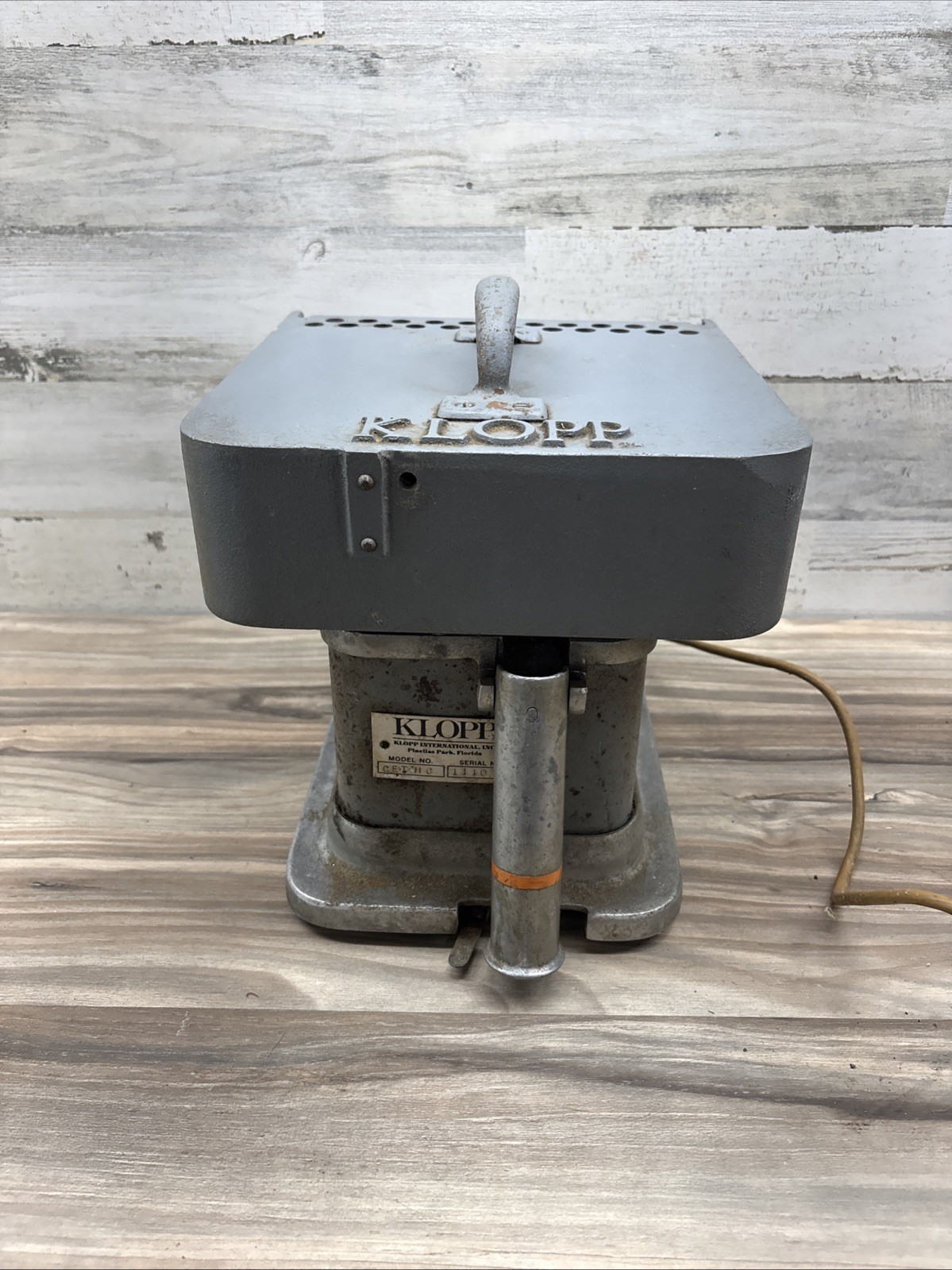

Photos from current listings. Actual item, color, and included accessories may vary.
Manual Coin Counter Buying Guide
A manual coin counter is a non-powered sorting and counting tool that separates mixed coins by diameter into calibrated tubes or trays, then tallies stacks against printed denomination scales. The core trade-off is calibration accuracy versus material rigidity: flimsy plastic trays flex and mis-sort worn coins, while thick ABS or metal-bodied units hold tube diameter tolerances that keep pennies, nickels, dimes, and quarters from cross-feeding. The decision rule is simple: buy a unit with rigid, denomination-labeled tubes and a positive-lock coin gate if you handle mixed loose change regularly; skip open gravity trays with no anti-jam lip for high-volume or worn-coin batches.
Key takeaways
- Tube-sorter designs use fixed-diameter ABS or metal sleeves calibrated to U.S. coin diameters (penny 19.05 mm, nickel 21.21 mm, dime 17.91 mm, quarter 24.26 mm) so each denomination drops only into its matching column.
- Flat tray sorters rely on graduated slot widths and a manual tilt; they are faster to load but mis-sort bent or foreign coins because slot clearance is not adjustable.
- Rigid-body construction (thick ABS walls, steel base plate, or aluminum frame) maintains tube roundness; thin thermoformed trays ovalize under stack weight and jam at the quarter tube.
At a glance
- Category
- Cash Handling & Mailroom
- Last updated
- Nov 28, 2026
Current offers
Highlights
- Tube-sorter designs use fixed-diameter ABS or metal sleeves calibrated to U.S. coin diameters (penny 19.05 mm, nickel 21.21 mm, dime 17.91 mm, quarter 24.26 mm) so each denomination drops only into its matching column.
- Flat tray sorters rely on graduated slot widths and a manual tilt; they are faster to load but mis-sort bent or foreign coins because slot clearance is not adjustable.
- Rigid-body construction (thick ABS walls, steel base plate, or aluminum frame) maintains tube roundness; thin thermoformed trays ovalize under stack weight and jam at the quarter tube.
- Denomination-labeled wrappers and printed stack-height scales let you count by tube-fill or by stack length; unlabeled units force manual recounting and slow batch reconciliation.
Best use cases
- Best fit: household or small-retail loose-change sorting — choose a four-tube rigid ABS sorter with labeled columns and a snap-on lid to keep sorted stacks stable between sessions.
- Best fit: bank-branch or credit-union teller backup — pick a metal-frame or heavy ABS tray sorter with anti-jam lips and stack-height scales for fast, repeatable denomination counts during drawer reconciliation.
- Wrong fit: high-volume coin-op or vending route reconciliation — manual sorters bottleneck above a few hundred coins per batch; use a calibrated coin-counting scale or motorized sorter instead.
- Wrong fit: mixed U.S. plus foreign or damaged coin — fixed-diameter tubes and slots reject or mis-sort non-standard diameters; hand-sort irregular coins before running them through any manual counter.
Buying tips
- Match tube diameter to the coins you actually handle: U.S. penny/nickel/dime/quarter tubes are fixed by diameter, so confirm the unit lists those four denominations rather than generic small/medium/large slots.
- Choose wall thickness and base material for your batch size: thick ABS (2 mm+ walls) or steel-base units resist tube ovalization; thin thermoformed trays flex and jam once stacks exceed a few rolls.
- Look for a positive-lock coin gate or anti-jam lip: this keeps coins from bridging between adjacent tubes, the most common failure on budget tray sorters with worn or bent coins.
- Prefer printed denomination labels and stack-height scales over unmarked tubes; labeled units let you count by fill line and cross-check against wrapper capacity without recounting.
Specs
| Sorter Type | Tube-drop vs flat gravity tray |
|---|---|
| Body Material | Thick ABS / steel base vs thin plastic |
| Coin Calibration | U.S. penny–quarter fixed diameters |
| Anti-Jam Feature | Positive-lock gate vs open slot |
Related searches
What to check before buying
- Confirm the unit is sized for U.S. coin diameters (penny 19.05 mm, nickel 21.21 mm, dime 17.91 mm, quarter 24.26 mm) and lists all four denominations, not generic slots.
- Measure your storage space: tube sorters typically need a flat surface roughly the footprint of four coin rolls side by side plus clearance for the lid or loading tray.
- Check whether coin wrappers or a counting tray are included or sold separately; many manual sorters ship without wrappers, and wrapper capacity must match tube fill depth.
- Verify the body material and base: rigid ABS with a steel or weighted base stays stable on a counter, while thin plastic trays slide and flex under full tubes.
FAQ
Data sources: eBay / Amazon listings and product attribute feeds. Updated Nov 28, 2026.
Some links on this page are affiliate links. If you buy after clicking one, we may earn a commission at no extra cost to you. This does not change which products appear here or their order. Affiliate disclosure.