
Photos from current listings. Actual item, color, and included accessories may vary.
Coin Counter Buying Guide
A coin counter is a motorized or manual sorting machine that separates mixed coin into denomination-specific tubes or trays, with throughput and hopper capacity defining the real labor saved. The core trade-off is between high-speed motorized counter-sorters with LCD batch totals versus passive gravity-fed sorting trays that never jam but require hand-cranking speed. Buy motorized with a stated coins-per-minute rate and denomination capacity if you process bulk daily; buy a passive tube-and-tray kit if volume is occasional and jam-free reliability matters more than speed.
Median $303.15 · New & pre-owned listings
Key takeaways
- Throughput tiers split clearly: entry motorized units process ~225 coins per minute while mid-tier counter-sorters reach 300 coins per minute with 300-coin hopper capacity.
- Passive sorting trays rely on gravity and color-coded tube alignment, handling any coin mix with zero jams but at hand-fed speed and no batch counting.
- Motorized models sort 5 USD denominations (pennies through dollars) with LCD running totals, enabling batch reconciliation without manual tallying.
At a glance
- Category
- Cash Handling & Mailroom
- Last updated
- Nov 27, 2026
Current offers
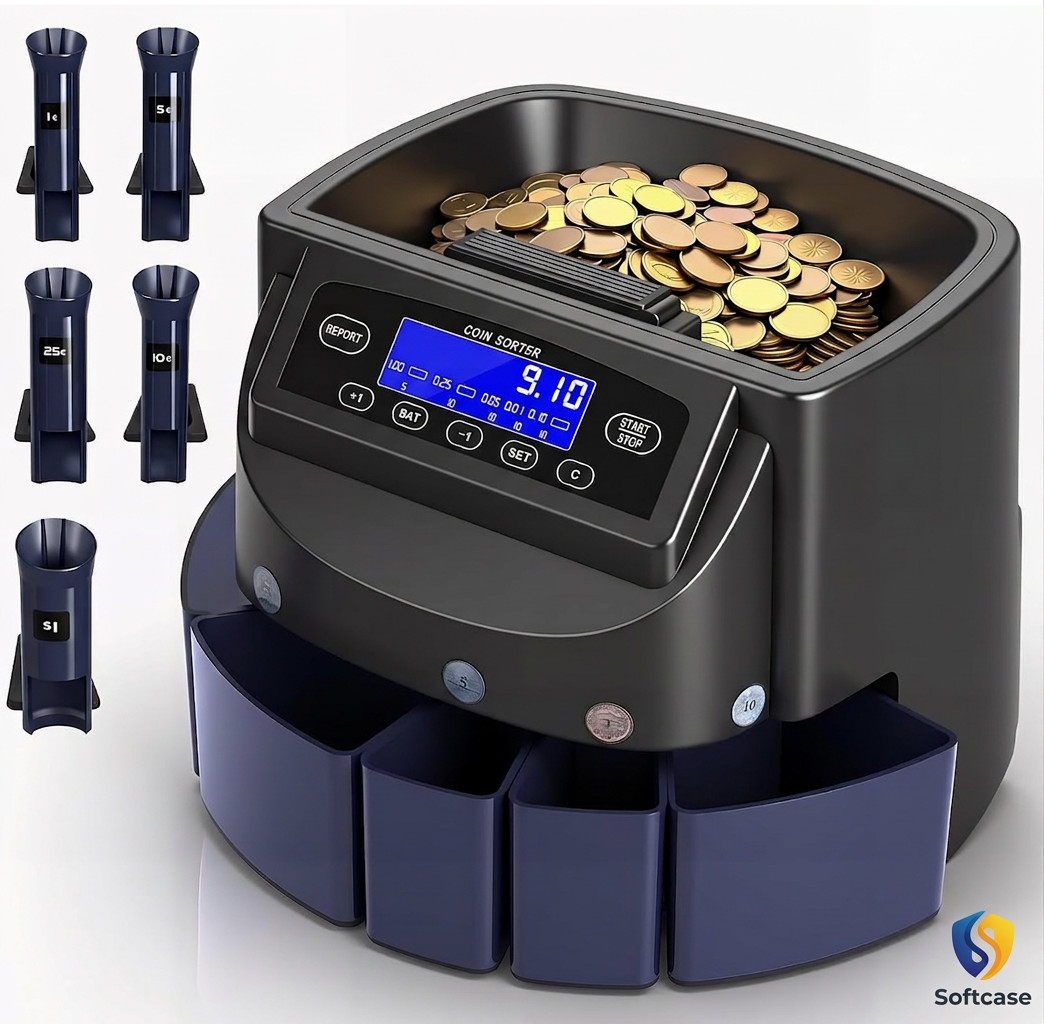 Coin Counter and Dollar Coin sorter with LCD Display, 300-coin Capacity$189.99Last checked Nov 15, 2026View on eBay
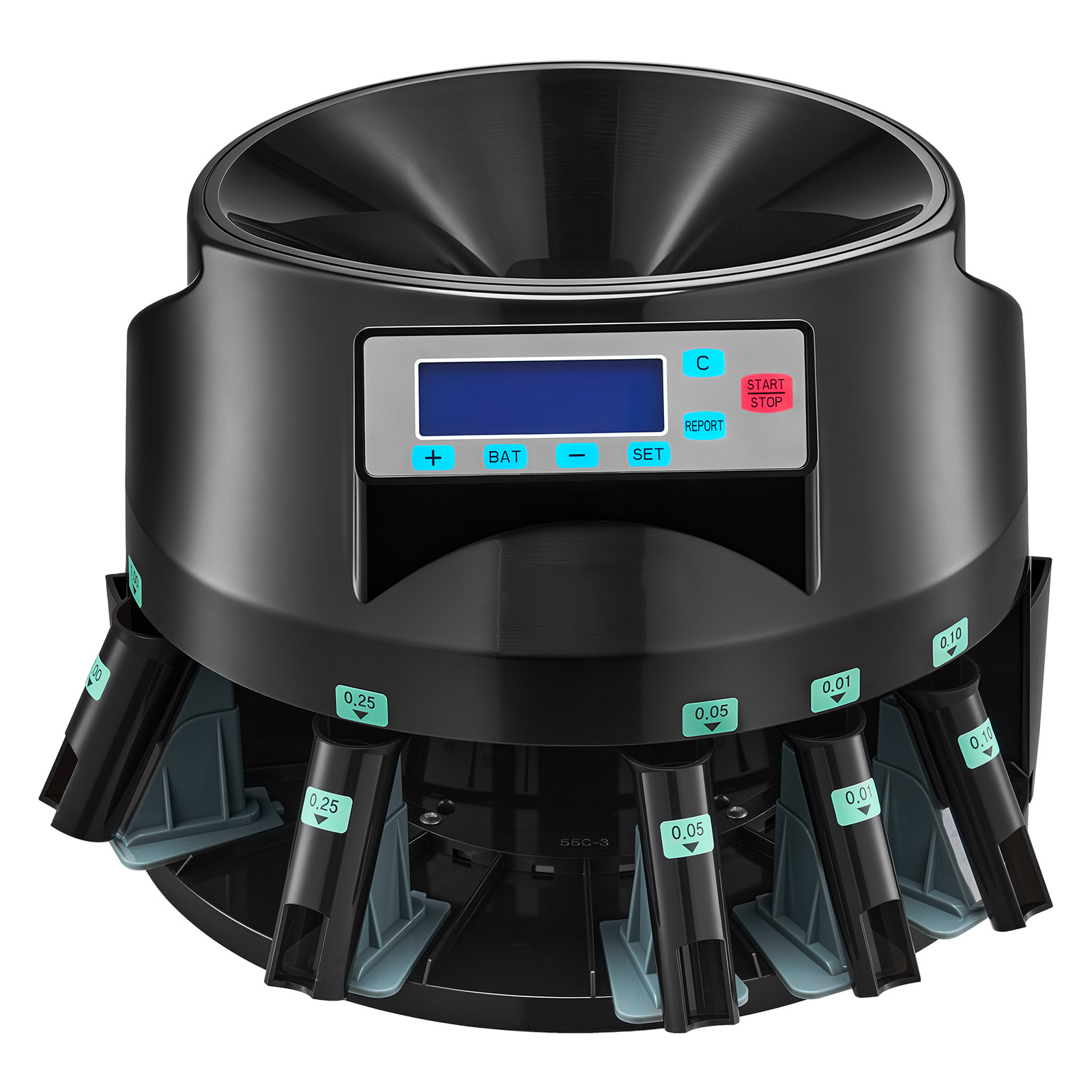 Coin Counter Machine, 5 Denominations, Accurate Sorter Sorts Up To 225 Coins Per Minute, USD Change With LCD Display, Smooth Operation, Batch Feature, Holds 1500$136.99View on Mallflare
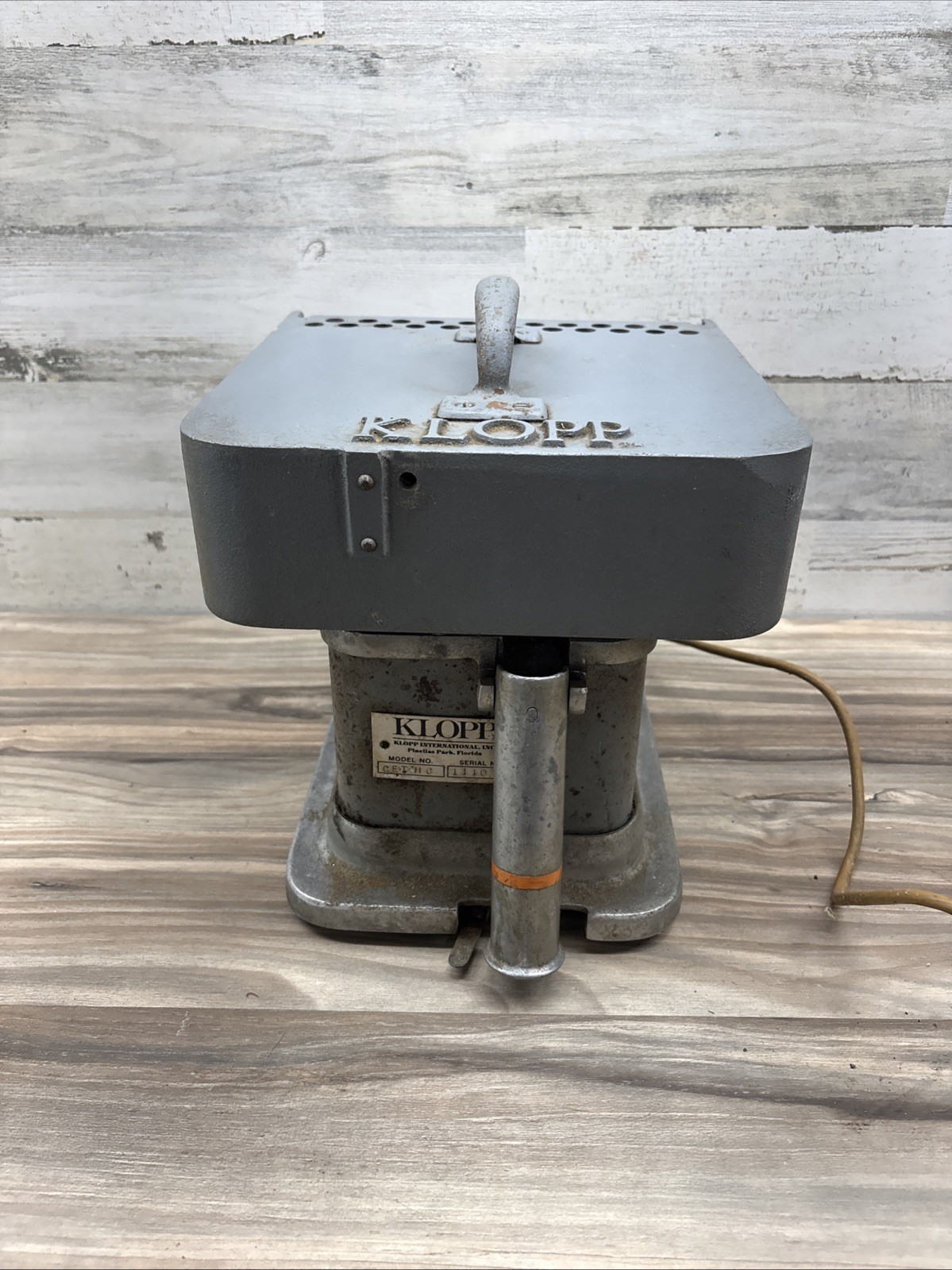 MANUAL Klopp Coin Counter Model CE - Good Shape Powers On$200.00Used · Last checked Nov 20, 2026View on eBay
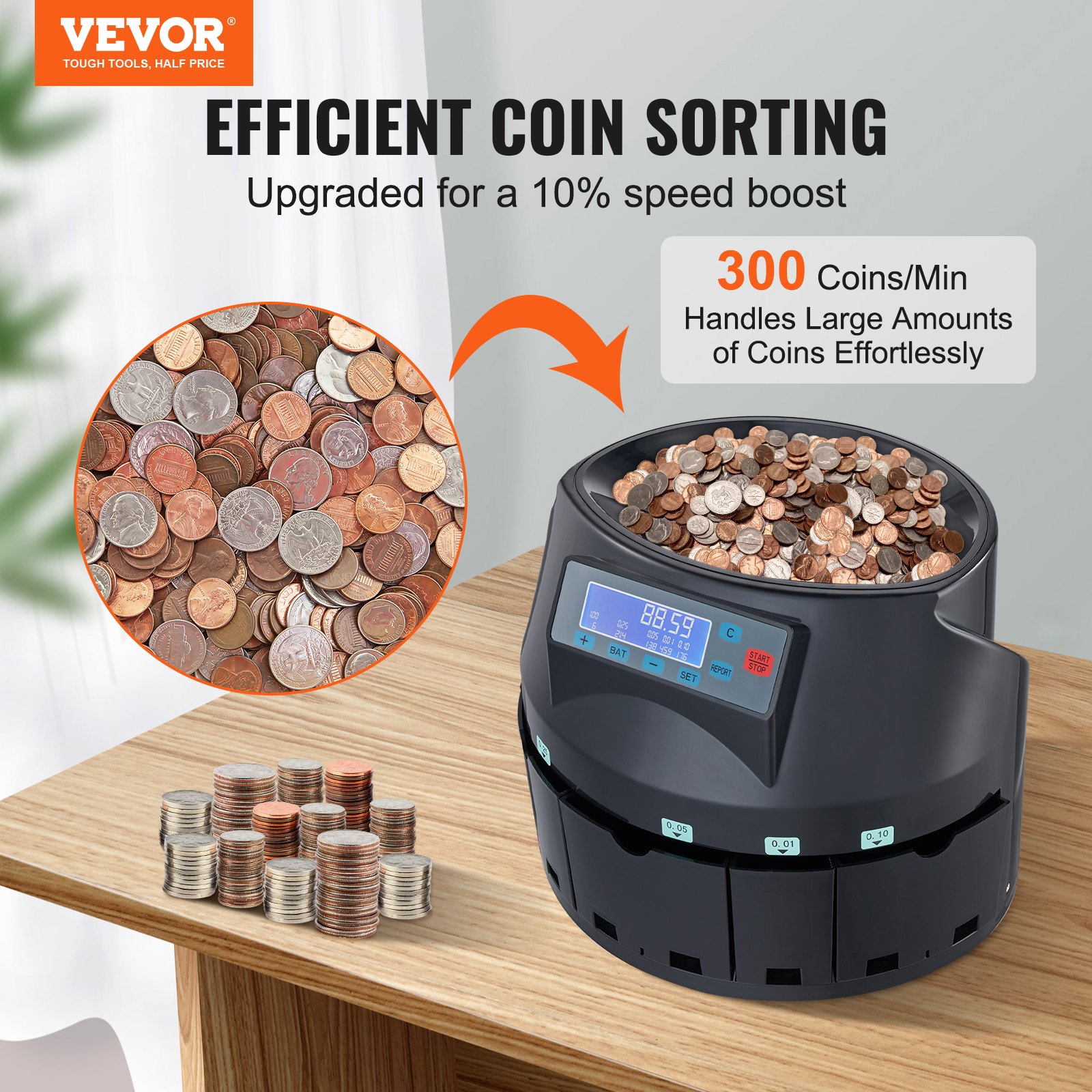 USD Coin Sorter Counter Wrapper And Roller 300 Coins Min LCD Display$157.99View on Mallflare
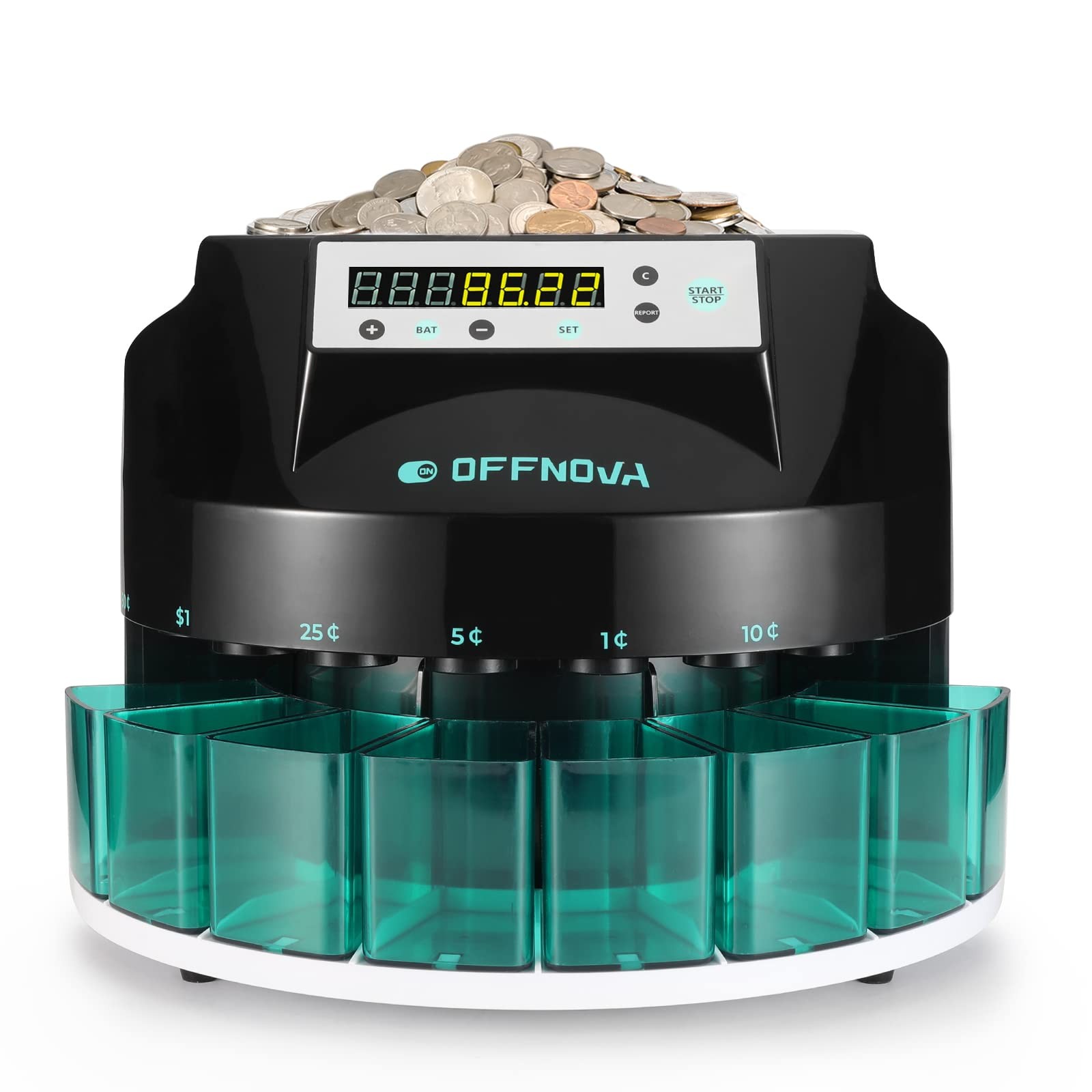 OFFNOVA EC50 Electric Automatic Coin Sorter & Change Counter, US Coins$214.86New · Last checked Nov 20, 2026View on eBay
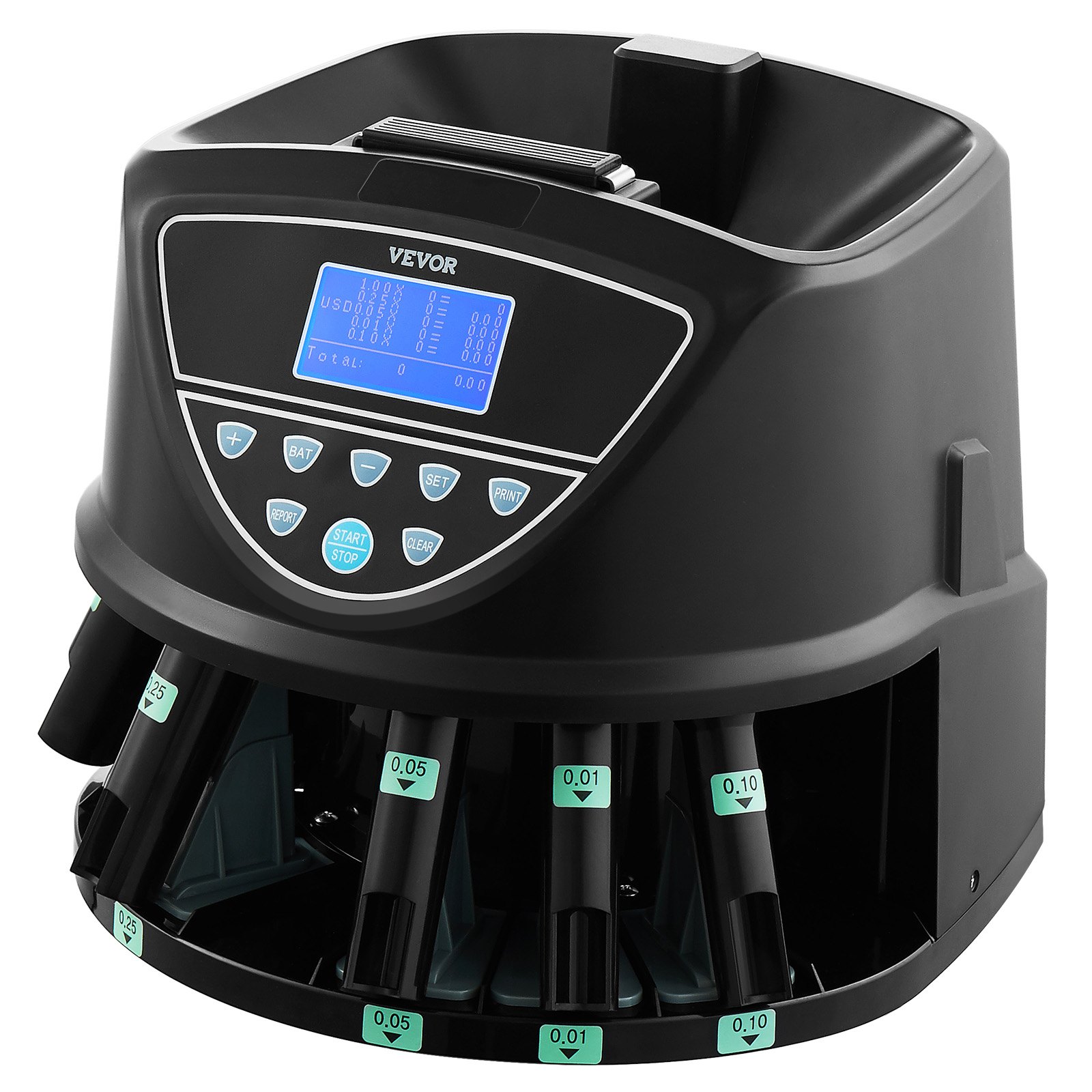 Upgraded Coin Counter & Sorter, And Wrapper Machine With Intuitive Display, Change For USD Coins 1¢ 5¢ 10¢ 25¢ $1, Sorts Up To 300 Coins/Min, 5 Tubes And 5 Trays$158.99View on Mallflare
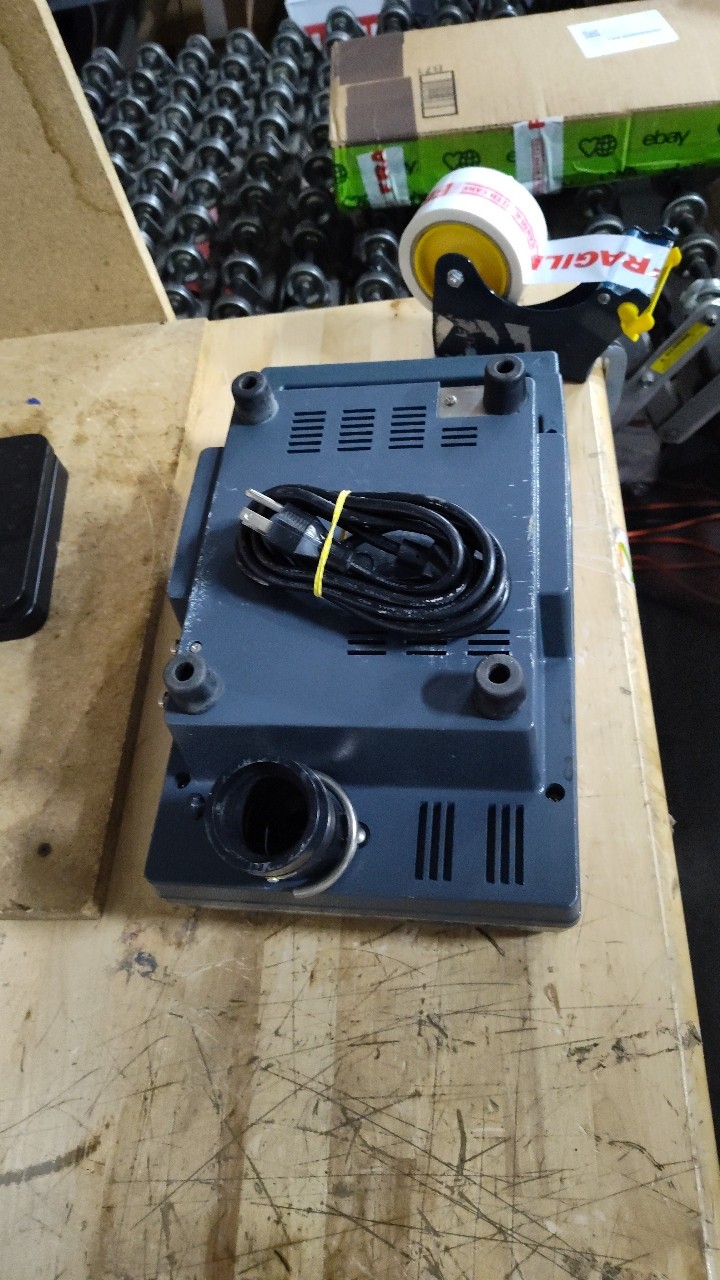 SCAN COIN SC-302 Commercial Coin Counter Machine - Untested$249.99Used · Last checked Nov 20, 2026View on eBay
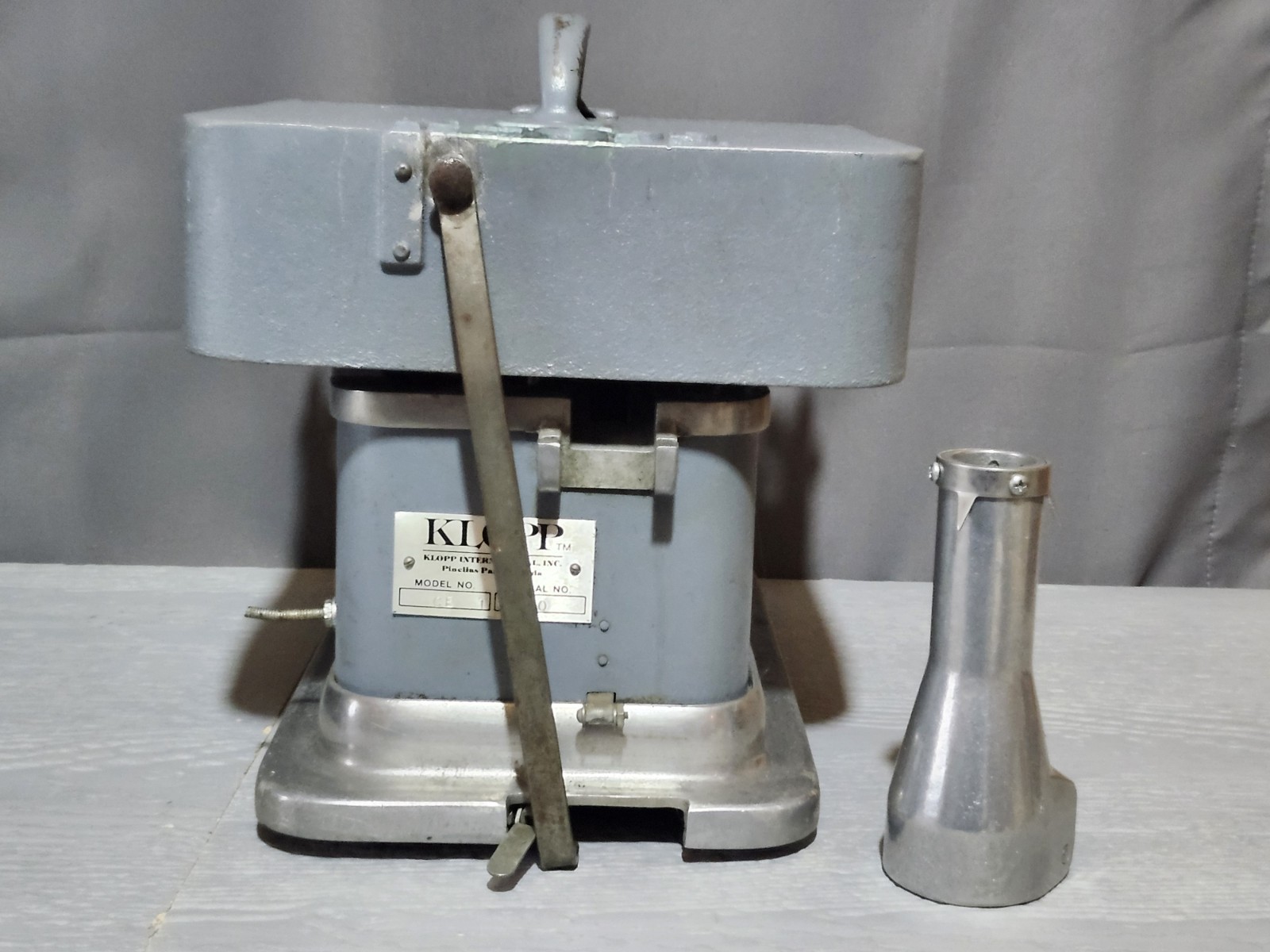 KLOPP Coin Counter Model CE Electric Machine w/ Bagger Tube (Read Description)$250.00Used · Last checked Nov 20, 2026View on eBay
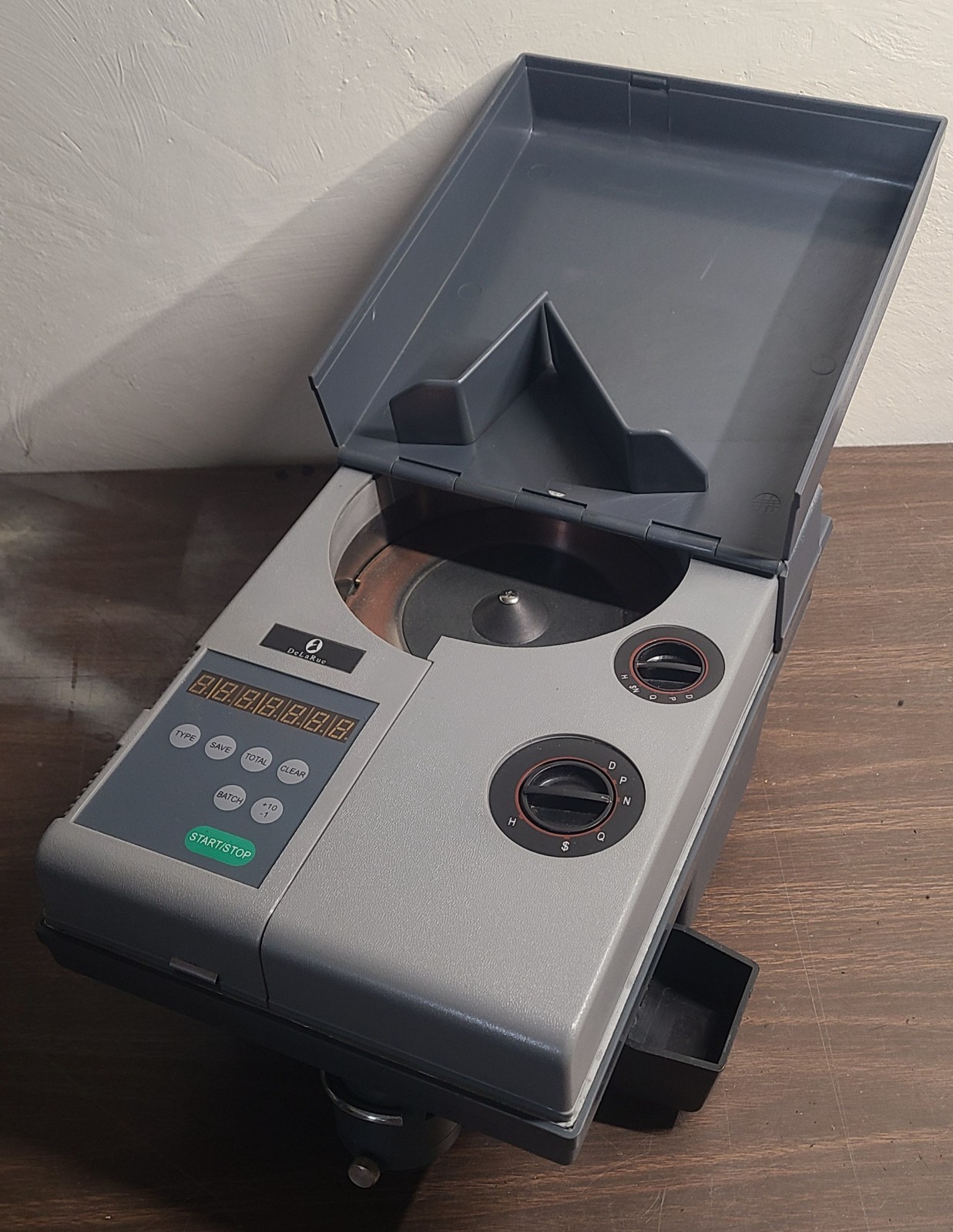 DeLaRue (Glory) CC2 Commercial Coin Counter 7494000 NICE!$299.00Seller refurbished · Last checked Nov 20, 2026View on eBay
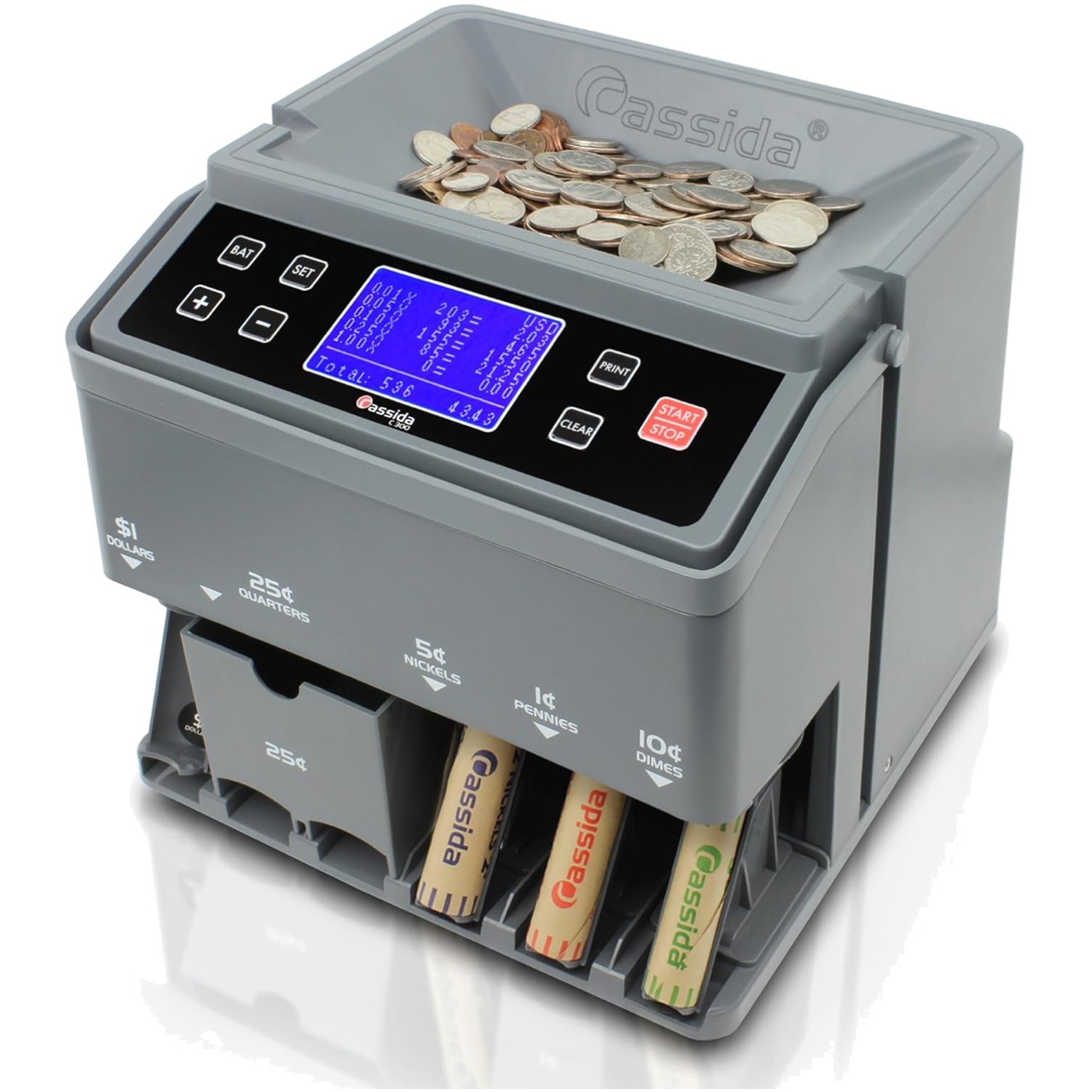 Efficient C300 Coin Counter – 300 Coins/Minute with Quick Load & Receipt Feature$307.29New · Last checked Nov 20, 2026View on eBay
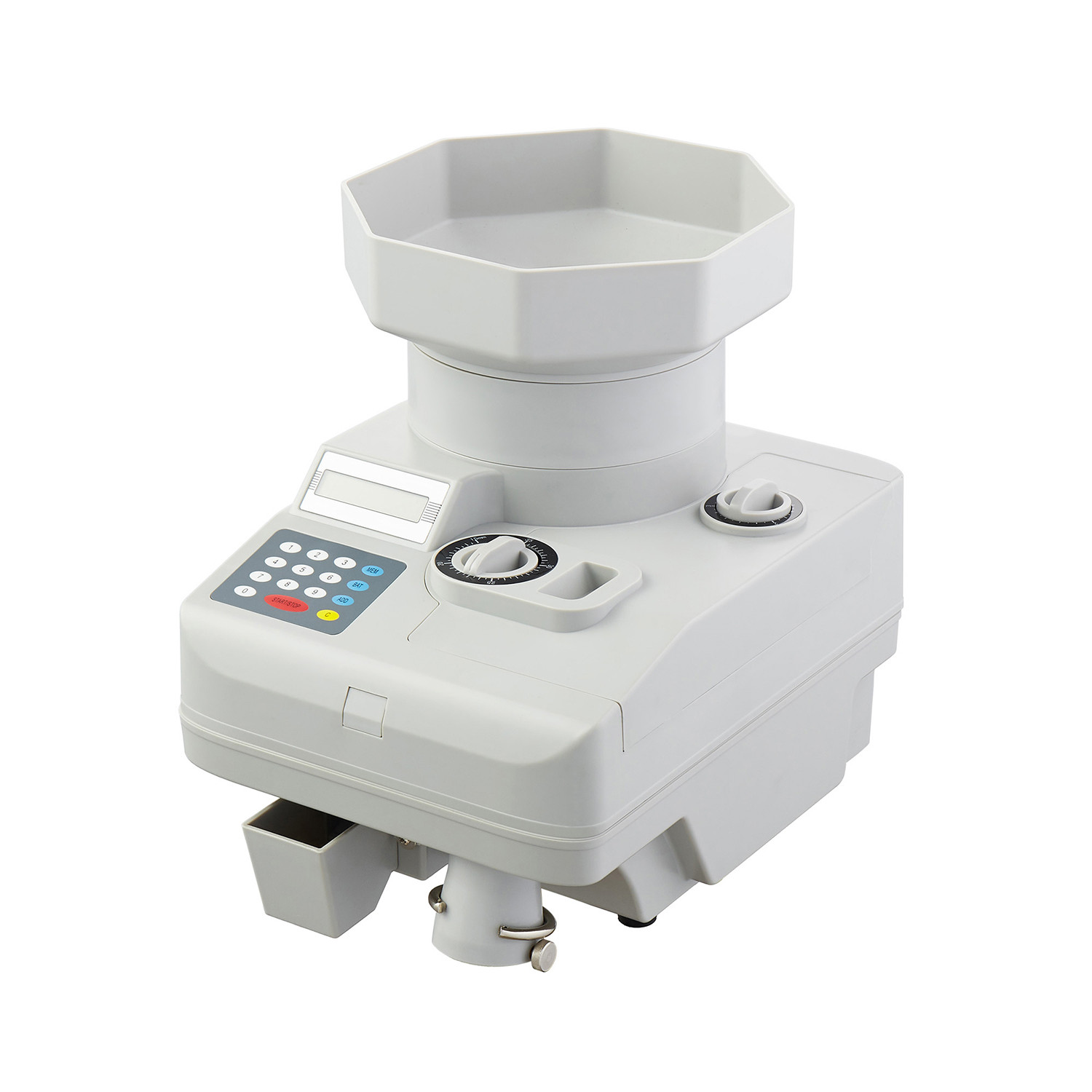 Coin Counter Professional Coin Sorter LED Display Holds up to 11000 Coins$358.29New · Last checked Nov 20, 2026View on eBay
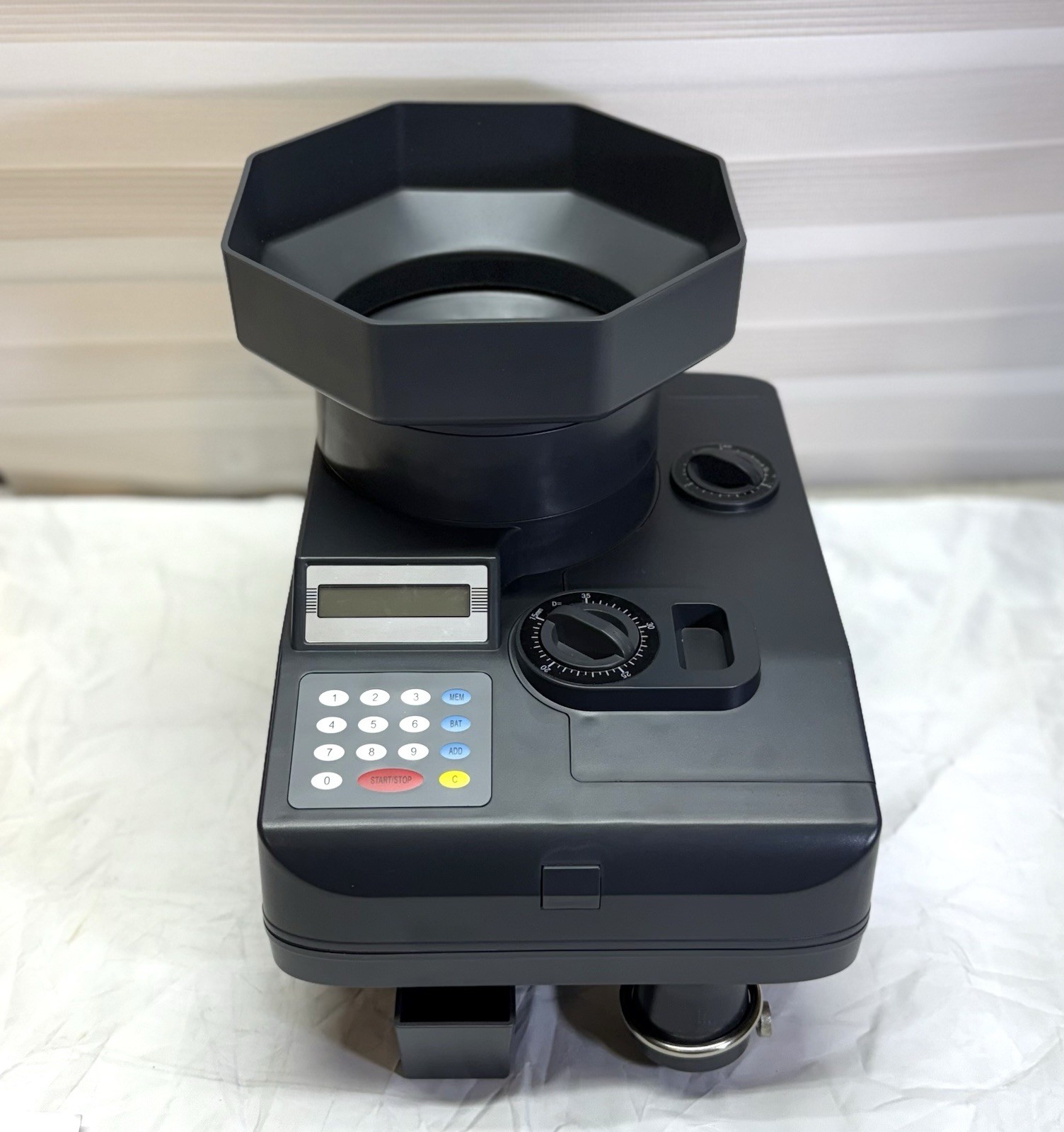 High Speed Coin Counter 2300 Coins per Minute Counting Speed, with LED Display$359.00New · Last checked Nov 20, 2026View on eBay
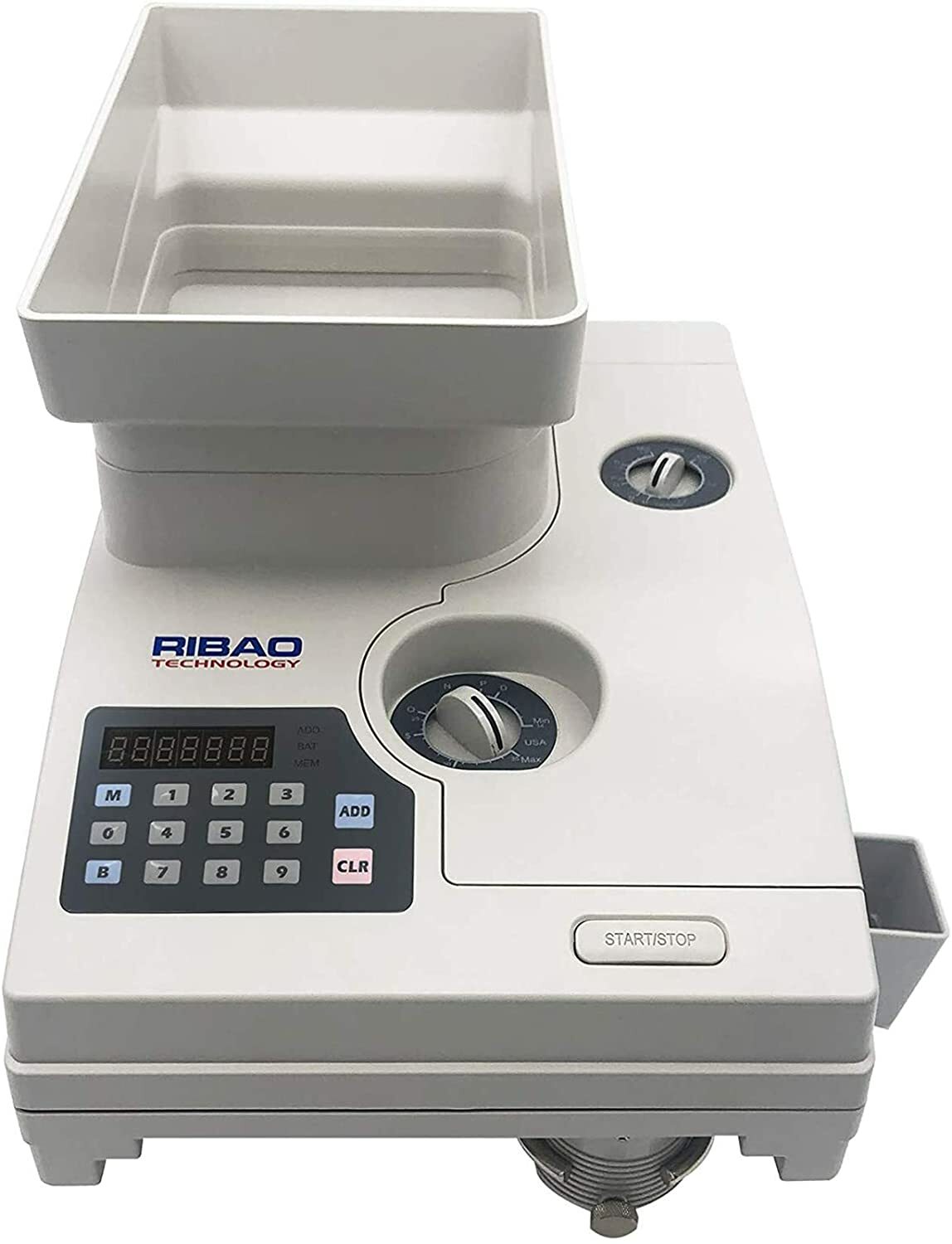 hcs-3300 Coin Counter, Coin Sorter, Professional High Speed (Refurbished)$388.00Seller refurbished · Last checked Nov 20, 2026View on eBay
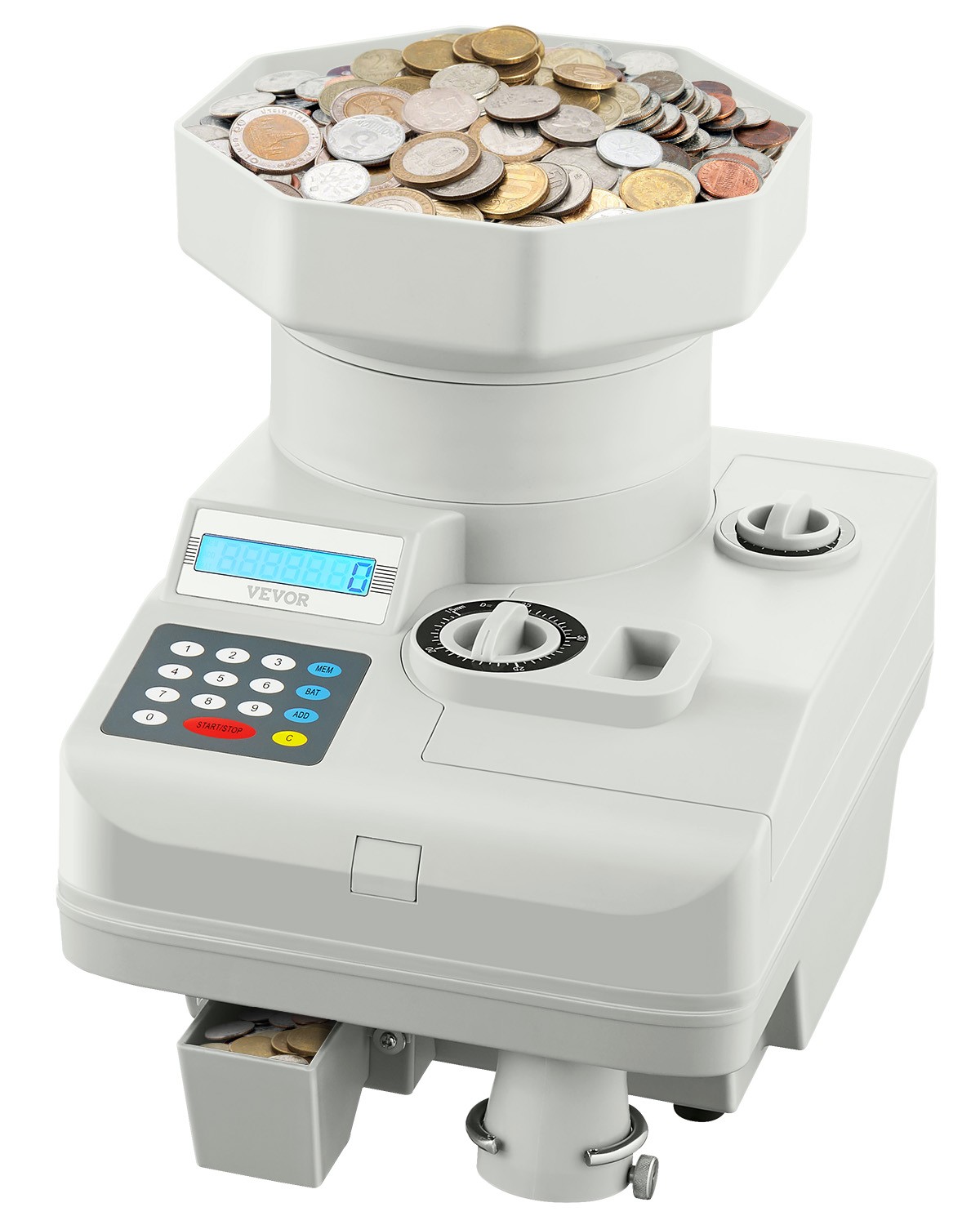 VEVOR Coin Counter Professional Coin Sorter LED Display Holds up to 11000 Coins$389.90New · Last checked Nov 20, 2026View on eBay
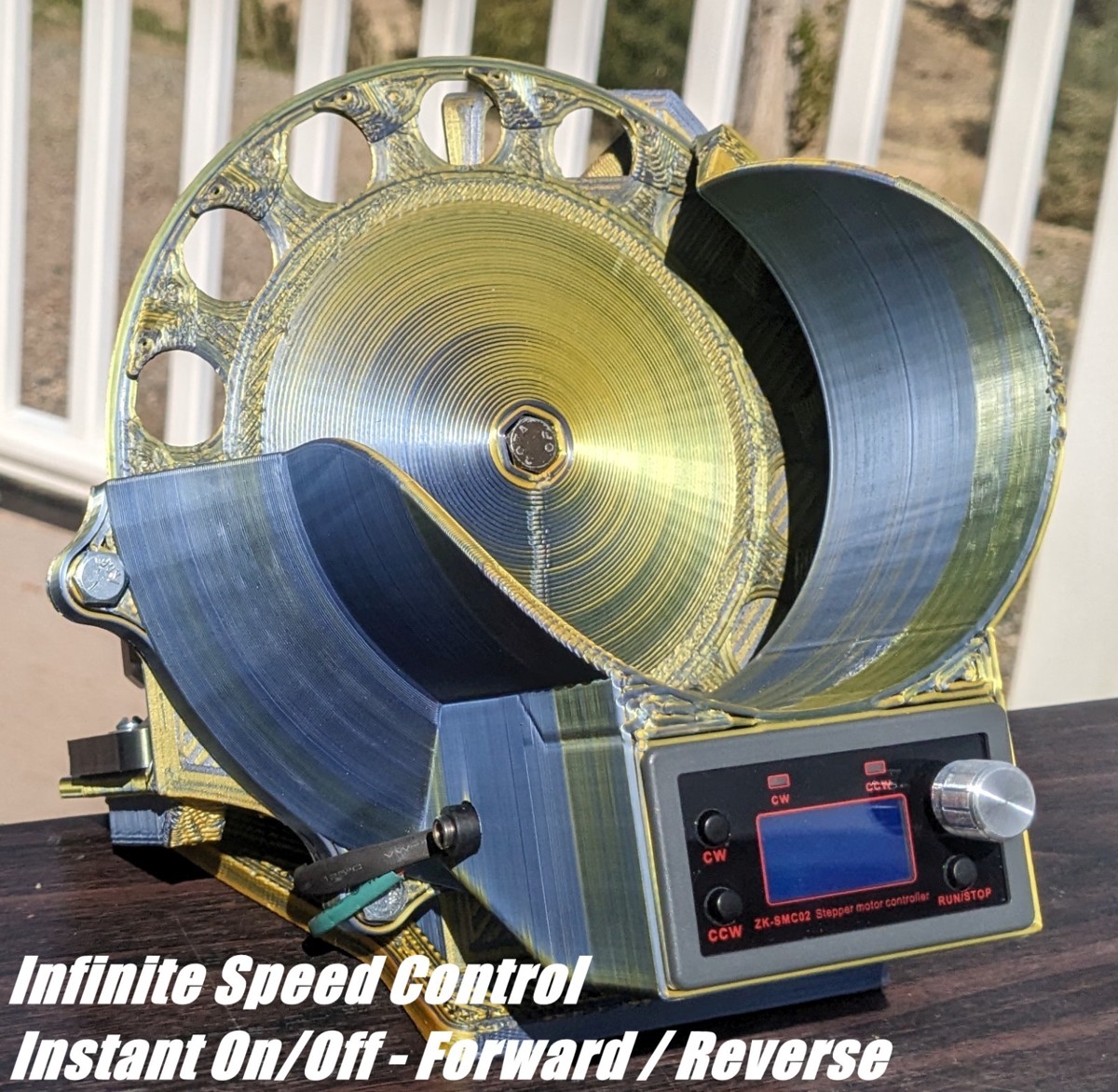 Coin Ace Electric Coin Sorter Machine Sorts Copper Pennies & Silver Quarters$398.00New · Last checked Nov 20, 2026View on eBay
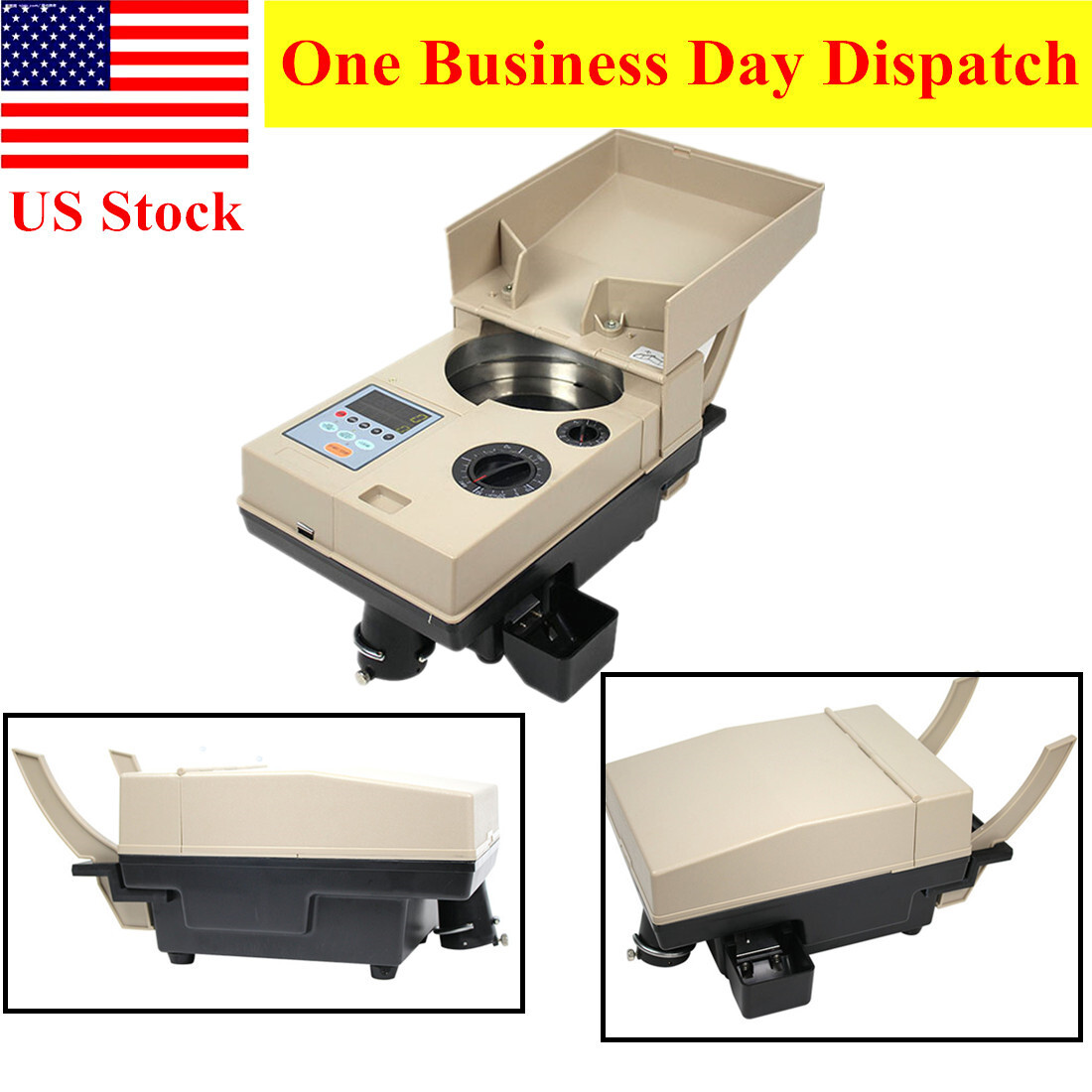 High Speed Electric Coin Counter & Sorter 1200 Coins/Minute 2000 Capacity$399.80New · Last checked Nov 20, 2026View on eBay
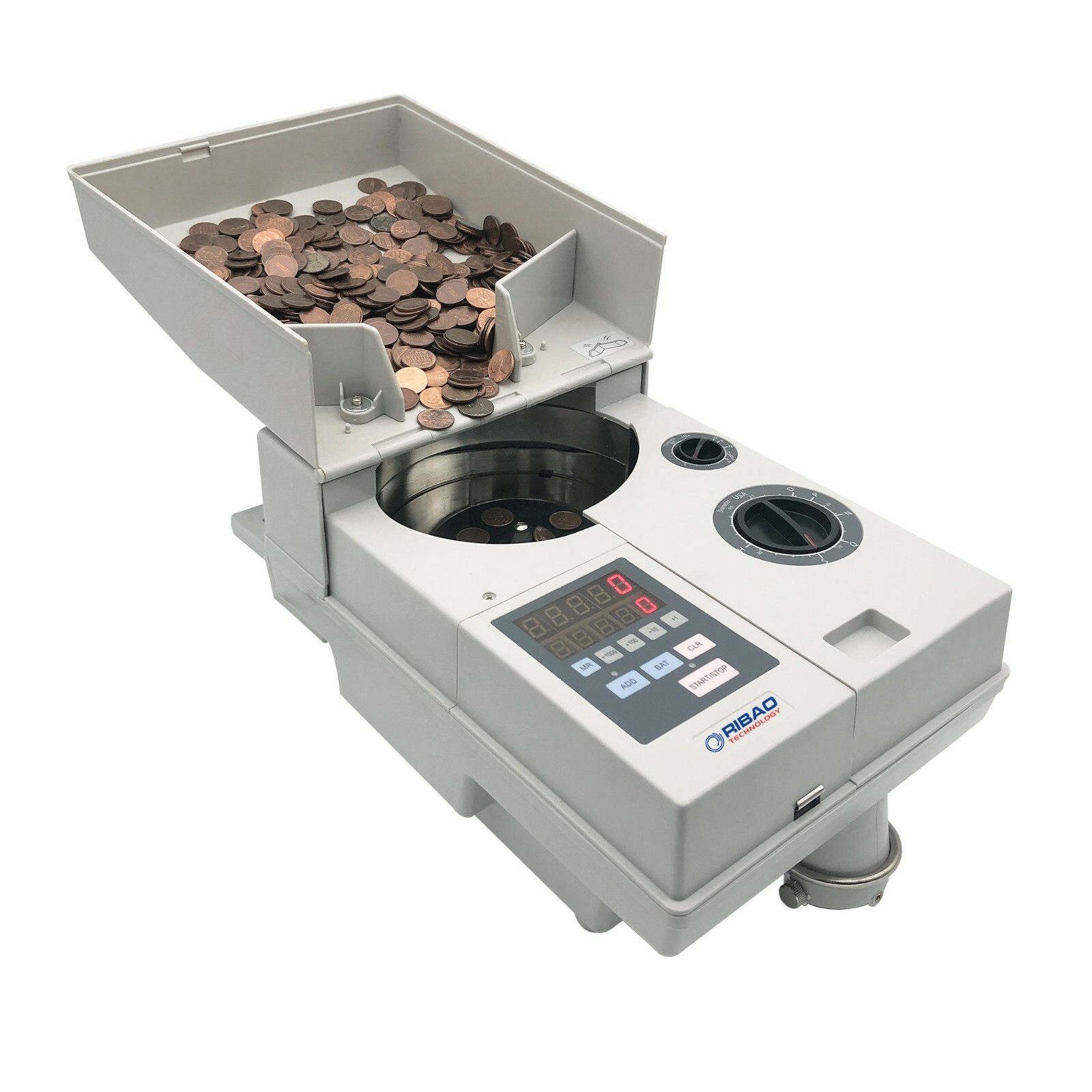 Ribao CS-10S High Speed Portable Coin Counter and Sorter$456.00New · Last checked Nov 20, 2026View on eBay
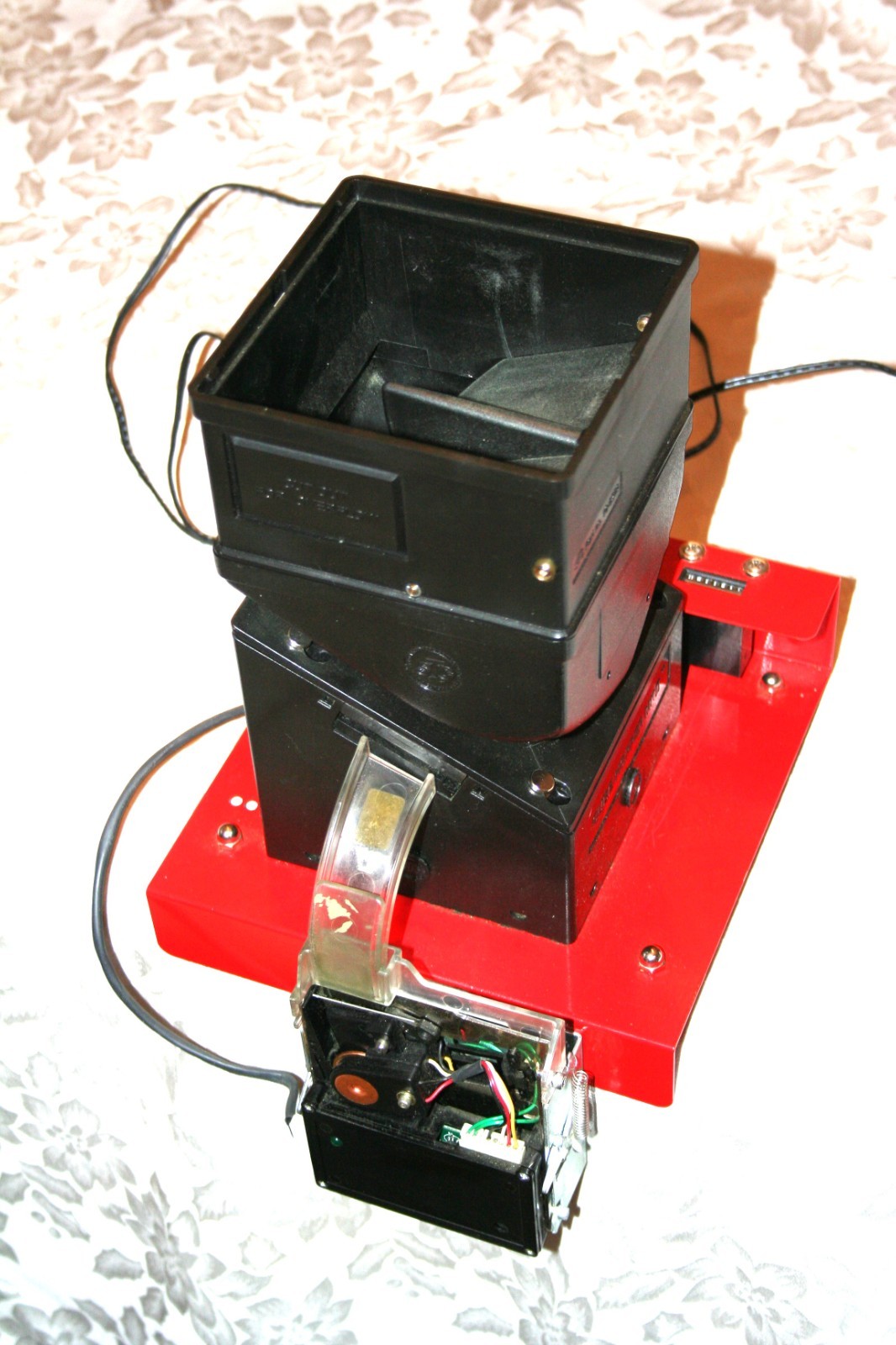 Ryedale Copper Zinc Cent Penny Sorter Coin Cube Hopper Machine Works great$750.00Used · Last checked Nov 20, 2026View on eBay
Highlights
- Throughput tiers split clearly: entry motorized units process ~225 coins per minute while mid-tier counter-sorters reach 300 coins per minute with 300-coin hopper capacity.
- Passive sorting trays rely on gravity and color-coded tube alignment, handling any coin mix with zero jams but at hand-fed speed and no batch counting.
- Motorized models sort 5 USD denominations (pennies through dollars) with LCD running totals, enabling batch reconciliation without manual tallying.
- Wrap-kit bundles matter: 72-wrapper kits suit light home use, while 150-wrapper kits with color-coded separator trays support sustained small-business volume.
Best use cases
- Best fit: retail, laundromat, or vending operators with daily bulk coin — pick a motorized 5-denomination counter-sorter rated 225–300 coins/min with LCD batch totals and 300-coin hopper.
- Best fit: households, small charities, or schools doing occasional coin rolling — pick a passive color-coded sorting tray and tube kit with wrappers; skip motorized units that jam on foreign or damaged coins.
- Wrong fit: anyone handling mixed foreign currency or heavily damaged coin — motorized sorters are calibrated to US diameter and thickness specs and will mis-sort or jam; hand-sort instead.
- Wrong fit: high-volume operations without wrap supplies — a counter alone still leaves hand-rolling; pair every motorized sorter with a tube-and-wrapper kit sized to weekly volume.
Buying tips
- Match throughput to volume: 225 coins/min suits a few hundred coins per session; 300 coins/min with a 300-coin hopper is the floor for daily commercial batches.
- Confirm denomination coverage — a true 5-denomination sorter handles pennies, nickels, dimes, quarters, and dollar coins; 4-denomination units reject dollar coins.
- Count wrappers per kit against your cycle: 72 wrappers covers roughly one heavy home session, while 150 wrappers with separator trays sustains recurring small-business batches.
Specs
| Drive Type | Motorized counter vs passive gravity tray |
|---|---|
| Throughput | 225–300 coins per minute (motorized) |
| Denominations | 4-coin vs 5-coin (incl. dollar) |
| Hopper Capacity | Up to 300 coins (motorized units) |
Related searches
What to check before buying
- Measure counter or table footprint: motorized units with a 300-coin hopper need roughly a square foot of clear, level surface plus rear clearance for the tray exit.
- Verify coin mix before buying: count how many denominations you actually receive — dollar coins and damaged coins dictate whether a 5-denomination motorized unit or passive tray is correct.
- Check power and plug standard: motorized counter-sorters run on standard US 120V AC outlets; passive trays need no power and suit any location.
- Budget companion supplies: every sorter needs matching paper wrappers and tube trays, so confirm the bundle includes wrappers or buy them separately in the correct denomination mix.
FAQ
Data sources: eBay / Amazon listings and product attribute feeds. Updated Nov 27, 2026.
Some links on this page are affiliate links. If you buy after clicking one, we may earn a commission at no extra cost to you. This does not change which products appear here or their order. Affiliate disclosure.