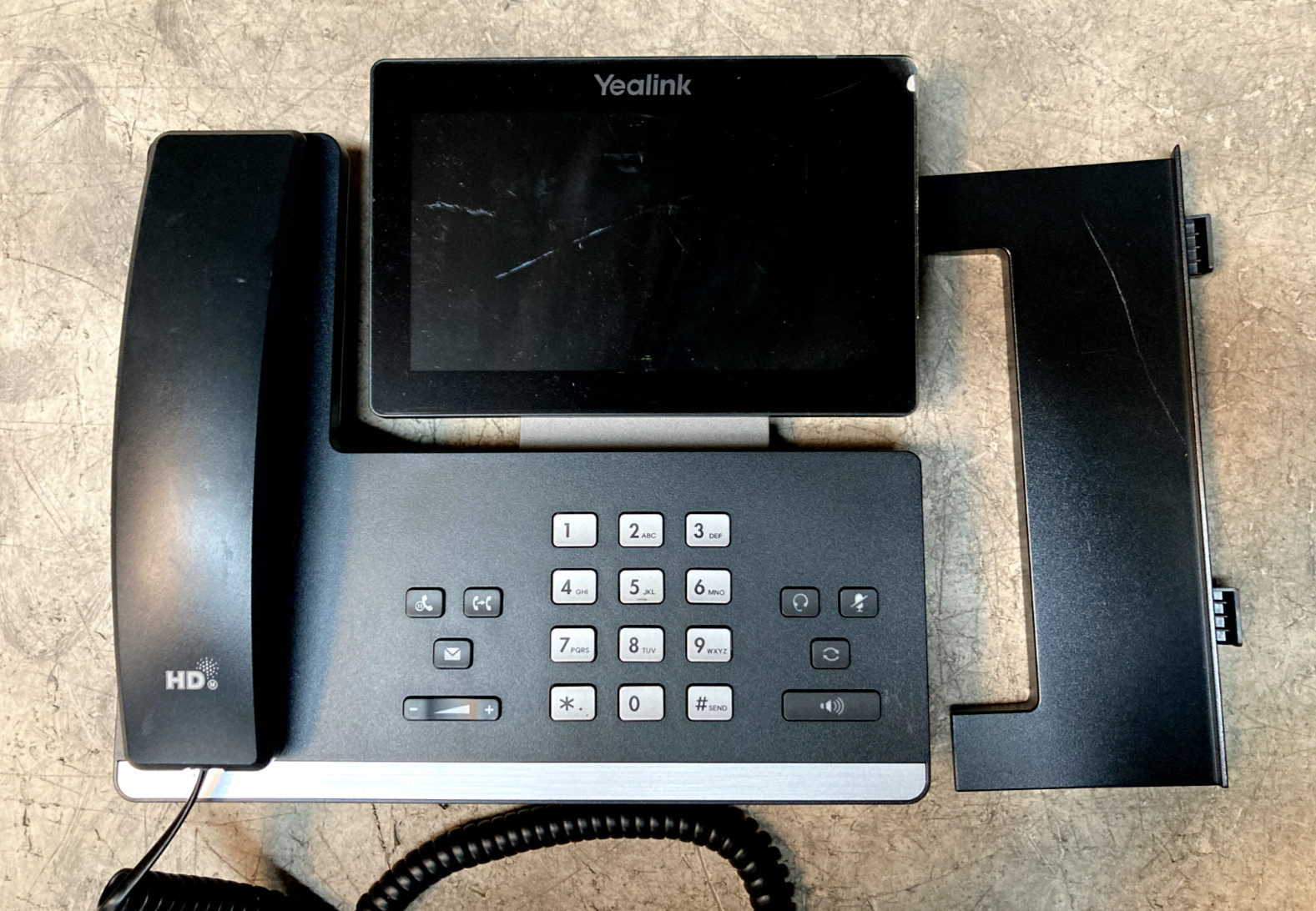

Photos from current listings. Actual item, color, and included accessories may vary.
Voip Phone System Buying Guide
A VoIP phone system replaces legacy PSTN lines with IP-based calling, and the core trade-off is hosted cloud PBX (low upfront cost, subscription per seat) versus on-premise SIP infrastructure (higher capex, full control). Durable systems are built on standard SIP firmware, Gigabit PoE ports, and modern codecs like Opus or G.722—compromises show up as proprietary lock-in, 10/100 Ethernet, or end-of-support hardware like ShoreTel 230.
Median $87.00
Key takeaways
- Cloud-hosted PBX eliminates on-site PBX hardware but requires stable broadband and per-seat licensing; on-prem SIP PBX needs a server or appliance plus SIP trunking.
- Gigabit Ethernet with PoE (802.3af/at) on every desk phone is the durability baseline; 10/100 ports bottleneck modern networks and signal older generations.
- HD voice requires wideband codecs (G.722, Opus) end-to-end; narrowband G.711 caps call quality regardless of handset hardware.
At a glance
- Category
- Business Phones & Headsets
- Last updated
- Nov 29, 2026
Current offers
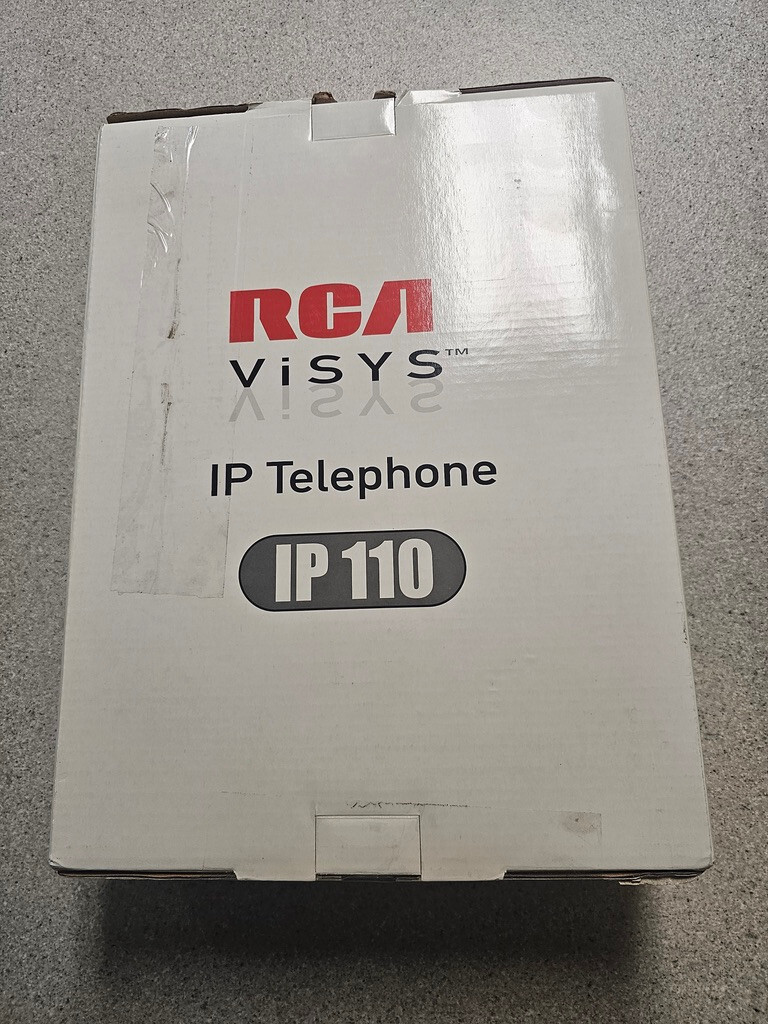
Highlights
- Cloud-hosted PBX eliminates on-site PBX hardware but requires stable broadband and per-seat licensing; on-prem SIP PBX needs a server or appliance plus SIP trunking.
- Gigabit Ethernet with PoE (802.3af/at) on every desk phone is the durability baseline; 10/100 ports bottleneck modern networks and signal older generations.
- HD voice requires wideband codecs (G.722, Opus) end-to-end; narrowband G.711 caps call quality regardless of handset hardware.
- Modern flagship desk phones like Poly Edge E450 and Yealink SIP-T58A add Wi-Fi, Bluetooth, and color touchscreens; legacy units like ShoreTel 230 are end-of-sale with limited firmware support.
Best use cases
- Small business (5–25 seats) with reliable broadband: choose a hosted cloud PBX with SIP desk phones—skip on-prem servers and avoid per-site hardware.
- Multi-site or call-center operation needing advanced routing/recording: pick an on-prem or private-cloud SIP PBX with Gigabit PoE phones and QoS-enabled switches.
- Hybrid or remote workforce: select softphone-capable hosted service with desk phones that support Bluetooth or Wi-Fi—avoid proprietary legacy handsets like ShoreTel 230 that lack modern SIP interoperability.
Buying tips
- Count seats plus 20% headroom for conference rooms and future hires; hosted plans price per seat, so overbuying licenses wastes budget.
- Verify SIP firmware support and codec list (G.722/Opus) before buying desk phones; locked or carrier-branded firmware can block third-party PBX registration.
- Choose PoE switches with 802.3af/at and sufficient power budget (typically 15.4W per phone) to avoid wall-wart clutter and ensure clean installs.
- For on-prem PBX, confirm SIP trunking compatibility with your ITSP and NAT traversal support; hosted eliminates this but requires QoS on the router.
Specs
| System Type | Hosted cloud PBX vs on-prem SIP |
|---|---|
| Desk Phone Port | Gigabit PoE (802.3af/at) vs 10/100 |
| Voice Codec | Wideband Opus/G.722 vs G.711 |
| Connectivity | Ethernet / Wi-Fi / Bluetooth |
Related searches
What to check before buying
- Measure desk space and confirm phone footprint plus handset clearance; check wall-mount or stand angle for reception areas.
- Confirm broadband upload speed and jitter: hosted VoIP needs roughly 100 kbps per concurrent call plus QoS router support.
- Check switch port count and PoE budget; add PoE injectors only if the switch lacks 802.3af/at.
- Verify power standards (100–240V desk adapters where included) and cabling: Cat5e or better for Gigabit phones.
FAQ
Data sources: eBay / Amazon listings and product attribute feeds. Updated Nov 29, 2026.
Some links on this page are affiliate links. If you buy after clicking one, we may earn a commission at no extra cost to you. This does not change which products appear here or their order. Affiliate disclosure.