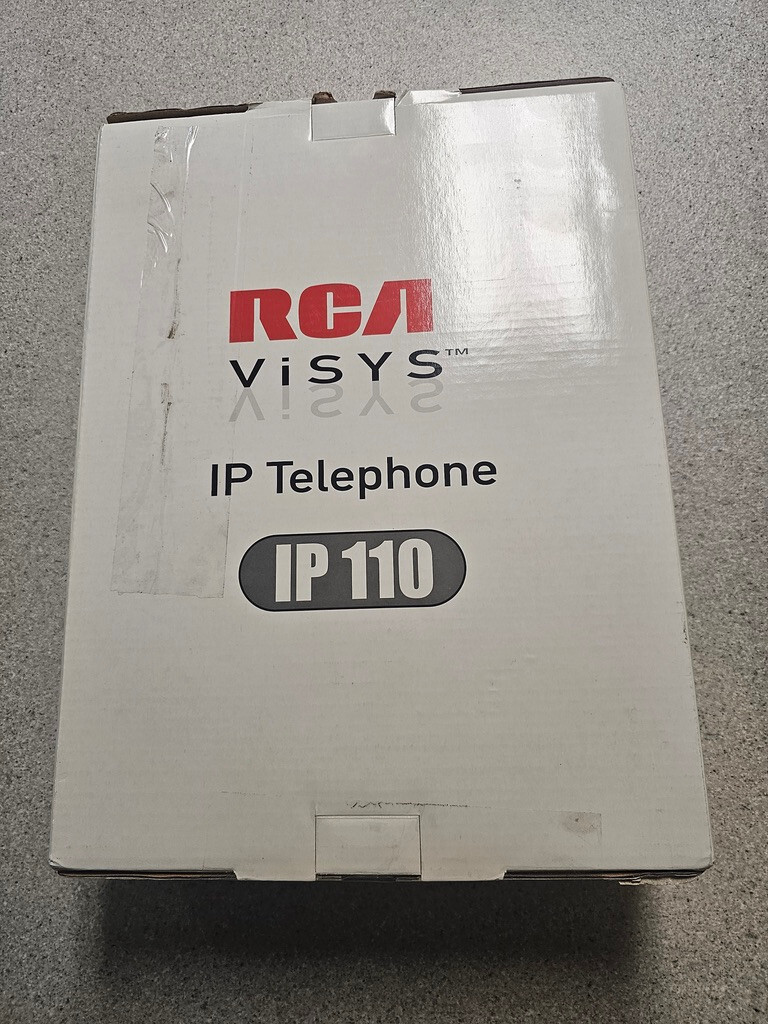

Photos from current listings. Actual item, color, and included accessories may vary.
Business Phone System Buying Guide
A business phone system is the core telephony platform (PBX or hosted VoIP) that routes internal and external calls across desk phones, softphones, and mobile apps. The primary trade-off is on-premises hardware control (PBX with SIP trunks) versus hosted cloud PBX (per-seat subscription, zero maintenance). The decision rule: pick hosted VoIP for under 50 seats or multi-site teams; pick an on-prem IP-PBX only when you have strict data-sovereignty needs or existing analog/PRI lines you must keep.
Key takeaways
- Hosted VoIP eliminates PBX hardware but requires per-seat licensing; on-prem IP-PBX means one-time hardware cost plus SIP trunk fees and admin labor.
- SIP (RFC 3261) is the universal trunking standard; ensure your PBX or provider supports TLS/SRTP encryption for call security.
- PoE (802.3af/at) desk phones need a PoE switch or injectors; non-PoE phones require a dedicated DC adapter per handset.
At a glance
- Category
- Business Phones & Headsets
- Last updated
- Nov 29, 2026
Current offers
Highlights
- Hosted VoIP eliminates PBX hardware but requires per-seat licensing; on-prem IP-PBX means one-time hardware cost plus SIP trunk fees and admin labor.
- SIP (RFC 3261) is the universal trunking standard; ensure your PBX or provider supports TLS/SRTP encryption for call security.
- PoE (802.3af/at) desk phones need a PoE switch or injectors; non-PoE phones require a dedicated DC adapter per handset.
- Two-line corded SIP phones (e.g., RCA ViSYS IP110-class) suit lobby or front-desk hot-desking but lack the BLF keys and headset ports of executive-tier IP phones.
Best use cases
- Best fit for a 5-25 person office: hosted VoIP with a PoE switch and mid-tier SIP desk phones—skip on-prem PBX to avoid server maintenance.
- Best fit for a multi-site or remote team: cloud PBX with softphone and mobile app support; skip desk-phone-only systems that lack mobile twinning.
- Wrong fit for a single reception desk needing only two outside lines: a full PBX is overkill—use a 2-line SIP corded phone with a basic SIP trunk instead.
- Best fit for regulated or air-gapped sites: on-prem IP-PBX with local survivability; skip hosted-only providers that cannot guarantee data residency.
Buying tips
- Size the system by concurrent calls, not headcount: allow 1 SIP trunk channel per 2-3 active seats for typical office call volume.
- Choose phones with Gigabit passthrough if you daisy-chain a PC; 10/100 ports bottleneck workstation throughput.
- Confirm the PBX or hosted plan supports your carrier's SIP registration (digest auth) and codecs (G.711/G.722/Opus) before buying handsets.
- For on-prem, budget for a UPS on the PBX and PoE switch; a power blip without backup drops all calls and voicemail.
Specs
| System Type | Hosted VoIP vs On-prem IP-PBX |
|---|---|
| Trunking Standard | SIP (RFC 3261) / PRI / Analog |
| Phone Power | PoE 802.3af/at vs DC adapter |
| Extension Capacity | Seat-based / 2-500+ extensions |
Related searches
What to check before buying
- Count desk locations and confirm a PoE switch port (or injector) is available for each IP phone.
- Measure cabling runs: Cat5e is the minimum for 1000BASE-T; Cat6 for runs over 55 m at Gigabit.
- Verify your internet upload speed supports simultaneous calls (~100 kbps per call) plus business traffic.
- Check that your firewall allows SIP/RTP and that the provider supplies a session border controller (SBC) or NAT traversal.
FAQ
Data sources: eBay / Amazon listings and product attribute feeds. Updated Nov 29, 2026.
Some links on this page are affiliate links. If you buy after clicking one, we may earn a commission at no extra cost to you. This does not change which products appear here or their order. Affiliate disclosure.