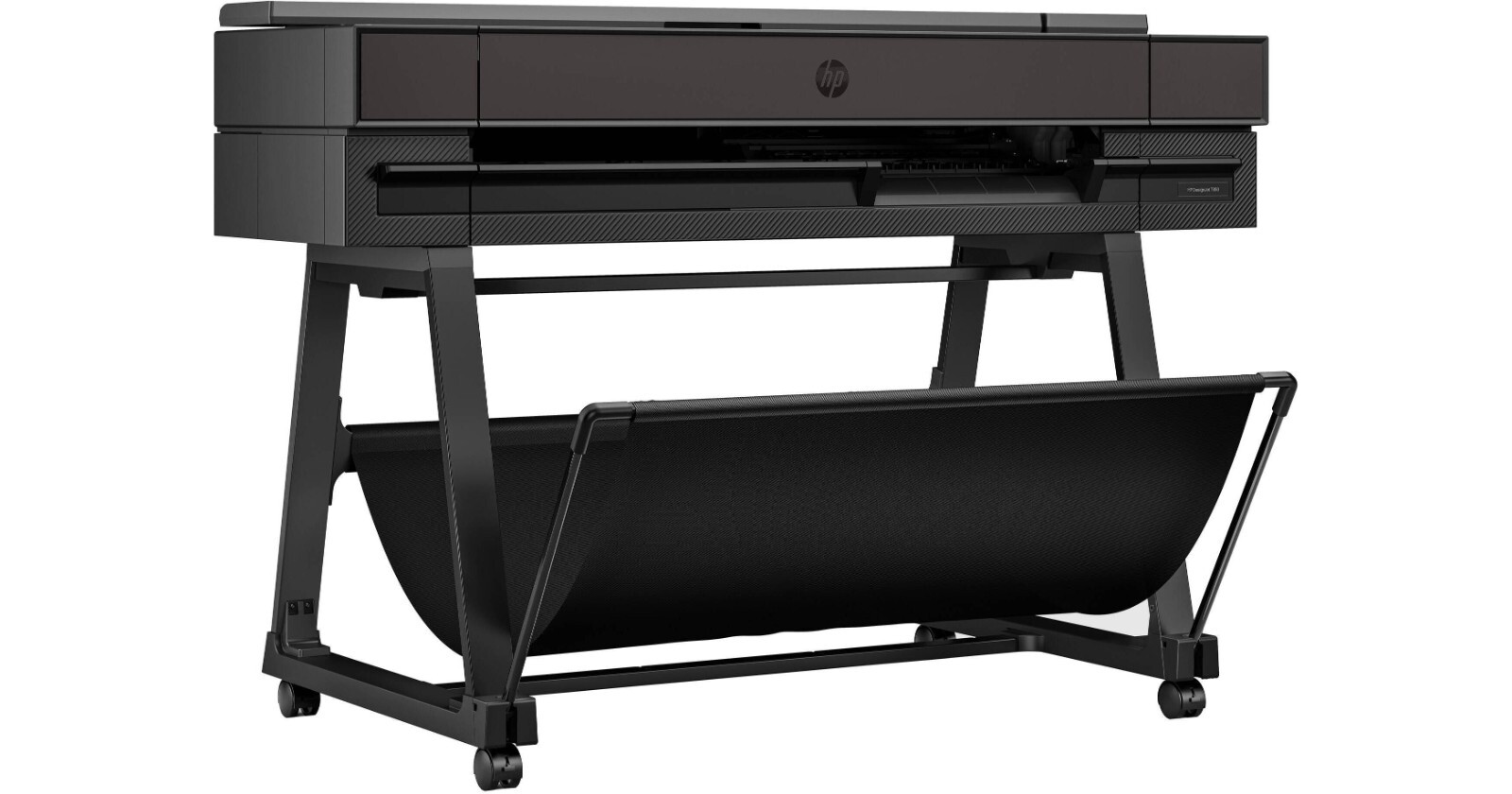

Photos from current listings. Actual item, color, and included accessories may vary.
Large Format Printer Buying Guide
Large-format printers and plotters produce wide documents—architectural plans, CAD drawings, posters, and banners—typically from 24 to 44 inches wide. The decisive trade-off is between thermal inkjet (disposable printhead, lower upfront cost) and piezo/thermal printhead architecture with user-replaceable heads and pigment vs. dye ink systems that determine fade resistance and media compatibility. Choose a plotter with a user-replaceable printhead, roll-feed spindle, and Ethernet/USB-C connectivity if you need durable, low-maintenance output; skip compact single-sheet models with integrated heads and no roll feed, which drive up per-print cost and limit media handling.
Key takeaways
- Printhead architecture: thermal inkjet uses disposable integrated heads (lower initial cost, higher per-page consumable cost); piezo printheads are user-replaceable and support pigment inks for archival/outdoor durability.
- Media width classes: 24-inch (A1), 36-inch (A0), and 44-inch (ANSI D/E) roll widths—36-inch is the standard for CAD/architectural plan sets and poster production.
- Ink chemistry: pigment inks resist fading and water for outdoor/archival prints; dye inks deliver wider gamut and lower cost for indoor graphics and proofs.
At a glance
- Category
- Wide-Format Printers & Plotters
- Last updated
- Nov 23, 2026
Current offers
Highlights
- Printhead architecture: thermal inkjet uses disposable integrated heads (lower initial cost, higher per-page consumable cost); piezo printheads are user-replaceable and support pigment inks for archival/outdoor durability.
- Media width classes: 24-inch (A1), 36-inch (A0), and 44-inch (ANSI D/E) roll widths—36-inch is the standard for CAD/architectural plan sets and poster production.
- Ink chemistry: pigment inks resist fading and water for outdoor/archival prints; dye inks deliver wider gamut and lower cost for indoor graphics and proofs.
- Connectivity and workflow: Ethernet LAN plus USB-C is standard for network CAD workflows; mobile/Wi-Fi Direct is a convenience tier, not a durability factor—prioritize wired networking and a roll-feed spindle with automatic cutter.
Best use cases
- Best fit: architecture/CAD studios printing 36-inch plan sets—choose a 36-inch roll-fed plotter with pigment or dye ink, user-replaceable printhead, and Ethernet for shared network printing.
- Best fit: poster/sign shops producing 24–44-inch indoor graphics—choose a 44-inch model with dye inks for wide gamut and a roll spindle plus cutter for continuous production.
- Wrong fit to skip: occasional single-sheet users with no roll feed—avoid large-format entirely; a desktop tabloid printer with 11x17/A3 capacity covers occasional output at lower consumable cost.
- Wrong fit to skip: outdoor/archival printing on a dye-ink thermal printer without pigment inks or lamination—skip unless the model supports pigment ink and is paired with UV/water-resistant media.
Buying tips
- Match roll width to your standard sheet: 24-inch for A1/ANSI C, 36-inch for A0/ANSI D, 44-inch for ANSI E—buying wider than your common output wastes media and floor space.
- Confirm the printhead is user-replaceable and separately purchasable; integrated disposable heads raise long-run consumable cost and create downtime when a head fails.
- For plan sets and outdoor signage, specify pigment ink and UV/water-resistant media; dye ink is acceptable for indoor proofs and short-life posters.
- Require Ethernet LAN (plus USB-C for direct connection) for shared studio workflow; Wi-Fi-only models bottleneck large CAD file jobs and multi-user printing.
Specs
| Printhead Type | Thermal (disposable) vs Piezo (replaceable) |
|---|---|
| Max Roll Width | 24 / 36 / 44 inch classes |
| Ink Chemistry | Pigment (archival/outdoor) vs Dye (indoor) |
| Connectivity | Ethernet LAN + USB-C standard |
Related searches
What to check before buying
- Measure floor footprint and doorways: a 36-inch plotter with stand typically needs roughly 4–5 feet of width and a stable, level surface; confirm the assembled unit fits the room and path.
- Verify power: large-format plotters draw significant wattage during heating/printing—confirm a dedicated grounded outlet at the correct voltage/plug standard for your region.
- Check roll/media compatibility: spindle core diameter (2-inch vs 3-inch) and maximum roll diameter determine which media you can load; confirm the model's spindle matches your preferred media supply.
- Confirm computer/network requirements: driver support for your OS (Windows/macOS), Ethernet port availability, and free disk space for large spool files before committing to a tier.
FAQ
Data sources: eBay / Amazon listings and product attribute feeds. Updated Nov 23, 2026.
Some links on this page are affiliate links. If you buy after clicking one, we may earn a commission at no extra cost to you. This does not change which products appear here or their order. Affiliate disclosure.