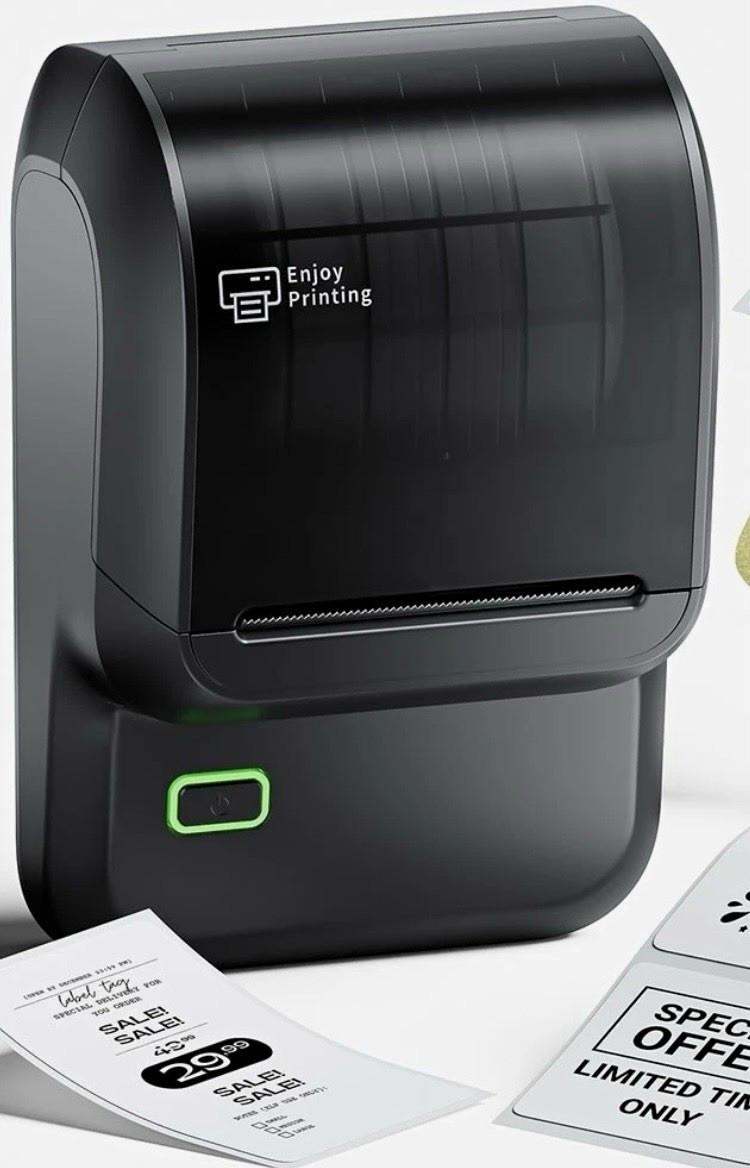

Photos from current listings. Actual item, color, and included accessories may vary.
Cable Label Maker Buying Guide
A cable label maker is a handheld or desktop printer paired with adhesive tape designed to wrap, flag, or shrink onto wires and cables for durable identification. The core trade-off is between cheap direct-thermal units that fade with heat and light versus thermal-transfer or laminated-tape systems that survive abrasion, moisture, and UV in wiring closets and industrial panels. Buy a thermal-transfer or laminated-tape model for permanent electrical identification; choose direct-thermal only for temporary, indoor, low-abrasion tagging.
Median $122.00 · New listings
Key takeaways
- Print method decides longevity: direct thermal fades above 50°C and under UV, while thermal transfer with resin ribbon holds up to 100°C+ and solvent exposure.
- Tape construction separates tiers: standard paper labels tear and smear; vinyl, polyester, and heat-shrink tube labels resist abrasion, oil, and moisture in panels and conduit.
- Cable-specific modes matter: flag-wrap, self-laminating, and shrink-tube presets on models like Brother P-Touch and Brady labelers auto-size text to the wrap length so legends stay legible.
At a glance
- Category
- Label Makers & Supplies
- Last updated
- Nov 29, 2026
Current offers
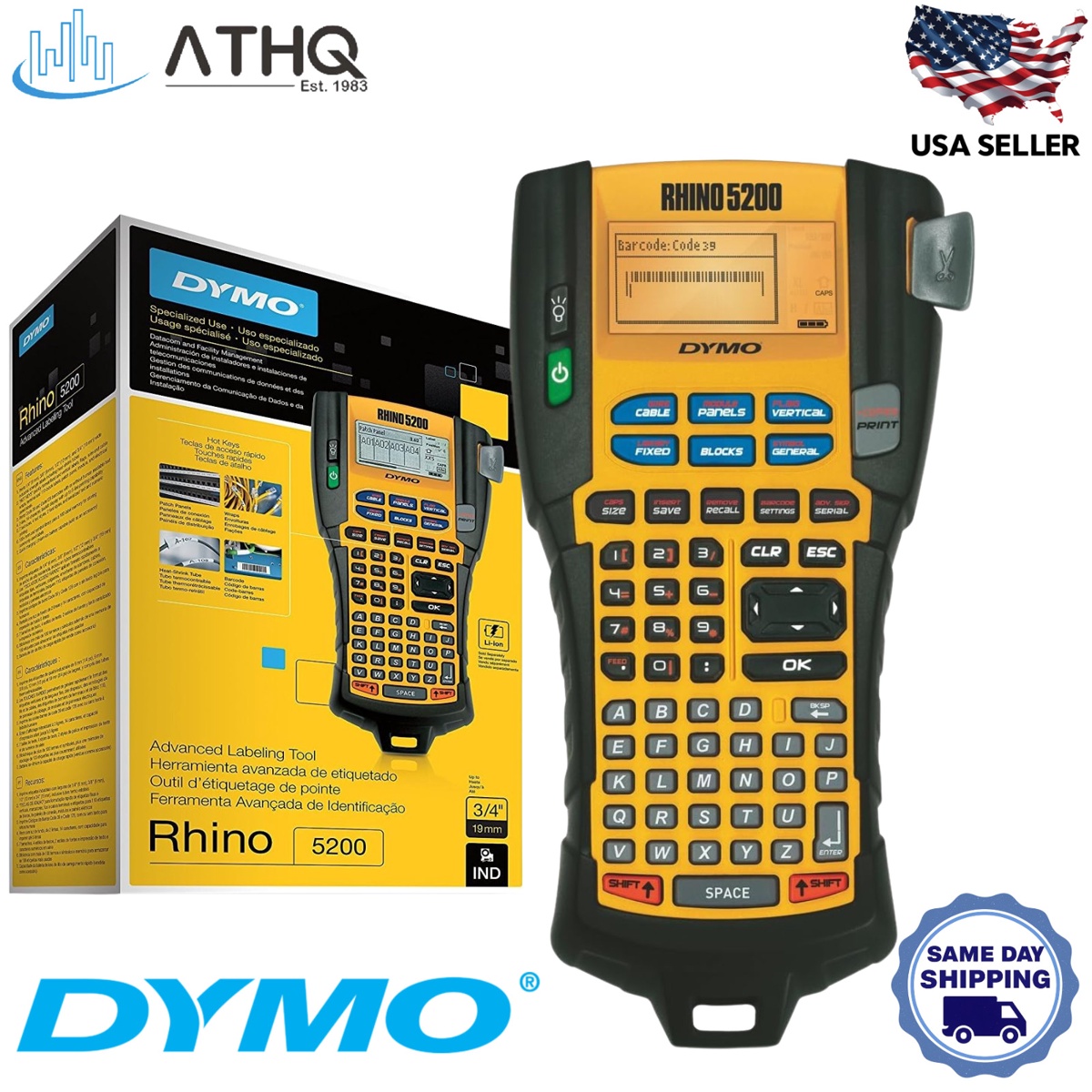
Highlights
- Print method decides longevity: direct thermal fades above 50°C and under UV, while thermal transfer with resin ribbon holds up to 100°C+ and solvent exposure.
- Tape construction separates tiers: standard paper labels tear and smear; vinyl, polyester, and heat-shrink tube labels resist abrasion, oil, and moisture in panels and conduit.
- Cable-specific modes matter: flag-wrap, self-laminating, and shrink-tube presets on models like Brother P-Touch and Brady labelers auto-size text to the wrap length so legends stay legible.
- Handheld units typically run 6–24 mm tape on AA or USB-C rechargeable power, while desktop models accept 24–36 mm tape and print faster for high-volume panel shops.
Best use cases
- Best fit: electricians and network installers tagging patch panels and breakers should pick a thermal-transfer handheld with self-laminating vinyl or heat-shrink tube tape; skip paper-tape direct-thermal units.
- Best fit: home users labeling chargers and HDMI runs should choose a compact direct-thermal or thermal-transfer unit with 12 mm laminated tape; skip industrial desktop printers that need a PC and bulky tape cassettes.
- Best fit: panel builders and MRO shops needing hundreds of permanent wire markers should buy a desktop thermal-transfer printer with 24–36 mm vinyl or shrink-tube media; skip handhelds for volume runs.
- Wrong fit: outdoor or high-heat engine-bay labeling with any direct-thermal paper label—choose polyester or heat-shrink thermal-transfer media instead.
Buying tips
- Match tape width to cable diameter: 6–9 mm tape for CAT6 and small control wire, 12 mm for typical flag wraps, 18–24 mm for large power cable and panel flags.
- Pick thermal transfer with resin ribbon for permanent labels; direct thermal is acceptable only for temporary indoor tagging where fading is tolerable.
- Confirm the cassette or cartridge family before buying—proprietary tape formats lock you into one brand, while some models accept third-party compatible cassettes.
- For heat-shrink labeling, verify the printer supports shrink-tube media and the tube ratio (typically 2:1 or 3:1) matches your wire bundle diameter.
Specs
| Print Method | Thermal transfer vs direct thermal |
|---|---|
| Tape Width | 6–24 mm handheld / 24–36 mm desktop |
| Label Media | Vinyl, polyester, heat-shrink, paper |
| Power Source | AA battery, USB-C rechargeable, AC adapter |
Related searches
What to check before buying
- Measure your largest cable bundle diameter and choose tape width at least 1.5× the bundle for flag-wrap readability.
- Verify the printer accepts the media type you need—self-laminating vinyl, heat-shrink tube, or polyester—not just standard paper tape.
- Check power: handhelds use AA batteries or USB-C rechargeable; desktop units need a wall outlet and often a USB or Bluetooth connection to a PC or phone.
- Confirm label editing method—standalone keyboard, smartphone app, or PC software—matches how you will enter cable schedules and legends.
FAQ
Data sources: eBay / Amazon listings and product attribute feeds. Updated Nov 29, 2026.
Some links on this page are affiliate links. If you buy after clicking one, we may earn a commission at no extra cost to you. This does not change which products appear here or their order. Affiliate disclosure.