Choosing fountain pen paper & notebooks starts with a practical format decision: do you want a large supply of loose sheets for letters, office printing, and custom pages, or a dedicated notebook with an organized layout? Kokuyo and SAKAE answer those needs differently. The useful payoff is straightforward: choose Kokuyo for adaptable paper and fountain-pen writing performance; choose SAKAE when a notebook structure matters more.
Quick verdict
Kokuyo is the better fit for a desk supply, custom planner pages, and shoppers who prefer loose A4 paper. SAKAE is the better fit for organized notes and longer projects in a notebook format. The absolute price spread is $7.31, with Kokuyo at the lower listed price, but this is not a like-for-like quantity comparison: one is a ream of paper and the other is a notebook.
At a glance
| Comparison | Kokuyo A4 Fountain Pen Paper | SAKAE Tomoe River A5 Notebook |
|---|---|---|
| Listed price | USD 27.69 | USD 35.00 |
| Format | A4 print copy paper | A5 notebook |
| Paper setup | 500-sheet blank ream | 368-page notebook with white 5mm grid |
| Suited to | Office printing, letters, planners, and journal projects | Organized notes, long projects, and business use |
Where each product wins
Kokuyo wins on fountain-pen writing behavior
Kokuyo has the clearer case for shoppers focused on writing paper for fountain pens. Its smooth surface is described as producing minimal feathering across various nib types and ink saturations. The description also says the paper is suitable for double-sided everyday writing because of its no-bleed-through performance. Those are concrete reasons to choose Kokuyo when the page itself is the priority rather than a prearranged notebook layout.
SAKAE wins on built-in organization
SAKAE takes the structure side of the comparison. The notebook format and grid are aimed at precise, organized note-taking, while the description calls out office and business use as well as long projects. Choose SAKAE when the page structure should be part of the writing routine instead of something you design separately.
Product notes
Kokuyo A4 Fountain Pen Paper
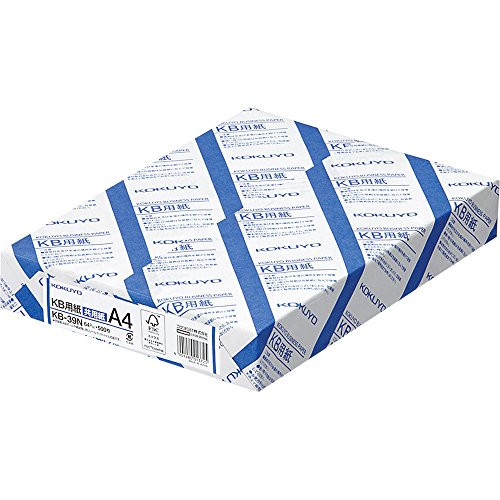
Kokuyo suits shoppers who need a paper supply they can repurpose across desk tasks. Acid-free paper is a concrete reason to choose it, and the 500-sheet ream gives you room for letters, office printing, custom planner pages, and journal projects without committing to one page layout. The smooth surface and fountain-pen-friendly positioning keep it relevant to writing paper for fountain pens. Its limitation is the format: it is blank A4 print copy paper, so you must decide the layout and handling rather than receiving a notebook's ready-made page structure. Choose Kokuyo when adaptable sheets and double-sided use matter more than a dedicated writing book.
SAKAE Tomoe River A5 Notebook
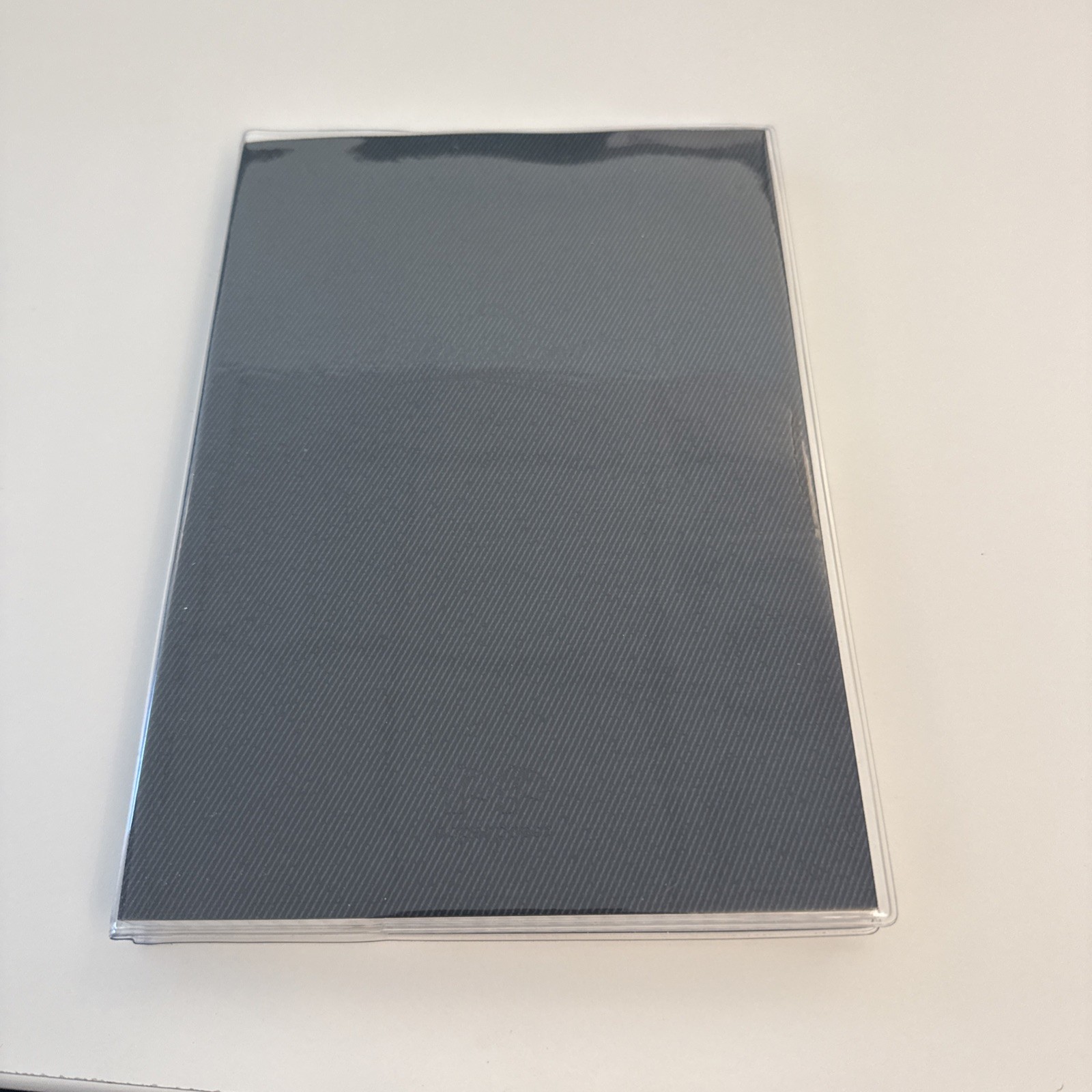
SAKAE suits shoppers who want the notebook itself to provide a clear framework. Tomoe River paper and the 368-page count give it a distinct paper-and-notebook identity, while the description connects the notebook with precise, organized note-taking. Office and business use are also named, making it a fitting choice for keeping a project or set of notes together. The limitation is the A5 notebook format: shoppers who specifically need loose A4 paper for printing, letters, or custom pages are choosing a different workflow from Kokuyo. Choose SAKAE when a dedicated notebook and its paper format matter more than a ream of blank sheets.
Final choice by use case
- For fountain-pen writing across varied nib types and ink saturations: Choose Kokuyo. Its concrete advantage is the stated minimal feathering and good performance across those uses, along with no bleed-through during everyday writing.
- For precise, organized note-taking: Choose SAKAE. The 5mm grid is the deciding attribute when a consistent page structure matters.
- For a price-first decision: Choose Kokuyo if either format would work. The $7.31 spread is meaningful only when loose paper and a notebook can serve the same job; otherwise, format should decide first.