Choosing fountain pen paper & notebooks usually means balancing an open writing surface against built-in guidance for lists, diagrams, and tidy planning. The Yu-sari Notebook A5 Plain Fountain Pen Paper Writing Pad Journal Japanese and Tomoe River Notebook take different approaches: one centers on plain pages and quick-drying properties, while the other combines a grid with thin, smooth paper. The right pick depends on whether your pages need room to flow or a layout that helps keep writing aligned.
Quick verdict
Choose Yu-sari for freeform journaling, prose, and a plain page at $19.69. Choose Tomoe River when a 5mm-squared grid, white paper, and a specified 160-page format better match your note-taking style at $39.99. The listed price spread is $20.30, so the decision is mainly about layout and paper characteristics rather than a small price difference.
At a glance
| Notebook | Listed price | Layout | Paper details |
|---|---|---|---|
| Yu-sari A5 Plain Fountain Pen Notebook | USD 19.69 | A5, plain | Ultra-smooth texture, quick-drying properties, egg-shell colored paper |
| Tomoe River Notebook | USD 39.99 | 5mm-squared grid | 160 pages, 80 sheets, white paper, thin and velvety smooth texture |
Where each product wins
Yu-sari wins for open-ended writing
Yu-sari is the more natural fit for journal entries, long-form writing, and notes that do not need visual guides. Its quick-drying properties are a useful detail for fountain pen sessions, while the ultra-smooth texture keeps the focus on the writing experience. The egg-shell colored paper also gives it a warmer page appearance than Tomoe River's white format.
Tomoe River wins for structured notes
Tomoe River suits lists, diagrams, tables, and orderly planning because its 5mm-squared grid provides consistent visual guidance. Its thin, velvety smooth paper is described for fountain pen and ink pen use, giving the notebook a distinct paper-focused appeal. The stated 160 pages and 80 sheets also make the format easy to compare when page count matters.
Product notes
Yu-sari A5 Plain Fountain Pen Notebook
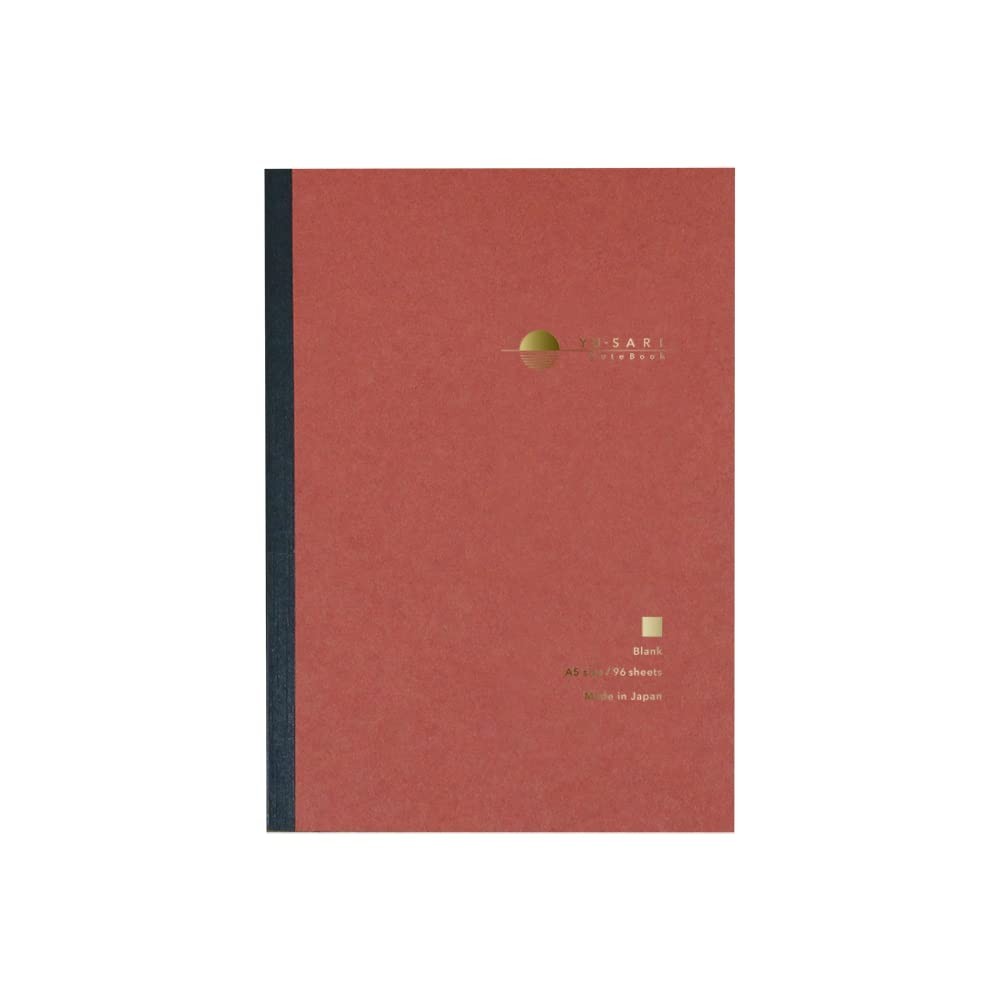
Yu-sari makes the case for uncomplicated fountain-pen journaling. The A5 plain format keeps the page open for prose, lists, or sketches, and its paper combines an ultra-smooth texture with quick-drying properties. Egg-shell colored paper gives the writing surface a warmer visual character than a stark white page. The notebook is also described as suitable for both fountain pen and rollerball ink, which broadens its role beyond a single writing instrument. The limitation is the same feature that creates its flexibility: plain pages offer no built-in alignment for diagrams, tables, or carefully spaced planning. Choose Yu-sari when open layout and quick-drying paper matter more than visual guides.
Tomoe River 5mm Grid Notebook
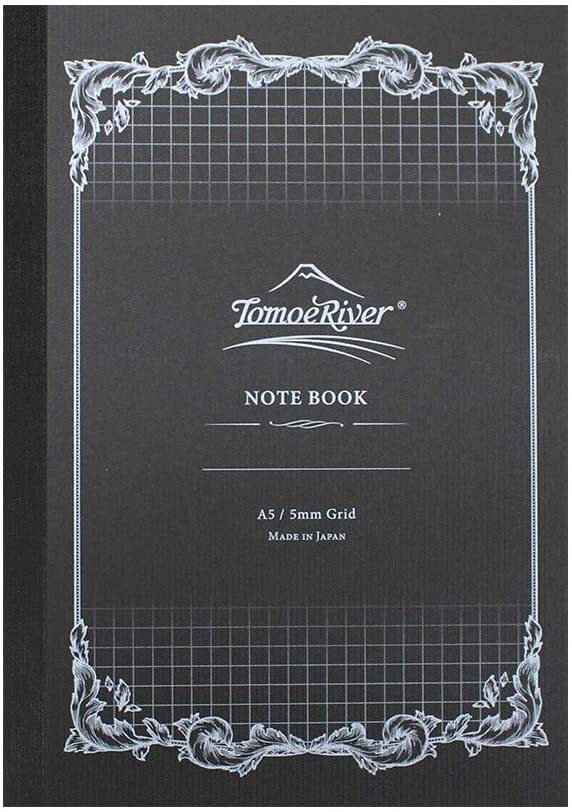
Tomoe River is aimed at a more structured writing rhythm. The listed grid brings guidance to calendars, diagrams, tables, and orderly notes, while the paper is described as incredibly thin with a velvety smooth texture and as designed for fountain pen users. The white format gives the notebook a clear, neutral page appearance, and the 160-page, 80-sheet construction provides a defined amount of writing space. The limitation is that a guided grid can feel restrictive for long-form journaling or sketches that need an uninterrupted field, especially beside Yu-sari's plain format. Choose Tomoe River when layout guidance and its thin, smooth paper character are central to the notebook decision.
Final choice by use case
- For open-ended journaling and prose: Choose Yu-sari, whose plain format and quick-drying properties support a less structured writing session.
- For diagrams, lists, and aligned planning: Choose Tomoe River, whose grid gives each page built-in visual guidance.
- For a warmer page appearance: Choose Yu-sari for its egg-shell colored paper.
- For a white, thin, smooth paper format: Choose Tomoe River.
The simplest decision is clear: Yu-sari is the better fit when freedom and quick-drying writing come first. Tomoe River is the better fit when a guided layout is part of how you write.