Choosing fountain pen paper & notebooks usually comes down to one practical tension: do you want loose sheets for flexible writing, or a lined journal that keeps everything together? KOBEHA Graphilo and Nanami's Tomoe River notebook take different approaches. The KOBEHA emphasizes A5 unruled paper and fountain-pen ink handling; Nanami focuses on a 384-page A6 journal with lines and a flat-opening design.
Quick verdict
Choose KOBEHA Graphilo Fountain Pen Paper if you want 50 A5 loose sheets, an unruled layout, and a surface described as helping prevent feathering and bleeding. Choose Nanami Tomoe River if your priority is a dedicated lined writing journal with 384 pages and an opening that lays flat at 180 degrees.
The listed prices are close: KOBEHA is USD 27.29, while Nanami is USD 24.99, a $2.30 spread. That difference is smaller than the format distinction, so the better choice depends on how you plan to write.
Compact comparison
| Detail | KOBEHA Graphilo | Nanami Tomoe River |
|---|---|---|
| Format | A5, 50 loose sheets, unruled | A6 lined notebook, 384 pages |
| Paper description | Fountain pen paper with specialized filler | Tomoe River paper |
| Writing setup | Open layout on individual sheets | Lined journal with 180-degree opening |
| Listed price | USD 27.29 | USD 24.99 |
Where each product wins
KOBEHA wins for flexible page use. Its A5 size, 50-sheet pack, and unruled surface suit shoppers who want to choose their own layout. The description also specifically connects its specialized filler with preventing feathering and bleeding, making fountain-pen ink behavior a central reason to choose it.
Nanami wins for journal-style writing. Its lined A6 notebook format gives recurring entries a consistent structure, while the 384-page count supports a longer writing project. The 180-degree opening is another concrete advantage for anyone who prefers a notebook that lays flat while writing.
Product notes
KOBEHA Graphilo Fountain Pen Paper
KOBEHA Graphilo is the more adaptable pick for shoppers who do not want printed ruling. The A5 format provides 50 loose sheets, and the unruled design leaves the page open for notes, lettering, diagrams, or any layout you prefer. Its description also says the paper is designed specifically for fountain pen inks and uses a specialized filler that provides a uniform surface to prevent feathering and bleeding. That makes ink handling the clearest reason to choose it. The trade-off is equally specific: loose sheets require your own way to organize finished pages, and the unruled format does not provide built-in writing guides. Choose it when page flexibility and the stated anti-feathering, anti-bleeding design matter more than a bound journal format.
Nanami Tomoe River A6 Lined Notebook
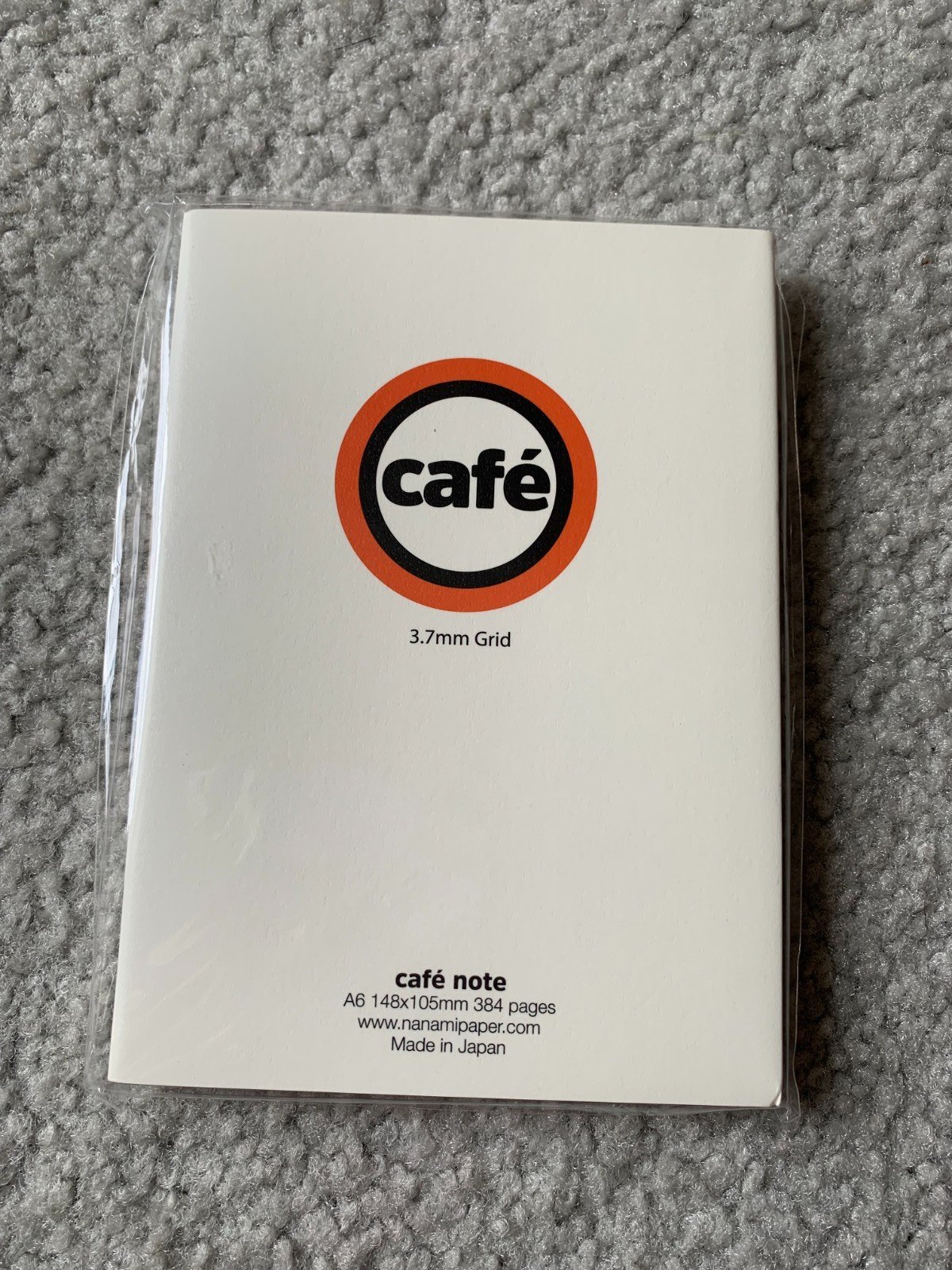
Nanami's notebook is the journal-focused choice. It combines Tomoe River paper with an A6 lined format, 384 pages, and a design that opens flat at 180 degrees. Those details make it a natural fit for shoppers who want a repeatable writing setup rather than individual sheets, especially when consistent lines and a dedicated journal format are part of the appeal. The limitation is the format itself: it is an A6 lined notebook rather than A5 unruled loose paper. That means it is less suitable for someone specifically seeking open page layouts or separate sheets for rearranging. Choose Nanami when a long, lined writing journal and flat-opening design are more useful than KOBEHA's loose-sheet flexibility.
Final choice by use case
- Choose KOBEHA Graphilo for A5 loose sheets, an unruled layout, and the explicitly described surface intended to prevent feathering and bleeding.
- Choose Nanami Tomoe River for a 384-page lined writing journal with a 180-degree opening.
- If price is the deciding factor, Nanami has the lower listed price at USD 24.99, compared with KOBEHA's USD 27.29. If the prices remain secondary, let the format decide: flexible sheets favor KOBEHA, while an organized journal favors Nanami.