
Photos from current listings. Actual item, color, and included accessories may vary.
White Board Buying Guide
A whiteboard is a recurring-use presentation surface where the core trade-off is writing performance and durability versus price: melamine boards ghost and chip, while porcelain-on-steel or ceramic surfaces resist staining for years. The decision rule is simple—buy a steel-backed, aluminum-framed board if it will be written on more than weekly; buy melamine only for light, short-term duty.
Median $260.02 · New listings
Key takeaways
- Surface grade determines lifespan: melamine is a resin-impregnated paper that ghosts and scratches; porcelain-on-steel and ceramic are fired surfaces that resist marker stain and magnetic use.
- Backing matters: steel-backed boards hold magnets and resist dents, while thin hardboard or cardboard cores warp and lose flatness in humidity.
- Frame construction separates tiers: reinforced aluminum alloy frames with ABS corner caps survive transport and daily use; stapled or thin plastic frames loosen at the joints.
At a glance
- Category
- Meeting & Presentation Equipment
- Last updated
- Nov 28, 2026
Current offers
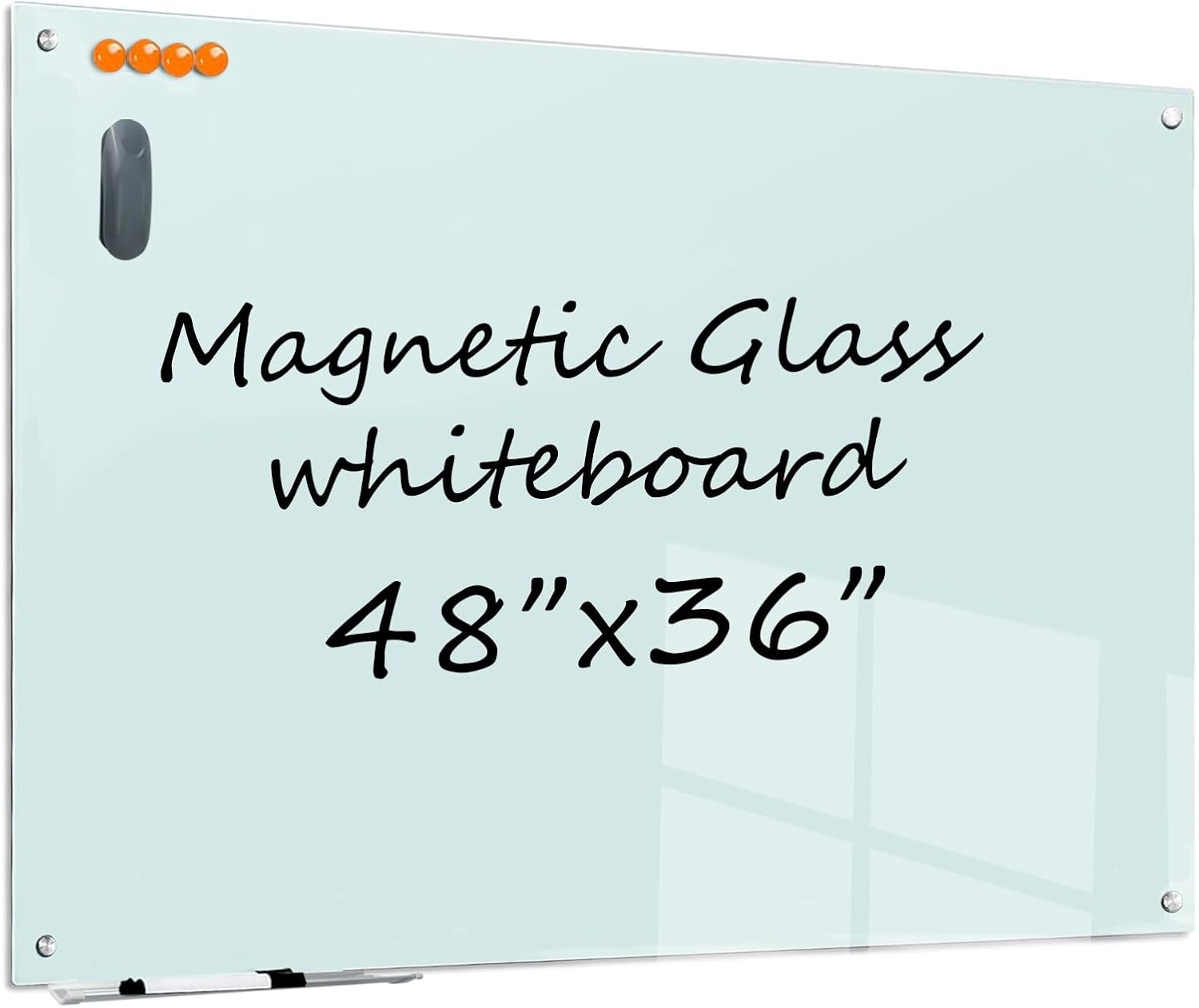 Glass Dry Erase White Board - 48 X 36 Inches Magnetic Glass Whiteboard for Wall$205.99New · Last checked Nov 27, 2026View on eBay
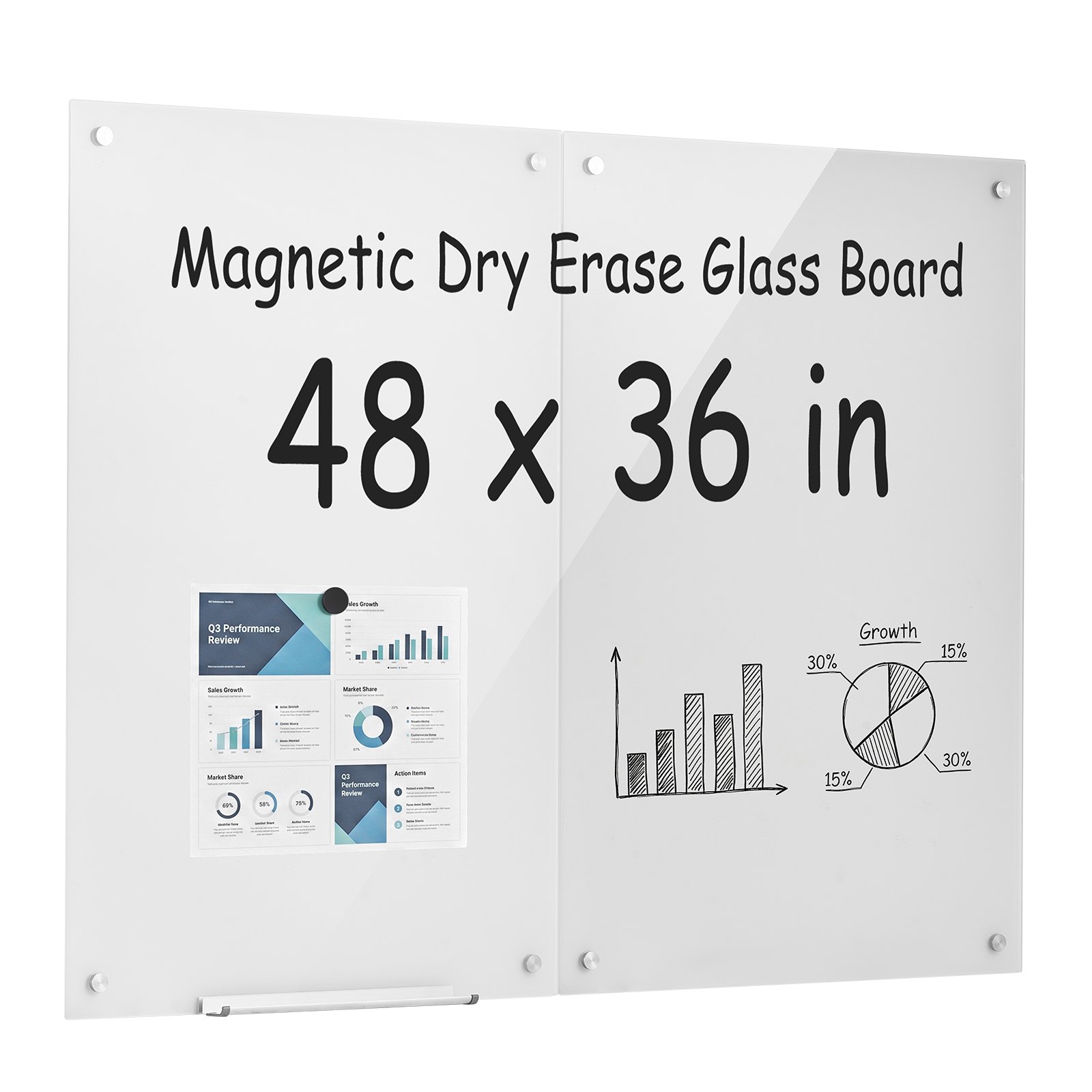 Glass Dry Erase Board 2 Pack 35.4 x 23.6 in White Magnetic Whiteboard, Wall-Mounted, Frameless, Thick Tempered with Markers, Magnets and Eraser, for Office, School Classroom, Home Study$94.99View on Mallflare
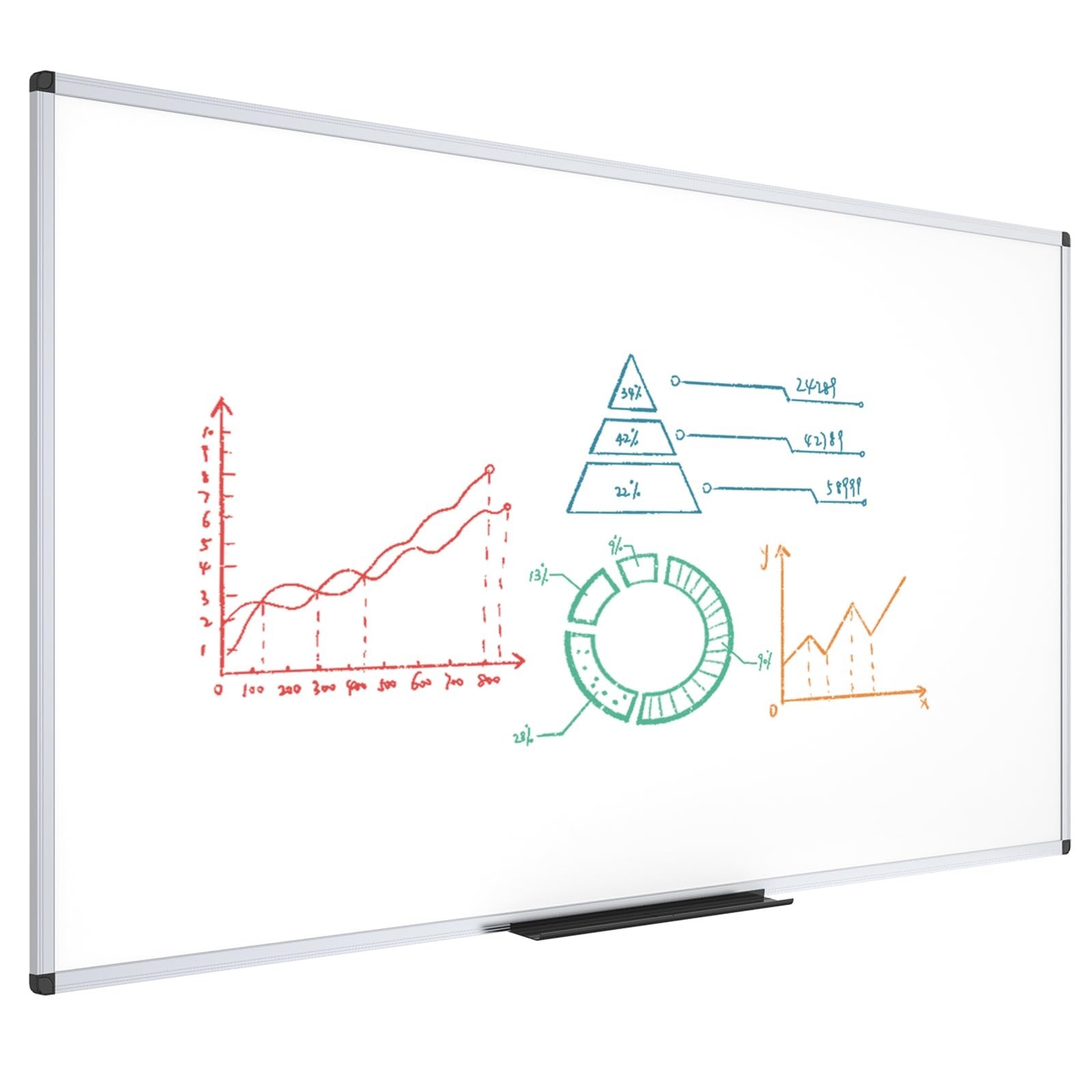 VIZ-PRO Magnetic Dry Erase White Board 72 x 48 Inches Large Wall Mounted Board$218.41New · Last checked Nov 17, 2026View on eBay
- VIZ-PRO Magnetic Dry Erase White Board 60 x 48 Inches Large Wall Mounted Board$237.41New · Last checked Nov 17, 2026View on eBay
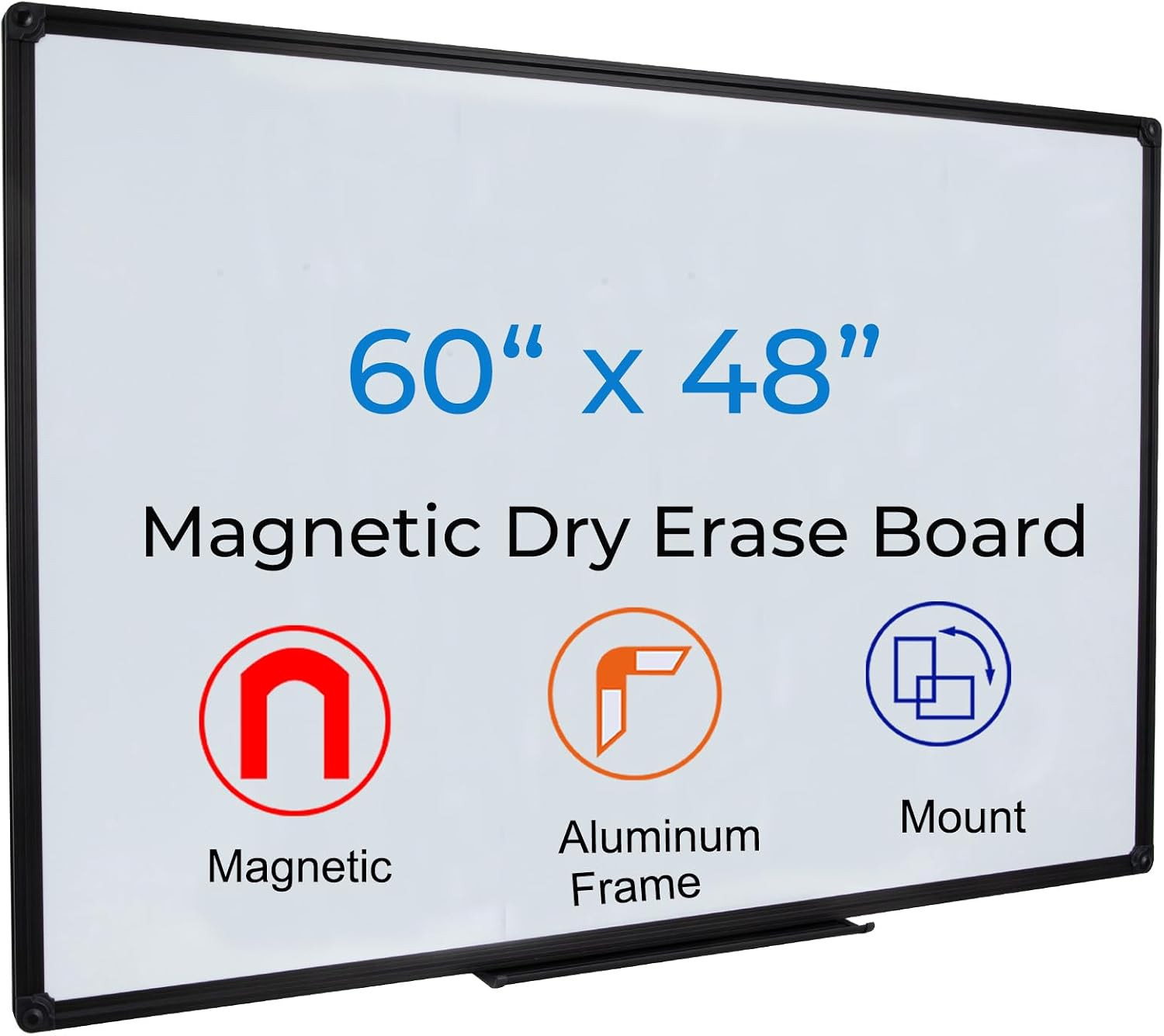 Large Magnetic White Board Dry Erase for Wall, Black Frame, 60 X 48 Inch$244.58New · Last checked Nov 17, 2026View on eBay
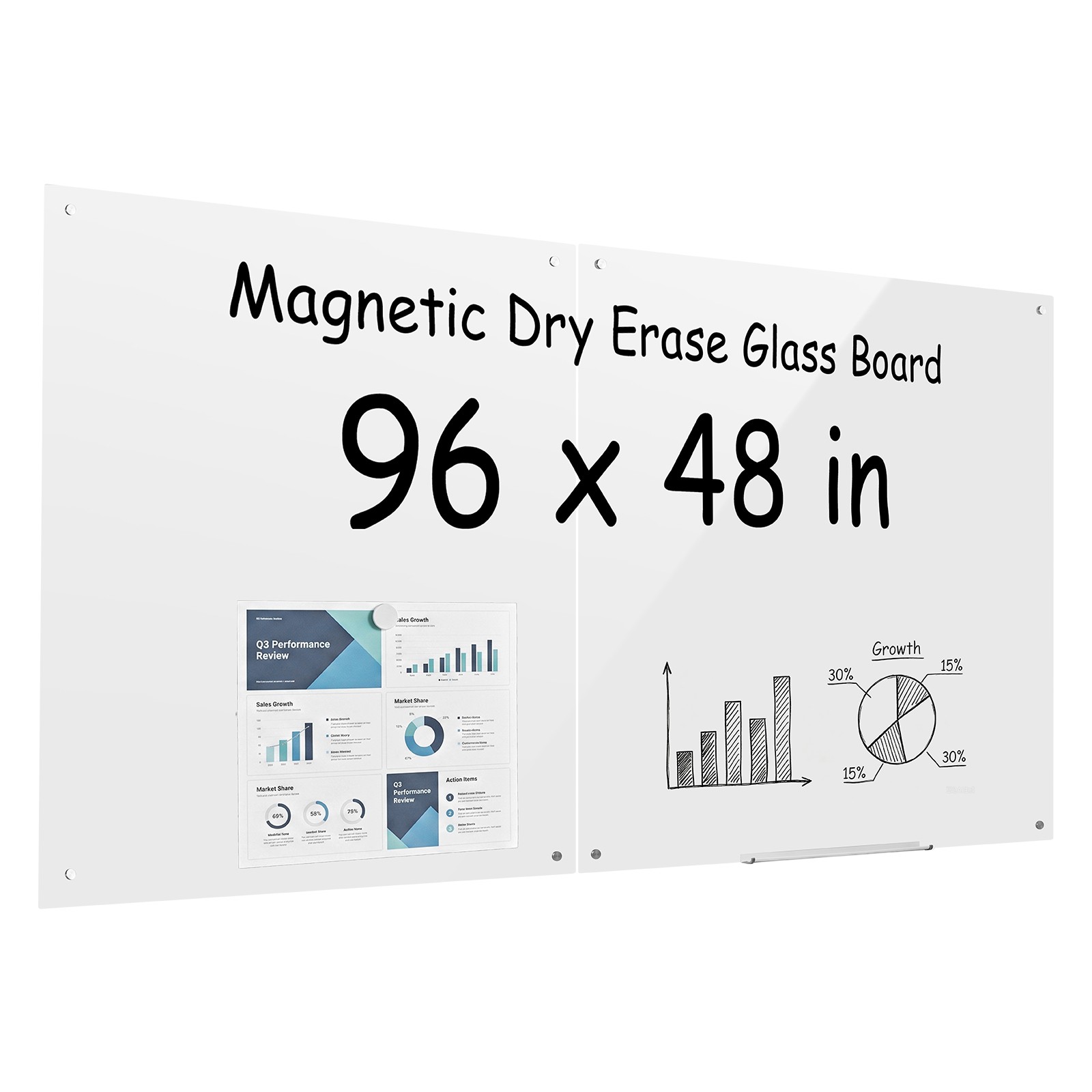 VEVOR Glass Dry Erase Board 2 Pack 47.2 x 47.2 in White Magnetic Whiteboard$258.99New · Last checked Nov 17, 2026View on eBay
- VEVOR Glass Dry Erase Board 2 Pack 47.2 x 47.2 in White Magnetic Whiteboard$258.99New · Last checked Nov 17, 2026View on eBay
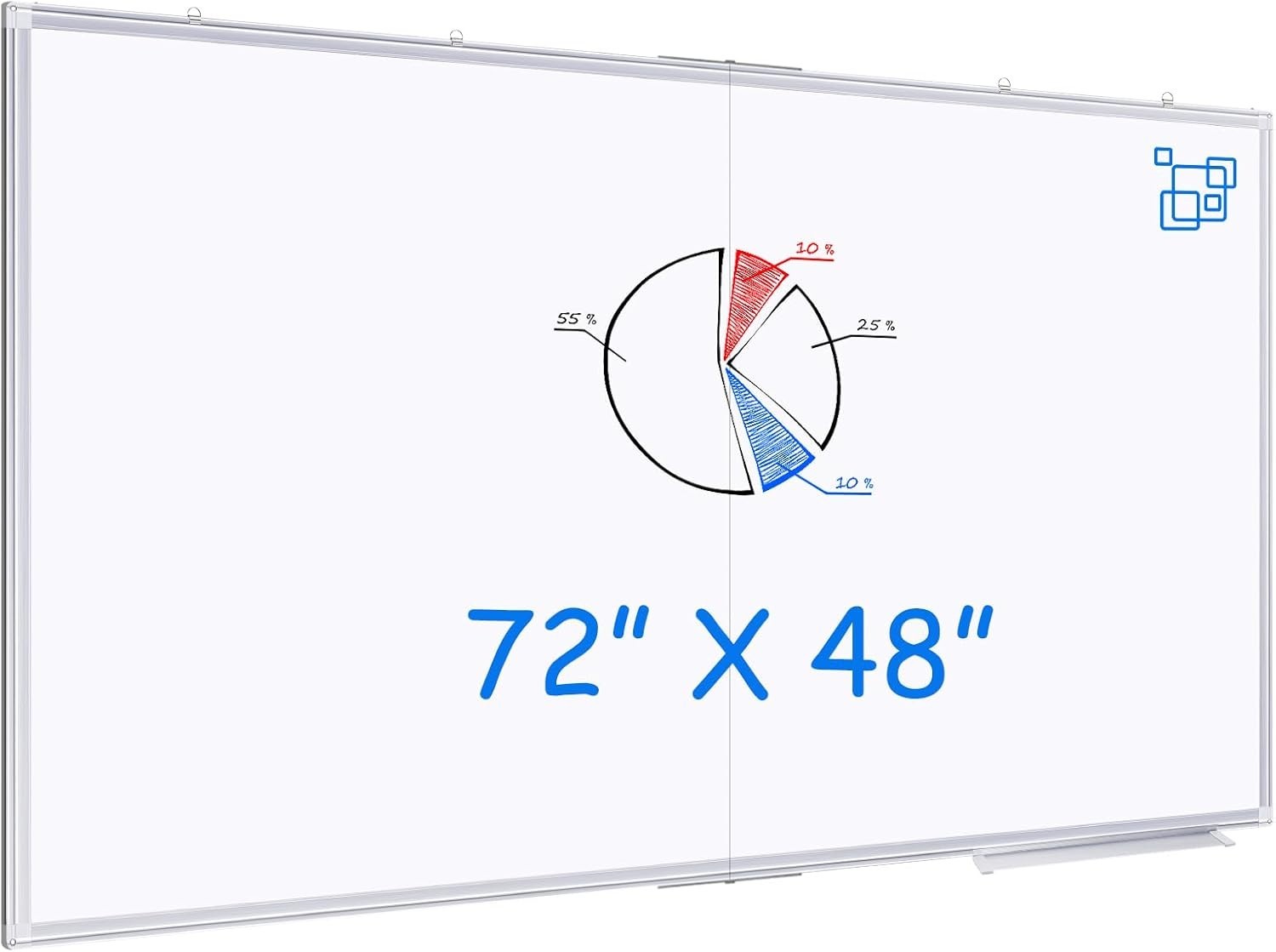 Magnetic White Board Dry Erase Board for Wall,72" x 48" (6ft x 4ft) Wall-Mounted$260.02New · Last checked Nov 27, 2026View on eBay
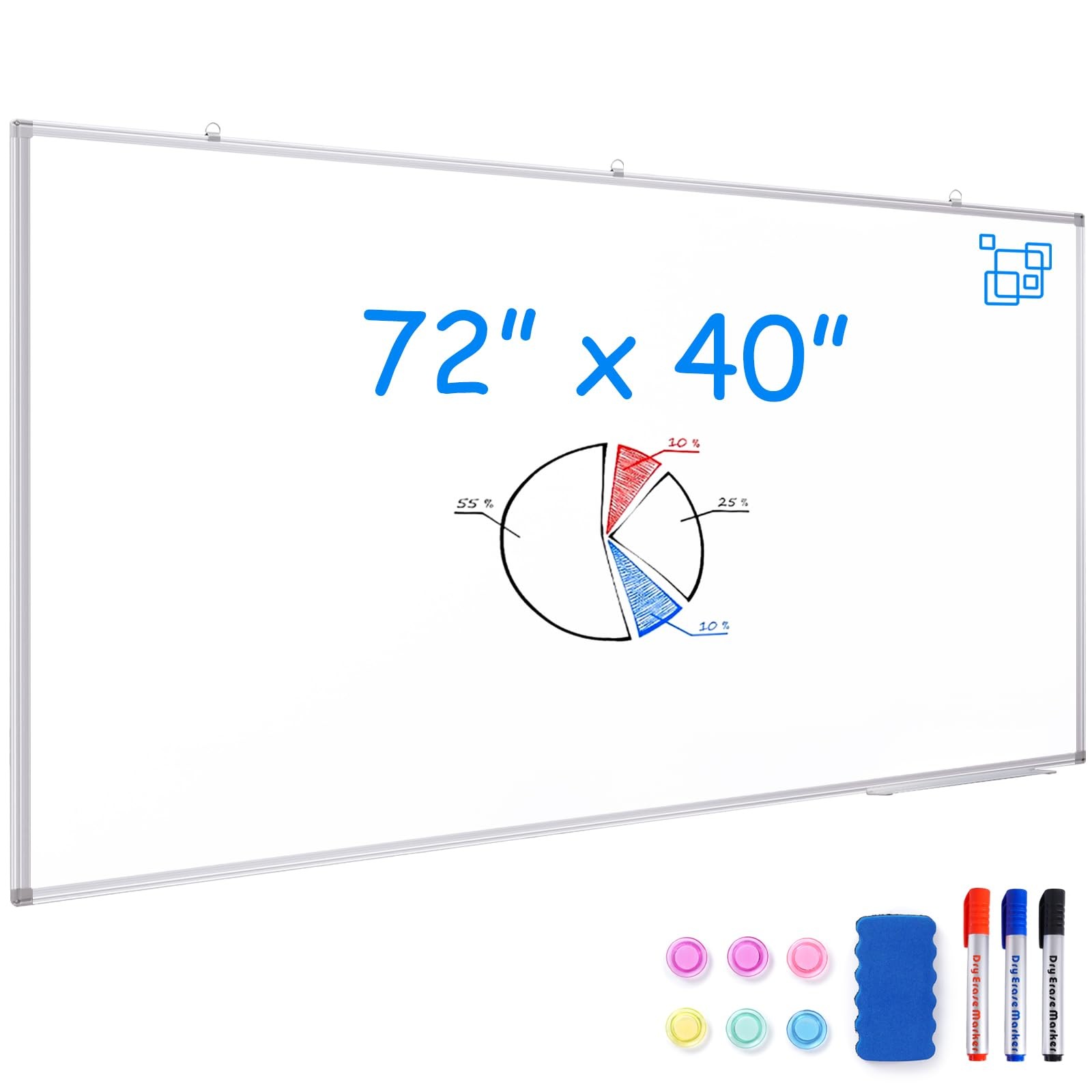 White Board Dry Erase 72x40 Large Magnetic Whiteboard for Wall$260.46New · Last checked Nov 27, 2026View on eBay
- White Board Dry Erase 72x48, Large Magnetic Whiteboard Wall Mounted | 6'x4' Fol$267.99New · Last checked Nov 17, 2026View on eBay
- VIZ-PRO Magnetic Dry Erase White Board 96 x 48 Inches Large Wall Mounted Board$284.91New · Last checked Nov 17, 2026View on eBay
- Maxtek White Board Dry Erase 72x40, Large Magnetic Whiteboard for Wall$291.99New · Last checked Nov 27, 2026View on eBay
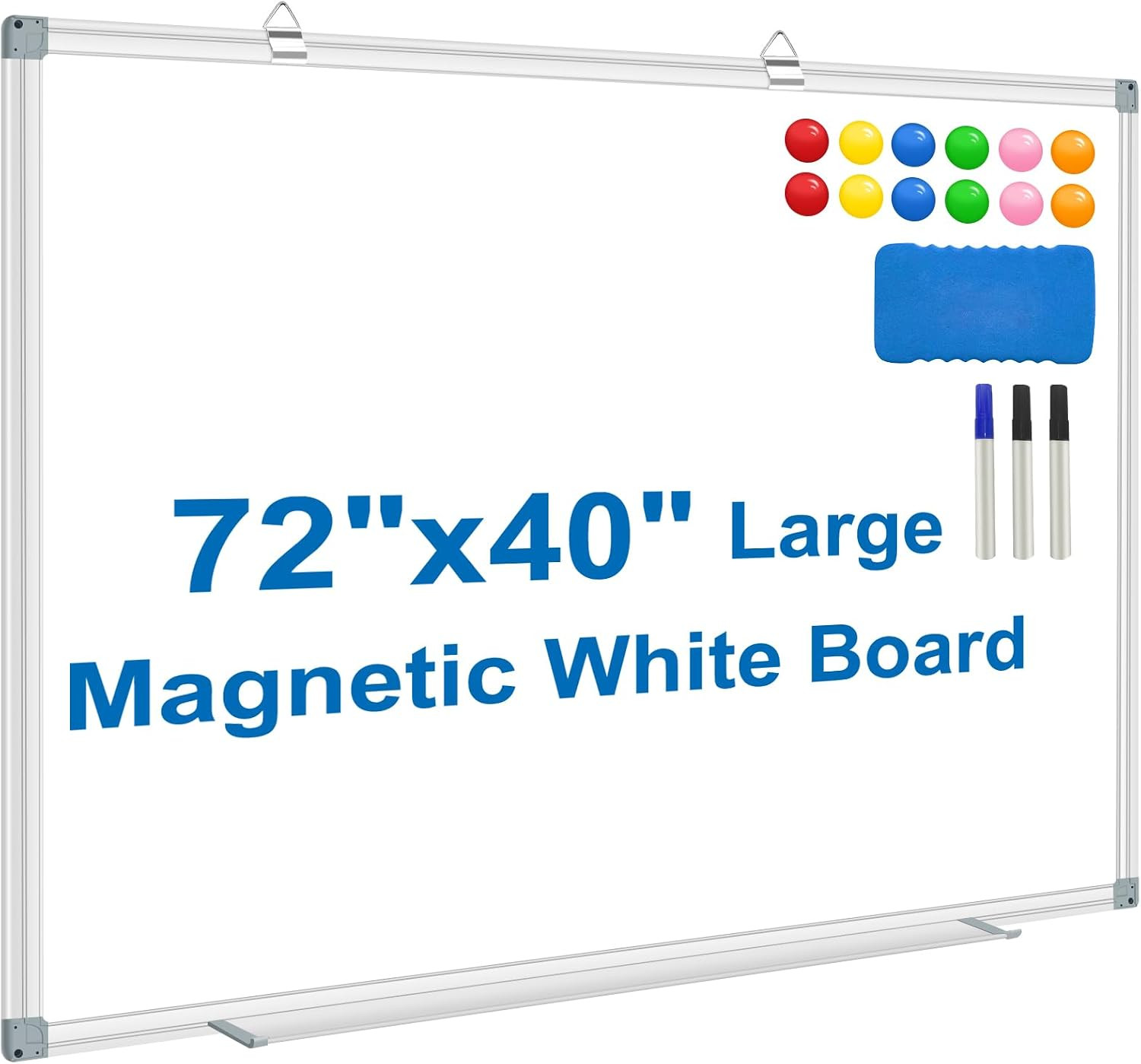 White Board Dry Erase Whiteboard for Wall 72X40 Aluminum Presentation Magnetic W$310.47New · Last checked Nov 27, 2026View on eBay
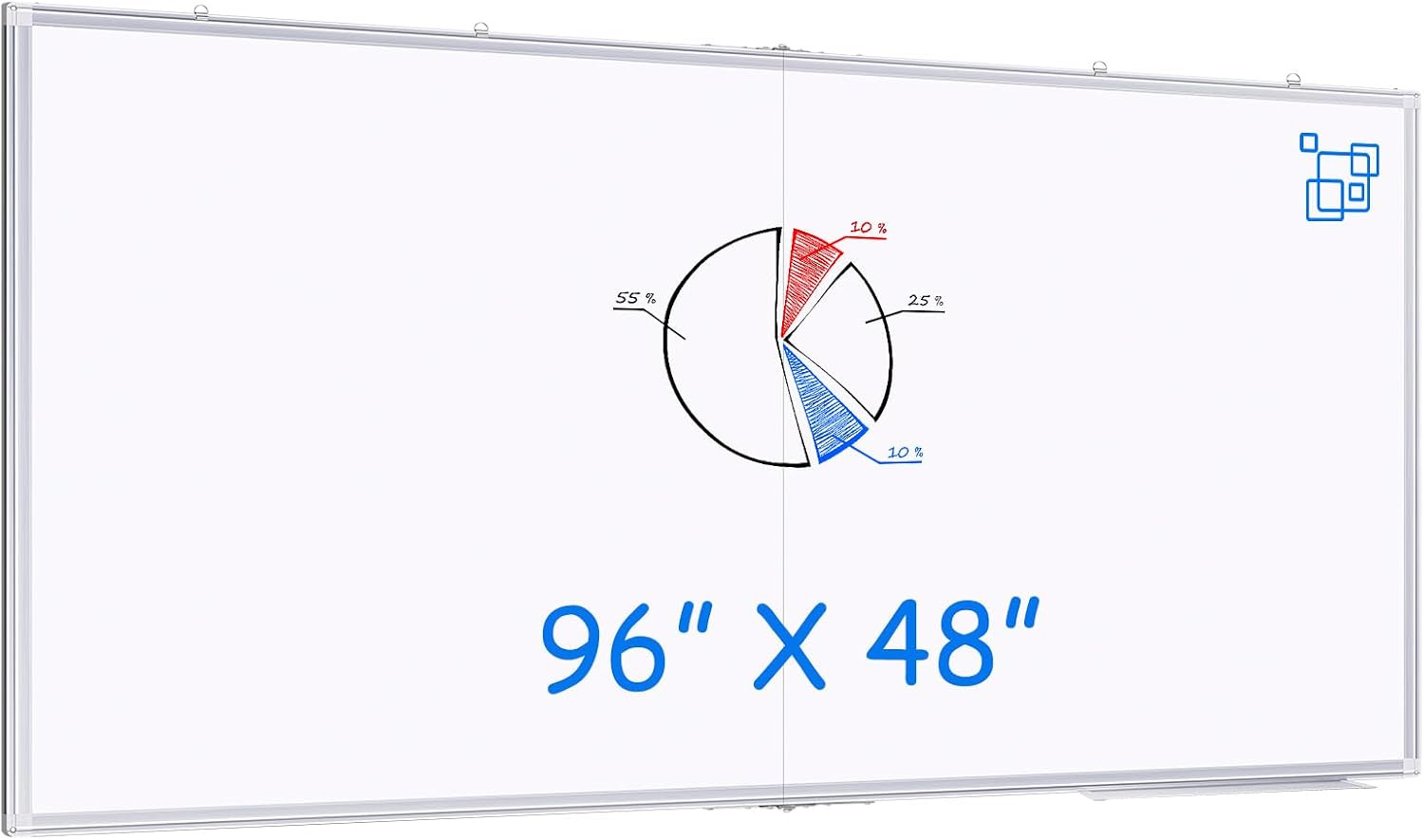 Magnetic Dry Erase Board 96 X 48 Inches, Large White Board for Wall$344.24New · Last checked Nov 27, 2026View on eBay
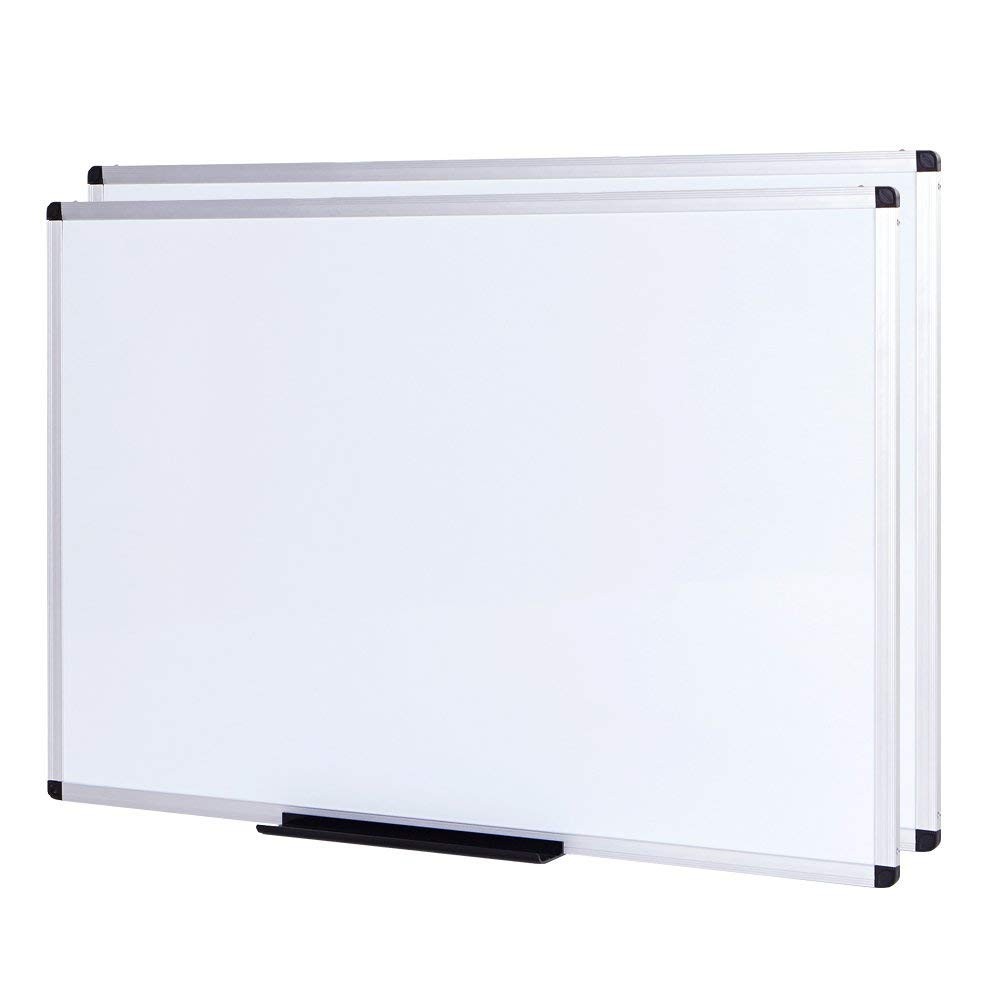 VIZ-PRO Large Magnetic Dry Erase White Board for Wall, 72 X 40 inches, Pack of 2$359.90New · Last checked Nov 27, 2026View on eBay
Highlights
- Surface grade determines lifespan: melamine is a resin-impregnated paper that ghosts and scratches; porcelain-on-steel and ceramic are fired surfaces that resist marker stain and magnetic use.
- Backing matters: steel-backed boards hold magnets and resist dents, while thin hardboard or cardboard cores warp and lose flatness in humidity.
- Frame construction separates tiers: reinforced aluminum alloy frames with ABS corner caps survive transport and daily use; stapled or thin plastic frames loosen at the joints.
- Mobility is an architecture choice: fixed wall-mount boards maximize rigidity, while 360° rotating double-sided boards on lockable casters add usable surface per footprint.
Best use cases
- Best fit: wall-mounted 36×24 in magnetic dry-erase for home office, classroom corner, or small meeting nook—rigid, low-footprint, and sufficient for 2–3 person sessions.
- Best fit: 48×36 in double-sided rotating mobile board for training rooms and multi-team rooms where the board must serve two groups or be repositioned between meetings.
- Wrong fit: melamine boards in high-frequency classrooms or daily stand-up rooms—ghosting and surface wear appear within months; step up to porcelain or ceramic.
- Wrong fit: large 48×36 mobile boards in tight home offices under 8 ft clear width—caster boards need turning radius and wall clearance; choose a wall-mount or mini board instead.
Buying tips
- Size rule: allow 3–4 ft of viewing distance per 2 ft of board width; a 36×24 in board suits 2–3 viewers, 48×36 in suits 4–8, and 72 in+ boards need a dedicated room.
- Magnet rule: only steel-backed surfaces hold magnets; melamine and thin hardboard do not, so buy steel-back if you plan to post charts or printed agendas.
- Mounting rule: wall-mount boards need stud or masonry anchors rated for the board's shipping weight plus accessories; mobile boards require lockable casters of at least 2 in for carpet.
- Generation rule: single-sided boards are lighter and cheaper; double-sided rotating models add hinges and a pivot that must be locked—choose them only if the second surface is genuinely used.
Specs
| Surface Material | Melamine vs Porcelain-on-Steel |
|---|---|
| Magnetic Backing | Steel-backed / Non-magnetic |
| Mount Type | Wall-mount / Mobile casters |
| Common Sizes | 36×24 in / 48×36 in / 72×48 in |
Related searches
What to check before buying
- Measure the wall or floor footprint including frame and tray depth; a 48×36 in board occupies roughly 50×38 in once framed, plus 24 in clearance for writing.
- Confirm the wall substrate—drywall needs toggle anchors, masonry needs sleeve anchors, and stud placement dictates where the mounting brackets land.
- Check door and stair width before ordering a mobile 48×36 in board; assembled units do not collapse and need a clear path to the room.
- Verify accessory compatibility: standard dry-erase markers, felt erasers, and neodymium magnets work on steel-backed surfaces; melamine needs non-abrasive erasers to avoid polishing the gloss.
FAQ
Data sources: eBay / Amazon listings and product attribute feeds. Updated Nov 28, 2026.
Some links on this page are affiliate links. If you buy after clicking one, we may earn a commission at no extra cost to you. This does not change which products appear here or their order. Affiliate disclosure.