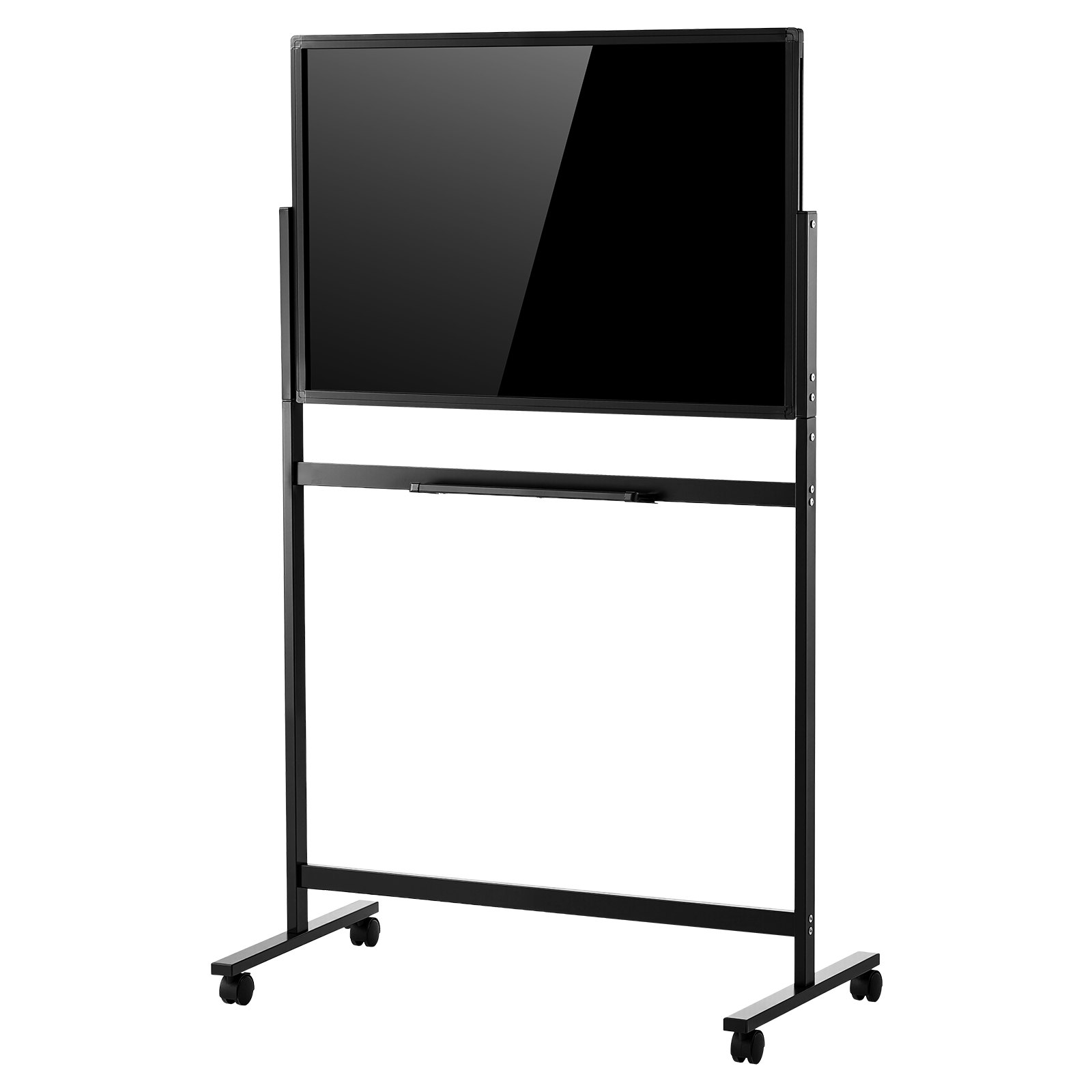

Photos from current listings. Actual item, color, and included accessories may vary.
Dry Erase Board With Stand Buying Guide
A dry erase board with stand is a freestanding presentation surface combining a rigid writing panel with a wheeled or fixed base for room-to-room mobility. The core trade-off is panel material versus stand stability: tempered glass and porcelain-on-steel resist ghosting and scratches for years, while standard melamine and acrylic haze and chip under daily use. The decision rule is simple: buy a magnetic glass or porcelain panel on a locking, wide-stance base for daily collaboration; accept melamine only for occasional light-duty notes where budget and weight matter most.
Key takeaways
- Panel material tiers: tempered glass (scratch-proof, low-ghost) > porcelain-on-steel (magnetic, lifetime surface) > melamine (economy, ghosts over time) > acrylic (lightest, scratches easily).
- Magnetic panels use ferromagnetic steel backing; non-magnetic glass and melamine boards cannot hold magnets, so planners and printed sheets need clips or adhesive.
- Stability scales with base stance width and wheel lock count — a 35 x 23 in board needs at least 24-28 in of stance spread and two locking casters to prevent tip-over.
At a glance
- Category
- Meeting & Presentation Equipment
- Last updated
- Nov 28, 2026
Current offers
Highlights
- Panel material tiers: tempered glass (scratch-proof, low-ghost) > porcelain-on-steel (magnetic, lifetime surface) > melamine (economy, ghosts over time) > acrylic (lightest, scratches easily).
- Magnetic panels use ferromagnetic steel backing; non-magnetic glass and melamine boards cannot hold magnets, so planners and printed sheets need clips or adhesive.
- Stability scales with base stance width and wheel lock count — a 35 x 23 in board needs at least 24-28 in of stance spread and two locking casters to prevent tip-over.
- Standard writing area of 35 x 23 in (roughly 890 x 585 mm) suits 1-2 presenters; boards under 30 in wide are personal note boards, not group presentation surfaces.
Best use cases
- Pick a 35 x 23 in magnetic glass board on locking casters for hybrid meeting rooms and classrooms that need daily wipe-down, magnet-held printouts, and rolling between spaces.
- Choose a porcelain-on-steel panel with a fixed or wheeled stand for high-traffic training rooms where markers and magnets are used all day and surface lifetime matters more than weight.
- Skip glass and large-format boards for occasional home to-do lists and kids' homework — a lightweight melamine board on a compact stand is cheaper and easier to move.
- Avoid any stand board for permanent wall-mounted whiteboard walls or ceiling-mounted projection surfaces; freestanding boards cannot match wall-fixed rigidity or edge-to-edge writing height.
Buying tips
- Sizing math: allow 6-8 sq ft of writing surface per active presenter; a 35 x 23 in board gives about 5.6 sq ft and fits 1-2 people, while 48 x 36 in supports small-group work.
- Prioritize tempered glass at 4 mm or thicker or porcelain-on-steel with a baked enamel finish; melamine under 0.5 in thickness flexes and delaminates on rolling stands.
- Insist on dual-wheel locking casters (at least two lockable) and a base with a lower crossbar or H-frame; single-pole or T-base stands wobble during writing.
- Match accessories to panel type: glass boards need glass-safe markers and a felt eraser; steel panels accept standard magnetic erasers and clip-on marker cups.
Specs
| Panel Material | Tempered glass / porcelain steel / melamine |
|---|---|
| Magnetic Surface | Magnetic steel-backed vs non-magnetic |
| Board Size | 35 x 23 in to 48 x 36 in (group vs solo) |
| Stand & Casters | Locking dual-wheel casters, wide H-base |
Related searches
What to check before buying
- Measure doorway and aisle width: a 35 x 23 in board on a stand typically spans 36-40 in overall, so confirm the stand fits through doors and around furniture.
- Check floor type and caster material: hard casters scratch wood and tile, while soft rubber or polyurethane wheels roll quietly and grip better on smooth floors.
- Confirm the panel is magnetic if you plan to hang charts, and verify the tray or marker cup holds at least two markers plus an eraser.
- Verify assembled height suits your presenters: writing surface top should sit near shoulder height for standing adults, and lower for seated or child users.
FAQ
Data sources: eBay / Amazon listings and product attribute feeds. Updated Nov 28, 2026.
Some links on this page are affiliate links. If you buy after clicking one, we may earn a commission at no extra cost to you. This does not change which products appear here or their order. Affiliate disclosure.