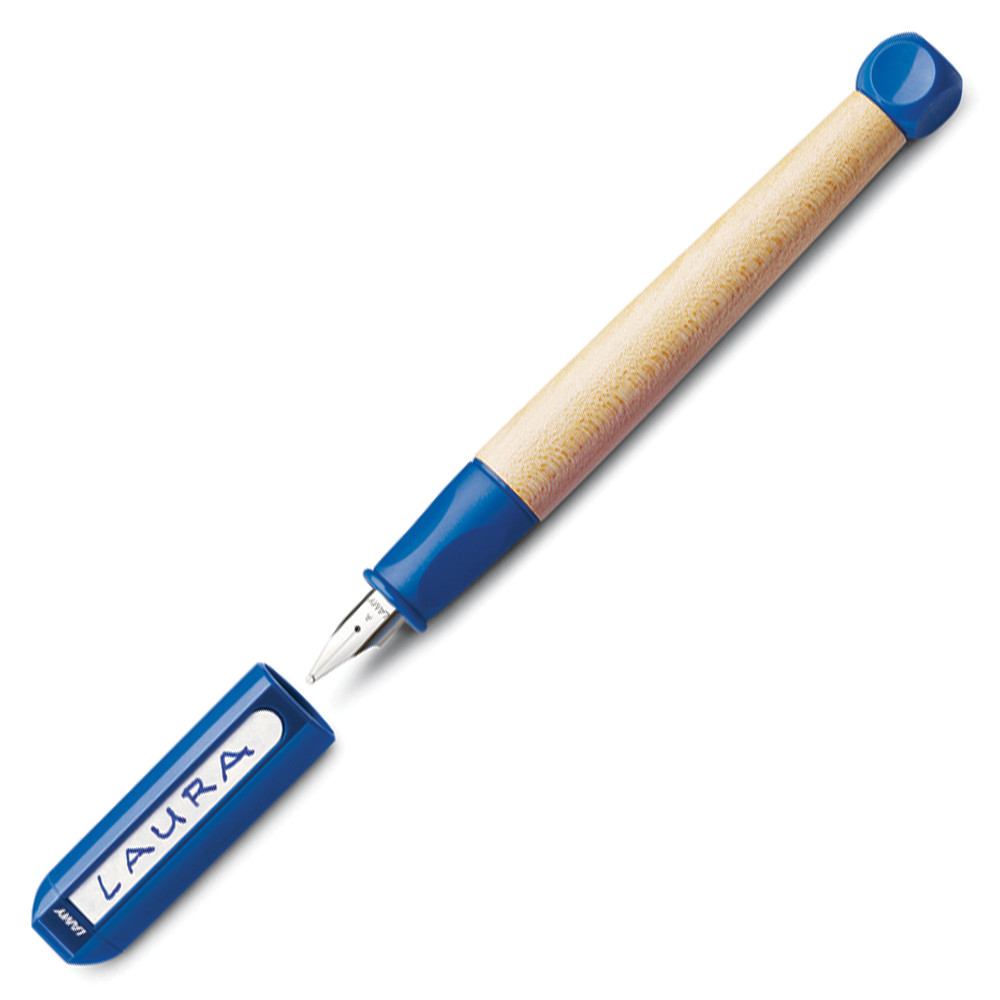

Photos from current listings. Actual item, color, and included accessories may vary.
Wooden Fountain Pen Buying Guide
Wooden fountain pens pair a metal or plastic inner barrel with an outer wood sleeve, so the wood grade and finish—not the nib alone—determine how the pen ages, feels, and resists cracking. The key trade-off is stabilized hardwood versus soft or thinly finished wood: dense, resin-stabilized species hold threads and resist moisture, while unstabilized softwoods dent and swell. Buy stabilized dense hardwood with a metal or ebonite inner sleeve; skip soft, oil-only, or sleeve-less wood bodies if you want a daily writer.
Key takeaways
- Stabilized wood (resin-impregnated) resists moisture and cracking far better than raw oil-finished wood, especially on cap threads and section joints.
- Dense species (ebony, rosewood, olivewood, desert ironwood) hold fine threads and resist denting; softwoods and spalted maple need a full CA or poly finish to survive daily carry.
- Wood sleeves are usually bonded over brass, aluminum, or ebonite inner tubes—metal inner construction prevents the barrel from splitting when the section is torqued.
At a glance
- Category
- Fountain Pens
- Last updated
- Nov 29, 2026
Current offers
Highlights
- Stabilized wood (resin-impregnated) resists moisture and cracking far better than raw oil-finished wood, especially on cap threads and section joints.
- Dense species (ebony, rosewood, olivewood, desert ironwood) hold fine threads and resist denting; softwoods and spalted maple need a full CA or poly finish to survive daily carry.
- Wood sleeves are usually bonded over brass, aluminum, or ebonite inner tubes—metal inner construction prevents the barrel from splitting when the section is torqued.
- Standard international cartridges and converters fit most wooden models; proprietary formats (Pilot, Platinum, Lamy) limit ink choice and require matching converters.
Best use cases
- Best fit: daily journaling or office writing—pick a stabilized dense hardwood over a metal or ebonite inner sleeve with a standard international converter for reliable ink access.
- Best fit: gift or display piece—choose a hand-turned exotic wood with a visible grain and a quality steel nib; accept that a display pen rarely needs the same crack resistance as a daily carry.
- Wrong fit: pocket or keychain carry—skip thick wooden barrels and soft oil-finished woods; choose a slim metal pen instead, since wood dents and swells with pocket moisture.
- Wrong fit: high-humidity or outdoor use—avoid unstabilized softwoods and oil-only finishes; specify stabilized hardwood with a sealed CA/poly finish and metal threads.
Buying tips
- Demand stabilized wood: resin-impregnated blanks resist swelling and thread wear; raw oil-rubbed softwoods are cosmetic-grade only and will deform with hand moisture.
- Match wood density to use: ebony, rosewood, olivewood, and ironwood for daily writers; spalted or burl maple only with a full CA glue finish and light use.
- Confirm the inner sleeve material—brass or aluminum tubes protect the wood from section torque; wood-only threads at the section are a common failure point.
- Check ink format: standard international cartridges/converters offer the widest ink choice; proprietary formats (Pilot, Platinum, Lamy) lock you into brand converters.
Specs
| Wood Grade | Stabilized hardwood vs raw softwood |
|---|---|
| Inner Sleeve | Brass/aluminum tube vs wood-only |
| Filling System | Std international vs proprietary |
| Finish Type | CA/poly sealed vs oil/wax |
Related searches
What to check before buying
- Measure your grip and hand size: wooden barrels typically run 12–15 mm at the section; thicker turned pens suit larger hands, slim profiles suit smaller hands.
- Confirm the filling system: converter-ready models accept bottled ink; cartridge-only wooden pens limit you to standard international or proprietary cartridges.
- Check cap posting: wood-on-wood posting wears the finish and can crack thin tenons; choose a metal thread or friction-fit metal cap if you post while writing.
- Verify wood finish type and climate fit: CA or poly sealed finishes tolerate humidity; oil/wax finishes need re-oiling and perform poorly in damp or dry climates.
FAQ
Data sources: eBay / Amazon listings and product attribute feeds. Updated Nov 29, 2026.
Some links on this page are affiliate links. If you buy after clicking one, we may earn a commission at no extra cost to you. This does not change which products appear here or their order. Affiliate disclosure.