
Photos from current listings. Actual item, color, and included accessories may vary.
Pilot Fountain Pen Buying Guide
Pilot fountain pens span a wide architecture range, from steel-nibbed entry models to 18K gold-nibbed Urushi lacquer flagship pens. The primary trade-off is nib material and feed design versus body construction—steel nibs suit daily note-taking, while gold nibs and ebonite feeds deliver flex and ink-flow consistency for expressive writing. The decision rule: buy a steel-nib Pilot for durability and low maintenance, or step to a 14K/18K gold nib only when you need line variation and are prepared for higher care and cost.
Median $77.85
Key takeaways
- Nib tiers are decisive: steel (78G, Love II), 14K gold (Custom 823), and 18K gold (Custom 845) change flex, feedback, and longevity under pressure.
- Filling systems differ by model: cartridge/converter on 78G and Love II, vacuum-filler on Custom 823, and cartridge/converter on Custom 845—vacuum fillers hold more ink but need more maintenance.
- Feed material matters: Custom 845 uses an ebonite feed for consistent ink flow with flex, while entry models use plastic feeds suited to steady, low-variation writing.
At a glance
- Category
- Fountain Pens
- Last updated
- Nov 24, 2026
Current offers
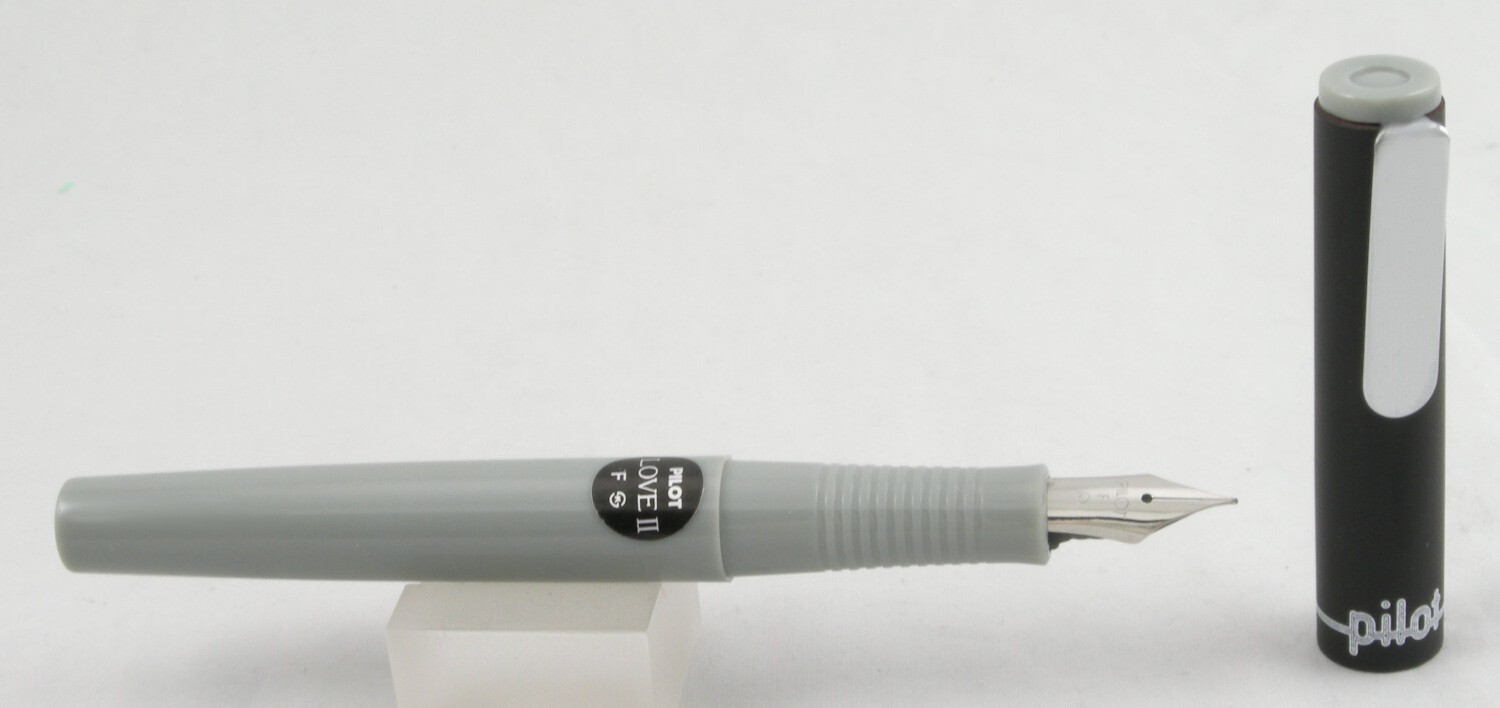 Pilot Love II Grey & Black Fountain Pen - Fine Nib - 1970s -New-Old-Stock In Box$20.00View on eBay
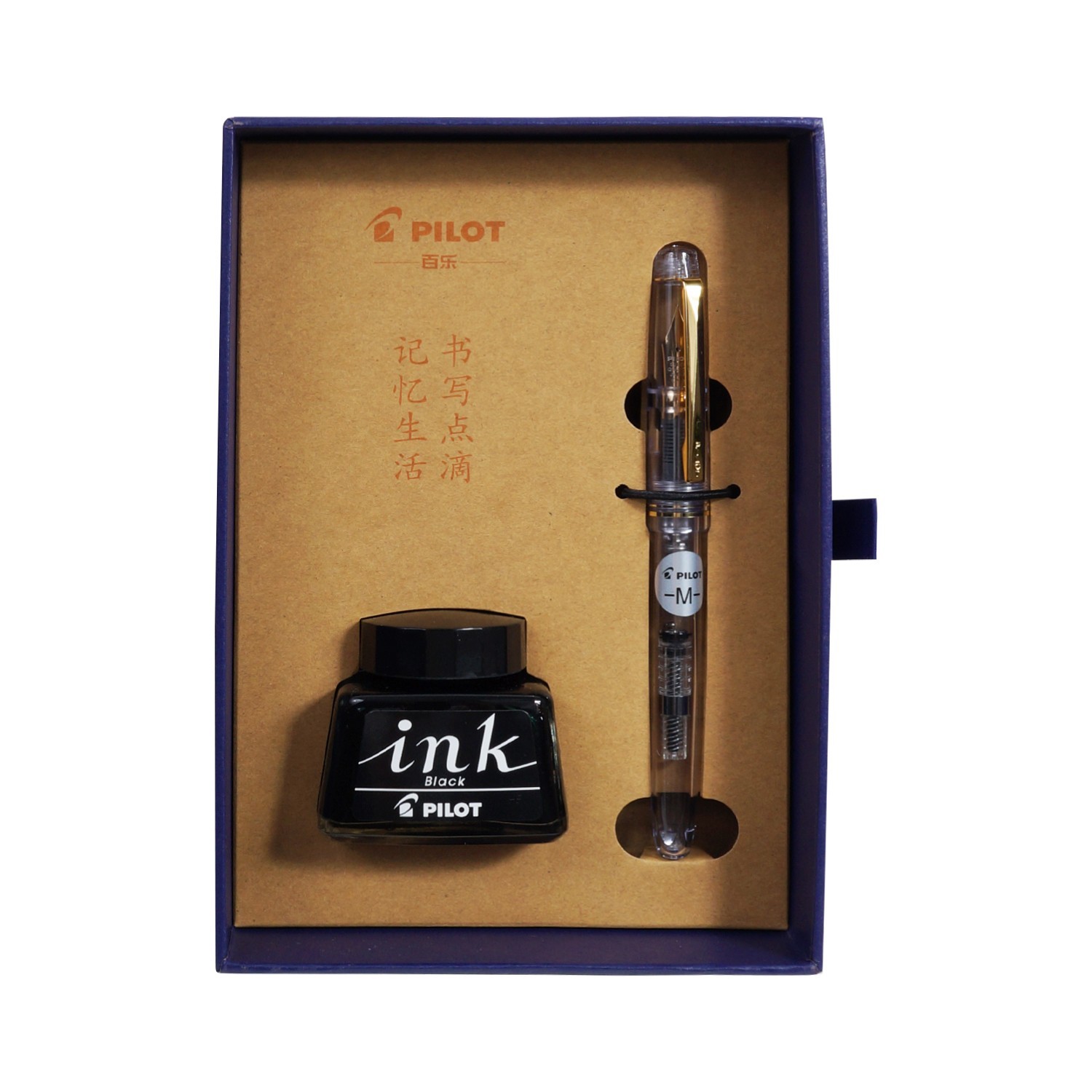 Pilot 78G Transparent Fountain Pen Black Ink Gift Set$22.00View on eBay
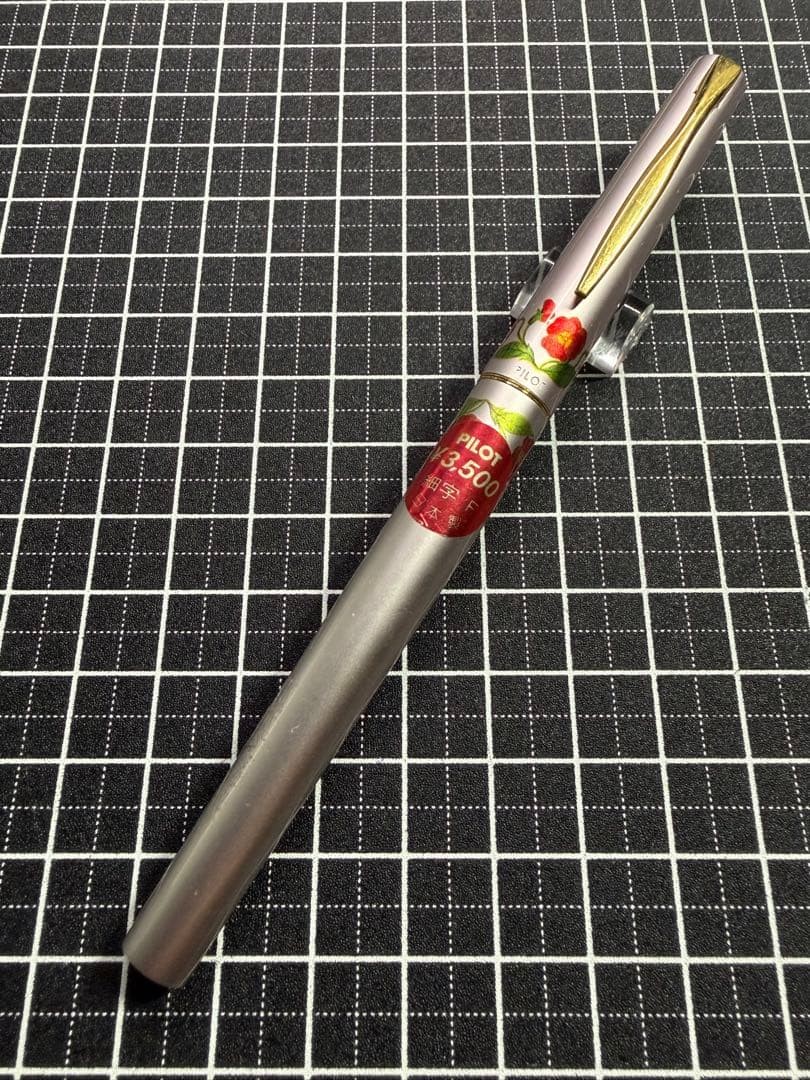 PILOT floral pattern fountain pen character width F$77.85View on eBay
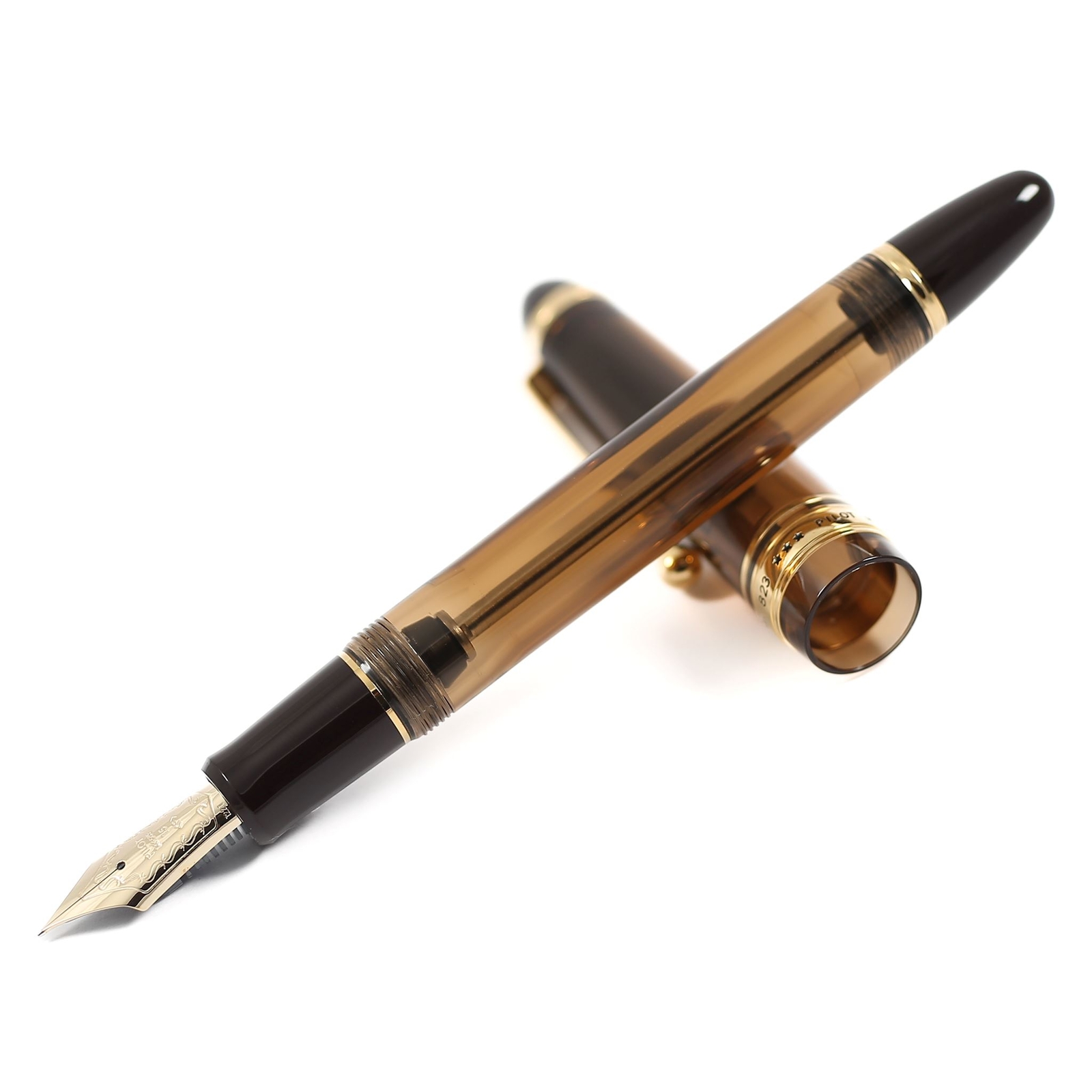 Pilot Custom 823 Amber Fountain Pen 14K nib$349.90Last checked Nov 18, 2026View on eBay
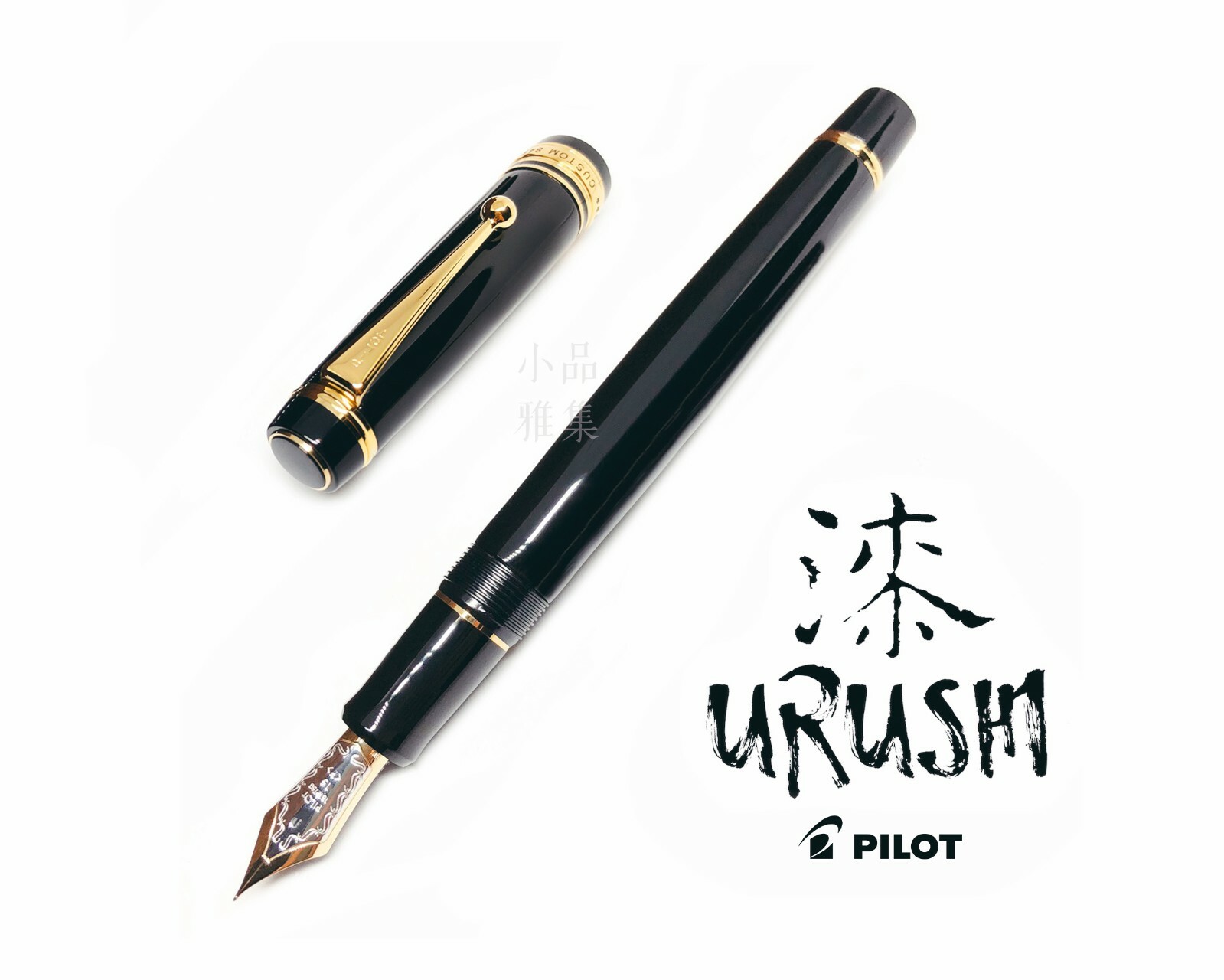 Pilot Custom 845 Ebonite Urushi No.15 18K Fountain Pen *Red / Black/ Deep Blue*$579.00Last checked Nov 18, 2026View on eBay
Highlights
- Nib tiers are decisive: steel (78G, Love II), 14K gold (Custom 823), and 18K gold (Custom 845) change flex, feedback, and longevity under pressure.
- Filling systems differ by model: cartridge/converter on 78G and Love II, vacuum-filler on Custom 823, and cartridge/converter on Custom 845—vacuum fillers hold more ink but need more maintenance.
- Feed material matters: Custom 845 uses an ebonite feed for consistent ink flow with flex, while entry models use plastic feeds suited to steady, low-variation writing.
- Body materials scale with tier: resin on 78G and Custom 823, ebonite with Urushi lacquer on Custom 845—lacquer adds weight, warmth, and scratch sensitivity.
Best use cases
- Daily note-taking and schoolwork: pick a steel-nib Pilot 78G or Love II with a fine nib and cartridge/converter filling—skip gold-nib models that demand more care.
- Long writing sessions and ink capacity priority: choose the Custom 823 vacuum filler for its larger ink reserve and 14K nib—avoid if you dislike cleaning complex filling mechanisms.
- Expressive writing and line variation: step to the Custom 845 with 18K nib and ebonite feed—skip if you need a knock-around pen, since Urushi lacquer scratches and chips.
- Gift or collector purchase: the Custom 845 Urushi represents the flagship tier; for a first Pilot, the 78G transparent set offers the lowest-risk entry.
Buying tips
- Match nib grade to hand pressure: steel nibs tolerate heavier pressure; 14K/18K gold nibs are softer and reward light-handed writing—fine (F) suits small handwriting, medium (M) suits signatures.
- Size the pen to your grip: the 78G and Love II are compact and light; the Custom 823 and 845 are full-length and heavier—check posted and unposted lengths against your hand span.
- Confirm filling compatibility: Pilot cartridge/converter models accept Pilot proprietary cartridges and converters; the Custom 823 uses a built-in vacuum filler and does not take standard cartridges.
- Inspect nib width markings: Japanese nibs run finer than Western equivalents—a Pilot F writes closer to a Western EF, so size up if you prefer broader lines.
Specs
| Nib Material | Steel / 14K gold / 18K gold |
|---|---|
| Filling System | Cartridge-converter / Vacuum filler |
| Body Material | Resin / Ebonite + Urushi lacquer |
| Nib Width (Japanese) | EF / F / M / B (finer than Western) |
Related searches
What to check before buying
- Measure your hand span and preferred grip section diameter; compact models like the 78G suit smaller hands, while Custom 823/845 suit larger hands.
- Decide ink workflow: cartridge/converter for quick swaps and travel, vacuum filler for high volume but dedicated cleaning.
- Check storage environment: Urushi lacquer needs protection from prolonged sunlight and abrasion; resin models are more tolerant of daily carry.
- Confirm you have the correct Pilot proprietary converter or cartridges on hand before first fill—standard international converters will not fit.
FAQ
Data sources: eBay / Amazon listings and product attribute feeds. Updated Nov 24, 2026.
Some links on this page are affiliate links. If you buy after clicking one, we may earn a commission at no extra cost to you. This does not change which products appear here or their order. Affiliate disclosure.