
Photos from current listings. Actual item, color, and included accessories may vary.
Red Fountain Pen Buying Guide
Red fountain pens span from molded acrylic starter pens to hand-lacquered ebonite Urushi pieces, so the real decision is nib architecture and body material, not color. The decisive split: resin/acrylic bodies with steel nibs for daily writing, versus ebonite or turned-acrylic bodies with gold or long-knife nibs for flex, line variation, and heirloom durability. Buy the nib tier and filling system you will actually maintain; the red finish is the last filter, not the first.
Median $32.49
Key takeaways
- Nib material defines feel and longevity: steel nibs resist wear and suit fast note-taking, while 14K–18K gold nibs (Pilot No.15 18K) add spring and line variation at higher cost.
- Body material tiers: injection-molded acrylic and turned acrylic resist staining and cracking; ebonite with Urushi lacquer (Pilot Custom 845) adds hand-lacquer durability but needs humidity-aware care.
- Filling systems differ fundamentally: cartridge/converter pens are the easiest to flush and travel with; piston and vacuum fillers hold more ink but demand dedicated cleaning routines.
At a glance
- Category
- Fountain Pens
- Last updated
- Nov 24, 2026
Current offers
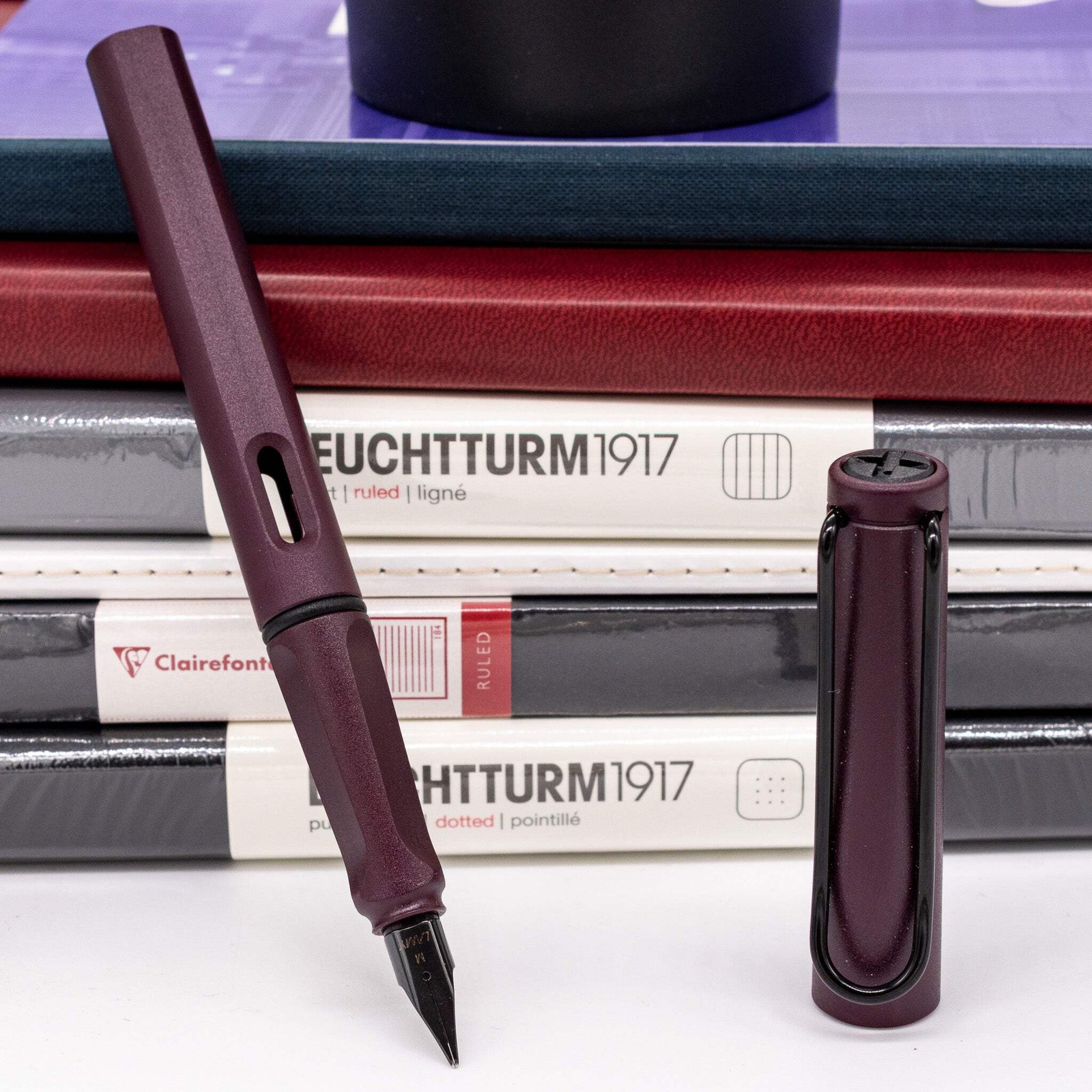 LAMY Safari Fountain Pen - Scarlet$29.60View on eBay
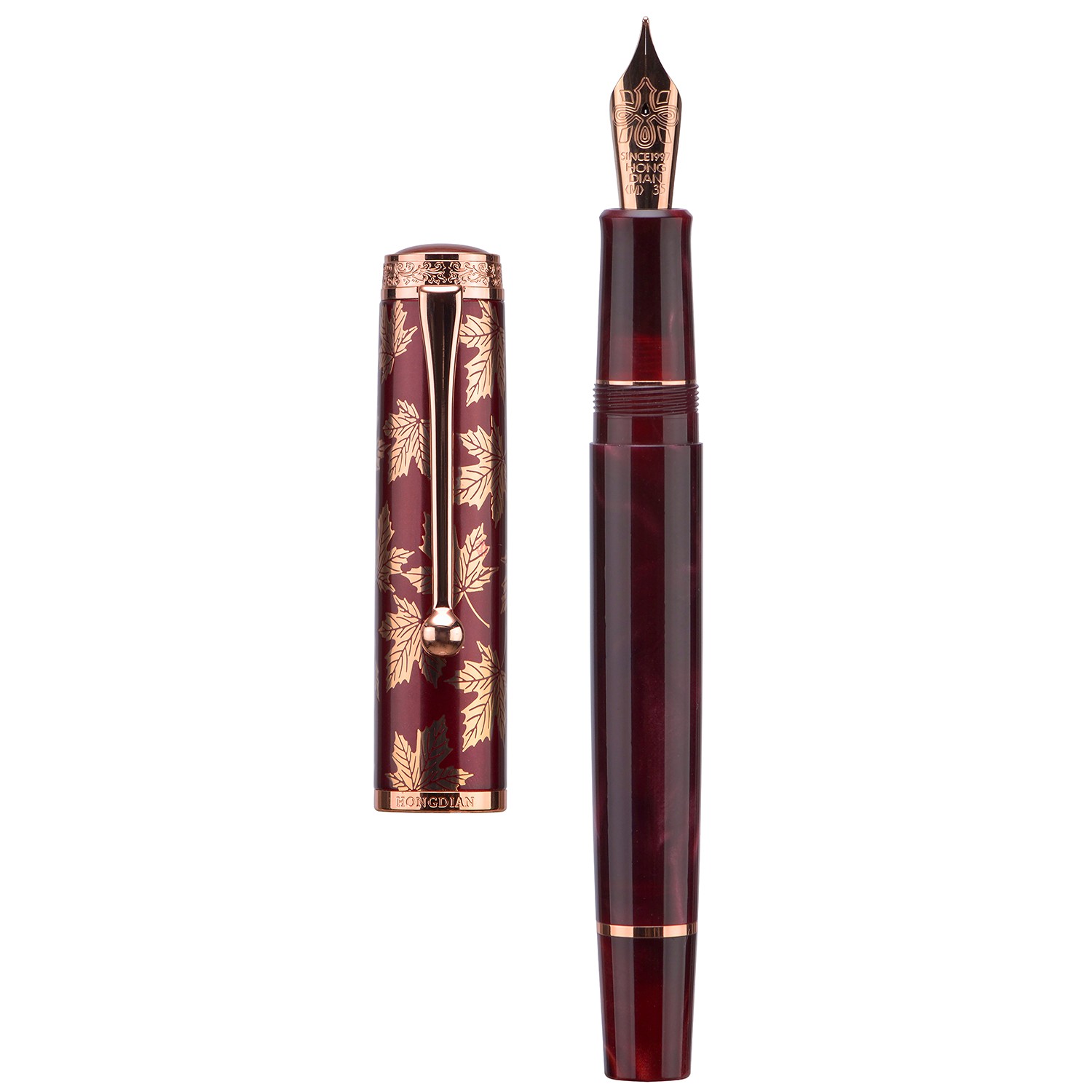 Hongdian N8S Acrylic Fountain Pen EF/F/M//Nib Writing Pen, Gray, Green, Red$29.98View on eBay
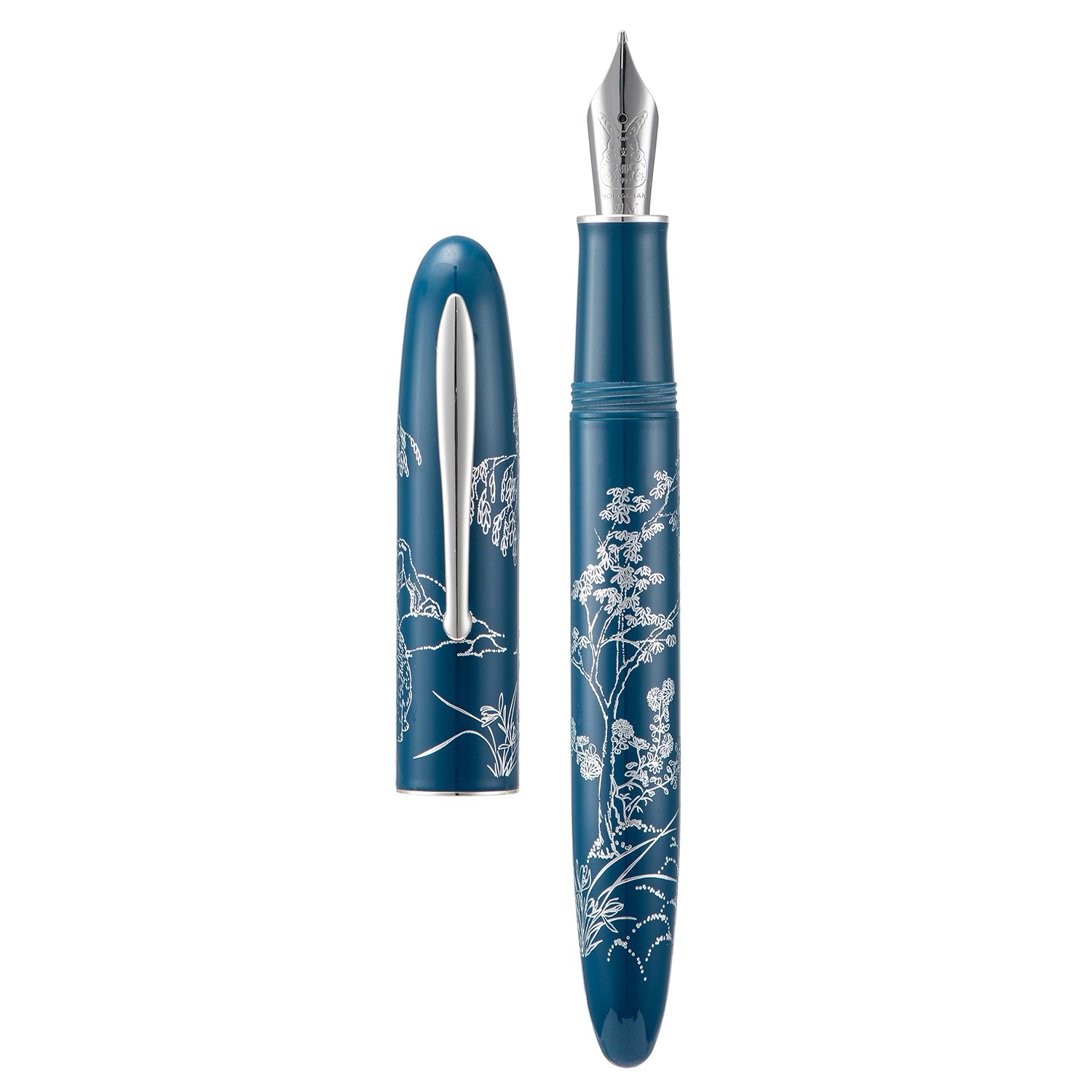 Hongdian N23 Fountain Pen EF/Long Knife Nib, Red Rabbit Year Limited Carving Pen$32.49View on eBay
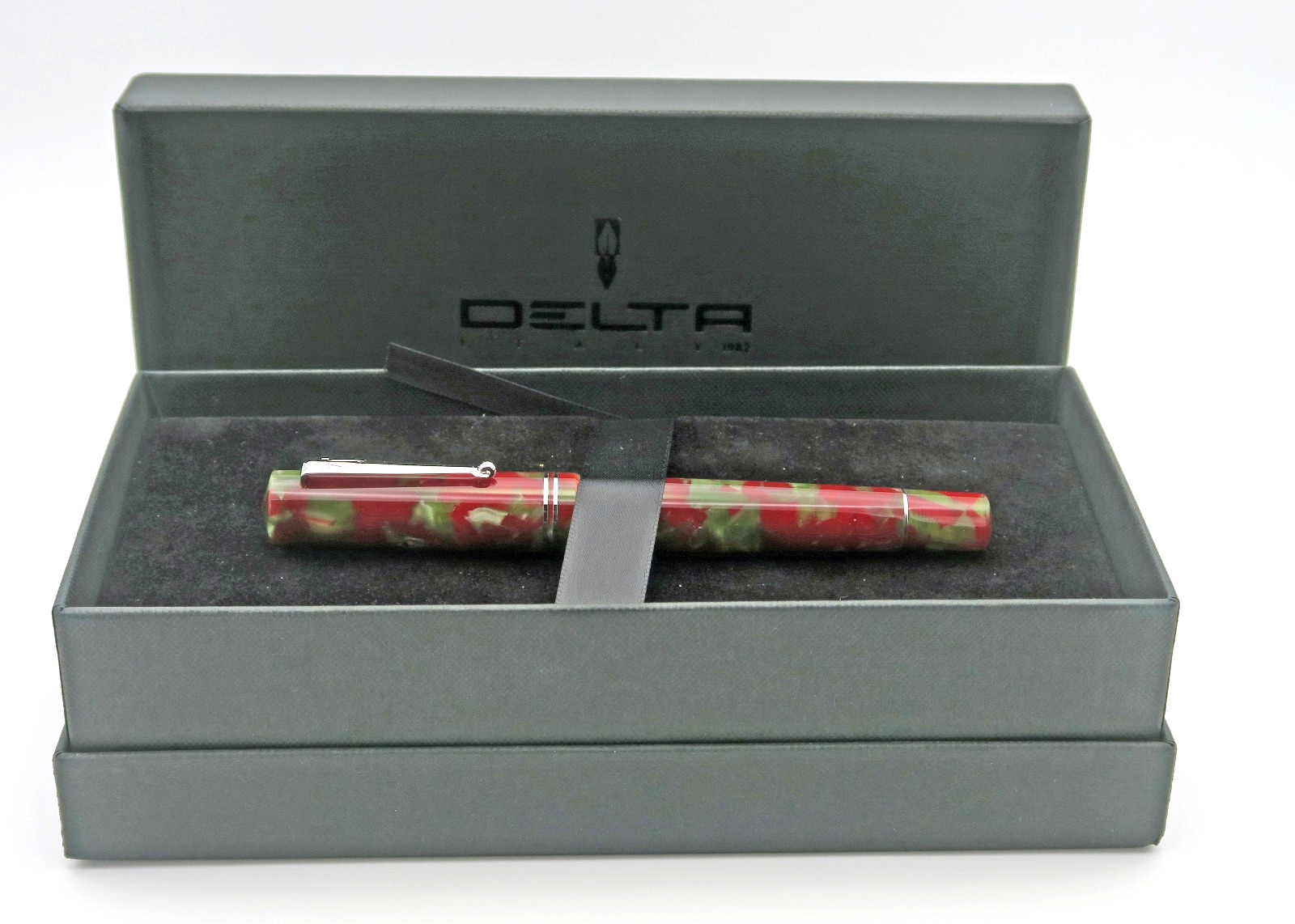 Delta Journal Fountain Pen Red - New in Box$145.00View on eBay
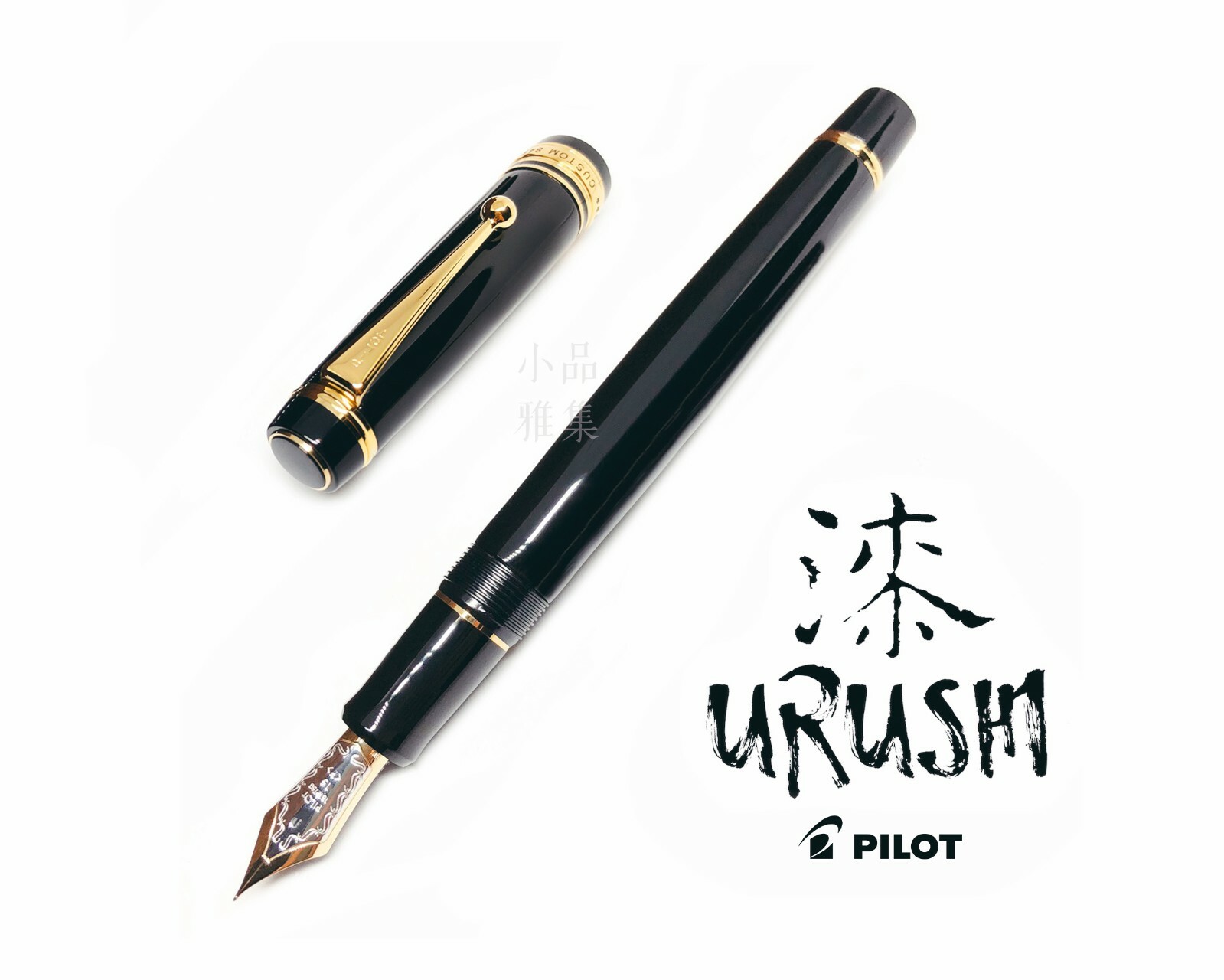 Pilot Custom 845 Ebonite Urushi No.15 18K Fountain Pen *Red / Black/ Deep Blue*$579.00Last checked Nov 18, 2026View on eBay
Highlights
- Nib material defines feel and longevity: steel nibs resist wear and suit fast note-taking, while 14K–18K gold nibs (Pilot No.15 18K) add spring and line variation at higher cost.
- Body material tiers: injection-molded acrylic and turned acrylic resist staining and cracking; ebonite with Urushi lacquer (Pilot Custom 845) adds hand-lacquer durability but needs humidity-aware care.
- Filling systems differ fundamentally: cartridge/converter pens are the easiest to flush and travel with; piston and vacuum fillers hold more ink but demand dedicated cleaning routines.
- Nib grinds are the real performance variable: EF/F/M round nibs suit general writing, while long-knife and specialty grinds (Hongdian N23) deliver bold stroke contrast for lettering and signatures.
Best use cases
- Daily journaling and note-taking: pick a red acrylic pen with a steel EF or F nib and cartridge/converter filling; skip gold or long-knife nibs that slow fast handwriting.
- Signature, lettering, and calligraphy: choose a long-knife or broad-stub grind on a turned-acrylic or ebonite body; skip standard EF nibs that erase stroke contrast.
- Collector and gift purchase: select a hand-lacquered ebonite Urushi pen with an 18K gold nib; skip molded-plastic limited editions that lack lacquer depth and nib prestige.
Buying tips
- Match nib width to paper: EF/F for 5mm grid and cheap copy paper, M/B for 7mm ruled and premium paper; a wet M nib feathers on low-GSM stock.
- Check cap threading and body material before committing: ebonite cracks if overtightened, so choose pens with metal thread inserts or slip caps for daily carry.
- Converter compatibility is brand-specific: buy the maker's own converter or standard international cartridges; third-party converters can leak at the nipple.
- For red finishes, prefer turned acrylic or Urushi lacquer over painted metal; paint chips at the cap lip and section threads, while dyed resin holds color through the wall.
Specs
| Nib Material | Steel / 14K–18K gold |
|---|---|
| Body Material | Acrylic / ebonite / Urushi lacquer |
| Filling System | Cartridge-converter / piston / vacuum |
| Nib Grind | EF/F/M/B / long-knife / stub |
Related searches
What to check before buying
- Measure your writing hand and grip: long-knife and broad nibs need a relaxed tripod grip and larger handwriting; EF suits small, tight script.
- Confirm paper GSM and ruling: below 80 GSM, choose EF/F and dry inks; 100 GSM+ supports M/B and wet inks without bleed.
- Verify ink capacity needs: cartridge/converter for occasional use, piston or vacuum for high-volume daily writing without refills.
- Check climate and storage: Urushi and ebonite need stable humidity and away-from-sun storage; acrylic tolerates car and bag temperatures better.
FAQ
Data sources: eBay / Amazon listings and product attribute feeds. Updated Nov 24, 2026.
Some links on this page are affiliate links. If you buy after clicking one, we may earn a commission at no extra cost to you. This does not change which products appear here or their order. Affiliate disclosure.