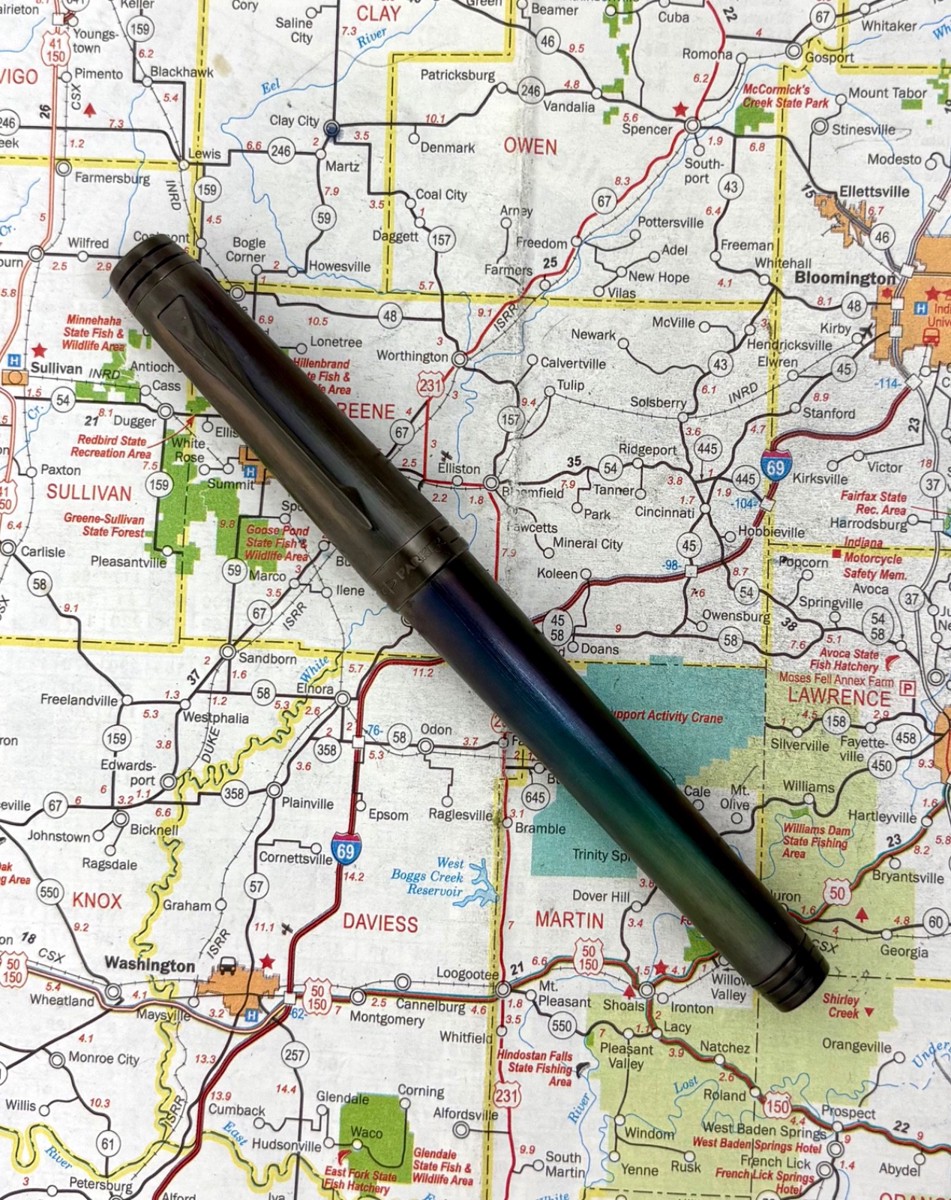

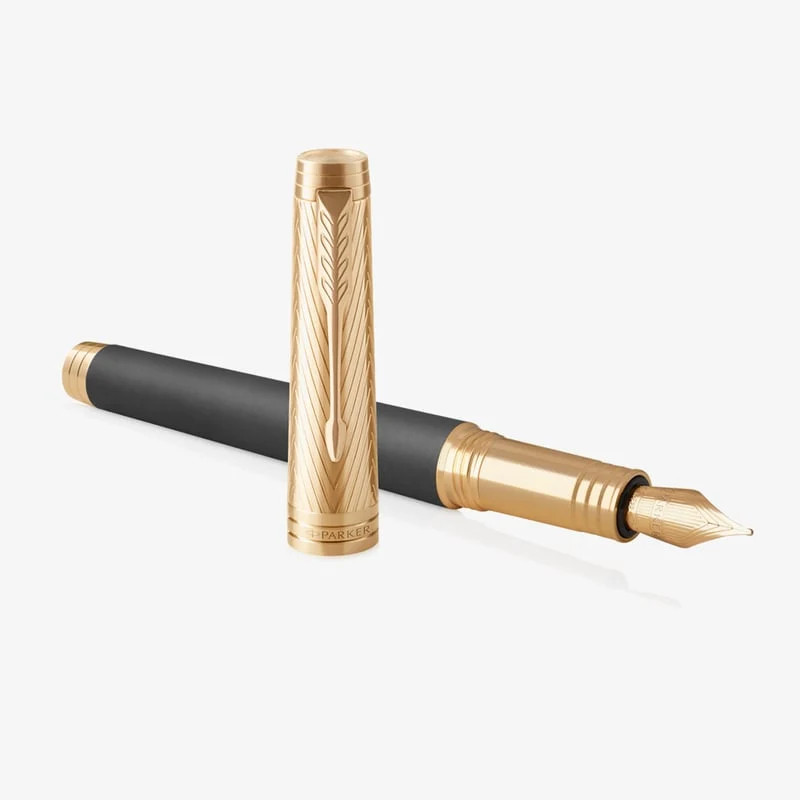
Photos from current listings. Actual item, color, and included accessories may vary.
Parker 45 Fountain Pen Buying Guide
The Parker 45 is a vintage cartridge/converter fountain pen line (1960–2007) prized for its durable stainless-steel nib, easy nib/feed swapping, and reliable plastic or metal bodies. Buyers face a core trade-off between original 1960s–70s examples (thinner barrels, metal tassie, often fine/medium gold or steel nibs) and later 1990s–2000s versions (thicker, more plastic, often smoother steel nibs), plus the need to confirm the converter/cartridge standard. The clear rule: buy a complete pen with a correct Parker converter or standard Parker cartridge, inspect the nib for tine alignment and tipping wear, and skip any example with a cracked section, missing clutch ring, or corroded internal spring.
Median $370.48 · New listings
Key takeaways
- Nib architecture: original 1960s–80s pens use interchangeable screw-in steel or 14k gold nib/feed units; later models lock in a sleeved steel nib that is harder to swap.
- Filling system: all Parker 45 models accept Parker proprietary cartridges and the classic squeezer or modern piston converter; no international standard cartridges fit.
- Body generations: first-generation (1960s) barrels are slimmer with a metal tassie ring; 1990s+ examples use a thicker plastic barrel and simplified trim.
At a glance
- Category
- Fountain Pens
- Last updated
- Nov 29, 2026
Current offers
Highlights
- Nib architecture: original 1960s–80s pens use interchangeable screw-in steel or 14k gold nib/feed units; later models lock in a sleeved steel nib that is harder to swap.
- Filling system: all Parker 45 models accept Parker proprietary cartridges and the classic squeezer or modern piston converter; no international standard cartridges fit.
- Body generations: first-generation (1960s) barrels are slimmer with a metal tassie ring; 1990s+ examples use a thicker plastic barrel and simplified trim.
- Cap clutch: a sprung metal clutch ring inside the cap secures the pen; a worn or missing clutch causes loose capping and ink dry-out.
Best use cases
- Daily note-taking on absorbent paper: pick a 1970s–80s steel fine or medium nib with a piston converter; skip 14k gold nibs unless you prefer a softer, wetter line.
- Vintage collection display: choose a first-generation 1960s pen with metal tassie and original box; skip later plastic-barrel models that lack collector-grade trim.
- First vintage fountain pen: buy a complete 1990s–2000s Parker 45 with converter included; skip untested 1960s examples with unknown nib condition.
- Left-handed writers: select a medium or broad steel nib with a wet ink; skip extra-fine gold nibs that feel scratchy at a left-handed push angle.
Buying tips
- Confirm the nib unit is the correct screw-in type for the generation; later sleeved nibs cannot be swapped into early sections without the matching feed.
- Check the section for hairline cracks near the nib collar and the barrel threads; cracked sections leak ink onto the grip and cannot be reliably repaired.
- Verify the converter is a genuine Parker piston or squeezer converter; a loose aftermarket converter causes air locks and hard starts.
- Measure the cap clutch engagement: a cap that spins freely or wobbles indicates a worn clutch ring, which leads to nib dry-out and ink evaporation.
Specs
| Nib Material | Steel or 14k gold (generation-dependent) |
|---|---|
| Filling System | Parker proprietary cartridge/converter |
| Body Material | Plastic barrel, metal or plastic trim |
| Generation | 1960s slim vs 1990s+ thick barrel |
Related searches
What to check before buying
- Pen length capped should be about 5.3–5.5 inches (135–140 mm); confirm the barrel and cap threads engage smoothly without cross-threading.
- Inspect the nib tipping under magnification for flat spots or a gap between tines; misaligned tines cause scratchy writing and ink skipping.
- Confirm the filling system accepts a Parker converter or cartridge; no international standard converter will seal in the section.
- Check the cap interior for the metal clutch ring and a clean inner cap; missing or corroded clutch parts mean the cap will not stay posted.
FAQ
Data sources: eBay / Amazon listings and product attribute feeds. Updated Nov 29, 2026.
Some links on this page are affiliate links. If you buy after clicking one, we may earn a commission at no extra cost to you. This does not change which products appear here or their order. Affiliate disclosure.