
Photos from current listings. Actual item, color, and included accessories may vary.
Nib Pen And Ink Buying Guide
A fountain pen is a refillable writing instrument that delivers ink through a metal nib via capillary action, and the core trade-off is nib/feed precision and barrel sealing versus low-cost molded construction. Durable pens use solid metal or dense resin barrels, stainless-steel or gold-alloy nibs with properly heat-set feeds, and secure converters; compromises show up as scratchy untipped nibs, loose cap seals, and leak-prone piston mechanisms. The decision rule: buy a pen whose nib grade and fill system match your writing pressure and ink choice, and skip any model that cannot accept standard international cartridges or a converter.
Median $460.00 · Pre-owned listings
Key takeaways
- Nib material matters: stainless steel resists corrosion and suits daily use, while 14k/18k gold alloys flex slightly and cost far more; untipped steel nibs wear flat quickly.
- Fill systems differ by architecture: cartridge/converter pens are easiest to clean, piston-fillers hold more ink but need silicone grease on the seal, and flex nibs demand a wet ebonite feed.
- Nib widths follow a sizing ladder: extra-fine (EF) suits small handwriting and cheap paper, fine (F) is the general-purpose default, medium (M) writes wetter and smoother, and broad/stub grades lay down heavy lines for signatures.
At a glance
- Category
- Fountain Pens
- Last updated
- Nov 29, 2026
Current offers
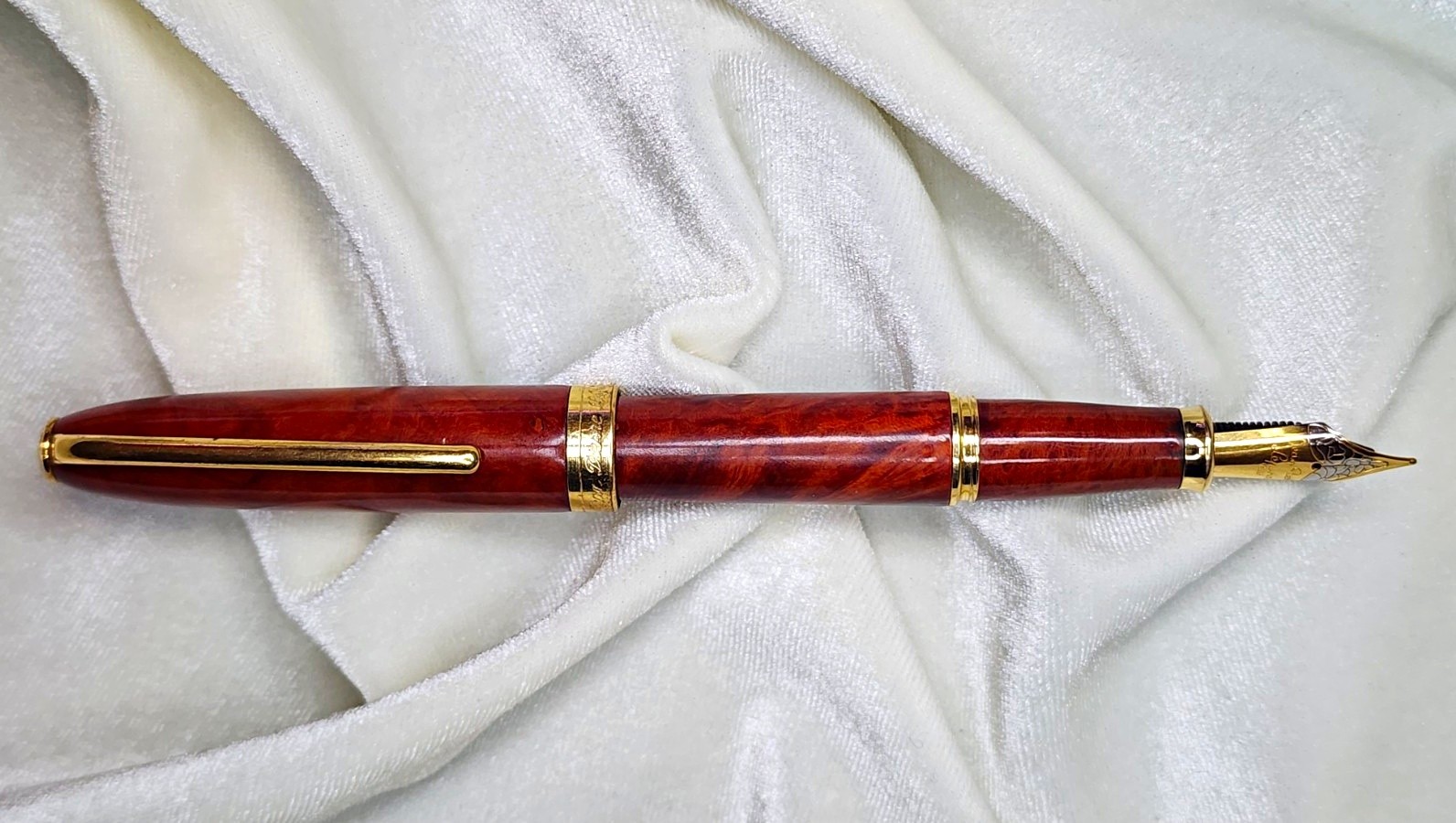 Jean Pierre Lépine Wood Fountain Pen Gold Trim Gold Nib Multicolor Ink$290.00Used · Last checked Nov 28, 2026View on eBay
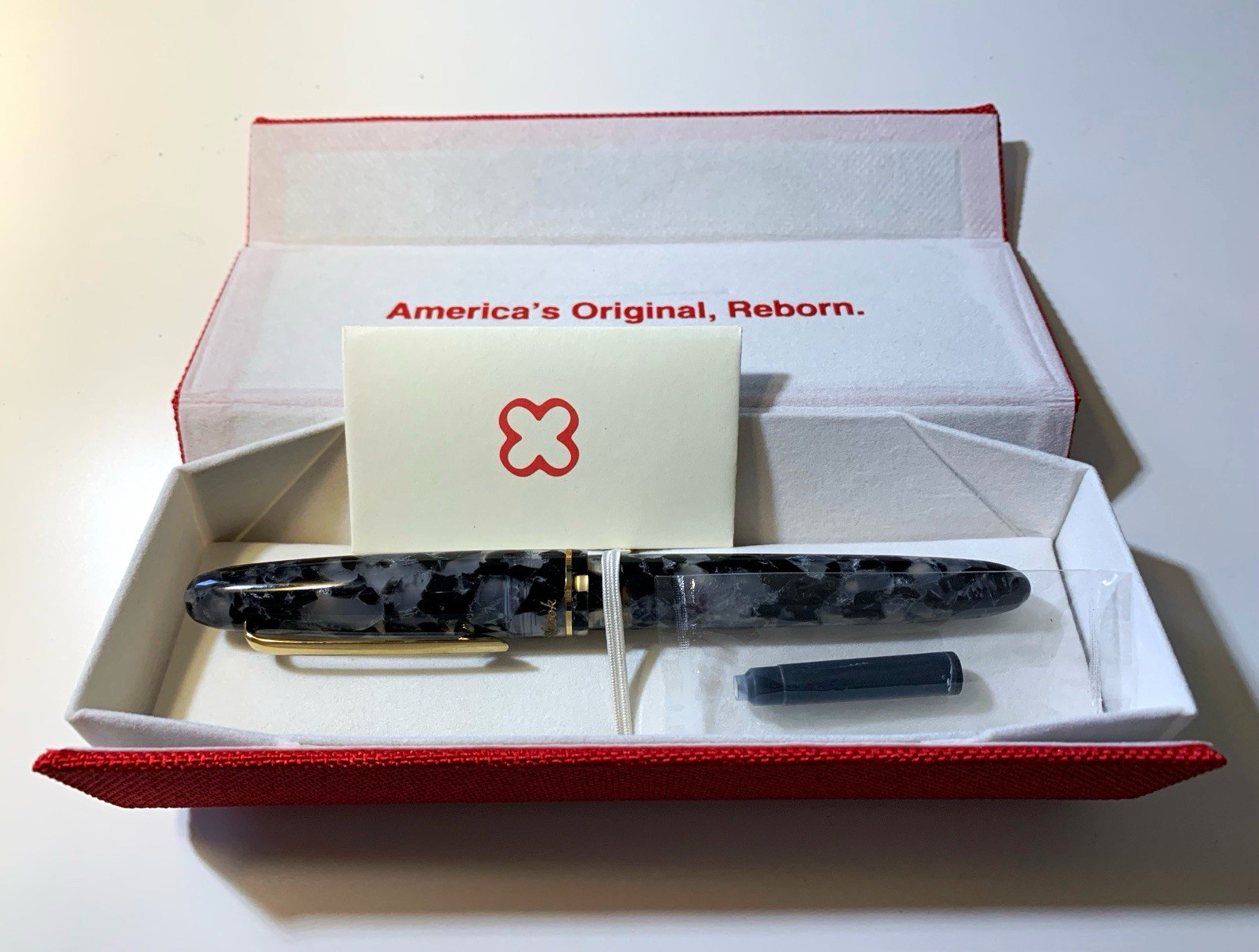 Esterbrook Estie Noir Resin Fountain Pen Gold Trim Gold Nib Black Ink w/ Box$460.00Used · Last checked Nov 23, 2026View on eBay
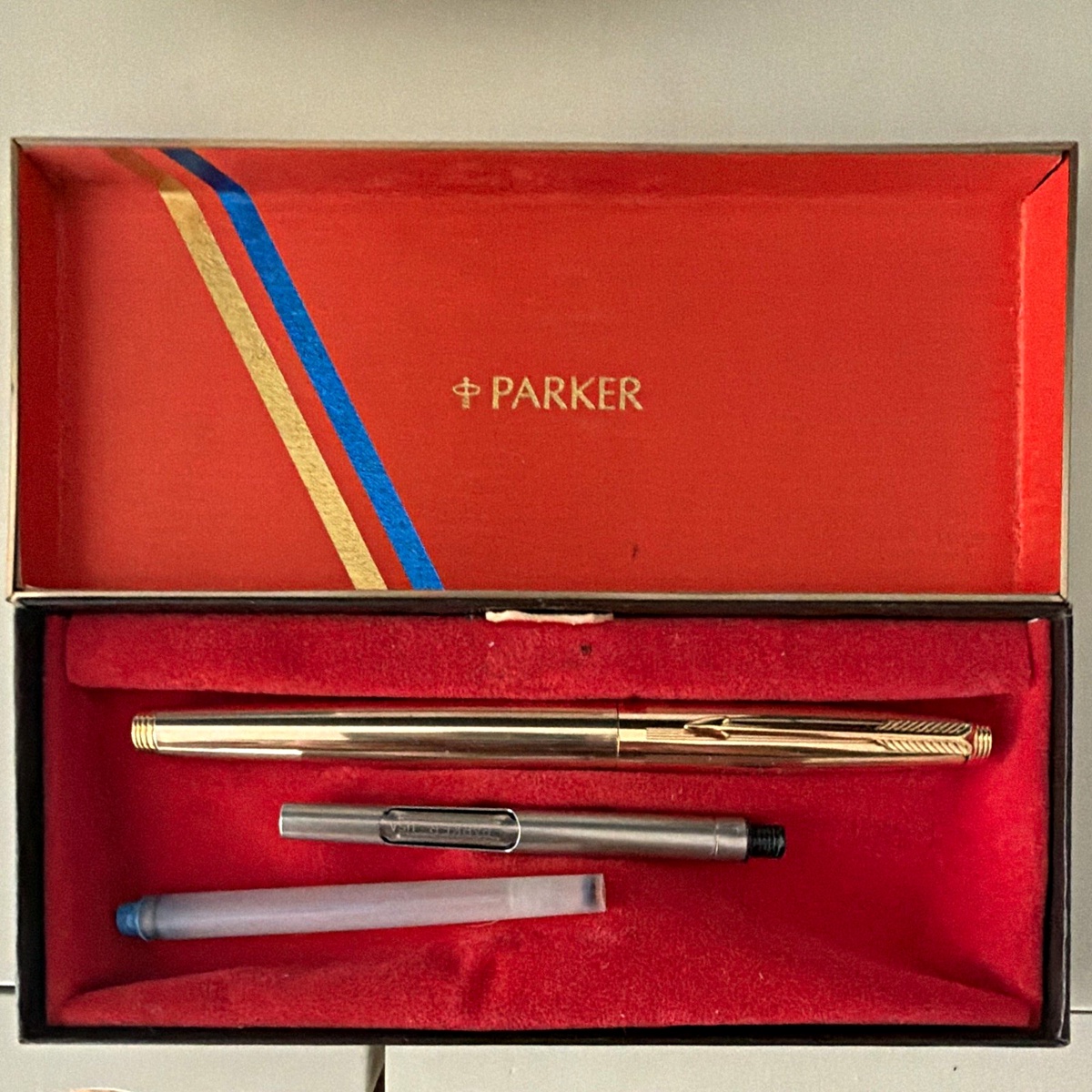 Parker Metal Fountain Pen Gold Trim Gold Nib Black Ink w/ Box$500.00Used · Last checked Nov 28, 2026View on eBay
Highlights
- Nib material matters: stainless steel resists corrosion and suits daily use, while 14k/18k gold alloys flex slightly and cost far more; untipped steel nibs wear flat quickly.
- Fill systems differ by architecture: cartridge/converter pens are easiest to clean, piston-fillers hold more ink but need silicone grease on the seal, and flex nibs demand a wet ebonite feed.
- Nib widths follow a sizing ladder: extra-fine (EF) suits small handwriting and cheap paper, fine (F) is the general-purpose default, medium (M) writes wetter and smoother, and broad/stub grades lay down heavy lines for signatures.
- Cap sealing determines ink dry-out: slip caps with inner liners and screw caps with O-rings keep nibs wet for weeks, while loose snap caps let ink evaporate within days.
Best use cases
- Best fit for students and note-takers: a fine or extra-fine stainless nib with cartridge/converter fill and a secure snap cap; skip flex nibs and piston-fillers that slow down quick refills.
- Best fit for journaling and letter writing: a medium or broad steel nib with a converter and a resin or metal barrel for comfortable long sessions; skip untipped budget nibs that scratch on textured paper.
- Best fit for calligraphy and line variation: a flex or stub nib paired with a wet ebonite feed and a piston or eyedropper fill; skip standard rigid fine nibs that cannot flex.
- Wrong fit for pocket carry: any pen without a screw cap or clip will leak or uncap in a bag; choose a metal-barrel compact pen with a threaded cap instead.
Buying tips
- Match nib grade to handwriting size: EF for 5mm grid or smaller, F for 6-7mm ruling, M for 8mm and above, and stub 1.1mm for bold italic practice.
- Confirm fill compatibility before buying: standard international cartridges and converters fit most pens, but proprietary systems (Pilot, Lamy, Platinum) require brand-specific parts.
- Check barrel material grade: solid brass or aluminum barrels resist cracking, while thin ABS plastic barrels strip cap threads after repeated use.
- For flex writing, choose a nib explicitly rated for flex and a feed with deep ink channels; a rigid fine nib forced to flex will spring and write dry.
Specs
| Nib Material | Stainless steel vs 14k/18k gold |
|---|---|
| Nib Grade | EF / F / M / B / stub / flex |
| Fill System | Cartridge-converter / piston / eyedropper |
| Barrel Material | Resin, brass, aluminum, ABS plastic |
Related searches
What to check before buying
- Measure your preferred line width against the nib grade chart: EF/F/M/B corresponds roughly to 0.3/0.5/0.7/1.0 mm line widths on paper.
- Verify the pen accepts the cartridge or converter type you already own, or budget for the correct proprietary converter at purchase.
- Check cap type and sealing: screw caps with inner caps seal best for infrequent use, snap caps suit daily quick access.
- Confirm paper compatibility: absorbent paper feathers with wet M/B nibs, so pair fine nibs with cheap paper and save broad nibs for sized or coated stock.
FAQ
Data sources: eBay / Amazon listings and product attribute feeds. Updated Nov 29, 2026.
Some links on this page are affiliate links. If you buy after clicking one, we may earn a commission at no extra cost to you. This does not change which products appear here or their order. Affiliate disclosure.