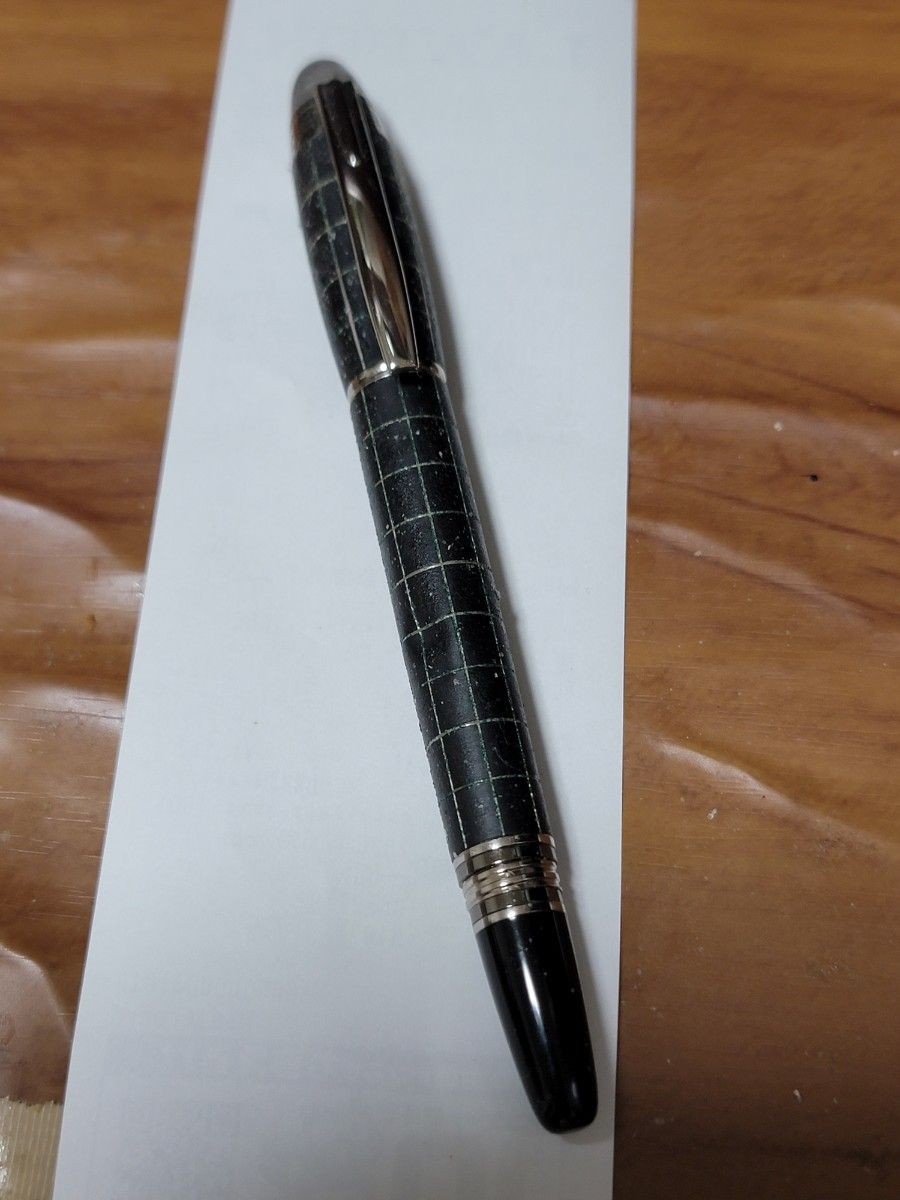

Photos from current listings. Actual item, color, and included accessories may vary.
High End Fountain Pen Buying Guide
High-end fountain pens are precision writing instruments defined by gold or platinum nibs, hand-finished resin, celluloid, or ebonite bodies, and filling mechanisms built to last decades. The core trade-off is nib metallurgy and feed design versus body material and filling system — a $ premium buys a hand-tuned 14k/18k nib and a piston or vacuum filler, not just brand prestige. The decision rule: any pen above the entry-luxury threshold must have a solid gold nib (not gold-plated steel), an ebonite or high-grade resin feed, and a serviceable filling mechanism; steel-nib pens with decorative metal bodies are compromises regardless of price.
Key takeaways
- Nib material separates tiers: 14k/18k gold nibs flex and resist corrosion far better than gold-plated steel, while 18k is softer and wetter than 14k for most writers.
- Filling architecture matters more than ink capacity: piston fillers (Pelikan M800/M1000, Montblanc 149) hold 1.2–1.5 ml and are self-serviceable; vacuum fillers (Pilot Custom 823) hold ~1.5 ml but require a specialist for diaphragm replacement.
- Body materials rank by durability and weight: celluloid and ebonite are warm and light but can stain or oxidize; precious resin (Montblanc) and acrylic are stable; metal bodies add heft but shift balance rearward.
At a glance
- Category
- Fountain Pens
- Last updated
- Nov 29, 2026
Current offers
Highlights
- Nib material separates tiers: 14k/18k gold nibs flex and resist corrosion far better than gold-plated steel, while 18k is softer and wetter than 14k for most writers.
- Filling architecture matters more than ink capacity: piston fillers (Pelikan M800/M1000, Montblanc 149) hold 1.2–1.5 ml and are self-serviceable; vacuum fillers (Pilot Custom 823) hold ~1.5 ml but require a specialist for diaphragm replacement.
- Body materials rank by durability and weight: celluloid and ebonite are warm and light but can stain or oxidize; precious resin (Montblanc) and acrylic are stable; metal bodies add heft but shift balance rearward.
- Feed and nib unit compatibility determines long-term ownership: pens with screw-in nib units (Pelikan, Aurora, Esterbrook) allow nib swaps and inexpensive replacement; friction-fit or proprietary units lock you into factory service.
Best use cases
- Daily long-form writing (journals, letters): pick a 14k fine or medium nib with a piston filler and a resin body under 30 g — skip 18k broad nibs and heavy metal barrels that fatigue the hand.
- Signature and correspondence use: choose an 18k medium or broad nib with a wet ebonite feed for line variation — skip extra-fine steel nibs that feel scratchy on textured paper.
- Collecting and nib experimentation: buy pens with screw-in nib units (Pelikan Souverän, Aurora Optima) so you can swap cursive italics and stubs — skip vacuum fillers if you change inks frequently, as flushing is slow.
Buying tips
- Match nib width to paper and hand size: Japanese F ≈ Western EF; a Western M (0.5–0.6 mm line) suits most journaling, while a Western B (0.7–0.8 mm) needs 90+ GSM paper to avoid bleed.
- Weigh the pen before buying: 25–35 g posted is the comfort zone for most writers; pens above 45 g (full metal barrels) cause fatigue in long sessions.
- Check filling-system serviceability: piston seals last 5–10 years and are user-replaceable on Pelikan and Montblanc; vacuum diaphragms last 3–5 years and need factory service.
- Verify nib unit threading: standard M6x0.5 or M7x0.5 screw-in units (Pelikan, JoWo, Bock) accept third-party nibs; proprietary friction-fit units do not.
Specs
| Nib Material | 14k/18k gold vs gold-plated steel |
|---|---|
| Filling System | Piston / vacuum / cartridge-converter |
| Body Material | Resin / celluloid / ebonite / metal |
| Nib Unit | Screw-in vs friction-fit proprietary |
Related searches
What to check before buying
- Measure your hand and grip: a pen under 130 mm uncapped suits small hands; 135–145 mm suits average; 145 mm+ suits large hands — check posted length against your shirt pocket.
- Confirm ink availability: piston and vacuum fillers need bottled ink (international or proprietary cartridges won't fit); stock a bottle of your preferred ink before first fill.
- Check paper compatibility: gold nibs write wetter than steel; use 80–100 GSM fountain-pen-friendly paper to prevent feathering and bleed-through.
- Verify service access: confirm a nibmeister or factory service center in your region can retip or adjust the nib — vintage or discontinued models may lack parts.
FAQ
Data sources: eBay / Amazon listings and product attribute feeds. Updated Nov 29, 2026.
Some links on this page are affiliate links. If you buy after clicking one, we may earn a commission at no extra cost to you. This does not change which products appear here or their order. Affiliate disclosure.