
Photos from current listings. Actual item, color, and included accessories may vary.
Fine Nib Fountain Pen Buying Guide
A fine nib fountain pen is defined by a tip width of roughly 0.5–0.7 mm, delivering crisp, controlled lines ideal for everyday writing and detailed note-taking. The core trade-off is nib feedback versus smoothness: finer points need precise alignment and better paper to avoid scratchiness, while broader points forgive more. Choose a fine nib only if you write on 80+ GSM paper with wet-flowing ink, and skip it if you prioritize buttery glide over line precision.
Median $29.89 · New & pre-owned listings
Key takeaways
- Fine nib tip widths run ~0.5–0.7 mm; Japanese (EF/F) run one grade finer than Western (F) at the same label.
- Steel fine nibs are stiff and durable; gold fine nibs add spring but cost far more and suit experienced writers.
- Piston and converter fillers give bottle-ink economy and flow control; cartridge-only pens limit ink choice.
At a glance
- Category
- Fountain Pens
- Last updated
- Nov 24, 2026
Current offers
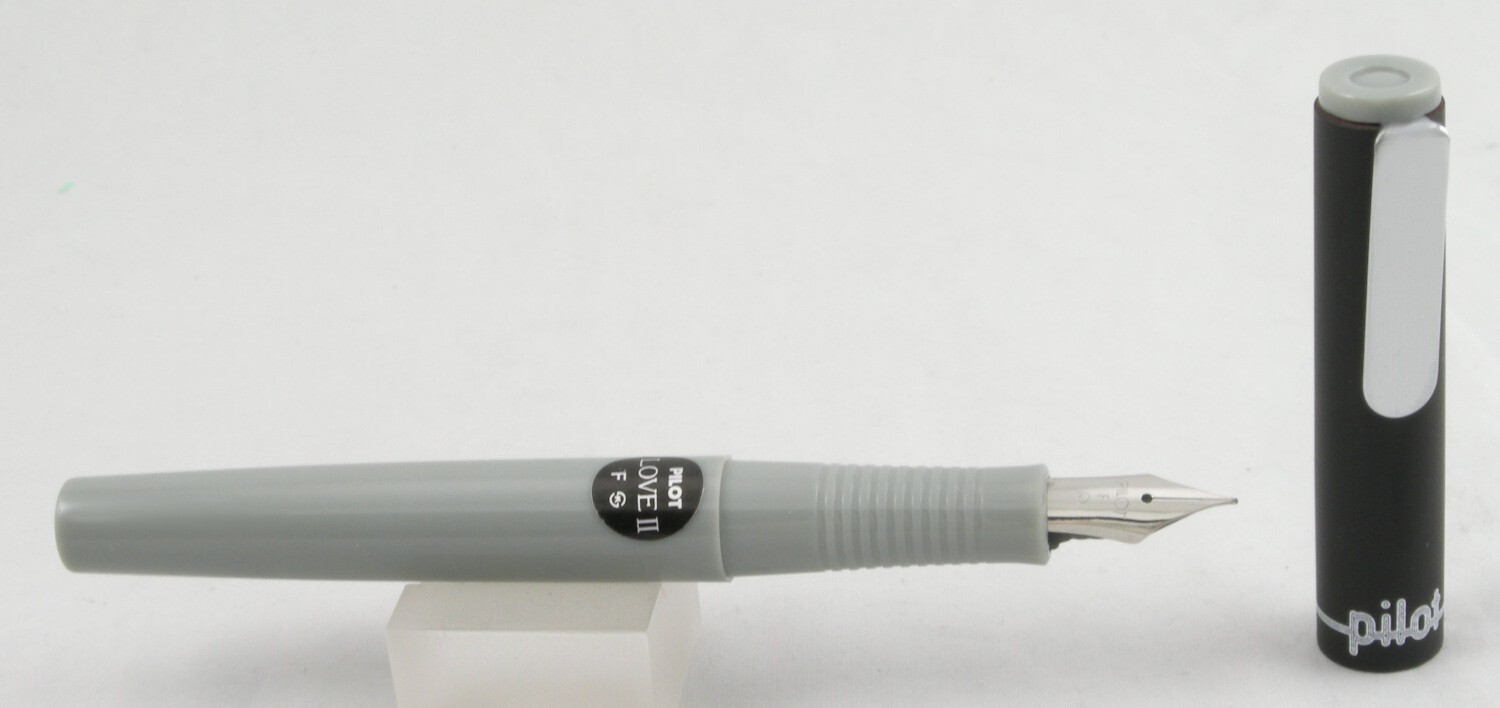 Pilot Love II Grey & Black Fountain Pen - Fine Nib - 1970s -New-Old-Stock In Box$20.00View on eBay
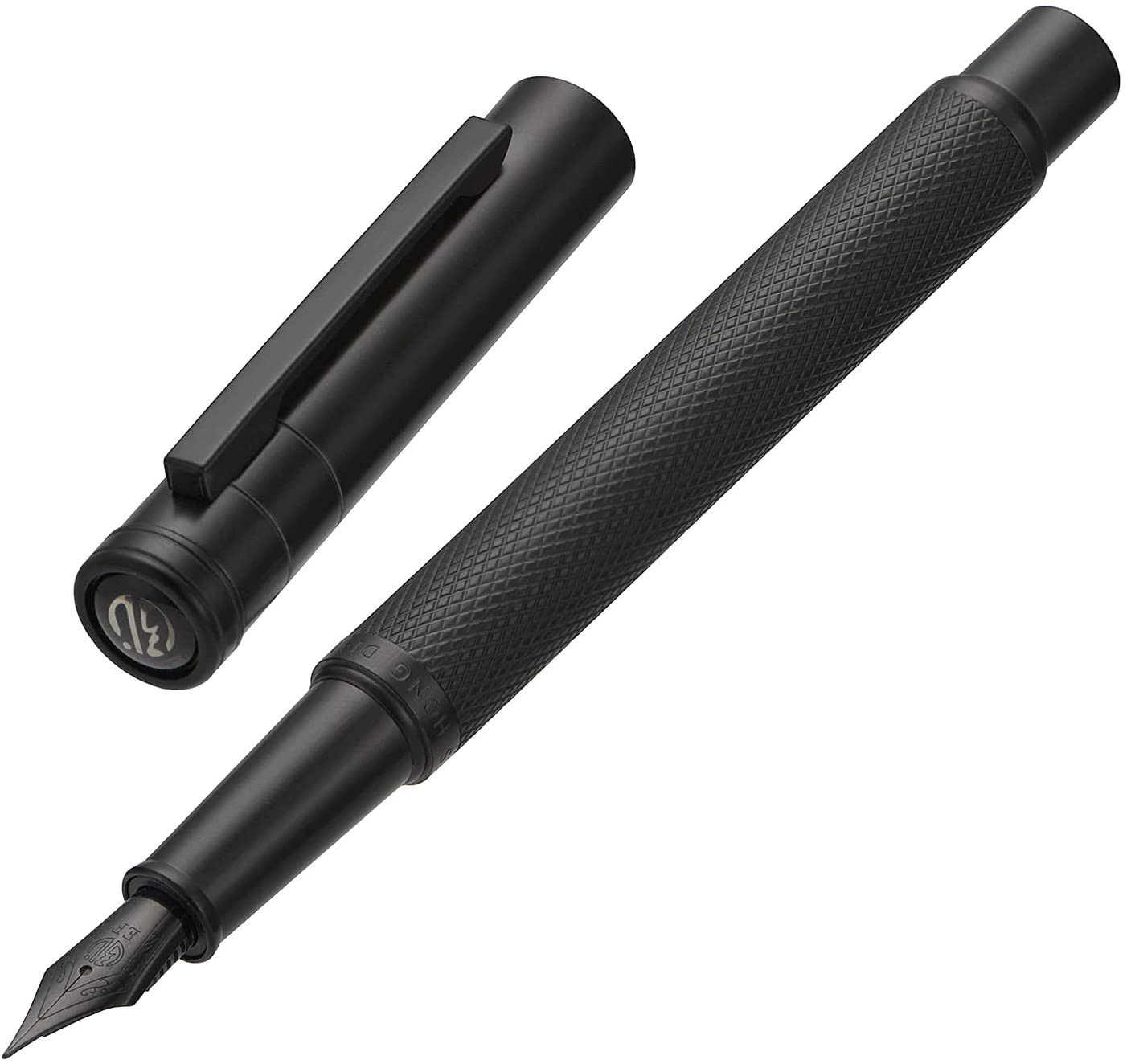 Matte Black Forest Fountain Pen Extra Fine Nib Classic Design with Converter and$20.61View on eBay
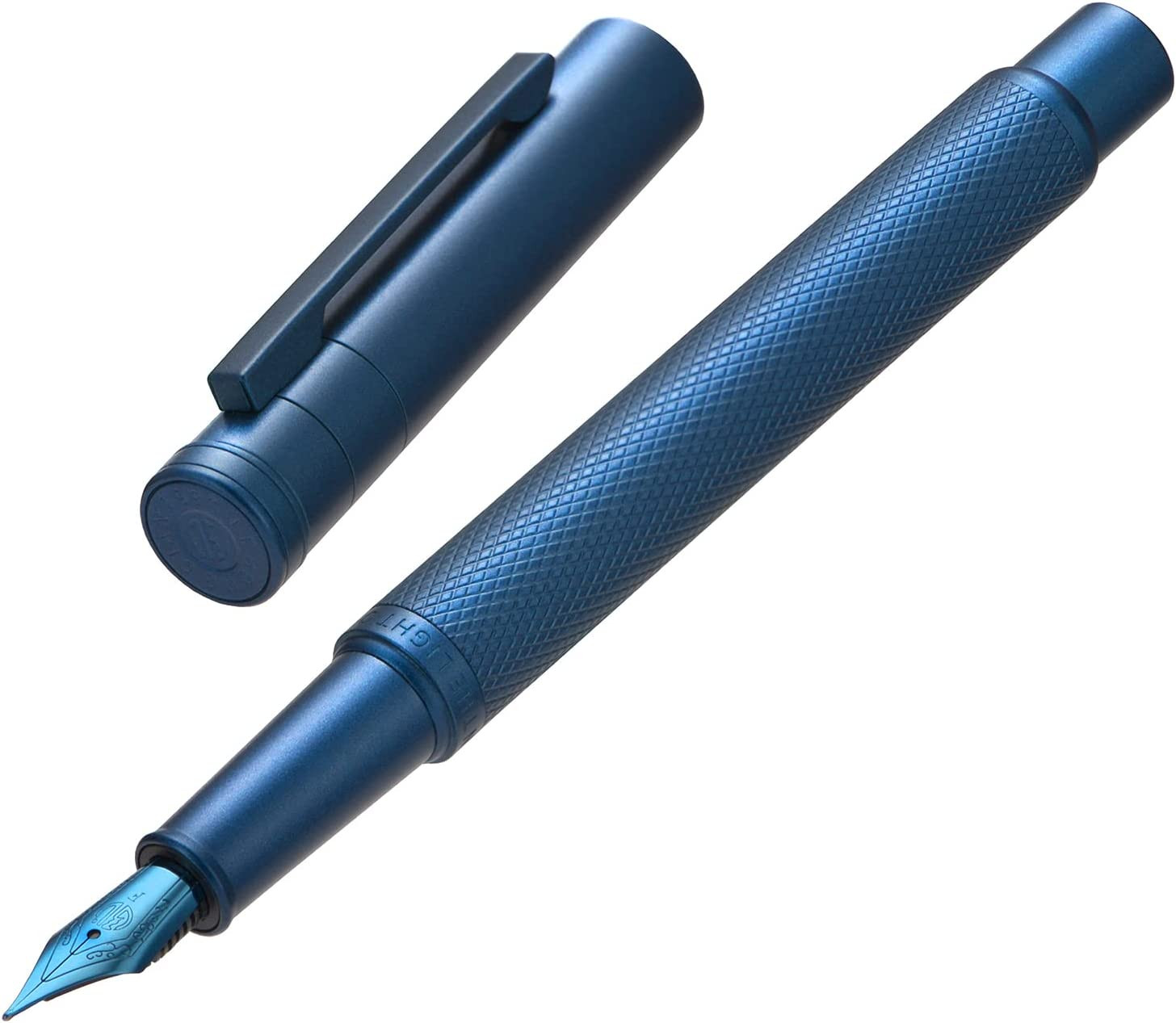 Dark Blue Forest Fountain Pen Extra Fine Nib Classic Design with Converter and M$21.19View on eBay
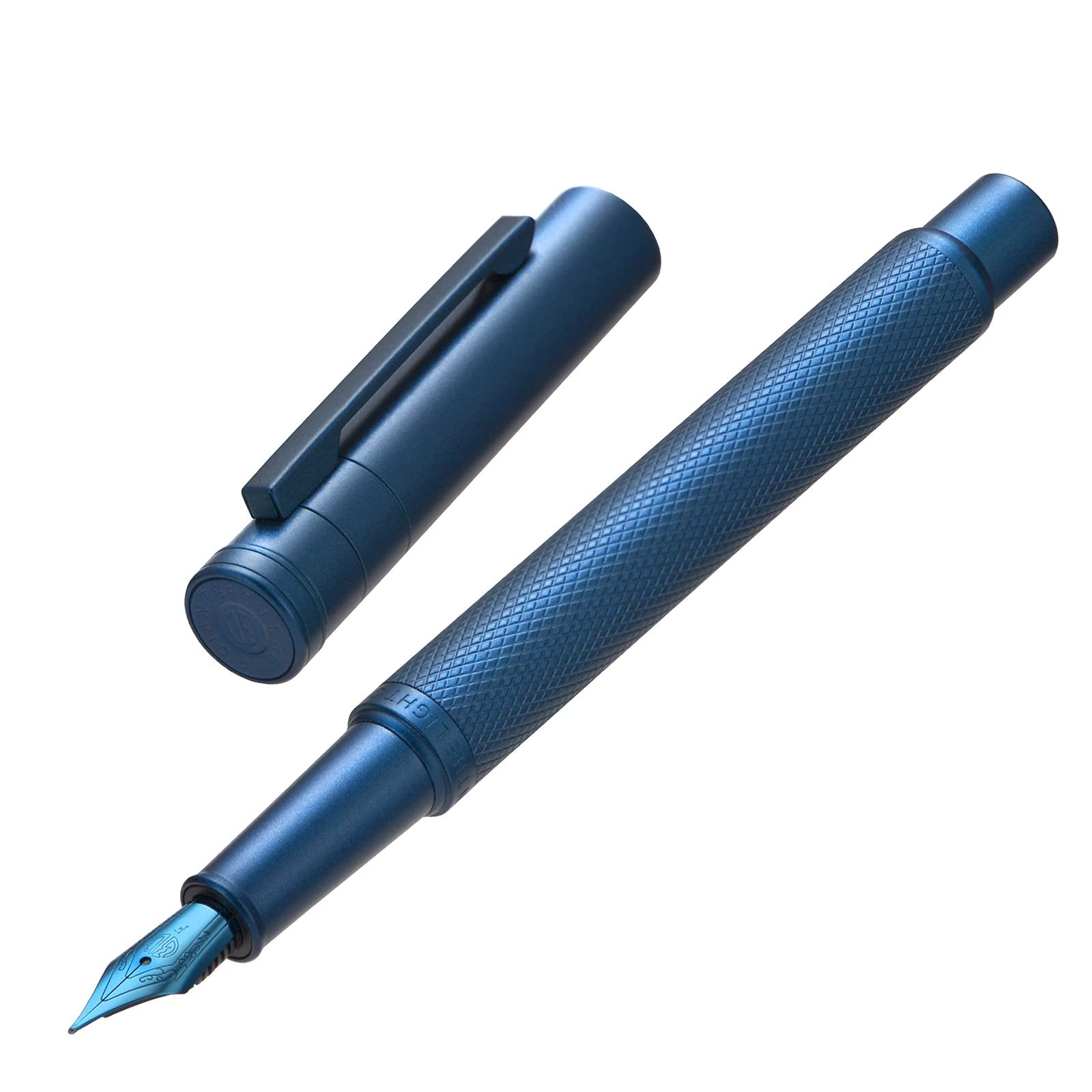 Dark Blue Forest Fountain Pen Extra Fine Nib Classic Design with Converter and M$21.95View on eBay
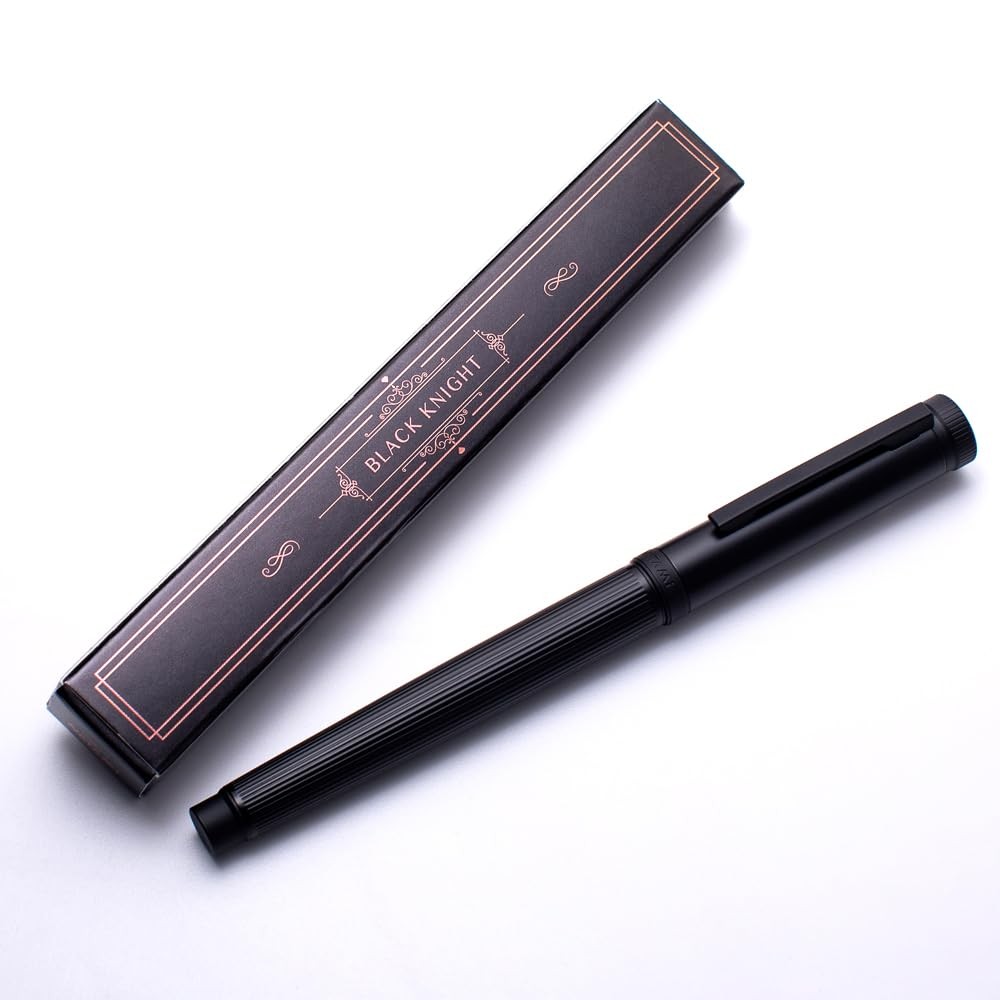 Fountain Pen Extra Fine Nib Classic Design with Converter and gift Pen Box$22.02View on eBay
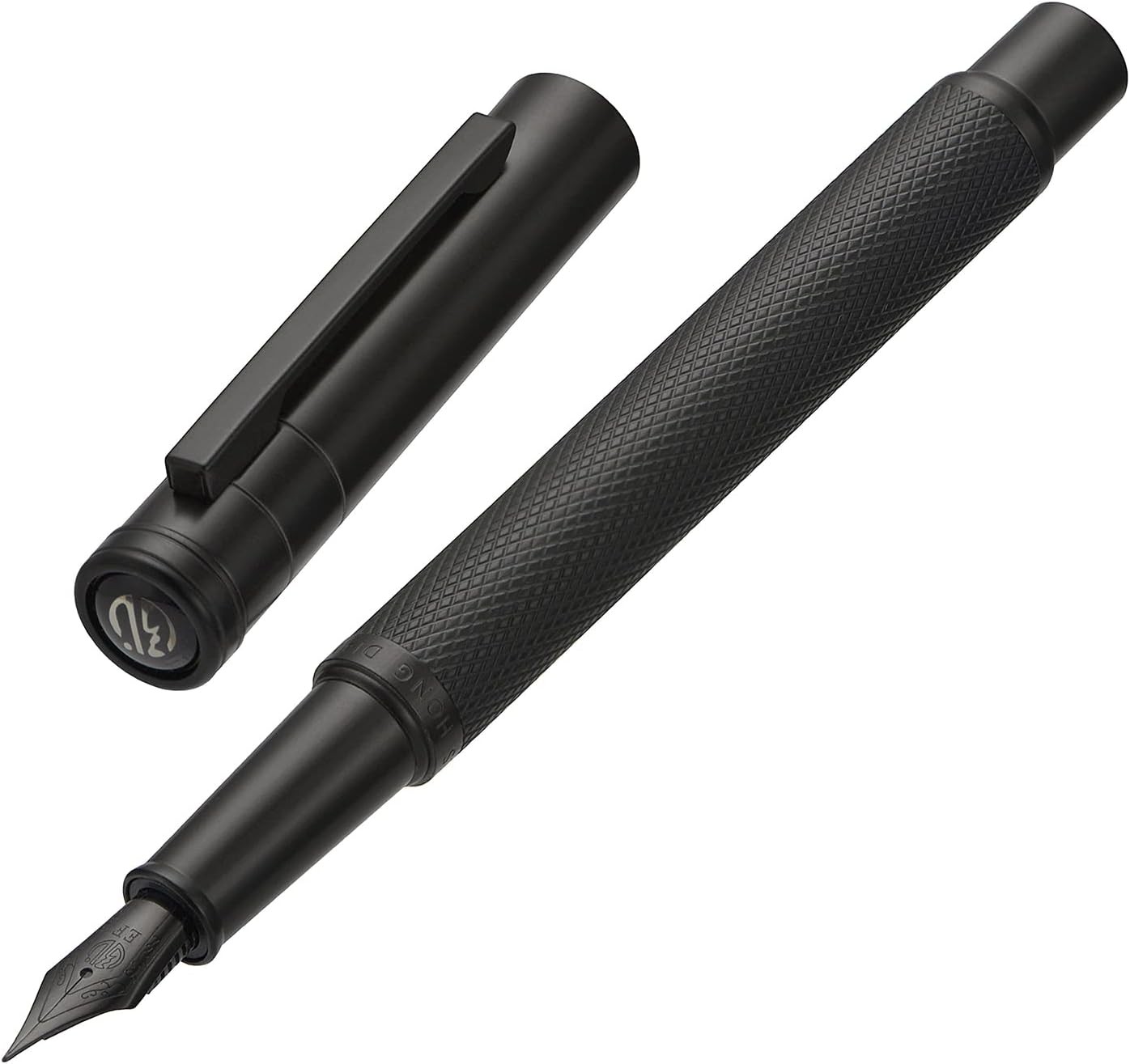 Matte Black Forest Fountain Pen Extra Fine Nib Classic Design with Converter and$23.79View on eBay
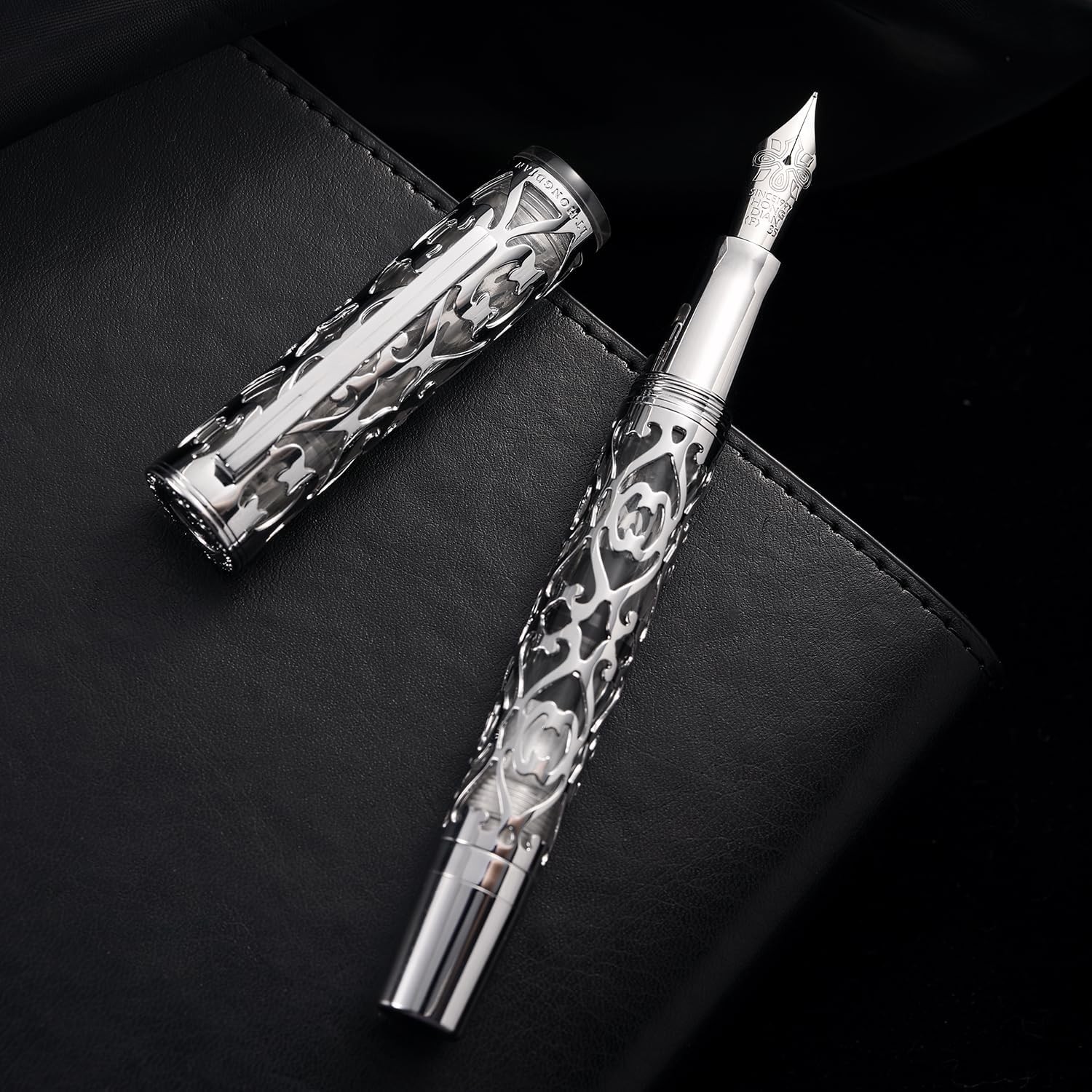 D1 Piston Fountain Pen Fine Nib, Hollow Skeleton & Resin with Metal Case Set (Si$24.21View on eBay
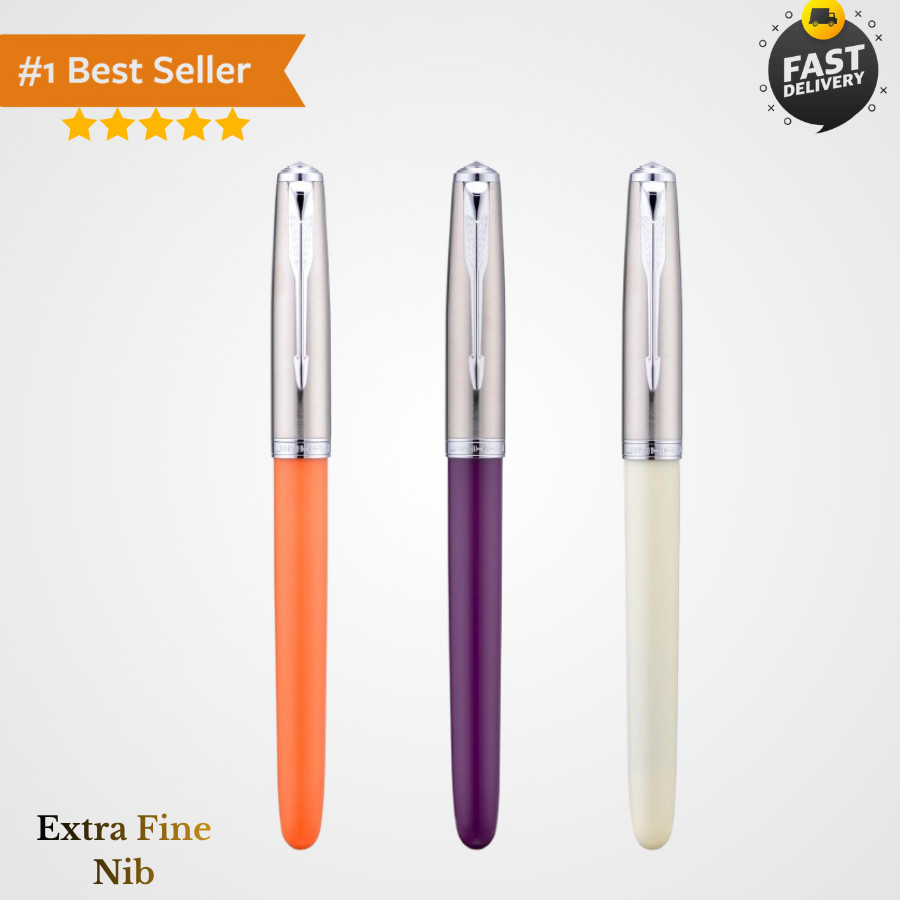 3 Jinhao 86 Fountain Pen Set (Orange, Purple and White Resin) Extra Fine Nib ...$27.99View on eBay
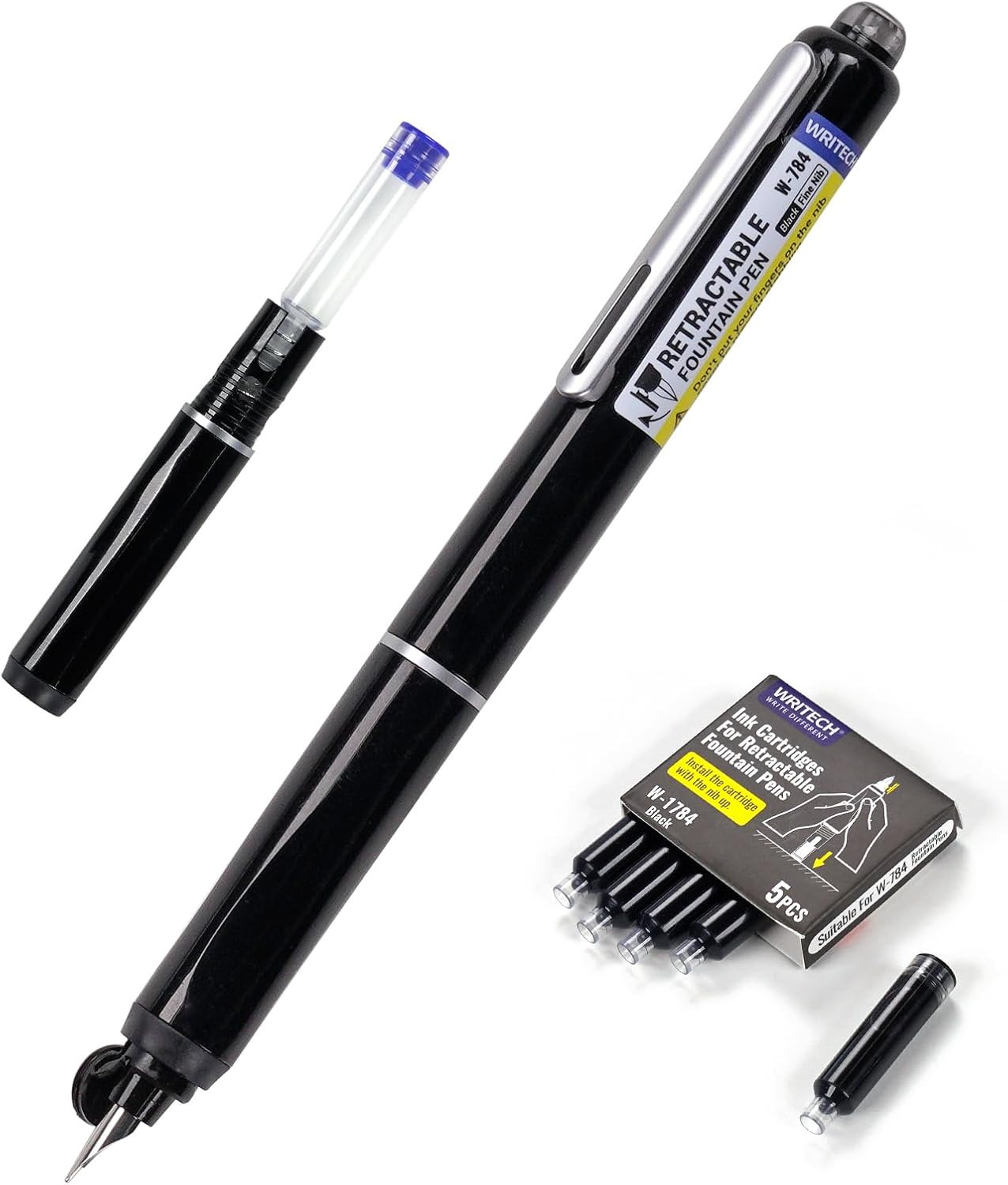 WRITECH Retractable Fountain Pen Set: Fine Nib Black Ink Pens Includes 5 Ink Car$31.79View on eBay
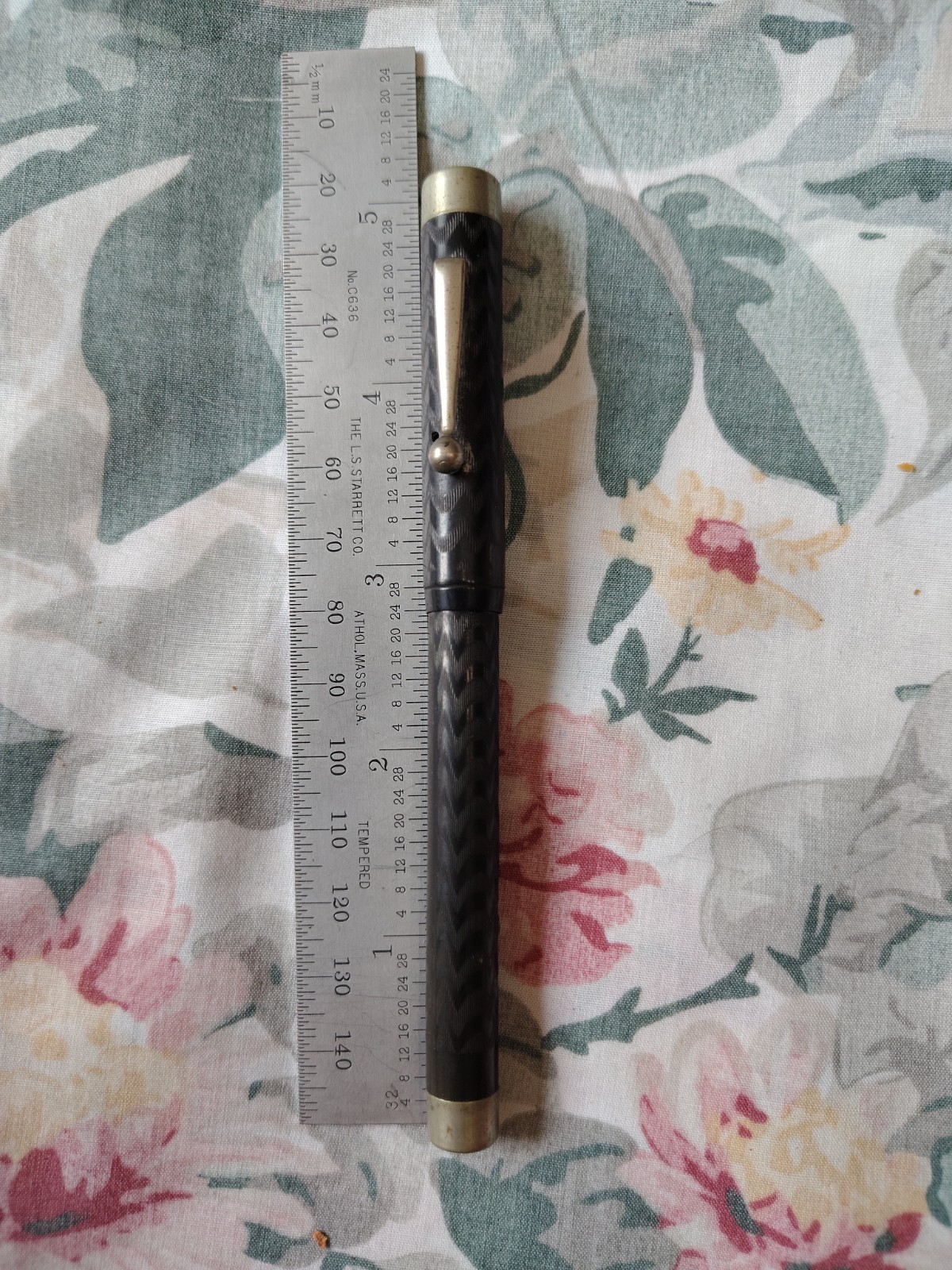 Nupoint Hard Rubber Fountain pen 14k Gold Fine Flex Nib USA$50.00View on eBay
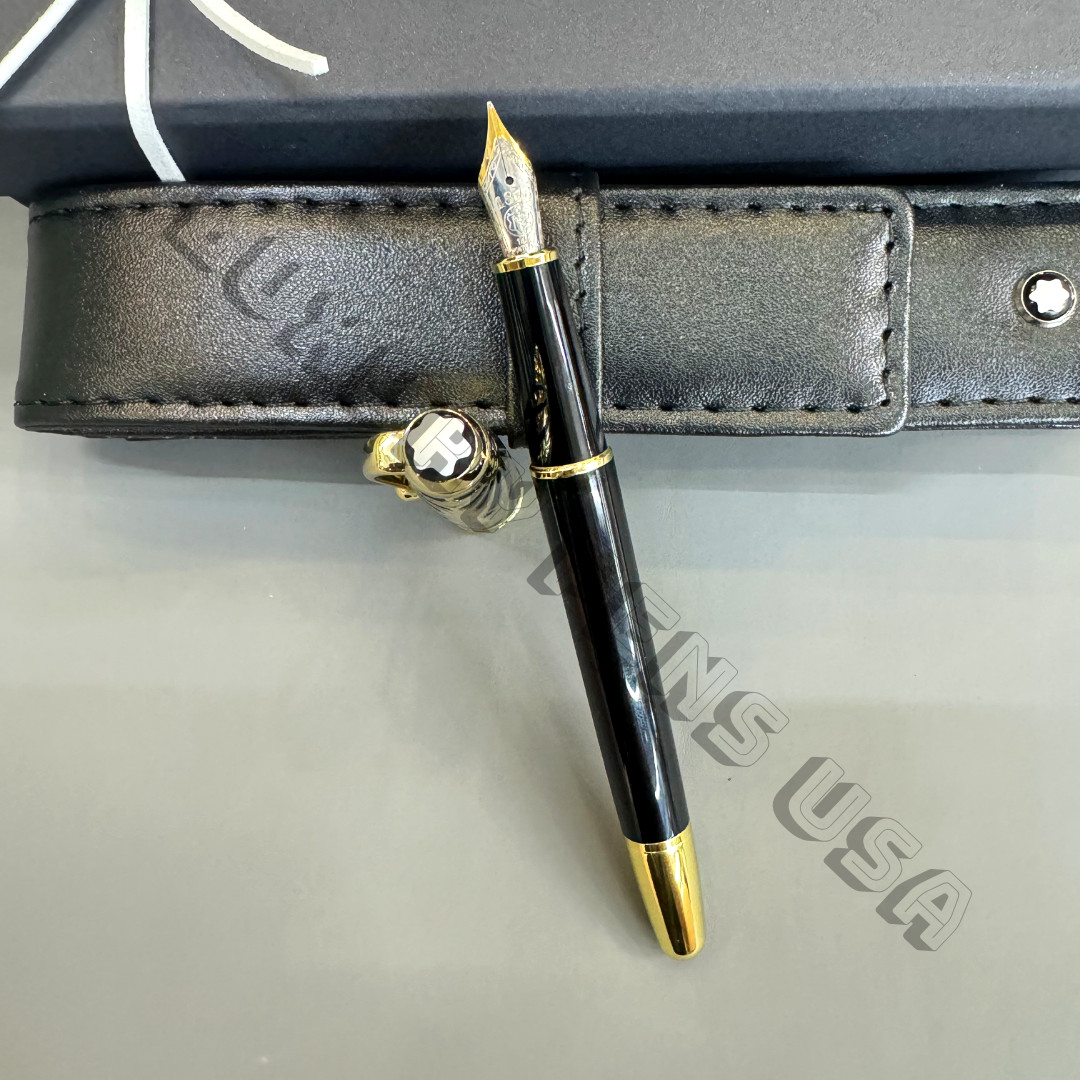 MONTBLANC Black Fountain Pen Gold Trim Fine Nib Luxury Writing Pen w/ Leather Po$79.80View on eBay
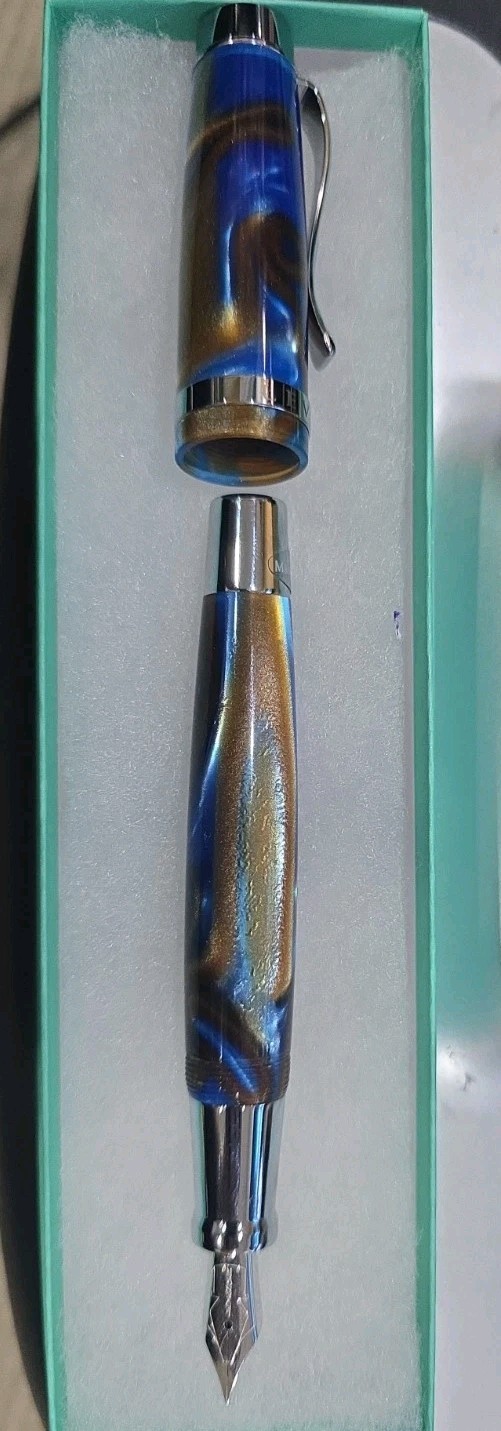 Levenger Plumpster Tides Fountain Pen Blue And Brown Swirl No Box Fine Nib$80.00View on eBay
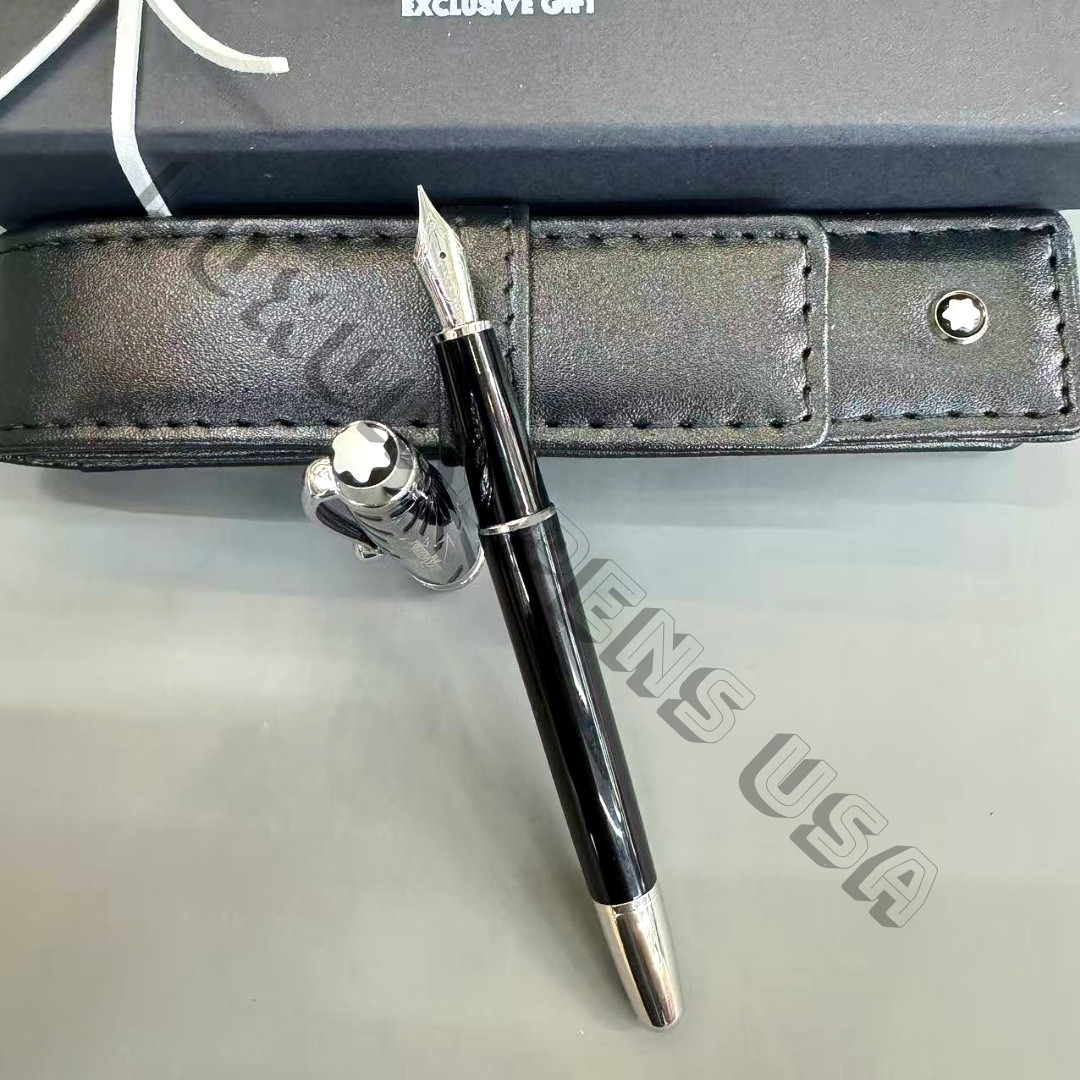 MONTBLANC Black Fountain Pen Silver Trim Fine Nib Luxury Writing Pen$82.65View on eBay
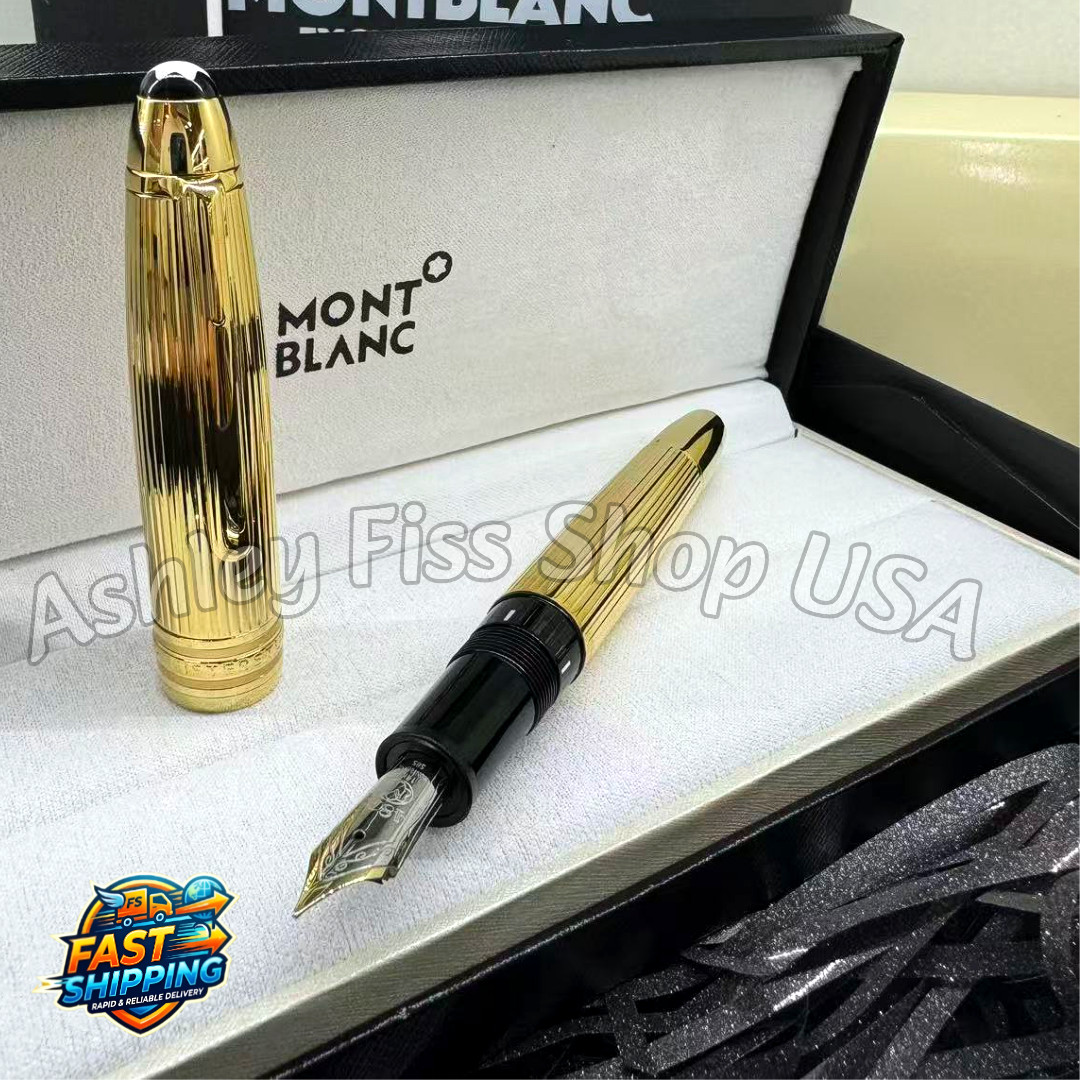 Montblanc Meisterstück Solitaire Gold Plated Fountain Pen Fine Nib Luxury$188.00View on eBay
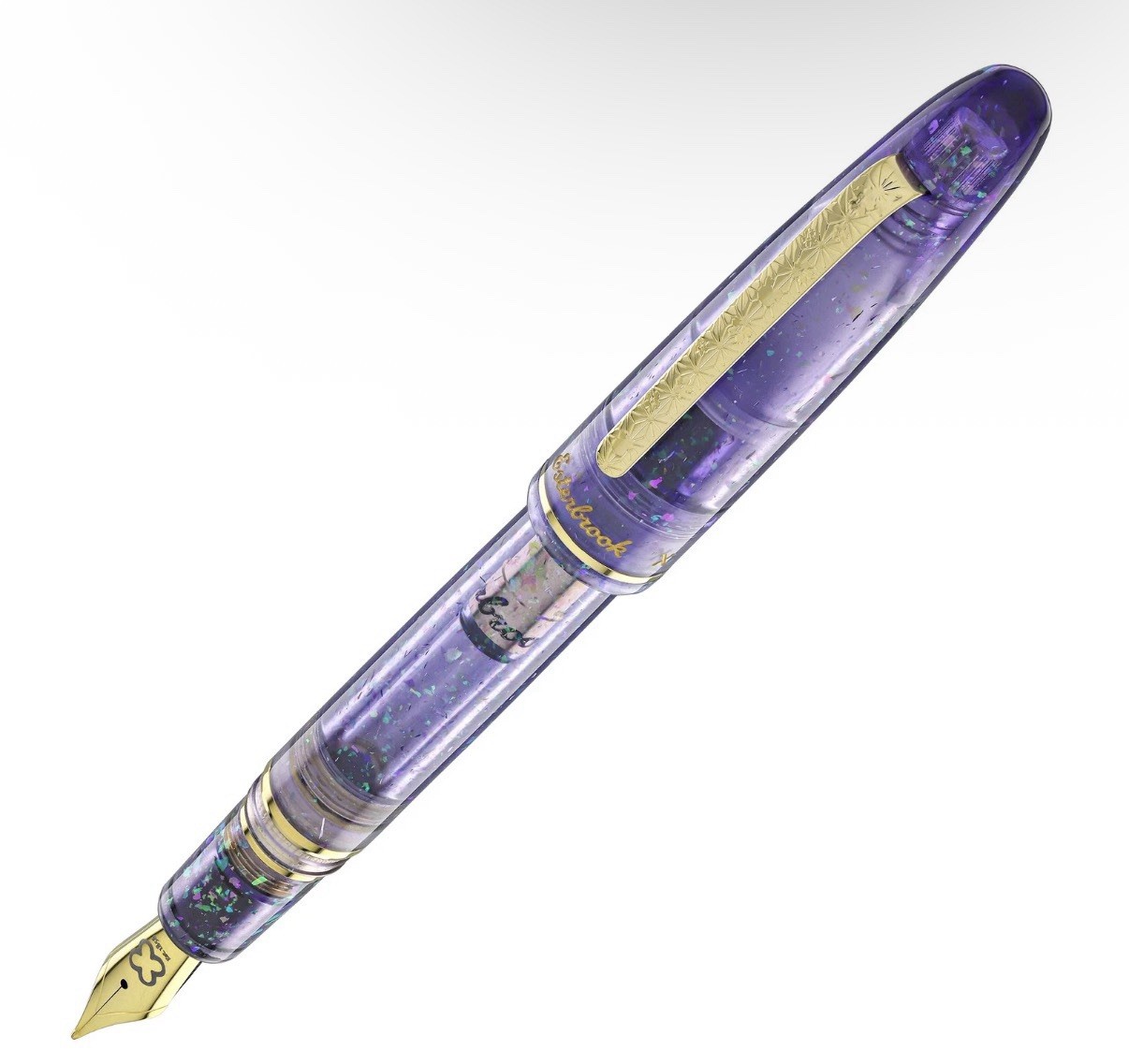 Esterbrook Estie x Sakuradragon Fountain Pen in Sakura Street - Fine Nib$270.00New · Last checked Nov 23, 2026View on eBay
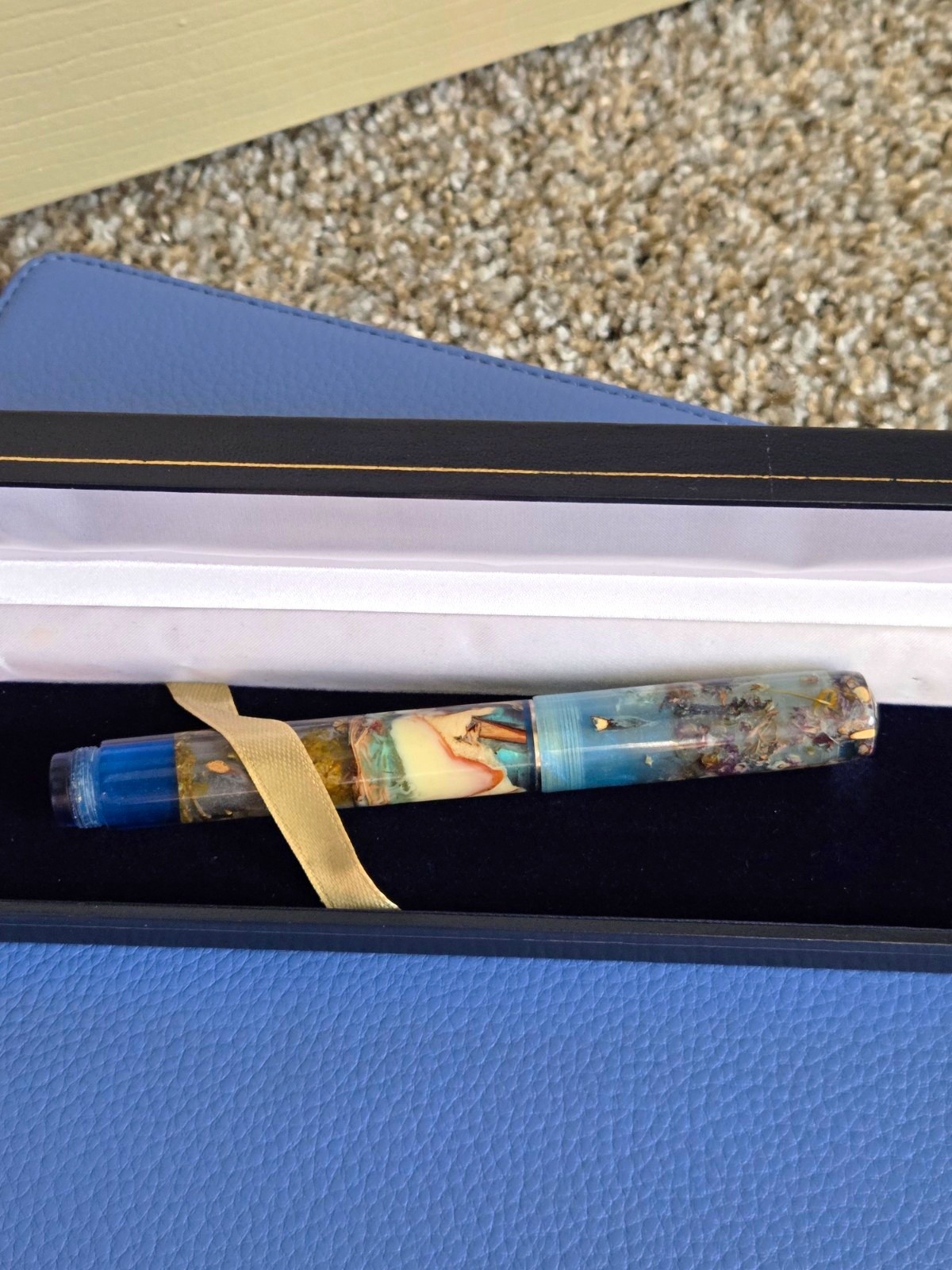 Artisan Bexley Resin Fountain Pen w/ Gold Nib & Gold Trim. Fine Point Nib$460.00Used · Last checked Nov 18, 2026View on eBay
Highlights
- Fine nib tip widths run ~0.5–0.7 mm; Japanese (EF/F) run one grade finer than Western (F) at the same label.
- Steel fine nibs are stiff and durable; gold fine nibs add spring but cost far more and suit experienced writers.
- Piston and converter fillers give bottle-ink economy and flow control; cartridge-only pens limit ink choice.
- Feed channel depth and nib slit tightness determine dry-start risk — finer nibs need wetter feeds to stay consistent.
Best use cases
- Best fit: daily journaling and office notes on 80–100 GSM paper — pick a Western fine (0.6 mm) steel nib with converter.
- Wrong fit: fast, looping signatures on absorbent paper — a medium or broad nib prevents snagging and railroading.
- Best fit: students and planners needing small, legible writing — choose a Japanese fine (0.5 mm) or EF with a wet ink.
- Skip: flex-style calligraphy — fine nibs are not designed for line variation; use a stub or flex nib instead.
Buying tips
- Match nib grade to region: a Japanese F equals a Western EF, so size up one grade when switching brands.
- For paper under 70 GSM, choose a fine nib with a dry ink (e.g., iron-gall) to prevent bleed-through and feathering.
- Prefer pens with a removable converter and standard international or proprietary cartridge compatibility for ink flexibility.
- Check nib material: steel for durability and low cost; 14k/18k gold only if you want spring and are prepared to tune it.
Specs
| Nib Material | Steel vs 14k/18k Gold |
|---|---|
| Tip Width | 0.5–0.7 mm (EF–F) |
| Filling System | Converter / Piston / Cartridge |
| Nib Grade Standard | Japanese vs Western sizing |
Related searches
What to check before buying
- Confirm paper GSM: 80+ for fine nibs; below 70 GSM expect feathering and ghosting.
- Verify filling system: converter included or standard cartridge; piston fillers need bottle ink access.
- Measure grip diameter: 9–11 mm suits most hands; slimmer sections tire writers with large hands.
- Check cap seal: snap or screw caps with inner liners prevent fine nibs from drying out between sessions.
FAQ
Data sources: eBay / Amazon listings and product attribute feeds. Updated Nov 24, 2026.
Some links on this page are affiliate links. If you buy after clicking one, we may earn a commission at no extra cost to you. This does not change which products appear here or their order. Affiliate disclosure.