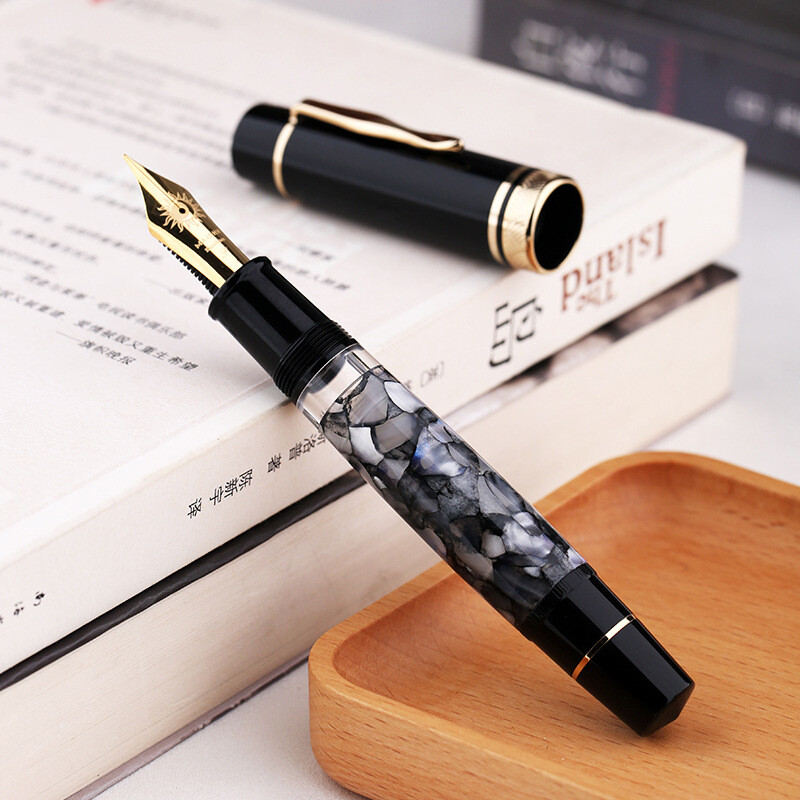

Photos from current listings. Actual item, color, and included accessories may vary.
Brass Fountain Pen Buying Guide
Brass fountain pens are writing instruments whose barrels and caps are machined from solid brass alloy, prized for their heft, patina, and durability compared to plastic or aluminum pens. The core trade-off is weight versus balance: raw brass bodies often exceed 40g, which feels substantial but can fatigue longer writing sessions unless the pen is used posted or designed with a lighter internal mechanism. The decision rule is simple: choose a brass pen only if you accept a patina finish and a heavier hand feel, and always verify the filling system (piston vs cartridge) and nib unit compatibility before committing.
Median $49.99
Key takeaways
- Brass alloy composition (typically C36000 free-machining brass) determines patina speed: higher copper content oxidizes faster to a brown-gold tone, while lacquered brass resists tarnish but loses the raw-metal appeal.
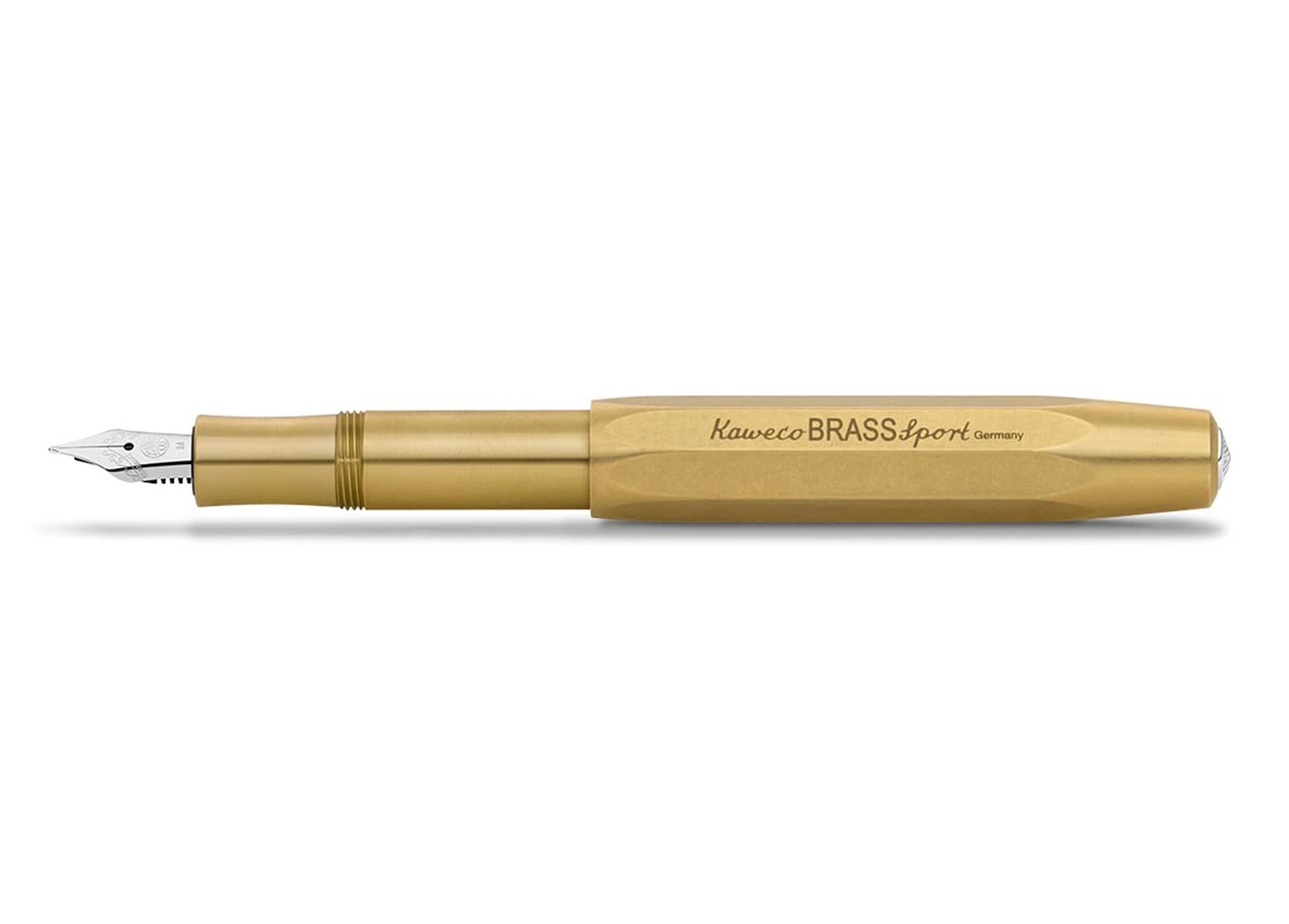
- Piston-filling brass pens like the Majohn P139 and P136 integrate the ink mechanism into the barrel, adding internal complexity and requiring silicone grease maintenance; cartridge/converter brass pens (Kaweco Brass Sport) are simpler to clean.
- Nib sizing drives line width: EF (extra-fine) suits detailed notes and poor paper, M (medium) is the all-purpose daily writer, and B (broad) or Flex nibs demand higher-quality paper to avoid bleed-through.
At a glance
- Category
- Fountain Pens
- Last updated
- Nov 24, 2026
Current offers
Highlights
- Brass alloy composition (typically C36000 free-machining brass) determines patina speed: higher copper content oxidizes faster to a brown-gold tone, while lacquered brass resists tarnish but loses the raw-metal appeal.
- Piston-filling brass pens like the Majohn P139 and P136 integrate the ink mechanism into the barrel, adding internal complexity and requiring silicone grease maintenance; cartridge/converter brass pens (Kaweco Brass Sport) are simpler to clean.
- Nib sizing drives line width: EF (extra-fine) suits detailed notes and poor paper, M (medium) is the all-purpose daily writer, and B (broad) or Flex nibs demand higher-quality paper to avoid bleed-through.
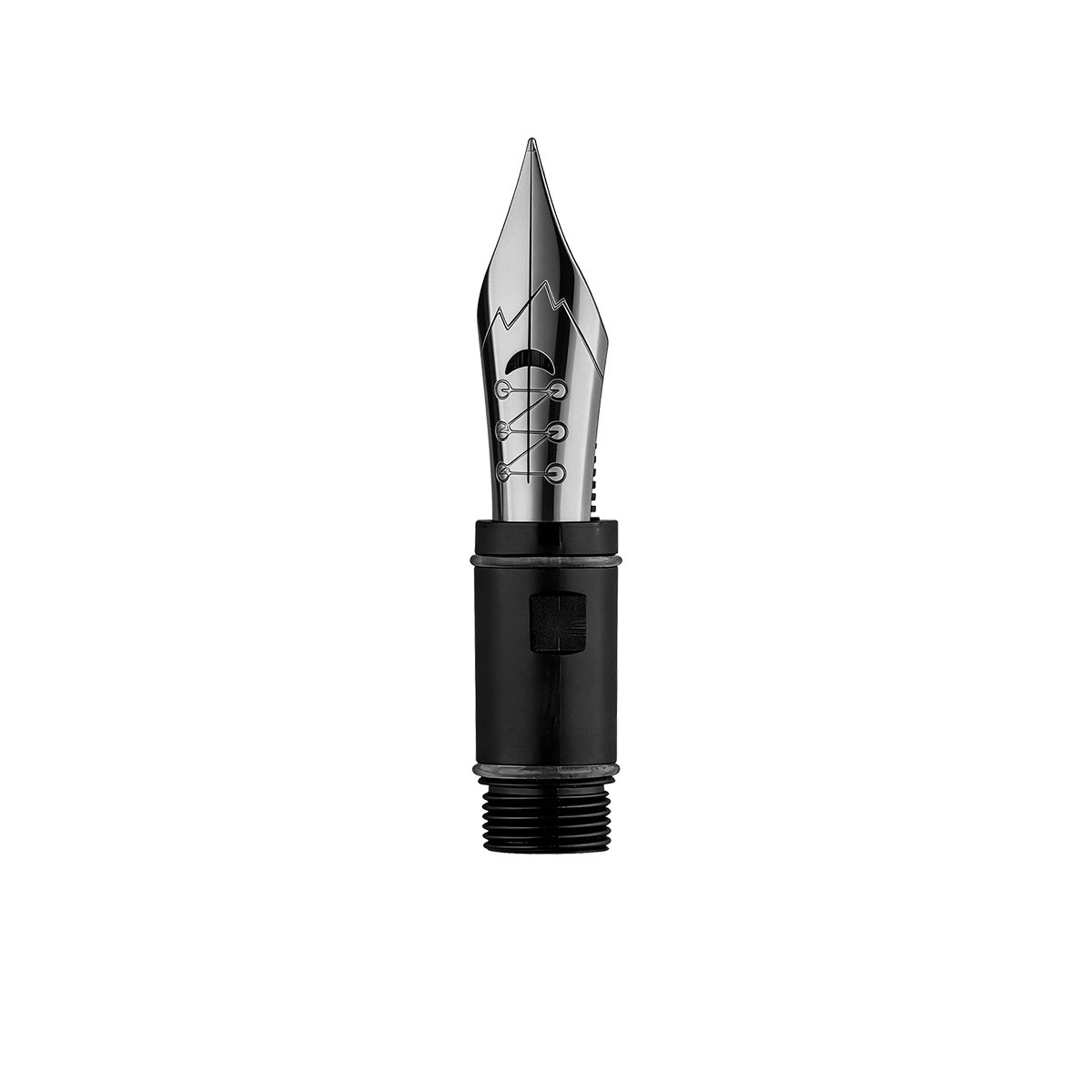
- Kaweco Brass Sport uses a proprietary short international cartridge and screw-in nib unit, while Majohn piston models accept standard #6 or #8 nibs, affecting replacement and tuning options.
Best use cases
- Best fit: daily journaling or desk writing where the pen stays mostly stationary — pick a piston-filling brass pen with EF or F nib for ink capacity and precise lines; skip ultra-light plastic pens if you want patina character.
- Best fit: pocket or travel carry — choose the Kaweco Brass Sport (short, capped, cartridge-fed) for durability and easy refills on the go; skip large piston brass pens that are too heavy and long for shirt pockets.
- Best fit: gift or display piece — select a brass pen with lacquer or antique finish and a medium nib for broad appeal; skip raw brass with flex nibs unless the recipient is an experienced fountain pen user who understands maintenance.
- Wrong fit: long writing sessions exceeding an hour — brass pens over 40g posted will fatigue most hands; instead choose an aluminum or resin pen, or use the brass pen unposted if balance allows.
Buying tips
- Weigh the pen: raw brass bodies typically range 30–50g; if you write posted, add cap weight. A total over 60g is for short notes only — test your comfort threshold with a similar-weight object first.
- Match nib to paper: EF/F nibs (0.3–0.5mm line) work on cheap copy paper; M/B/flex nibs (0.6–1.0mm+) need 80gsm+ or coated paper to prevent feathering and bleed.
- Check filling system compatibility: piston pens require bottled ink and periodic greasing; cartridge/converter pens accept international short or standard cartridges — confirm which standard before buying refills.
- Inspect nib unit threading: Kaweco uses proprietary screw-in nibs, while Majohn and many Chinese brass pens use friction-fit #6 or #8 nibs — ensure replacement nibs are available in your preferred size.
Specs
| Body Material | Solid brass alloy (raw or lacquered) |
|---|---|
| Filling System | Piston / Cartridge-converter |
| Nib Sizes | EF, F, M, B, Flex (varies) |
| Typical Weight | 30–50 g (capped) |
Related searches
What to check before buying
- Measure your hand and grip: brass pens are often 13–15mm in diameter; if you have small hands, choose a slimmer model or the Kaweco Sport (12.5mm) to avoid cramping.
- Confirm ink supply: piston pens need a bottle of fountain pen ink (30ml+); cartridge pens need international short cartridges — verify which type your chosen model accepts.
- Check pocket or case dimensions: Kaweco Brass Sport capped length is 105mm, while Majohn P139 approaches 140mm — ensure your pen case or pocket accommodates the length and weight.
- Plan for patina: raw brass will darken and spot with finger oils and humidity; if you want a uniform look, choose a lacquered or antique-finished brass pen, or commit to periodic polishing.
FAQ
Data sources: eBay / Amazon listings and product attribute feeds. Updated Nov 24, 2026.
Some links on this page are affiliate links. If you buy after clicking one, we may earn a commission at no extra cost to you. This does not change which products appear here or their order. Affiliate disclosure.