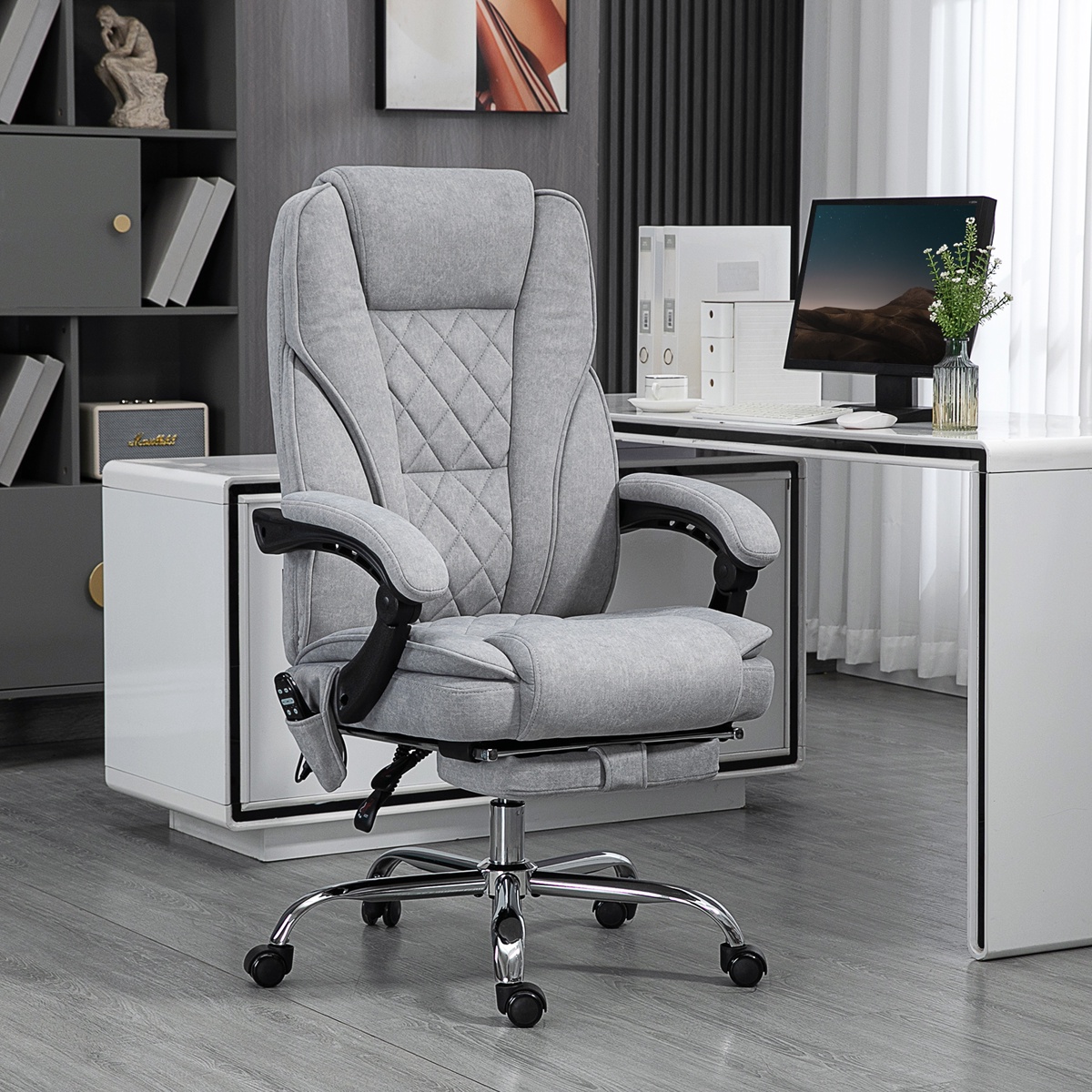

Photos from current listings. Actual item, color, and included accessories may vary.
Office Chair Buying Guide
An office chair is a daily-use ergonomic tool where the core trade-off is adjustability and lumbar support versus cheap fixed-frame construction. Durable chairs use certified gas lifts, breathable mesh or high-density molded foam, and multi-axis armrests; compromises use low-grade foam, fixed armrests, and unrated cylinders. The decision rule: prioritize adjustable lumbar depth and seat-height range over massage, heat, or recline gimmicks.
Key takeaways
- Certified gas lifts follow DIN 4550 / BIFMA X5.1 class 3-4 ratings; unrated cylinders lose height hold and are the top failure point.
- Mesh backrests breathe and maintain tension; seat pans need molded high-density foam (50-60 kg/m³) or elastomeric mesh to avoid bottoming out.
- Adjustable lumbar support must move in height and depth; fixed curve foam pads do not fit different pelvic tilt and cause lower-back pressure.
At a glance
- Category
- Ergonomic Office Gear
- Last updated
- Nov 28, 2026
Current offers
Highlights
- Certified gas lifts follow DIN 4550 / BIFMA X5.1 class 3-4 ratings; unrated cylinders lose height hold and are the top failure point.
- Mesh backrests breathe and maintain tension; seat pans need molded high-density foam (50-60 kg/m³) or elastomeric mesh to avoid bottoming out.
- Adjustable lumbar support must move in height and depth; fixed curve foam pads do not fit different pelvic tilt and cause lower-back pressure.
- Armrest adjustability (height, width, pivot) matters more than headrests for desk work; 4D arms reduce shoulder strain at keyboard height.
Best use cases
- For 6+ hour desk work with lower-back pain: pick a mesh-back task chair with depth-adjustable lumbar and seat-slide, skip massage/heat recliners.
- For shared home desks and small rooms: pick flip-up armrests and a compact mesh back; skip high-back executive recliners with footrests.
- For long-haul truckers or car commuters: use a memory-foam seat cushion on a firm seat base; skip cushions as a substitute for a sagging chair.
Buying tips
- Match seat height to your floor-to-popliteal height: seat top should sit 1-2 cm below the knee crease with feet flat.
- Choose a Class 4 gas lift (SGS/TÜV/BIFMA) and a 5-star base rated for your body weight; nylon bases under 120 kg, steel or reinforced nylon above.
- Favor seat depth adjustable 40-50 cm or a seat slide; thigh length beyond 48 cm needs depth adjustment to avoid knee pressure.
- Mesh density and frame tension determine back support; pick a tension-adjustable mesh back over a fixed fabric back for all-day posture.
Specs
| Back Material | Mesh vs molded foam vs fabric |
|---|---|
| Lumbar Support | Height + depth adjustable preferred |
| Gas Lift Class | Class 3-4 (DIN 4550 / BIFMA) |
| Armrest Type | Fixed / 2D / 4D adjustable |
Related searches
What to check before buying
- Measure floor-to-desk height and ensure seat height range covers your popliteal height minus 1-2 cm.
- Confirm room clearance for recline and swivel: at least 60 cm behind the chair for tilt and 75 cm width for armrest swing.
- Check caster type for flooring: hard dual-wheel casters for carpet, soft polyurethane casters for hardwood and laminate.
- Verify armrest height clears desk top (typically 65-72 cm) and that the chair fits under the desk when arms flip up.
FAQ
Data sources: eBay / Amazon listings and product attribute feeds. Updated Nov 28, 2026.
Some links on this page are affiliate links. If you buy after clicking one, we may earn a commission at no extra cost to you. This does not change which products appear here or their order. Affiliate disclosure.