
Photos from current listings. Actual item, color, and included accessories may vary.
Lumbar Support Buying Guide
Lumbar support is the component that maintains your spine's natural inward curve while seated, and the core trade-off is passive cushioning (cheap, but can collapse under load) versus adjustable mechanical support (firmer, holds position, and transfers pressure off the lower back). Choose adjustable-depth support if you sit more than four hours a day; choose a contoured foam pillow only for short sessions or travel.
Median $23.64
Key takeaways
- Support type splits into passive memory-foam pillows and mechanical adjustable pads; mechanical pads use ratchet or strap-lock depth adjustment to hold 2-5 cm of firm pressure and resist flattening.
- Memory foam density matters: 45-60 kg/m³ high-density foam retains shape for years, while low-density 25-30 kg/m³ foam compresses permanently within months of daily use.
- Chair-integrated lumbar support adjusts via up/down sliders and depth knobs and is structurally anchored to the backrest; add-on pillows rely on straps that slip on mesh backs.
At a glance
- Category
- Ergonomic Office Gear
- Last updated
- Nov 28, 2026
Current offers
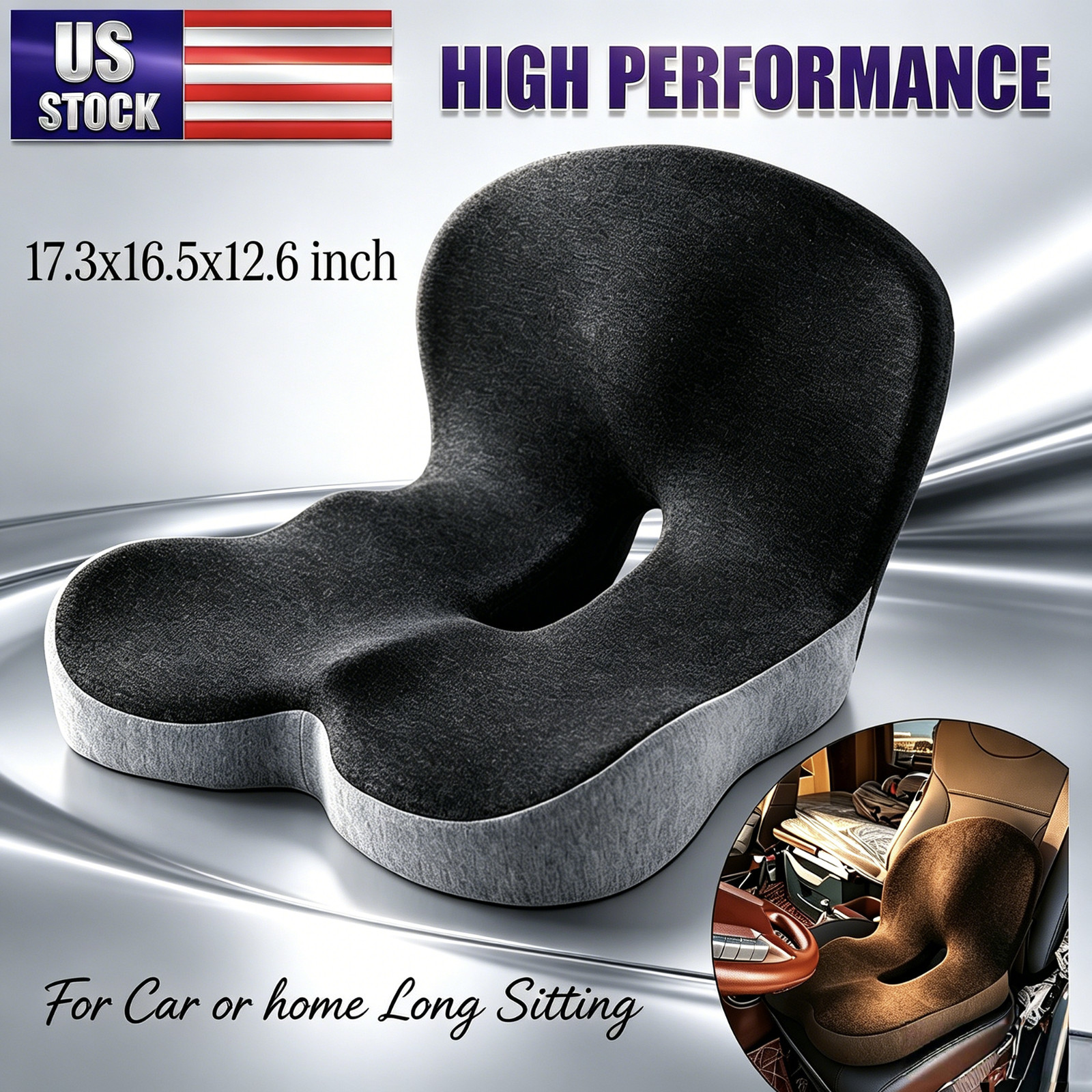 Memory Foam Seat Cushion Lumbar Support Ergonomic Back Support for Office Car$17.99Last checked Nov 24, 2026View on eBay
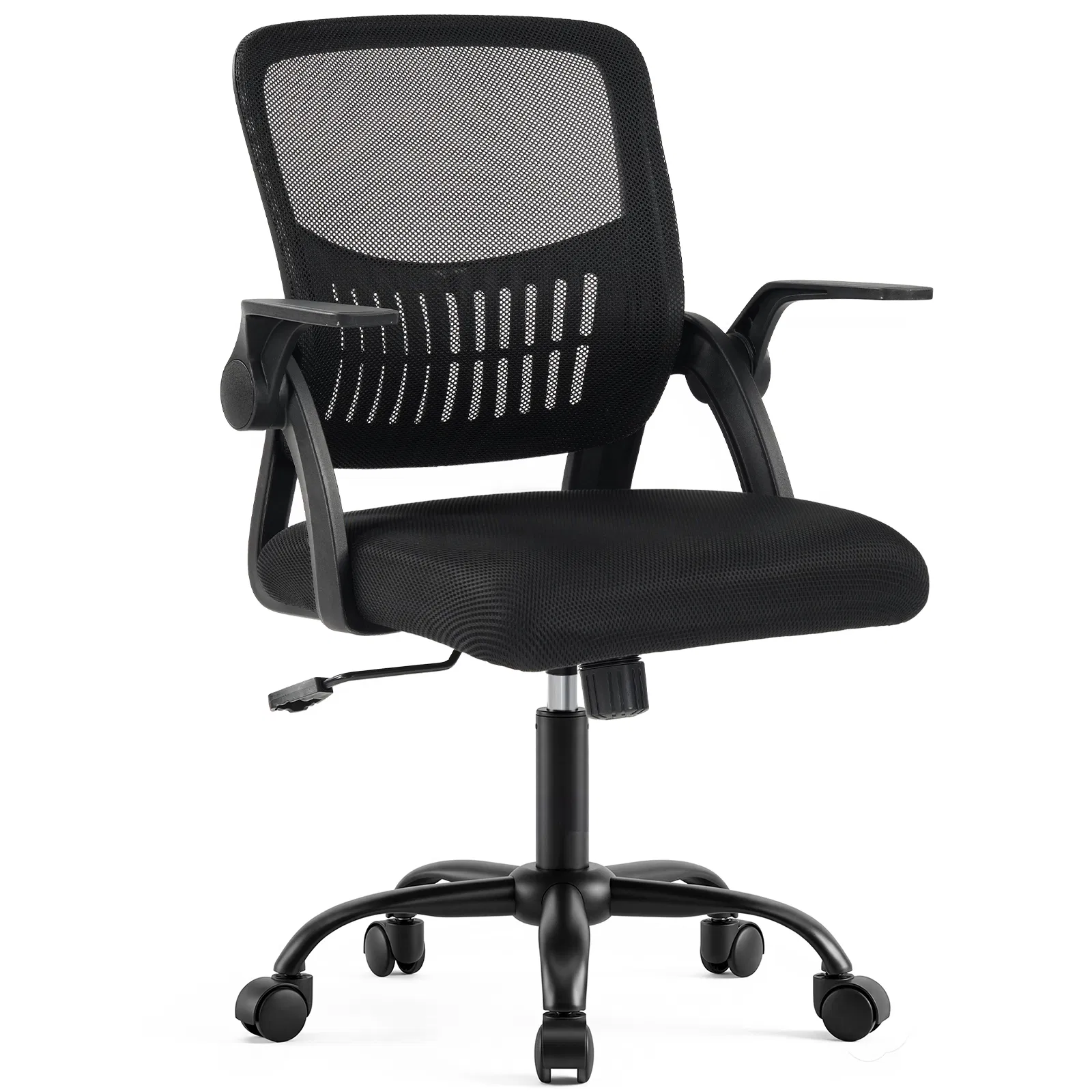 Ergonomic Office Seating - Mid-Back Desk Chairs Featuring Adjustable Height, Swivel Functionality, Flip-Up Armrests, And Lumbar Support, Designed with Breathable Mesh for Home, Study, Or Work Use$74.99View on Mallflare
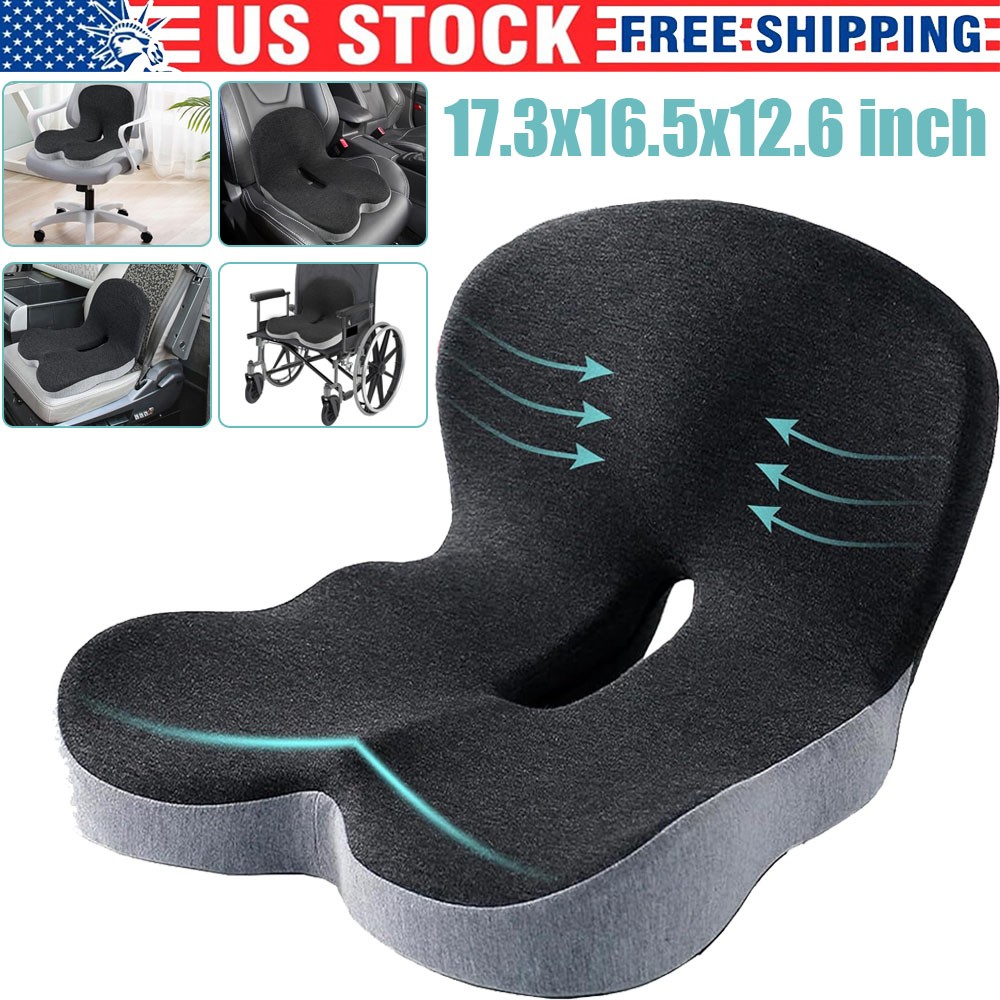 Memory Foam Seat Cushion Lumbar Support Ergonomic Back Support for Office Car$18.99View on eBay
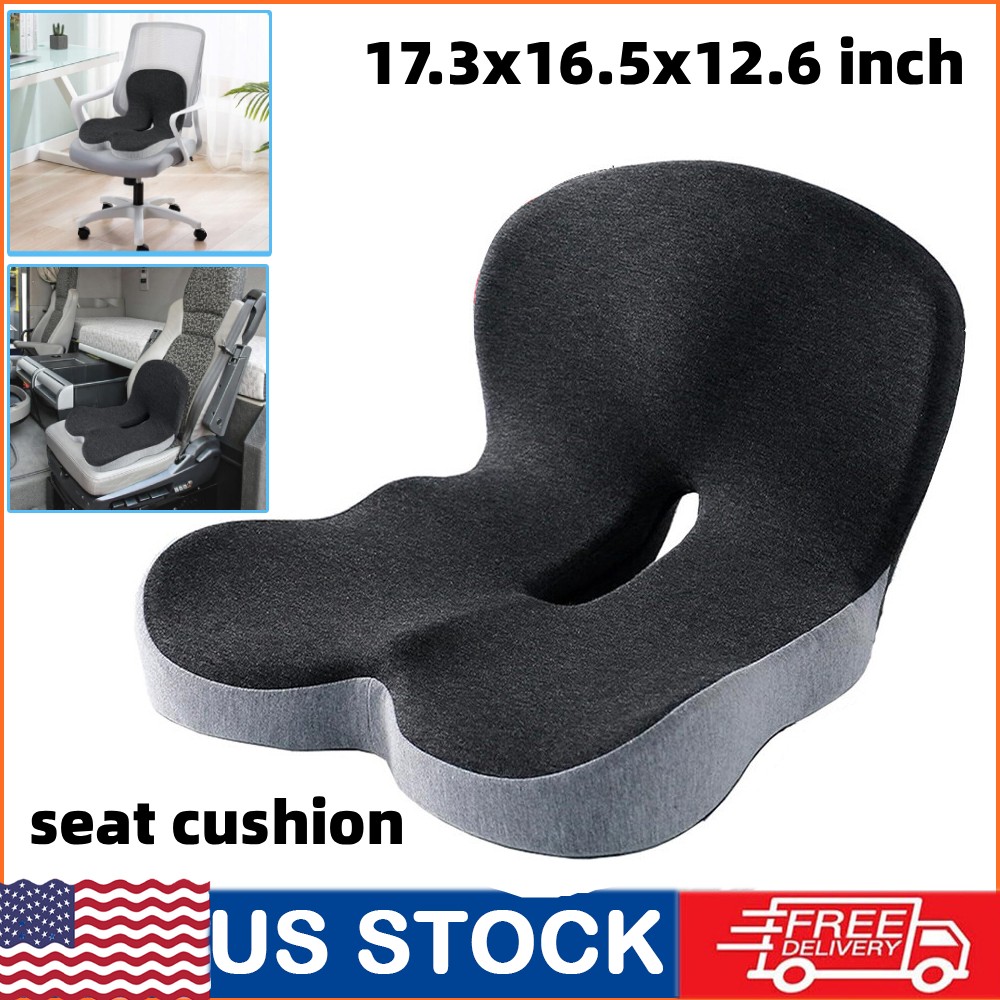 Memory Foam Seat Cushion Lumbar Support Ergonomic Back Support for Office Car US$19.99Last checked Nov 23, 2026View on eBay
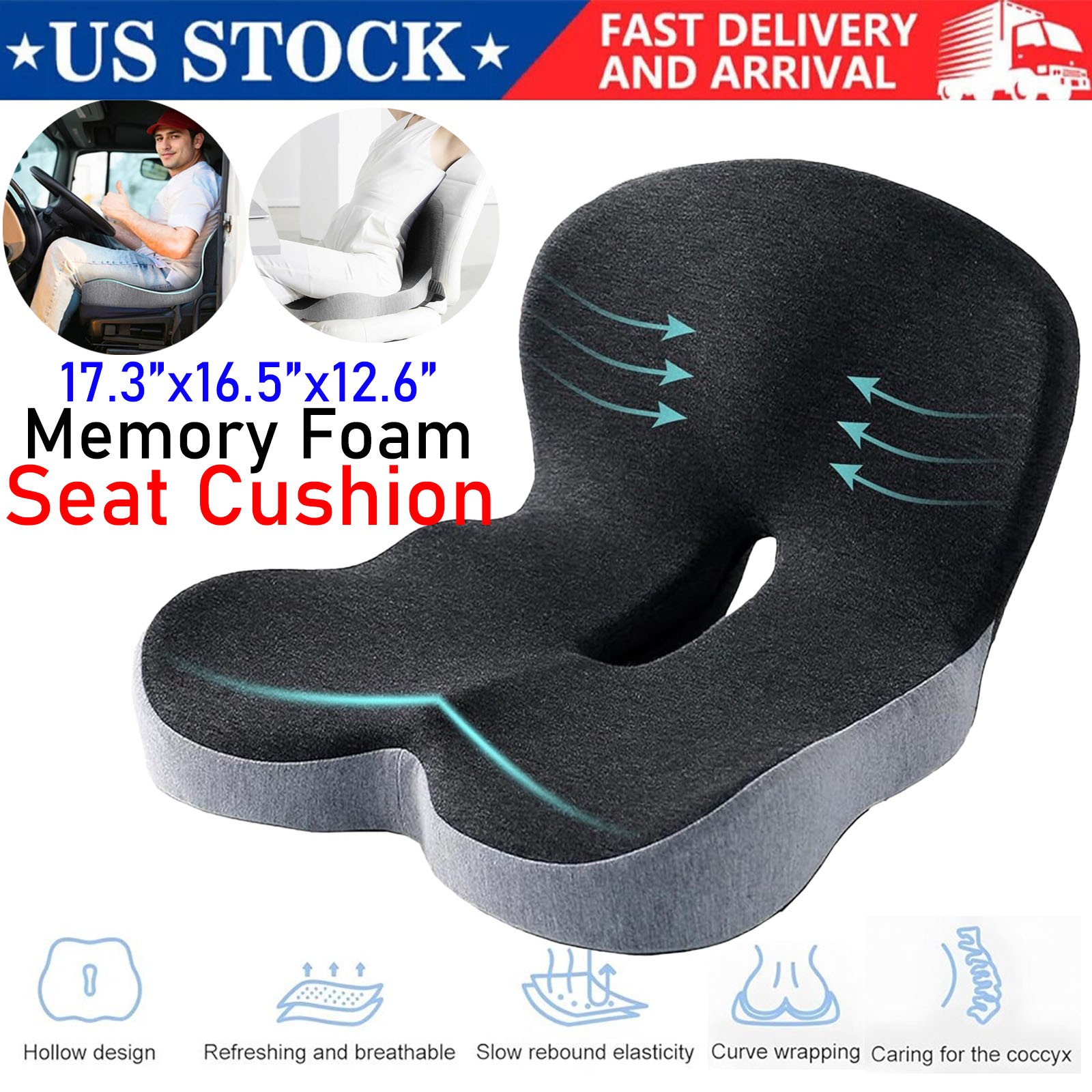 Memory Foam Seat Cushion Lumbar Support Ergonomic Back Support for Office Car$19.99Last checked Nov 22, 2026View on eBay
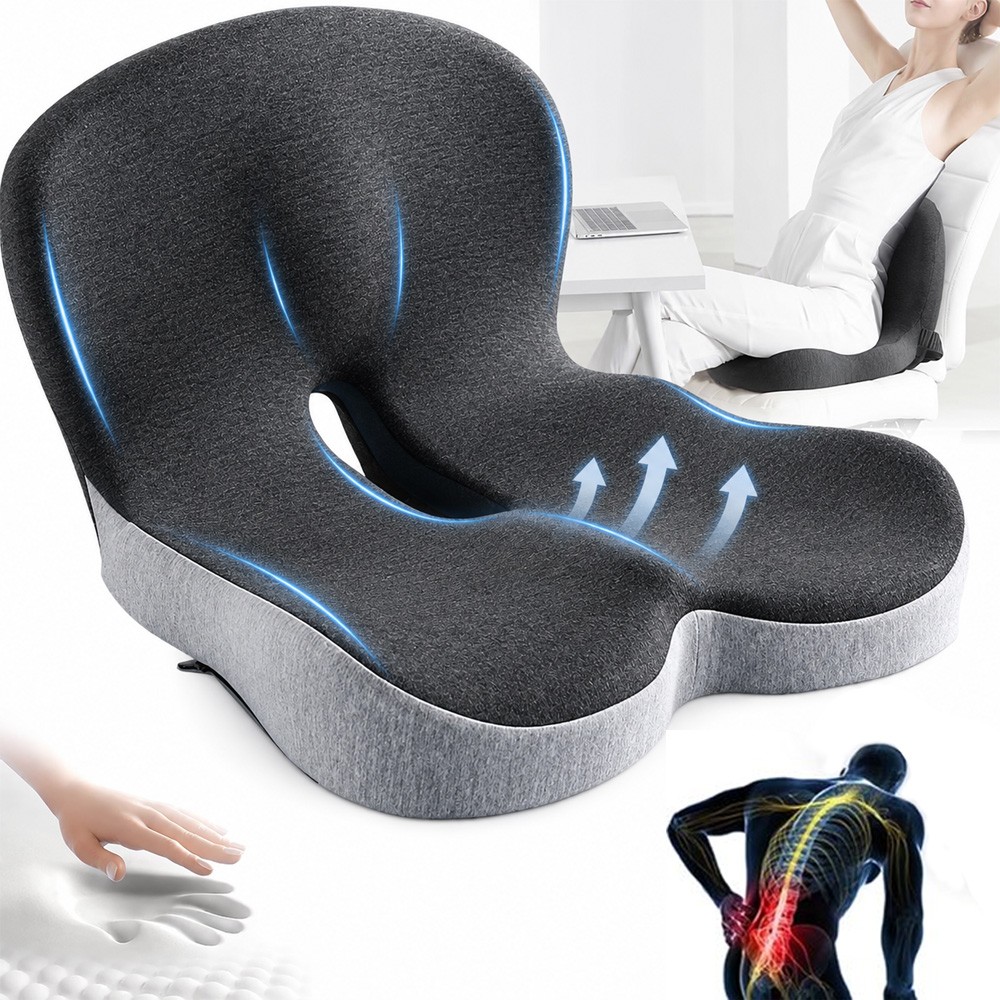 Memory Foam Seat Cushion Lumbar Support Ergonomic Back Support for Office Car$19.99View on eBay
 Memory Foam Seat Cushion Lumbar Support Ergonomic Back Support for Office Car$20.98Last checked Nov 23, 2026View on eBay
- Memory Foam Seat Cushion Lumbar Support Ergonomic Back Support for Office Car$20.98Last checked Nov 23, 2026View on eBay
- Memory Foam Seat Cushion Lumbar Support Ergonomic Back Support for Office Car$20.98Last checked Nov 23, 2026View on eBay
- Memory Foam Seat Cushion Lumbar Support Ergonomic Back Support for Office Car$20.98Last checked Nov 23, 2026View on eBay
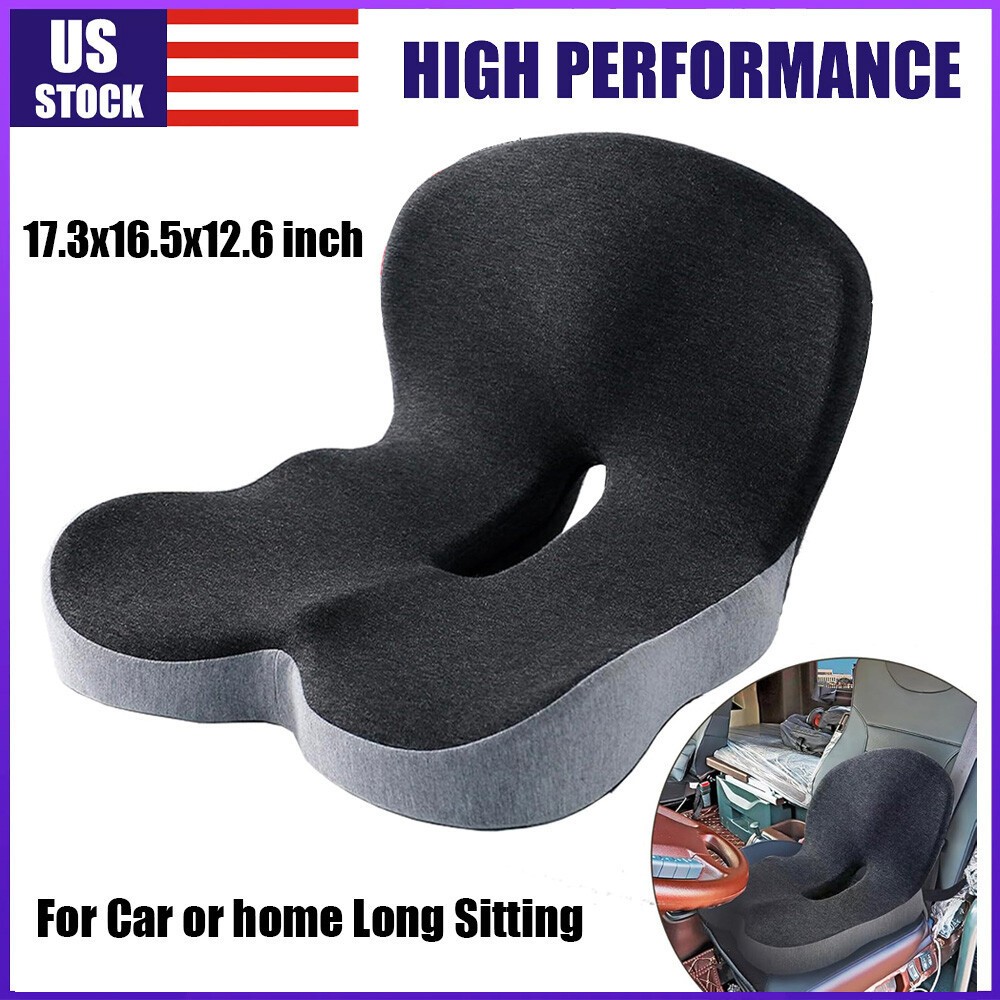 Memory Foam Seat Cushion Lumbar Support Ergonomic Back Support for Office Car$22.99Last checked Nov 24, 2026View on eBay
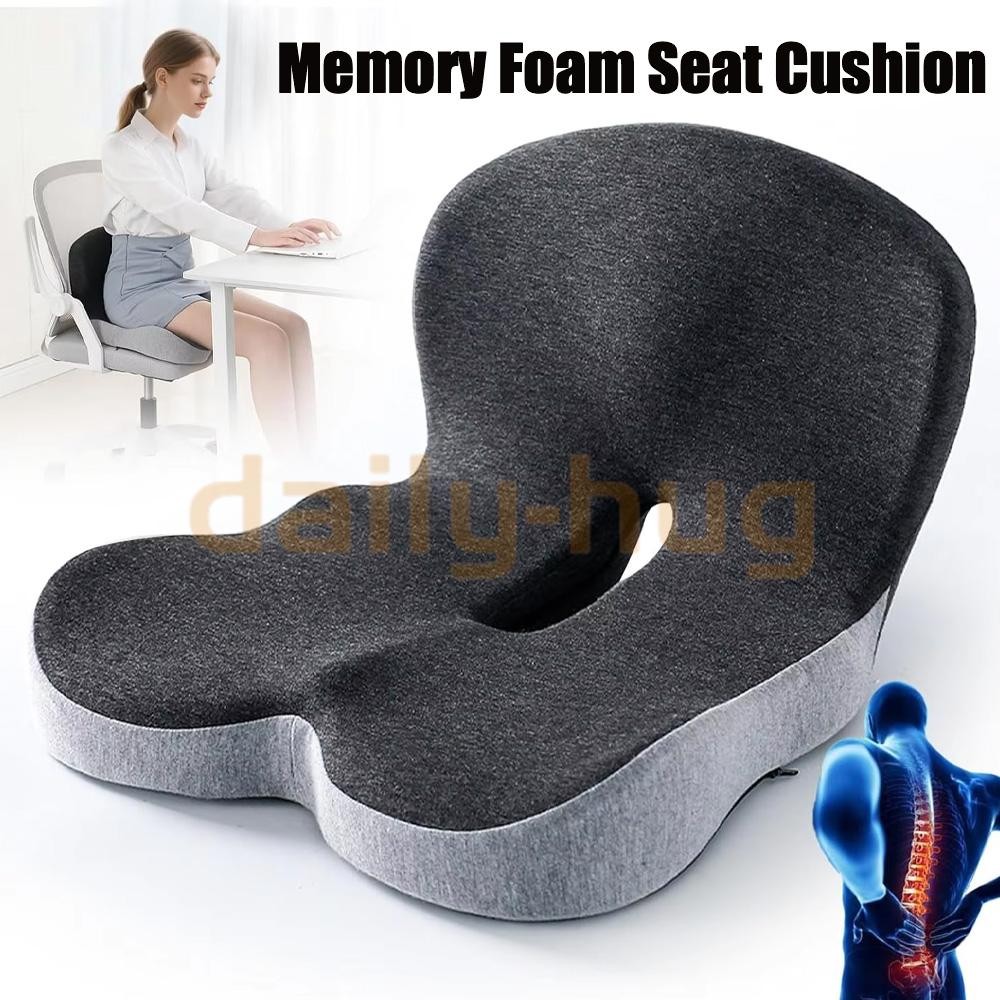 Memory Foam Seat Cushion Lumbar Support Ergonomic Back Support for Office Car$23.29Last checked Nov 19, 2026View on eBay
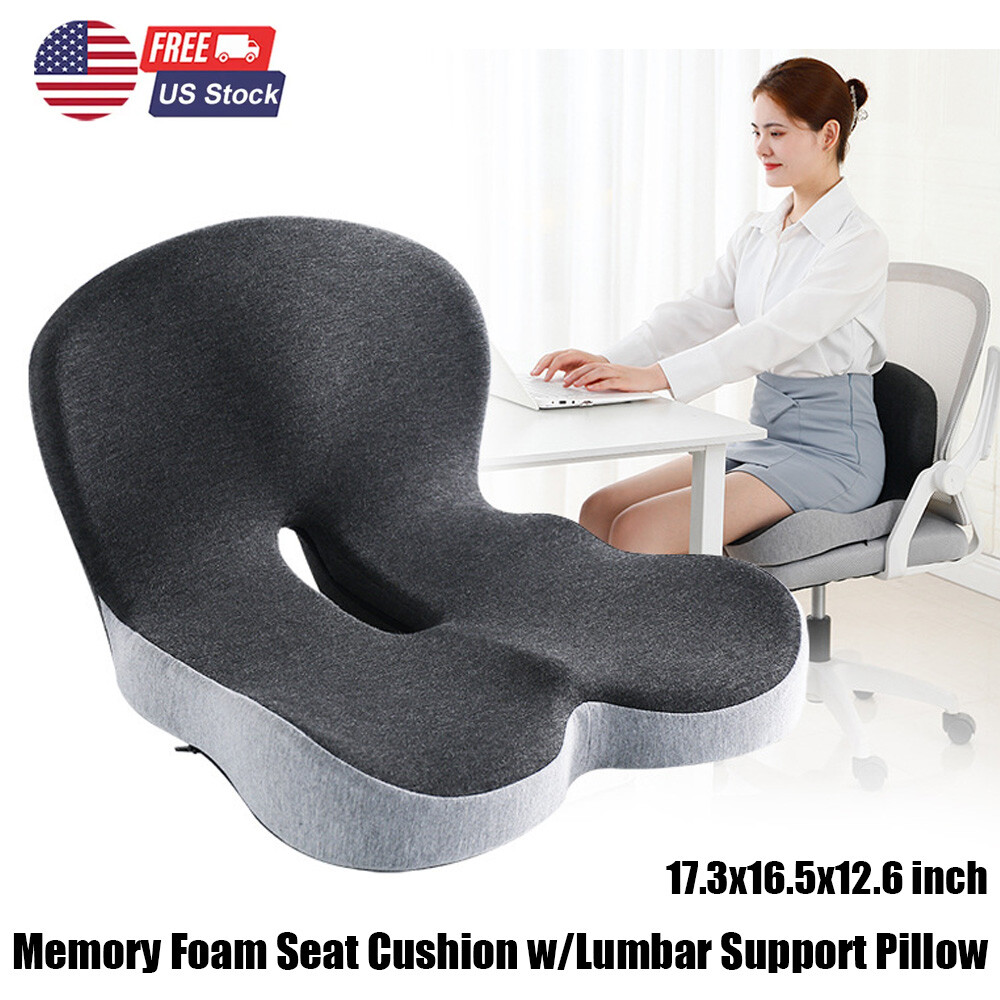 Memory Foam Seat Cushion Lumbar Support Ergonomic Back Support for Office Car US$23.99Last checked Nov 24, 2026View on eBay
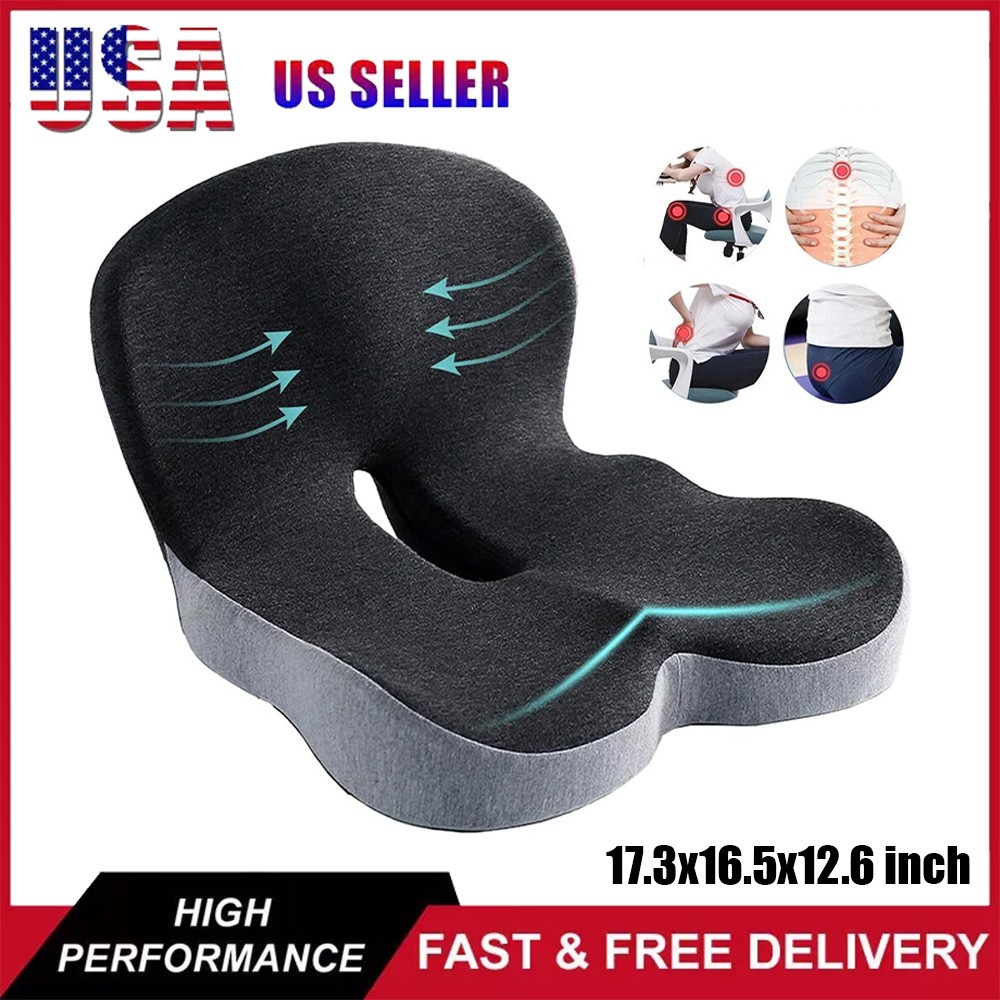 Memory Foam Seat Cushion Lumbar Support Ergonomic Back Support for Office Car$23.99Last checked Nov 22, 2026View on eBay
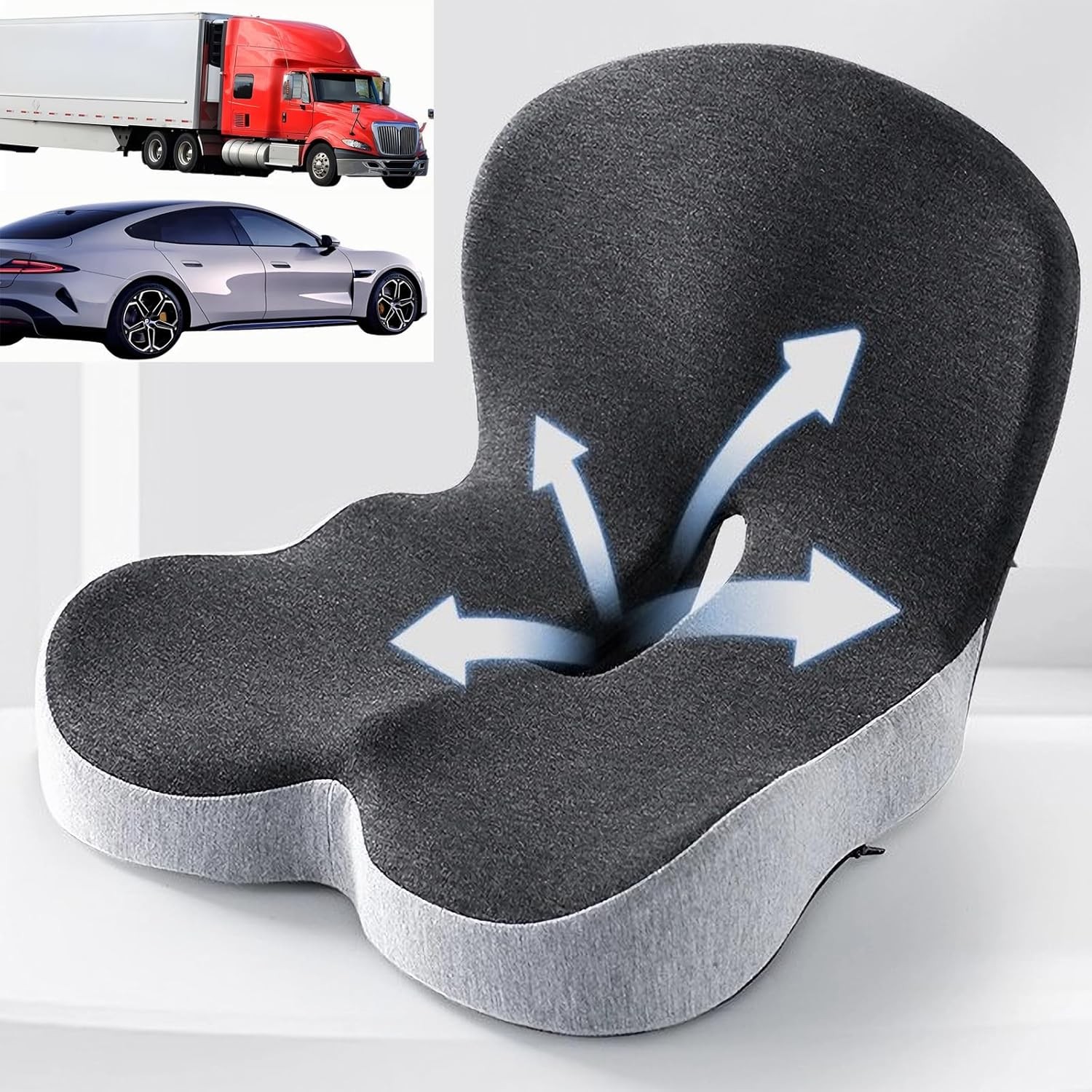 Memory Foam Seat Cushion Lumbar Support Ergonomic Back Support for Office Car$25.92Last checked Nov 23, 2026View on eBay
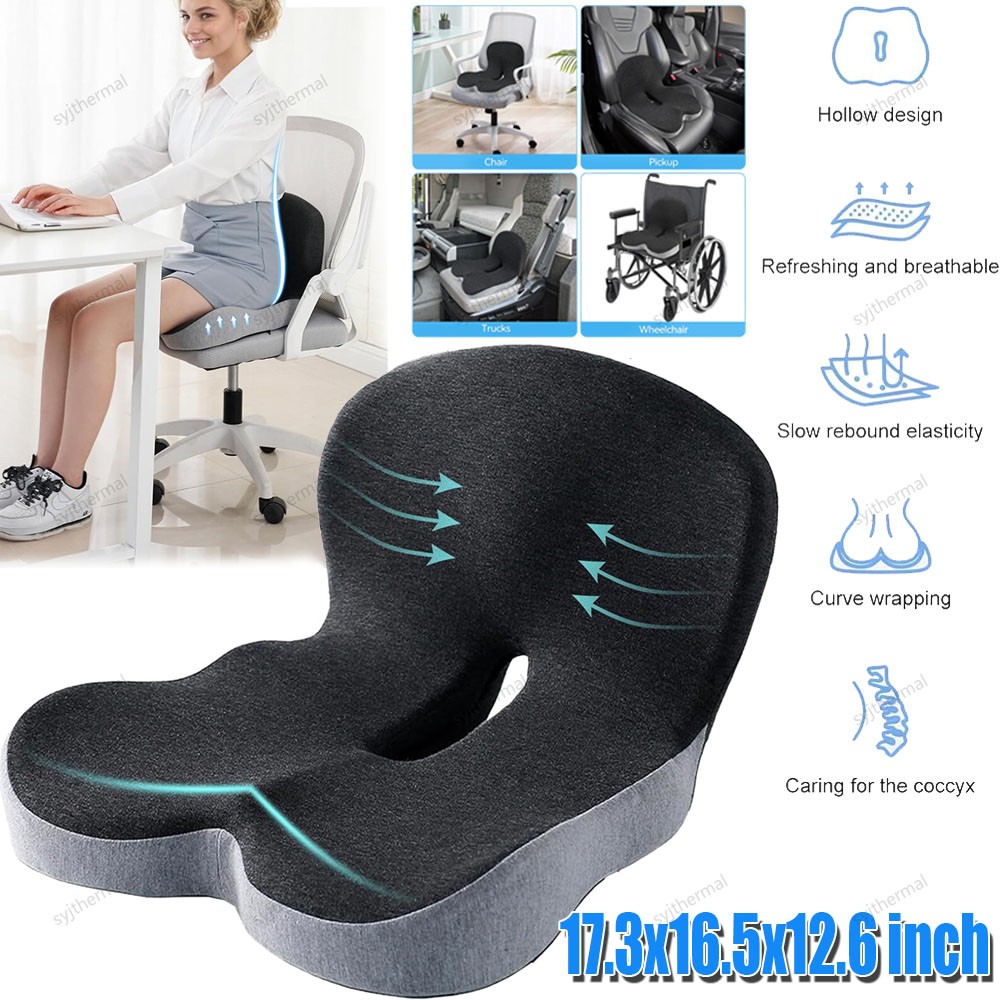 Memory Foam Seat Cushion Lumbar Support Ergonomic Back Support for Office Car$25.92Last checked Nov 22, 2026View on eBay
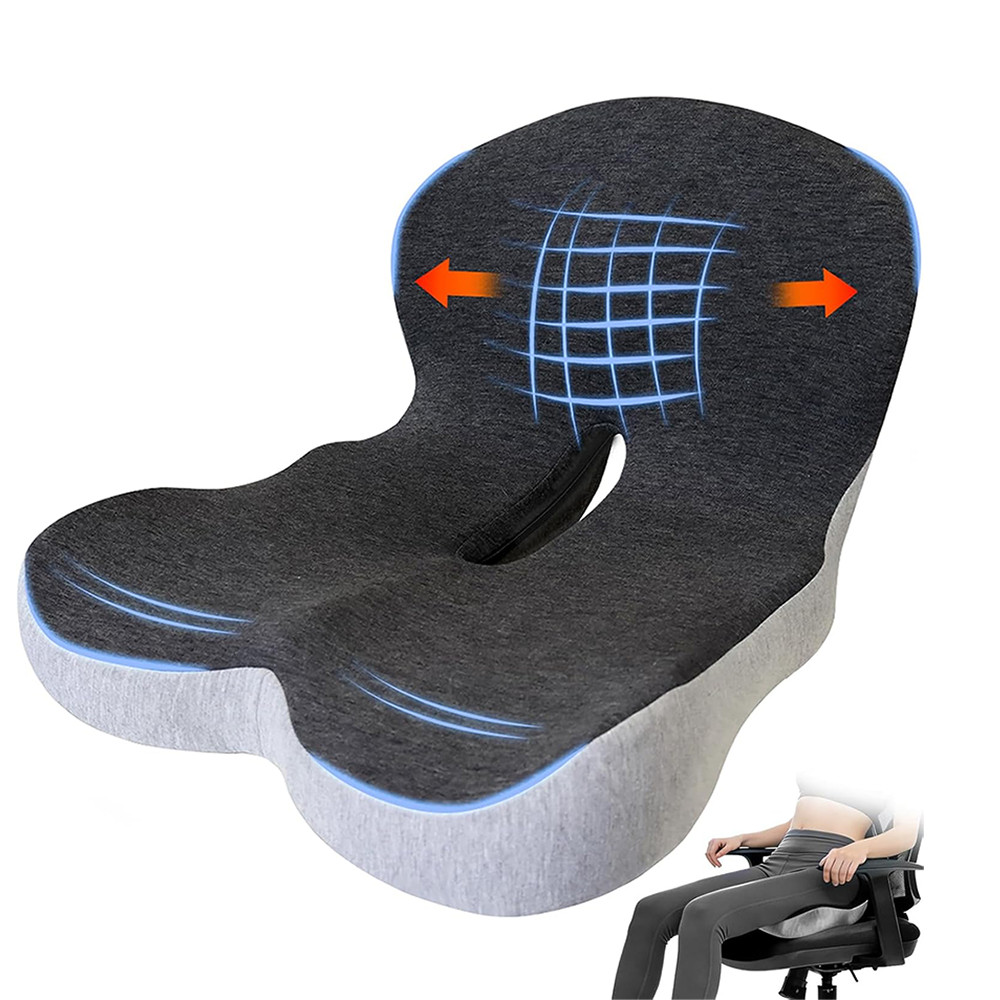 Memory Foam Office Chair Cushion L-Shaped Integrated Seat Cushion Lumbar Support$25.99Last checked Nov 24, 2026View on eBay
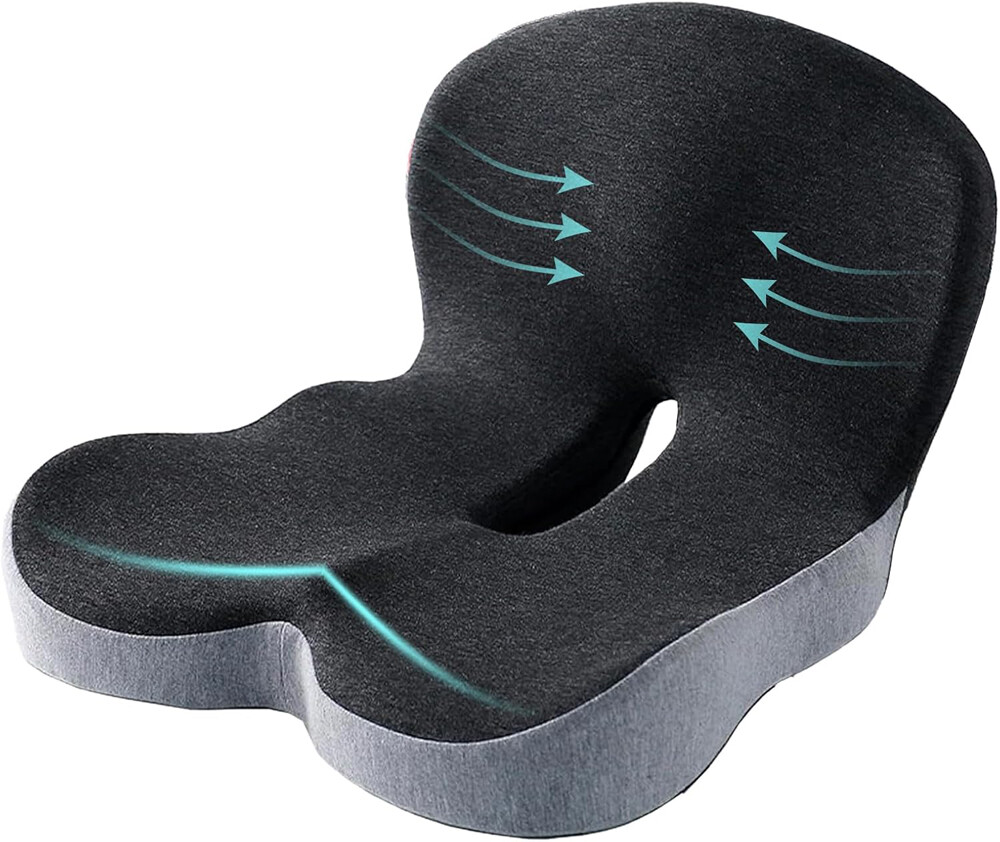 Memory Foam Seat Cushion Lumbar Support Ergonomic Back Support for Office Car US$25.99Last checked Nov 23, 2026View on eBay
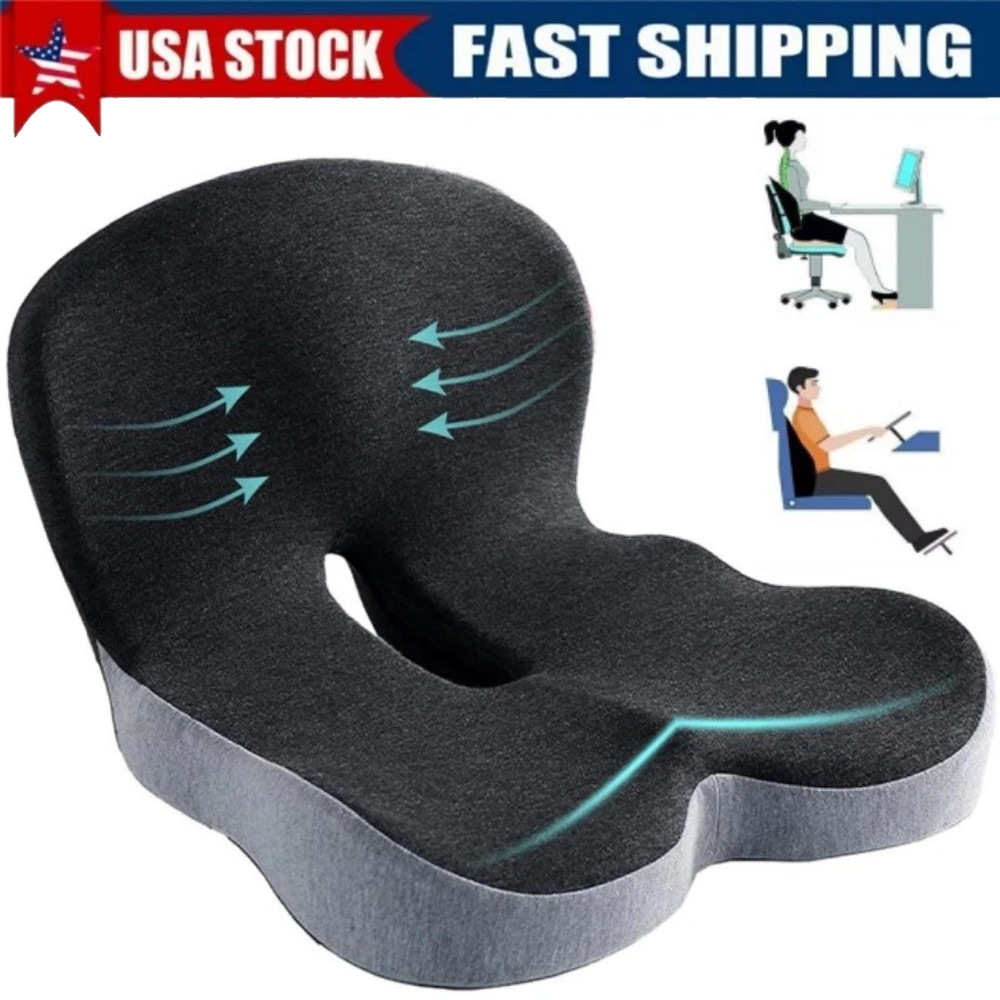 Memory Foam Seat Cushion Lumbar Support Ergonomic Back Support for Office Car US$25.99Last checked Nov 22, 2026View on eBay
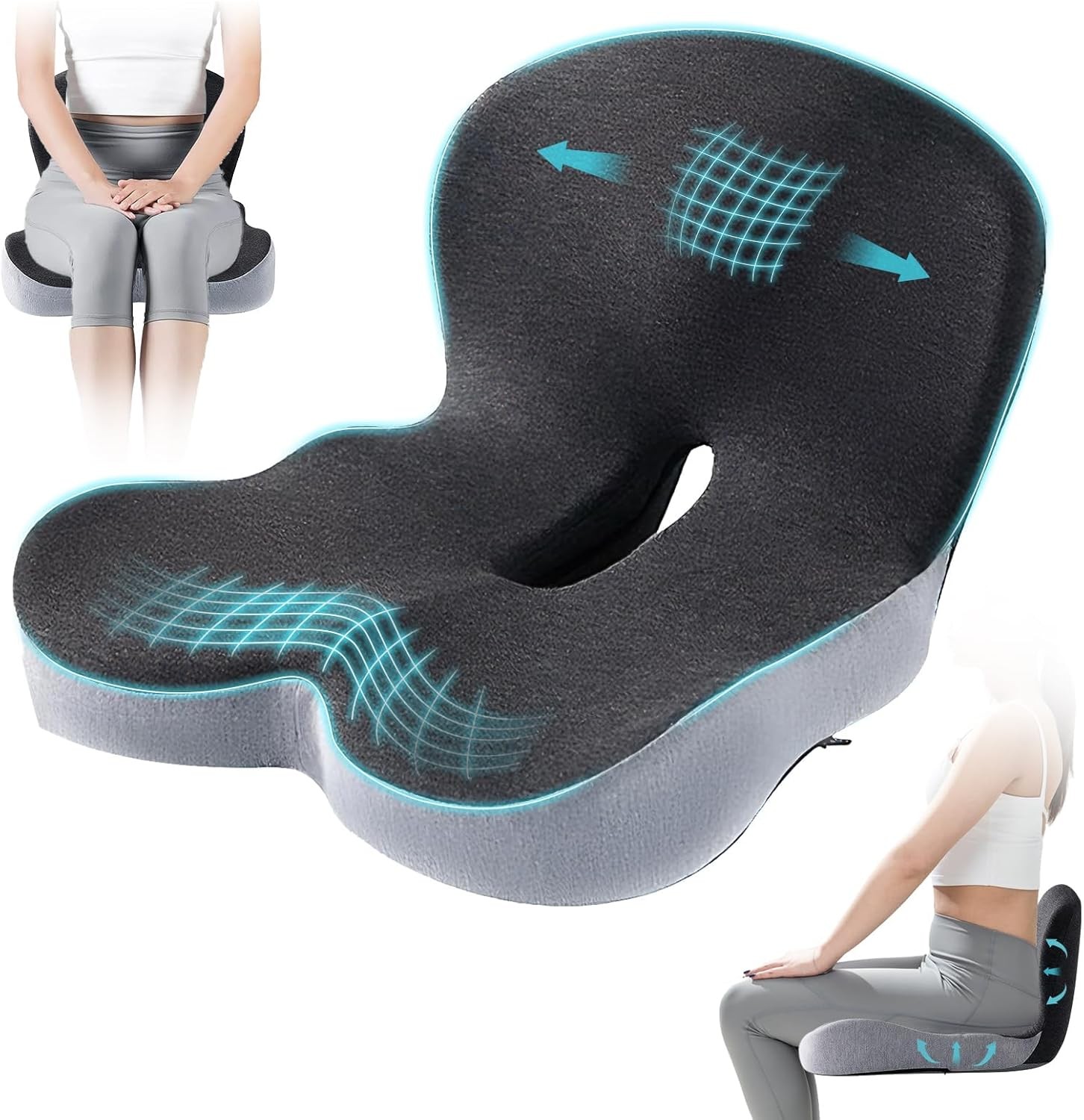 Memory Foam Seat Cushion Lumbar Support Ergonomic Back Support for Office Car$25.99Last checked Nov 22, 2026View on eBay
Highlights
- Support type splits into passive memory-foam pillows and mechanical adjustable pads; mechanical pads use ratchet or strap-lock depth adjustment to hold 2-5 cm of firm pressure and resist flattening.
- Memory foam density matters: 45-60 kg/m³ high-density foam retains shape for years, while low-density 25-30 kg/m³ foam compresses permanently within months of daily use.
- Chair-integrated lumbar support adjusts via up/down sliders and depth knobs and is structurally anchored to the backrest; add-on pillows rely on straps that slip on mesh backs.
- For add-on supports, a contoured profile 8-12 cm thick at the apex with side wings provides lateral support without pushing the pelvis forward off the seat.
Best use cases
- Best for full workdays (6+ hours) at a fixed desk: pick an office chair with a height- and depth-adjustable built-in lumbar pad rather than a strap-on pillow that migrates.
- Best for travel, car seats, and borrowed chairs: choose a high-density memory-foam lumbar pillow with an adjustable strap and breathable cover; skip heated or vibrating units for all-day use.
- Wrong fit: buying a thick 15 cm+ pillow for a shallow seat pan — it pushes your hips forward and reduces thigh support; match pillow thickness to the gap between your lower back and the chair back.
Buying tips
- Measure the gap between your lumbar curve and the chair back while seated; choose a support 2-4 cm thicker than that gap so it contacts without forcing you forward.
- For add-on pillows, prioritize 45-60 kg/m³ high-density or gel-infused memory foam; low-density foam bottoms out under 70-80 kg body weight.
- On integrated chairs, confirm the lumbar pad adjusts at least 8-10 cm vertically so it lands at your belt line, not your mid-back.
- Prefer straps with buckles or hook-and-loop over elastic-only bands on mesh chairs, since elastic stretches and the pillow slides down during the day.
Specs
| Support Type | Memory foam vs mechanical adjustable |
|---|---|
| Foam Density | 45-60 kg/m³ high-density |
| Adjustment Range | 8-10 cm vertical travel |
| Mounting | Buckle strap vs built-in slider |
Related searches
What to check before buying
- Seat depth: leave 5-8 cm between the back of your knees and the seat edge after adding the support; a thick pillow can consume that clearance.
- Chair back type: mesh backs need wide, non-slip straps; solid backs accept adhesive or suction mounts better than loose elastic.
- Body fit: the support's apex should sit at your belt line (L3-L4), roughly 2-4 cm above the seat surface depending on torso length.
- Environment: heated or vibrating lumbar units need USB power or batteries; passive foam needs no power but requires a washable, breathable cover in warm rooms.
FAQ
Data sources: eBay / Amazon listings and product attribute feeds. Updated Nov 28, 2026.
Some links on this page are affiliate links. If you buy after clicking one, we may earn a commission at no extra cost to you. This does not change which products appear here or their order. Affiliate disclosure.