
Photos from current listings. Actual item, color, and included accessories may vary.
Back Support Buying Guide
Back support gear spans lumbar pillows, seat cushions, posture braces, and chair-integrated lumbar systems that hold the spine in neutral alignment during sitting or lifting. The core trade-off is passive cushioning versus active adjustable support: foam pillows are cheap but compress and lose height, while adjustable chair lumbar or rigid-brace systems maintain set pressure but cost more and fit fewer seats. Choose an adjustable, high-density support rated for your seated duration and body weight; skip low-density memory foam that bottoms out within months.
Median $23.14
Key takeaways
- Lumbar pillow fill determines lifespan: high-density molded memory foam at 2.5-4 lb/ft³ holds shape 2-3 years, while shredded or low-density foam at 1.5-2 lb/ft³ flattens in 6-12 months.
- Adjustable chair lumbar systems use ratcheting or strap-lock height travel of 2-4 in and depth tension, maintaining set pressure better than loose pillows that slide.
- Seat cushions with a coccyx cutout reduce tailbone pressure by roughly 30-50% versus flat foam; gel-infused layers add heat dissipation but add 1-2 lb of weight.
At a glance
- Category
- Ergonomic Office Gear
- Last updated
- Nov 28, 2026
Current offers
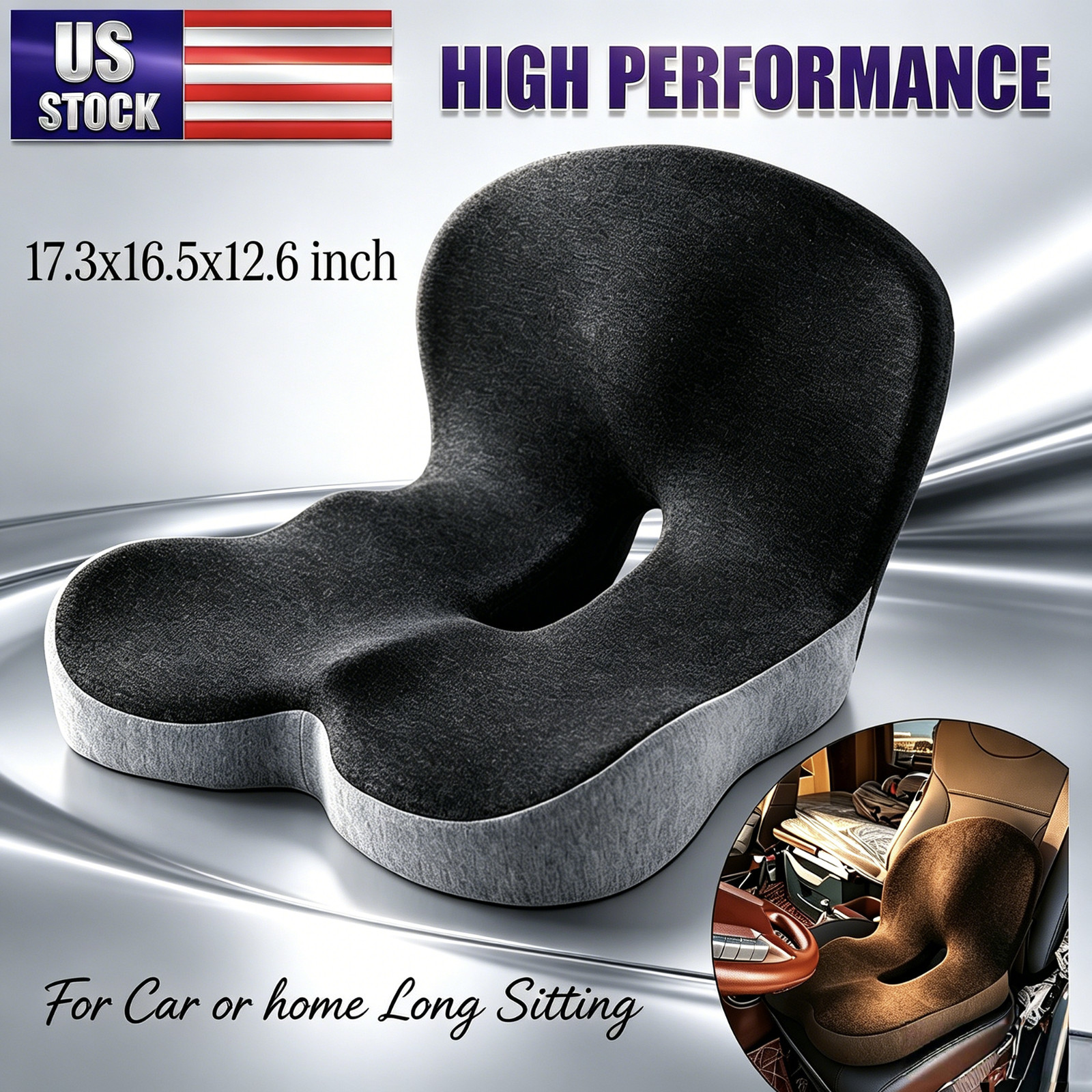 Memory Foam Seat Cushion Lumbar Support Ergonomic Back Support for Office Car$17.99Last checked Nov 24, 2026View on eBay
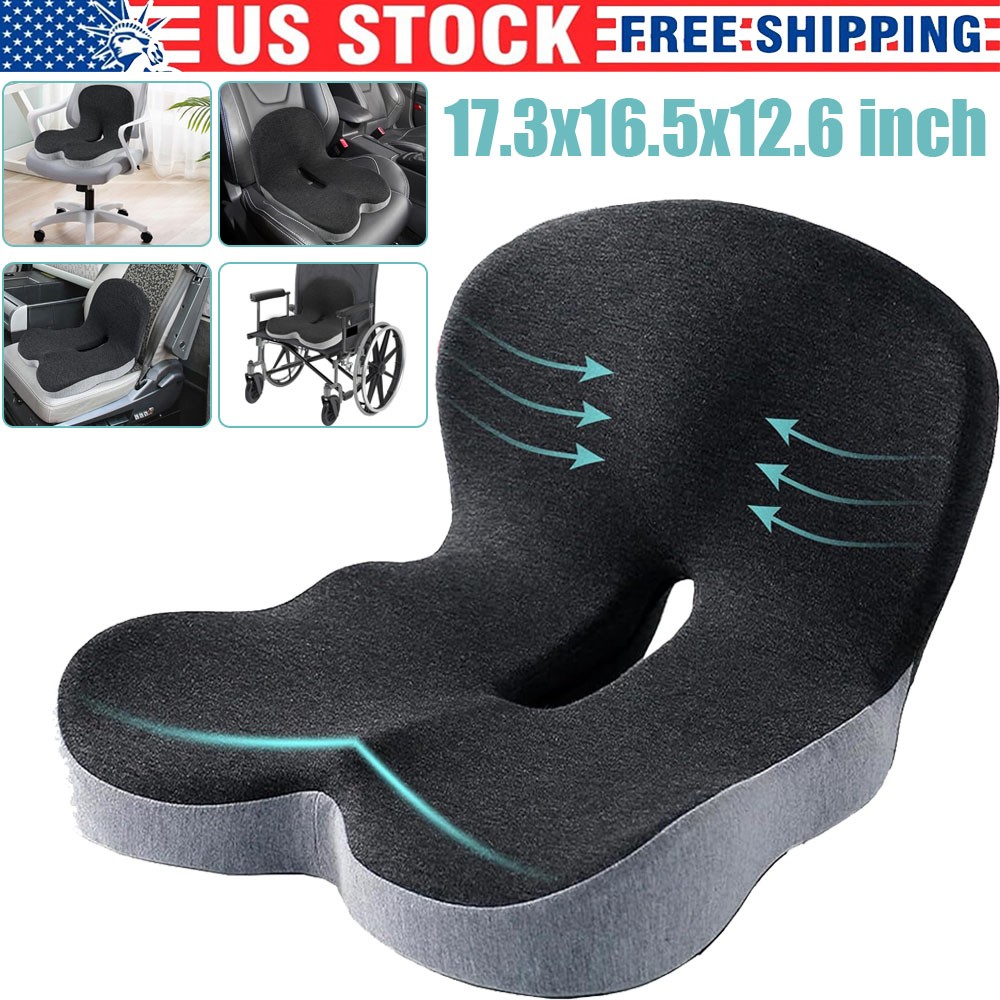 Memory Foam Seat Cushion Lumbar Support Ergonomic Back Support for Office Car$18.99View on eBay
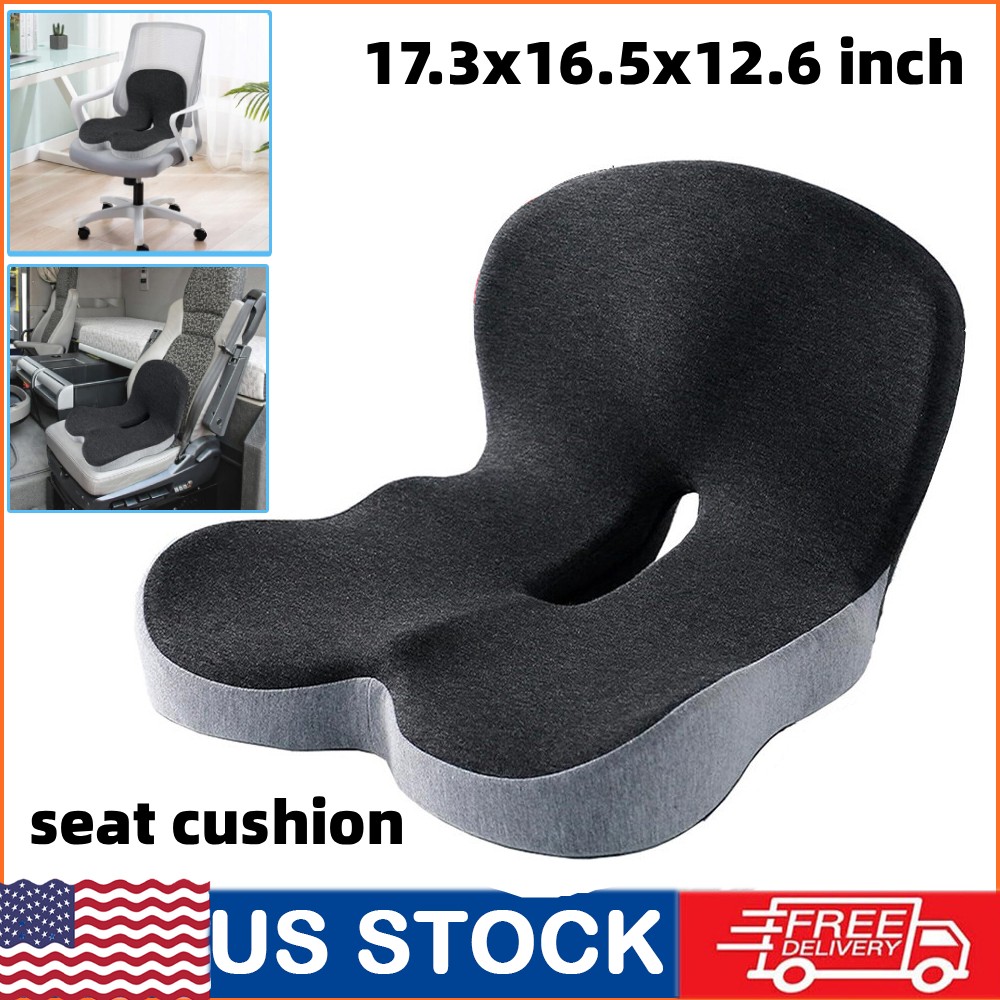 Memory Foam Seat Cushion Lumbar Support Ergonomic Back Support for Office Car US$19.99Last checked Nov 23, 2026View on eBay
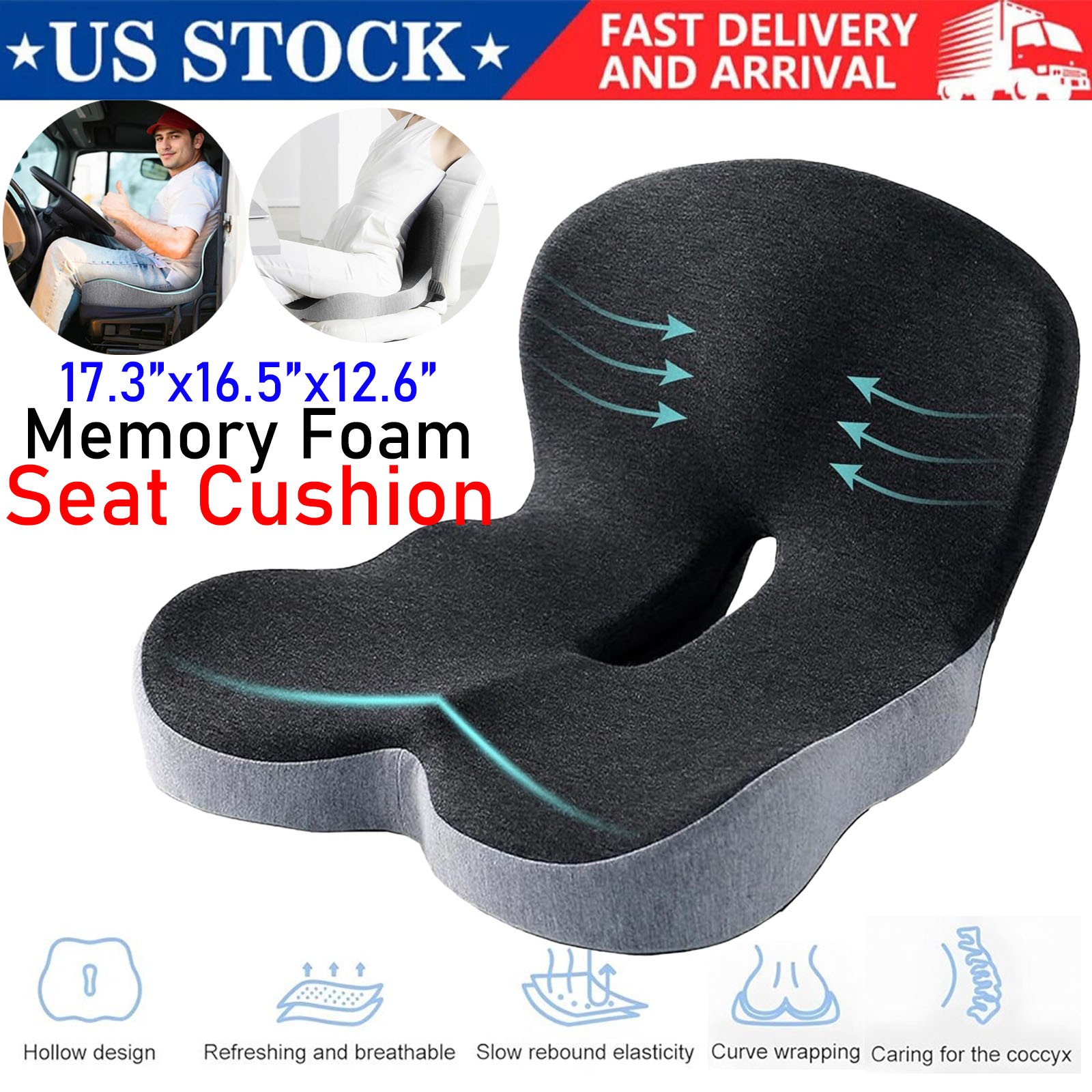 Memory Foam Seat Cushion Lumbar Support Ergonomic Back Support for Office Car$19.99Last checked Nov 22, 2026View on eBay
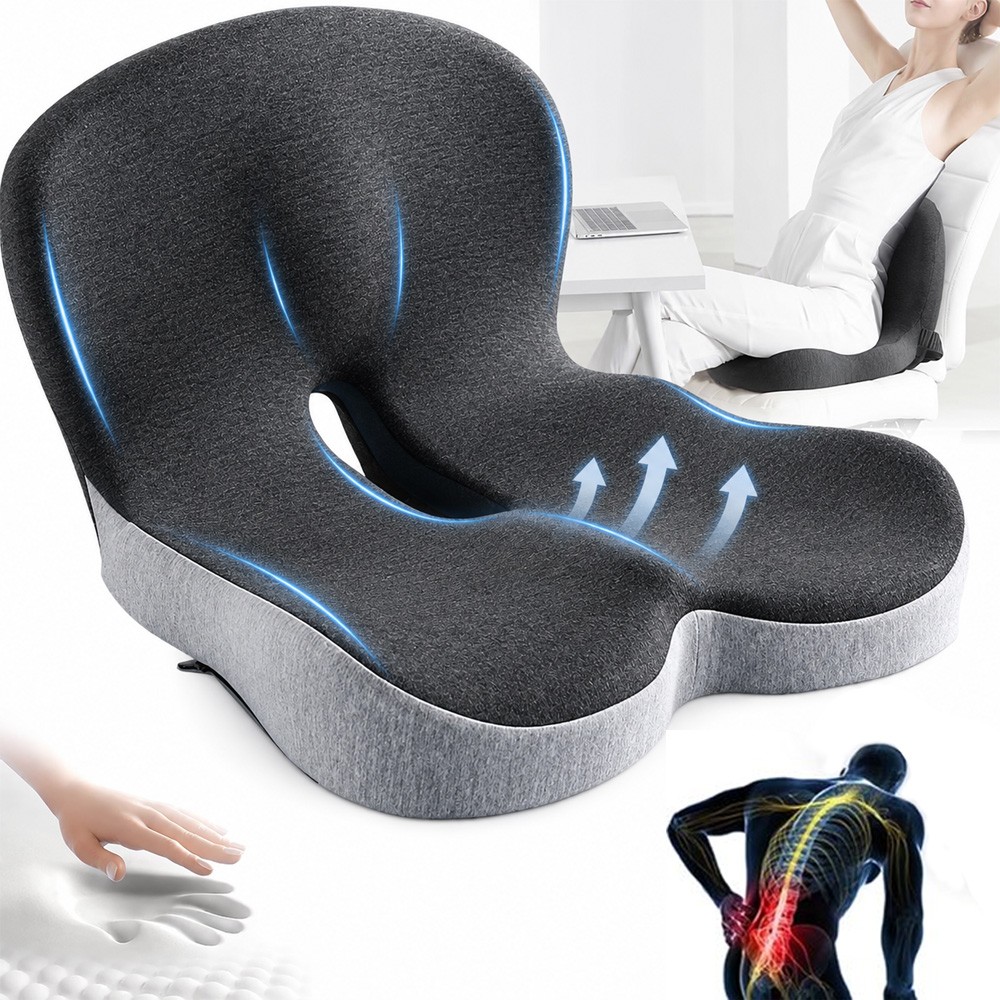 Memory Foam Seat Cushion Lumbar Support Ergonomic Back Support for Office Car$19.99View on eBay
 Memory Foam Seat Cushion Lumbar Support Ergonomic Back Support for Office Car$20.98Last checked Nov 23, 2026View on eBay
- Memory Foam Seat Cushion Lumbar Support Ergonomic Back Support for Office Car$20.98Last checked Nov 23, 2026View on eBay
- Memory Foam Seat Cushion Lumbar Support Ergonomic Back Support for Office Car$20.98Last checked Nov 23, 2026View on eBay
- Memory Foam Seat Cushion Lumbar Support Ergonomic Back Support for Office Car$20.98Last checked Nov 23, 2026View on eBay
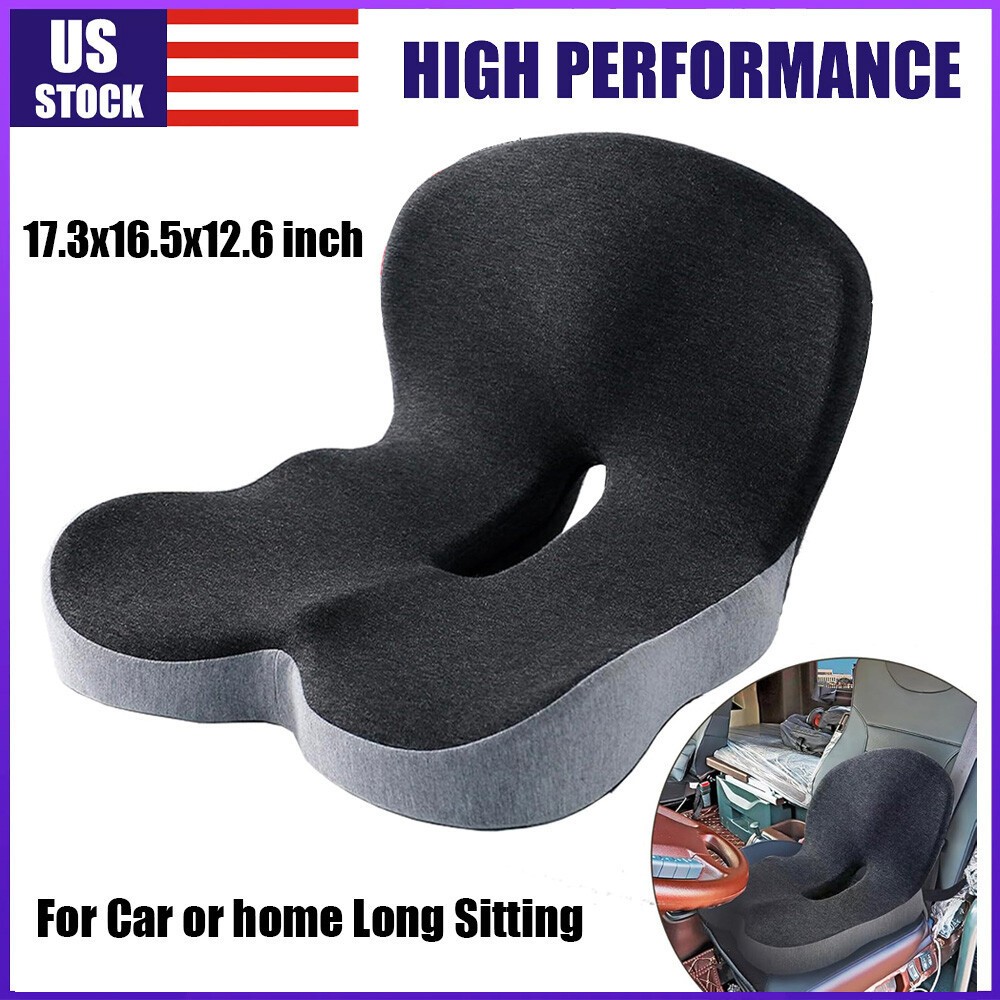 Memory Foam Seat Cushion Lumbar Support Ergonomic Back Support for Office Car$22.99Last checked Nov 24, 2026View on eBay
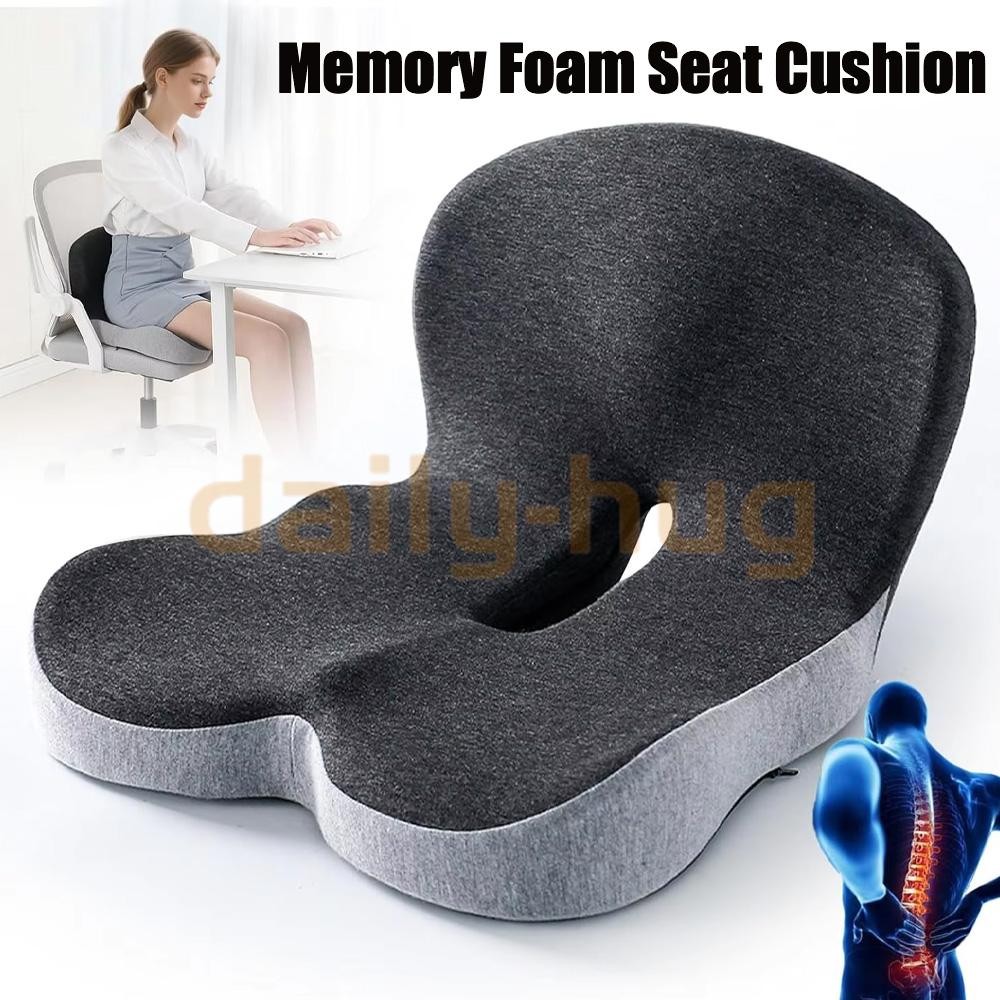 Memory Foam Seat Cushion Lumbar Support Ergonomic Back Support for Office Car$23.29Last checked Nov 19, 2026View on eBay
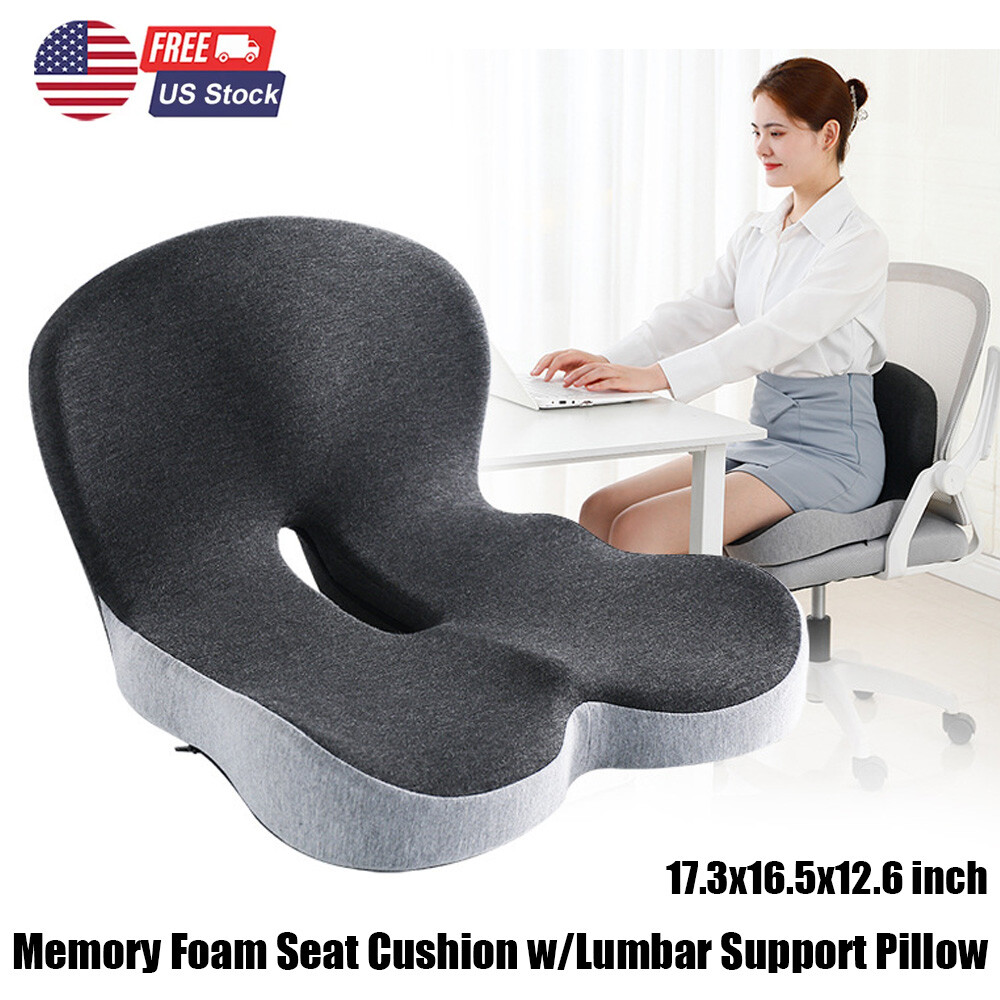 Memory Foam Seat Cushion Lumbar Support Ergonomic Back Support for Office Car US$23.99Last checked Nov 24, 2026View on eBay
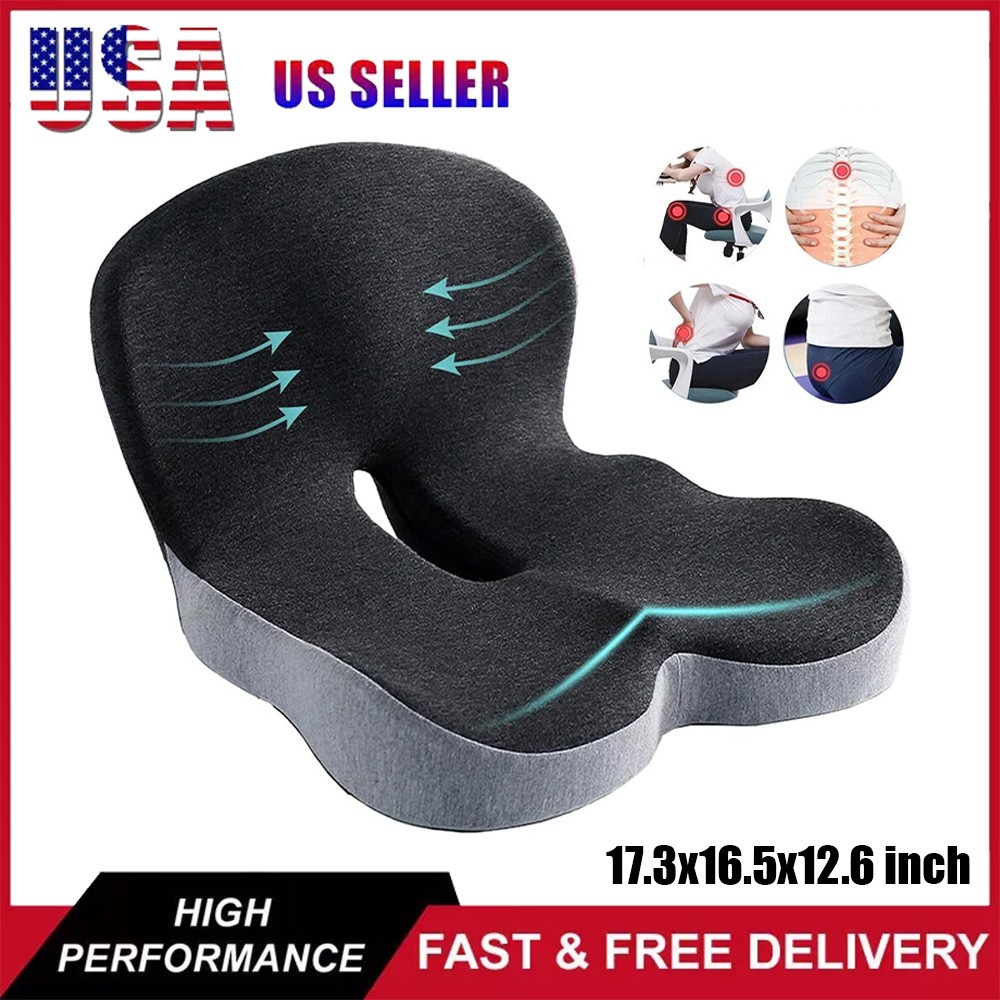 Memory Foam Seat Cushion Lumbar Support Ergonomic Back Support for Office Car$23.99Last checked Nov 22, 2026View on eBay
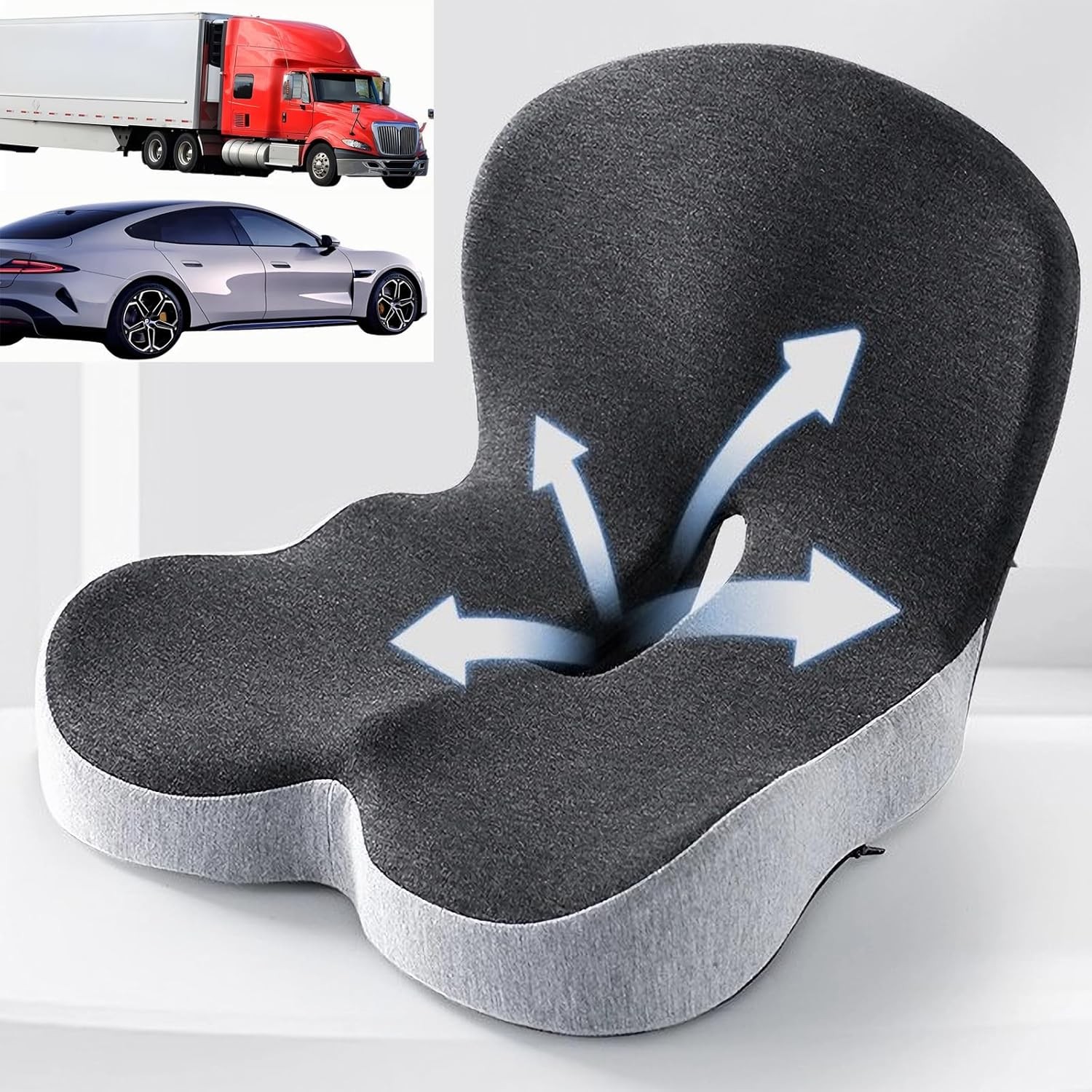 Memory Foam Seat Cushion Lumbar Support Ergonomic Back Support for Office Car$25.92Last checked Nov 23, 2026View on eBay
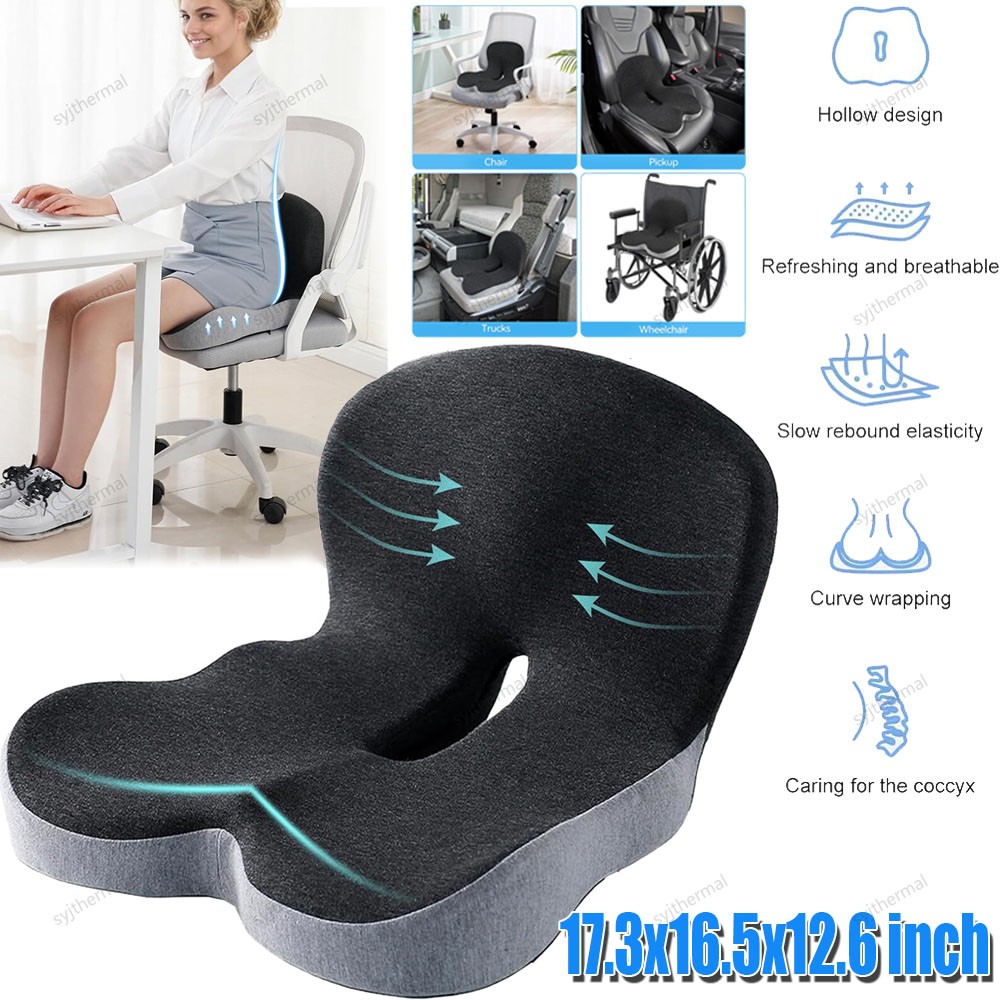 Memory Foam Seat Cushion Lumbar Support Ergonomic Back Support for Office Car$25.92Last checked Nov 22, 2026View on eBay
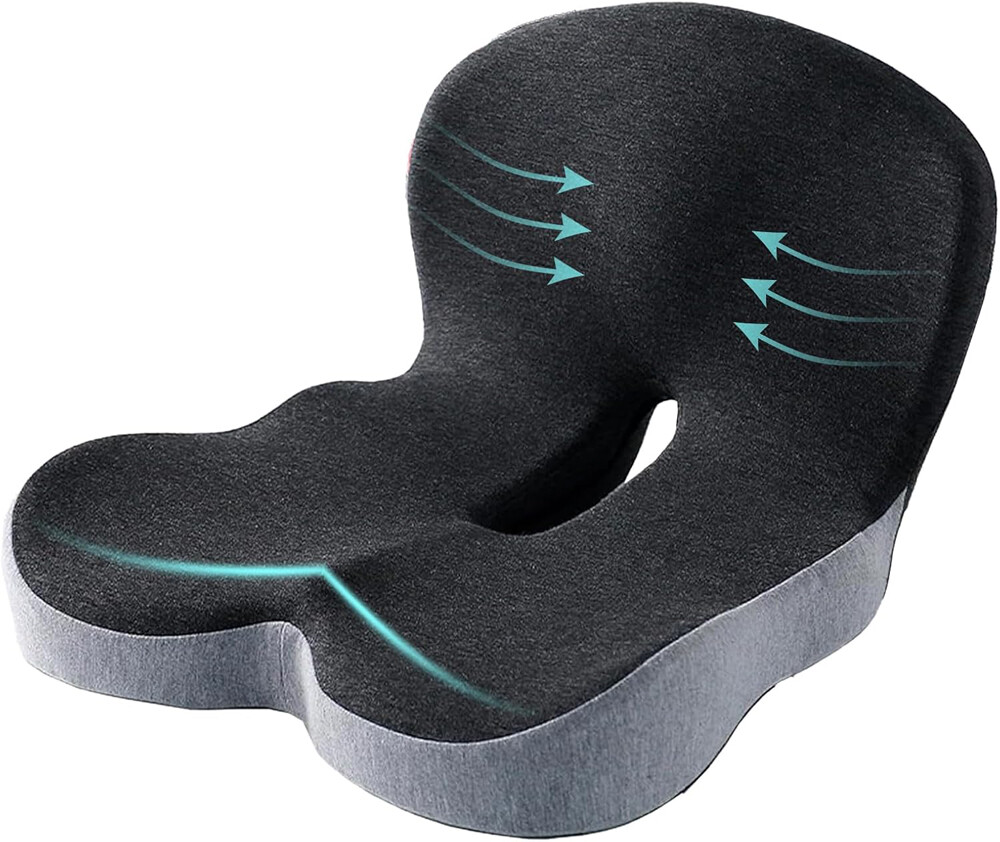 Memory Foam Seat Cushion Lumbar Support Ergonomic Back Support for Office Car US$25.99Last checked Nov 23, 2026View on eBay
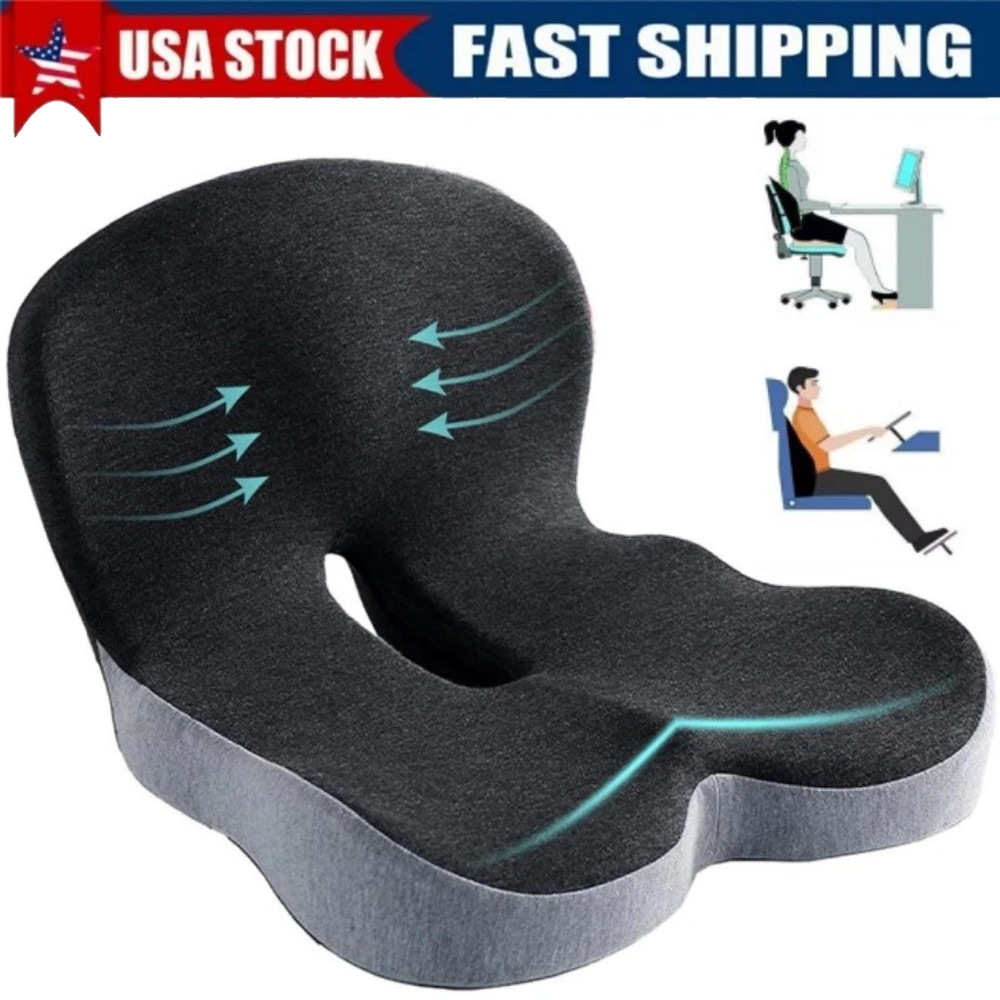 Memory Foam Seat Cushion Lumbar Support Ergonomic Back Support for Office Car US$25.99Last checked Nov 22, 2026View on eBay
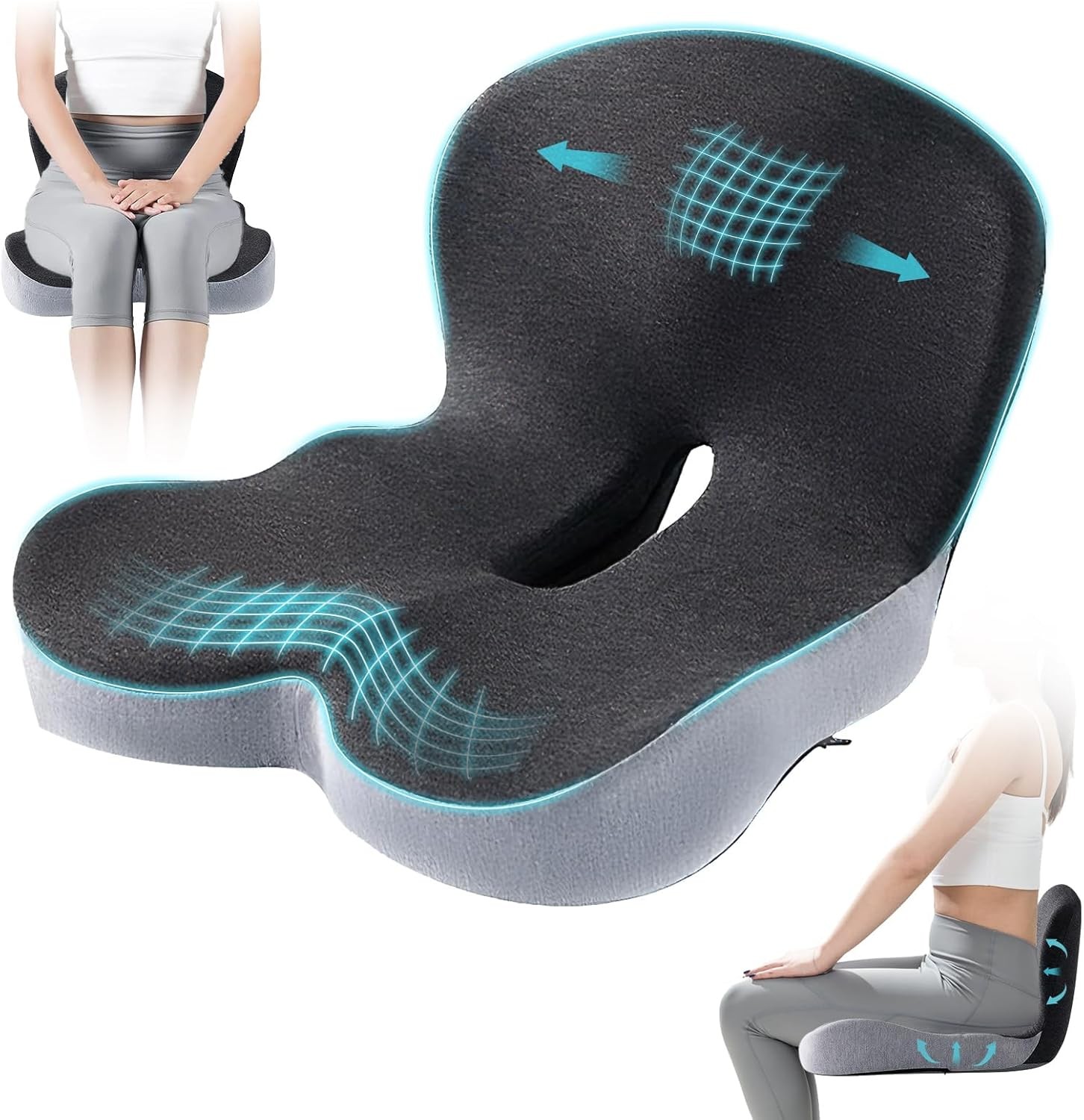 Memory Foam Seat Cushion Lumbar Support Ergonomic Back Support for Office Car$25.99Last checked Nov 22, 2026View on eBay
- For Office Car Memory Foam Seat Cushion Lumbar Support Ergonomic Back Support US$26.99Last checked Nov 24, 2026View on eBay
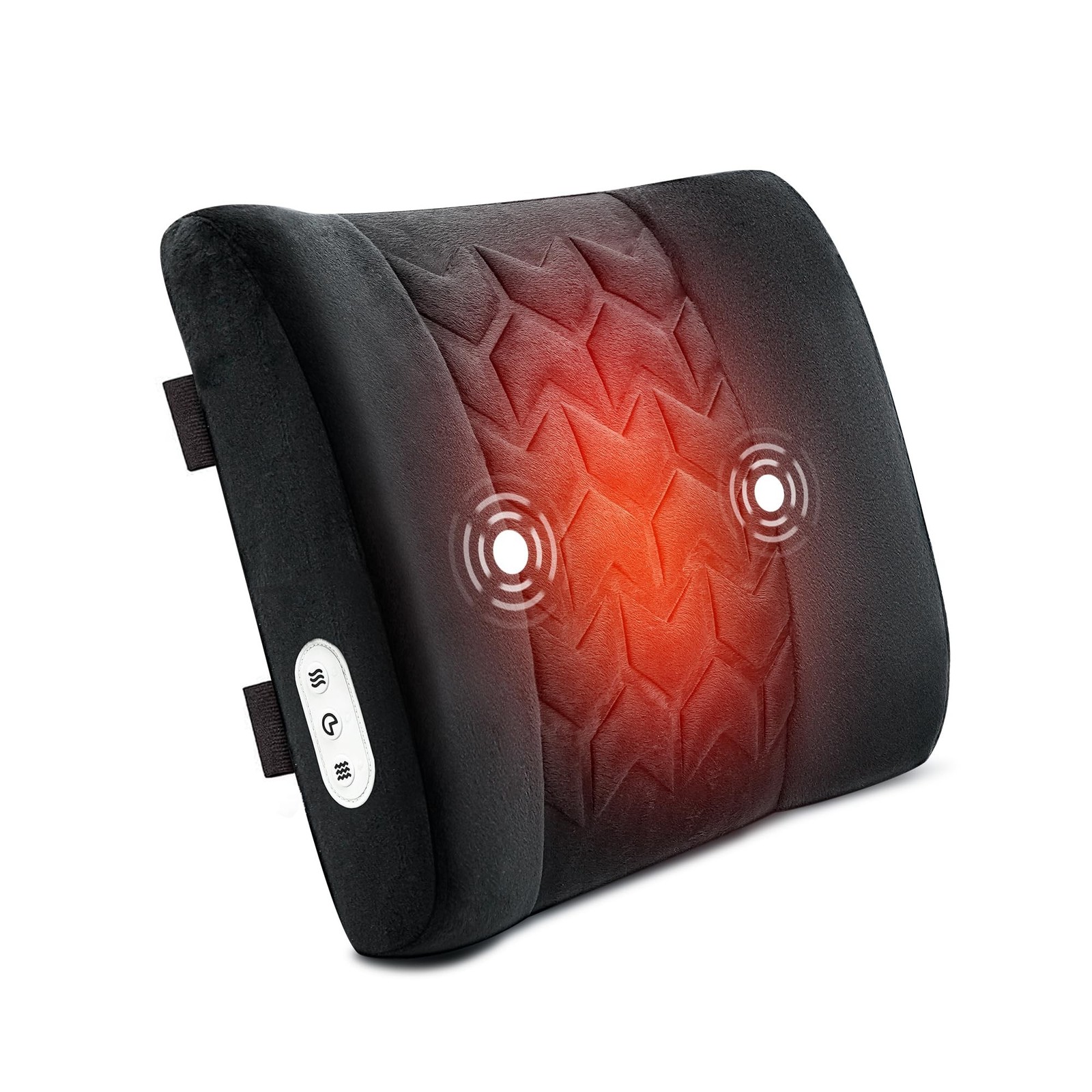 Lumbar Support Pillow for Office Chair, Heated Back Support Pillow with Vibra...$72.30View on eBay
Highlights
- Lumbar pillow fill determines lifespan: high-density molded memory foam at 2.5-4 lb/ft³ holds shape 2-3 years, while shredded or low-density foam at 1.5-2 lb/ft³ flattens in 6-12 months.
- Adjustable chair lumbar systems use ratcheting or strap-lock height travel of 2-4 in and depth tension, maintaining set pressure better than loose pillows that slide.
- Seat cushions with a coccyx cutout reduce tailbone pressure by roughly 30-50% versus flat foam; gel-infused layers add heat dissipation but add 1-2 lb of weight.
- Lifting belts split into soft elastic (8-12 in height, general support) and rigid 4-6 in leather/nylon power belts for loads above roughly 50 lb; soft belts do not substitute for lifting technique.
Best use cases
- Office sitting 6+ hours: pick an adjustable-height chair lumbar or a high-density memory foam pillow with a strap and 2-4 in of firmness; skip shredded-foam throw pillows that collapse by midday.
- Sciatica or tailbone pain: choose a seat cushion with a rear coccyx cutout plus firm lumbar roll; skip flat gel pads without a cutout that still load the sacrum.
- Heavy lifting or repeated bending: use a 4-6 in rigid power belt tightened for the lift and loosened between sets; skip elastic posture braces, which provide feedback but little load support.
- Car or travel use: pick a portable inflatable or compact memory foam lumbar pillow with a securing strap; skip full chair-integrated systems that cannot transfer between seats.
Buying tips
- Match support height to your torso: lumbar pillows should span 10-14 in tall and cover the L1-L5 curve; a pillow shorter than 8 in sits below the lumbar spine and does nothing.
- Check foam density before buying: 2.5 lb/ft³ and above resists compression for daily 8-hour sitting; 1.5-2 lb/ft³ suits occasional use only.
- For lifting belts, measure waist over clothing: belts sized in 4-6 in increments must overlap the abdomen by 2-3 in; a belt that barely closes provides no intra-abdominal pressure.
- Verify attachment: chair lumbar systems need a backrest 14-20 in wide and a strap or bracket; pillows need a seat-back gap under 2 in or an adjustable strap to stay in place.
Specs
| Support Type | Lumbar pillow / Chair system / Belt |
|---|---|
| Foam Density | High 2.5+ lb/ft³ vs Low 1.5-2 lb/ft³ |
| Lumbar Height | 10-14 in (full lumbar) vs <8 in |
| Lifting Belt Width | Rigid 4-6 in vs Soft elastic 8-12 in |
Related searches
What to check before buying
- Measure your chair back height and width, and confirm the lumbar support's strap or mount fits a backrest 14-20 in wide.
- Check seat depth: a seat cushion should leave 2-3 in between the back of your knees and the cushion edge to avoid pressure behind the knee.
- For lifting belts, confirm waist circumference falls inside the belt's adjustment range with 2-3 in of overlap, and that the belt is 4-6 in tall for heavy loads.
- Verify your chair's backrest material and shape: mesh chairs need a strap-compatible frame, while upholstered chairs accept clip or strap mounts without sagging.
FAQ
Data sources: eBay / Amazon listings and product attribute feeds. Updated Nov 28, 2026.
Some links on this page are affiliate links. If you buy after clicking one, we may earn a commission at no extra cost to you. This does not change which products appear here or their order. Affiliate disclosure.