
Photos from current listings. Actual item, color, and included accessories may vary.
Lumbar Back Support Buying Guide
Lumbar back support covers every device that restores the inward curve of the lower spine, from memory-foam pillows strapped to a chair to built-in adjustable lumbar mechanisms on the office chair itself. The core trade-off is passive foam compression (cheap, but it bottoms out and offers no height or depth control) versus an adjustable mechanism with a defined firmness and vertical travel. The decision rule: buy a chair with a height-adjustable, depth-tunable lumbar pad for daily 8-hour desk work; buy a strap-on foam or inflatable support only as a portable supplement for cars, travel, or an existing chair that cannot be replaced.
Median $23.14
Key takeaways
- Built-in chair lumbar mechanisms adjust vertically (typically 2-4 in of travel) and in firmness or depth; strap-on pillows are fixed-height and rely on foam density alone.
- Memory foam support depends on density: 45-60 kg/m³ foam resists bottoming out, while low-density foam collapses under sustained body weight within months.
- Inflatable air-bladder supports let users tune firmness and depth continuously but depend on the pump valve holding pressure; they are lighter and more packable than foam.
At a glance
- Category
- Ergonomic Office Gear
- Last updated
- Nov 28, 2026
Current offers
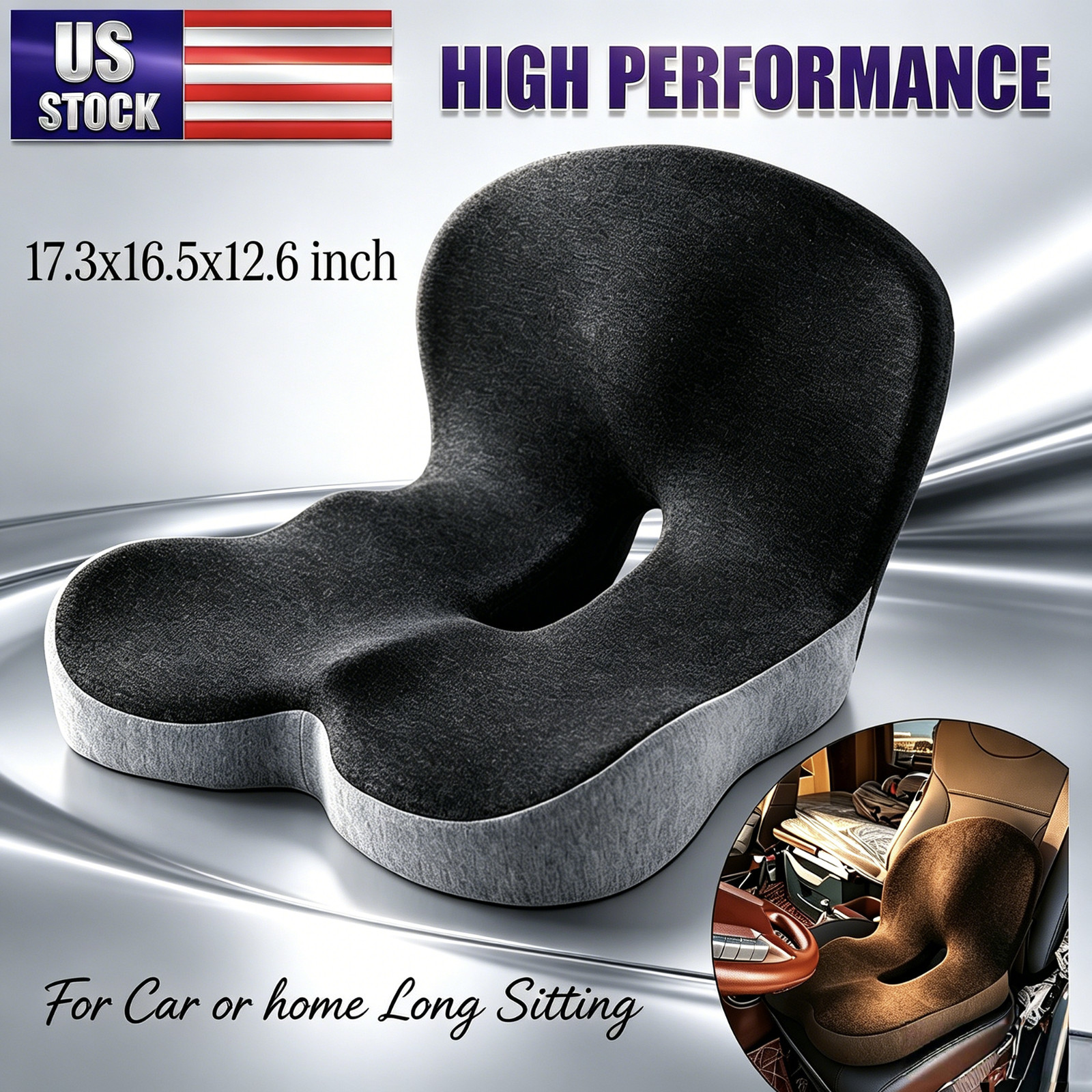 Memory Foam Seat Cushion Lumbar Support Ergonomic Back Support for Office Car$17.99Last checked Nov 24, 2026View on eBay
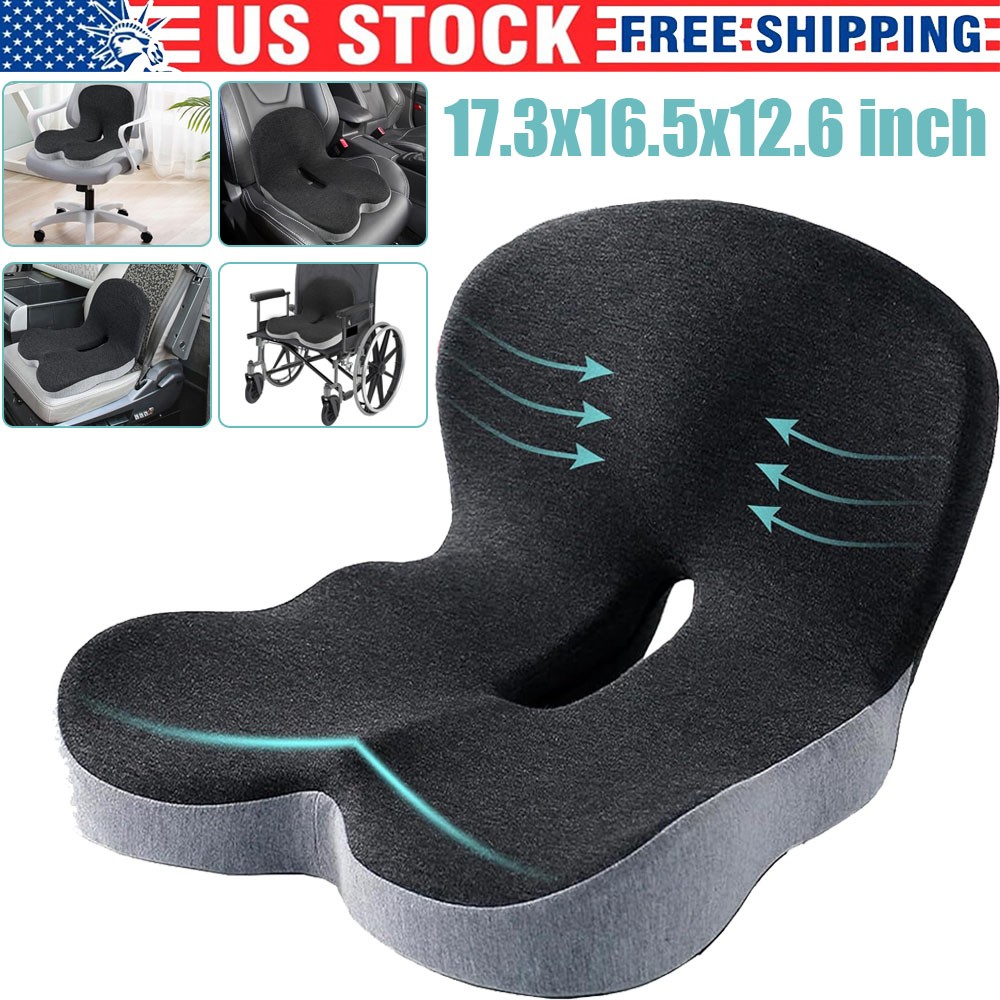 Memory Foam Seat Cushion Lumbar Support Ergonomic Back Support for Office Car$18.99View on eBay
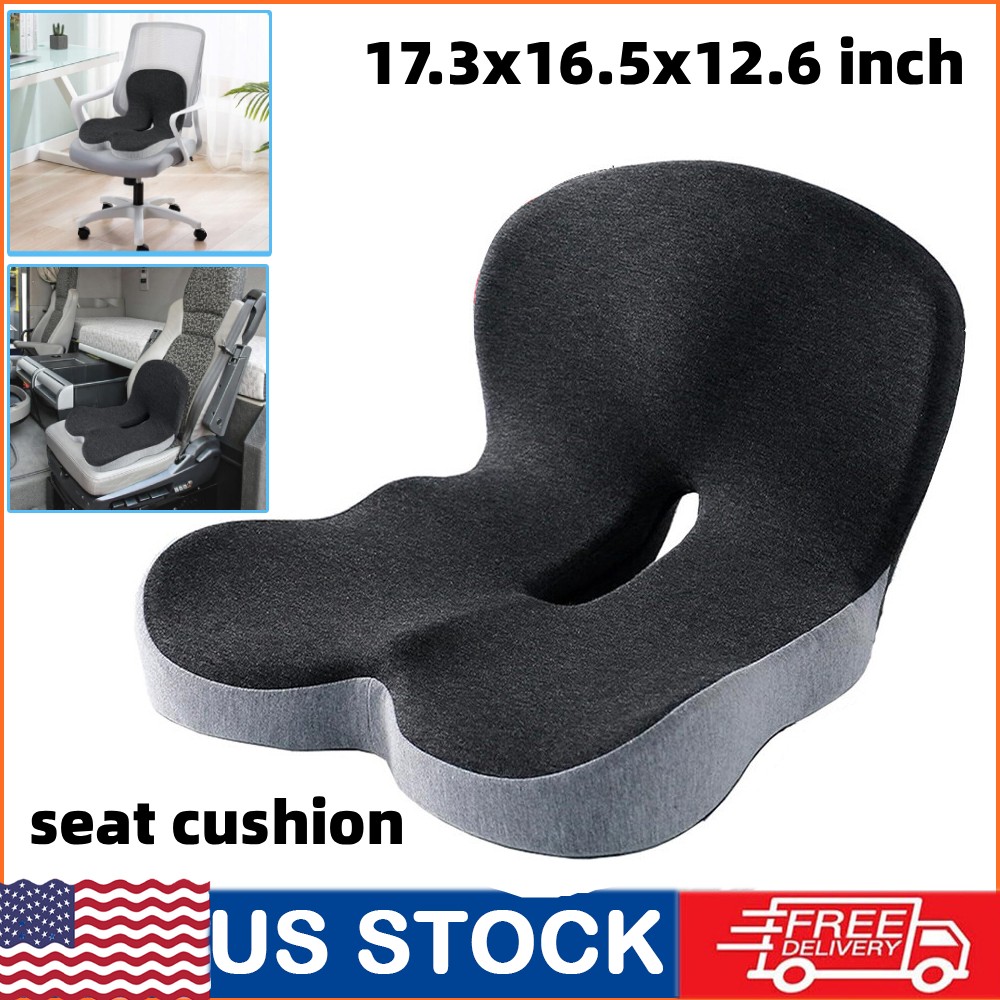 Memory Foam Seat Cushion Lumbar Support Ergonomic Back Support for Office Car US$19.99Last checked Nov 23, 2026View on eBay
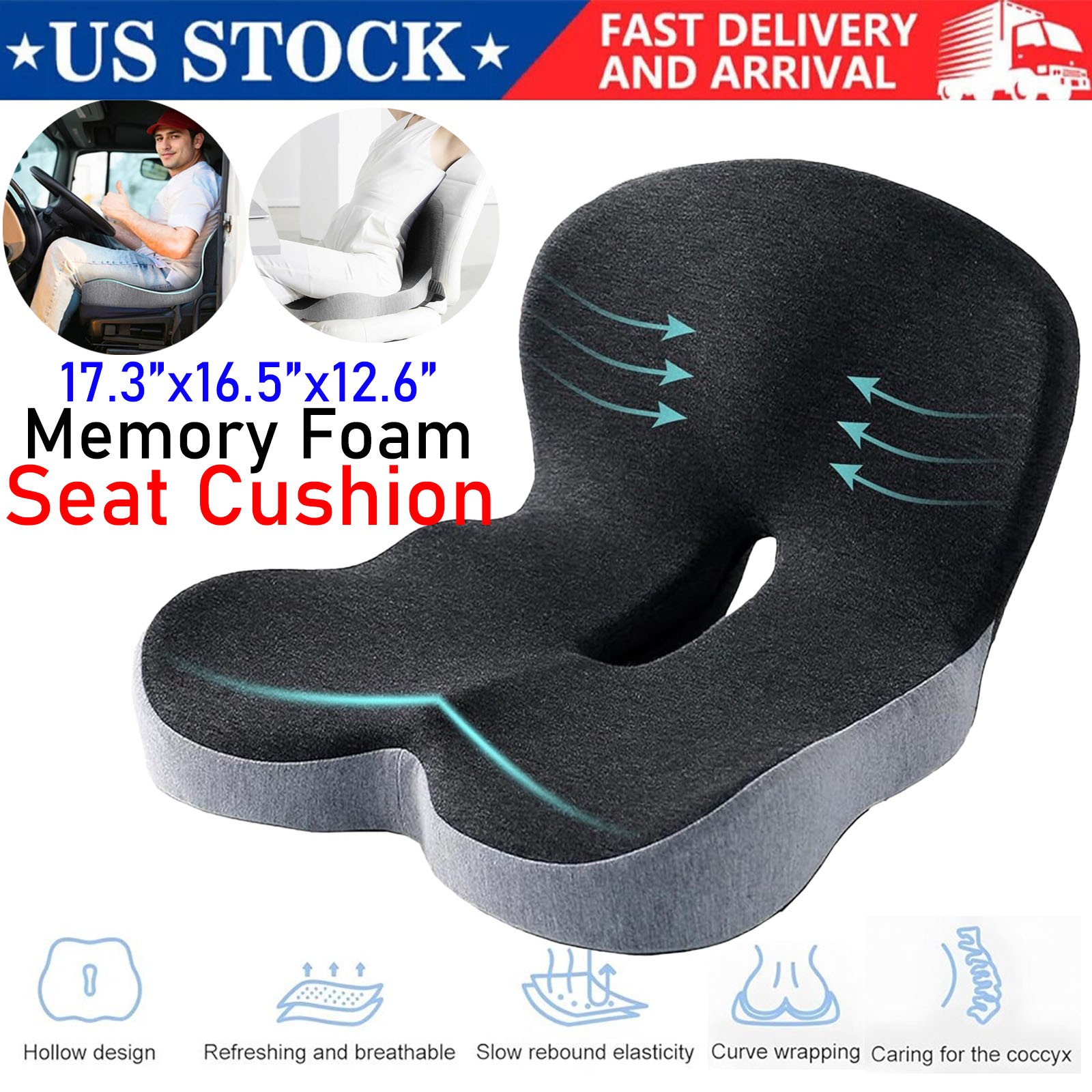 Memory Foam Seat Cushion Lumbar Support Ergonomic Back Support for Office Car$19.99Last checked Nov 22, 2026View on eBay
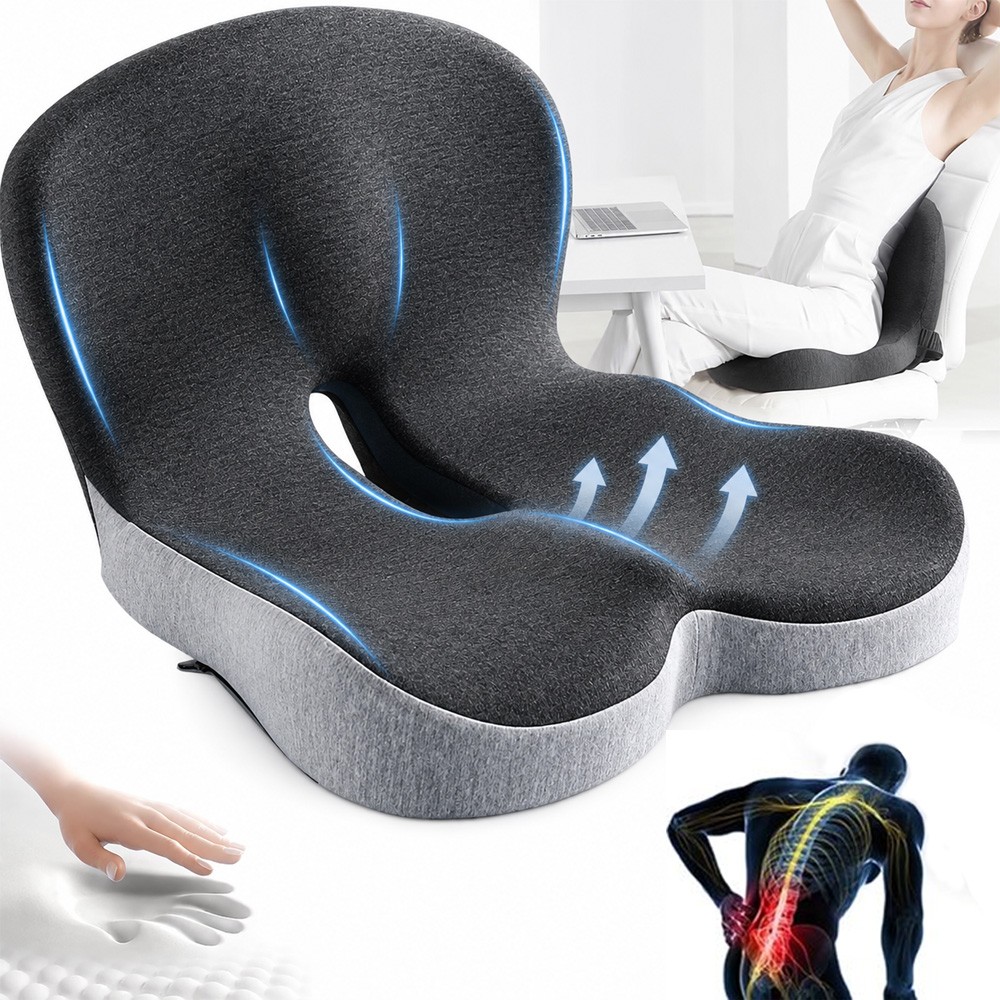 Memory Foam Seat Cushion Lumbar Support Ergonomic Back Support for Office Car$19.99View on eBay
 Memory Foam Seat Cushion Lumbar Support Ergonomic Back Support for Office Car$20.98Last checked Nov 23, 2026View on eBay
- Memory Foam Seat Cushion Lumbar Support Ergonomic Back Support for Office Car$20.98Last checked Nov 23, 2026View on eBay
- Memory Foam Seat Cushion Lumbar Support Ergonomic Back Support for Office Car$20.98Last checked Nov 23, 2026View on eBay
- Memory Foam Seat Cushion Lumbar Support Ergonomic Back Support for Office Car$20.98Last checked Nov 23, 2026View on eBay
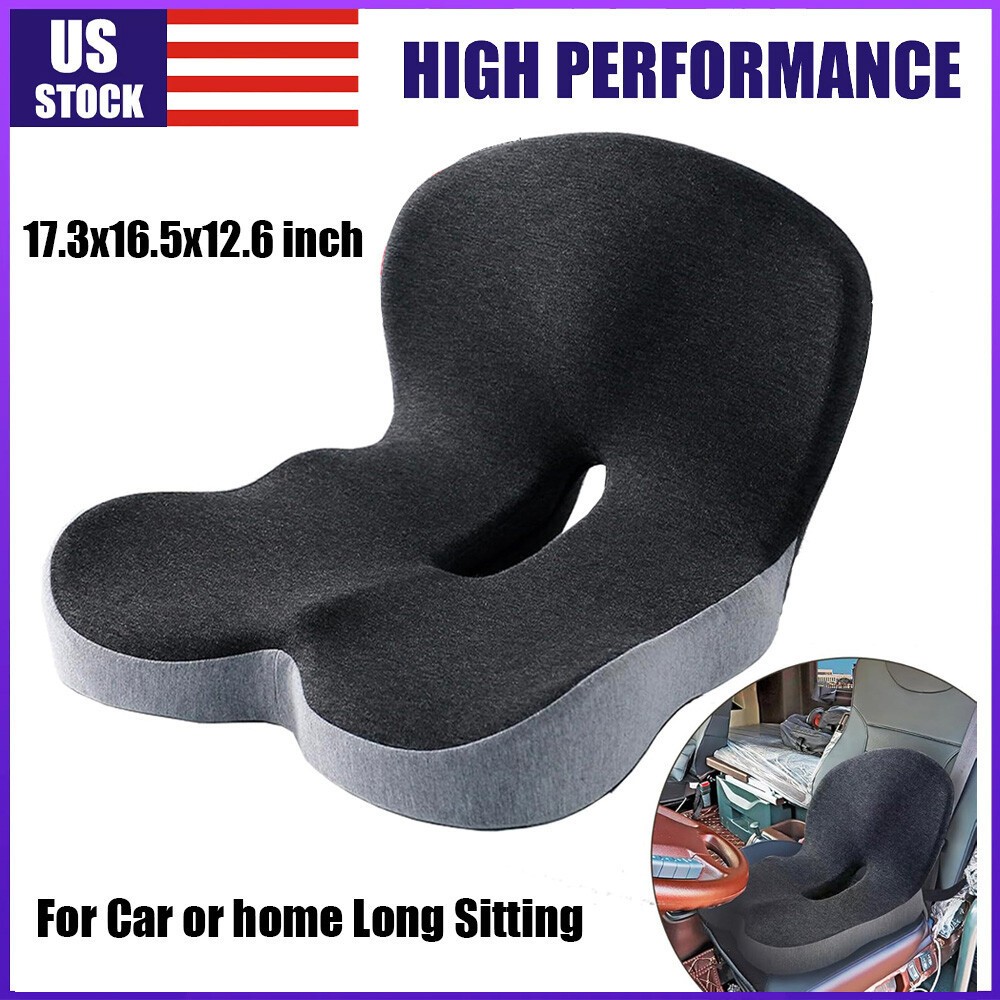 Memory Foam Seat Cushion Lumbar Support Ergonomic Back Support for Office Car$22.99Last checked Nov 24, 2026View on eBay
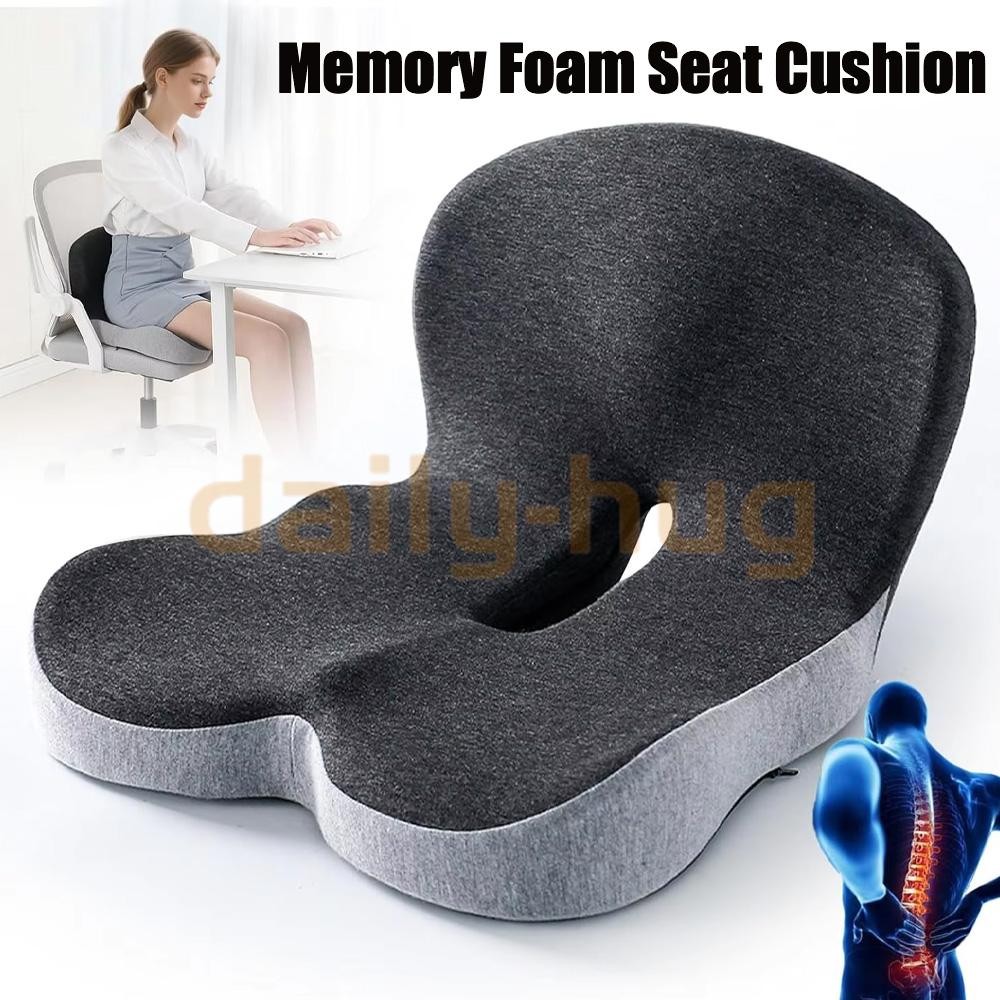 Memory Foam Seat Cushion Lumbar Support Ergonomic Back Support for Office Car$23.29Last checked Nov 19, 2026View on eBay
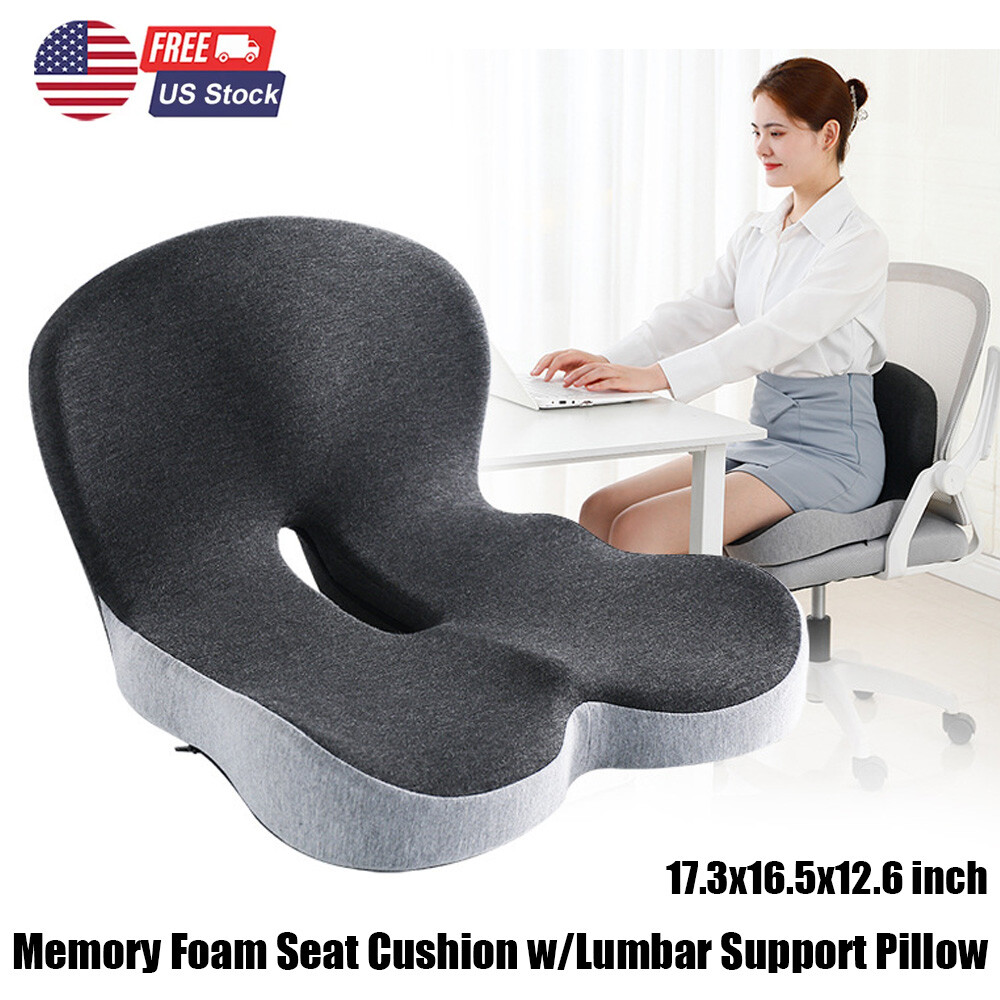 Memory Foam Seat Cushion Lumbar Support Ergonomic Back Support for Office Car US$23.99Last checked Nov 24, 2026View on eBay
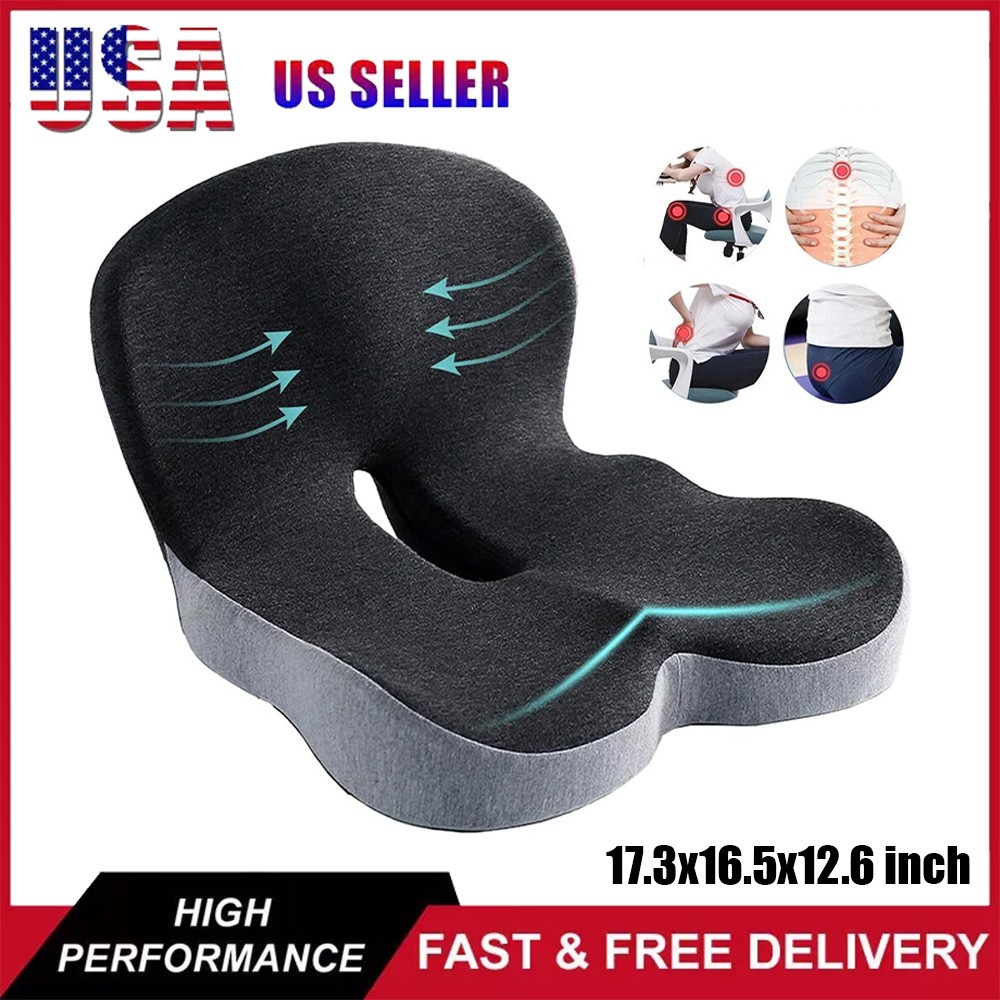 Memory Foam Seat Cushion Lumbar Support Ergonomic Back Support for Office Car$23.99Last checked Nov 22, 2026View on eBay
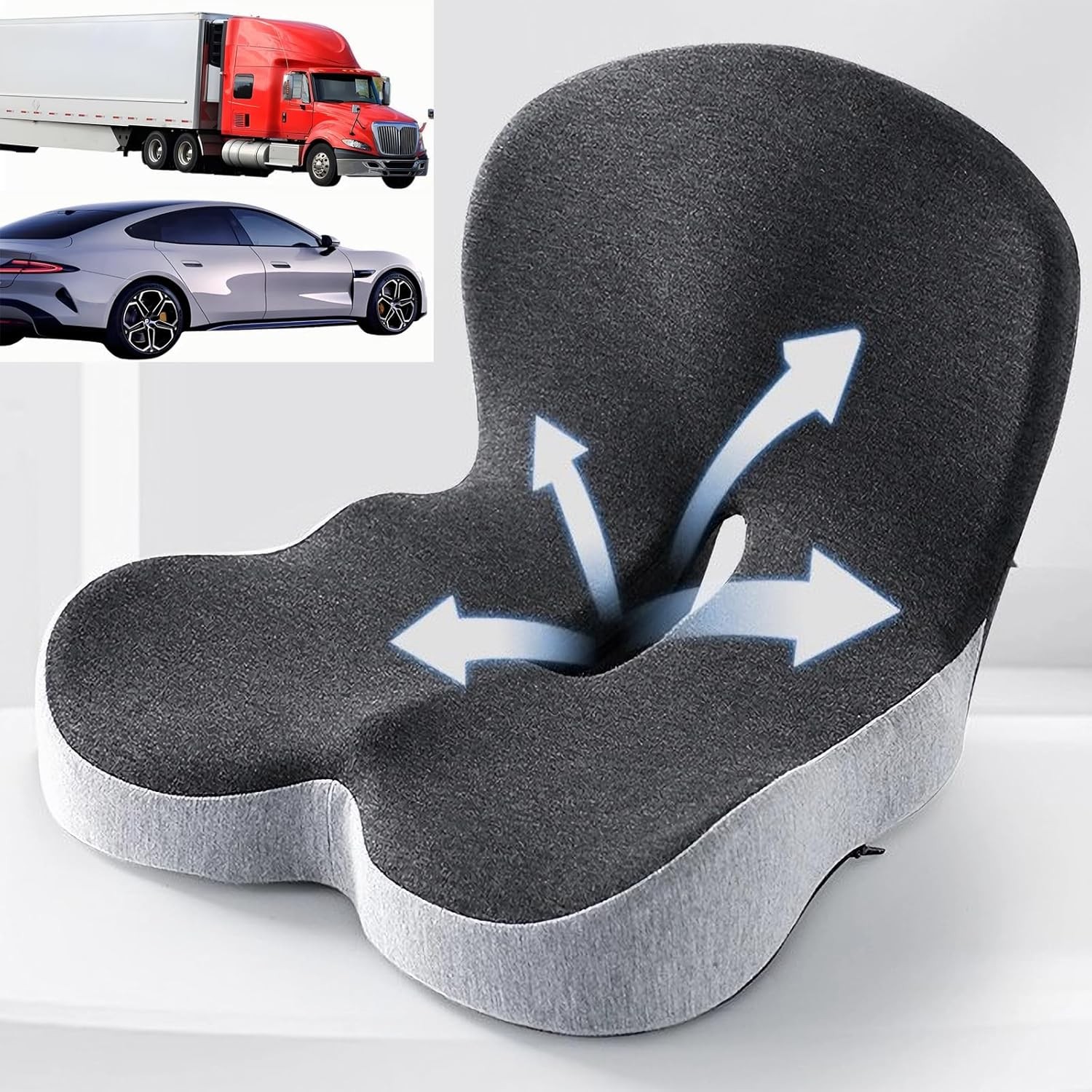 Memory Foam Seat Cushion Lumbar Support Ergonomic Back Support for Office Car$25.92Last checked Nov 23, 2026View on eBay
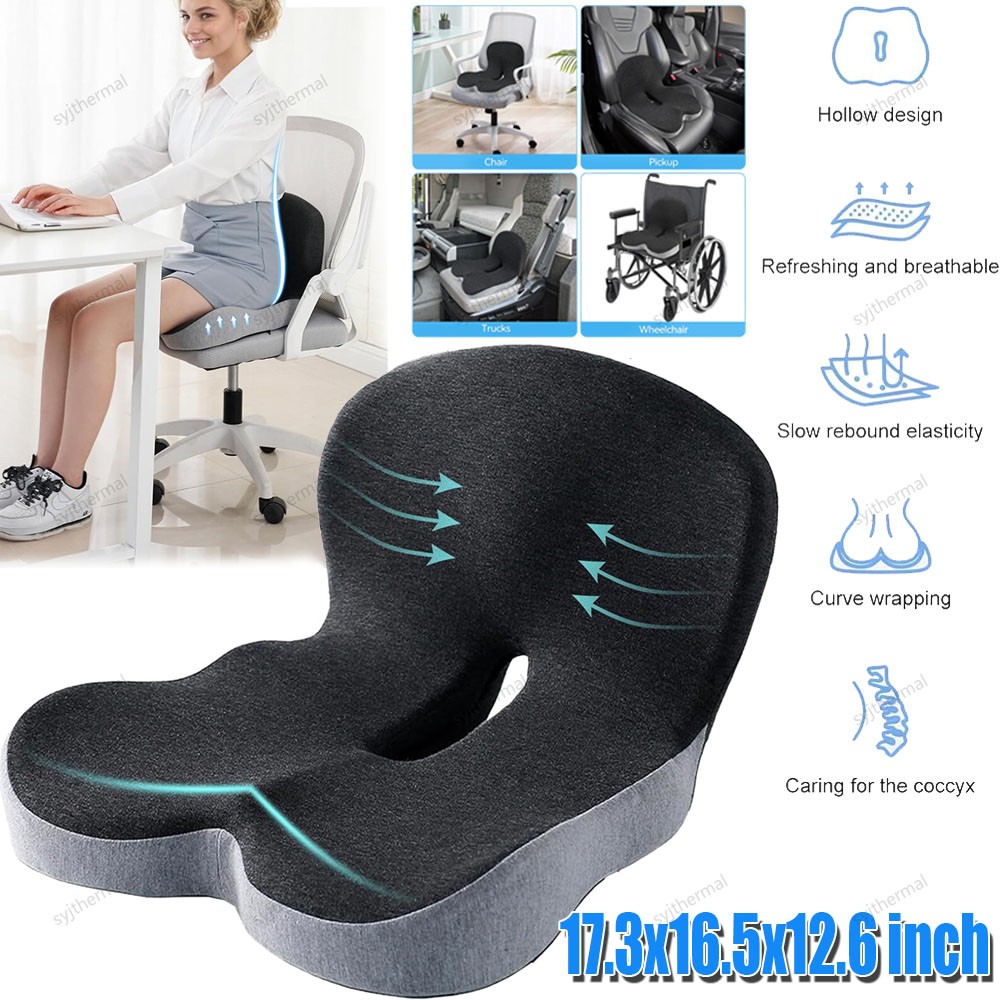 Memory Foam Seat Cushion Lumbar Support Ergonomic Back Support for Office Car$25.92Last checked Nov 22, 2026View on eBay
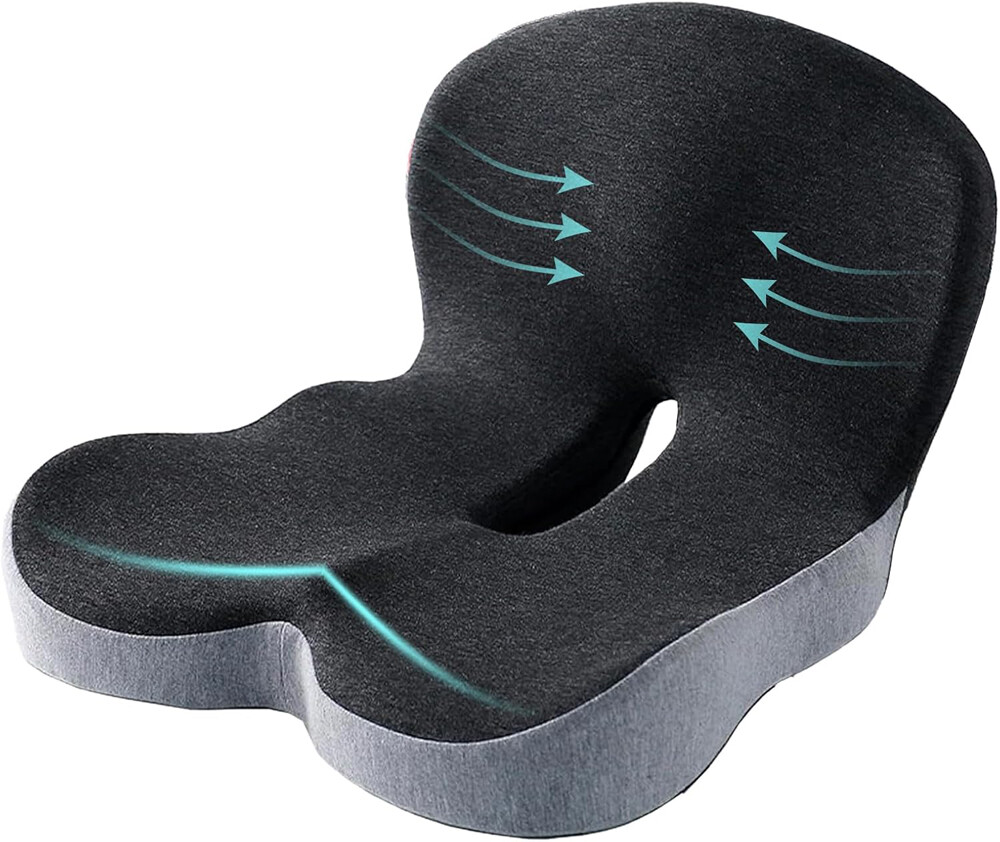 Memory Foam Seat Cushion Lumbar Support Ergonomic Back Support for Office Car US$25.99Last checked Nov 23, 2026View on eBay
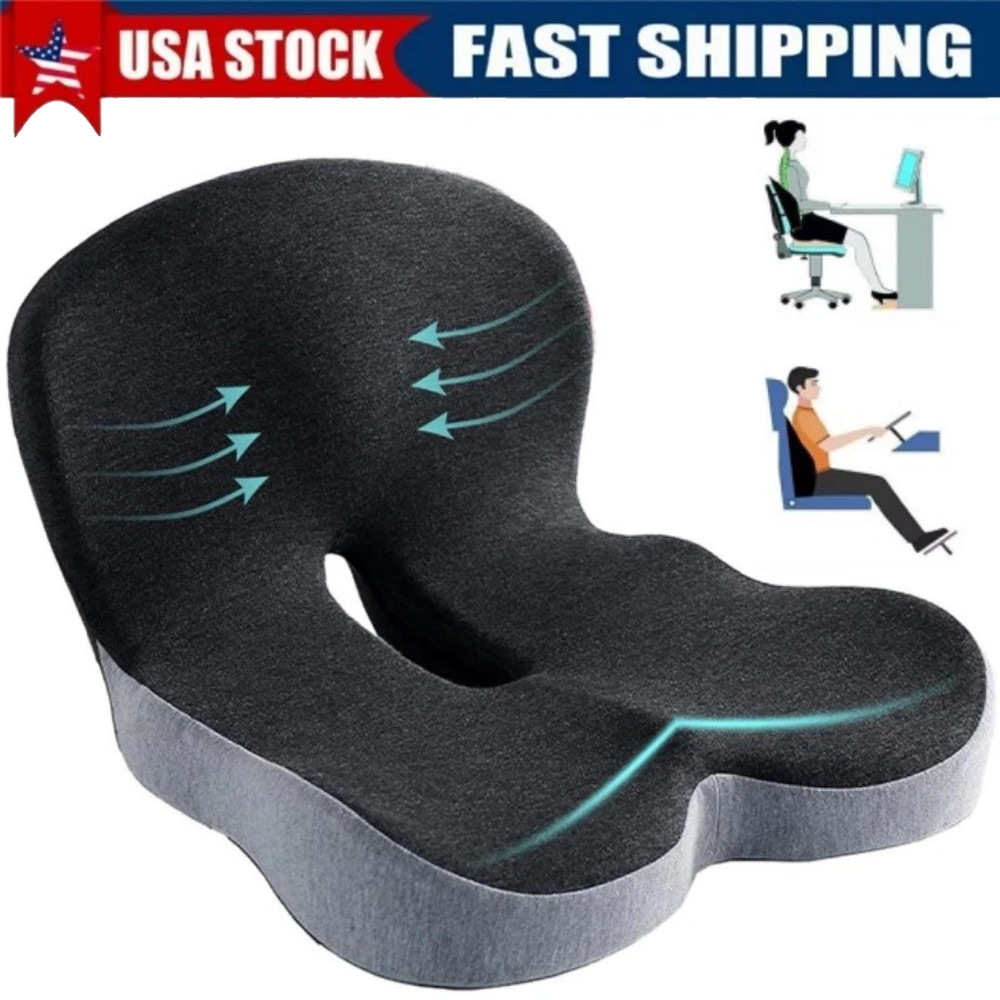 Memory Foam Seat Cushion Lumbar Support Ergonomic Back Support for Office Car US$25.99Last checked Nov 22, 2026View on eBay
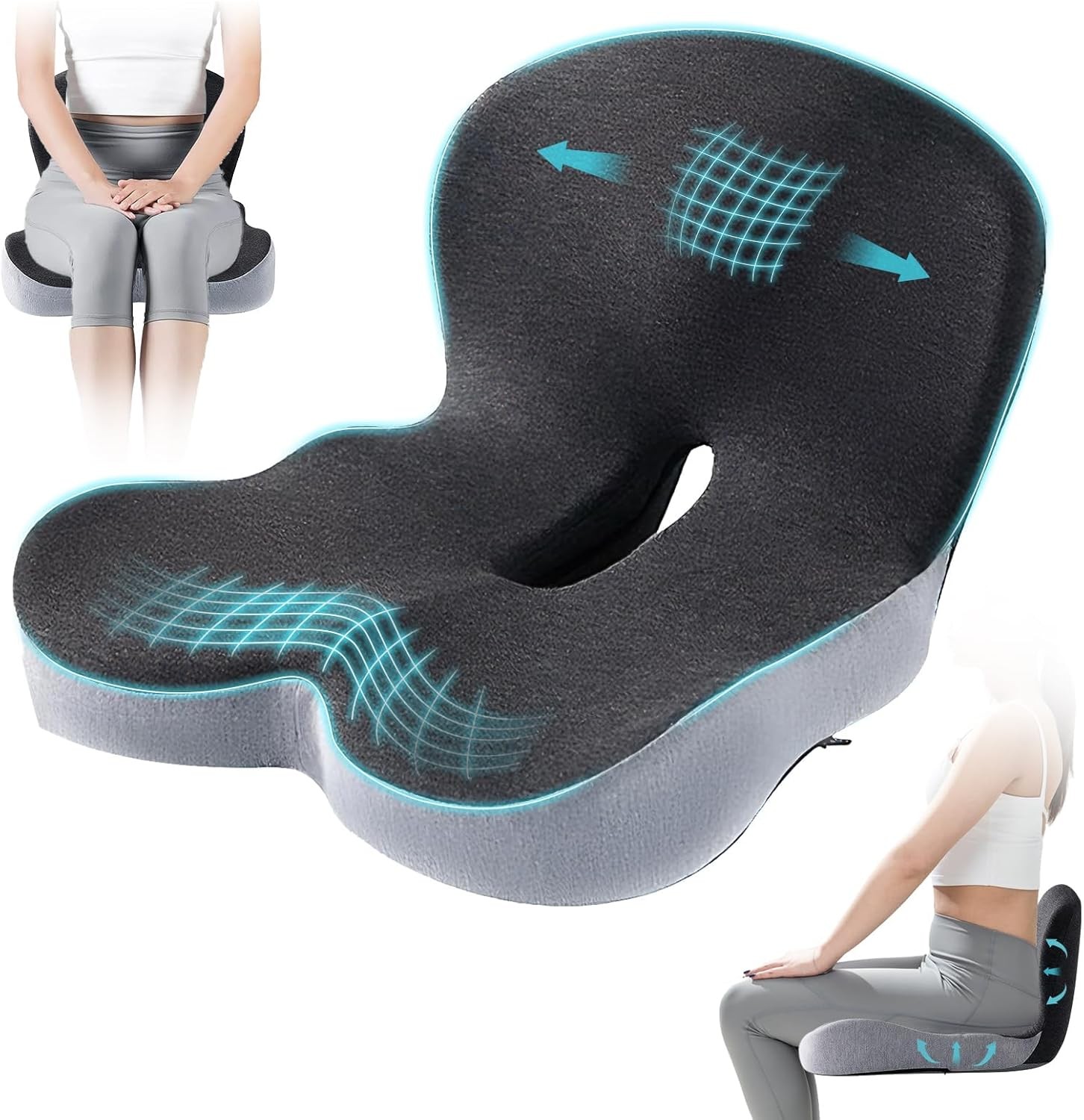 Memory Foam Seat Cushion Lumbar Support Ergonomic Back Support for Office Car$25.99Last checked Nov 22, 2026View on eBay
- For Office Car Memory Foam Seat Cushion Lumbar Support Ergonomic Back Support US$26.99Last checked Nov 24, 2026View on eBay
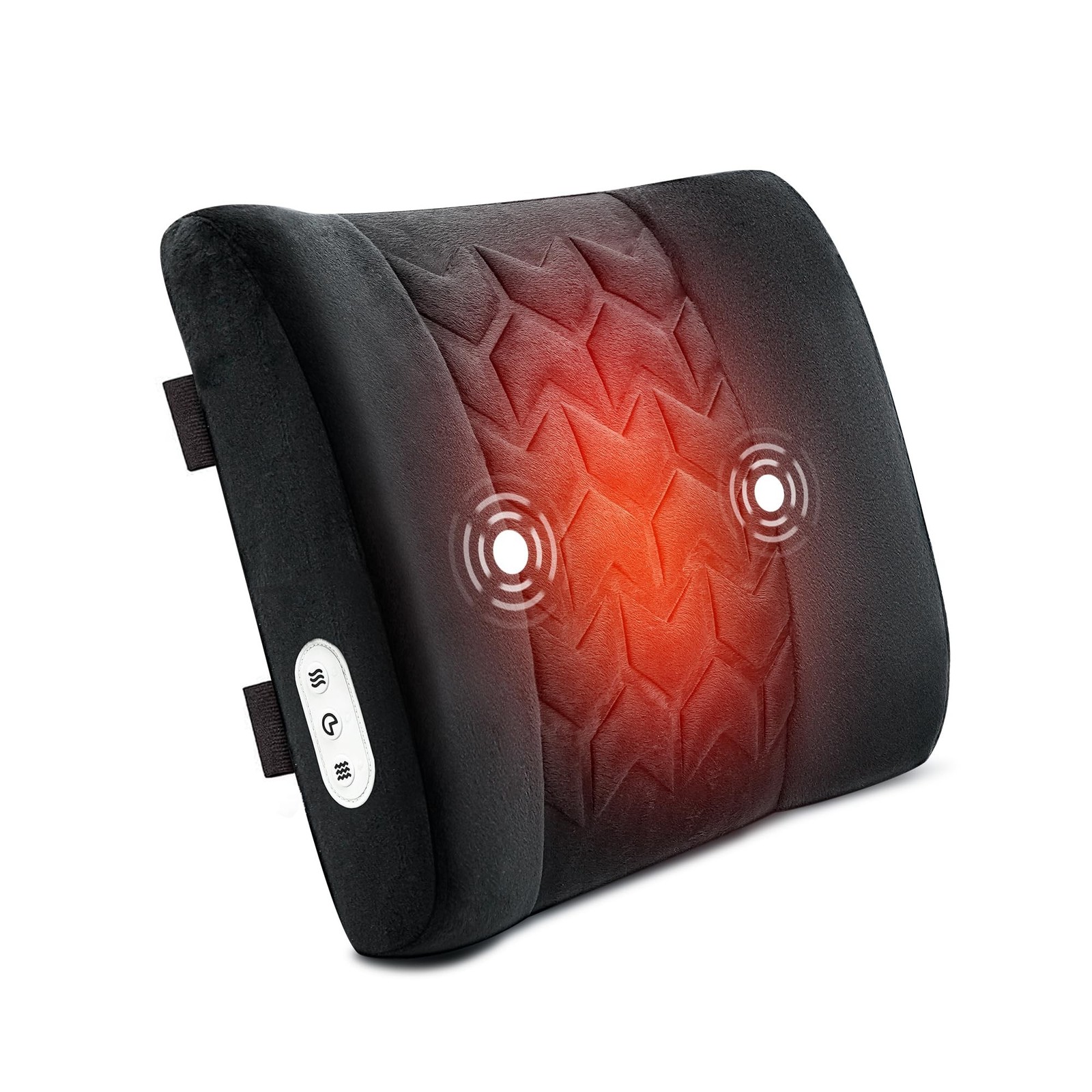 Lumbar Support Pillow for Office Chair, Heated Back Support Pillow with Vibra...$72.30View on eBay
Highlights
- Built-in chair lumbar mechanisms adjust vertically (typically 2-4 in of travel) and in firmness or depth; strap-on pillows are fixed-height and rely on foam density alone.
- Memory foam support depends on density: 45-60 kg/m³ foam resists bottoming out, while low-density foam collapses under sustained body weight within months.
- Inflatable air-bladder supports let users tune firmness and depth continuously but depend on the pump valve holding pressure; they are lighter and more packable than foam.
- Seat cushion and lumbar pillow are distinct products: a seat cushion fixes pelvic tilt and leg numbness, a lumbar pad fixes lower-back arch, and a 3-in-1 combo addresses both.
Best use cases
- Best fit: full-time desk workers replacing a chair — pick a mesh mid-back or high-back chair with a height-adjustable lumbar pad rather than adding a foam pillow to a bad chair.
- Best fit: car, plane, and travel use — choose a compact inflatable air-bladder support or a low-profile memory-foam pillow with an adjustable strap, and skip bulky built-in-mechanism chairs.
- Wrong fit: tall or short users buying a fixed-height strap-on pillow for an office chair — the pad will sit off the lumbar curve; choose an adjustable-height chair mechanism or a pillow with vertical strap adjustment instead.
Buying tips
- Measure the lumbar gap: sit against the chair back and note where the deepest inward curve of your lower back falls — the support's center must land there, not at the mid-back.
- Match support thickness to seat depth: a 2-4 in thick lumbar pad pushes you forward, so pair it with a seat pan of at least 18 in depth to avoid thigh overhang.
- Prefer memory foam rated 45-60 kg/m³ density and a breathable mesh or ventilated cover; low-density foam and non-breathable covers compress and trap heat.
- For inflatable supports, confirm a twist-lock or push-button valve that holds pressure; a simple plug valve leaks and needs re-inflation during the day.
Specs
| Support Type | Foam pillow / inflatable / chair mechanism |
|---|---|
| Height Adjustment | Fixed strap vs 2-4 in mechanism travel |
| Foam Density | 45-60 kg/m³ for durable support |
| Mounting | Strap-on / clip-on / built-in chair |
Related searches
What to check before buying
- Chair back height and shape: confirm the chair back is tall enough and flat enough to accept a strap or clip-on lumbar pad without the strap sliding down.
- Seat pan depth and height: verify at least 18 in seat depth and that feet rest flat with knees at 90 degrees after the lumbar pad is added.
- Body fit: check your torso length against the pad's vertical adjustment range so the pad centers on the lumbar curve, not the shoulder blades.
- Compatibility: measure strap length against the chair back width, and for car use confirm the pad fits between seat bolsters without blocking the seatbelt path.
FAQ
Data sources: eBay / Amazon listings and product attribute feeds. Updated Nov 28, 2026.
Some links on this page are affiliate links. If you buy after clicking one, we may earn a commission at no extra cost to you. This does not change which products appear here or their order. Affiliate disclosure.