
Photos from current listings. Actual item, color, and included accessories may vary.
Ergonomic Back Support Buying Guide
Ergonomic back support spans two distinct product classes: add-on cushions and pillows that retrofit an existing chair, and complete ergonomic task chairs engineered with integrated lumbar and recline mechanics. The primary trade-off is between memory-foam comfort that compresses and loses shape versus structured supports with adjustable depth and firmness that hold posture. Choose an add-on only if your chair is structurally sound but under-supported; choose a full chair when the seat pan, armrests, or recline mechanism are the root cause.
Median $22.99
Key takeaways
- Memory foam densities below 3 lb/ft³ soften and bottom out within months; 4-5 lb/ft³ high-density foam retains lumbar shape through full workdays.
- Integrated chair lumbar support adjustable in height and depth outperforms any strap-on cushion because it stays fixed to the backrest frame.
- A proper task chair pairs a breathable mesh back with a seat pan depth that leaves 2-3 inches behind the knees and arms adjustable to elbow height.
At a glance
- Category
- Ergonomic Office Gear
- Last updated
- Nov 28, 2026
Current offers
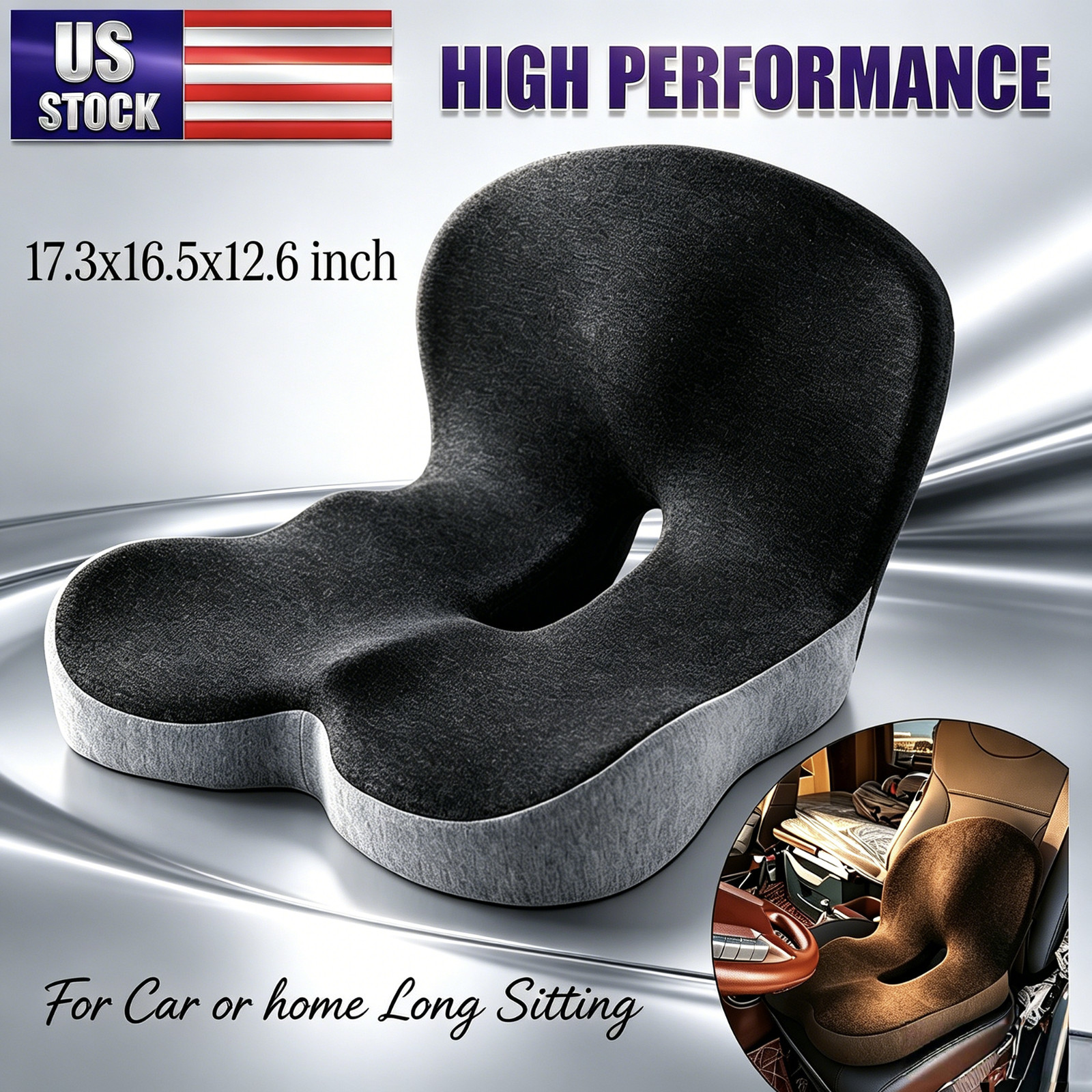 Memory Foam Seat Cushion Lumbar Support Ergonomic Back Support for Office Car$17.99Last checked Nov 24, 2026View on eBay
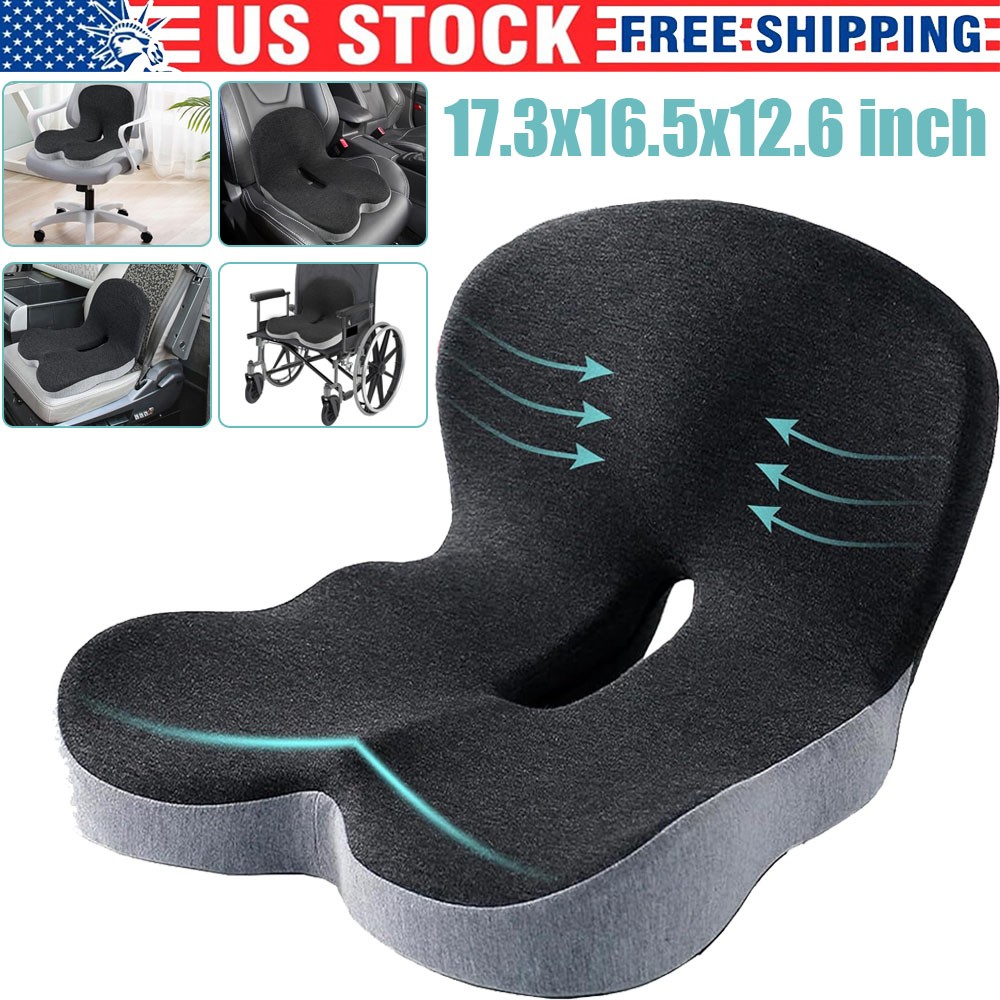 Memory Foam Seat Cushion Lumbar Support Ergonomic Back Support for Office Car$18.99View on eBay
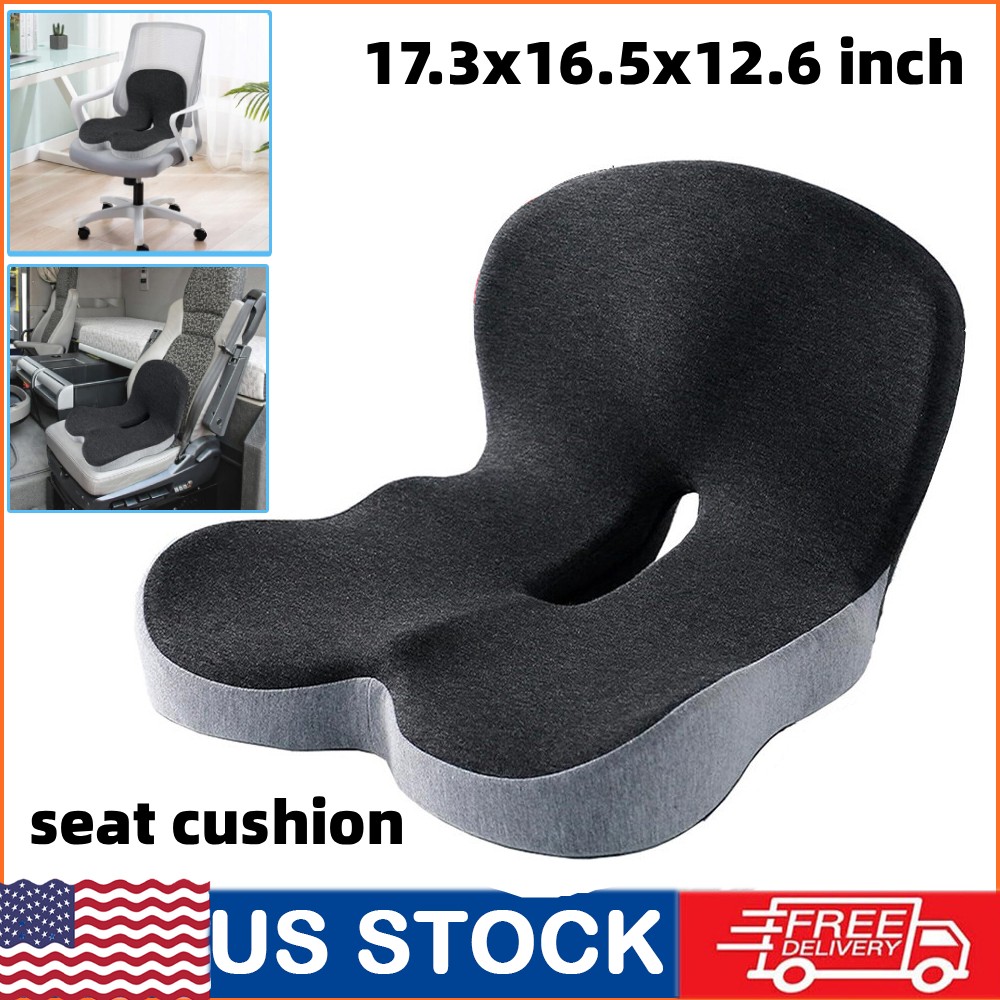 Memory Foam Seat Cushion Lumbar Support Ergonomic Back Support for Office Car US$19.99Last checked Nov 23, 2026View on eBay
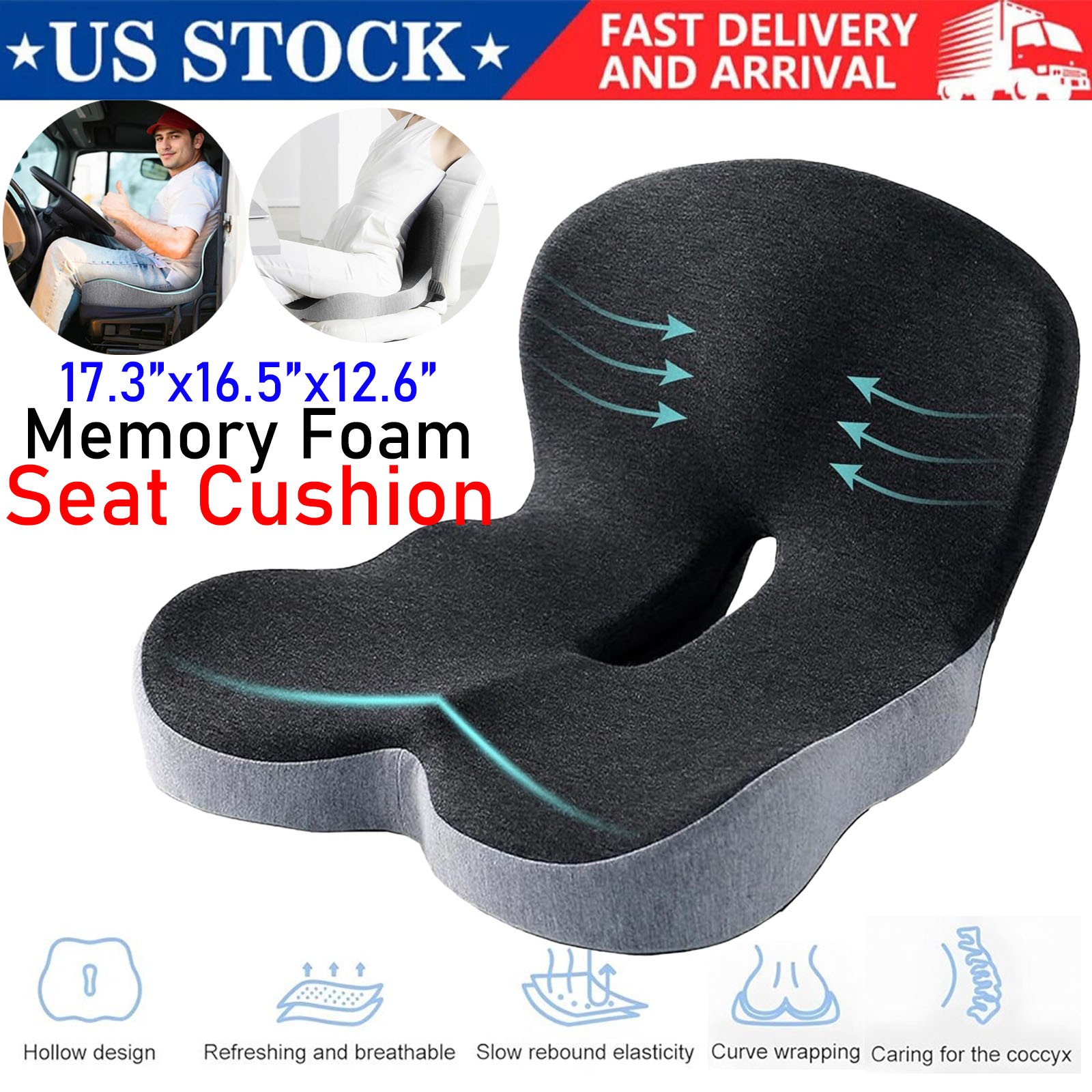 Memory Foam Seat Cushion Lumbar Support Ergonomic Back Support for Office Car$19.99Last checked Nov 22, 2026View on eBay
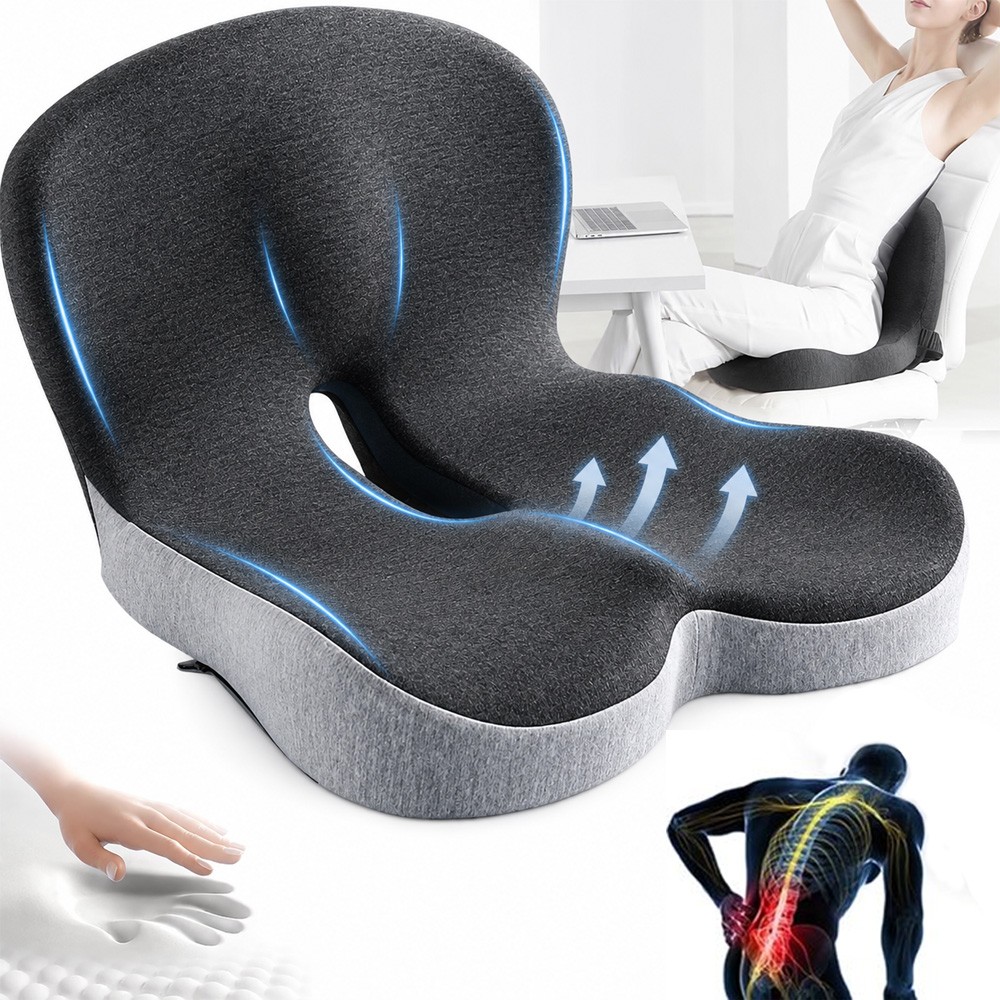 Memory Foam Seat Cushion Lumbar Support Ergonomic Back Support for Office Car$19.99View on eBay
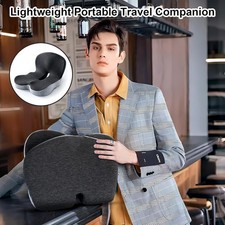 Memory Foam Seat Cushion Lumbar Support Ergonomic Back Support for Office Car$20.98Last checked Nov 23, 2026View on eBay
- Memory Foam Seat Cushion Lumbar Support Ergonomic Back Support for Office Car$20.98Last checked Nov 23, 2026View on eBay
- Memory Foam Seat Cushion Lumbar Support Ergonomic Back Support for Office Car$20.98Last checked Nov 23, 2026View on eBay
- Memory Foam Seat Cushion Lumbar Support Ergonomic Back Support for Office Car$20.98Last checked Nov 23, 2026View on eBay
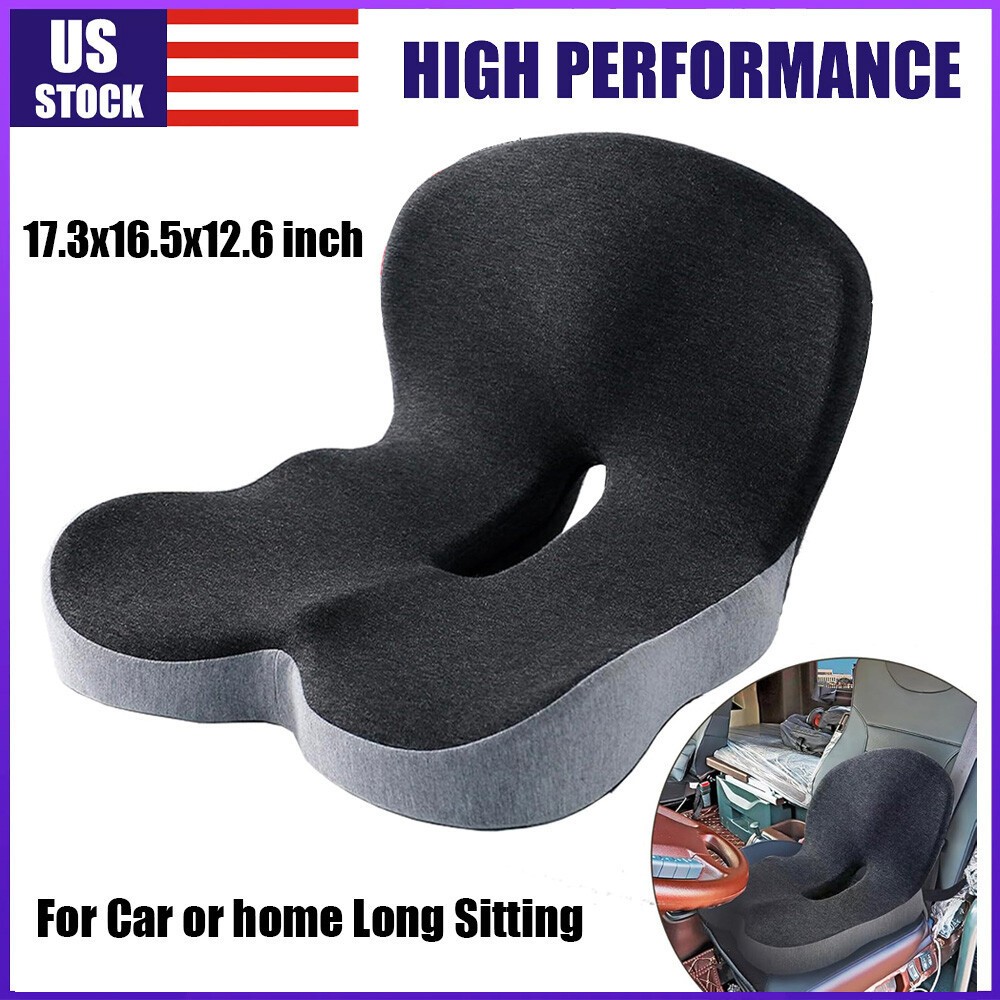 Memory Foam Seat Cushion Lumbar Support Ergonomic Back Support for Office Car$22.99Last checked Nov 24, 2026View on eBay
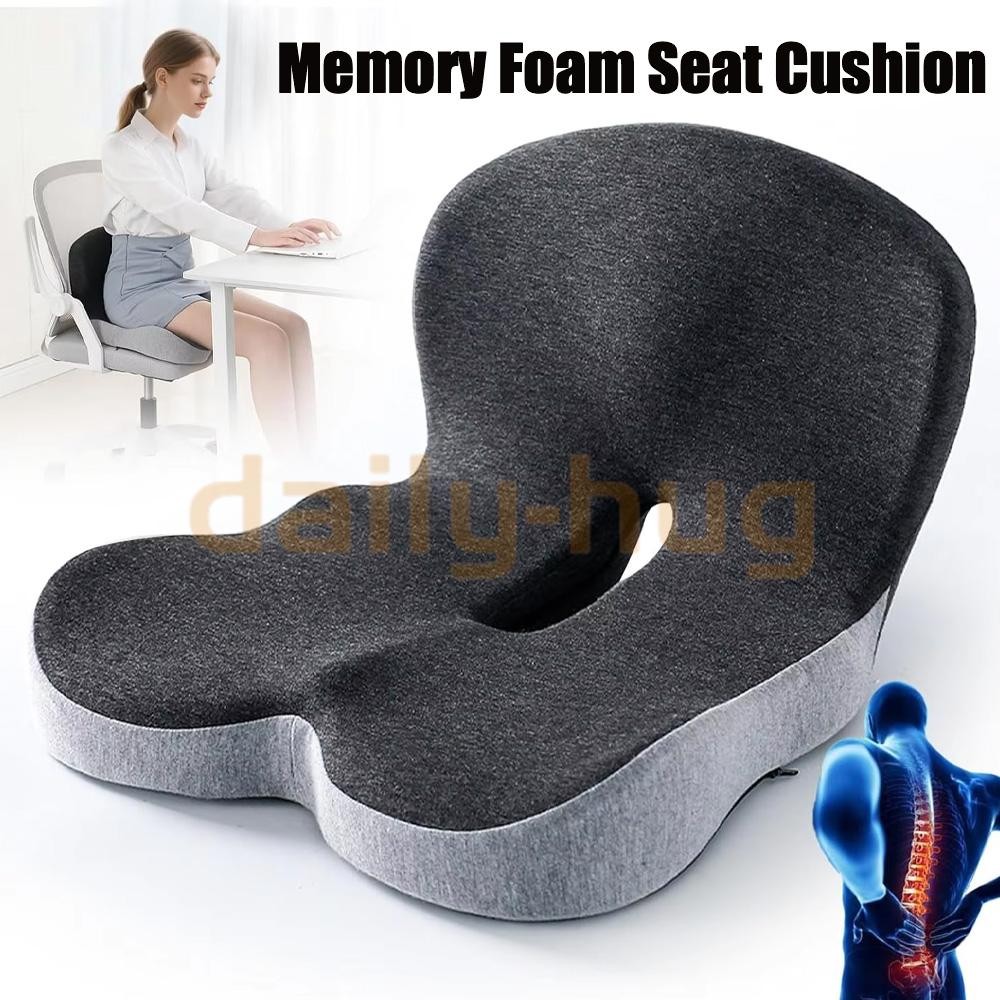 Memory Foam Seat Cushion Lumbar Support Ergonomic Back Support for Office Car$23.29Last checked Nov 19, 2026View on eBay
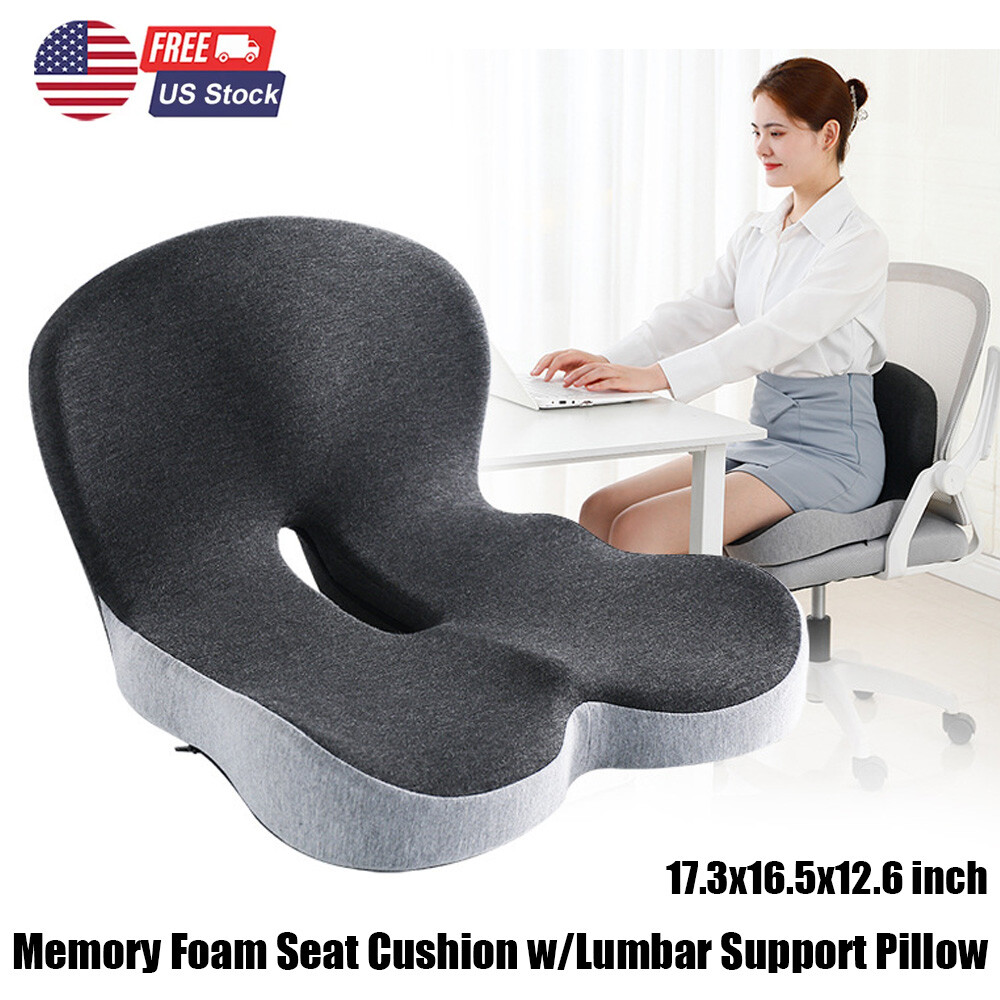 Memory Foam Seat Cushion Lumbar Support Ergonomic Back Support for Office Car US$23.99Last checked Nov 24, 2026View on eBay
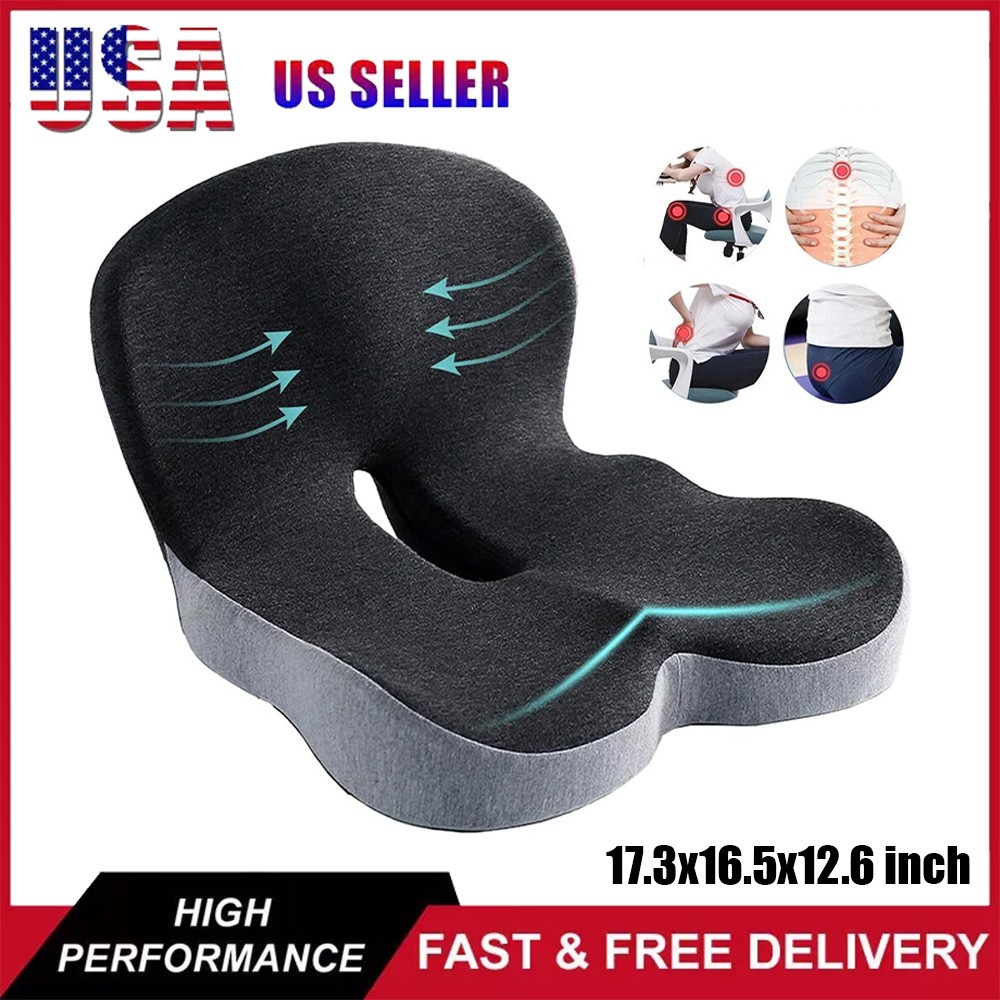 Memory Foam Seat Cushion Lumbar Support Ergonomic Back Support for Office Car$23.99Last checked Nov 22, 2026View on eBay
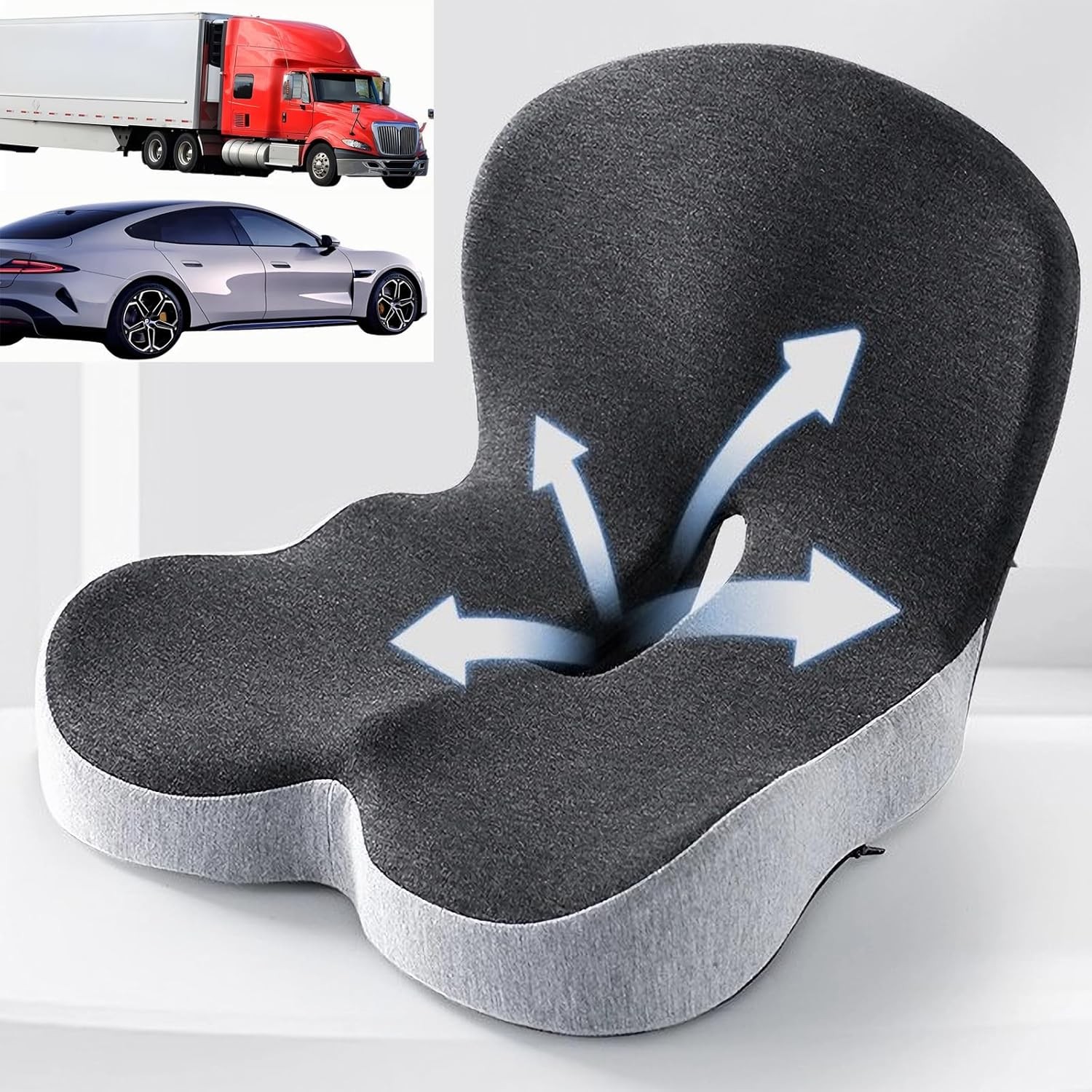 Memory Foam Seat Cushion Lumbar Support Ergonomic Back Support for Office Car$25.92Last checked Nov 23, 2026View on eBay
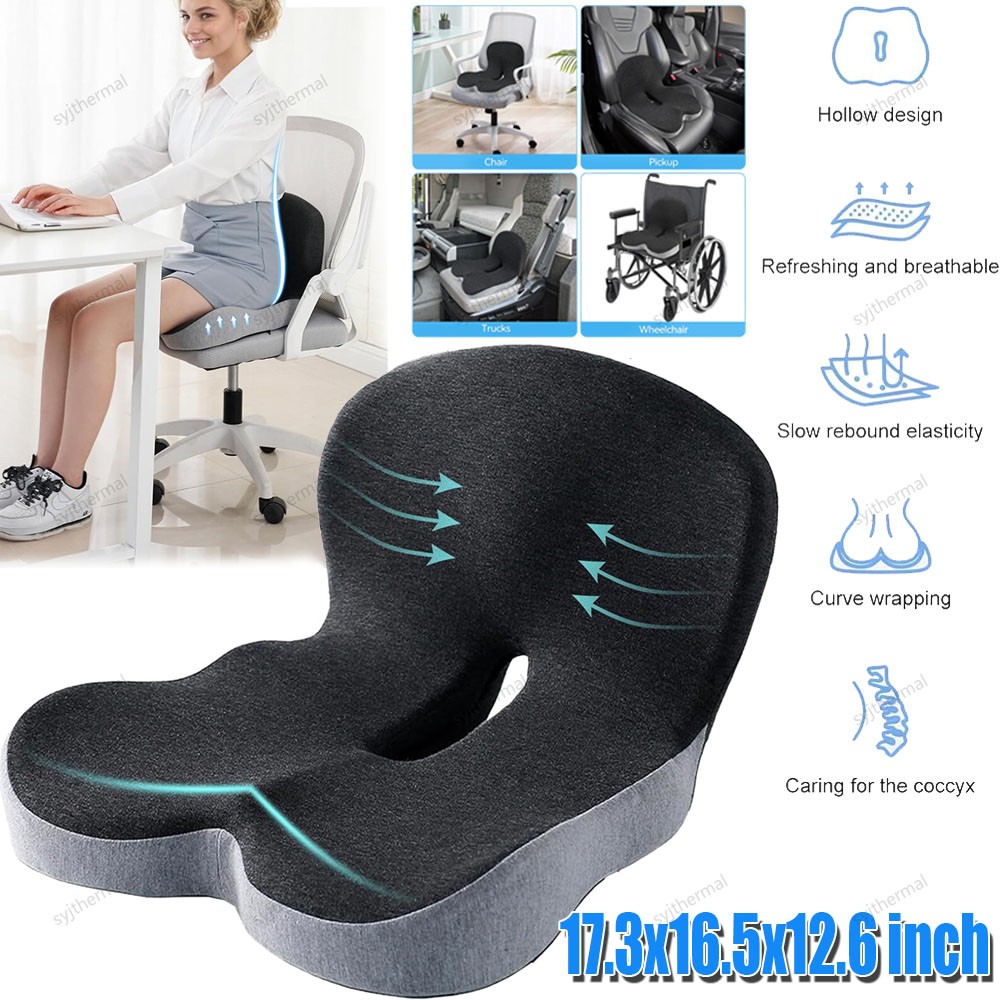 Memory Foam Seat Cushion Lumbar Support Ergonomic Back Support for Office Car$25.92Last checked Nov 22, 2026View on eBay
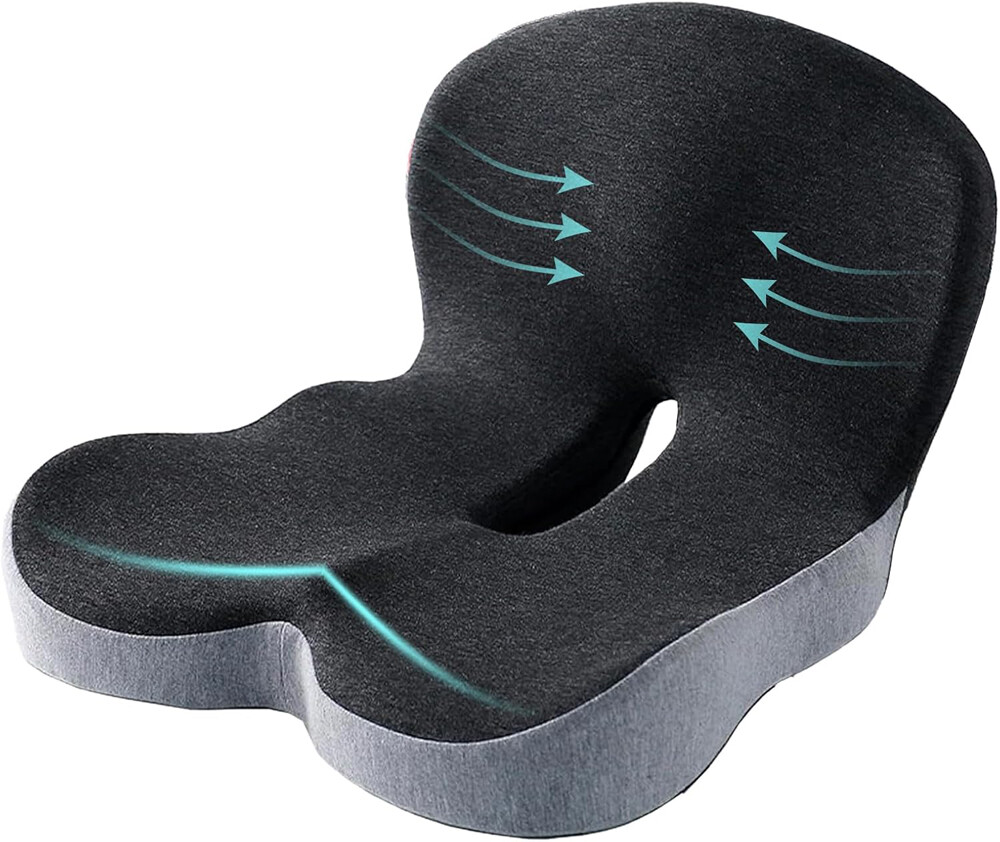 Memory Foam Seat Cushion Lumbar Support Ergonomic Back Support for Office Car US$25.99Last checked Nov 23, 2026View on eBay
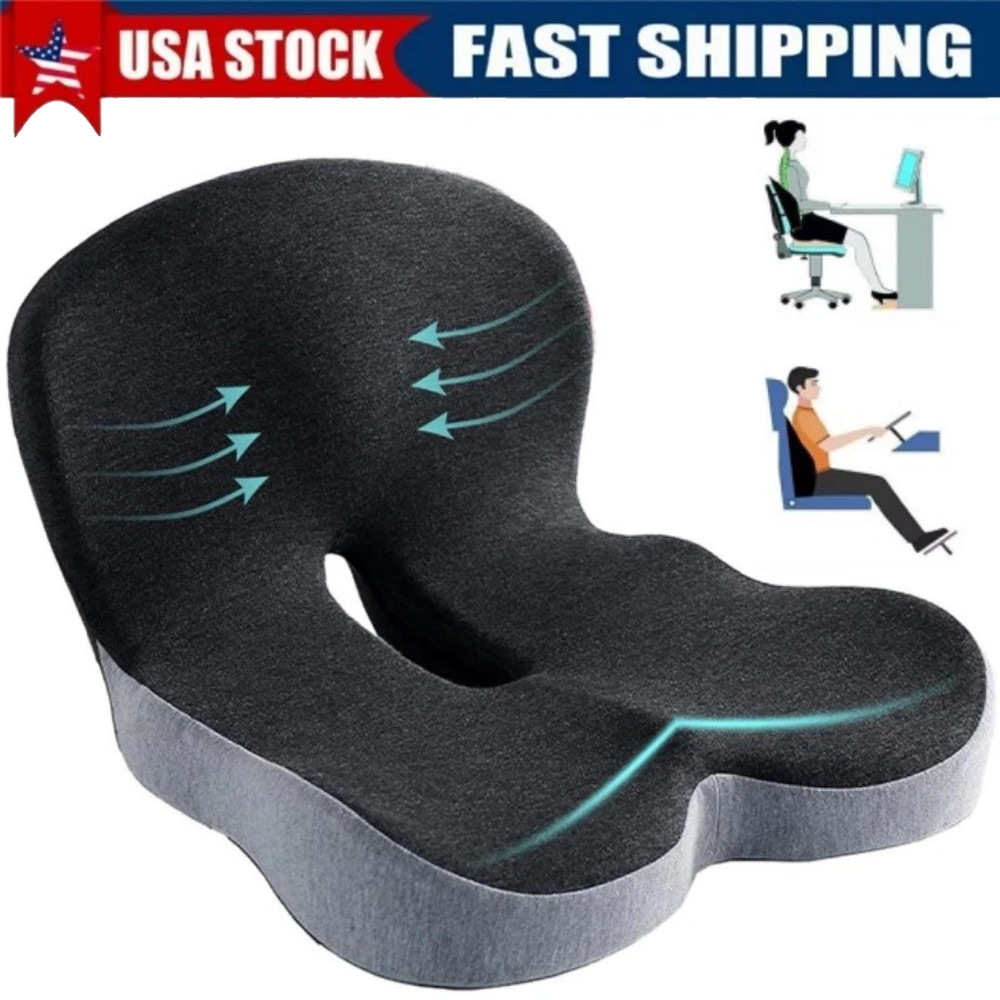 Memory Foam Seat Cushion Lumbar Support Ergonomic Back Support for Office Car US$25.99Last checked Nov 22, 2026View on eBay
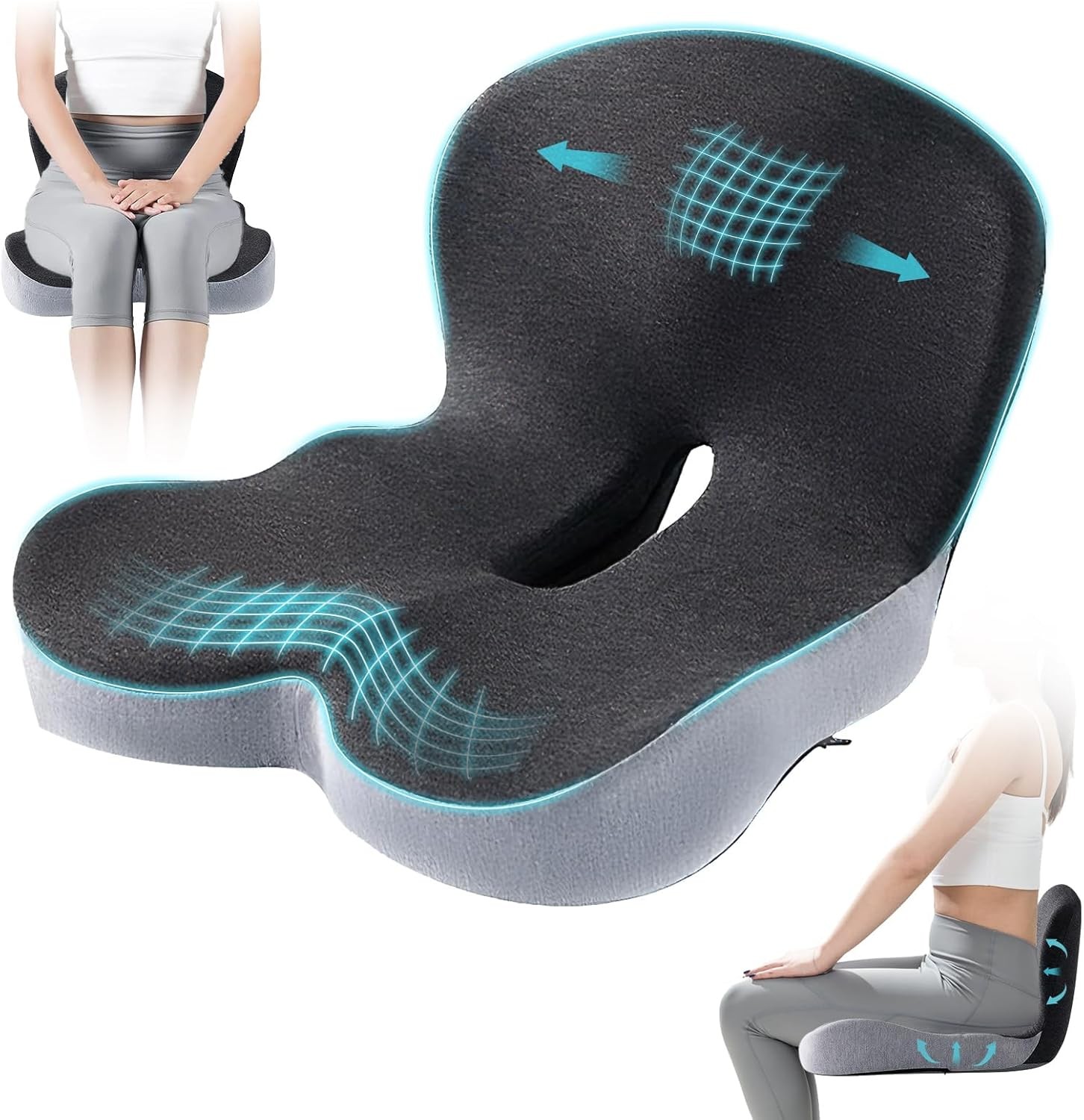 Memory Foam Seat Cushion Lumbar Support Ergonomic Back Support for Office Car$25.99Last checked Nov 22, 2026View on eBay
- For Office Car Memory Foam Seat Cushion Lumbar Support Ergonomic Back Support US$26.99Last checked Nov 24, 2026View on eBay
Highlights
- Memory foam densities below 3 lb/ft³ soften and bottom out within months; 4-5 lb/ft³ high-density foam retains lumbar shape through full workdays.
- Integrated chair lumbar support adjustable in height and depth outperforms any strap-on cushion because it stays fixed to the backrest frame.
- A proper task chair pairs a breathable mesh back with a seat pan depth that leaves 2-3 inches behind the knees and arms adjustable to elbow height.
- Cushion thickness above 2 inches pushes the pelvis forward, so slim contoured lumbar pads under 1.5 inches thick work best for pelvic neutrality.
Best use cases
- Best fit for an add-on lumbar cushion: an existing office or car seat with a firm, straight backrest and a seat pan that already fits your thighs—buy a contoured high-density foam pad, not a thick seat cushion combo.
- Best fit for a full ergonomic chair: 6+ hour desk days with existing mid-back or shoulder pain—choose a mesh-back task chair with adjustable lumbar height, seat-depth slider, and flip-up arms for compact rooms.
- Wrong fit: buying a thick memory-foam seat and back set to fix a sagging or broken chair mechanism—the underlying tilt tension and gas lift still fail; replace the chair instead.
- Wrong fit: strap-on lumbar pillows on a deeply contoured racing-style chair—the side bolsters prevent the pad from contacting the lumbar spine, so it slides and provides no support.
Buying tips
- Measure your seated lumbar curve: the pad should fill the gap between the chair back and your lower back at belt height, roughly 6-10 inches above the seat surface.
- Choose high-density molded foam (4 lb/ft³ or higher) or a firm contoured shell; low-density 'plush' foams compress permanently under body heat and load.
- For a full chair, verify seat height range covers your popliteal height (floor to knee crease) so feet rest flat with thighs parallel to the floor.
- Prefer chairs with adjustable lumbar depth and a tilt-tension control; fixed lumbar curves fit only one body depth and cause pressure points for most users.
Specs
| Support Type | Add-on cushion vs integrated chair lumbar |
|---|---|
| Foam Density | High-density 4-5 lb/ft³ vs low-density plush |
| Lumbar Adjustability | Height + depth adjustable vs fixed curve |
| Chair Back Style | Breathable mesh vs padded upholstered |
Related searches
What to check before buying
- Measure your current chair's backrest width and height; a lumbar pad wider than the backrest will overhang and curl at the edges.
- Confirm seat pan depth: you need 2-3 inches of clearance behind your knees—if less, a thicker back cushion will worsen the fit.
- Check desk height relative to your elbows at 90 degrees; back support cannot compensate for a desk that forces shoulder shrug.
- For full chairs, measure doorway and room clearance; flip-up armrests and a swivel base with at least 5 casters suit compact home offices.
FAQ
Data sources: eBay / Amazon listings and product attribute feeds. Updated Nov 28, 2026.
Some links on this page are affiliate links. If you buy after clicking one, we may earn a commission at no extra cost to you. This does not change which products appear here or their order. Affiliate disclosure.