
Photos from current listings. Actual item, color, and included accessories may vary.
Back Rest Buying Guide
A back rest is a lumbar or full-back support cushion that attaches to an office chair, car seat, or sofa to restore the spine's natural curve and reduce slouch-induced fatigue. The core trade-off is between soft memory foam that conforms but bottoms out, and firmer contoured foam or inflatable/adjustable supports that hold their shape but feel aggressive at first. Buy a contoured, height-adjustable support with a strap or non-slip base if you sit more than four hours a day; skip flat rectangular foam pads that collapse under load.
Median $23.14
Key takeaways
- Contoured lumbar supports with a 1-2 inch forward curve and adjustable strap height outperform flat pads, which flatten under body weight and lose all lumbar pressure.
- Memory foam density is the durability metric: 45-60 kg/m³ (roughly 2.8-3.75 lb/ft³) holds shape for years, while low-density foams under 35 kg/m³ collapse within months.
- Mesh-and-frame back rests with a rigid shell maintain a fixed lumbar curve; pure foam pillows compress and must be re-positioned each time you sit down.
At a glance
- Category
- Ergonomic Office Gear
- Last updated
- Nov 28, 2026
Current offers
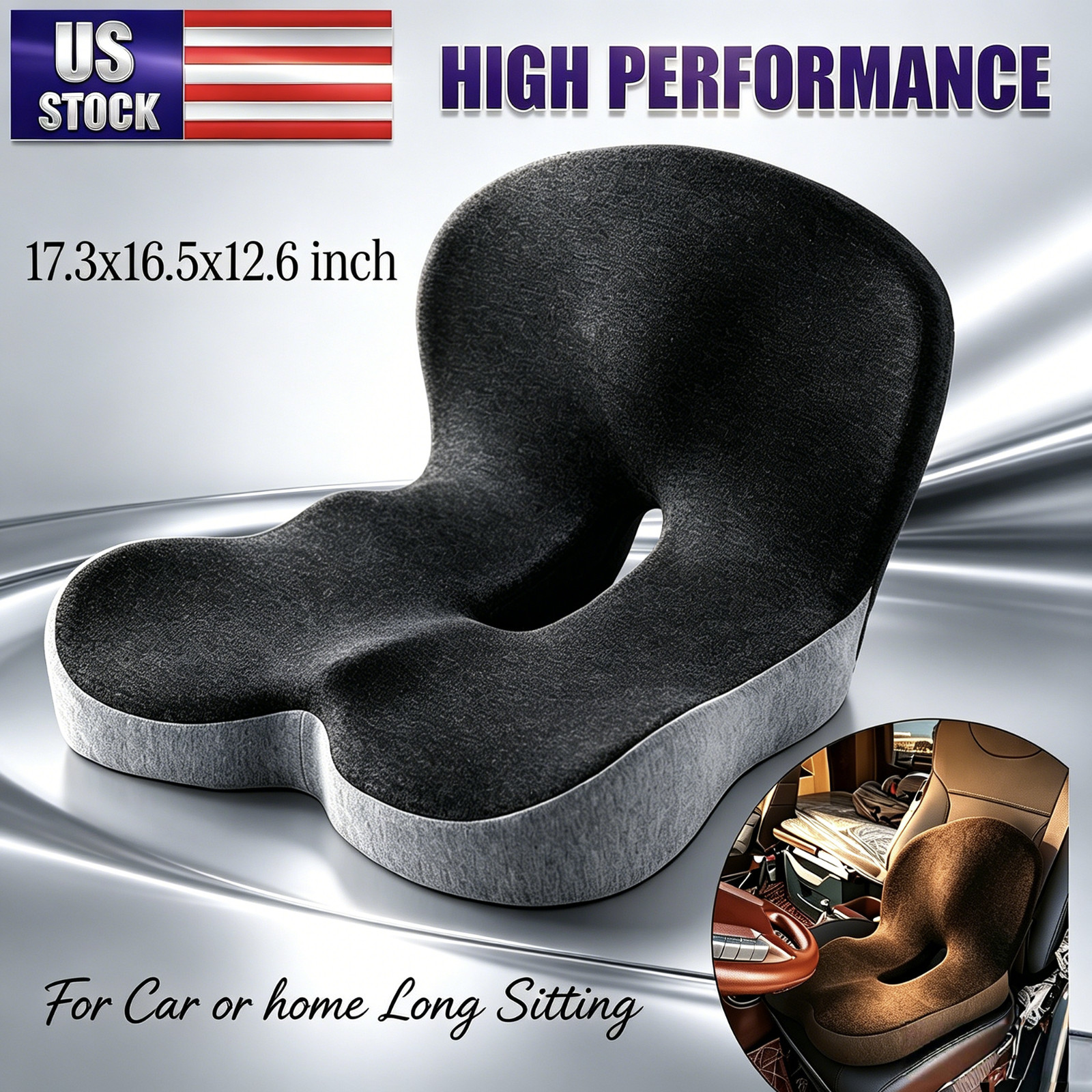 Memory Foam Seat Cushion Lumbar Support Ergonomic Back Support for Office Car$17.99Last checked Nov 24, 2026View on eBay
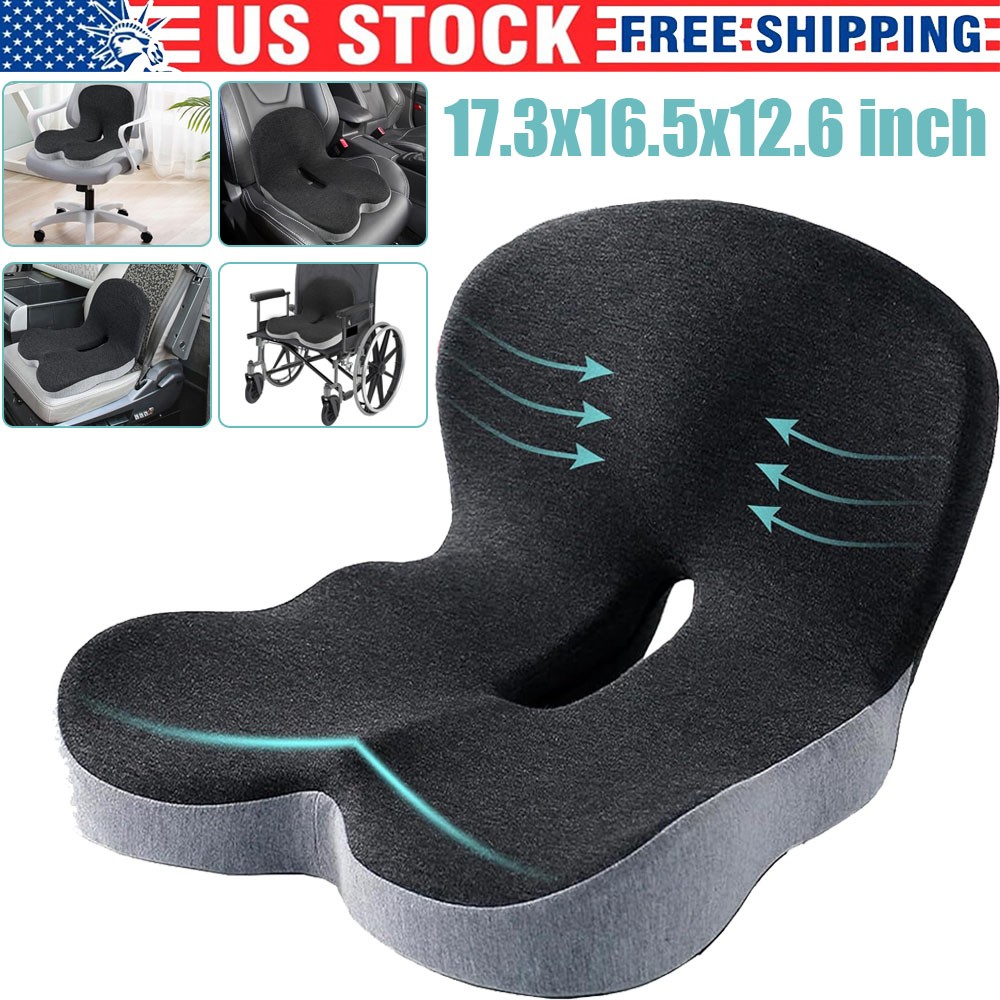 Memory Foam Seat Cushion Lumbar Support Ergonomic Back Support for Office Car$18.99View on eBay
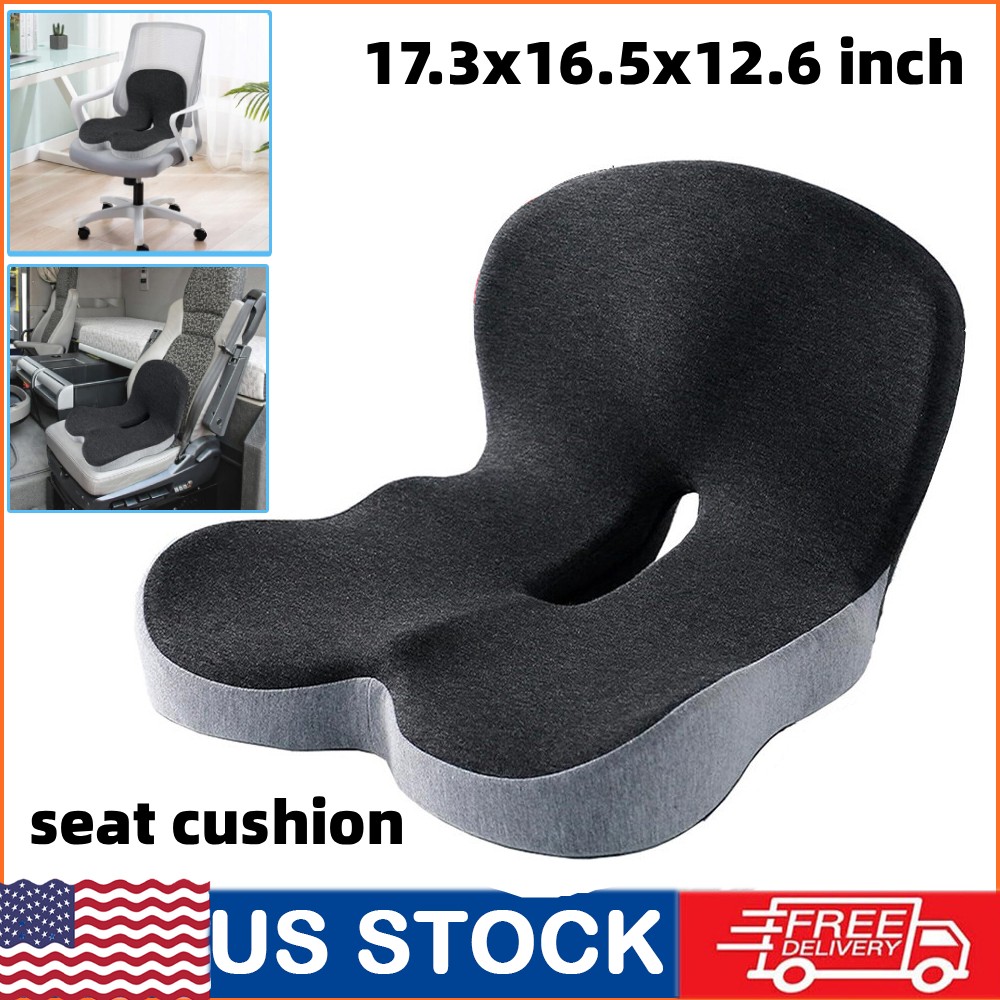 Memory Foam Seat Cushion Lumbar Support Ergonomic Back Support for Office Car US$19.99Last checked Nov 23, 2026View on eBay
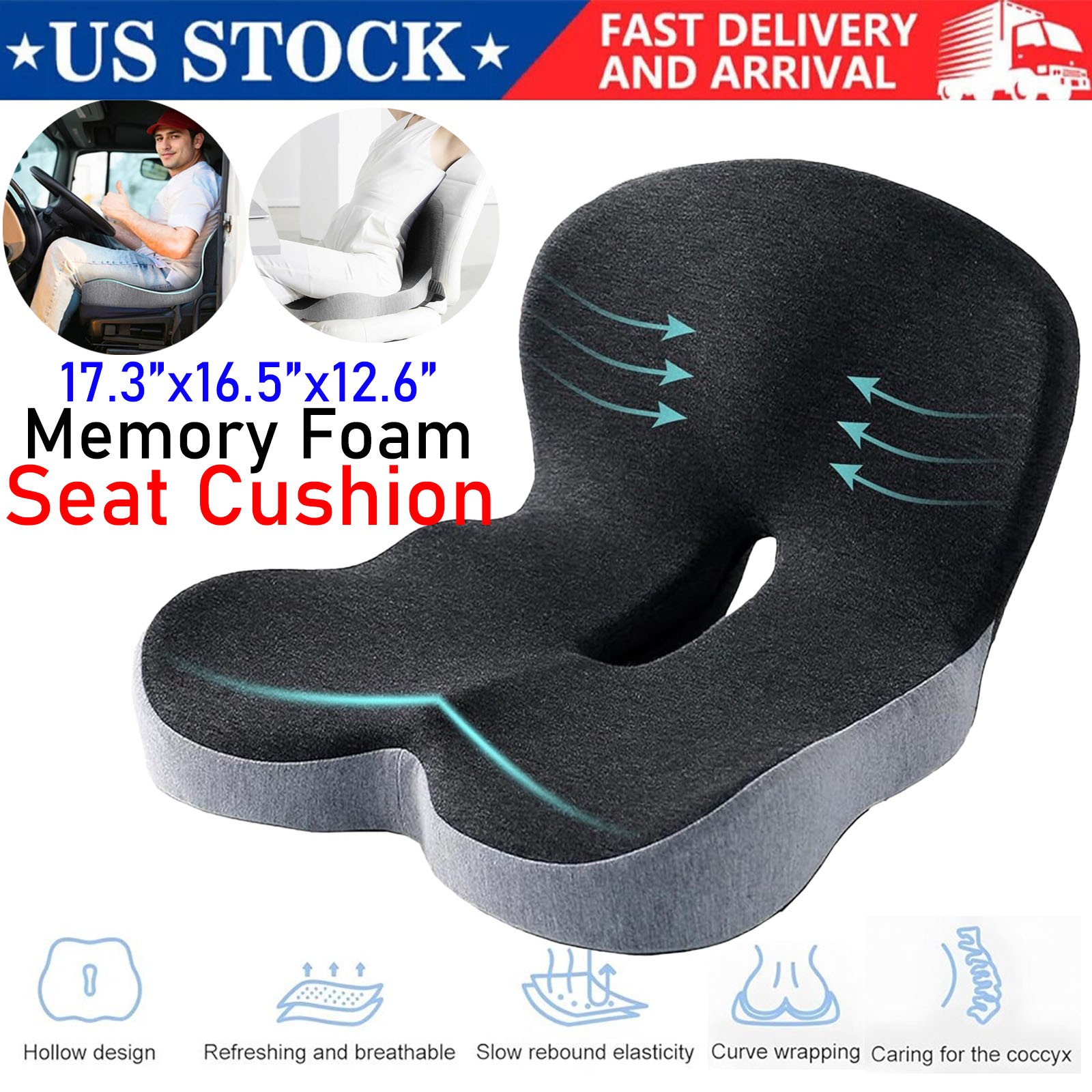 Memory Foam Seat Cushion Lumbar Support Ergonomic Back Support for Office Car$19.99Last checked Nov 22, 2026View on eBay
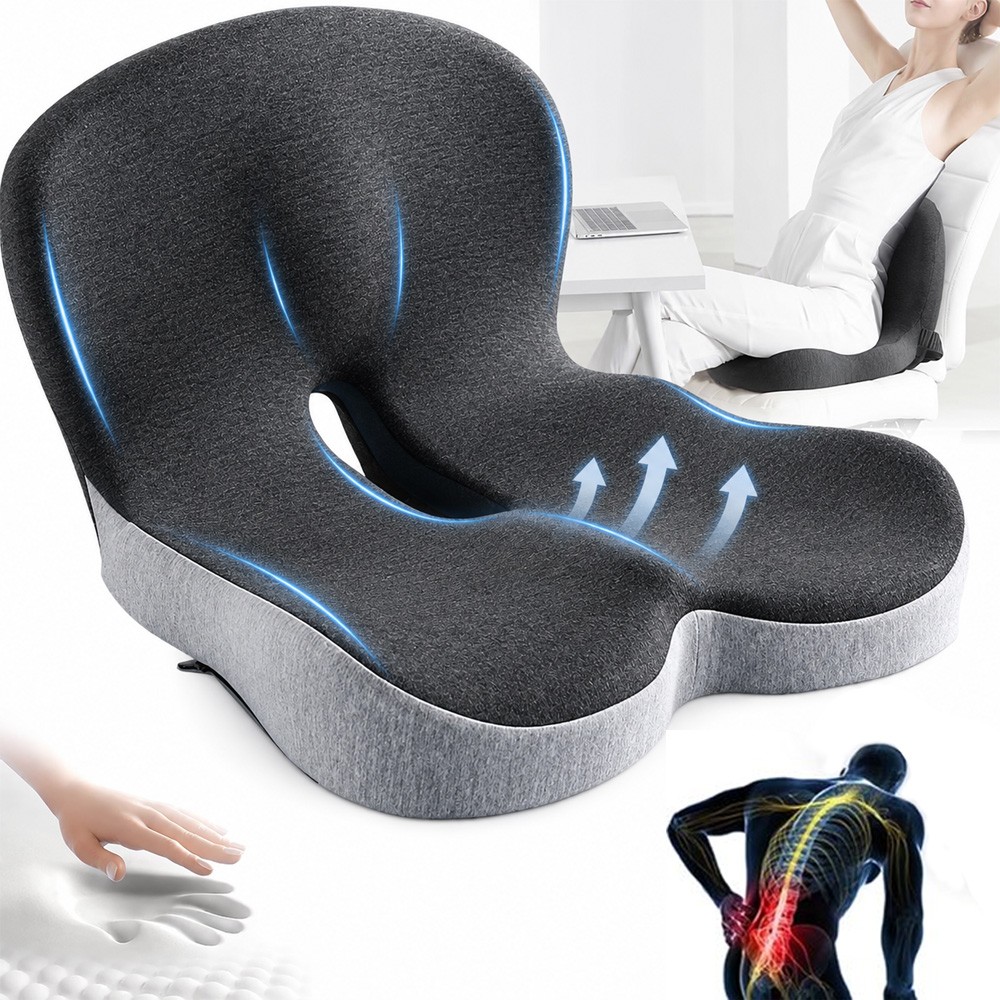 Memory Foam Seat Cushion Lumbar Support Ergonomic Back Support for Office Car$19.99View on eBay
 Memory Foam Seat Cushion Lumbar Support Ergonomic Back Support for Office Car$20.98Last checked Nov 23, 2026View on eBay
- Memory Foam Seat Cushion Lumbar Support Ergonomic Back Support for Office Car$20.98Last checked Nov 23, 2026View on eBay
- Memory Foam Seat Cushion Lumbar Support Ergonomic Back Support for Office Car$20.98Last checked Nov 23, 2026View on eBay
- Memory Foam Seat Cushion Lumbar Support Ergonomic Back Support for Office Car$20.98Last checked Nov 23, 2026View on eBay
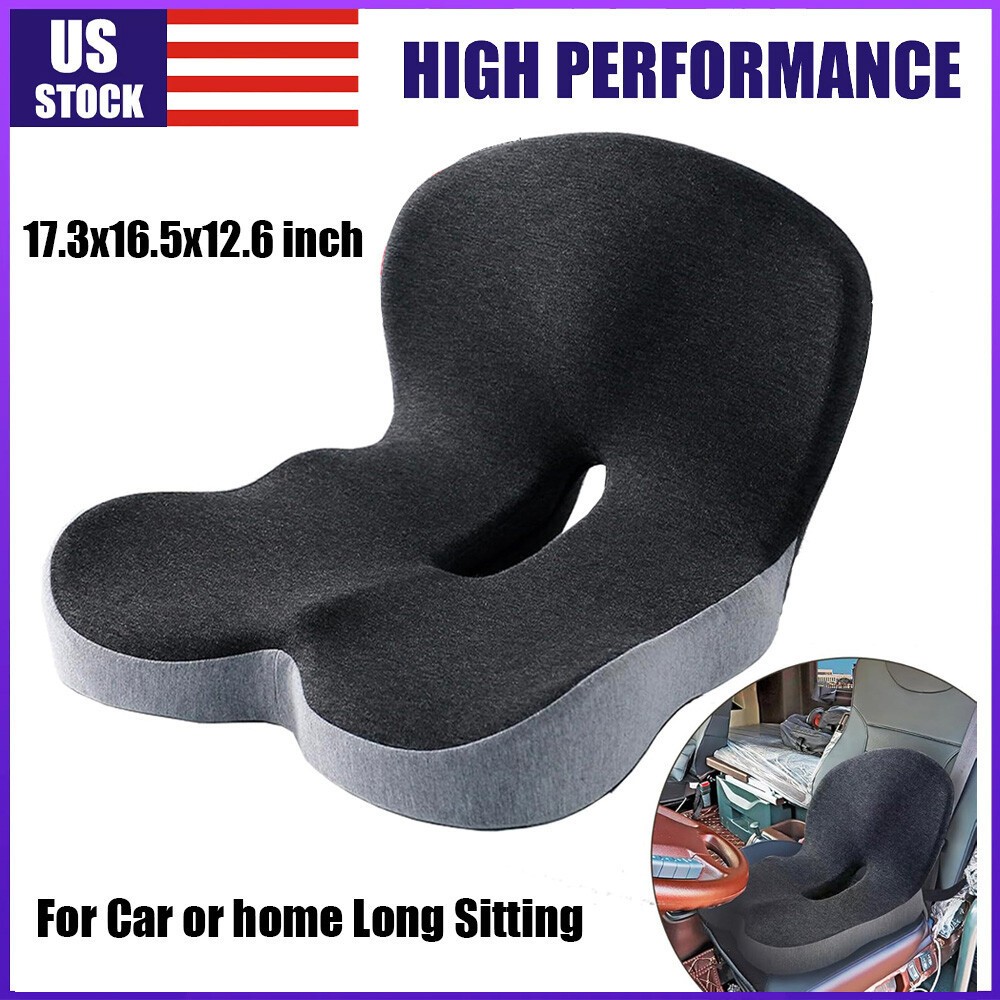 Memory Foam Seat Cushion Lumbar Support Ergonomic Back Support for Office Car$22.99Last checked Nov 24, 2026View on eBay
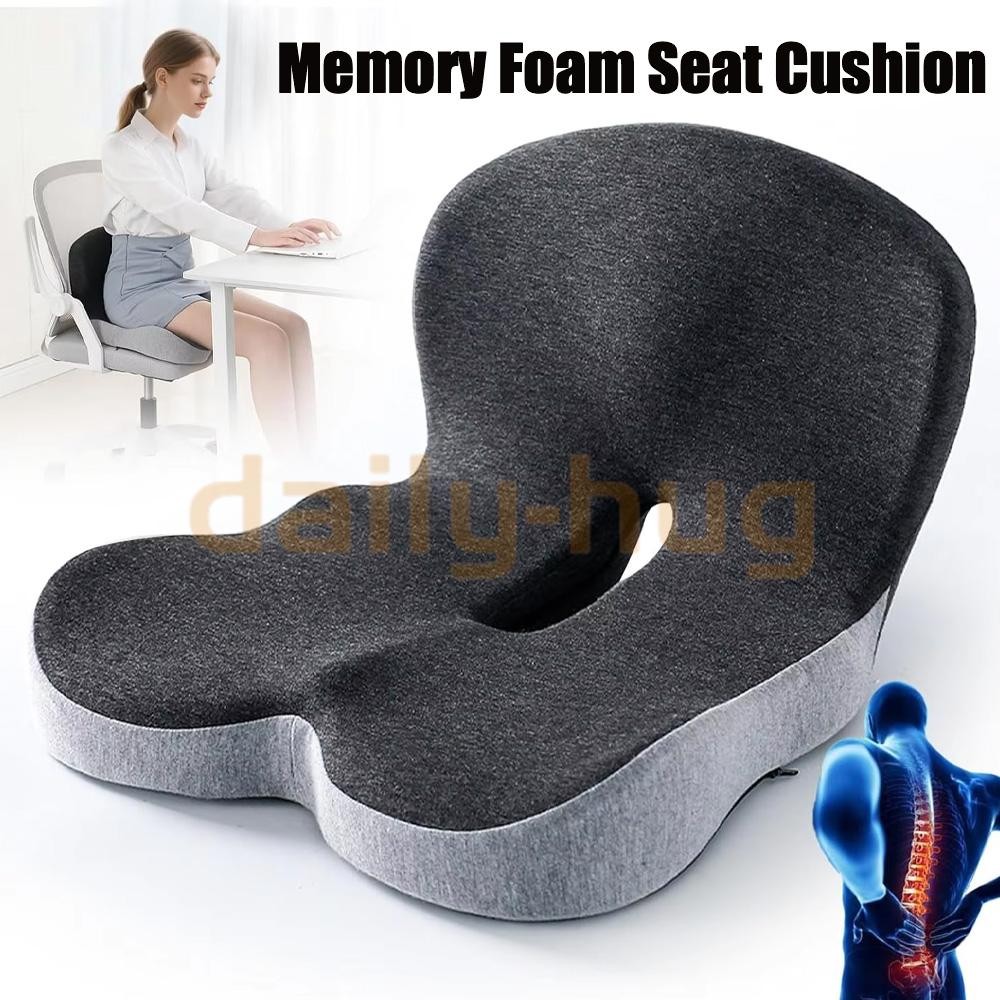 Memory Foam Seat Cushion Lumbar Support Ergonomic Back Support for Office Car$23.29Last checked Nov 19, 2026View on eBay
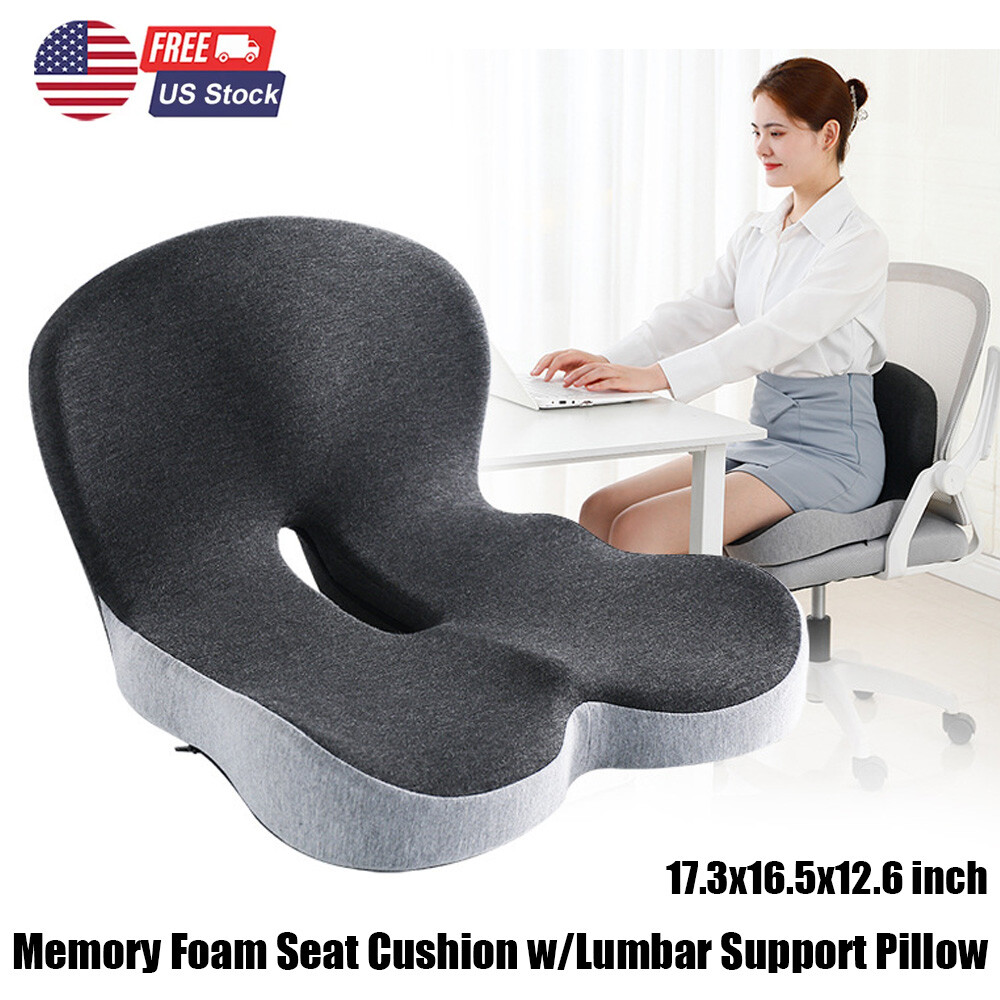 Memory Foam Seat Cushion Lumbar Support Ergonomic Back Support for Office Car US$23.99Last checked Nov 24, 2026View on eBay
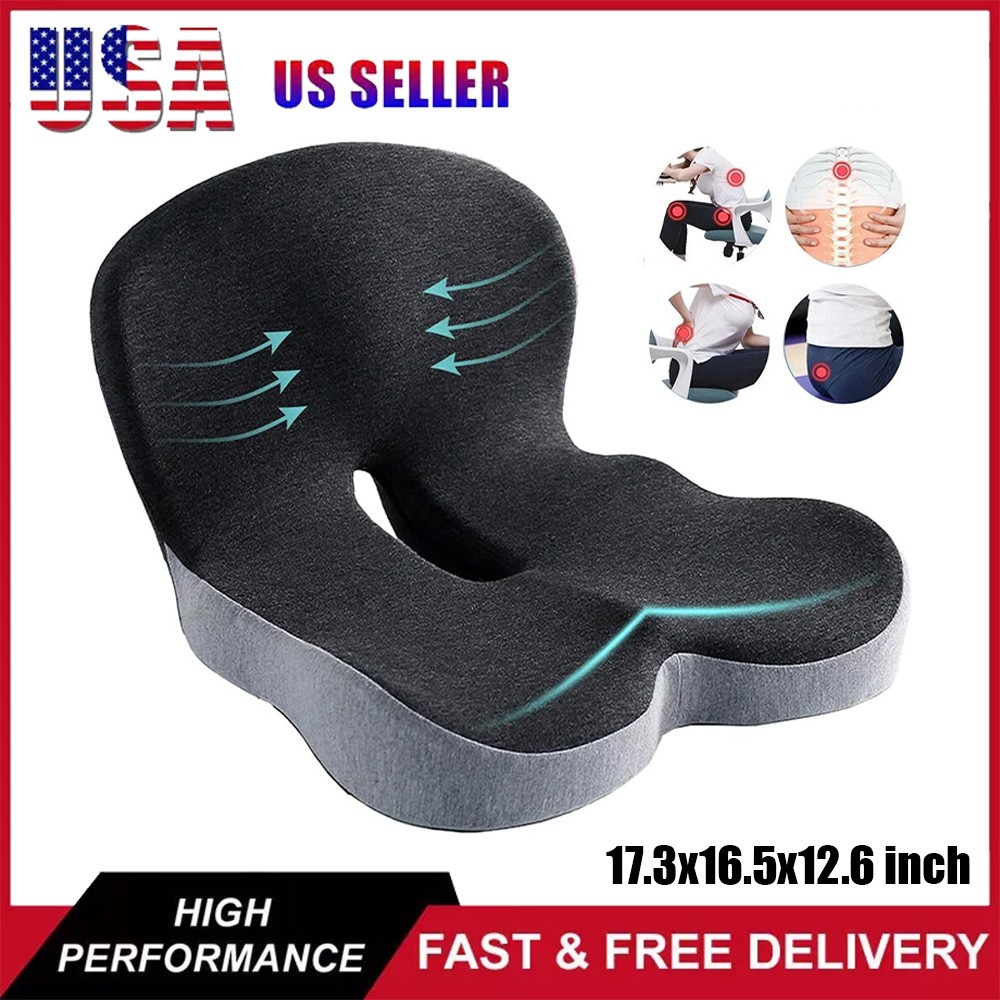 Memory Foam Seat Cushion Lumbar Support Ergonomic Back Support for Office Car$23.99Last checked Nov 22, 2026View on eBay
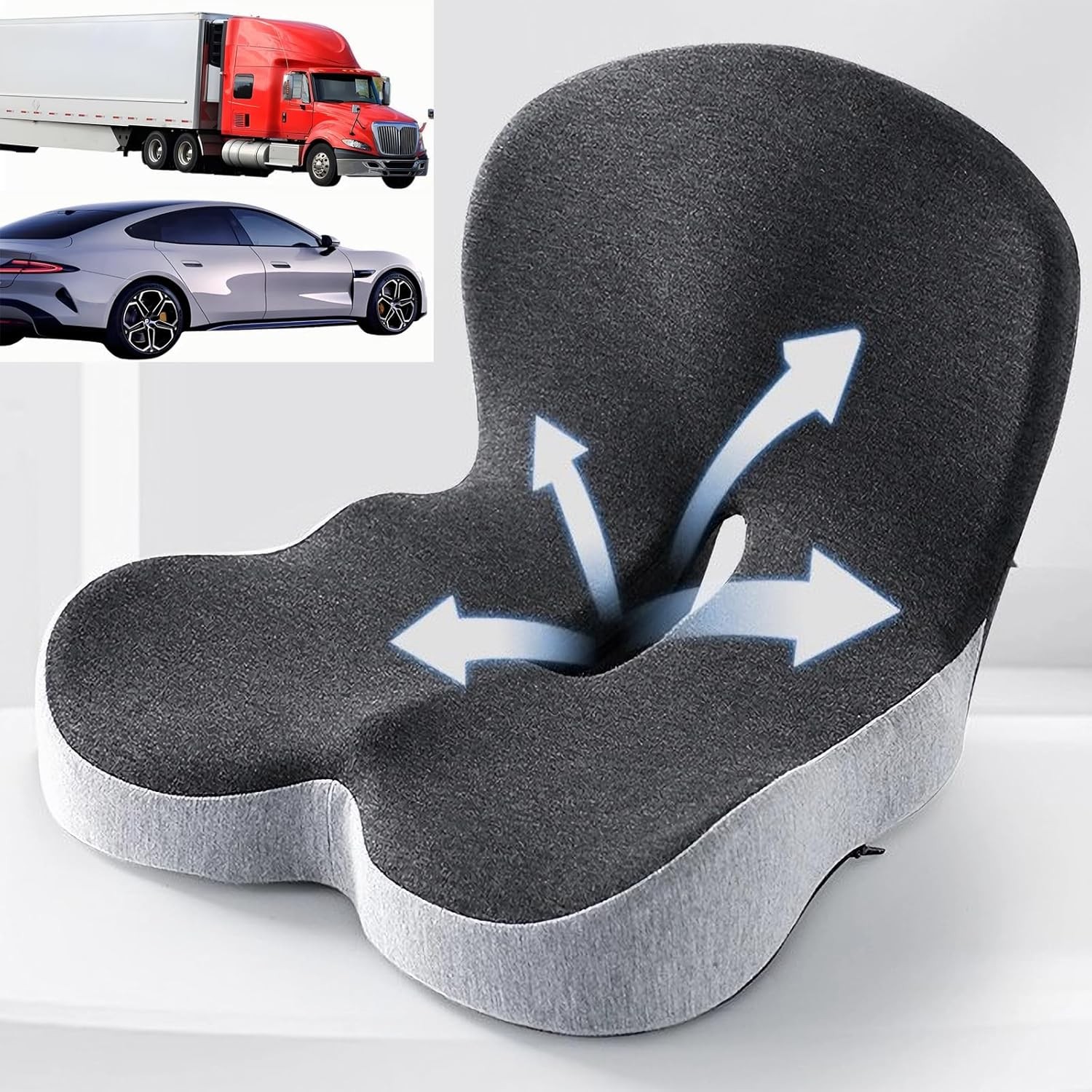 Memory Foam Seat Cushion Lumbar Support Ergonomic Back Support for Office Car$25.92Last checked Nov 23, 2026View on eBay
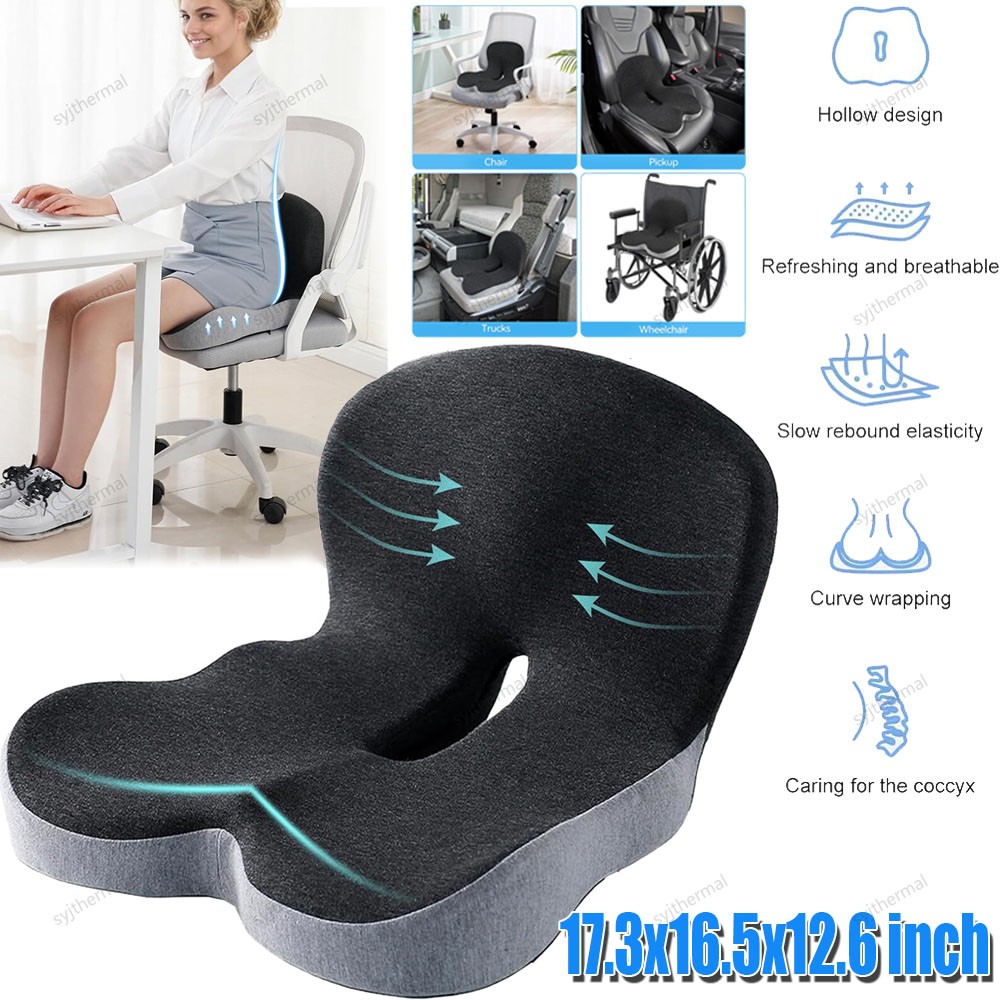 Memory Foam Seat Cushion Lumbar Support Ergonomic Back Support for Office Car$25.92Last checked Nov 22, 2026View on eBay
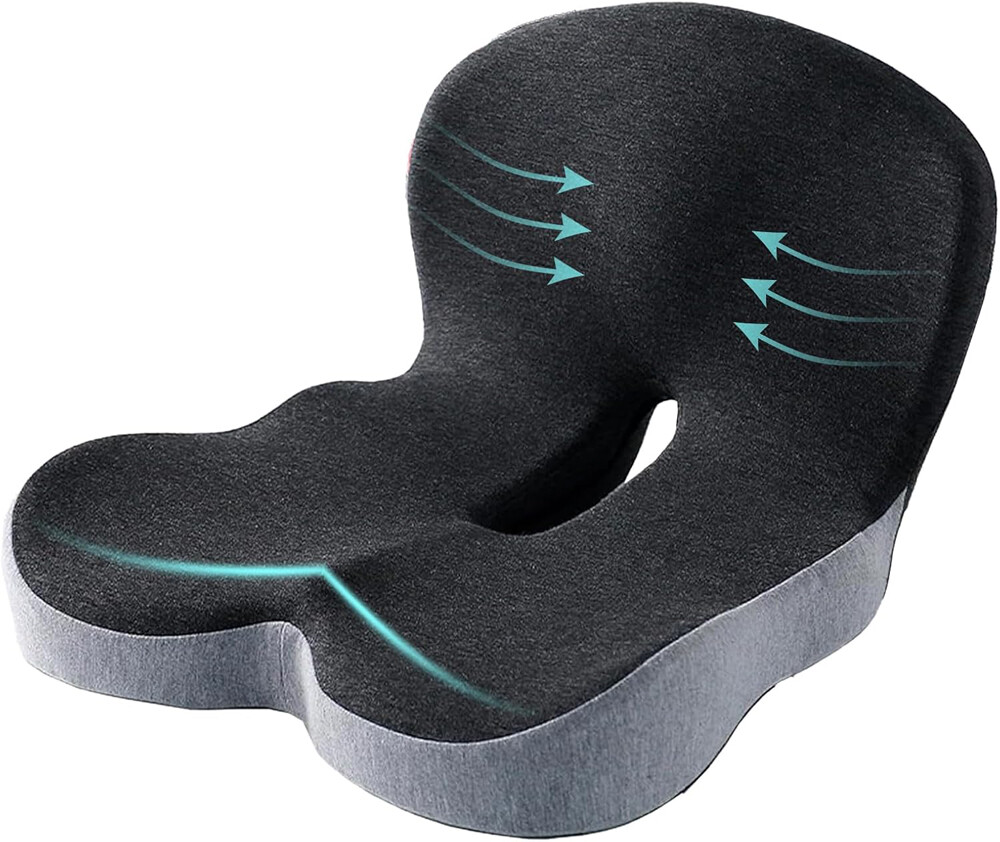 Memory Foam Seat Cushion Lumbar Support Ergonomic Back Support for Office Car US$25.99Last checked Nov 23, 2026View on eBay
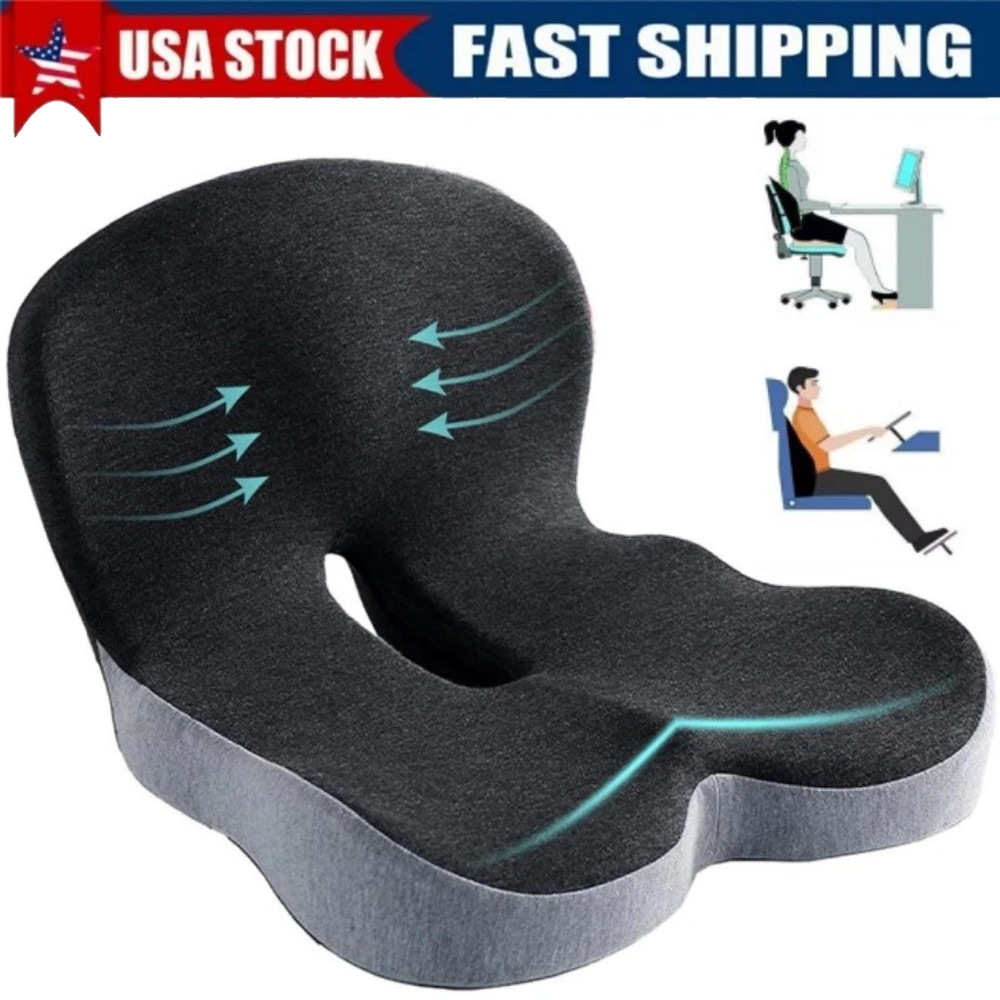 Memory Foam Seat Cushion Lumbar Support Ergonomic Back Support for Office Car US$25.99Last checked Nov 22, 2026View on eBay
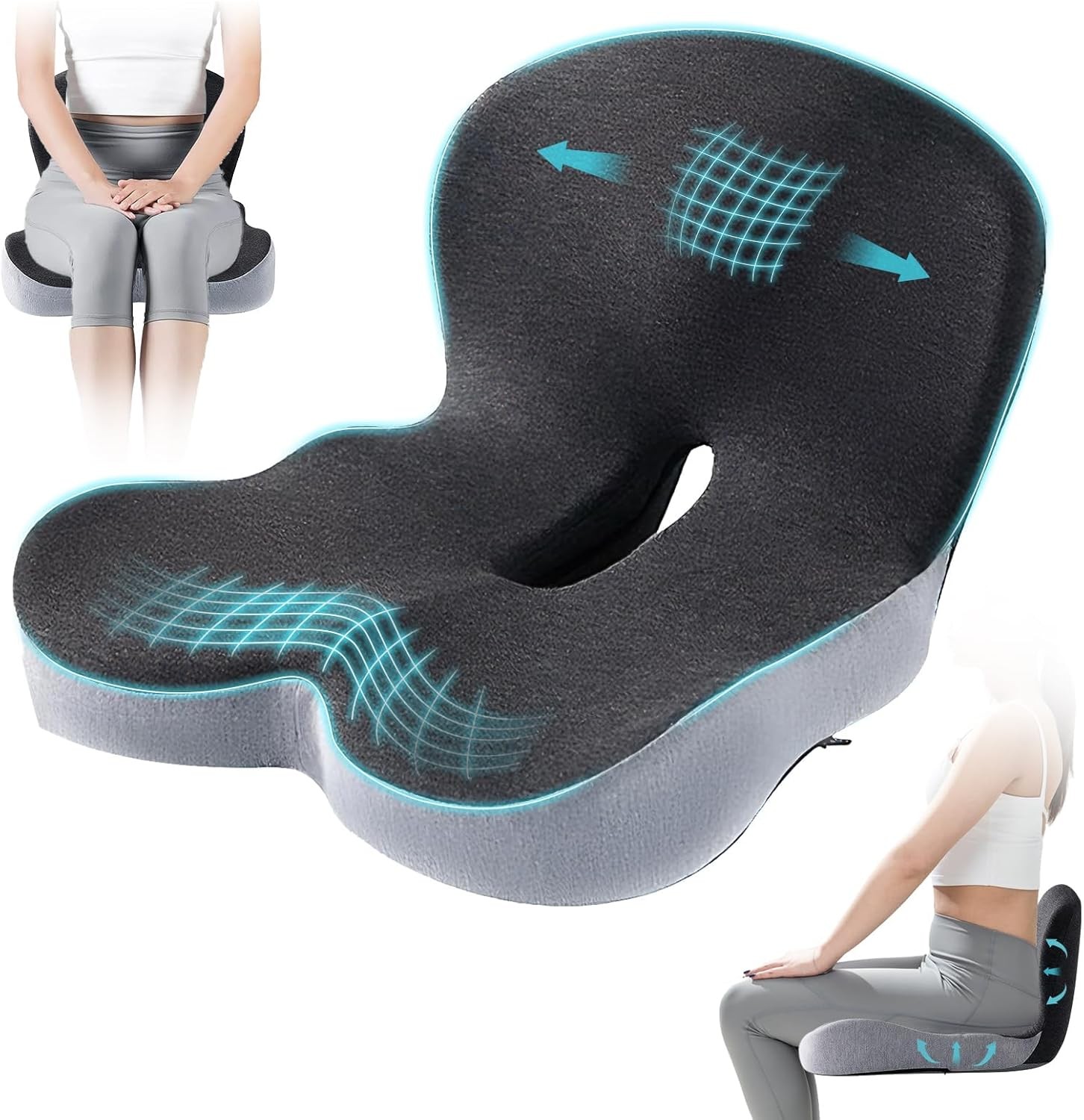 Memory Foam Seat Cushion Lumbar Support Ergonomic Back Support for Office Car$25.99Last checked Nov 22, 2026View on eBay
- For Office Car Memory Foam Seat Cushion Lumbar Support Ergonomic Back Support US$26.99Last checked Nov 24, 2026View on eBay
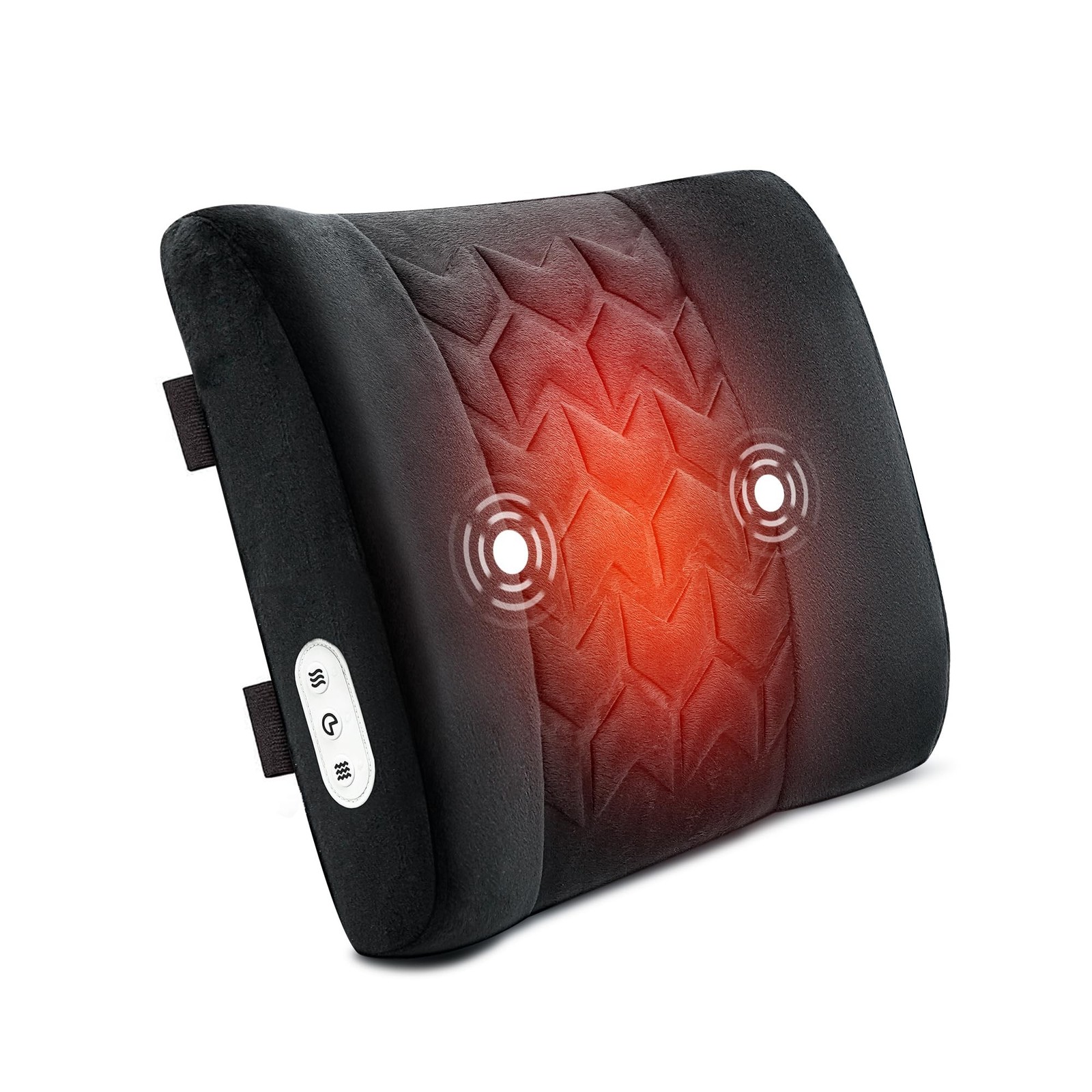 Lumbar Support Pillow for Office Chair, Heated Back Support Pillow with Vibra...$72.30View on eBay
Highlights
- Contoured lumbar supports with a 1-2 inch forward curve and adjustable strap height outperform flat pads, which flatten under body weight and lose all lumbar pressure.
- Memory foam density is the durability metric: 45-60 kg/m³ (roughly 2.8-3.75 lb/ft³) holds shape for years, while low-density foams under 35 kg/m³ collapse within months.
- Mesh-and-frame back rests with a rigid shell maintain a fixed lumbar curve; pure foam pillows compress and must be re-positioned each time you sit down.
- Inflatable and airbag lumbar supports offer on-the-fly firmness adjustment via a hand pump, useful for car seats and shared chairs where one fixed firmness does not fit every user.
Best use cases
- Best fit: an 8-hour desk worker with a standard task chair — choose a contoured memory-foam lumbar rest with an adjustable strap and a breathable mesh cover; skip flat seat-back combo pads that push the hips forward.
- Best fit: long-distance drivers — pick a slim inflatable or low-profile foam lumbar rest under 3 inches thick so it does not push you off the seat; skip thick full-back cushions that alter seat depth and interfere with pedals.
- Best fit: occasional or shared seating (guest chairs, dining chairs) — choose a portable strap-on mesh back rest that adjusts in seconds; skip heavy full-back shells that only fit one chair geometry.
- Wrong fit: buying a full-back rest for a chair with a built-in adjustable lumbar — the two curves fight each other; use a thin lumbar-only pad or none at all.
Buying tips
- Match support height to your torso: the lumbar pad's center should sit roughly 1-2 inches above the seat pan, at the small of your back — measure your chair's seat-to-lower-back distance before choosing.
- Pick foam density, not thickness: 45-60 kg/m³ memory foam or high-resilience polyurethane holds a lumbar curve; anything described only as 'soft plush' will bottom out.
- Choose a strap-and-buckle or elastic-band attachment over suction cups or adhesive; straps fit chair backs from roughly 14-20 inches wide and survive daily re-positioning.
- For car use, keep total cushion thickness under 3 inches and confirm the seat-back gap accepts a strap; thick full-back rests change seating posture and reduce headroom.
Specs
| Support Type | Contoured lumbar / Full-back shell |
|---|---|
| Foam Density | 45-60 kg/m³ (high-resilience) |
| Mounting | Adjustable strap / Non-slip base |
| Profile Thickness | 1.5-3 in lumbar contour |
Related searches
What to check before buying
- Measure your chair back width and height from seat pan to mid-back; the rest's strap and shell must span that range without riding up.
- Check seat depth: adding a back rest pushes you forward, so leave at least 2-3 inches between the back of your knees and the seat edge.
- Confirm cover material and climate fit — breathable mesh or 3D spacer fabric for warm rooms, removable washable covers for daily skin contact.
- For car seats, verify the rest does not block side airbags or seat-folding mechanisms and that straps clear the headrest posts.
FAQ
Data sources: eBay / Amazon listings and product attribute feeds. Updated Nov 28, 2026.
Some links on this page are affiliate links. If you buy after clicking one, we may earn a commission at no extra cost to you. This does not change which products appear here or their order. Affiliate disclosure.