There is a moment in every print job when the pages leave the printer and the next step is unclear: do you bind them into a booklet, or fold them into a mailer? In bindery print finishing, the answer determines which desktop machine belongs on your workspace. The Binding Machine Hole Pitch 2:1 Portable Book Binding Kit and the MARTIN YALE P6500 DESKTOP PAPER FOLDING UNIT are both compact enough for a small office, but they solve different problems.
Quick verdict
If your pages need to become wire-bound notebooks, journals, albums, or planners, the Binding Machine Hole Pitch 2:1 Portable Book Binding Kit at $118.12 is the lower-priced path. If your daily task is preparing pages for mailings, the MARTIN YALE P6500 at $265.00 takes over the folding.
At a glance
| Binding Machine Hole Pitch 2:1 Kit | Martin Yale P6500 Folder | |
|---|---|---|
| Price | $118.12 | $265.00 |
| Use for | Booklets and handmade books | Folded letters, flyers, classroom handouts |
| Sheet handling | 20-25 sheets per punch | Letter or half folds |
| Weight | 9.17 lb | 11 lb |
| Dimensions | 14.53 x 10.87 x 6.85 in | 14.25 x 6.75 x 7 in |
Where the binding kit wins
The Binding Machine Hole Pitch 2:1 kit is all-in-one: it comes with 10PCS 5/8'' binding wires and a pink plier, so a first project doesn't require extra accessories. The ergonomic handle and smooth punching system lower the learning curve, and the 2:1 hole pitch produces clean round holes. At 9.17 pounds, this is a machine you can keep on a shelf and bring out when a project is ready.
Where the Martin Yale P6500 wins
The MARTIN YALE P6500 shifts the repetitive part of finishing to the desktop. It is a high-speed folder that produces consistent folds, and its compact desktop footprint fits a small office, mailroom, or school. When your pile is mostly documents that need to go into envelopes, this unit removes the hand-folding bottleneck.
Product notes
Binding Machine Hole Pitch 2:1 Portable Book Binding Kit
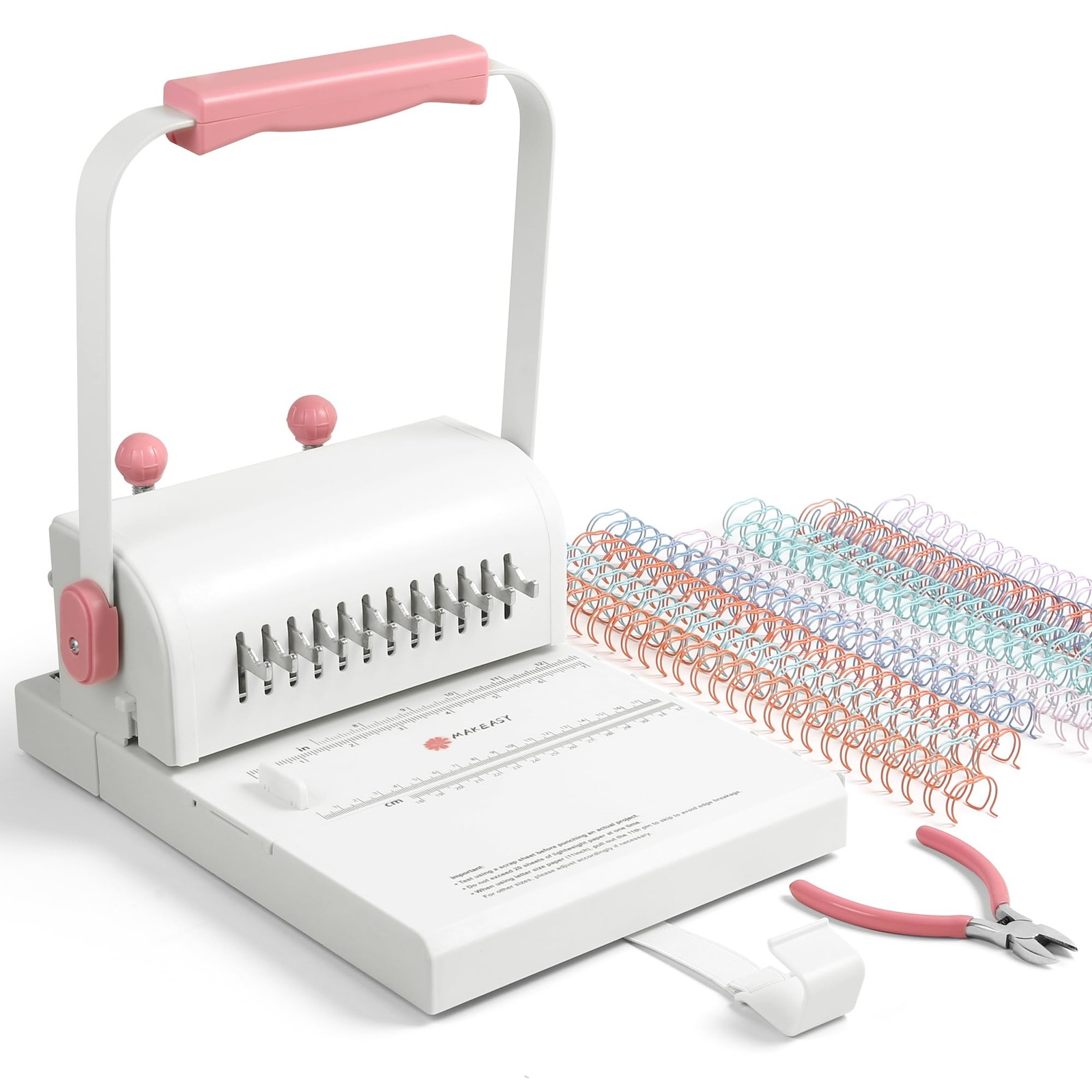
This kit is a complete way to start binding: the machine punches 20-25 sheets per pass, and the bundled 10PCS 5/8'' wires and pink plier are ready to use. It is a good fit for a beginner who wants to make sturdy notebooks, journals, albums, or planners without buying a large binding system. The limitation is stack depth: a thicker booklet has to be punched in several passes before the wire can be inserted. For typical small-to-medium projects, the 2:1 hole pitch and portable design cover the job neatly, and the all-in-one layout keeps extra shopping to a minimum.
Martin Yale P6500 Desktop Paper Folding Unit
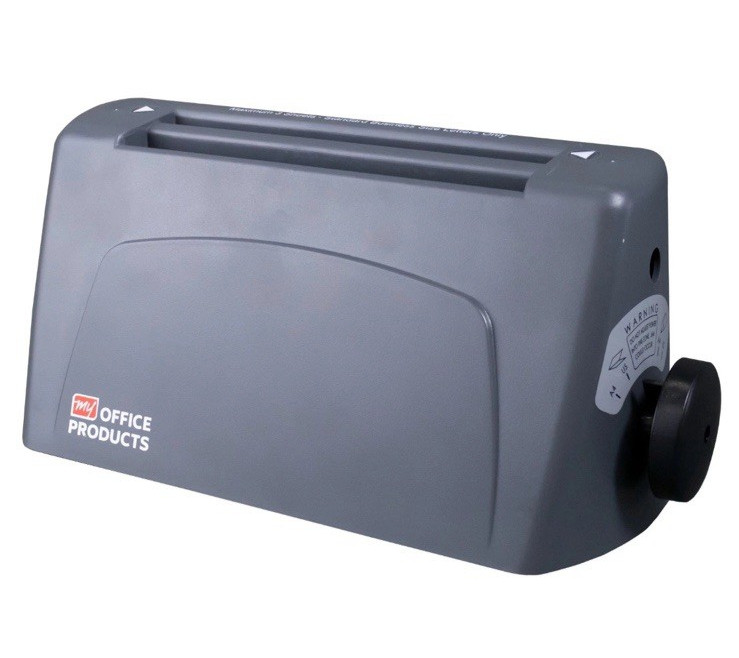
This is the machine to reach for when the finishing step is folding, not binding. It handles standard 8.5 x 11 paper and produces letter or half folds with consistent results, so a stack of letters stops being a hand-folding project. The real strength is speed: a high-speed desktop folder fits the workflow of a small office, mailroom, or school where the same fold is repeated many times. The limitation is scope. This unit will not bind pages, and it is built around standard letter-size paper and letter or half folds. If your project list is mostly booklets, you want the binding kit; if it is mostly mailings, this is the better match.
Final choice by use case
Choose the Binding Machine Hole Pitch 2:1 Portable Book Binding Kit when your printed sheets are on their way to becoming notebooks, journals, albums, or planners. Choose the MARTIN YALE P6500 Desktop Paper Folding Unit when your regular workload is folded letters, flyers, or classroom handouts. If your space only has room for one finishing tool, start with the one that clears your most frequent bottleneck and add the other when the second task becomes a regular part of the week.