
Photos from current listings. Actual item, color, and included accessories may vary.
Cold Laminator Buying Guide
Cold laminators bond pressure-sensitive adhesive films and vinyl to substrates using rubber rollers and crank pressure—no heat, so they handle heat-sensitive inks, photos, and sticker sheets without warping or bubbling. The core trade-off is roller width and frame rigidity versus cost and footprint: narrow plastic-body units flex under pressure and drift on wide media, while metal-frame wide-format units hold alignment across the full web. The decision rule is simple—buy the widest metal-frame cold laminator your workflow and bench can support, and skip any plastic-frame unit if you regularly exceed 13-inch media.
Median $114.99
Key takeaways
- Cold-only manual crank roller design: pressure comes from adjustable roller gap, not heating elements, so no warm-up time and no risk to thermal-print or solvent-ink media.
- Web width tiers are the primary performance differentiator: 13-inch (A4/desktop), 25-inch, 29.5-inch (750mm), and 51-inch classes cover sticker sheets through wide-format vinyl mounting.
- Frame material (metal vs plastic) determines roller parallelism: metal side plates resist flex under crank pressure, keeping the two rollers aligned across wide widths and preventing edge wrinkles.
At a glance
- Category
- Bindery & Print Finishing
- Last updated
- Nov 27, 2026
Current offers
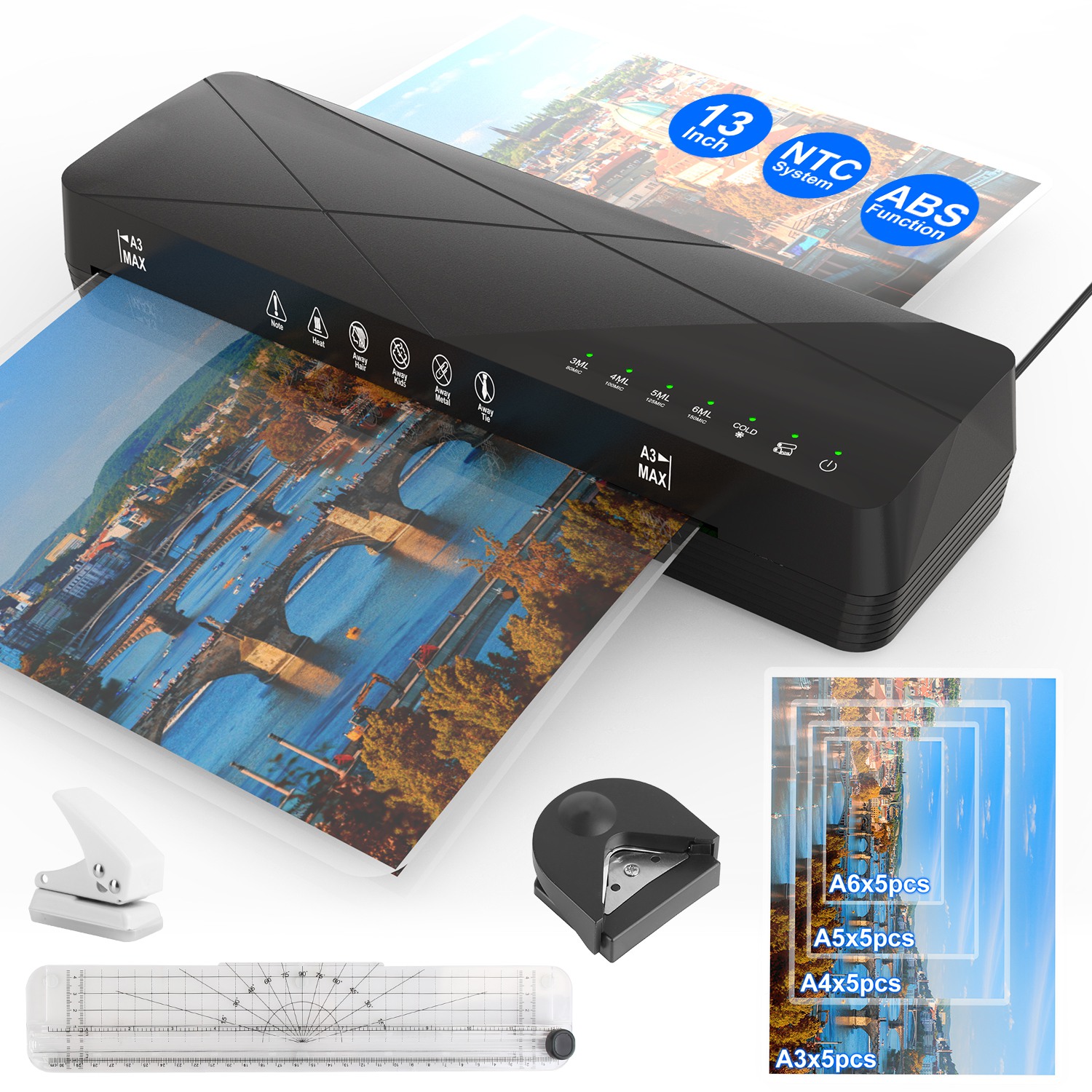 1Pc 13Inch Laminator Machine Hot And Cold Mode A4 Personal Thermal With ABS Function 60S Warm Up Time 30Mins Auto Off For Home Office School Business$81.99View on Mallflare
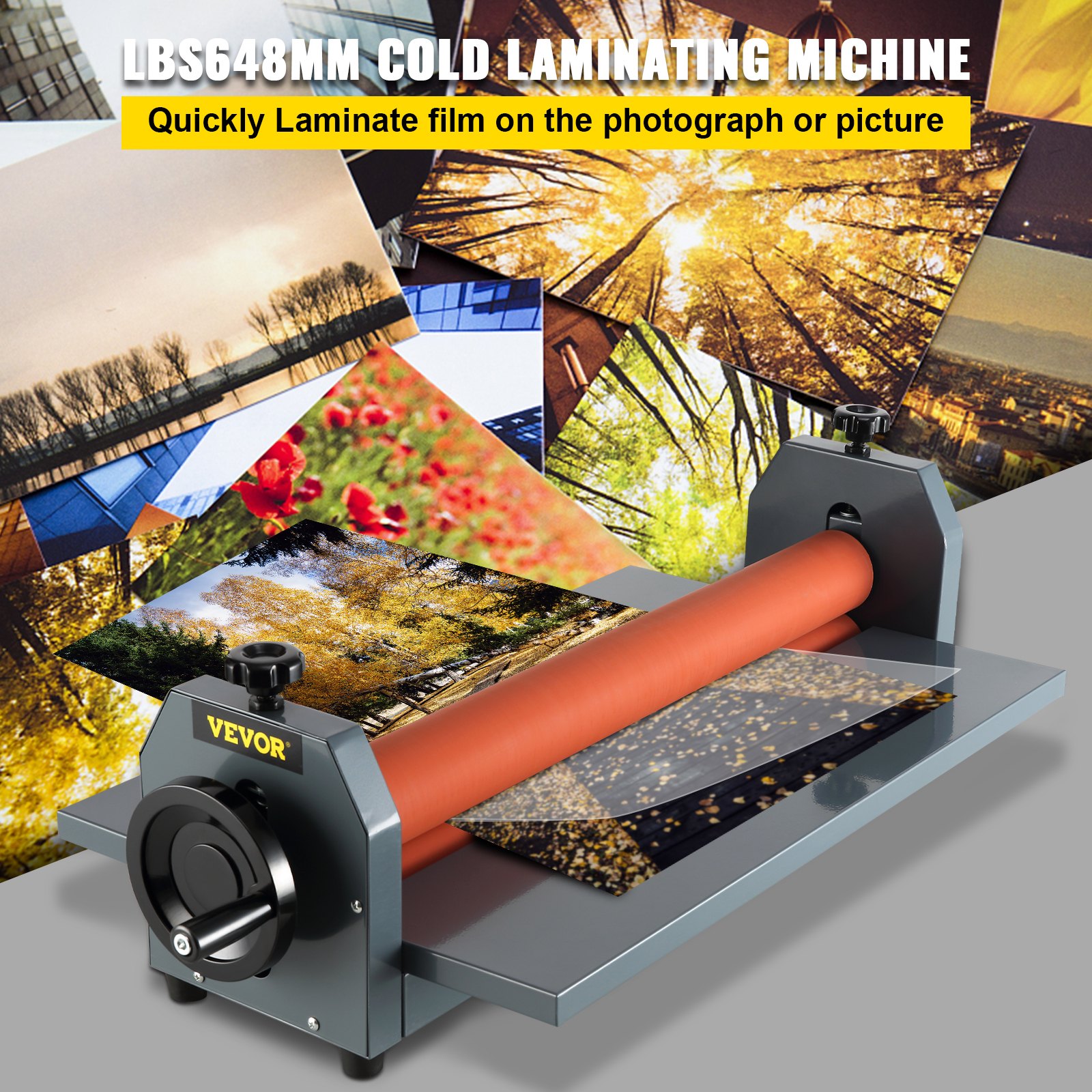 25 Inch Manual Cold Roll Laminator Thickness Foldable Laminating Machine Vinyl Photo Film Mounting For Commercial Professional Uses$101.99View on Mallflare
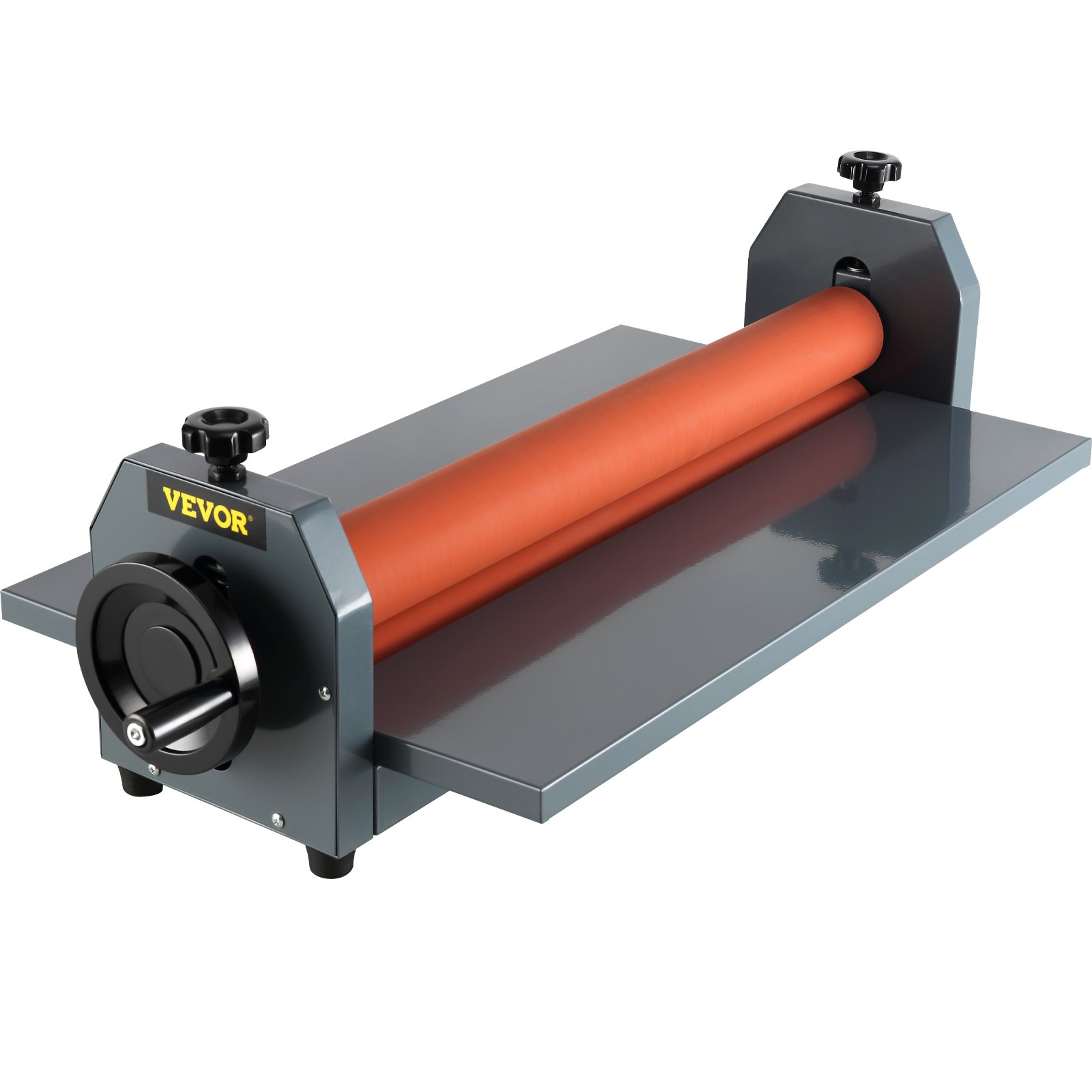 29.5" 750MM Manual Cold Roll Laminator Vinyl Photo Film Mounting Laminating Machine$127.99View on Mallflare
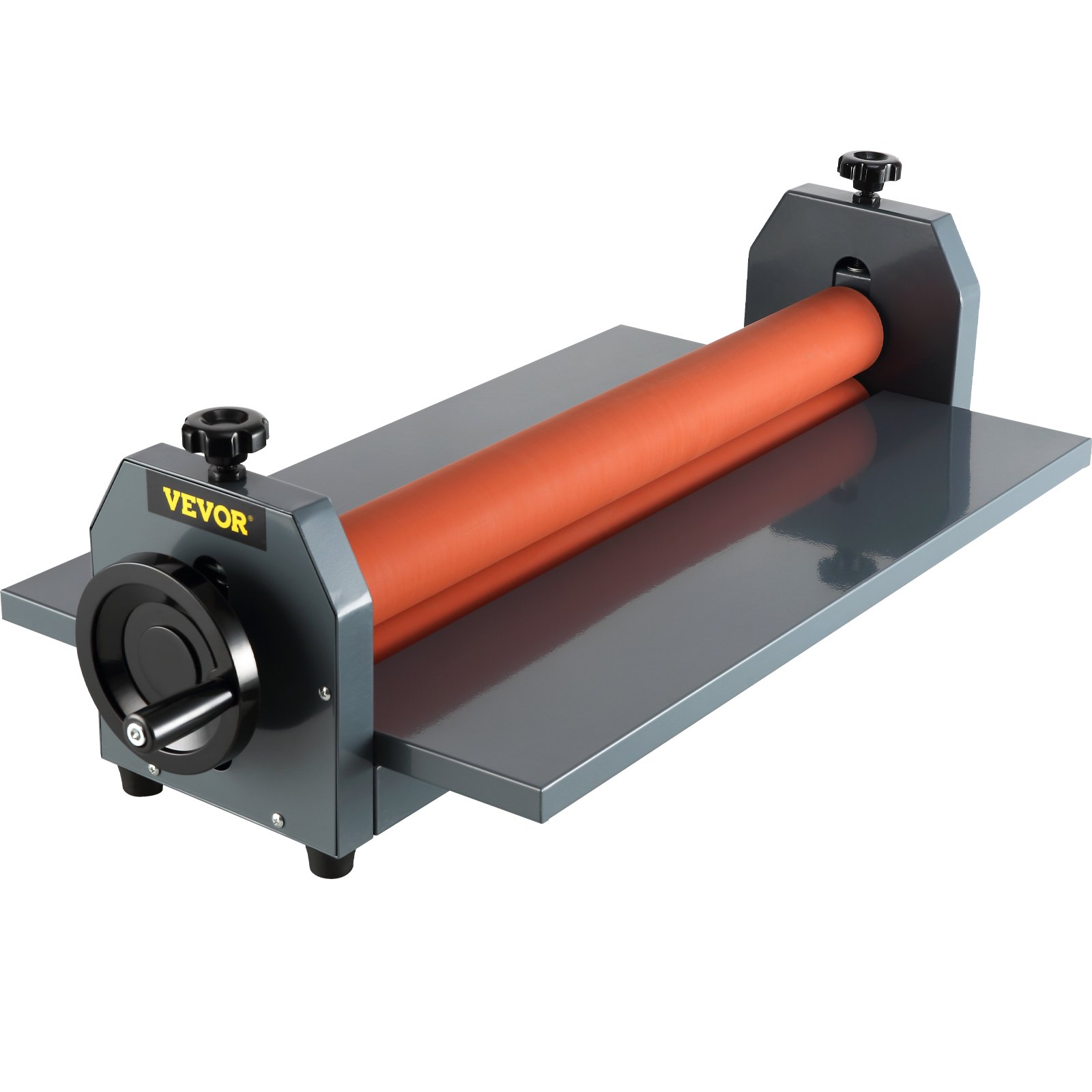 51 Inch Cold Laminator Machine 10mm Manual Vinyl Photo Film Hand Crank Pressure Roll Laminator(51Inch)$239.99View on Mallflare
Highlights
- Cold-only manual crank roller design: pressure comes from adjustable roller gap, not heating elements, so no warm-up time and no risk to thermal-print or solvent-ink media.
- Web width tiers are the primary performance differentiator: 13-inch (A4/desktop), 25-inch, 29.5-inch (750mm), and 51-inch classes cover sticker sheets through wide-format vinyl mounting.
- Frame material (metal vs plastic) determines roller parallelism: metal side plates resist flex under crank pressure, keeping the two rollers aligned across wide widths and preventing edge wrinkles.
- Throughput is deliberately manual—hand-crank rollers trade motor speed for zero electrical draw, portability, and full control over feed rate on thin vinyl and adhesive-backed film.
Best use cases
- Sticker and decal production from pre-printed sheets: pick a 13-inch or 25-inch metal-frame cold laminator with adjustable roller gap; skip 51-inch units, which are overkill for sheet-fed sticker work.
- Wide-format photo and vinyl mounting (posters, signage, vehicle graphics): choose 29.5-inch (750mm) or 51-inch metal-frame models with foldable or benchtop stands; skip plastic-body 13-inch units, which cannot span the web evenly.
- Mixed hot/cold small-office use (A4 documents plus occasional cold vinyl): a 13-inch hot-and-cold combo with ABS release function covers both; skip dedicated cold-only desktop units if you also need thermal pouch lamination.
- High-volume commercial sign shops needing motorized feed: a manual cold laminator is the wrong fit—step up to a motorized roll laminator rather than cranking 51-inch media by hand all day.
Buying tips
- Match web width to your widest media plus trim: a 25-inch laminator handles 24-inch prints; 29.5-inch (750mm) covers 28-inch stock; 51-inch covers full 48-inch wide-format rolls.
- Insist on metal side frames and adjustable roller-gap knobs for any width above 13 inches—plastic housings flex and cause edge curl and roller misalignment under load.
- Check roller composition: solid silicone or rubber rollers resist adhesive buildup and give even pressure; hollow or hard rollers produce streaks on thick vinyl.
- For hot-and-cold combo units, confirm 60-second warm-up and auto-off (30-minute class) plus ABS release—these are the practical specs for A4 thermal pouches and cold film in one machine.
Specs
| Roller Width Class | 13 in / 25 in / 29.5 in / 51 in |
|---|---|
| Frame Material | Metal side plates vs plastic body |
| Drive Type | Manual hand crank (cold-only) |
| Mode | Cold-only vs hot-and-cold combo (A4) |
Related searches
What to check before buying
- Measure your bench depth and width: a 29.5-inch or 51-inch laminator needs clearance for infeed and outfeed media plus crank swing—confirm the footprint before choosing a tier.
- Verify media width against roller width: the substrate plus carrier film must fit inside the roller span with margin, or the film will track off-center and wrinkle.
- Confirm roller gap adjustment range covers your thickest substrate (foam board, mounted photo, thick vinyl) and thinnest film without crushing adhesive.
- For combo hot/cold units, check the plug and voltage standard for your region and that the unit supports the pouch thickness (typically 80–125 micron) you use.
FAQ
Data sources: eBay / Amazon listings and product attribute feeds. Updated Nov 27, 2026.
Some links on this page are affiliate links. If you buy after clicking one, we may earn a commission at no extra cost to you. This does not change which products appear here or their order. Affiliate disclosure.