Choosing POS retail supplies often comes down to a practical question: which receipt printer best fits the equipment already at the counter? The Seiko RP-D10 and Star TSP650II are both used, USB-connected thermal POS printers with a JamFree Auto-Cutter. The deciding points are the listed price, the components named with the Seiko, and the compatibility and print-width details named with the Star.
Quick verdict
Pick the Seiko RP-D10 when a package described with a compatible power supply and USB cable is central to your planned setup. Pick the Star TSP650II when the lower listed price is the priority and its named 3.13-inch print width plus iOS, Windows, and Android machine compatibility suit your register environment.
Neither is presented as a new unit, so this is chiefly a choice between two used USB thermal receipt-printer configurations rather than between different printer technologies.
At-a-glance comparison
| Detail | Seiko RP-D10 | Star TSP650II |
|---|---|---|
| Listed price | USD 83.99 | USD 39.99 |
| Brand | Seiko | Star |
| Condition | Used | Used |
| Connectivity | USB | USB |
| Print method | Thermal | Thermal |
| Cutter option | JamFree Auto-Cutter | JamFree Auto-Cutter |
| Model | RP-D10 | TSP650II |
Where each product wins
Seiko RP-D10: for the named cable-and-power configuration
The Seiko is the stronger match when you specifically want the equipment described around the printer: its title names a power cable, and its description identifies a compatible power supply and USB cable. That focus is useful for a counter setup built around a wired USB receipt-printer connection. Its RP-D10 model designation, thermal print method, and JamFree Auto-Cutter keep it aligned with the shared core requirements of a receipt printer for point-of-sale work.
Star TSP650II: for price and named platform compatibility
The Star makes the clearer case for shoppers prioritizing the lower listed price. It also carries a listed 3.13-inch print width and machine compatibility with iOS, Windows, and Android. Those specifics give the TSP650II a direct role in an environment where those platforms and that stated print width are relevant. Like the Seiko, it uses USB connectivity, thermal printing, and a JamFree Auto-Cutter.
Product notes
SII SEIKO RP-D10 THERMAL POS RECEIPT PRINTER USB w Power Cable
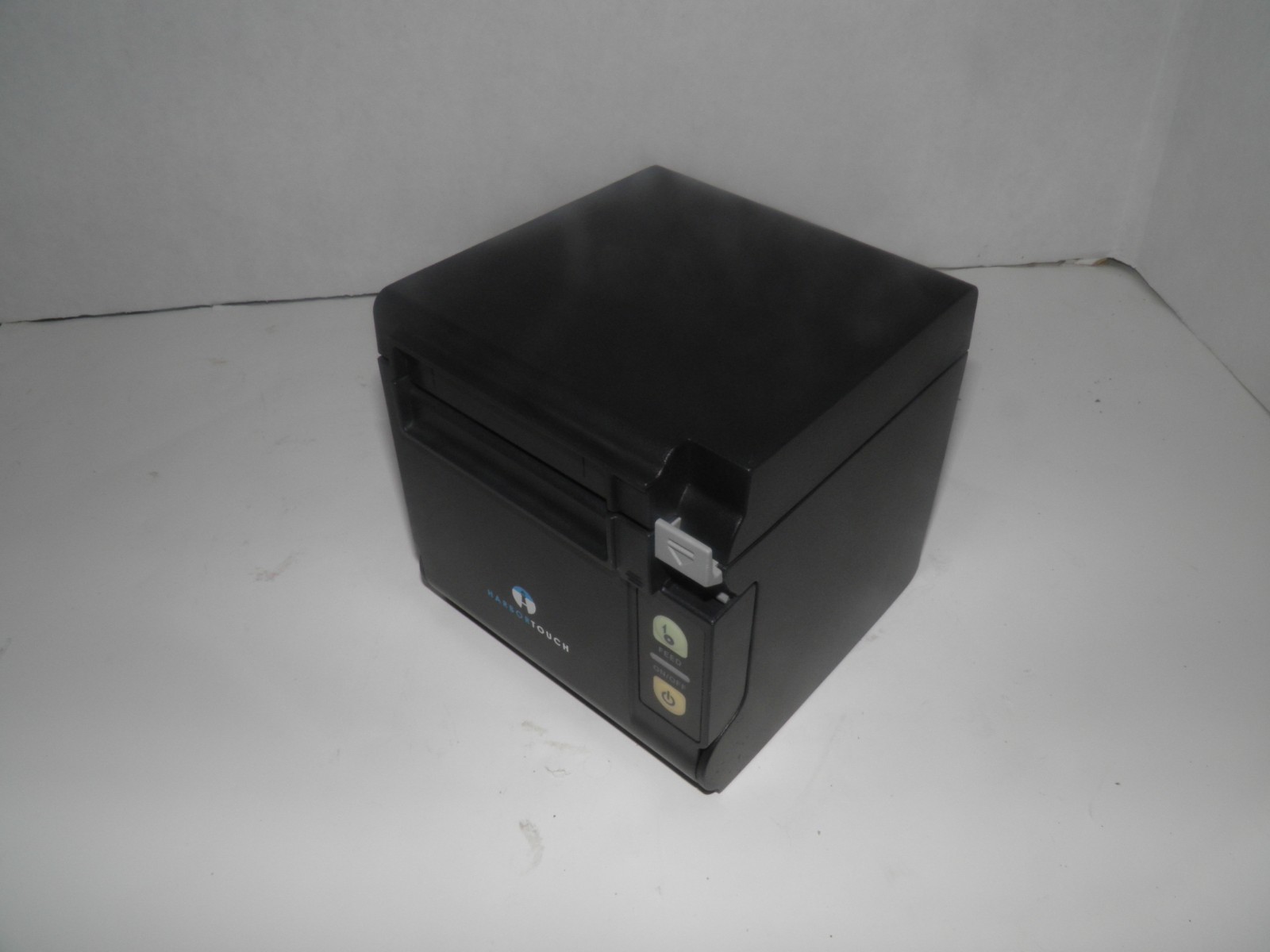
The Seiko RP-D10 is a sensible choice for a POS setup where the named supporting components matter as much as the printer itself. The title identifies a USB thermal receipt printer with a power cable, while the accompanying description identifies a compatible power supply and USB cable. Its USD 83.99 listed price places it above the Star in this comparison, but the package description gives it a concrete reason to consider it for a wired setup. The key limitation is its used condition. USB connectivity, thermal printing, and the JamFree Auto-Cutter are all part of its listed configuration, so it suits shoppers seeking those particular core specifications rather than a different connection type.
Star TSP650II Thermal Receipt Black Printer TSP650 USB with Power Supply DK POS
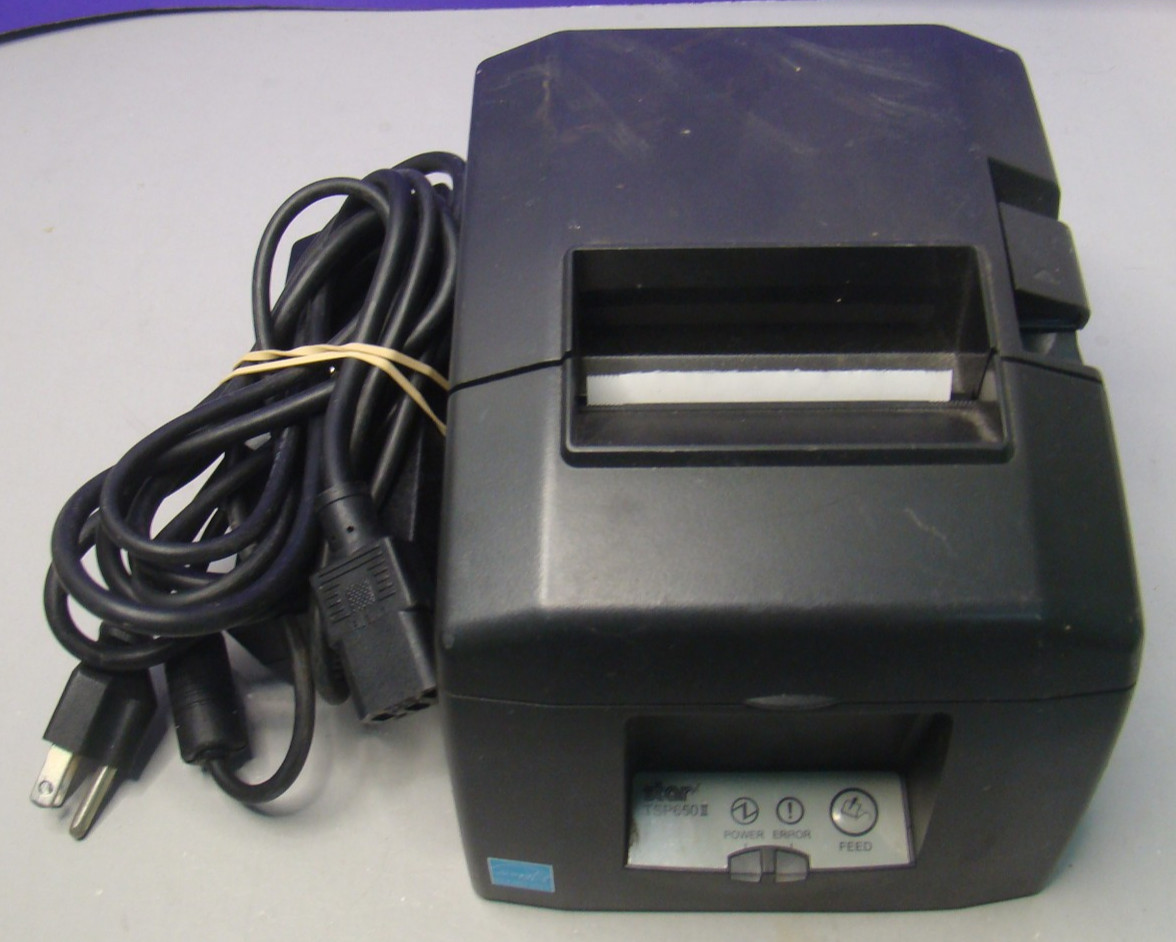
The Star TSP650II is the more price-focused selection at USD 39.99. Beyond its USB thermal receipt-printer format, it lists a 3.13-inch print width and machine compatibility with iOS, Windows, and Android. Choose it when those stated platform details align with the POS environment you are equipping and when keeping the listed price lower is important. Its TSP650II series and JamFree Auto-Cutter provide the same general receipt-printing foundation as the Seiko in this comparison. The limitation is that it is also marked used, and USB is the listed connection, making a wired USB arrangement the configuration described for this model.
Final choice by use case
Choose the Seiko RP-D10 for a setup centered on the named compatible power supply and USB cable package. Choose the Star TSP650II for its lower listed price, 3.13-inch print width, and listed iOS, Windows, and Android compatibility. If the shared USB, thermal printing, used condition, and JamFree Auto-Cutter meet your needs either way, those use-case details are the most meaningful tie-breakers.