Packing and shipping fragile items means choosing between two very different tools: a stack of small cardboard moving boxes or a bundle of packing paper. One gives your things a rigid shell; the other gives them cushioning. Both belong in a packing shipping setup, but which one you should buy first depends on what you're sending and how you plan to protect it.
Quick Verdict
If you're shipping books, small tools, or items that already have some padding around them, the Cardboard Moving Boxes are the backbone of your pack. If you're wrapping glasses, dishes, or collectibles before placing them into any box, the 100 Sheets Packing Paper provides the protection. For most moves, you'll end up using both. Choose the boxes when structure matters most; choose the paper when you need inexpensive cushioning for breakables.
Comparison Table
| Option | Price | Best For | Key Details |
|---|---|---|---|
| Cardboard Moving Boxes (15-pack) | USD 48.78 | Shipping items that need crush protection | Small 16" x 10" x 10", 32 lb breaking strength, brown |
| 100 Sheets Packing Paper | USD 8.75 | Wrapping glassware, dishes, and collectibles | 12" x 12" sheets, ink-free, reusable |
Where Each Product Wins
Cardboard Moving Boxes win when you need a ready-to-ship container. The 15-pack gives you a uniform set of small boxes with pre-creased flaps that fold in quickly, so you can pack several items at once. The listed 32-pound breaking strength means these boxes can handle heavier small goods without feeling flimsy.
100 Sheets Packing Paper wins when you need a low-cost protective layer. The unprinted, ink-free sheets won't leave residue on your fragile items, and the square shape makes wrapping glasses and dishes straightforward. If you've already got boxes, this paper is the final layer of safety.
Product Notes
Cardboard Moving Boxes for Packing and Shipping Small Size 16" X 10" X 10" Brown
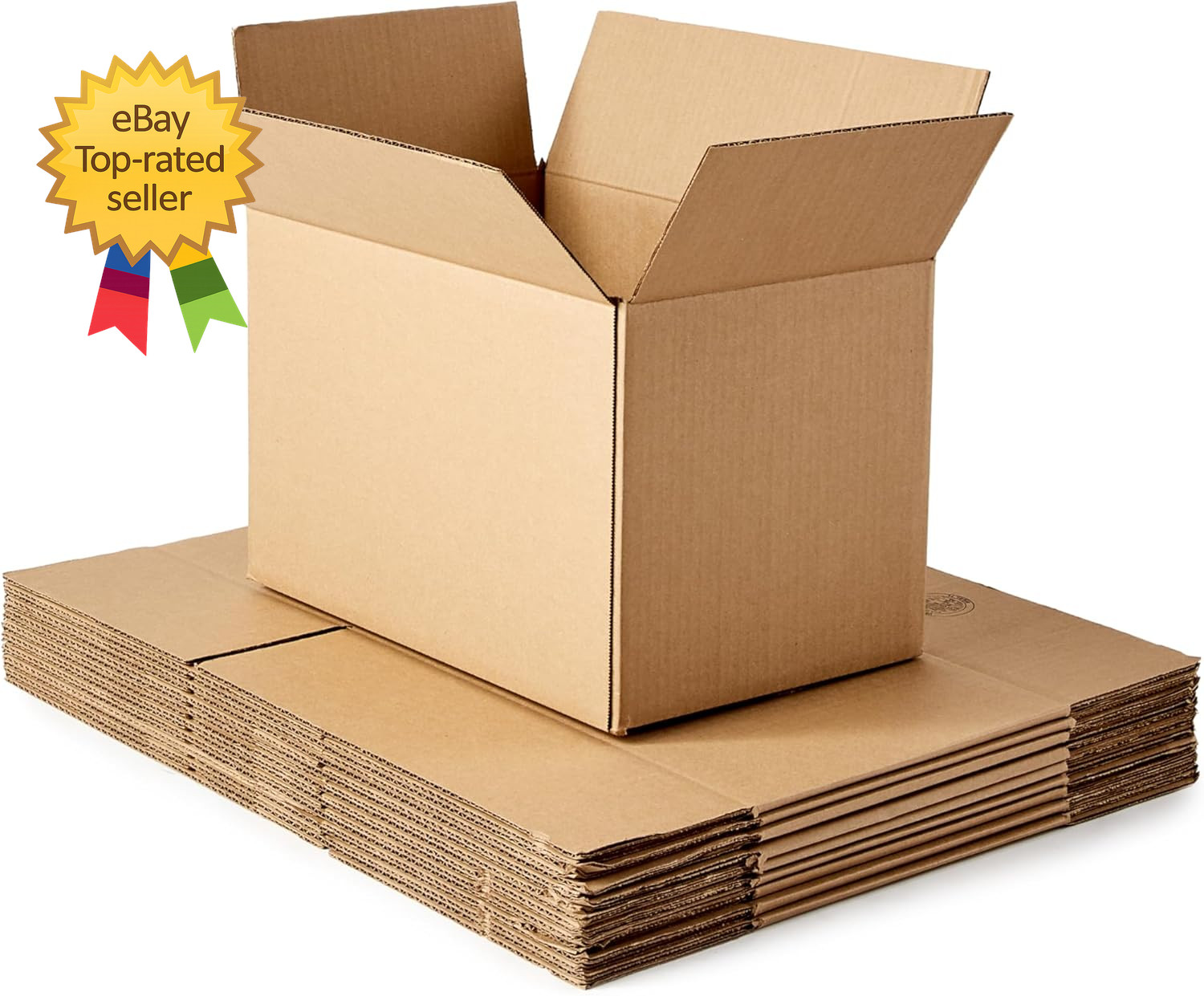
This 15-pack of small cardboard boxes is the structural choice. Each box measures 16 x 10 x 10 inches, which is a useful size for books, tools, kitchenware, and other compact items. The single-wall corrugated construction and 32-pound breaking strength give you confidence that the box won't collapse under a moderate load, and the pre-creased flaps fold in easily-something you'll appreciate when packing multiple boxes in one sitting. The brown color is unremarkable but fitting for shipping.
The limitation is that one size has to fit everything. If you're packing a lamp, a large pot, or any item longer than 16 inches, this box won't close. You also need cushioning material inside for breakables, because a bare cardboard box doesn't absorb impact. It's a sturdy starting point, but not a complete packing solution.
100 Sheets Packing Paper for Moving Fragile Glasses and Shipping Boxes
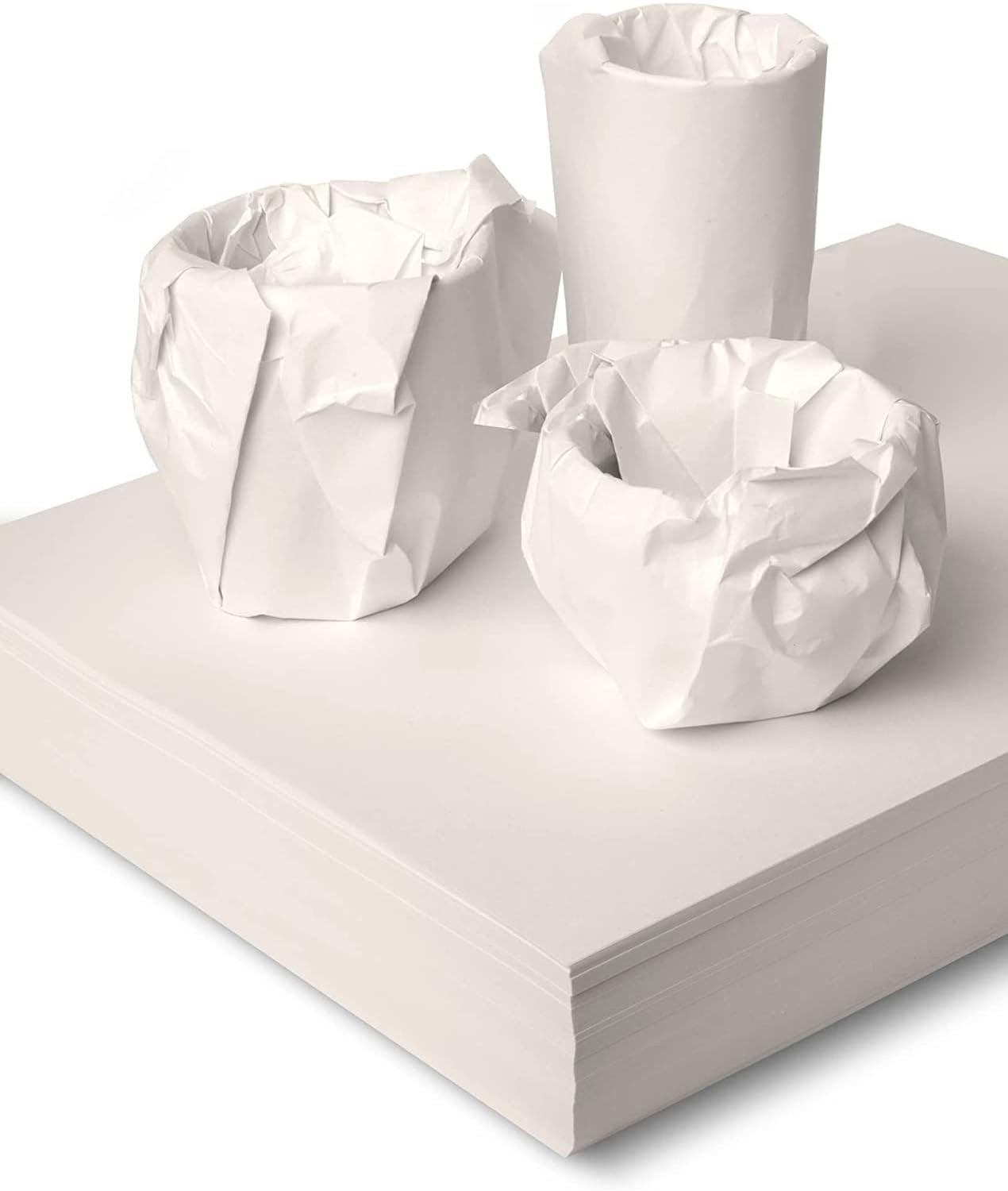
This 100-sheet pack of packing paper is the cushioning specialist. Each sheet is 12 x 12 inches, a practical size for wrapping a glass, a small dish, or a decoration before it goes into a box. The paper is unprinted and ink-free, so there's no residue left behind on your items, and because it's paper, you can reuse sheets that stay clean. At 100 sheets, this pack provides plenty of material for a modest move or a kitchen-full of fragile goods.
The limitation is that paper can't replace a box. It adds padding and prevents scratches, but it won't protect anything from being crushed if the outer container is weak. Larger items will eat through several sheets, and unless you have sturdy boxes ready, this paper alone won't get your shipment safely to its destination. It's a smart add-on, not a standalone shipping solution.
Final Choice by Use Case
If you're shipping a mix of small household items and have no boxes at all, start with the Cardboard Moving Boxes 15-pack at USD 48.78. Add paper inside for fragile pieces.
If you already have boxes and need a protective wrap for glasses and dishes, grab the 100 Sheets Packing Paper at USD 8.75. It's the lighter investment and gives you plenty of cushioning for breakables.
For a full packing shipping job, both products earn a spot: the boxes provide the shell, and the paper provides the padding.