Choosing a moving box usually comes down to two questions: what are you packing, and how much space does it need? In this head-to-head, one option is a medium 20-pack designed for everyday dry goods, and the other is a large-size Amazon Basics cardboard box for bigger loads. The listed prices are far apart, so the decision is not just about box count-it is about whether you need the extra volume before paying for it.
Quick Verdict
If your load is dense-books, tools, kitchenware-the medium 20-pack is the easy call because it costs less at listed price and gives you a practical box size. If you're packing lighter but bulky items like clothing, bedding, files, or electronics, the Amazon Basics large box is the size you want, but you pay more for it.
| Product | Listed Price | Price Bar | Size / Count | Standout Point |
|---|---|---|---|---|
| Medium 20-Pack | USD 78.77 | Medium 18x14x12, 20 boxes | Listed 32-lb breaking strength | |
| Amazon Basics Large Box | USD 257.99 | Large-size cardboard box | More room for bulky dry goods |
Both boxes use cardboard and pre-creased flaps, so the folding routine is similar. The real difference is size and listed price. If you are planning several trips to the car, the medium 20-pack supports a room-by-room system; the large box is better when you need to move one bulky object without playing Tetris with the box size.
Where Each Product Wins
- Medium 20-Pack wins on dense loads. The medium footprint is a sensible match for heavy items, and the 20-pack gives you enough boxes to sort a room without buying more.
- Amazon Basics Large wins on bulky volume. This is the better choice when a medium box is too small for the item. It gives you a large cardboard container that works for files, clothing, and electronics, though at a higher listed price.
Product Notes
Cardboard Moving Boxes, Medium Size, 18" X 14" X 12", B
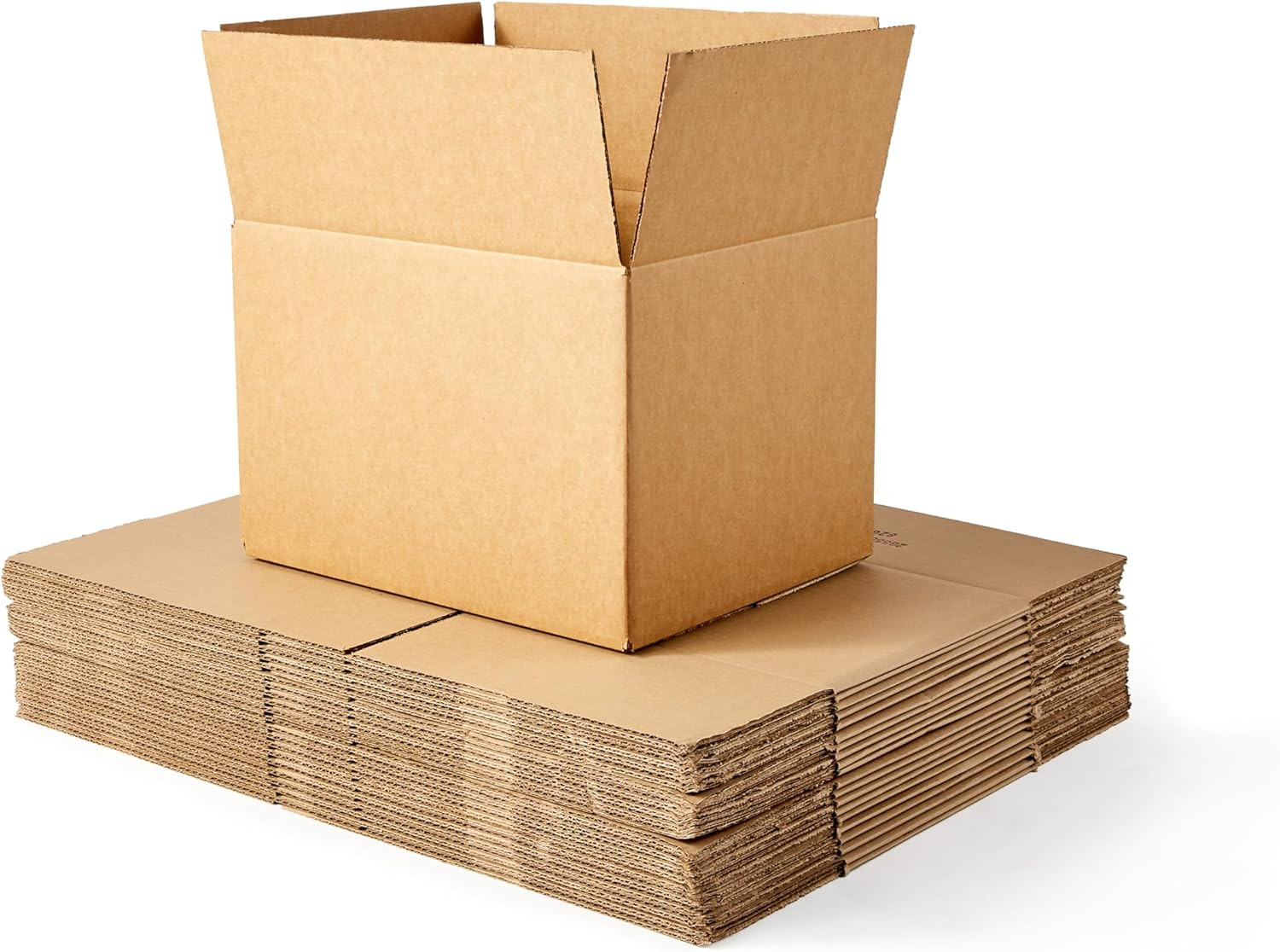
At a listed price of $78.77, this is the lower-cost option and it comes as a 20-pack, so you can line up several boxes for a room-by-room move. The medium 18x14x12-inch footprint is a practical size for dense loads like books, tools, and kitchenware, and the listed 32-pound breaking strength gives you a spec to weigh when loading heavier contents. For example, you can fill one box with cookware, another with shoes, and keep the setup consistent because all 20 share the same footprint. The limitation is that same medium footprint: if you are packing large, bulky items, you will likely need a second, bigger box. For a typical move full of denser items, the medium size keeps the upfront spend below the large option and gives you enough boxes to separate rooms without overbuying.
Amazon Basics Cardboard Moving Boxes, Large Size, 20" x
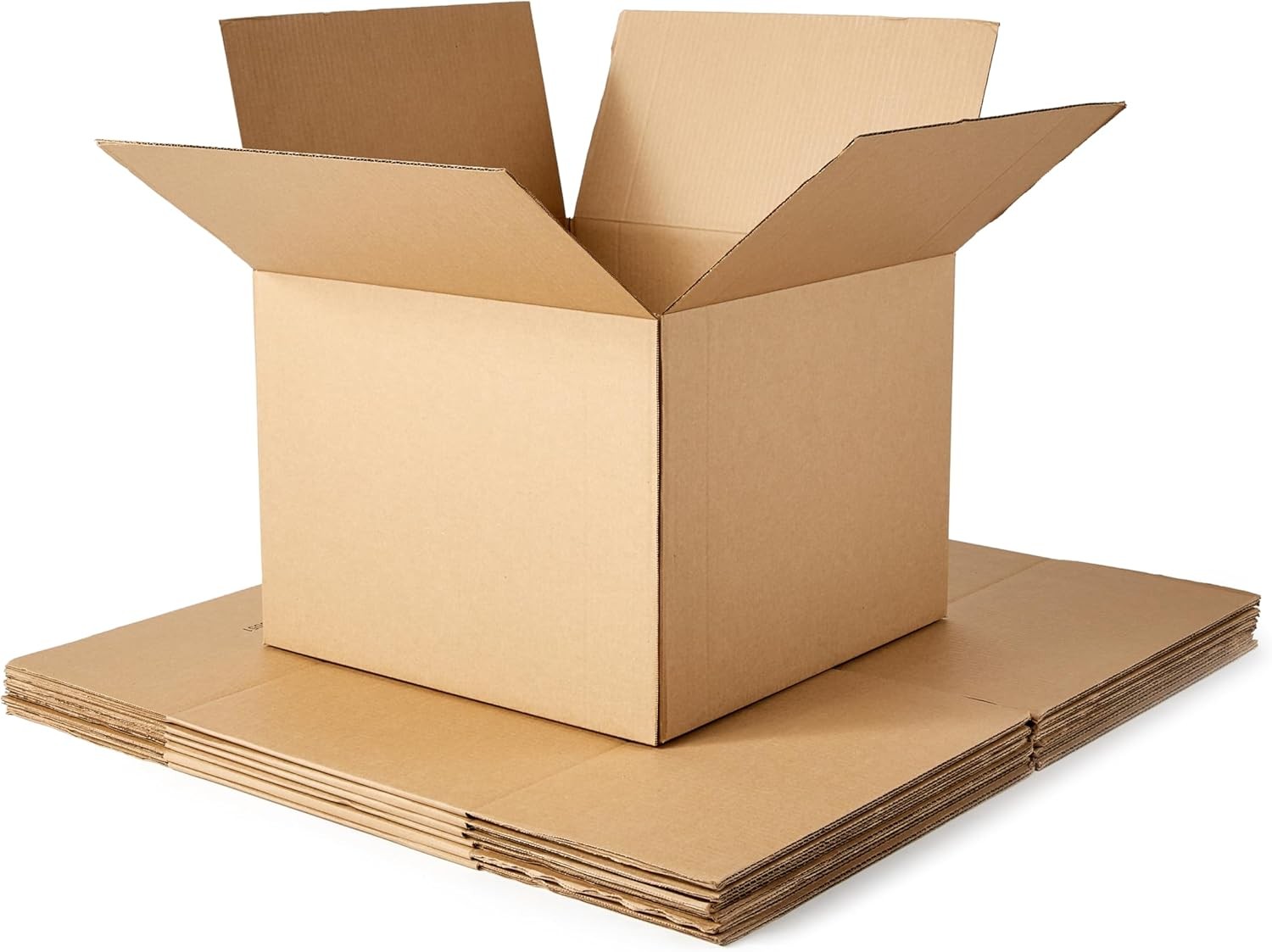
At a listed price of $257.99, this is the larger outlay in the pair, and it pays off when you regularly pack bulky dry goods. The large-size cardboard container works for files, clothing, and electronics, so you don't have to force a bulky item into a smaller box. The pre-creased flaps fold in to create the box without extra tools. Choose it for the occasional oversized item, and pair it with smaller boxes for the rest of the move. The main trade-off is the price: if your move is mostly books and kitchen tools, you are paying for unused space. For bulky belongings that need breathing room, the Amazon Basics large is the option that makes sense.
Final Choice by Use Case
For dense, heavy loads and a lower listed price, choose the medium 18x14x12 20-pack. For larger, lighter dry goods that need more room, choose the Amazon Basics large box.